

Orange-breasted Falcon
Falco deiroleucus
The Orange-breasted Falcon is a powerful, rare Neotropical falcon resembling a large Bat Falcon, with a black hood, a broad orange-buff breast band, and a boldly white-barred black belly.
- Feather type
- Broad-based pointed flight feathers; bold breast and belly feathers
- Colours
- Black hood and upperparts, broad orange-buff breast band, black belly barred white
- Bird size
- Medium falcon, ~35-42 cm
Found a feather like this?
Identify any feather from a photo, free.
Overview
The Orange-breasted Falcon is a scarce and patchily distributed falcon of Central and South American forests and cliff faces, closely resembling a scaled-up version of the Bat Falcon but larger and with a broader orange breast band. It typically nests on tall cliff faces overlooking forest, hunting birds and large insects in fast pursuit.
Because of its rarity and specific cliff-nesting habits, feathers are seldom encountered but would be recognizable by their combination of black hood feathers and bold orange breast feathers.
Identifying the Feather
Recognizing Orange-breasted Falcon feathers
- Flight feathers: Black to blackish above, broad-based and powerful, larger than Bat Falcon flight feathers.
- Tail feathers: Black with narrow pale banding.
- Body feathers: Head and back feathers glossy black; breast feathers broad, solid orange-buff forming a band across the chest; belly and flank feathers black boldly barred with white; thigh feathers orange-rufous.
- Shaft color: Dark blackish-brown.
- Compared to similar species: Larger overall than the similar Bat Falcon, with a broader, more solid orange breast band rather than a smaller rufous throat patch, and a more extensively black (less barred) upper belly before the barred lower belly begins.
Plumage & Molt
Adults show a black hood and upperparts, a broad orange-buff band across the upper breast, and a black belly with bold white barring, plus orange-rufous thighs. Sexes are similar in pattern, with females larger. Juveniles are duller with a more streaked, less crisply banded breast, developing full adult pattern with maturity.
Habitat & Range
Found in a narrow band from southern Mexico through Central America into parts of northern and central South America, generally associated with tall cliffs bordering tropical forest. Resident, without regular long-distance migration; naturally rare and local throughout its range.
Behavior & Field Notes
Hunts birds in fast, powerful stoops and pursuit flight, also taking large insects, typically from a cliff-edge or tall snag perch. Nests on cliff ledges overlooking forest. Vocalizations include harsh, repeated calls near the eyrie. A black feather with a broad orange-buff breast feather and bold white-barred belly feathers found near tropical forest cliffs suggests this uncommon species, though such finds are rare given its scarcity.
Frequently asked questions
How is the Orange-breasted Falcon different from the Bat Falcon?
It is notably larger with a broader, more solid orange breast band, compared to the Bat Falcon's smaller rufous throat patch and more extensively barred belly.
Is the Orange-breasted Falcon common?
No, it is a naturally rare and patchily distributed species, so feather finds are uncommon.
Where does the Orange-breasted Falcon nest?
On tall cliff faces overlooking tropical forest, from southern Mexico through Central America into parts of South America.
What color are the belly feathers of an Orange-breasted Falcon?
Black with bold white barring, below the solid orange-buff breast band.
Orange-breasted Falcon guides
In-depth guides for identifying and understanding Orange-breasted Falcon.

Other feathers you may enjoy

Australian Hobby
Long, narrow pointed flight feathers; slender tail feathers

California Condor
Massive flight feathers; long broad primaries; large tail feathers

Brown Falcon
Broad, rounded flight feathers; variable-toned contour feathers
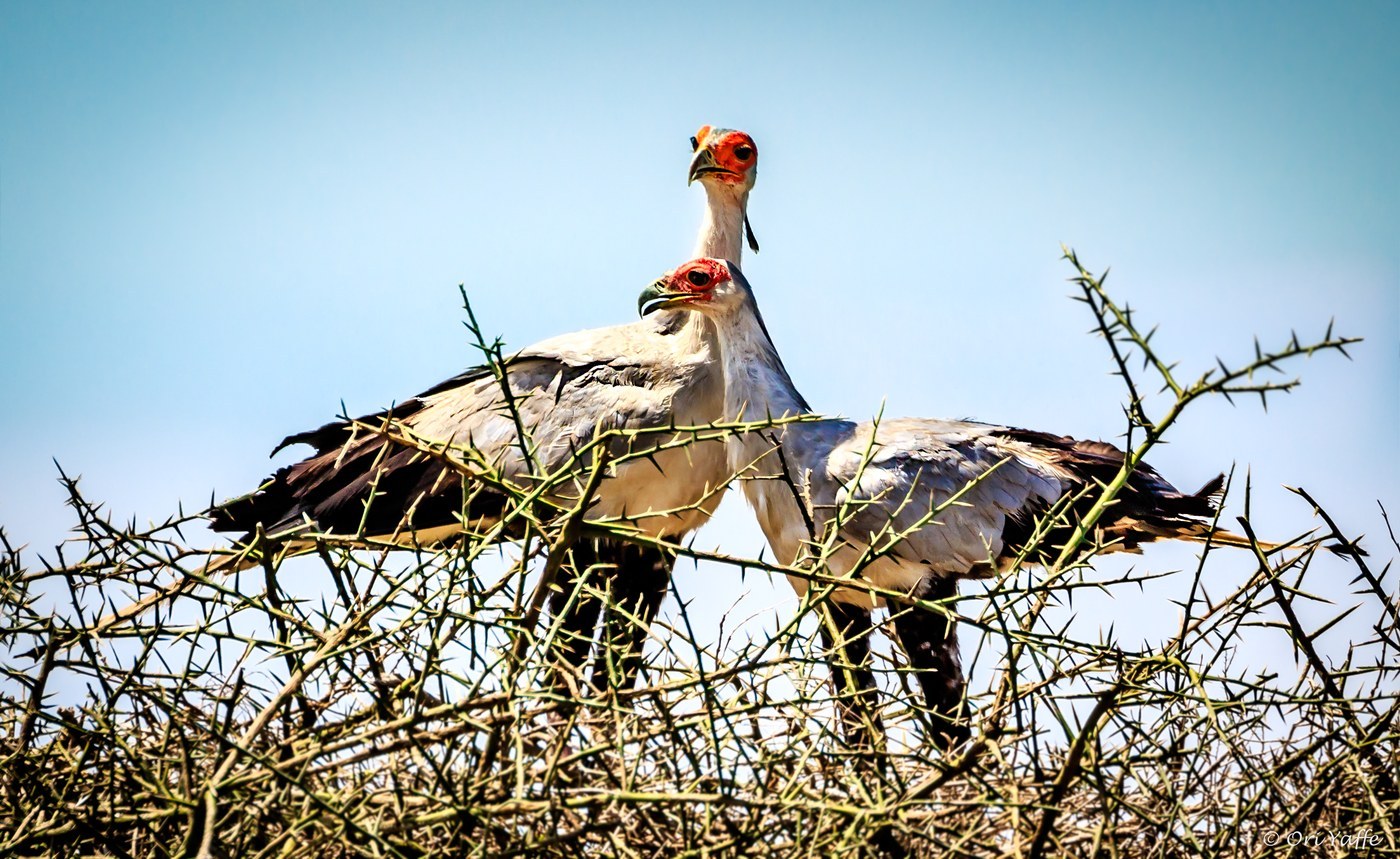
Secretarybird
Long crest feathers; broad flight feathers; elongated central tail feathers
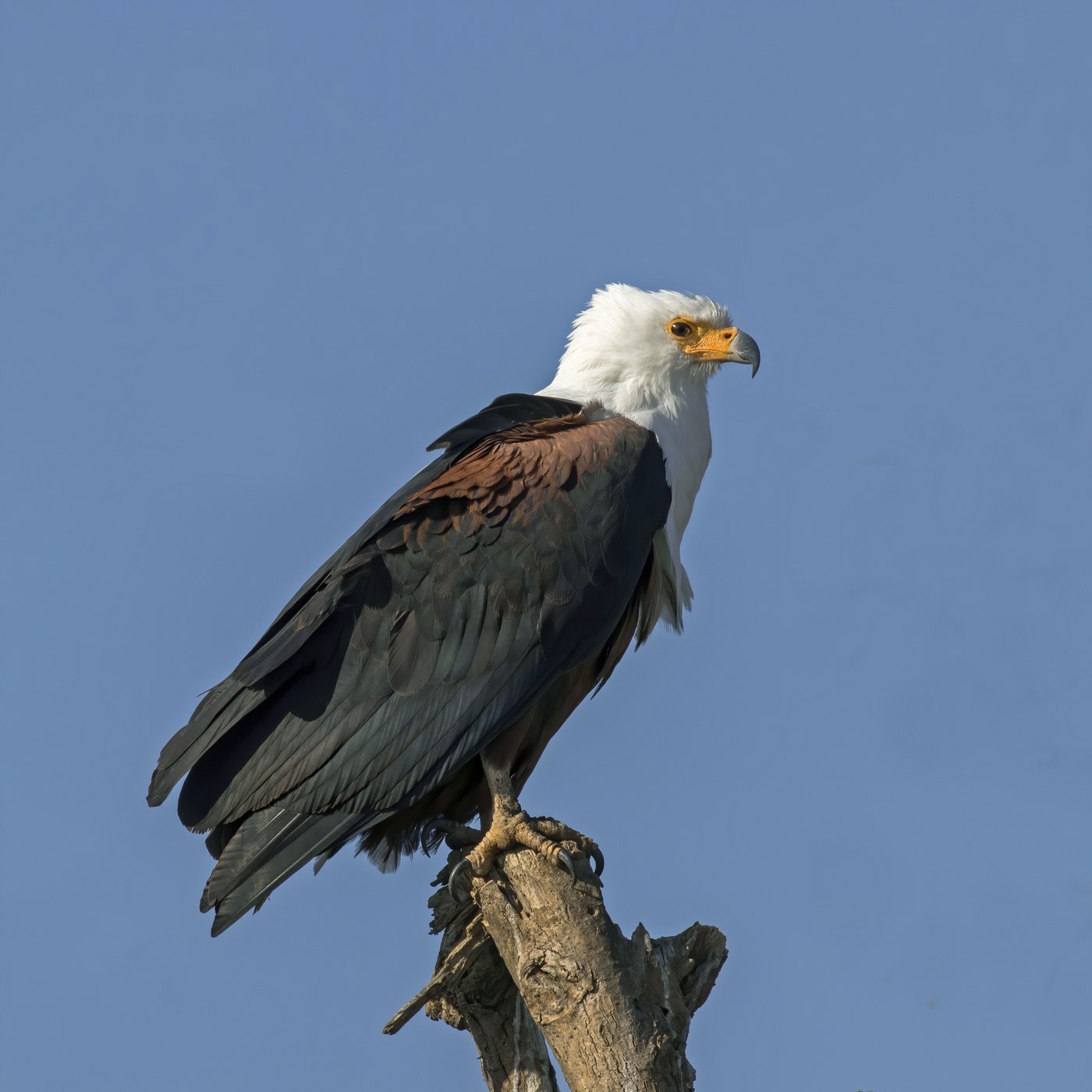
African Fish Eagle
Flight, tail, and body feathers

Amur Falcon
Slender pointed flight feathers; soft slate or orange-buff contour feathers
Red Kite
Flight (wing) and tail feathers
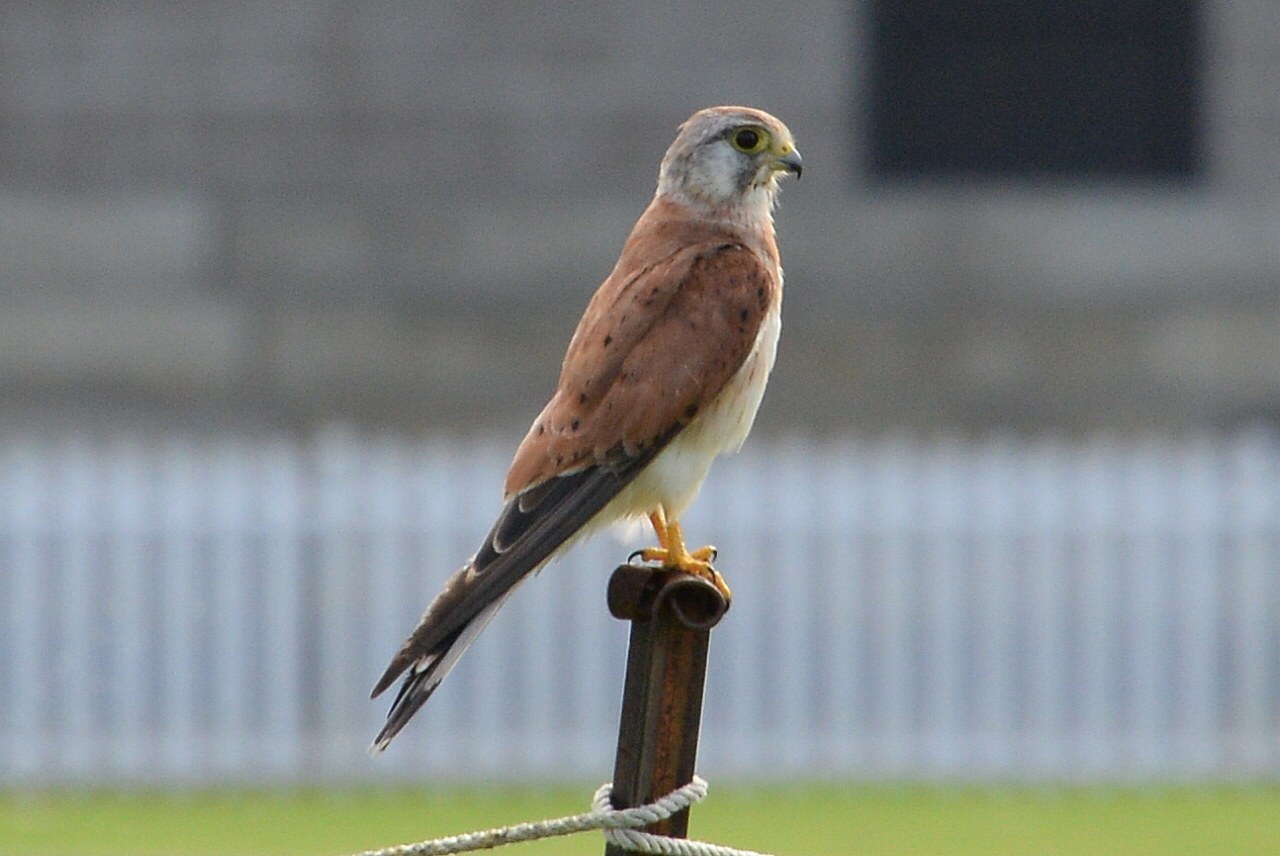
Nankeen Kestrel
Slim pointed flight feathers; lightly marked contour feathers

Andean Condor
Massive flight feathers; broad primaries and secondaries; sturdy tail feathers

Plumbeous Forest Falcon
Short rounded flight feathers; finely barred tail feathers

Sooty Falcon
Long pointed flight feathers; slim tail feathers
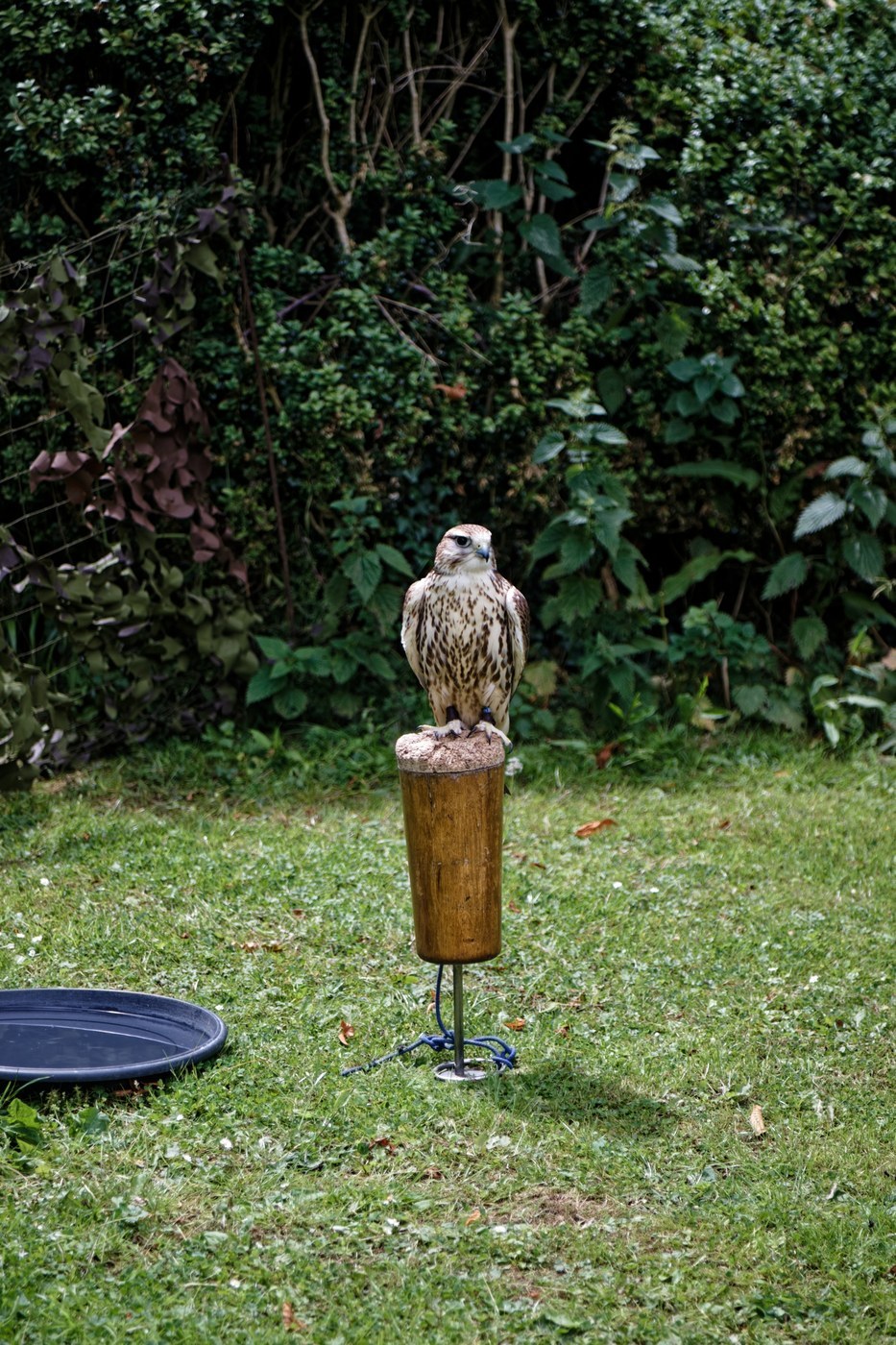
Saker Falcon
Long pointed flight feathers & squared tail; dense back and covert feathers