
Ornate Hawk-Eagle
Spizaetus ornatus
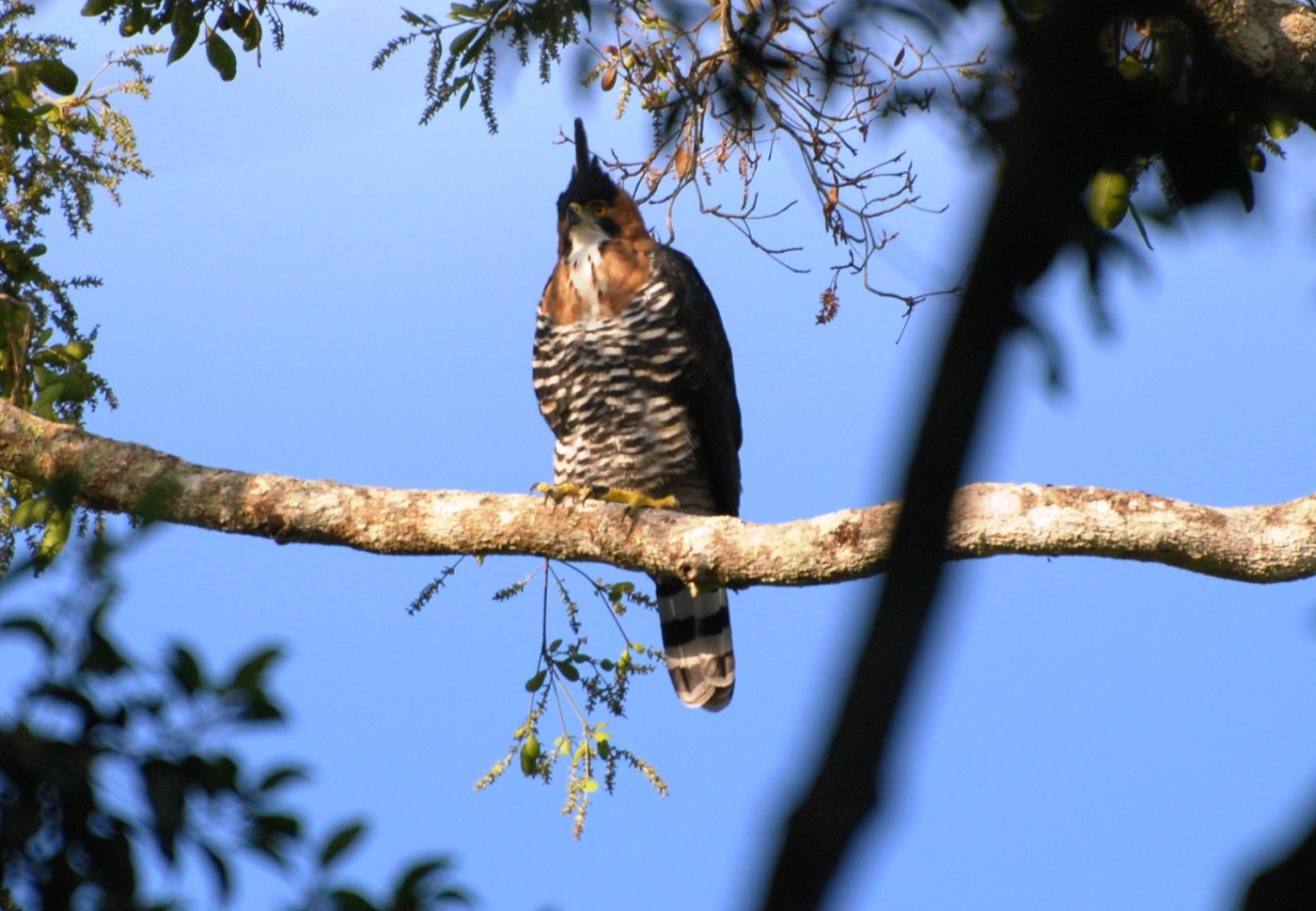
A powerful Neotropical forest raptor with a bold black crest, rufous cheeks and neck, and crisp black-and-white barring across the underparts, built for hunting within the forest canopy.
- Feather type
- Broad rounded wing feathers; long banded tail feathers; erectile crest
- Colours
- Black crest, rufous head sides, black-and-white barred underparts
- Bird size
- Large raptor, ~56-68 cm
Found a feather like this?
Identify any feather from a photo, free.
Overview
The Ornate Hawk-Eagle is a striking and powerful raptor of Neotropical forests, ranging from Mexico through Central America into much of South America. Its bold facial pattern, prominent crest, and finely barred underparts make it one of the more distinctive forest raptors within its range.
Adapted for hunting within and below the forest canopy, this species relies on stealth and powerful, agile flight to ambush birds and mammals, often perching quietly before launching a swift attack.
Identifying the Feather
- Crest is black, long, and erectile, often raised to a point on the crown when alert
- Sides of the head and neck are rich rufous-chestnut, contrasting with a white throat crossed by a thin black stripe
- Underparts are boldly barred black and white across the belly and thighs, with the barring becoming finer toward the vent
- Upperparts are blackish-brown, offering camouflage in dense canopy shade
- Tail is long and banded with alternating dark and pale gray bars
- Wings are broad and rounded, adapted for maneuvering through dense forest rather than soaring in open sky
- Distinguished from the Black-and-chestnut Eagle by the rufous head sides and boldly barred (rather than solid chestnut) underparts
Plumage & Molt
Adults show the diagnostic black crest, rufous head sides, and black-and-white barred underparts described above, with males and females looking alike apart from the female's larger size, typical of raptors. Juveniles are quite different, appearing mostly white below with a whitish head and only faint barring, gradually acquiring the rufous neck and bold barring through successive molts over several years to reach adult plumage. There is no seasonal plumage change in adults.
Habitat & Range
This species inhabits lowland and foothill tropical forest from Mexico through Central America and much of South America, generally favoring tall, intact forest with a closed canopy. It is largely resident, holding large forest territories, and is considered sensitive to deforestation and habitat fragmentation across its range.
Behavior & Field Notes
Ornate Hawk-Eagles hunt birds and small to medium-sized mammals, typically ambushing prey from a concealed perch with a fast, direct attack through the forest understory or canopy. They build large stick nests high in forest trees, often reusing the same nest across breeding attempts. Calls are loud, high-pitched whistled notes, most often heard during territorial or breeding displays, and the species is generally more often heard than seen in dense forest.
Frequently asked questions
What does an Ornate Hawk-Eagle feather look like?
Crest feathers are black and erectile, head-side feathers are rich rufous-chestnut, and underpart feathers are boldly barred black and white, with a long tail banded in dark and pale gray.
How does a juvenile Ornate Hawk-Eagle differ from an adult?
Juveniles are mostly white below with a pale head and only faint barring, lacking the adult's rufous neck and bold black-and-white barring until they mature over several years.
How can I tell an Ornate Hawk-Eagle from a Black-and-chestnut Eagle?
The Ornate Hawk-Eagle has rufous sides to the head and boldly barred underparts, while the Black-and-chestnut Eagle has a blackish head and solid chestnut underparts.
Where does the Ornate Hawk-Eagle live?
It is found in lowland and foothill tropical forest from Mexico through Central America and much of South America.
Ornate Hawk-Eagle guides
In-depth guides for identifying and understanding Ornate Hawk-Eagle.
Other feathers you may enjoy

Australian Hobby
Long, narrow pointed flight feathers; slender tail feathers

California Condor
Massive flight feathers; long broad primaries; large tail feathers

Brown Falcon
Broad, rounded flight feathers; variable-toned contour feathers
Secretarybird
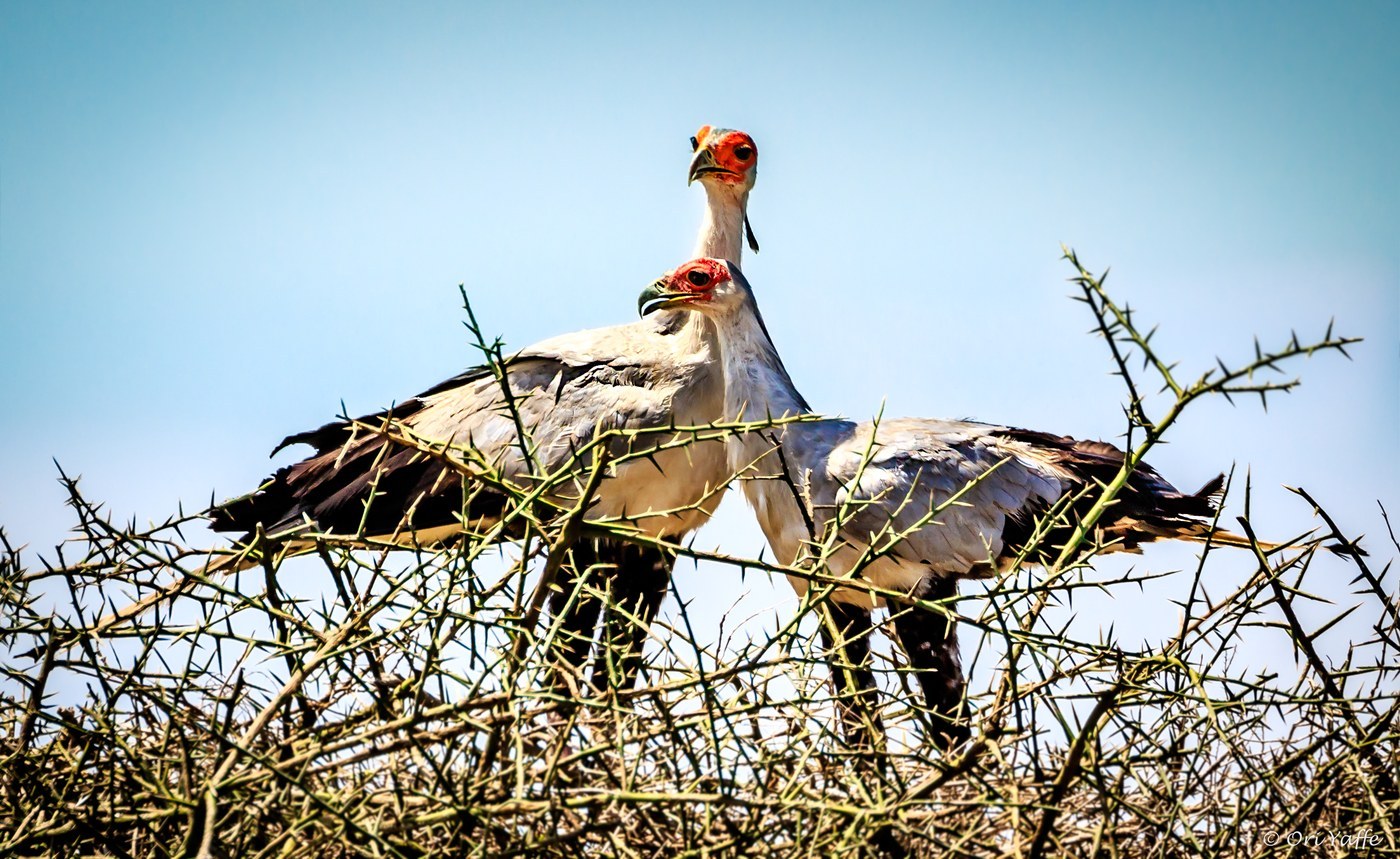
Long crest feathers; broad flight feathers; elongated central tail feathers

Orange-breasted Falcon
Broad-based pointed flight feathers; bold breast and belly feathers
African Fish Eagle
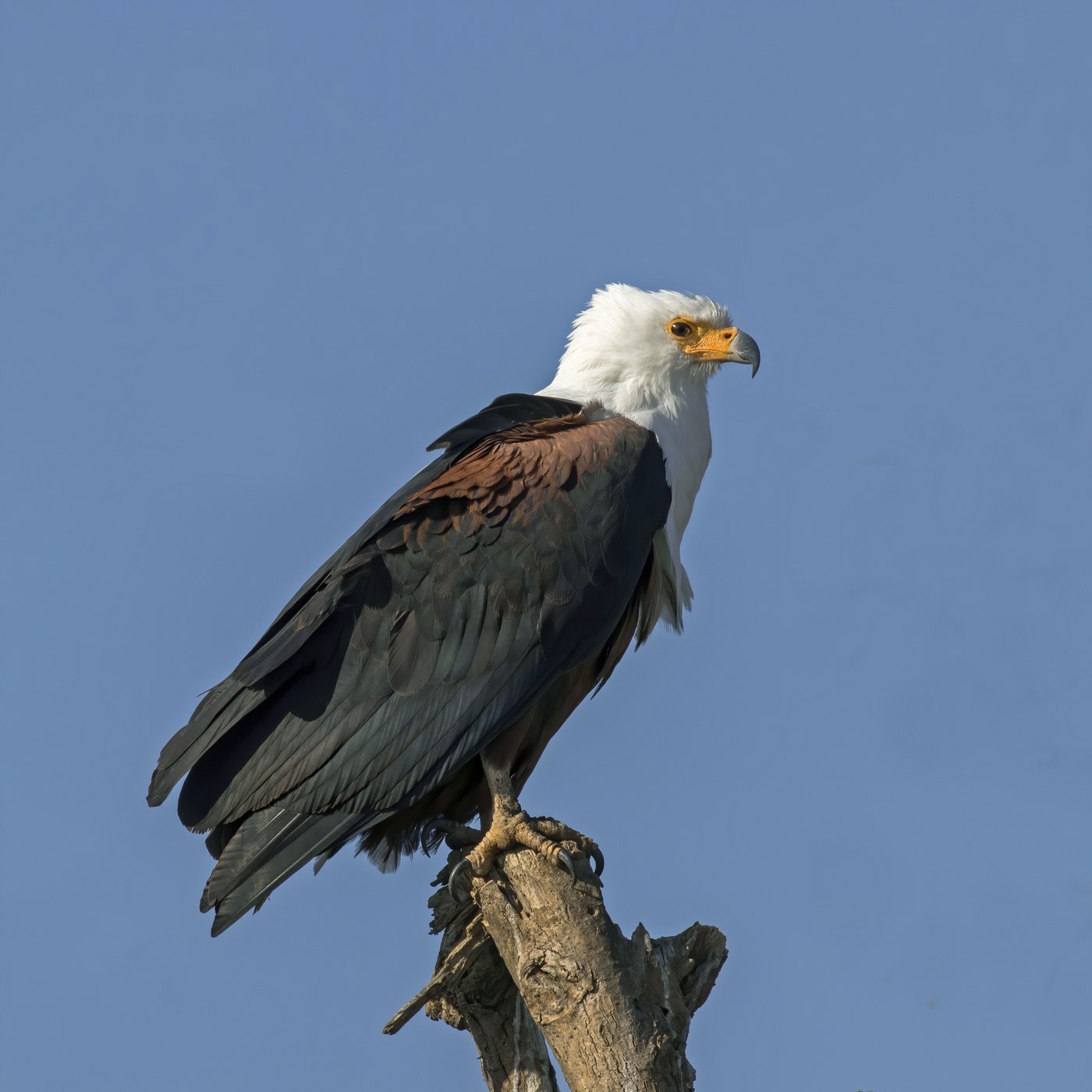
Flight, tail, and body feathers

Amur Falcon
Slender pointed flight feathers; soft slate or orange-buff contour feathers
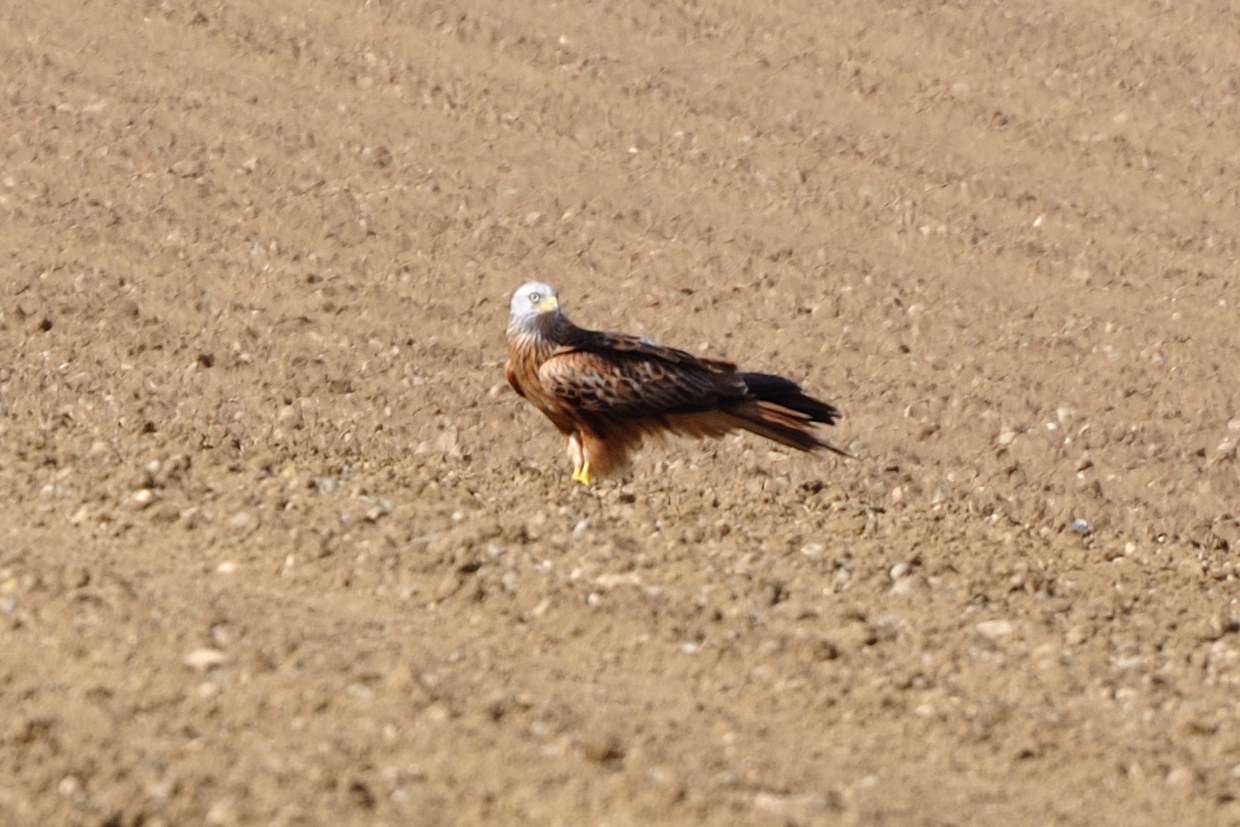
Red Kite
Flight (wing) and tail feathers
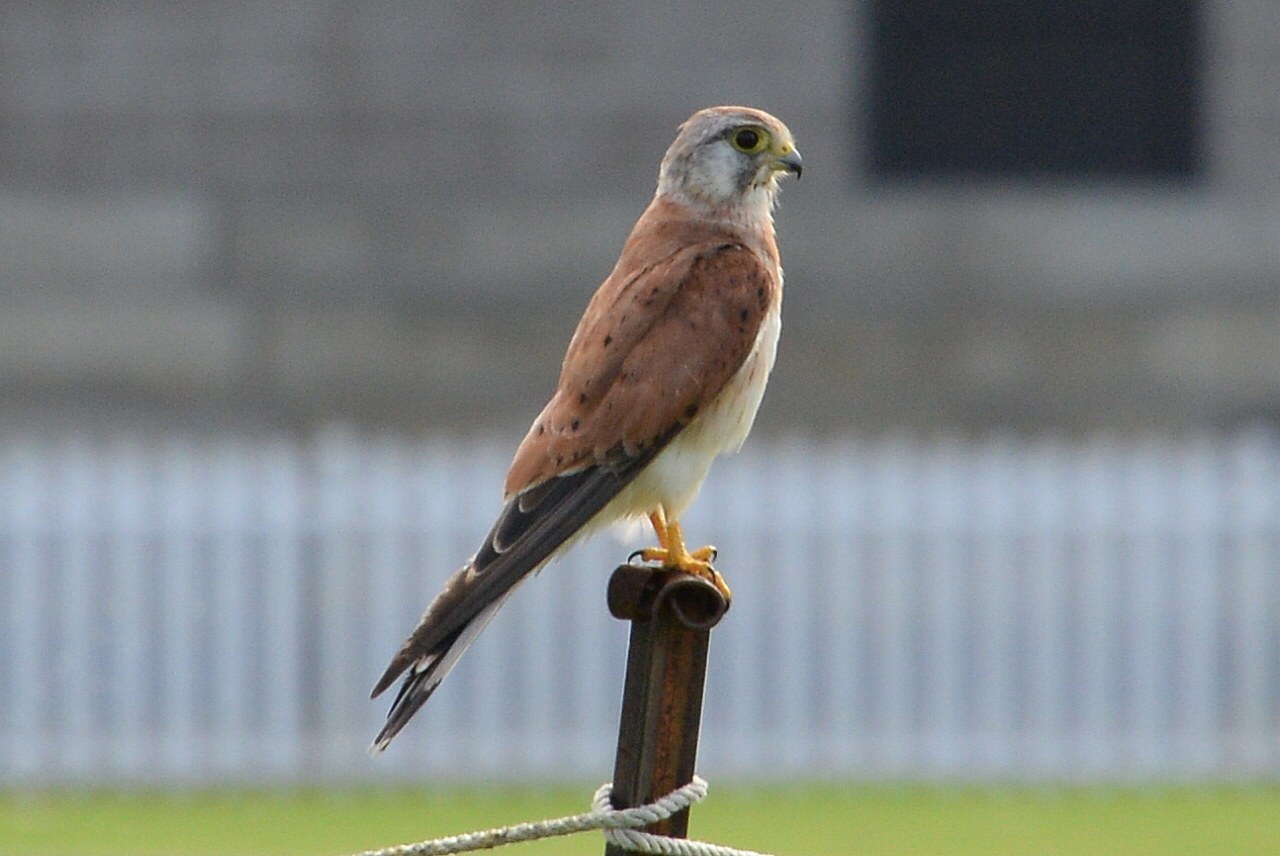
Nankeen Kestrel
Slim pointed flight feathers; lightly marked contour feathers

Andean Condor
Massive flight feathers; broad primaries and secondaries; sturdy tail feathers

Plumbeous Forest Falcon
Short rounded flight feathers; finely barred tail feathers

Sooty Falcon
Long pointed flight feathers; slim tail feathers