

Pacific Reef Heron
Egretta sacra
A stocky coastal heron of the Indo-Pacific found in two color forms, an all slate-grey dark morph and a pure white light morph, both hunting the wave-washed edges of reefs and rocky shores.
- Feather type
- Dense contour feathers, dark or white morph
- Colours
- Slate-grey (dark morph) or white (light morph)
- Bird size
- Small-medium heron, ~58-66 cm
Found a feather like this?
Identify any feather from a photo, free.
Overview
Overview
The Pacific Reef Heron is a short-legged, thickset heron specialized for life along rocky and coral coastlines throughout the Indian and Pacific Oceans. Unusually for a heron, it occurs in two distinct color morphs within the same population: a dark slate-grey morph, which predominates in most areas, and a pure white morph resembling a small egret. Because of this polymorphism, feather color alone cannot always separate this species from true egrets, and structural features such as feather thickness and the bird's typical coastal setting are more reliable clues.
- Two color morphs: dark slate-grey and white, sometimes intermediate
- Short, thick yellow-green to greenish legs, unlike the longer legs of marsh egrets
- Stocky build with a relatively short neck for a heron
- Restricted almost entirely to rocky and reef coastlines rather than inland wetlands
Identifying the Feather
Feather Identification
Because the Pacific Reef Heron has both a dark and a white color morph, feather identification depends heavily on knowing which morph is involved and on the coastal, rocky-shore context in which the feather is found.
- Dark morph feathers: uniform slate-grey to blue-grey, sometimes with a faint white streak on the throat
- White morph feathers: pure white, similar in tone to egret feathers but generally denser and stiffer
- Texture: feathers are notably dense and somewhat coarse compared with the fine plumes of marsh-dwelling egrets, an adaptation to a harsher wave-splashed environment
- Flight feathers: broad and rounded, matching the body morph color
- Vs. egrets: white-morph Reef Heron feathers can resemble egret feathers, but the coastal rocky-shore setting and heavier feather texture are useful clues
- Vs. White-faced Heron: dark morph feathers are more uniformly slate, lacking the white facial patch feathers
Plumage & Molt
Plumage Details
Dark-morph adults are slate-grey to blue-grey overall, sometimes with a whitish throat stripe, while white-morph adults are entirely white; intermediate, blotchy individuals occur occasionally. Both morphs share yellowish-green legs and a stout, mostly yellowish bill that can darken toward the tip. There is little seasonal plumage change beyond a slight brightening of bare-part color in the breeding season, and juveniles resemble adults but with duller, slightly browner tones in the dark morph. Molt is gradual and not tightly linked to a single season across its wide tropical and subtropical range.
Habitat & Range
Habitat & Range
This heron is a coastal specialist, found along rocky shorelines, coral reefs, mangrove fringes, and tidal platforms from East Africa and the Red Sea across South and Southeast Asia to Australia, New Zealand, and many Pacific islands. It rarely strays inland, instead concentrating along the intertidal zone where it can exploit exposed reef flats at low tide. Most populations are resident, though some island populations show local dispersal.
Behavior & Field Notes
Behavior & Field Notes
Pacific Reef Herons hunt by standing motionless or walking slowly across exposed reef flats and rock pools, striking at small fish, crabs, and other shoreline invertebrates left by the receding tide. They are solitary or loosely territorial foragers, though several birds may gather where prey is abundant. Nests are built in low vegetation, rock crevices, or trees near the coast, often on offshore islands away from mammalian predators. Its voice is a harsh, croaking call similar to other small herons. The combination of a stocky shape, short legs, and strict association with rocky or reef shoreline is the best field clue distinguishing it from inland egrets and herons.
Frequently asked questions
Why does the Pacific Reef Heron have two feather colors?
It is a naturally polymorphic species, meaning individual birds are genetically either the dark slate-grey morph or the white morph, and both occur within the same populations.
How can I tell a white-morph Reef Heron feather from an egret feather?
Reef Heron feathers tend to be denser and slightly coarser in texture, and they are typically found along rocky or reef shorelines rather than inland marshes.
Is the dark morph more common than the white morph?
In most parts of its range the dark slate-grey morph outnumbers the white morph, though the ratio varies by region.
Where would I find a Pacific Reef Heron feather?
Along rocky coastlines, coral reef flats, and mangrove shores anywhere from East Africa through South and Southeast Asia to Australia and the Pacific islands.
Pacific Reef Heron guides
In-depth guides for identifying and understanding Pacific Reef Heron.

Other feathers you may enjoy

Yellow-billed Spoonbill
White contour and flight feathers with fine breeding plumes on the back and breast
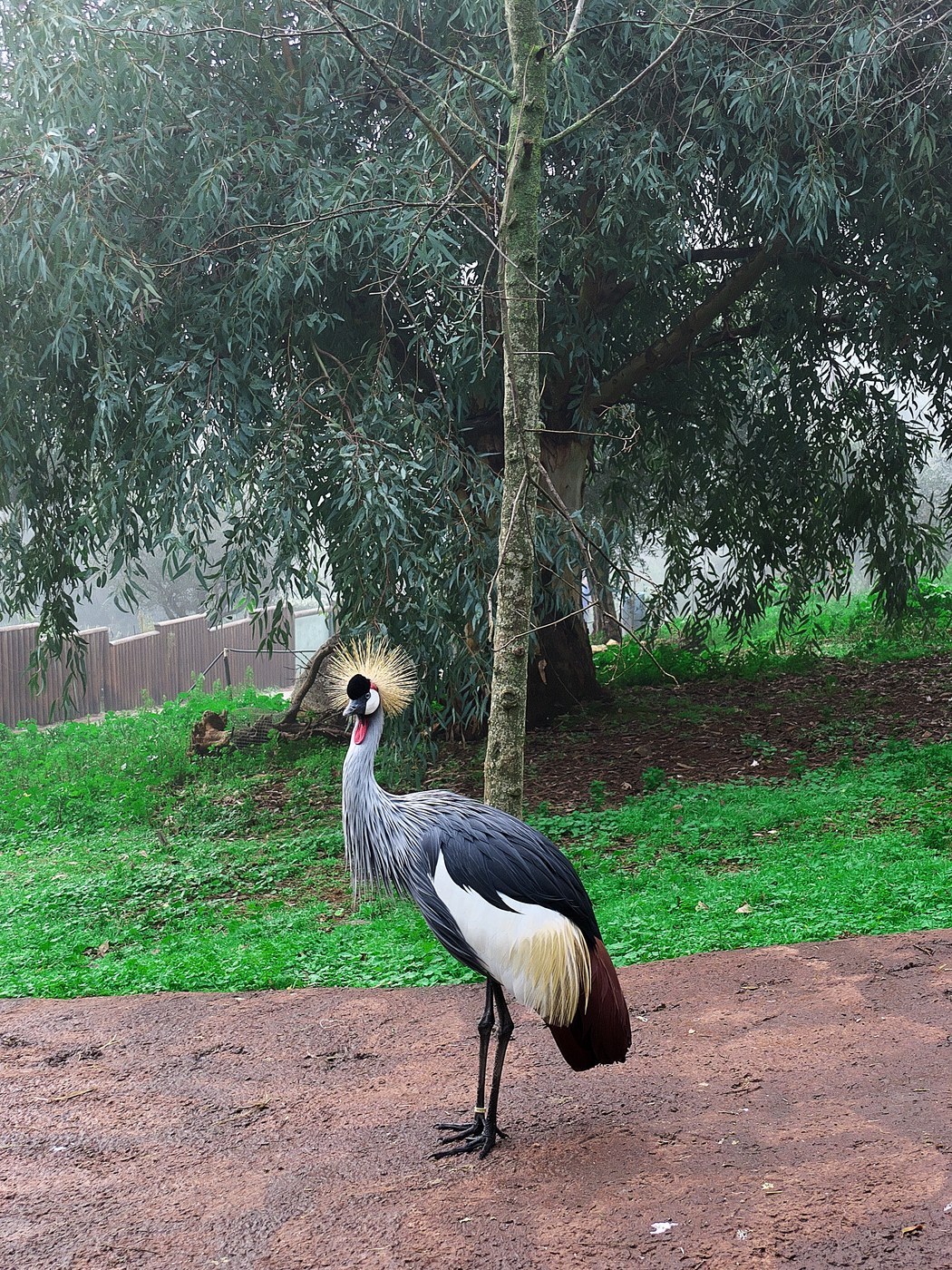
Grey Crowned Crane
Grey body feathers with white wing coverts, chestnut flight feathers, and stiff golden crown bristles
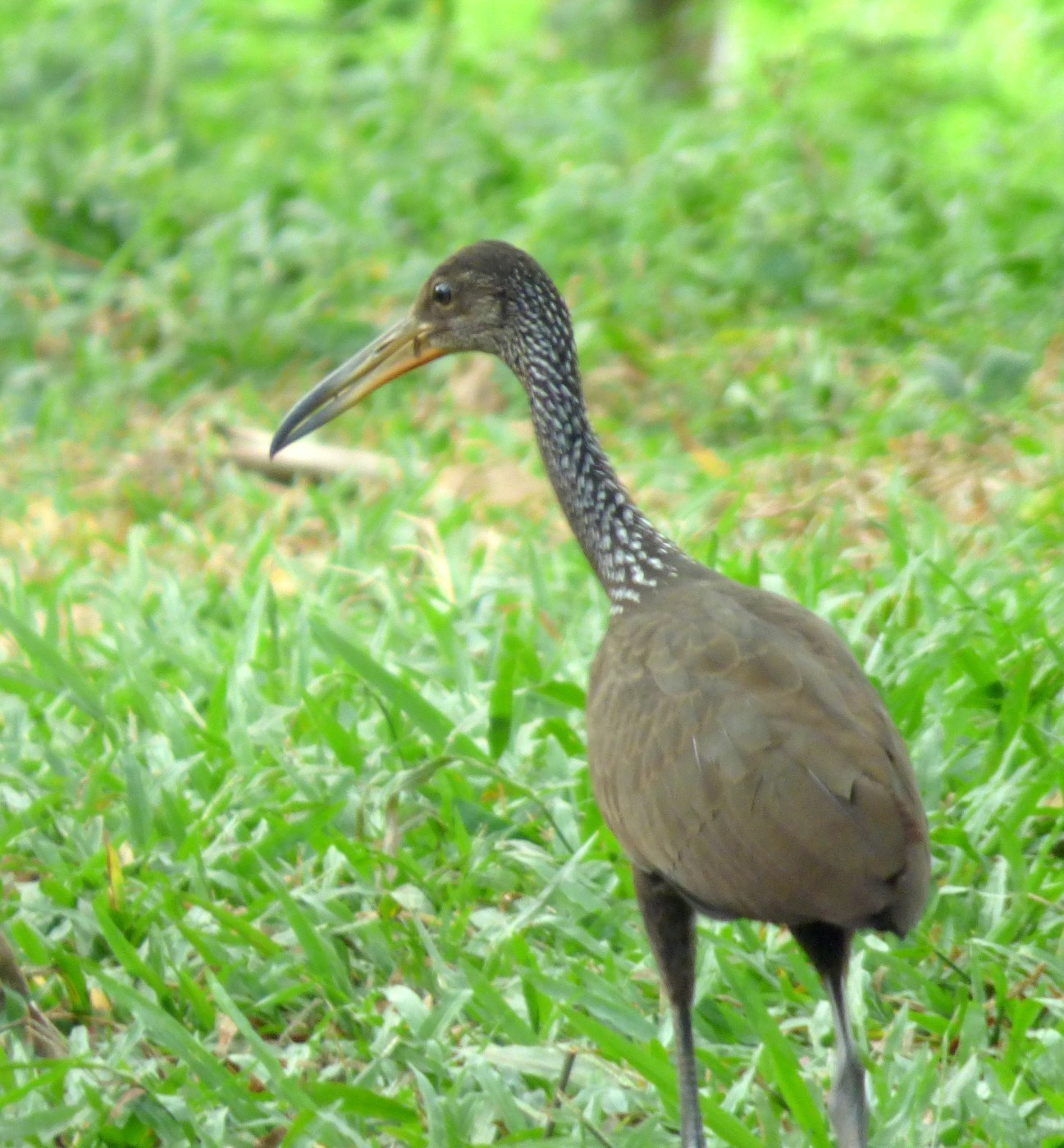
Limpkin
Brown contour feathers with white teardrop-shaped spots and streaks
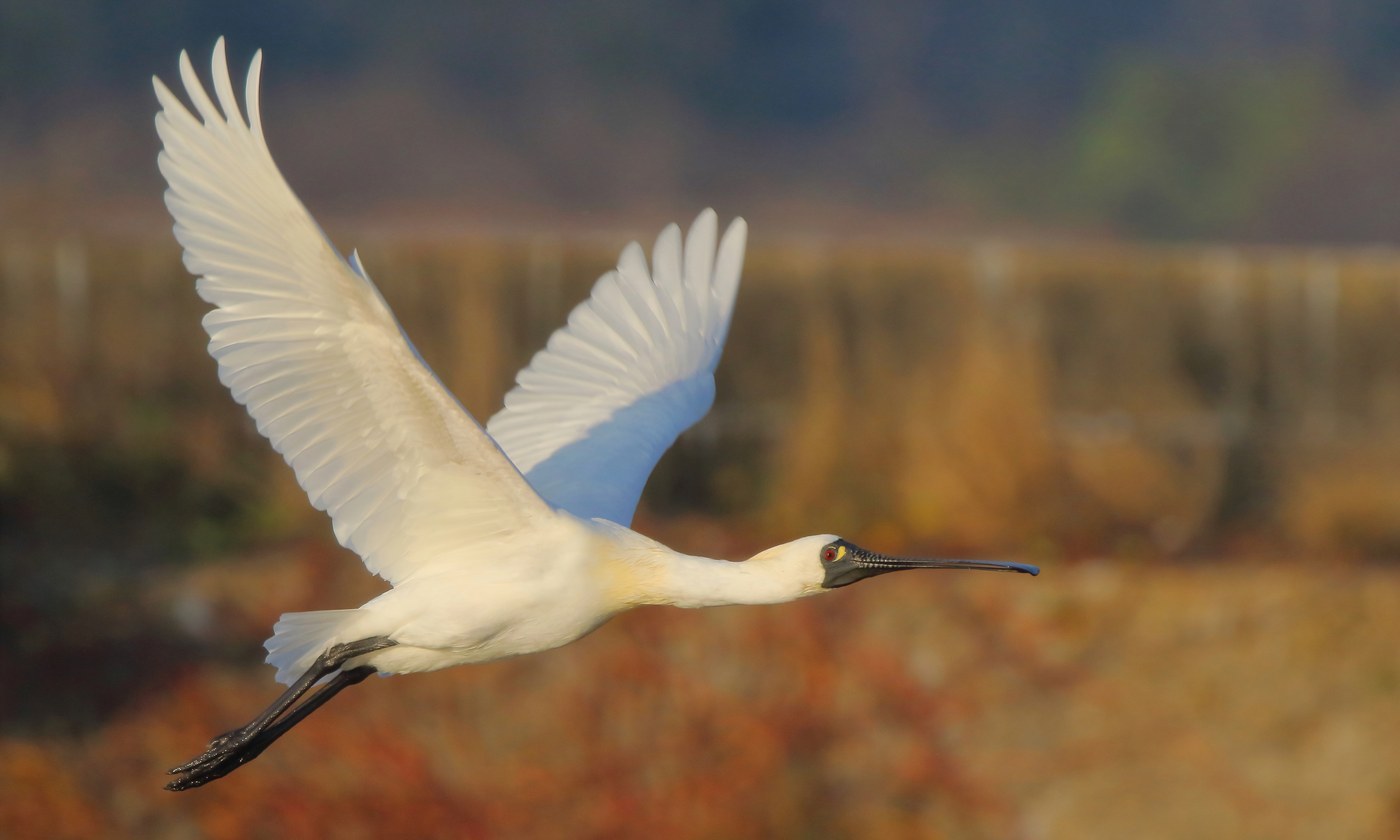
Black-faced Spoonbill
White contour and flight feathers with fine breeding crest and breast plumes
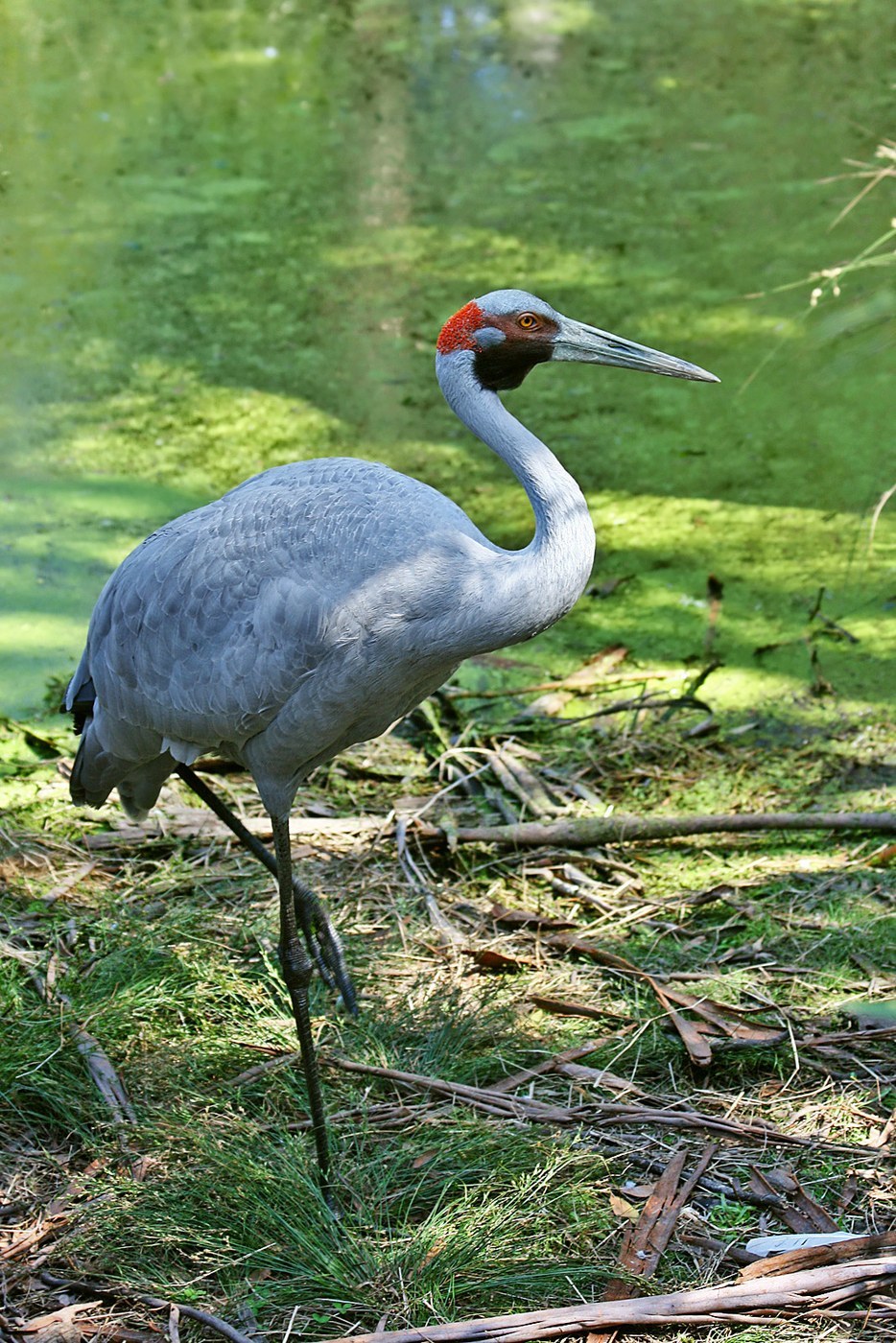
Brolga
Grey contour feathers with drooping bustle plumes
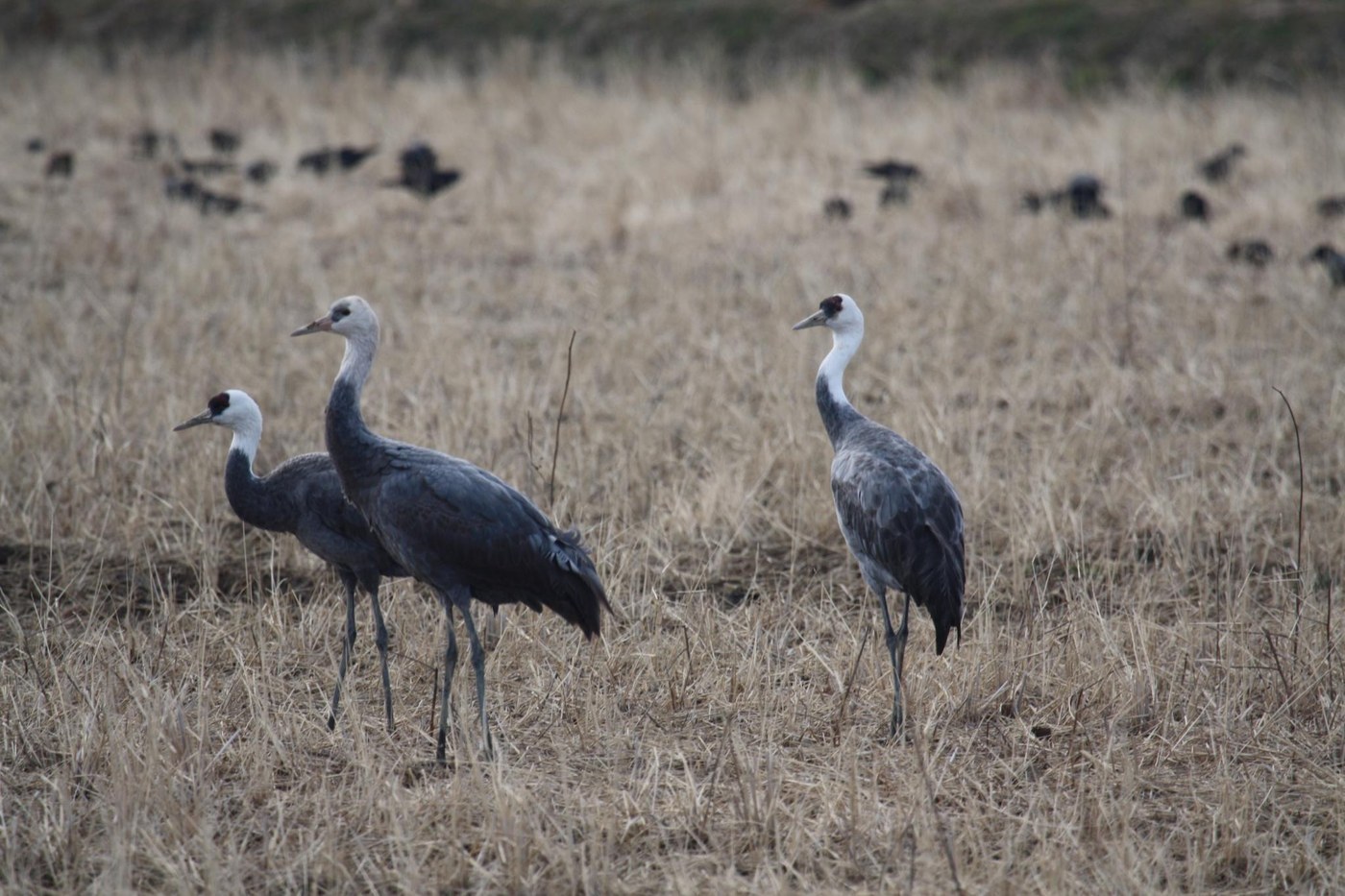
Hooded Crane
Dark slate-grey body feathers with a white head/upper neck 'hood' and black bustle plumes
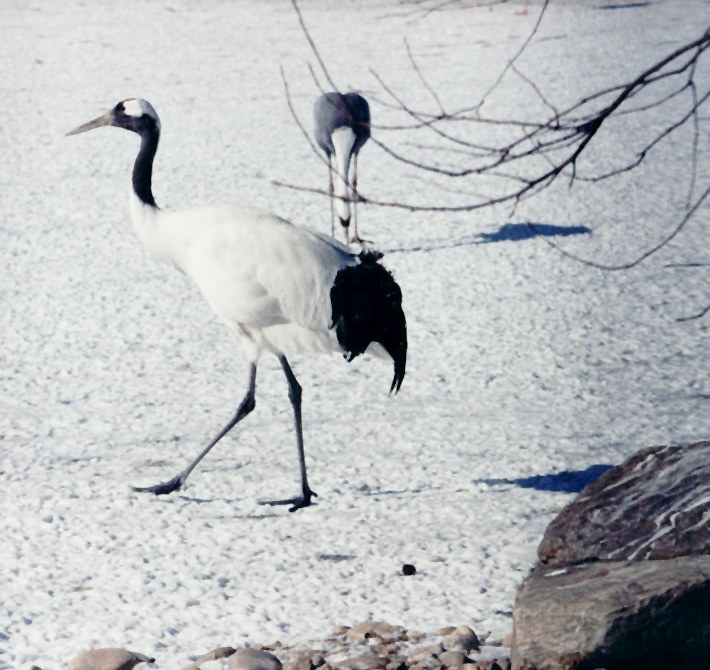
Red-crowned Crane
White contour feathers with black secondary/tertial bustle feathers and a bare red crown

Common Crane
Grey contour feathers with black head/neck feathers and drooping bustle plumes
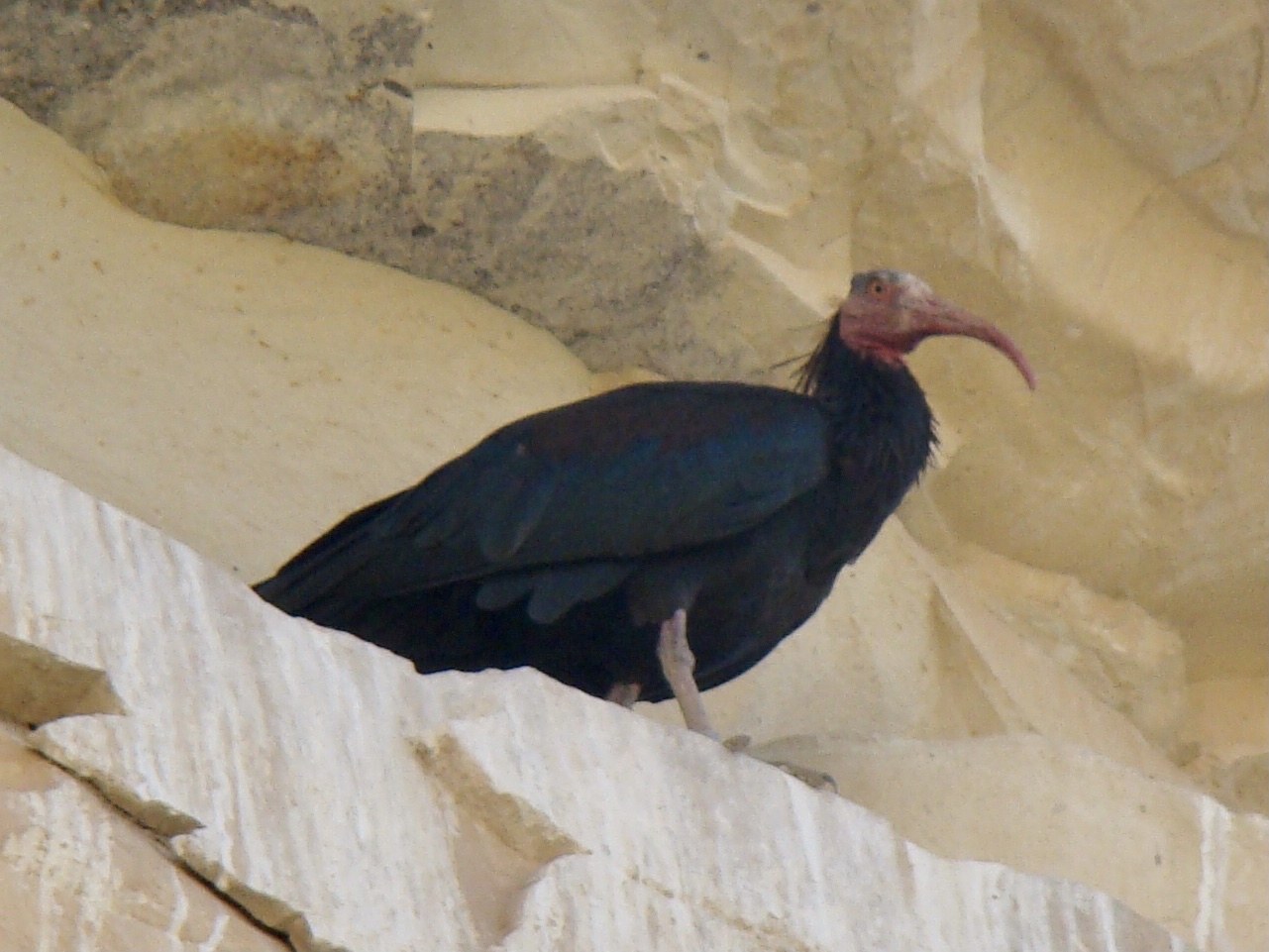
Northern Bald Ibis
Glossy black contour feathers with elongated nape plumes
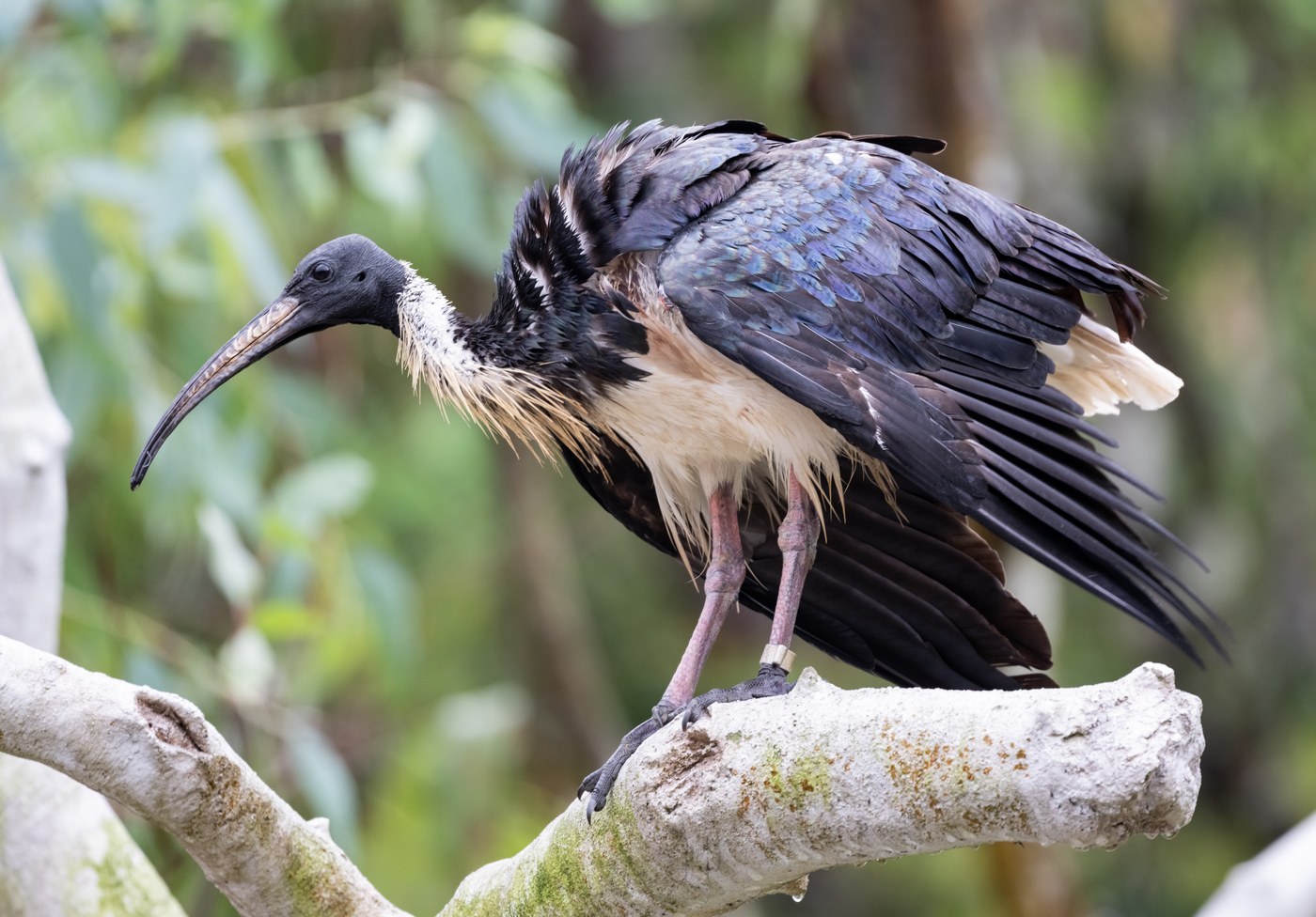
Straw-necked Ibis
Glossy contour feathers with unique straw-like neck plumes
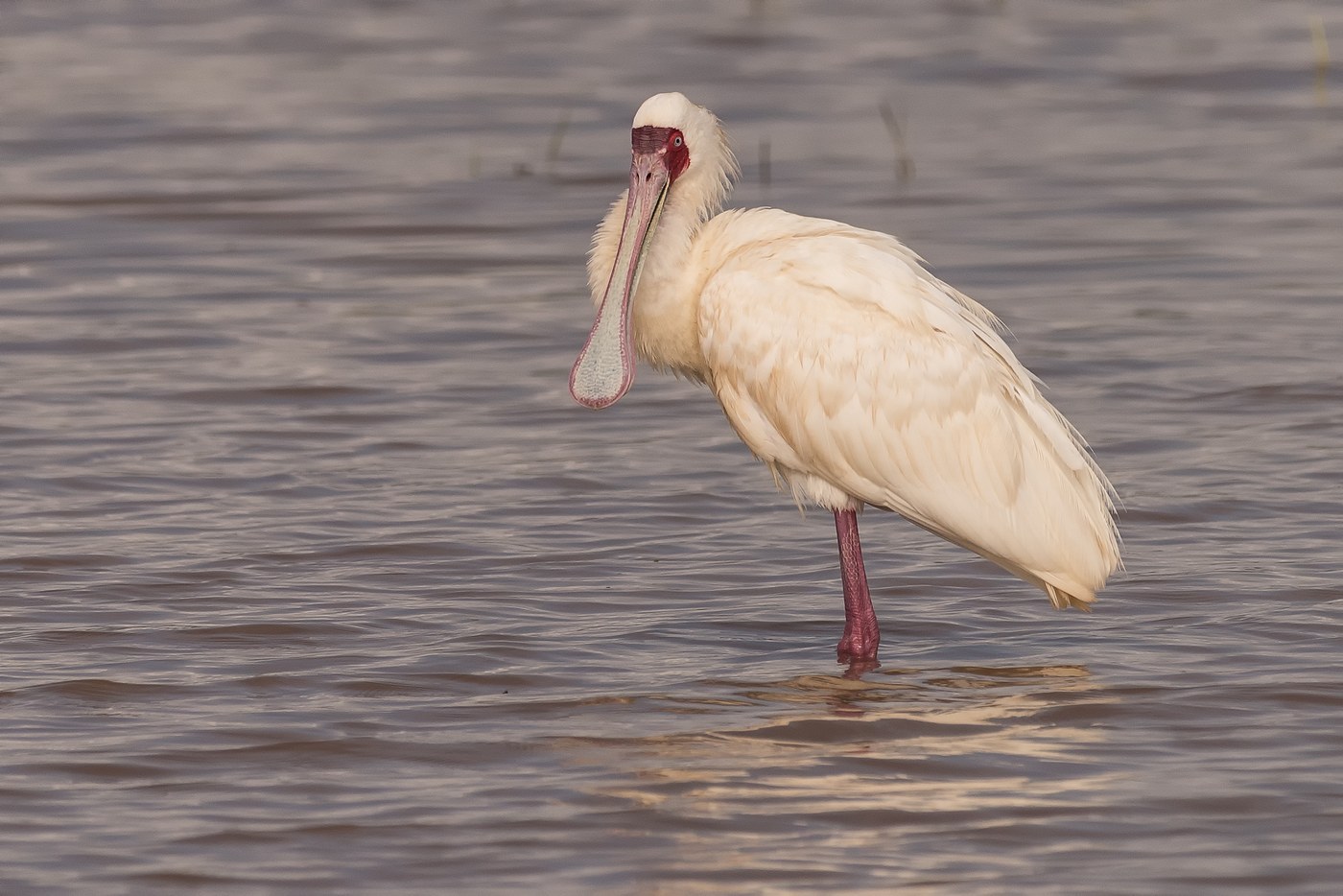
African Spoonbill
White contour and flight feathers, unmarked by black tips

Roseate Spoonbill
Pink and white contour and flight feathers with a carmine shoulder patch