
Palm Cockatoo
Probosciger aterrimus
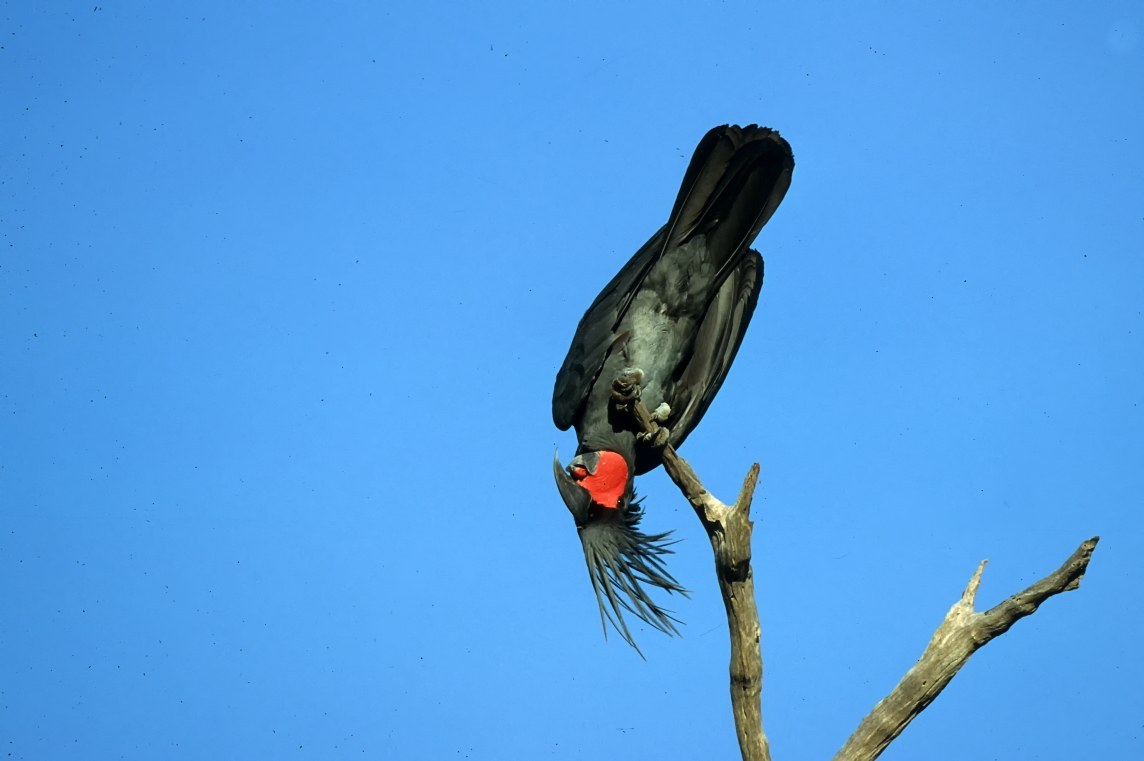
A large, distinctive black cockatoo with a shaggy crest and bright red bare facial skin that can flush more intensely when the bird is excited.
- Feather type
- Broad rounded flight feathers, long shaggy crest feathers
- Colours
- Sooty black to charcoal-grey plumage with bright red bare facial skin
- Bird size
- Very large, ~60 cm
Found a feather like this?
Identify any feather from a photo, free.
Overview
Overview
The Palm Cockatoo is one of the largest and most distinctive cockatoo species, found in the rainforests of New Guinea, the Aru Islands, and the tip of Cape York Peninsula in Australia. Unlike the mostly white or pink cockatoos, it is almost entirely sooty black, paired with a strikingly large, disheveled crest and a massive bill.
Its bright red bare facial skin contrasts sharply with its dark plumage, making it one of the most visually unique parrots in the world.
Identifying the Feather
Feather Identification
- Body feathers: Sooty black to dark charcoal-grey over the entire body, often with a faint scaled appearance from paler feather edges.
- Crest feathers: Long, narrow, upright feathers forming a large, shaggy crest that can be raised into a dramatic display, distinct in shape from the more compact crests of other cockatoos.
- Facial skin (non-feather marker): Bright red bare skin patches on the cheeks, which can flush to a deeper or paler red depending on the bird's mood, useful in confirming identification of the whole bird.
- Bill: An enormous black bill, proportionally larger than that of any other cockatoo, used to crack extremely hard nuts.
- Compared to similar species: No other cockatoo shares this combination of black plumage, shaggy crest, and bright red facial skin, making misidentification unlikely.
Plumage & Molt
Plumage Notes
Sexes look alike in plumage, both sooty black with red facial skin. Juveniles show a duller black plumage and paler facial skin, developing full coloration with maturity over several years, as this species matures slowly compared to most parrots.
Molt is gradual through the year.
Habitat & Range
Habitat & Range
Palm Cockatoos are found in the lowland rainforest and monsoon forest edge of New Guinea, the Aru Islands, and the northern tip of Cape York Peninsula in Australia. They favor tall forest with large trees suitable for nesting and an abundance of hard-shelled nuts and seeds.
The species is resident, with limited local movement tied to food availability within its rainforest habitat.
Behavior & Field Notes
Behavior & Field Notes
Palm Cockatoos are usually seen singly or in pairs, less gregarious than many other cockatoo species. They are known for a unique behavior of using a shaped stick or seed pod as a tool to drum against tree hollows, a rare example of tool use among parrots.
They nest in large tree hollows, often reusing the same site over many years, and have one of the slowest reproductive rates among parrots. Their calls include a distinctive whistled note along with harsher screeches, and their bare red cheek patches can flush noticeably brighter during vocal or physical displays.
Frequently asked questions
What color are Palm Cockatoo feathers?
The plumage is sooty black to charcoal-grey overall, contrasting sharply with bright red bare facial skin.
What is unusual about the Palm Cockatoo's crest?
It is long, narrow, and shaggy in shape, quite different from the shorter, more compact crests of most other cockatoo species.
Where does the Palm Cockatoo live?
It inhabits rainforest in New Guinea, the Aru Islands, and the northern tip of Cape York Peninsula in Australia.
Does the Palm Cockatoo use tools?
Yes, it is known for drumming with a shaped stick or seed pod against tree hollows, a rare tool-use behavior among parrots.
Palm Cockatoo guides
In-depth guides for identifying and understanding Palm Cockatoo.
Other feathers you may enjoy
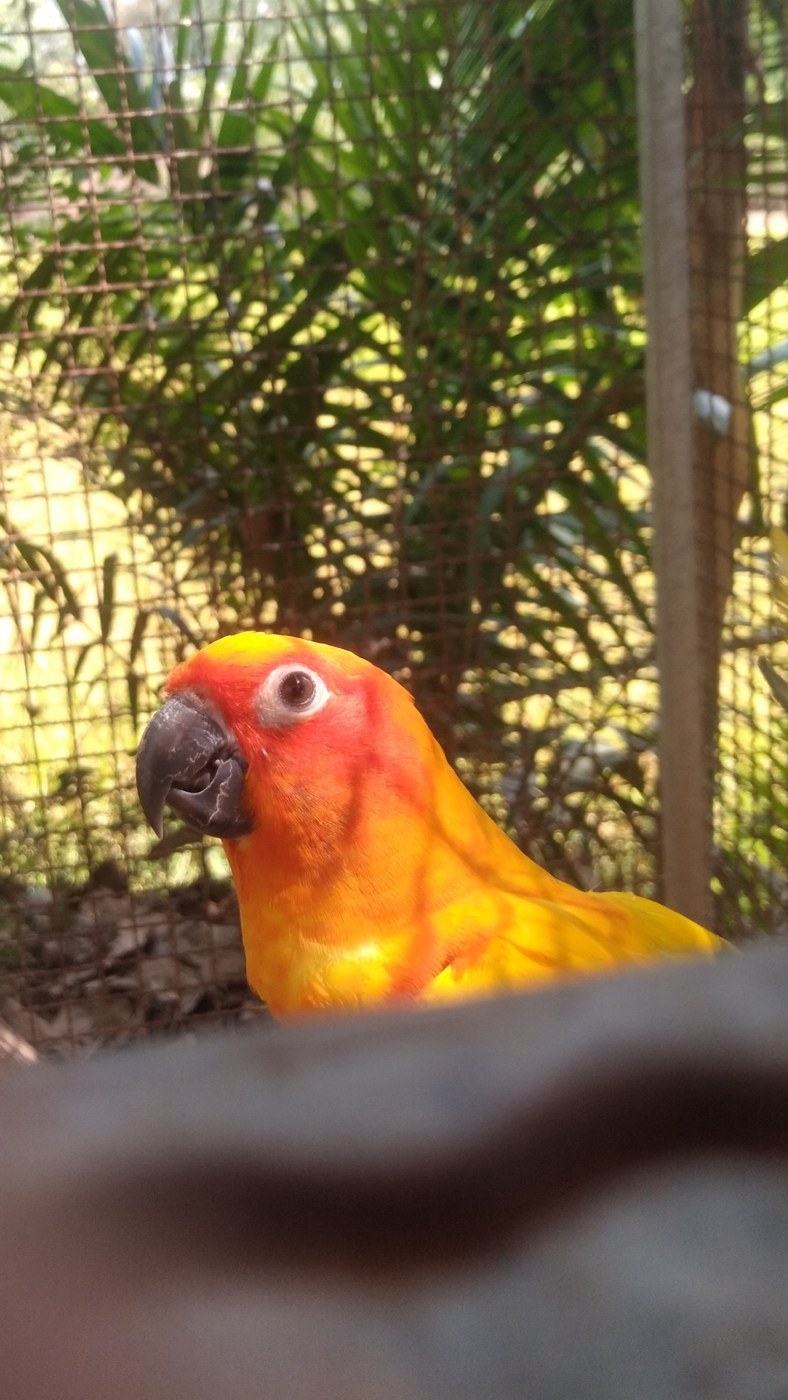
Sun Parakeet
Bright, dense body contour feathers; medium pointed tail feathers

Yellow-naped Amazon
Broad rounded contour feathers with sturdy flight feathers
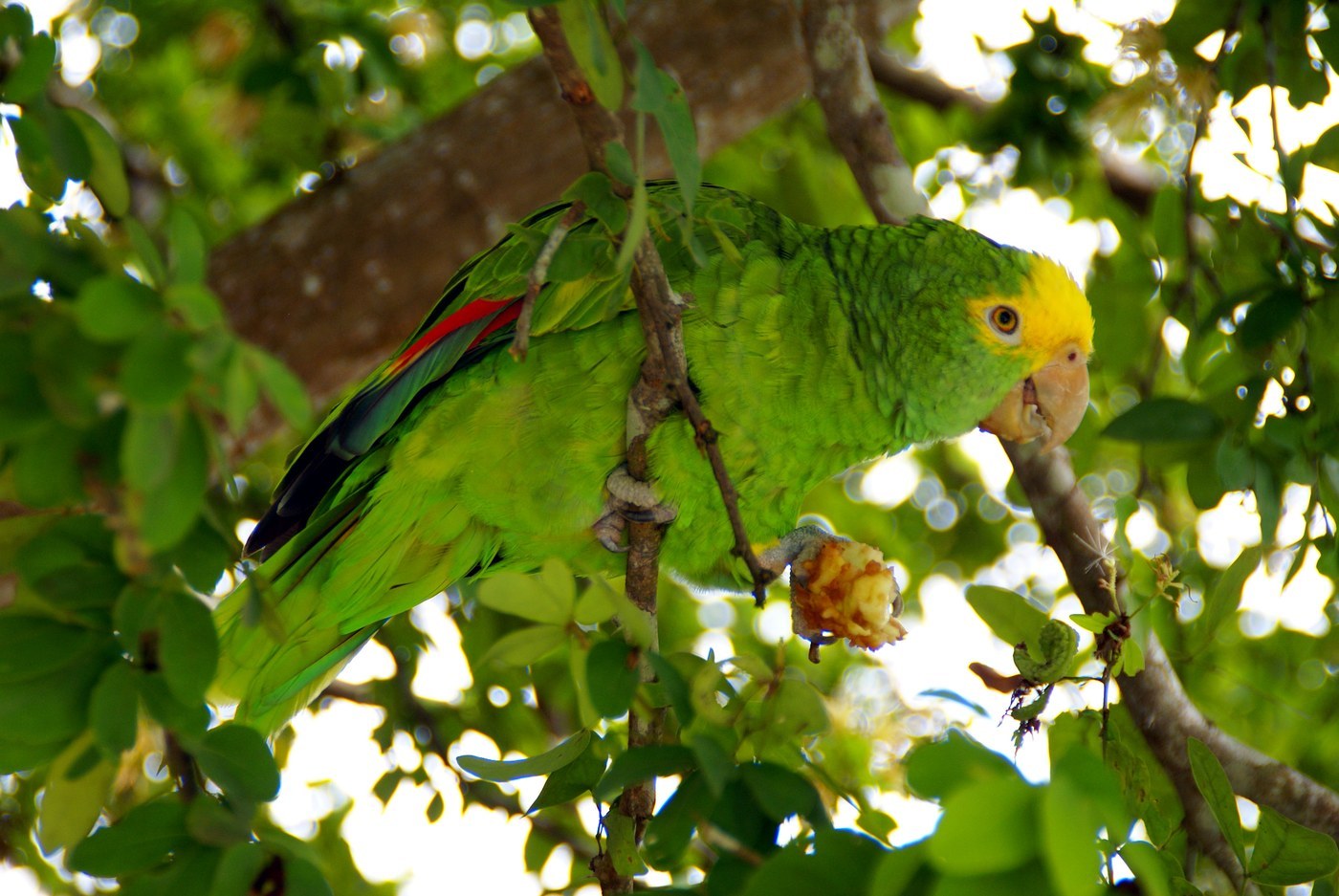
Yellow-headed Amazon
Dense, rounded body contour feathers; broad flight feathers
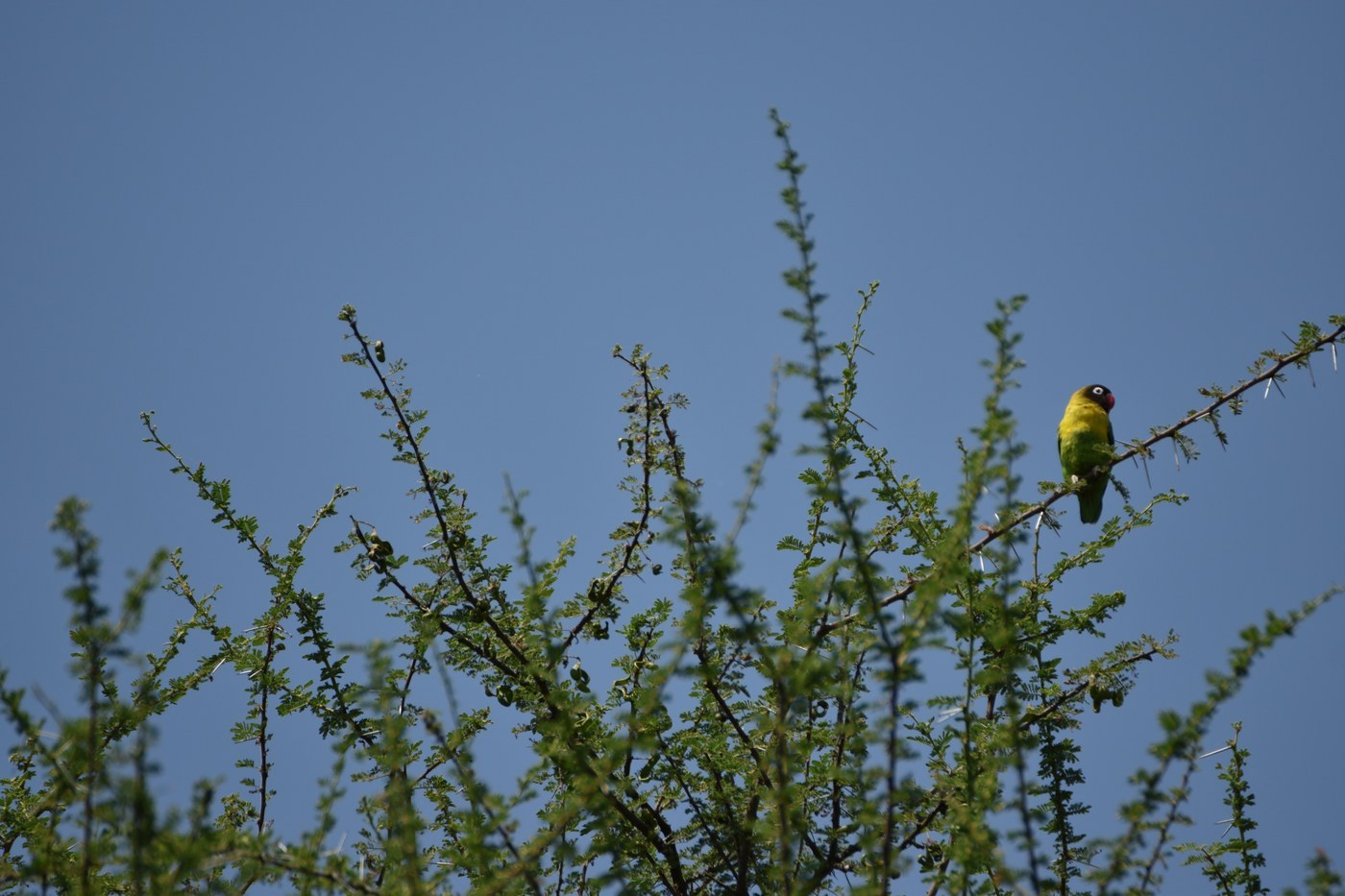
Yellow-collared Lovebird
Small compact flight feathers, short rounded tail

White-eyed Conure
Medium contour and long, graduated tail feathers

Yellow-tailed Black Cockatoo
Large, sturdy contour and flight feathers; short crest

Scarlet-chested Parrot
Small contour and flight feathers

Timneh Parrot
Broad flight feathers, scalloped body feathers with pale edges
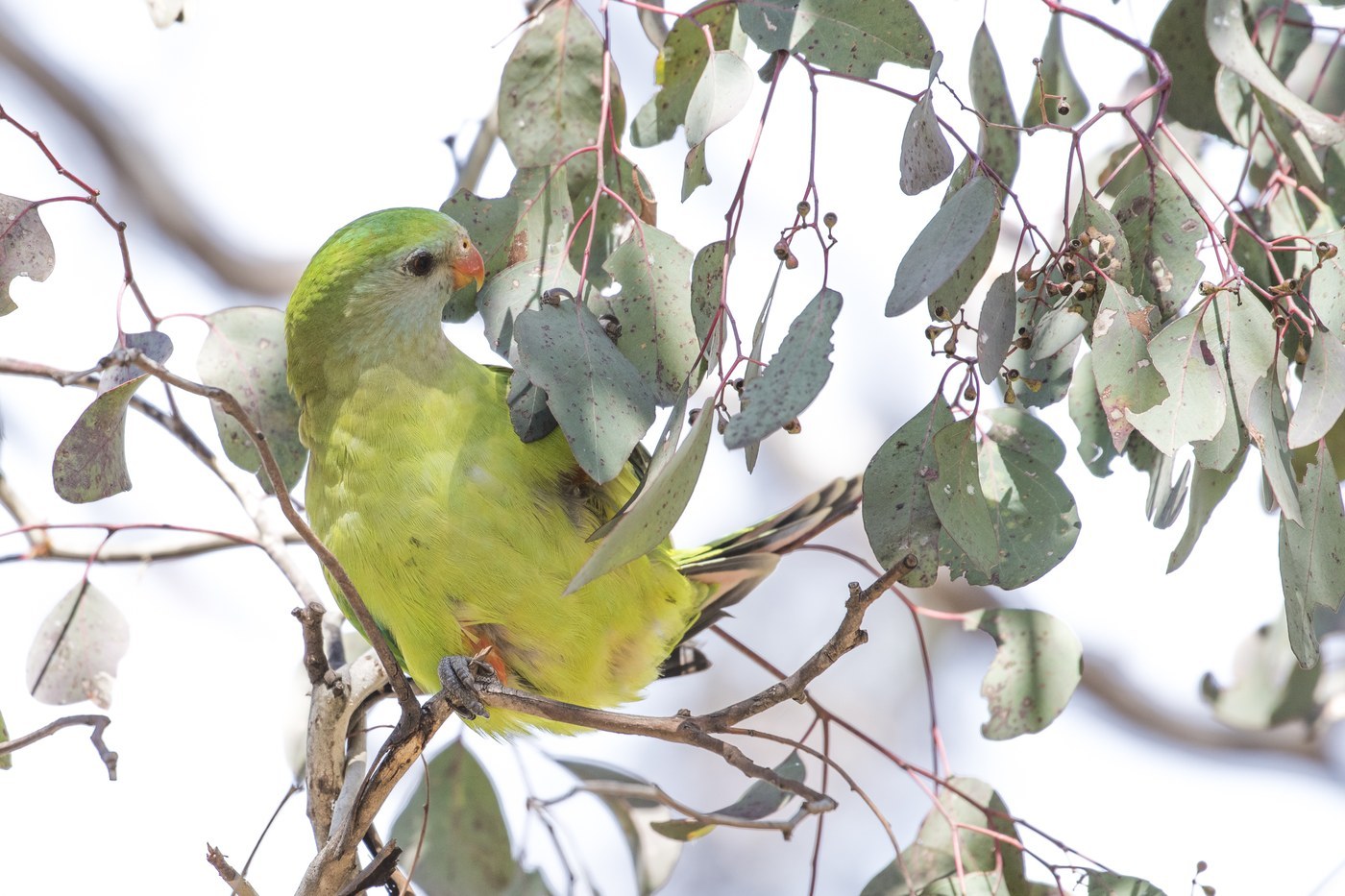
Superb Parrot
Sleek contour feathers with a long tapering tail

Red-shouldered Macaw
Compact body contour feathers; medium flight and tail feathers
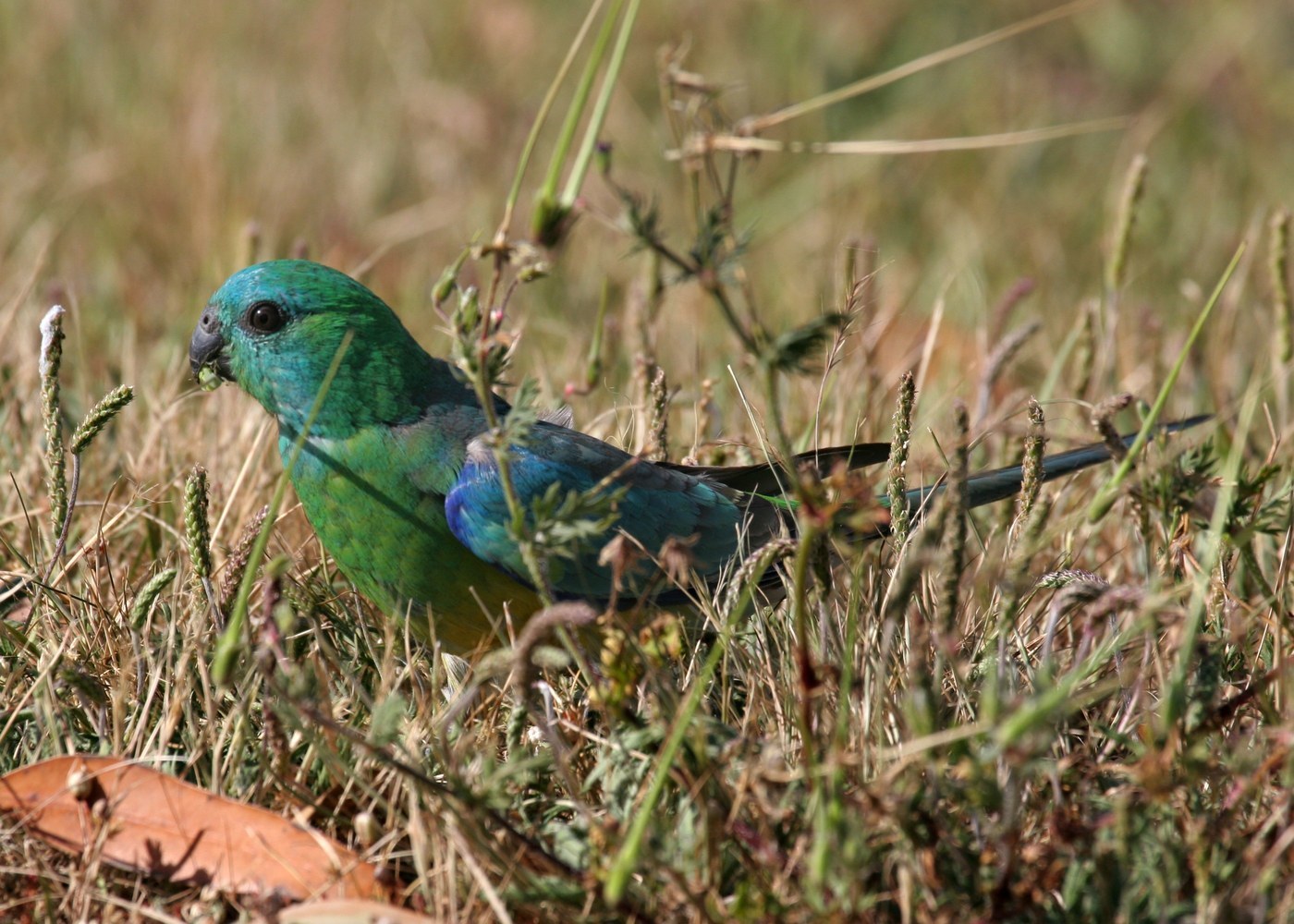
Red-rumped Parrot
Sleek contour feathers with a bright rump patch in males

White-capped Pionus
Compact contour feathers and short, squared tail feathers