

Peregrine Falcon
Falco peregrinus
A powerful, fast-flying falcon found on nearly every continent, famous for high-speed hunting stoops and identified by its slate-gray back, bold black facial 'moustache,' and finely barred underparts.
- Feather type
- Long pointed wings, tapered tail
- Colours
- Slate-blue-gray above, barred white below, black malar stripe
- Bird size
- Crow-sized, ~38-51 cm
Found a feather like this?
Identify any feather from a photo, free.
Overview
The Peregrine Falcon is one of the most widely distributed raptors in the world, found from Arctic tundra to tropical coastlines, and increasingly in cities where tall buildings substitute for its ancestral cliff ledges. It is renowned for its speed, delivering some of the fastest recorded dives of any bird while pursuing prey in flight.
Identifying the Feather
Back and crown feathers are a dark slate-blue-gray, and a bold black malar stripe stands out sharply against the pale cheek, one of the species' most recognizable features. Underparts are finely barred blackish on a white or buff background, evenly patterned across the belly and flanks. Wings are long and pointed with a tapered tail, the classic fast-flight falcon silhouette, and primaries show clean, evenly spaced dark barring along their length.
Plumage & Molt
Adults are blue-gray above with barred white to buff underparts and a bold dark head pattern including the malar stripe. Juveniles are notably browner above and show longitudinal streaking rather than barring on the underparts, gradually molting into the barred adult pattern over their first year or two. Subspecies vary somewhat in overall tone and the extent of barring across the very wide global range.
Habitat & Range
Peregrine Falcons nest on cliffs, coastal bluffs, and increasingly on tall buildings and bridges in cities, and forage over a very wide range of open habitats including coastlines, wetlands, and urban areas nearly worldwide, absent mainly from extreme polar regions. Many northern populations are long-distance migrants, while others, particularly in temperate and urban settings, are resident year-round.
Behavior & Field Notes
It hunts primarily other birds in flight, using a high-speed diving stoop to strike prey in midair. Nests are simple scrapes on ledges, cliffs, or tall structures, and the species gives sharp, repeated calls near the nest site, especially when defending territory from intruders.
Frequently asked questions
What is the most recognizable facial feature of Peregrine Falcon?
A bold black malar stripe ('moustache') that contrasts sharply against the pale cheek.
How does a juvenile Peregrine differ from an adult?
Juveniles are browner above and streaked rather than barred below, only acquiring the barred adult pattern after their first molt.
Where do Peregrine Falcons nest?
On cliff ledges, coastal bluffs, and increasingly on tall buildings and bridges in cities.
What is Peregrine Falcon's hunting method?
A high-speed diving stoop used to strike other birds in flight.
Peregrine Falcon guides
In-depth guides for identifying and understanding Peregrine Falcon.

Peregrine Falcon identified by the community
Real feathers identified with Feather Identifier.


Other feathers you may enjoy

Australian Hobby
Long, narrow pointed flight feathers; slender tail feathers

California Condor
Massive flight feathers; long broad primaries; large tail feathers

Brown Falcon
Broad, rounded flight feathers; variable-toned contour feathers
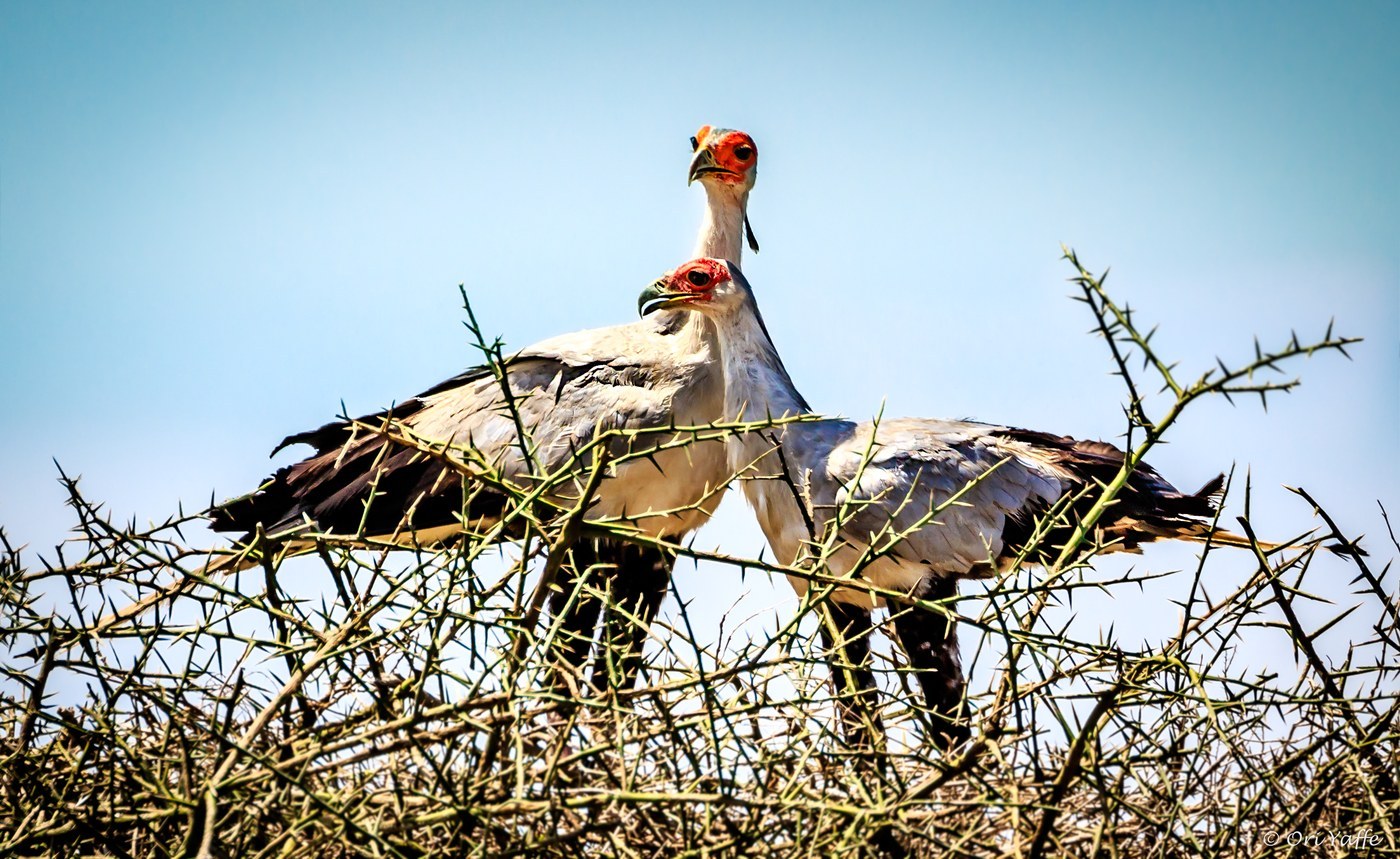
Secretarybird
Long crest feathers; broad flight feathers; elongated central tail feathers

Orange-breasted Falcon
Broad-based pointed flight feathers; bold breast and belly feathers
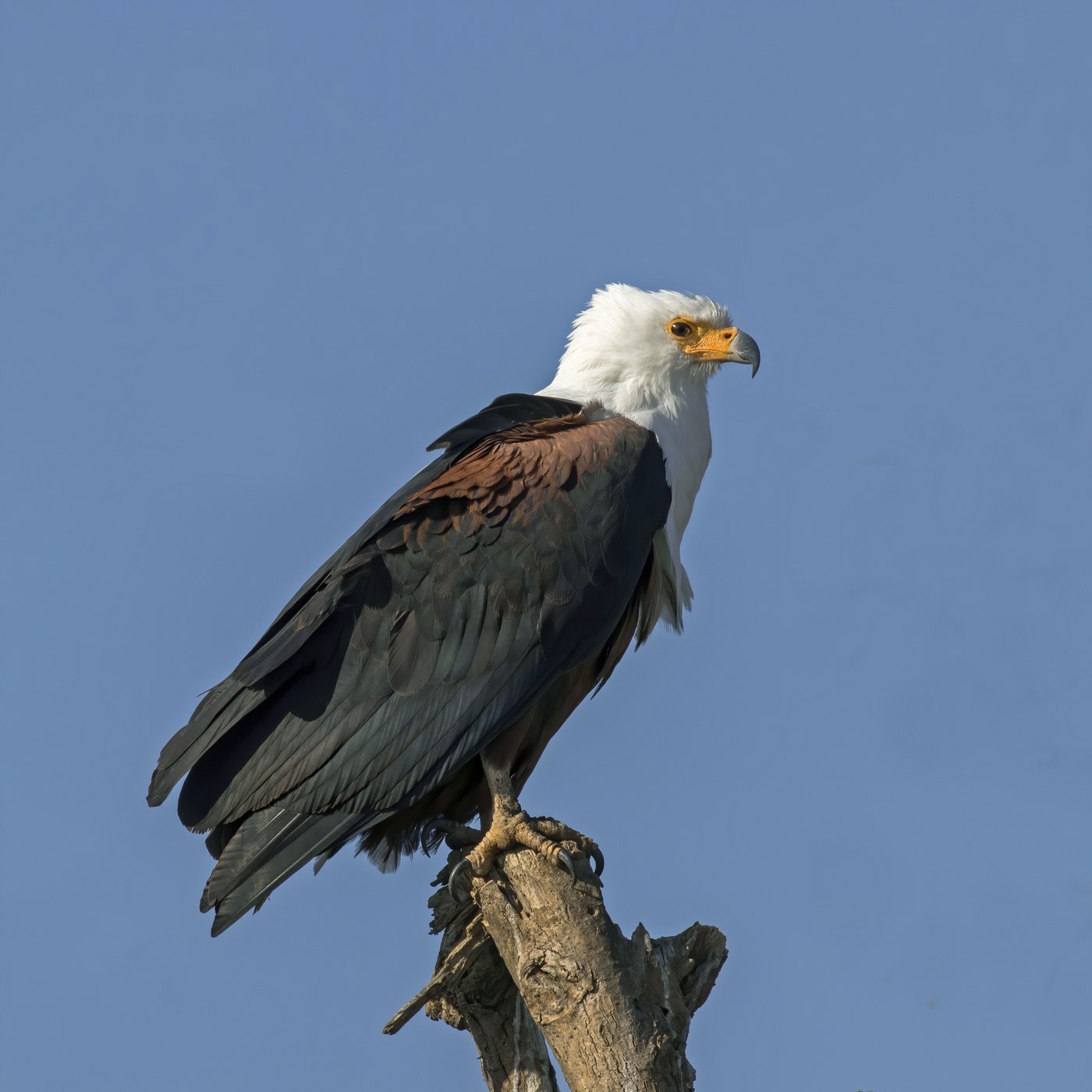
African Fish Eagle
Flight, tail, and body feathers

Amur Falcon
Slender pointed flight feathers; soft slate or orange-buff contour feathers
Red Kite
Flight (wing) and tail feathers
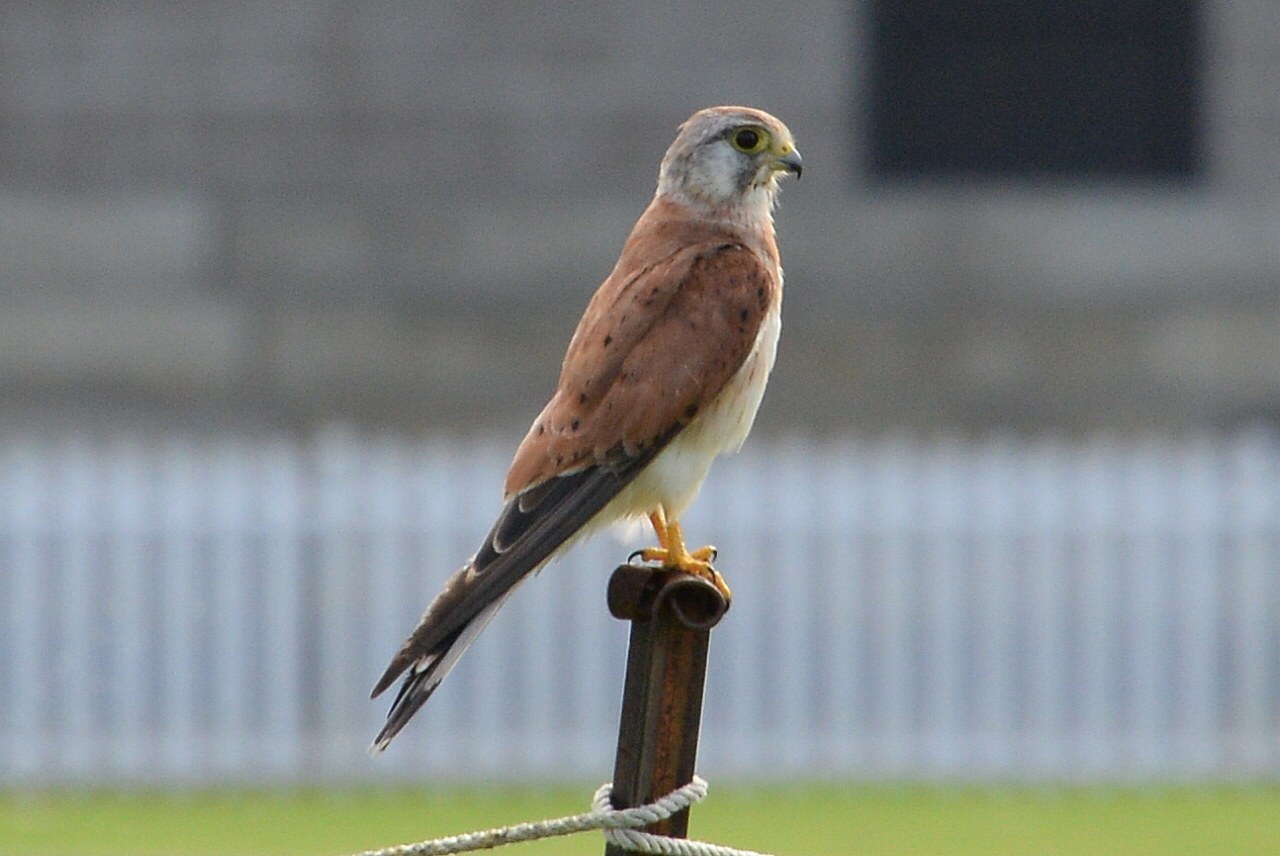
Nankeen Kestrel
Slim pointed flight feathers; lightly marked contour feathers

Andean Condor
Massive flight feathers; broad primaries and secondaries; sturdy tail feathers

Plumbeous Forest Falcon
Short rounded flight feathers; finely barred tail feathers

Sooty Falcon
Long pointed flight feathers; slim tail feathers