
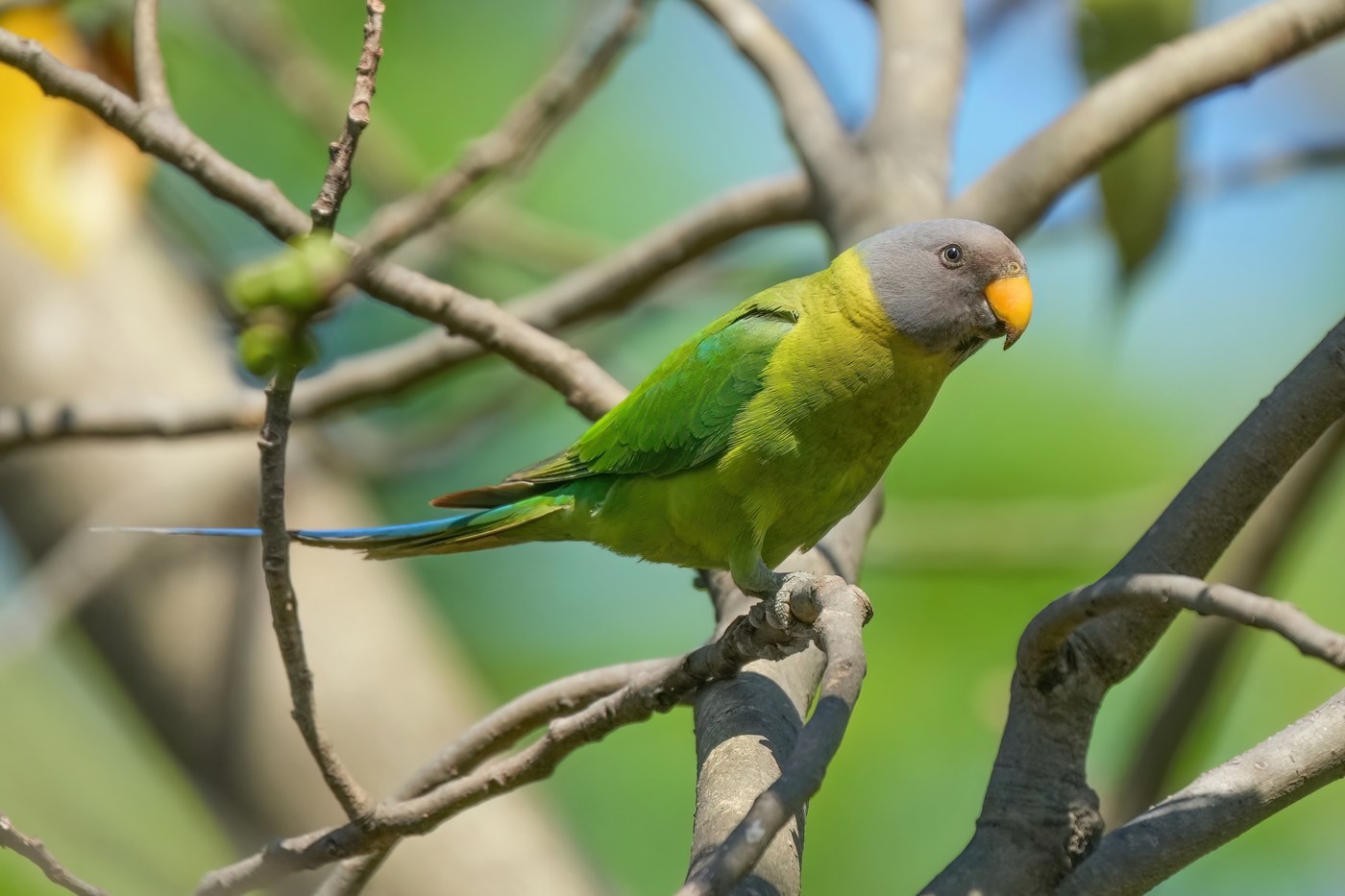
Plum-headed Parakeet
Psittacula cyanocephala
A small South Asian parakeet whose green body is topped by a distinctively colored head, plum-pink in males and soft grey-blue in females, each bordered by a fine neck ring.
- Feather type
- Sleek green body feathers with a colored head cap; long tapered tail
- Colours
- Green body with a plum-pink head in males and grey-blue head in females
- Bird size
- Small-medium parakeet, ~33-36 cm including tail
Found a feather like this?
Identify any feather from a photo, free.
Overview
The Plum-headed Parakeet is native to the Indian subcontinent, occupying open forest, deciduous woodland, and cultivated areas across India, Sri Lanka, and neighboring countries. It is one of the more strikingly two-toned Psittacula parakeets, with sexes readily distinguished by head color rather than more subtle marks, unlike some related species.
Identifying the Feather
Body feathers are green overall with a slightly yellowish tinge on the underparts. Males show a head colored deep plum-pink shading to blue on the crown and nape, bordered below by a narrow black chin stripe and a thin turquoise-and-black neck band. Females show a grey-blue head lacking the plum tone, with a yellow collar around the neck in place of the male's black-and-turquoise ring. The tail is long, tapered, and green with a bluish tip, shorter overall than in the larger Alexandrine Parakeet. Wing feathers show a small dark red patch on the shoulder in males, often reduced or absent in females.
Plumage & Molt
Adult males have the plum-pink and blue head with a black-and-turquoise neck ring and a red shoulder patch, while females have a grey-blue head, a yellow neck collar, and typically lack or show a reduced shoulder patch. Juveniles of both sexes resemble females initially, with young males gradually acquiring the plum head color and neck ring over roughly the first two years through successive molts.
Habitat & Range
This species inhabits open forest, deciduous and mixed woodland, and cultivated farmland across India, Sri Lanka, Nepal, and neighboring parts of South Asia. It is generally non-migratory, though some populations make local seasonal movements tied to food availability, particularly around fruiting and grain crops.
Behavior & Field Notes
Plum-headed Parakeets feed on fruit, seeds, blossoms, and grain, often foraging in flocks in orchards and farmland alongside other parakeet species. Nests are placed in tree cavities. Calls include high-pitched, fluty whistled notes, distinct from the harsher screeches of larger Psittacula parakeets, given in flight and while perched in flocks.
Frequently asked questions
How can you tell a male from a female Plum-headed Parakeet by its feathers?
Males have a plum-pink and blue head with a black-and-turquoise neck ring; females have a grey-blue head with a yellow neck collar instead.
What color are Plum-headed Parakeet feathers?
Green overall, with the head colored plum-pink in males and grey-blue in females.
Where does the Plum-headed Parakeet live?
In open forest, deciduous woodland, and farmland across the Indian subcontinent.
How long does it take a young male Plum-headed Parakeet to get its adult head color?
Roughly around two years, developing the plum color and neck ring gradually through successive molts.
Plum-headed Parakeet guides
In-depth guides for identifying and understanding Plum-headed Parakeet.
Other feathers you may enjoy
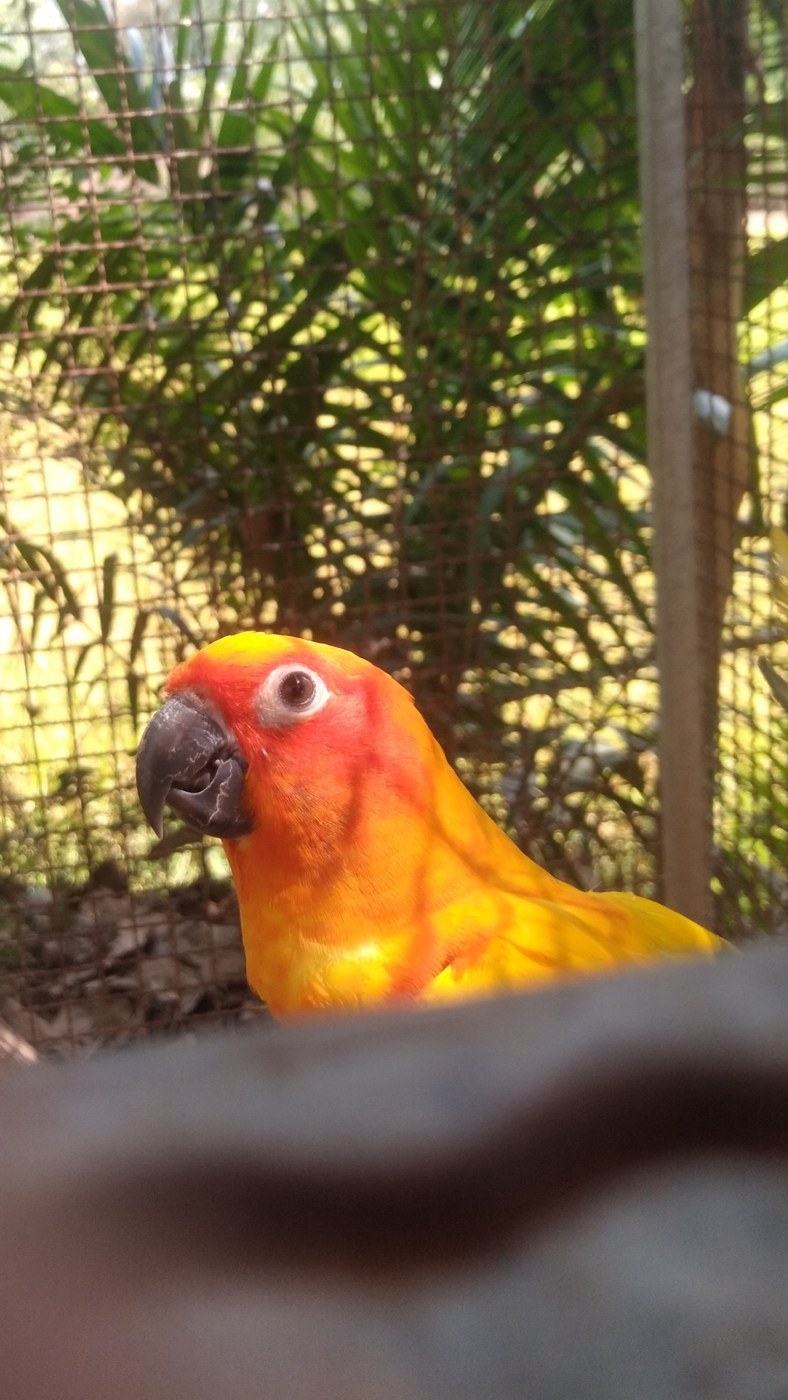
Sun Parakeet
Bright, dense body contour feathers; medium pointed tail feathers

Yellow-naped Amazon
Broad rounded contour feathers with sturdy flight feathers
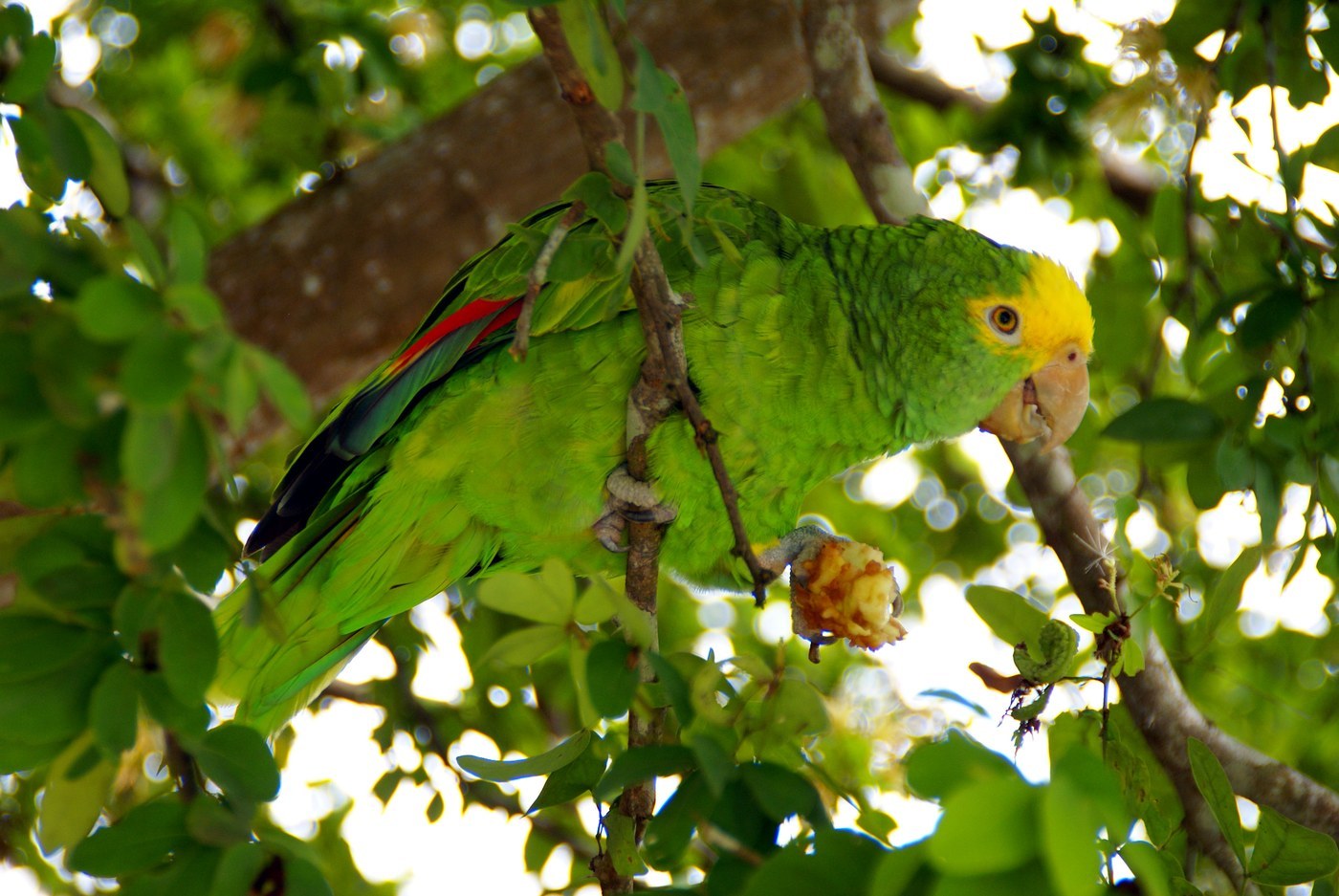
Yellow-headed Amazon
Dense, rounded body contour feathers; broad flight feathers
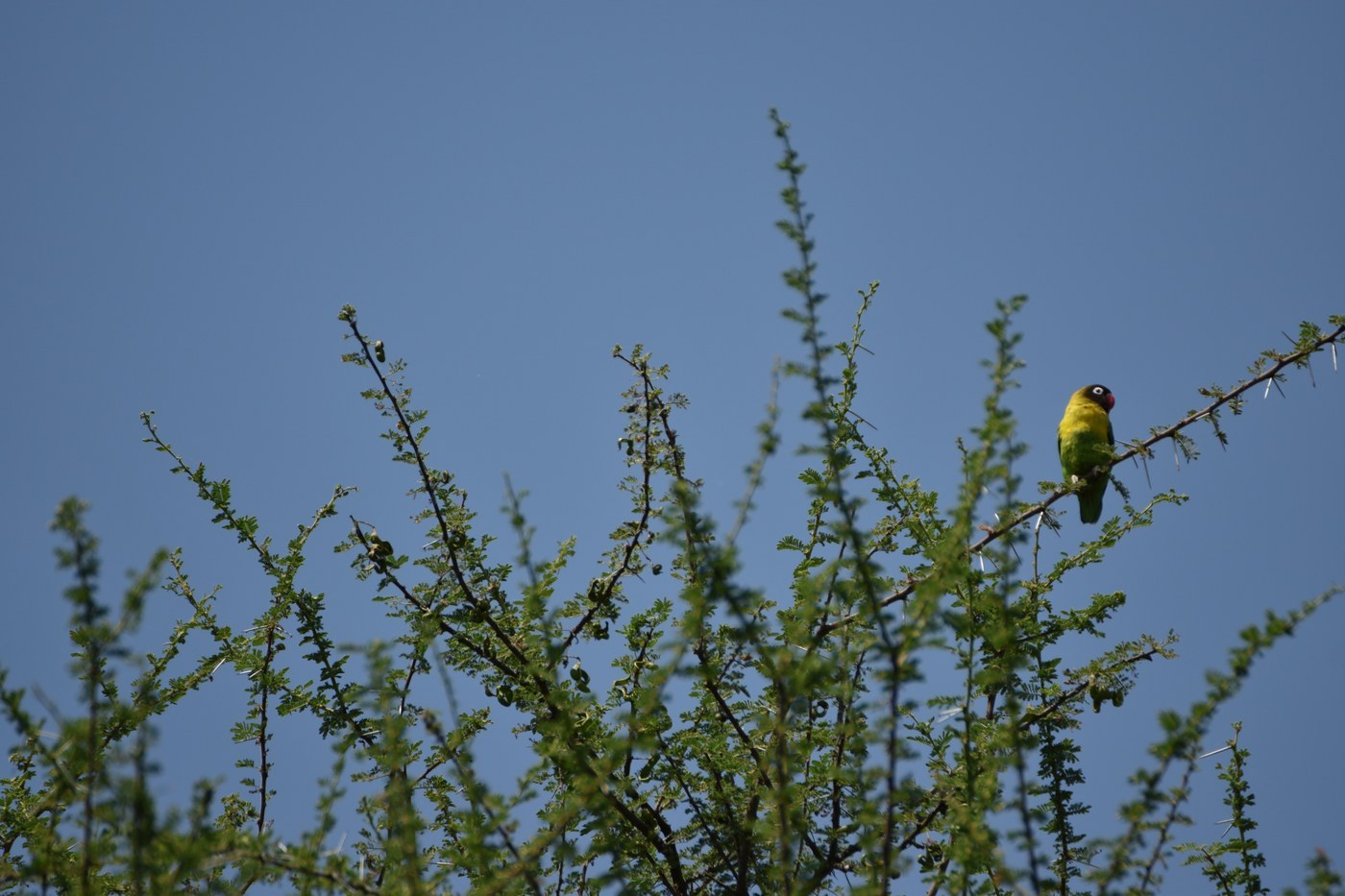
Yellow-collared Lovebird
Small compact flight feathers, short rounded tail

White-eyed Conure
Medium contour and long, graduated tail feathers

Yellow-tailed Black Cockatoo
Large, sturdy contour and flight feathers; short crest

Scarlet-chested Parrot
Small contour and flight feathers

Timneh Parrot
Broad flight feathers, scalloped body feathers with pale edges
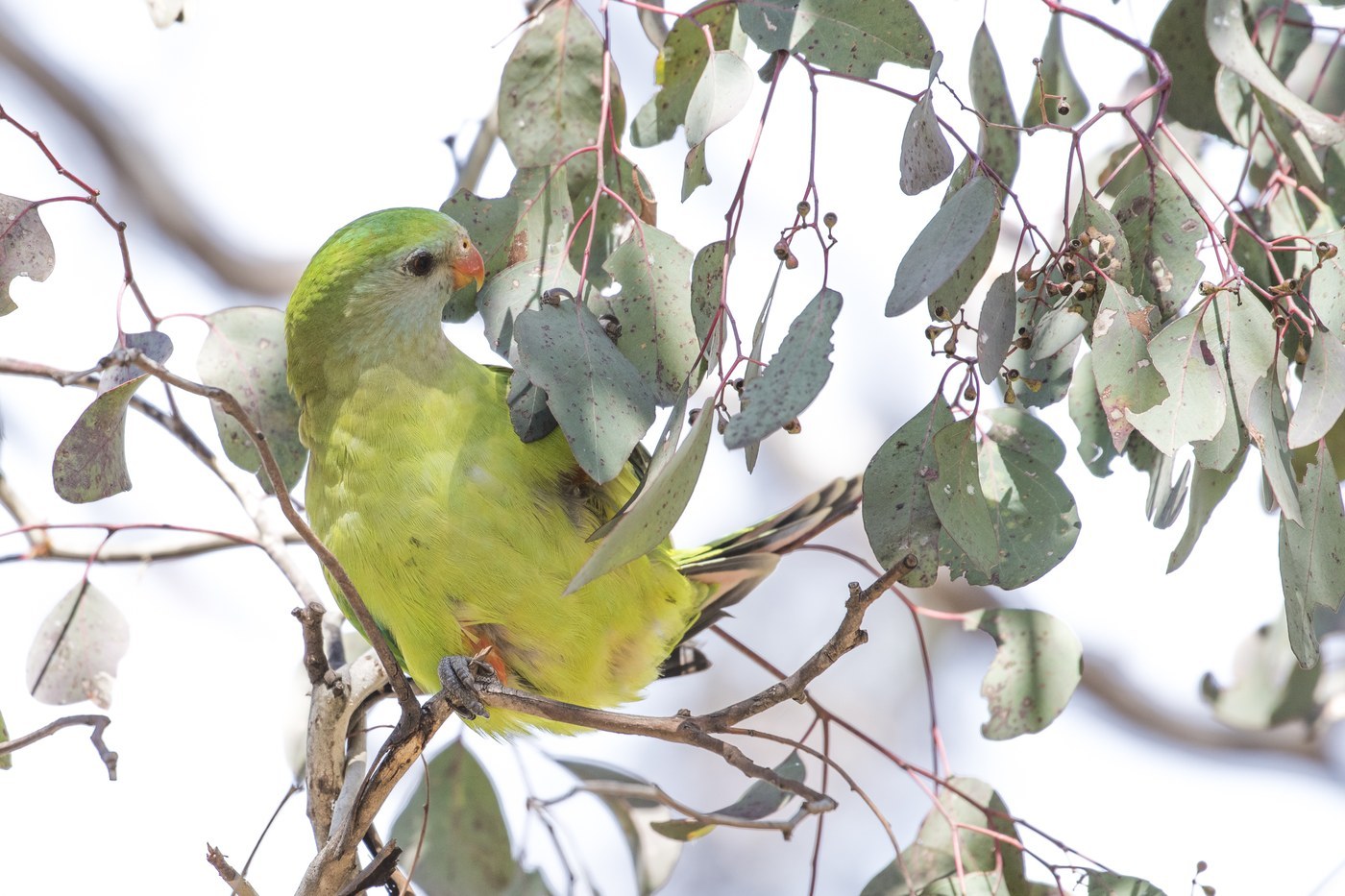
Superb Parrot
Sleek contour feathers with a long tapering tail

Red-shouldered Macaw
Compact body contour feathers; medium flight and tail feathers
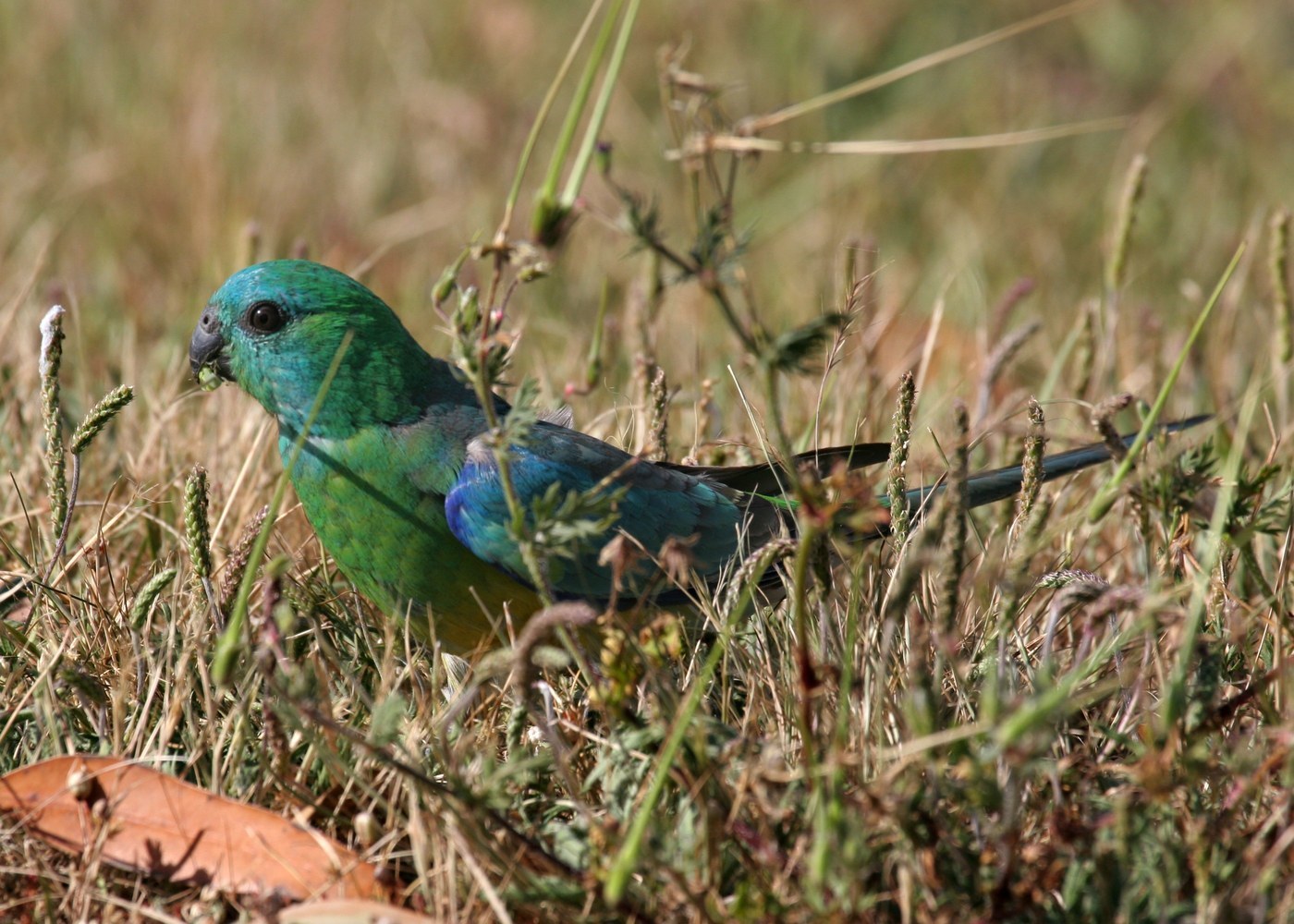
Red-rumped Parrot
Sleek contour feathers with a bright rump patch in males

White-capped Pionus
Compact contour feathers and short, squared tail feathers