

Plumbeous Forest Falcon
Micrastur plumbeus
A small forest-falcon restricted to the humid Chocó region of Colombia and Ecuador, resembling its more widespread relatives but confined to a much smaller range.
- Feather type
- Short rounded flight feathers; finely barred tail feathers
- Colours
- Plumbeous (lead-grey) above with fine grey barring below
- Bird size
- Small, ~28-32 cm
Found a feather like this?
Identify any feather from a photo, free.
Overview
The Plumbeous Forest Falcon is a small raptor endemic to the Chocó bioregion along the Pacific slope of Colombia and Ecuador, one of the wettest forest habitats in the Neotropics. Ongoing deforestation in this region has made the species a conservation concern.
It closely resembles the more widespread Barred and Lined Forest-Falcons in size and pattern, with a lead-grey ("plumbeous") back and finely barred underparts, and is best distinguished from them by range and voice.
As with other forest-falcons, it spends most of its life hidden within dense forest, making it far easier to hear than to see.
Identifying the Feather
Recognizing the feathers
- Upperside feathers are a distinctive lead-grey (plumbeous) tone, giving the species its name.
- Underside body feathers show fine, evenly spaced grey barring on a pale ground, similar in scale to Lined Forest Falcon.
- Flight feathers are short and rounded, typical of the genus, for maneuvering in dense understory.
- Tail feathers carry narrow, regular dark bands.
Similar species
- Nearly identical in pattern to Lined and Barred Forest-Falcons; geographic range (restricted to the Chocó) is the most reliable way to assign a feather to this species over its more widespread relatives.
Plumage & Molt
Plumage
Adults show plumbeous-grey upperparts and finely barred grey-and-white underparts, with yellow-orange bare facial skin and legs.
Juveniles are browner with softer, less defined barring.
Molt is gradual through the year, without a sharply defined season, as in other resident tropical forest-falcons.
Habitat & Range
Habitat & range
Endemic to the Chocó bioregion of western Colombia and northwestern Ecuador, in humid lowland and foothill rainforest.
A non-migratory resident with a naturally restricted range that has been further reduced by habitat loss.
Behavior & Field Notes
Behavior & field notes
Hunts from concealed low perches, taking small vertebrates and large insects with quick, short chases through dense vegetation.
Its presence is most often confirmed by voice rather than sight, as with other forest-falcons.
A finely barred, plumbeous-grey body feather recovered within the Chocó region is consistent with this scarce, range-restricted species.
Frequently asked questions
What does 'plumbeous' mean in this bird's name?
It refers to the lead-grey color of the upperparts, similar to the color of lead metal.
Where is this species found?
Only in the Chocó rainforest region of western Colombia and northwestern Ecuador.
How do I tell its feather from a Lined Forest Falcon's?
Plumage is nearly identical; the location where the feather was found (Chocó region only) is the best clue.
Plumbeous Forest Falcon guides
In-depth guides for identifying and understanding Plumbeous Forest Falcon.

Other feathers you may enjoy

Australian Hobby
Long, narrow pointed flight feathers; slender tail feathers

California Condor
Massive flight feathers; long broad primaries; large tail feathers

Brown Falcon
Broad, rounded flight feathers; variable-toned contour feathers
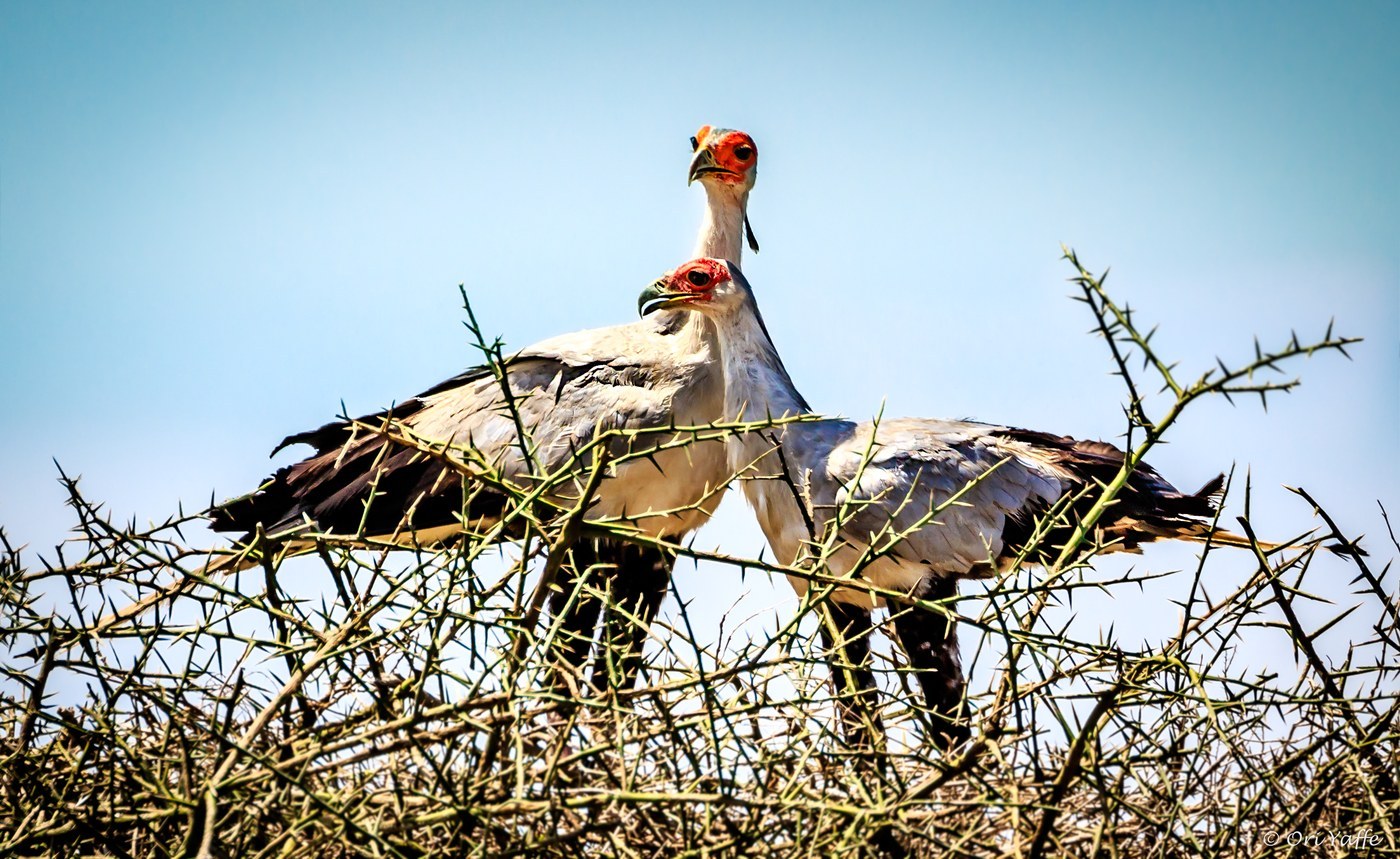
Secretarybird
Long crest feathers; broad flight feathers; elongated central tail feathers

Orange-breasted Falcon
Broad-based pointed flight feathers; bold breast and belly feathers
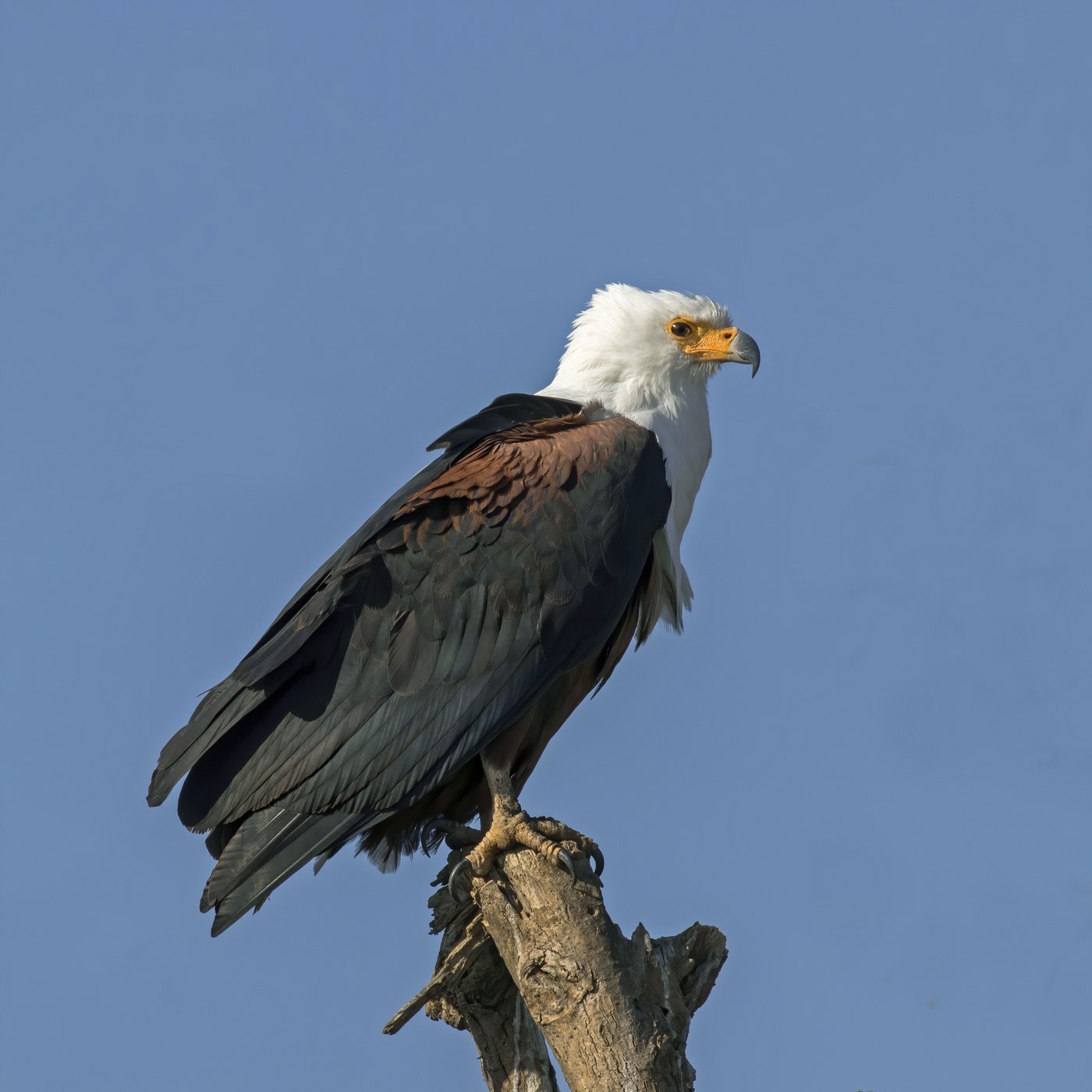
African Fish Eagle
Flight, tail, and body feathers

Amur Falcon
Slender pointed flight feathers; soft slate or orange-buff contour feathers
Red Kite
Flight (wing) and tail feathers
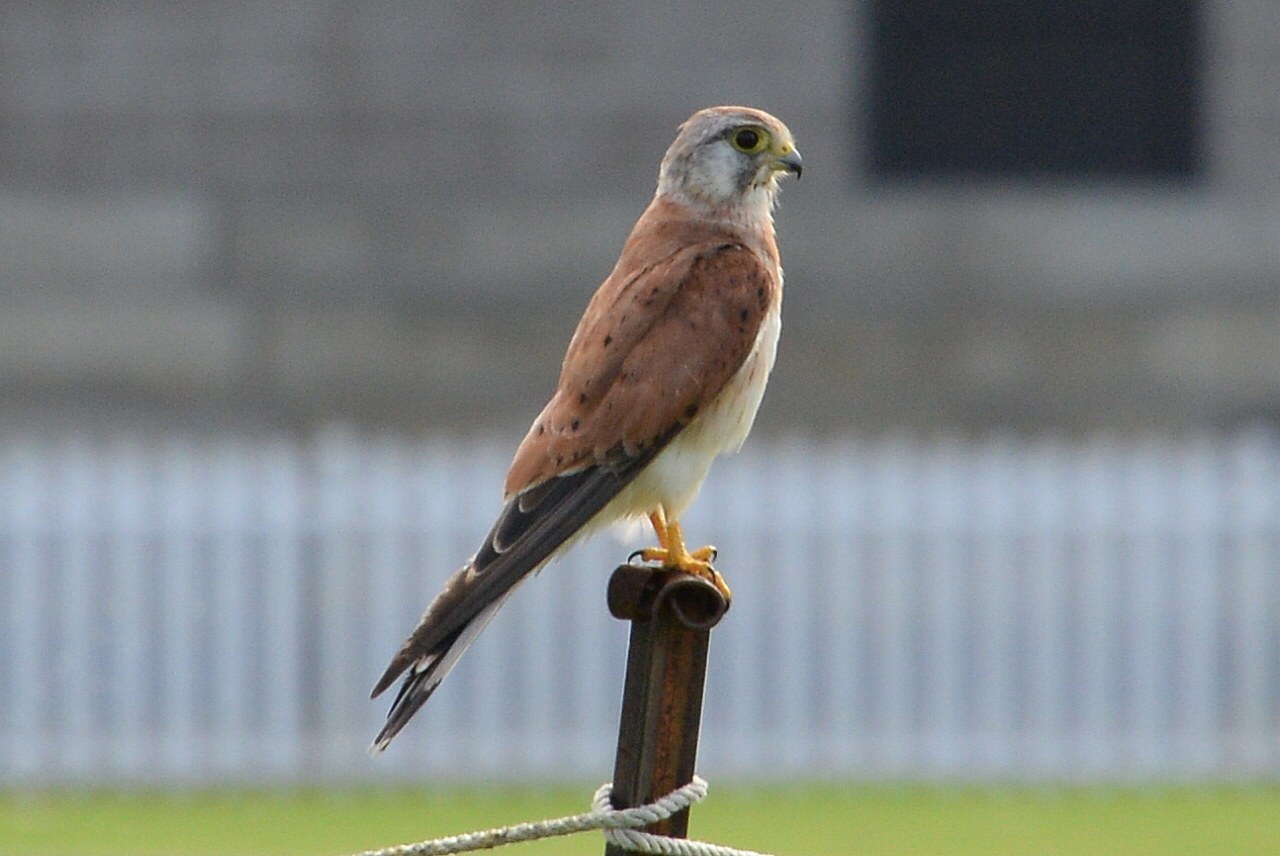
Nankeen Kestrel
Slim pointed flight feathers; lightly marked contour feathers

Andean Condor
Massive flight feathers; broad primaries and secondaries; sturdy tail feathers

Sooty Falcon
Long pointed flight feathers; slim tail feathers
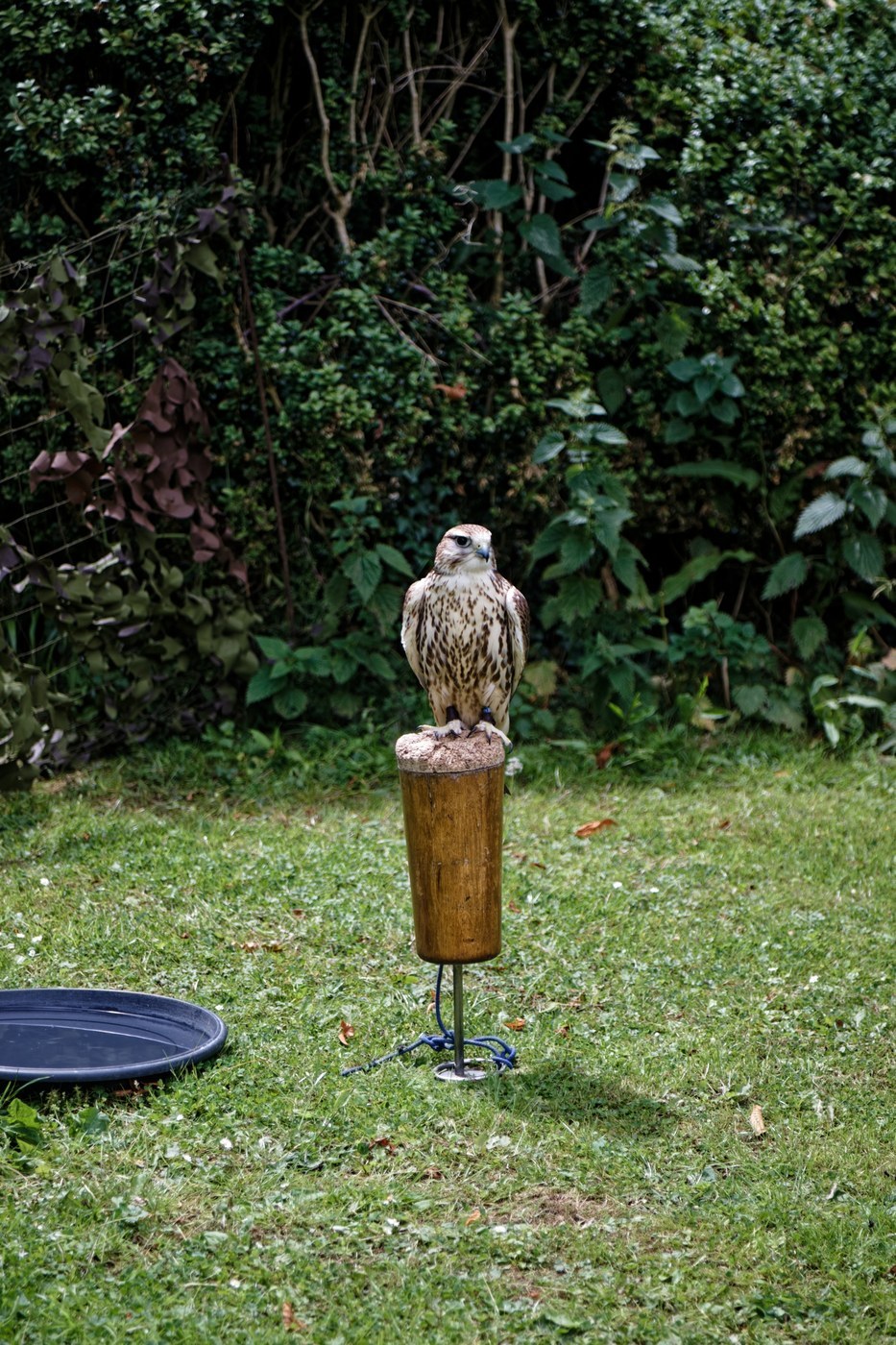
Saker Falcon
Long pointed flight feathers & squared tail; dense back and covert feathers