
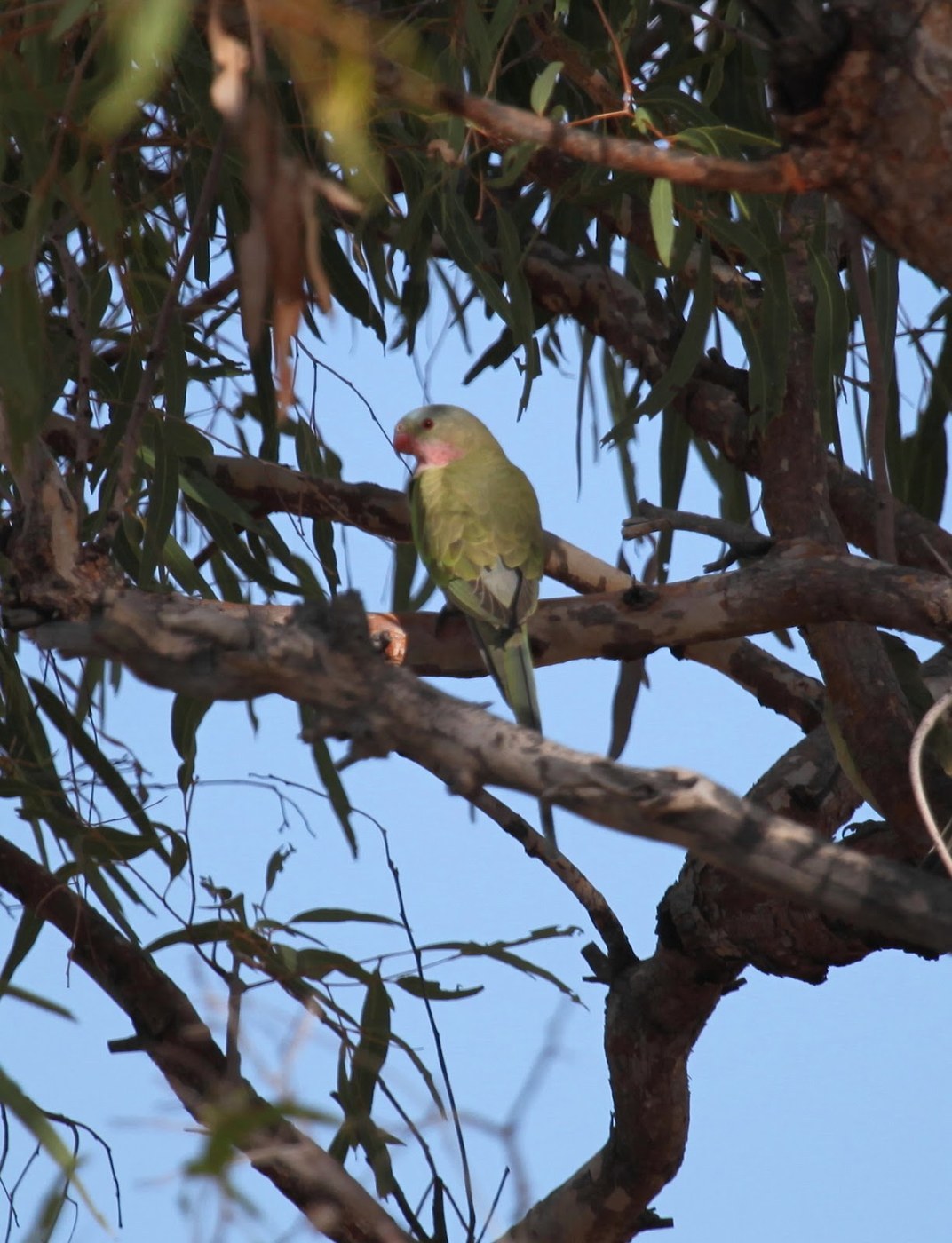
Princess Parrot
Polytelis alexandrae
The Princess Parrot is a slender, pastel-colored parrot of Australia's arid interior, notable for its soft pink throat and long, elegant tail.
- Feather type
- Sleek, elongated contour feathers with a long slender tail
- Colours
- Olive-green body with a pastel pink throat, blue-green crown, and a long blue-tipped tail
- Bird size
- Medium-large, ~40-45 cm including a long tail
Found a feather like this?
Identify any feather from a photo, free.
Overview
Overview
The Princess Parrot inhabits remote arid and semi-arid interior regions of Australia, favoring scattered woodland and scrubland along watercourses. It is a slender, long-tailed parrot with an unusually soft, pastel color palette.
- Long, slender tail that adds significantly to overall length
- Pastel coloring rather than bold, saturated tones
- Nomadic movements linked to unpredictable desert rainfall
Identifying the Feather
Feather Identification
Body feathers are olive-green overall, with a distinctive soft pink patch on the throat and upper breast, and a blue-green wash across the crown. The rump is blue, and the long central tail feathers are green tipped with blue.
- Flight feathers: Olive-green with some blue in the coverts
- Tail feathers: Notably long and slender, green with blue tips, longer than in most other Australian parrots of similar body size
- Throat patch: The pastel pink throat is a key distinguishing mark not shared with the similarly long-tailed Superb or Regent Parrots
The pink throat patch combined with an unusually long, slender tail is the clearest identification feature for this species.
Plumage & Molt
Sexes are similar but females and juveniles typically show a shorter tail and less vivid pink on the throat than adult males. The tail lengthens and throat color intensifies as birds mature. Molt occurs gradually.
Habitat & Range
This species occupies arid and semi-arid interior Australia, particularly along watercourses lined with trees within otherwise open desert country. It is highly nomadic, moving unpredictably in response to rainfall and the resulting flush of seed production.
Behavior & Field Notes
Princess Parrots are often encountered in flocks that move widely across the arid interior in search of food and water, feeding on seeds from grasses and shrubs, along with some blossoms. They nest in tree hollows, typically in trees along watercourses, with pairs sharing chick-rearing duties. Calls are soft, rolling whistles, generally less harsh than those of many parrots.
Frequently asked questions
What throat marking helps identify a Princess Parrot?
A soft pastel pink patch on the throat and upper breast is a key distinguishing feature of this species.
How does the tail differ from other Australian parrots?
The tail is notably long and slender, contributing significantly to the bird's overall length, longer than in many similarly sized parrots.
Why is this species considered nomadic?
It moves widely and unpredictably across Australia's arid interior in response to rainfall and resulting seed availability, rather than following a fixed migratory pattern.
Do females look the same as males?
Females and juveniles typically have a shorter tail and less vivid pink throat coloring than adult males.
Princess Parrot guides
In-depth guides for identifying and understanding Princess Parrot.
Other feathers you may enjoy
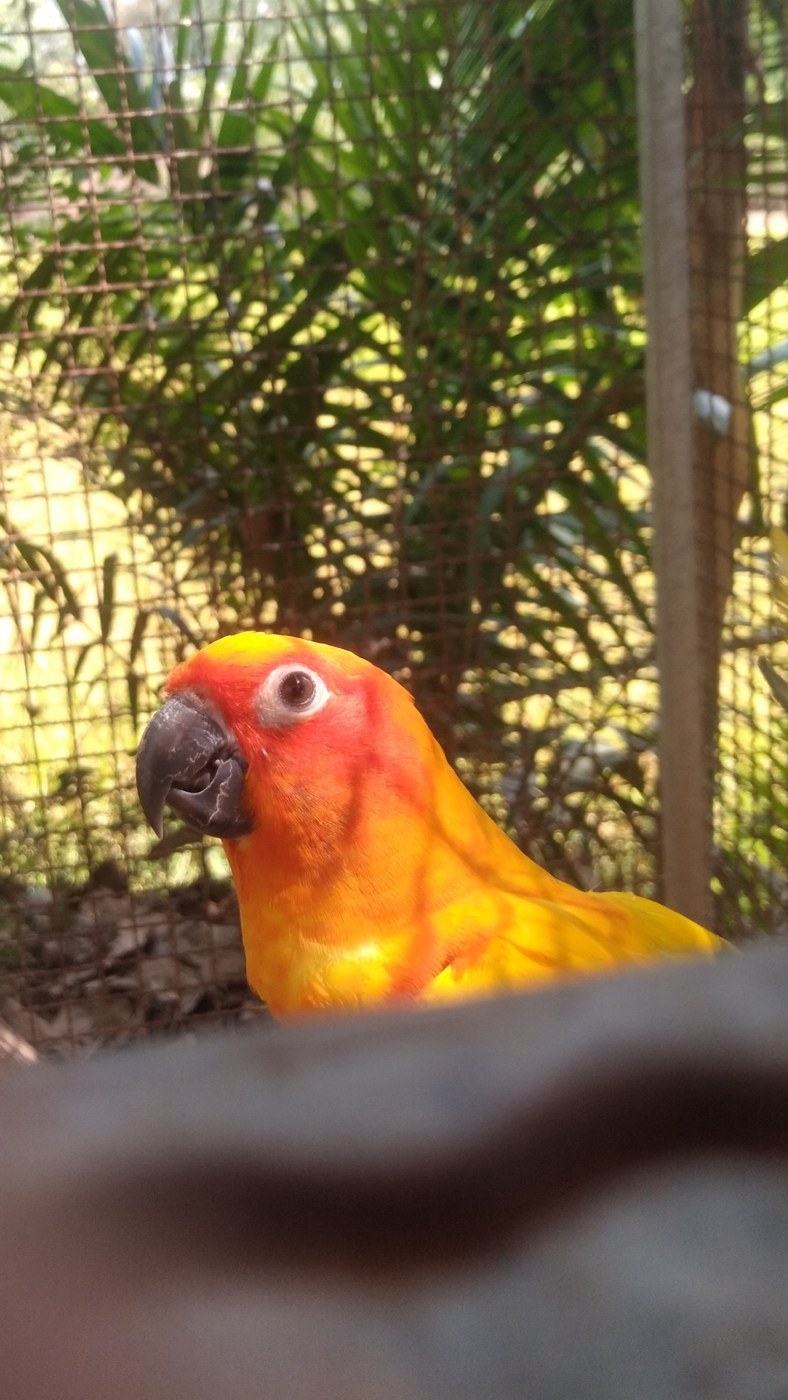
Sun Parakeet
Bright, dense body contour feathers; medium pointed tail feathers

Yellow-naped Amazon
Broad rounded contour feathers with sturdy flight feathers
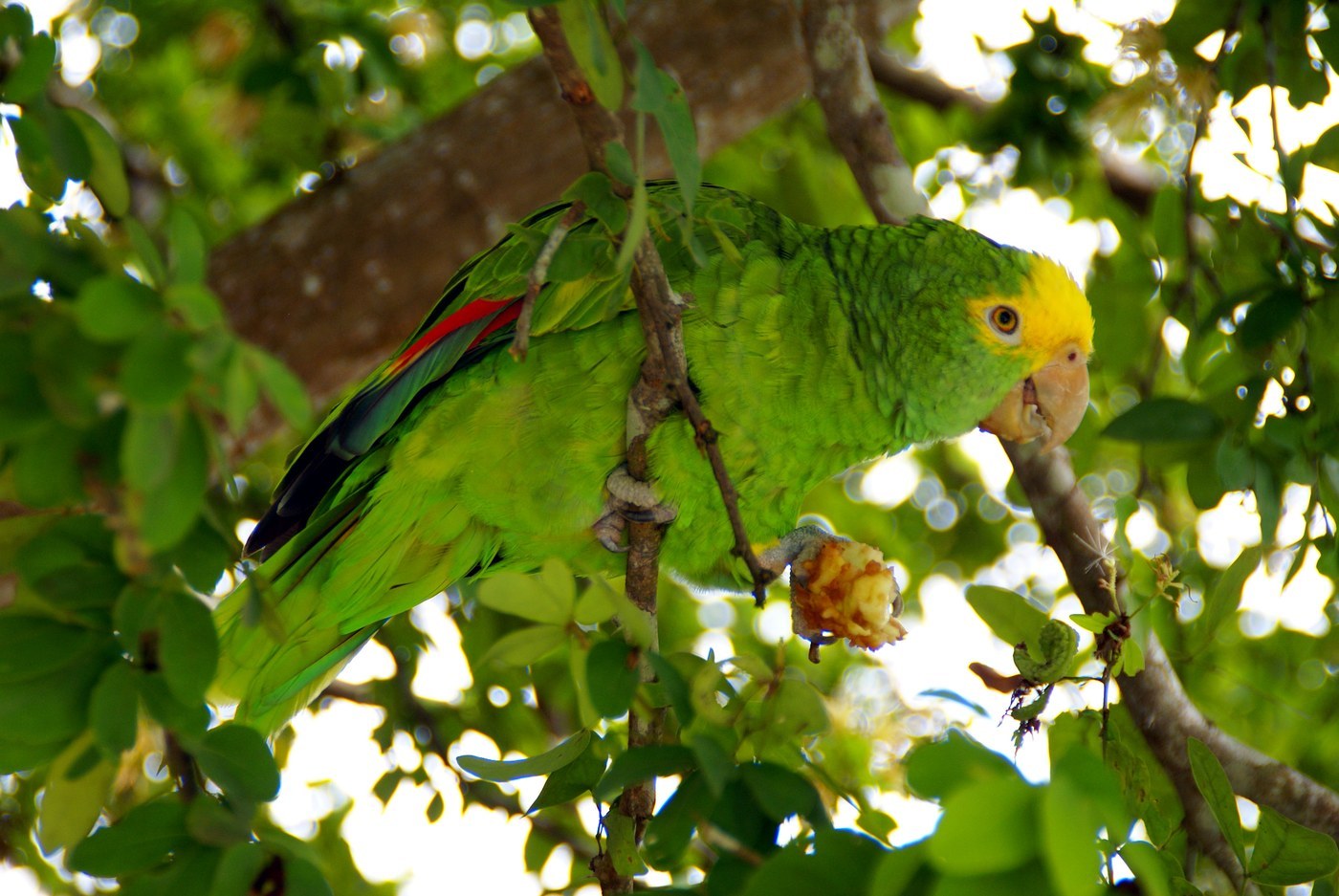
Yellow-headed Amazon
Dense, rounded body contour feathers; broad flight feathers
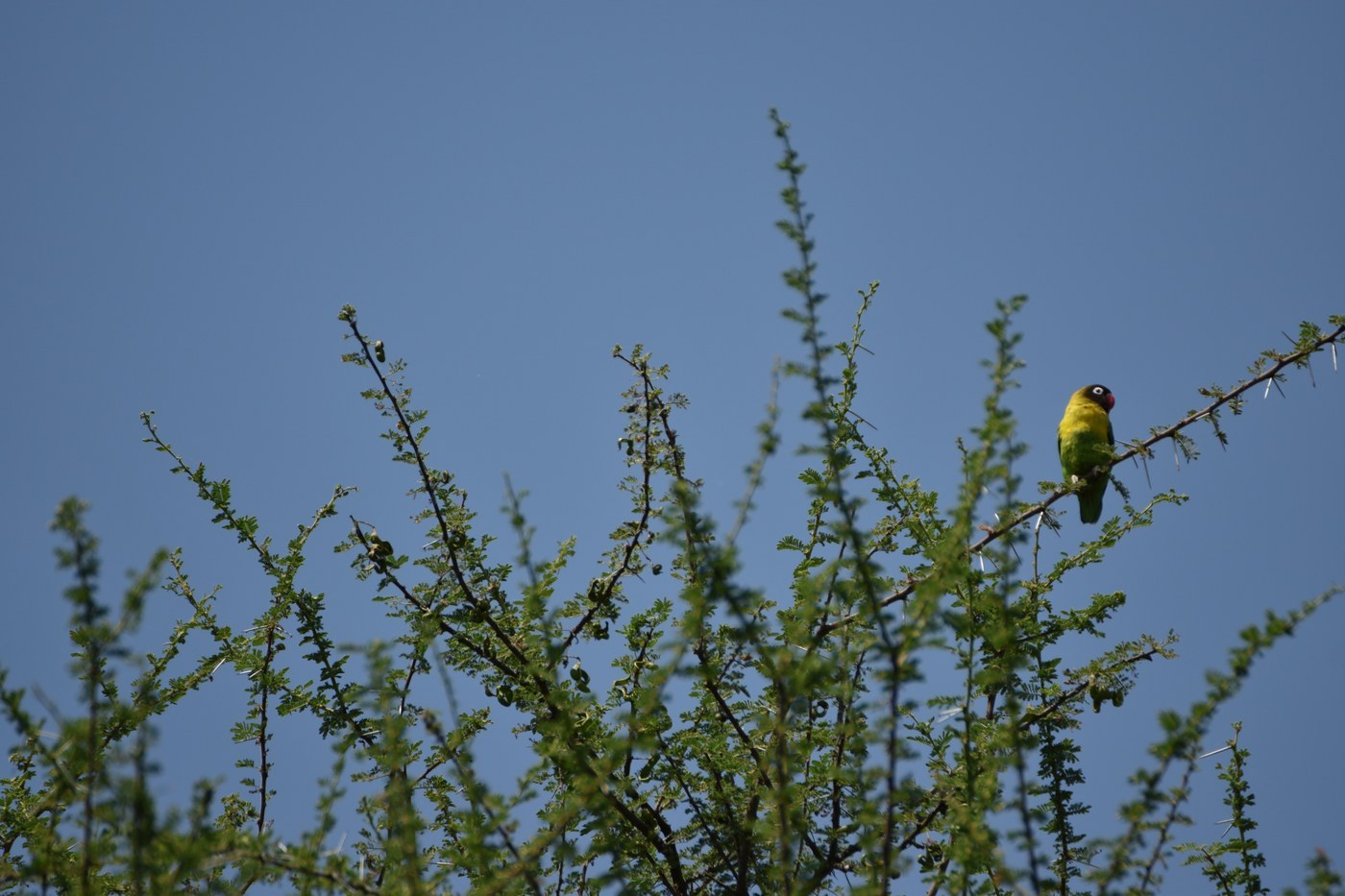
Yellow-collared Lovebird
Small compact flight feathers, short rounded tail

White-eyed Conure
Medium contour and long, graduated tail feathers

Yellow-tailed Black Cockatoo
Large, sturdy contour and flight feathers; short crest

Scarlet-chested Parrot
Small contour and flight feathers

Timneh Parrot
Broad flight feathers, scalloped body feathers with pale edges
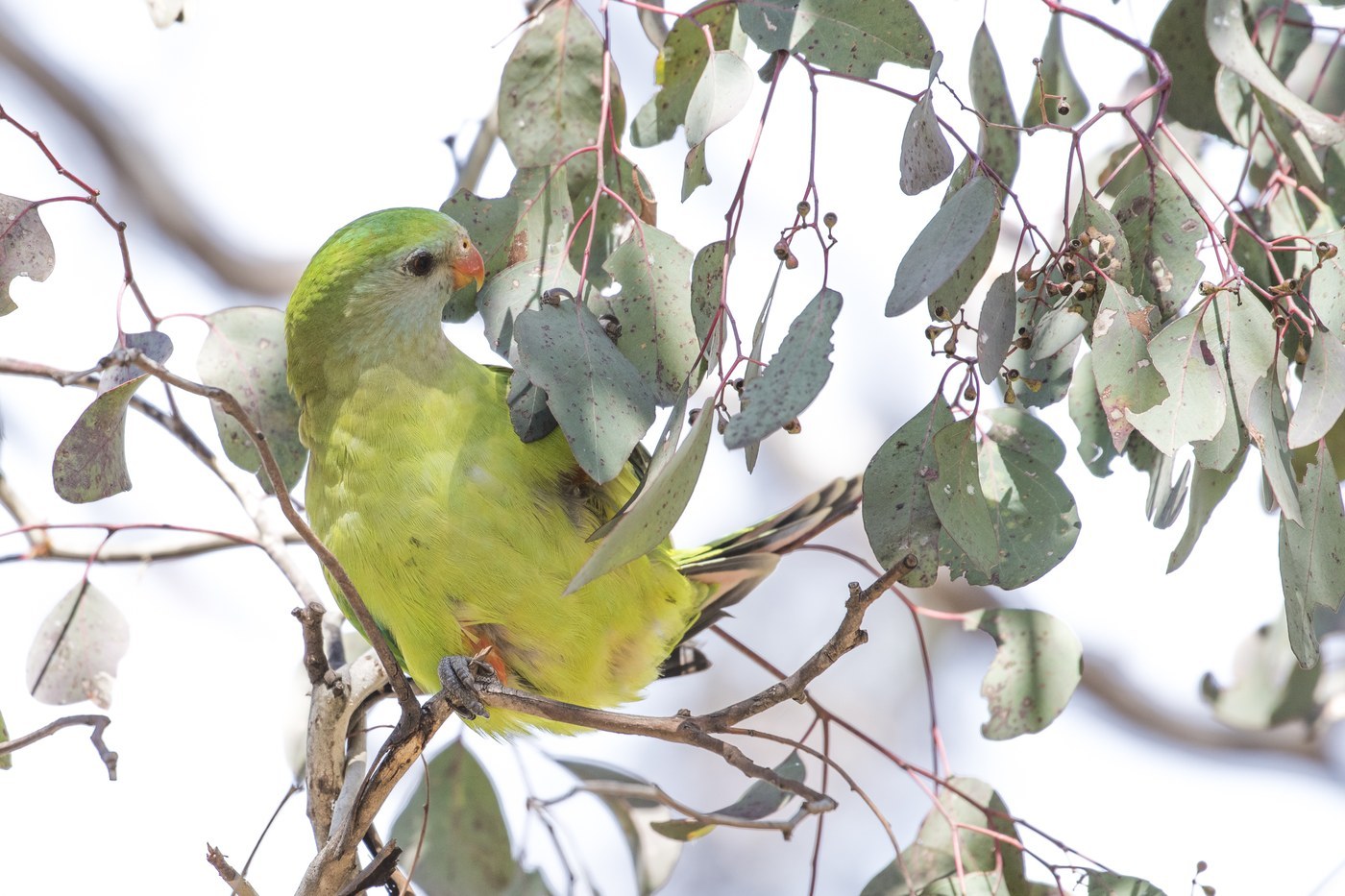
Superb Parrot
Sleek contour feathers with a long tapering tail

Red-shouldered Macaw
Compact body contour feathers; medium flight and tail feathers
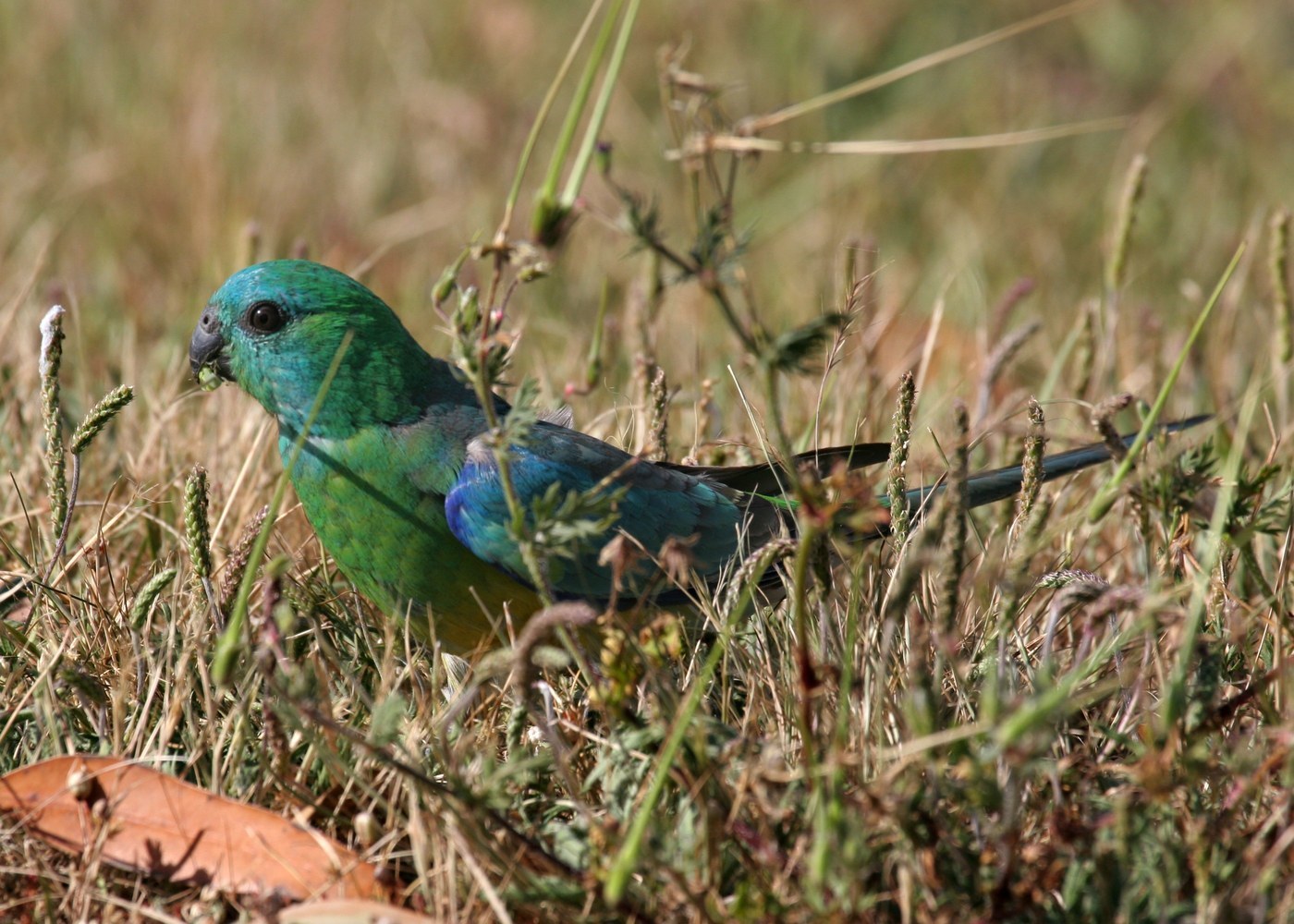
Red-rumped Parrot
Sleek contour feathers with a bright rump patch in males

White-capped Pionus
Compact contour feathers and short, squared tail feathers