

Red-throated Caracara
Ibycter americanus
A loud, glossy black rainforest raptor of the Amazon and Central America, with a bare red throat and face and a striking white belly patch, often heard before it is seen.
- Feather type
- Broad rounded flight feathers; glossy black tail and body feathers; bare red throat skin (not feathered)
- Colours
- Glossy black plumage overall with a white belly/vent patch
- Bird size
- Large raptor, ~46-56 cm
Found a feather like this?
Identify any feather from a photo, free.
Overview
The Red-throated Caracara is a large, noisy raptor of lowland tropical forest from southern Mexico through Central America and much of the Amazon basin. Unlike many caracaras that favor open country, this species is a true forest-canopy bird, often traveling in noisy family groups.
Its feathers are a deep, glossy black overall, broken by a clean white patch on the lower belly and vent, with the bare red skin of the throat and face not preserved in feathers but useful for confirming a live sighting.
Because of its canopy-dwelling habits and loud calls, its presence is often first noticed by sound, with feathers later found on the forest floor beneath fruiting trees or nest/roost sites.
Identifying the Feather
Shape and size
- Flight feathers are broad and rounded, reflecting its life within closed forest canopy rather than open-country soaring; primaries can reach 28-34 cm.
- Tail feathers are long, broad, and glossy black.
Color and pattern
- Body and wing feathers are deep glossy black overall.
- Lower belly and vent feathers are clean white, contrasting sharply with the black body.
- Shafts are dark on black feathers, pale on white vent feathers.
Similar species
- Distinguished from the all-black Black Caracara by its white lower belly/vent patch (the Black Caracara is essentially entirely black with a white tail base instead); its forest-canopy range separates it from open-country caracaras.
Plumage & Molt
Adults show glossy black plumage overall with a contrasting white belly and vent patch, sexes similar. Juveniles are duller and less glossy, with the white patch present but less crisp, sharpening with age.
Habitat & Range
Found in lowland tropical forest from southern Mexico through Central America and across much of the Amazon basin in South America. It is largely resident and closely tied to intact forest canopy.
Behavior & Field Notes
Forages in noisy family groups high in the forest canopy, specializing on wasp and bee nests in addition to fruit and small animal prey. Nests in tree cavities or on large branches. Known for loud, raucous, far-carrying calls given by groups moving through the canopy.
Field note: a glossy black feather with a white lower belly/vent patch found on the floor of lowland tropical forest in Central America or Amazonia is a good match for this species.
Frequently asked questions
How does this differ from the Black Caracara?
This species shows a white belly/vent patch against otherwise glossy black plumage, while the Black Caracara is essentially entirely black with white showing only at the tail base.
Where does this species live?
Lowland tropical forest canopy from southern Mexico through Central America and across much of the Amazon basin.
Why might I hear it before finding a feather?
It travels in noisy family groups with loud, raucous calls that often reveal its presence in the canopy well before any feather is found.
What does it feed on?
It forages on wasp and bee nests as well as fruit and small animal prey, a somewhat unusual diet among raptors.
Red-throated Caracara guides
In-depth guides for identifying and understanding Red-throated Caracara.

Other feathers you may enjoy

Australian Hobby
Long, narrow pointed flight feathers; slender tail feathers

California Condor
Massive flight feathers; long broad primaries; large tail feathers

Brown Falcon
Broad, rounded flight feathers; variable-toned contour feathers
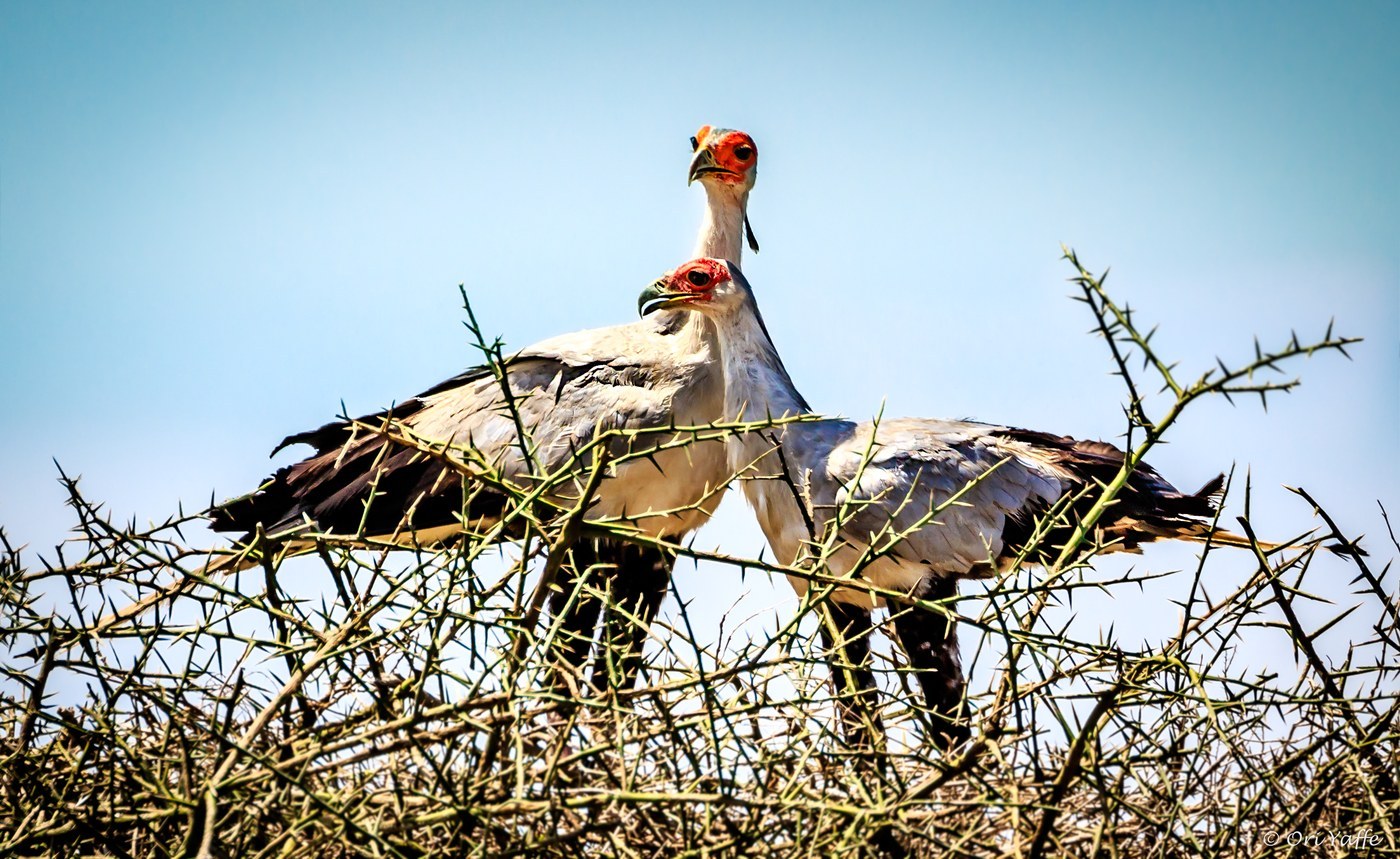
Secretarybird
Long crest feathers; broad flight feathers; elongated central tail feathers

Orange-breasted Falcon
Broad-based pointed flight feathers; bold breast and belly feathers
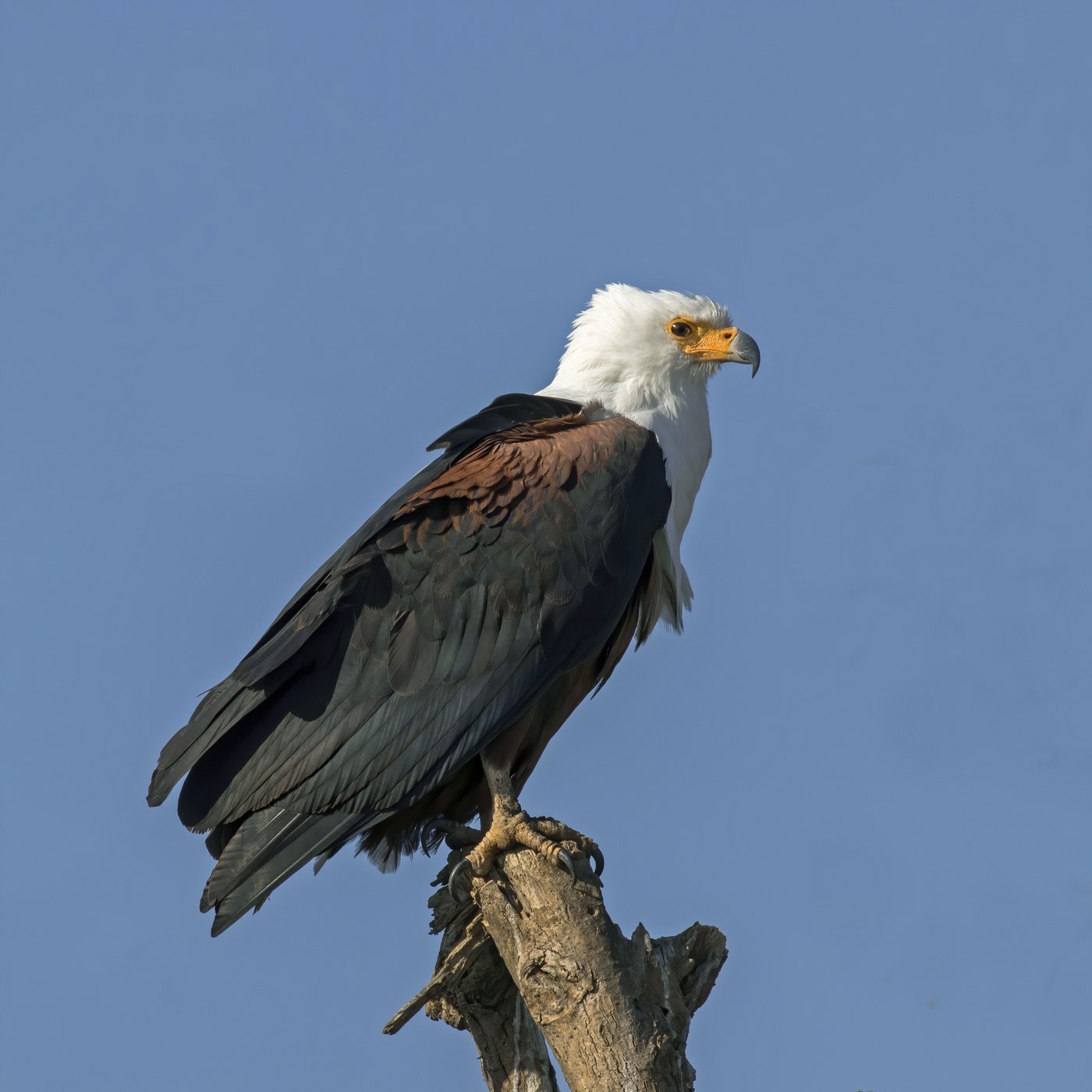
African Fish Eagle
Flight, tail, and body feathers

Amur Falcon
Slender pointed flight feathers; soft slate or orange-buff contour feathers
Red Kite
Flight (wing) and tail feathers
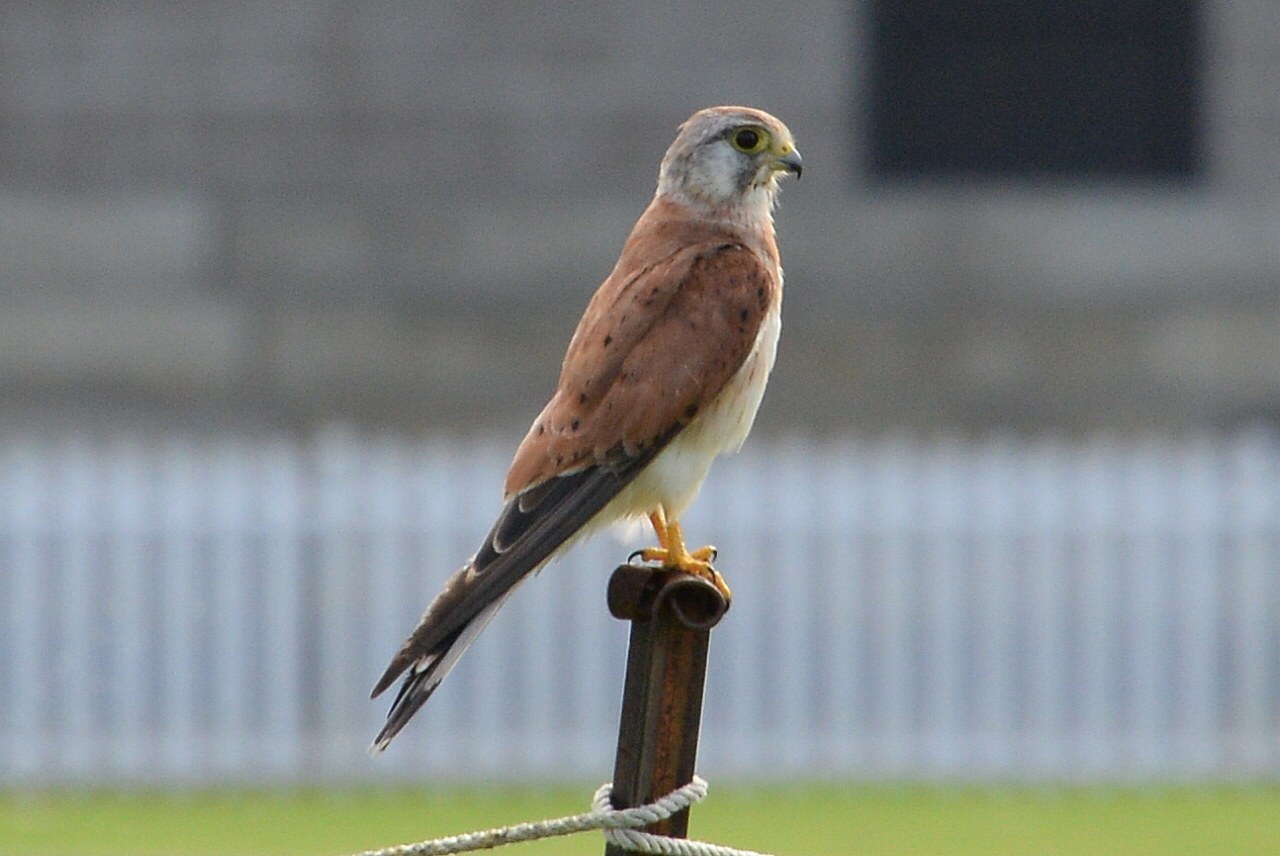
Nankeen Kestrel
Slim pointed flight feathers; lightly marked contour feathers

Andean Condor
Massive flight feathers; broad primaries and secondaries; sturdy tail feathers

Plumbeous Forest Falcon
Short rounded flight feathers; finely barred tail feathers

Sooty Falcon
Long pointed flight feathers; slim tail feathers