

Sacred Ibis
Threskiornis aethiopicus
A large white wading bird with a bare black head and curved black bill, historically significant in ancient Egyptian culture and common across African wetlands today.
- Feather type
- Sleek white contour feathers with ornamental plume feathers
- Colours
- White body, black bare head and neck, black-tipped wings
- Bird size
- Large wading bird, ~65-75 cm
Found a feather like this?
Identify any feather from a photo, free.
Overview
Overview
The Sacred Ibis is a large white wading bird found across wetlands, marshes, and grasslands of sub-Saharan Africa, historically notable for its association with ancient Egyptian iconography. Its clean white body plumage contrasts sharply with the bare black skin of the head and neck and a long, downward-curved black bill.
During the breeding season, adults develop elongated black plume feathers on the lower back that add to their striking silhouette, particularly noticeable in flight or when displaying.
Identifying the Feather
Feather Identification
- Body feathers: clean white overall, densely packed and smooth-edged
- Wing feathers: primaries and outer flight feathers show black tips, visible mainly in flight
- Plume feathers: elongated, black, decorative feathers grow from the lower back during the breeding season, drooping over the tail
- Head and neck: bare black skin rather than feathers, an important non-feather field mark
- The combination of white body plumage, black wingtip pattern, and bare black head distinguishes this species clearly from other white wading birds such as egrets
Plumage & Molt
Plumage Notes
Adults show white body plumage with black wingtips year-round, developing additional black plume feathers on the back during the breeding season that are shed once breeding concludes. Juveniles have some feathering on the head and neck rather than fully bare skin, along with duller overall plumage.
Molt occurs on an annual cycle, with breeding plumes added and later dropped separately from the main flight feather molt.
Habitat & Range
Habitat & Range
Sacred Ibises are widespread across sub-Saharan Africa, inhabiting wetlands, marshes, floodplains, and adjacent grasslands. They are also found in parts of the Middle East and have established introduced populations in some other regions.
The species shows some local and seasonal movement tied to water availability, though it is not a long-distance migrant across most of its range.
Behavior & Field Notes
Behavior & Field Notes
Sacred Ibises forage by probing mud and shallow water with their curved bills, feeding on invertebrates and small aquatic prey. They are social, often foraging and roosting in mixed flocks with other wading birds.
Nests are built in colonies, typically in trees or reedbeds near water, constructed from sticks and vegetation. Their calls are relatively quiet compared to many wading birds, consisting of low grunts and croaks mainly heard at breeding colonies.
Frequently asked questions
What feather features distinguish a Sacred Ibis from an egret?
The Sacred Ibis shows black wingtips and a bare black head and neck, distinguishing it from all-white egrets which typically have fully feathered heads.
Do Sacred Ibises grow special feathers for breeding?
Yes, adults develop elongated black plume feathers on the lower back during the breeding season, shed once breeding concludes.
Where are Sacred Ibises found?
They are widespread across sub-Saharan Africa in wetlands, marshes, and grasslands, with some populations in the Middle East and elsewhere as introductions.
Do juvenile Sacred Ibises have bare black heads like adults?
No, juveniles retain some feathering on the head and neck rather than the fully bare black skin seen in adults.
Sacred Ibis guides
In-depth guides for identifying and understanding Sacred Ibis.

Other feathers you may enjoy

Yellow-billed Spoonbill
White contour and flight feathers with fine breeding plumes on the back and breast
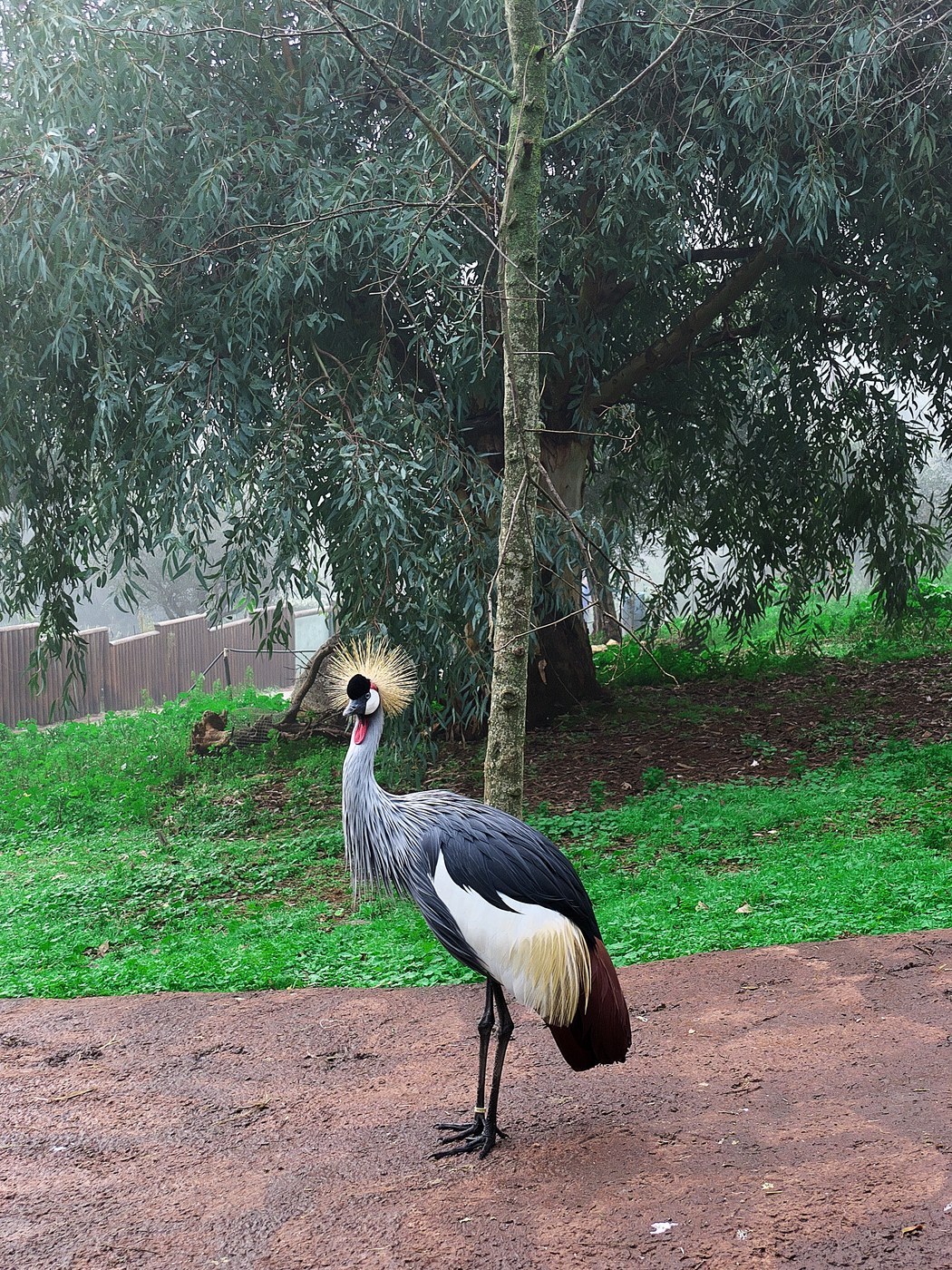
Grey Crowned Crane
Grey body feathers with white wing coverts, chestnut flight feathers, and stiff golden crown bristles
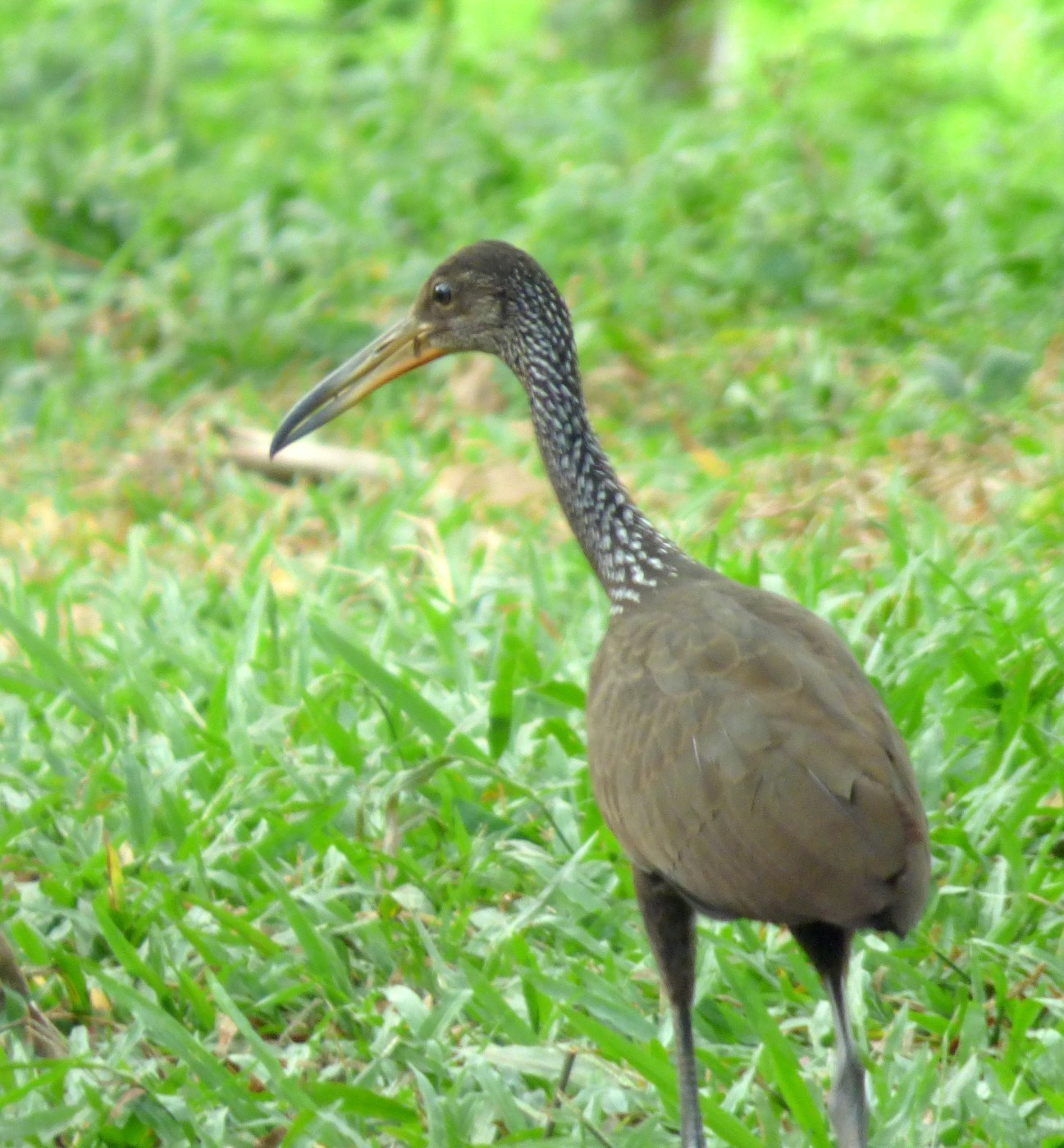
Limpkin
Brown contour feathers with white teardrop-shaped spots and streaks
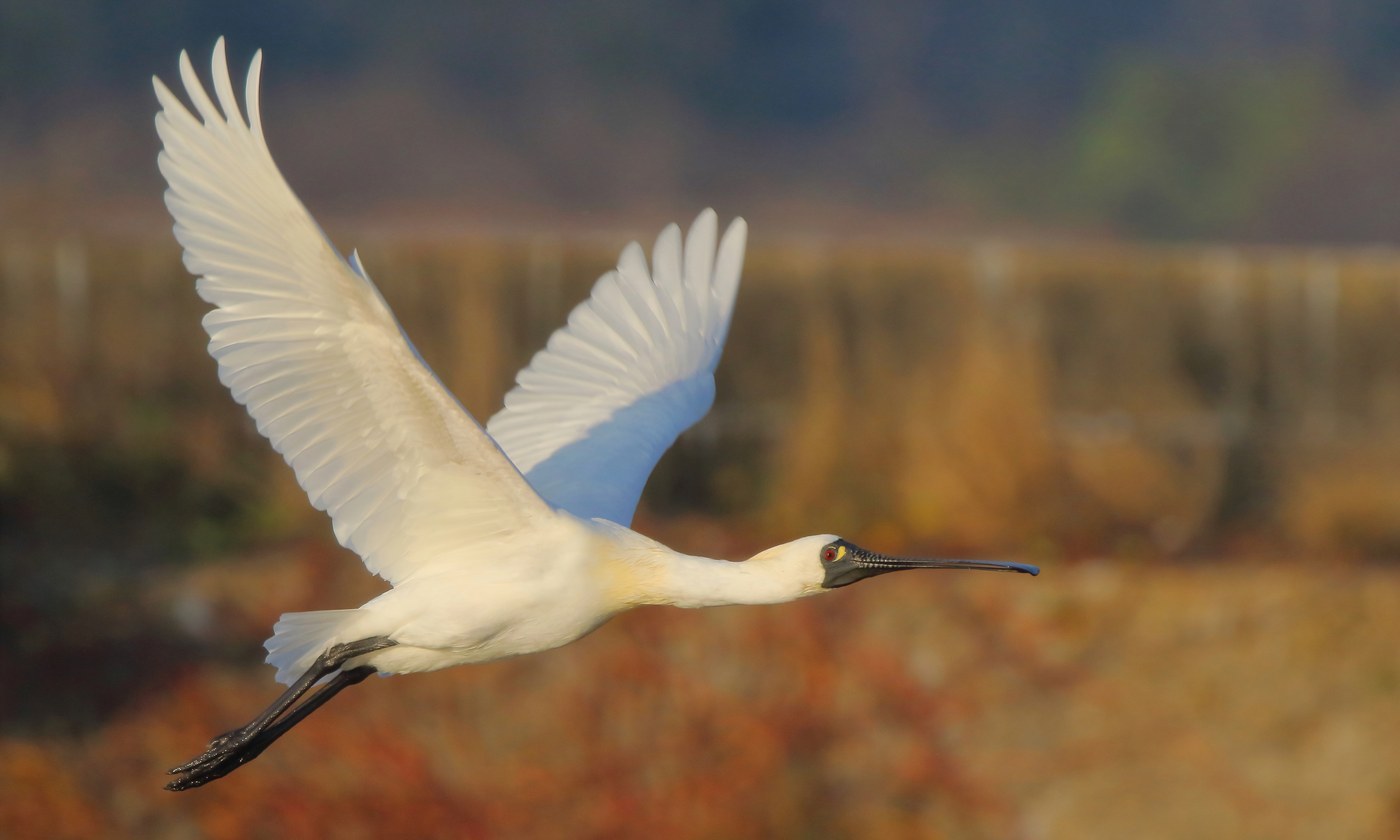
Black-faced Spoonbill
White contour and flight feathers with fine breeding crest and breast plumes
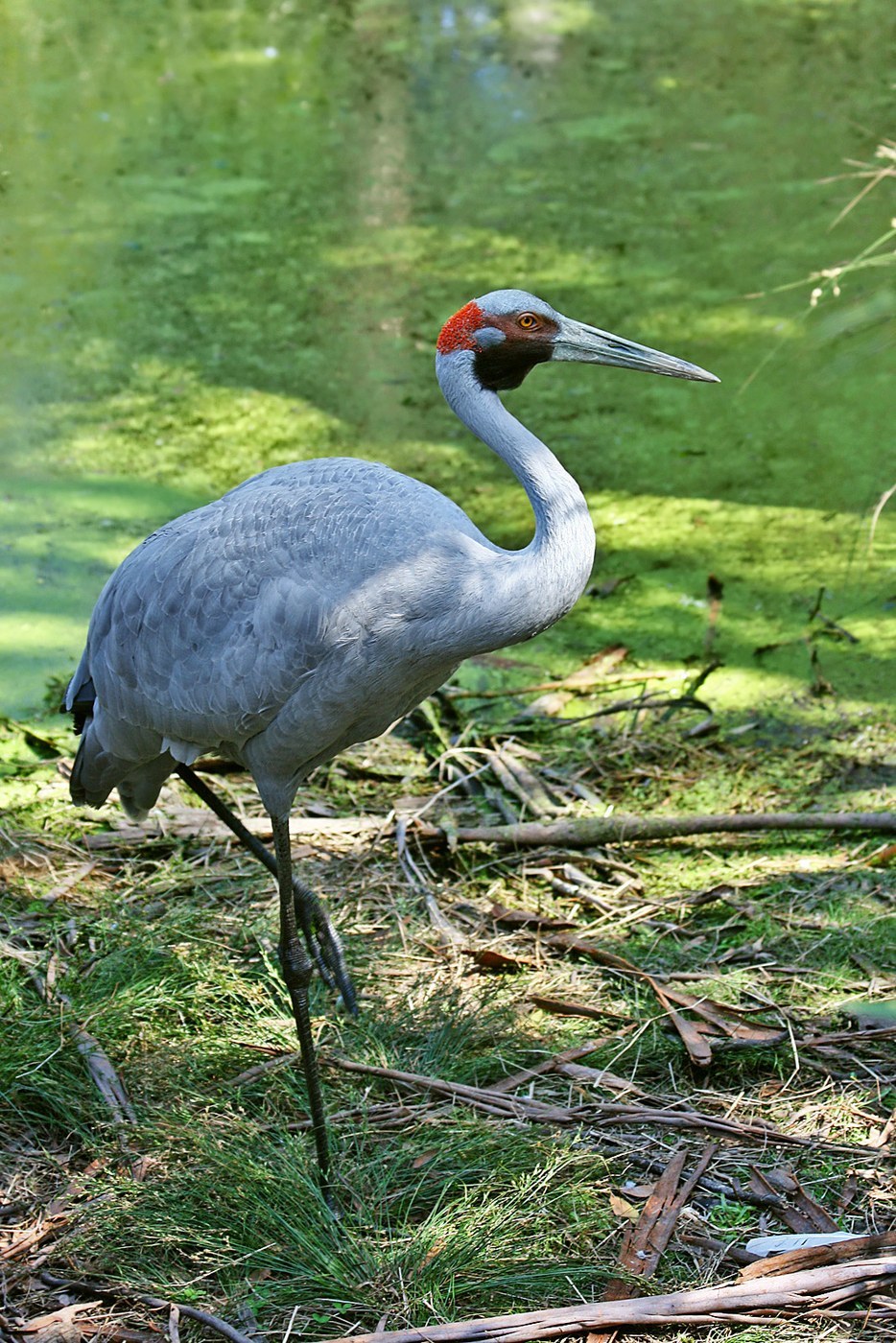
Brolga
Grey contour feathers with drooping bustle plumes
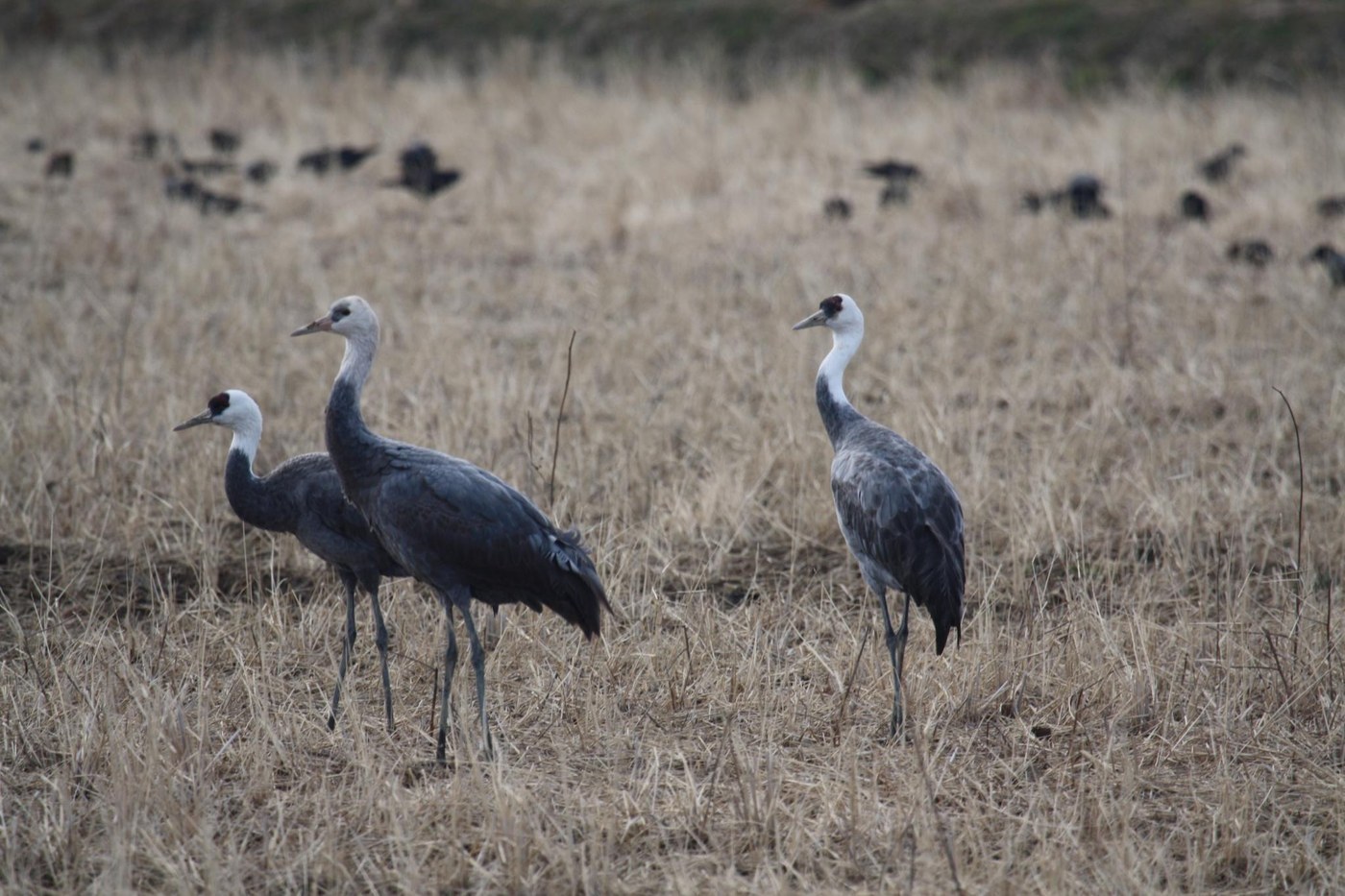
Hooded Crane
Dark slate-grey body feathers with a white head/upper neck 'hood' and black bustle plumes

Red-crowned Crane
White contour feathers with black secondary/tertial bustle feathers and a bare red crown

Common Crane
Grey contour feathers with black head/neck feathers and drooping bustle plumes
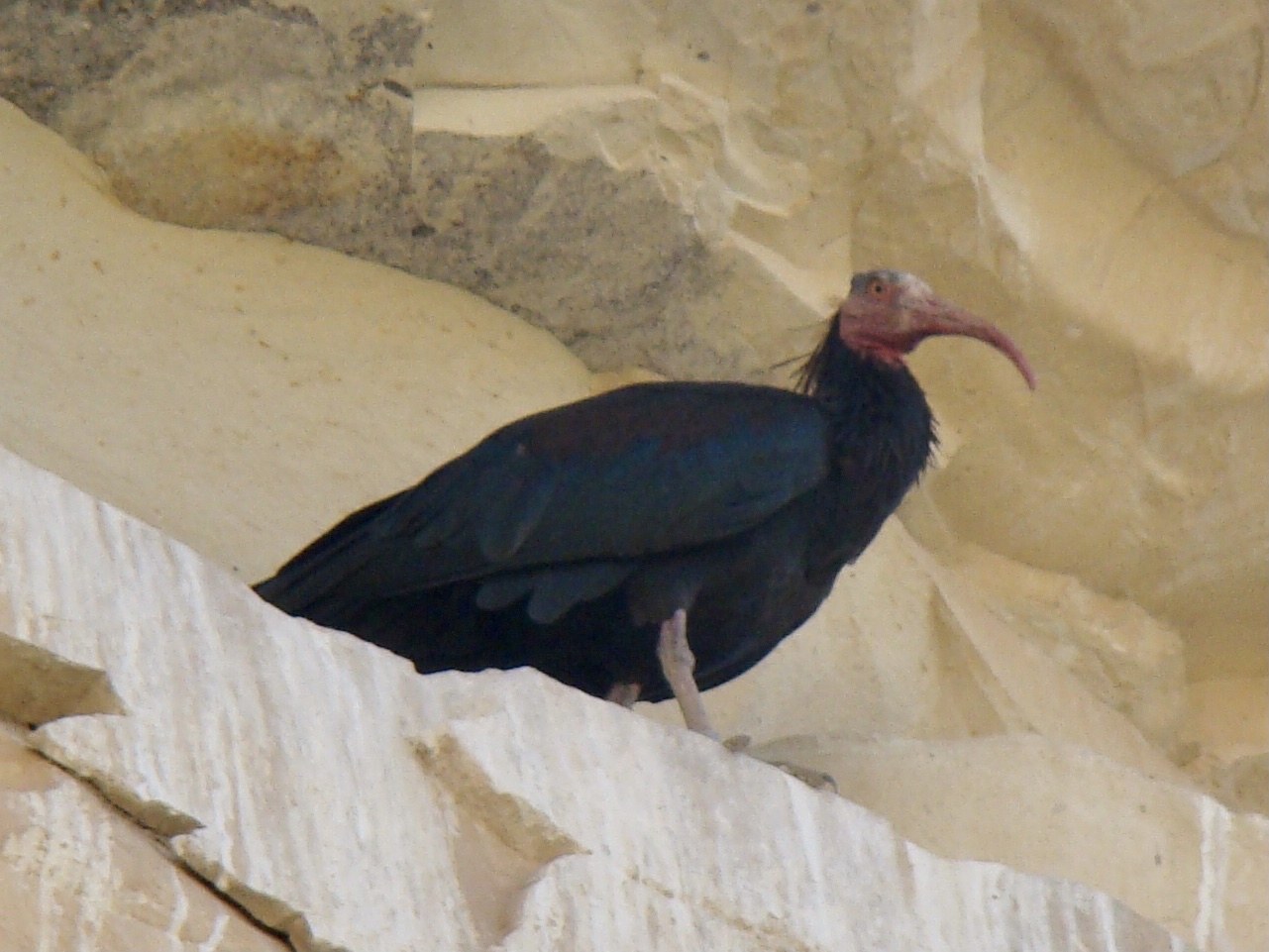
Northern Bald Ibis
Glossy black contour feathers with elongated nape plumes
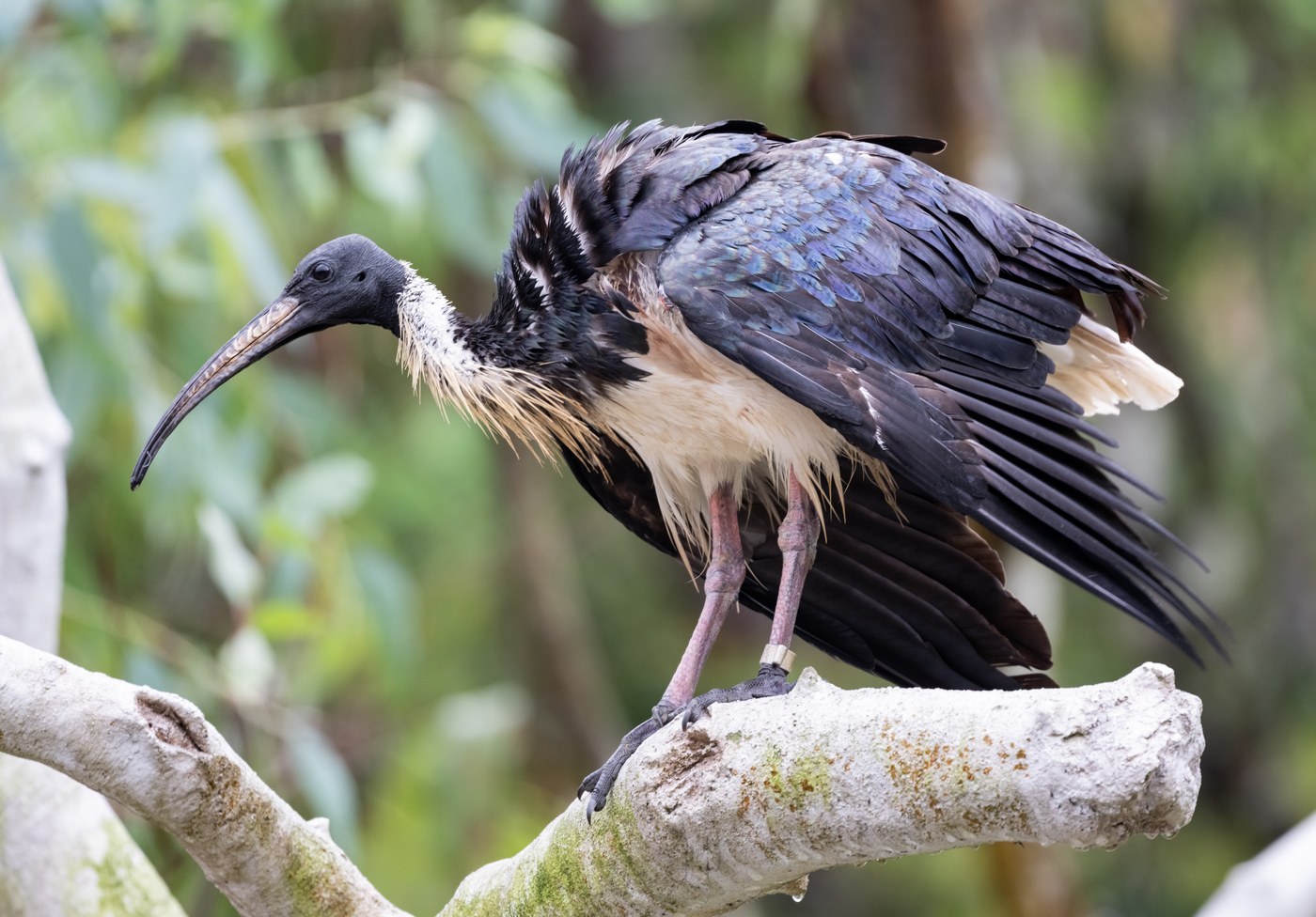
Straw-necked Ibis
Glossy contour feathers with unique straw-like neck plumes
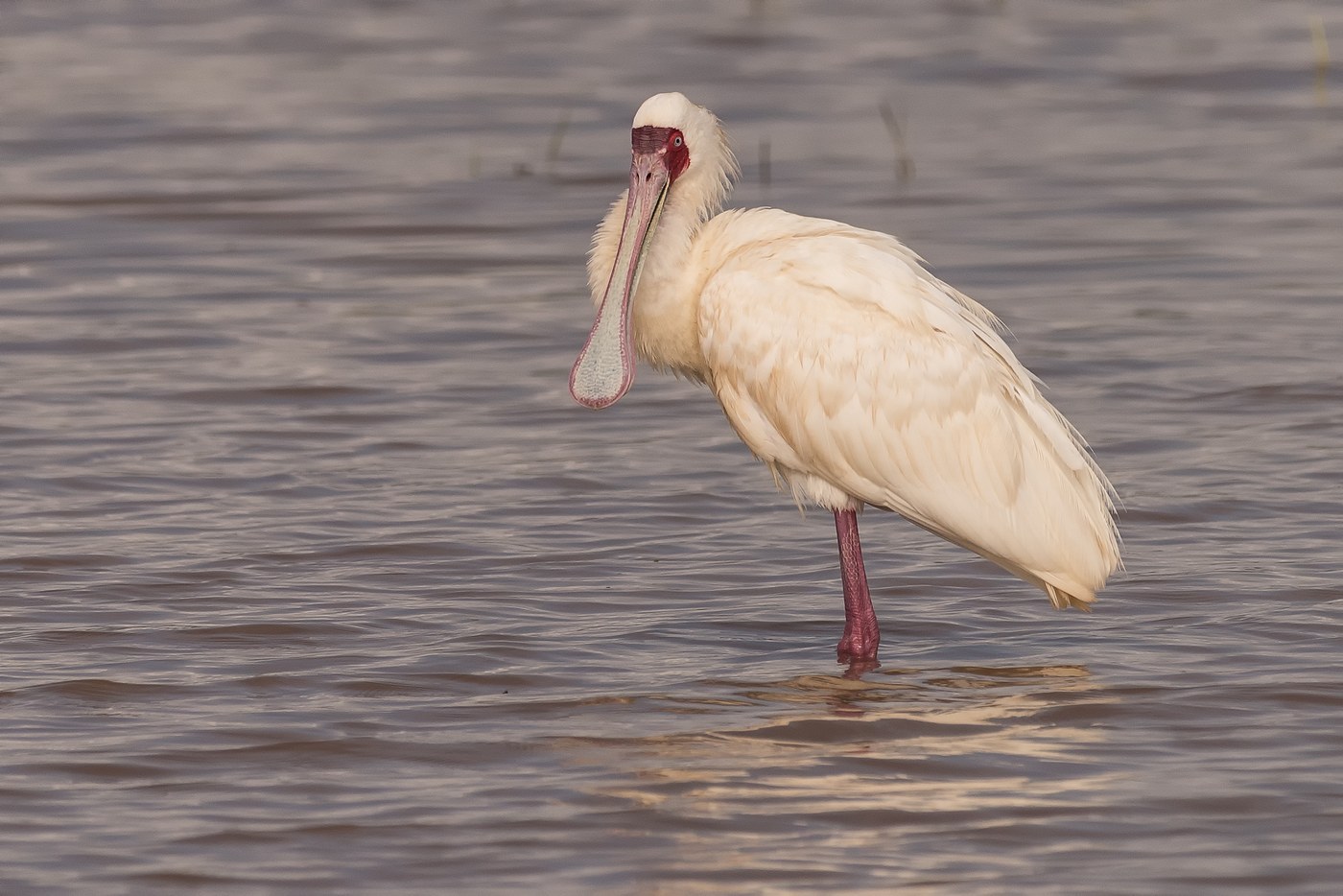
African Spoonbill
White contour and flight feathers, unmarked by black tips

Roseate Spoonbill
Pink and white contour and flight feathers with a carmine shoulder patch