
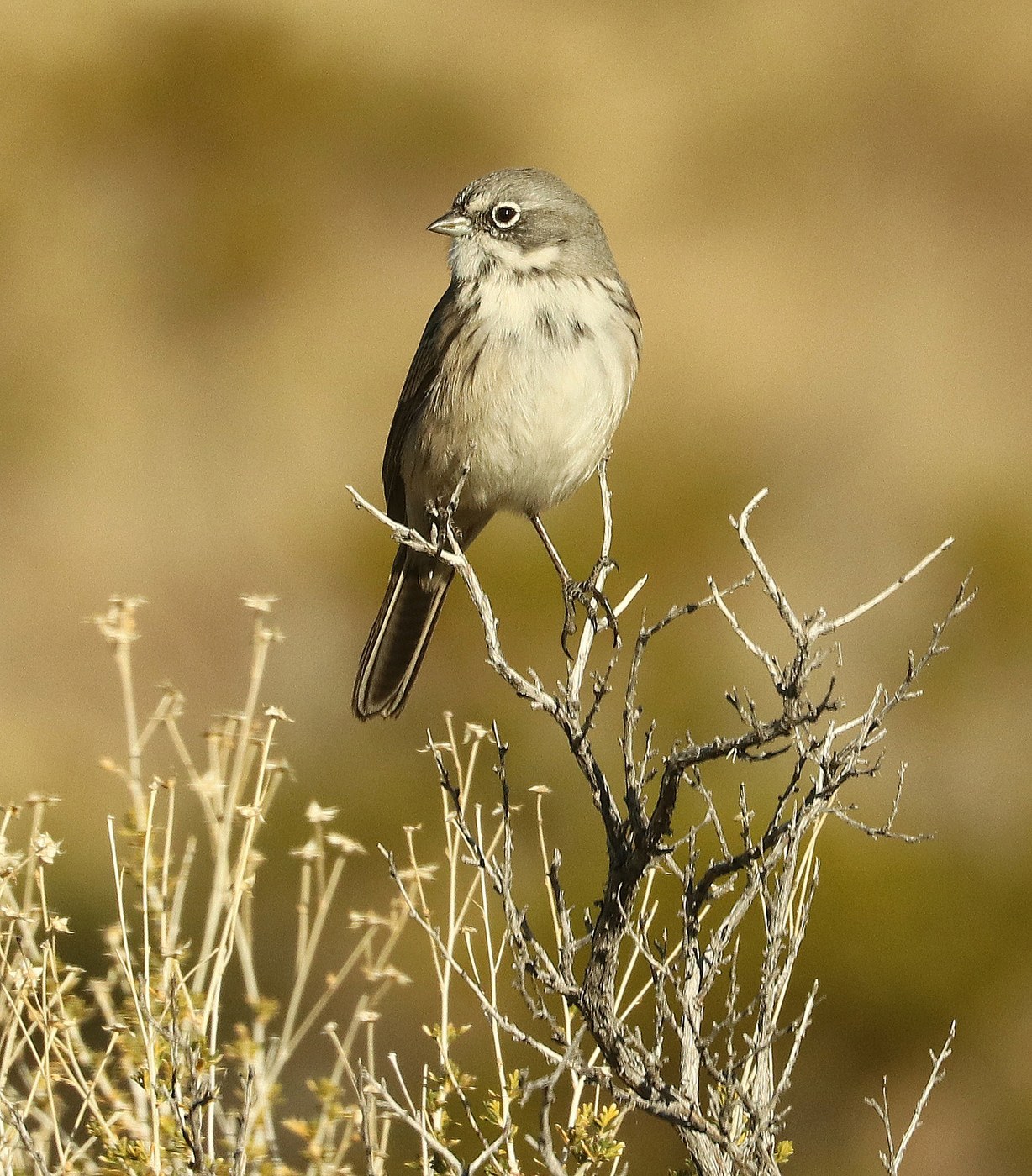
Sagebrush Sparrow
Artemisiospiza nevadensis
A pale gray-headed sparrow of Great Basin sagebrush country, with a white eye-ring and a dark central breast spot.
- Feather type
- Contour and flight feathers
- Colours
- Gray, brown, and white
- Bird size
- Sparrow-sized, ~14.5 cm
Found a feather like this?
Identify any feather from a photo, free.
Overview
Overview
The Sagebrush Sparrow is closely tied to sagebrush shrub-steppe habitat across the Great Basin and surrounding interior western regions. It was formerly considered part of a single species along with Bell's Sparrow, and the two remain similar in appearance where their ranges approach one another.
Its pale gray head, white eye-ring, and a small dark central spot on an otherwise plain breast provide the key marks for distinguishing it from similar sparrows in shared or adjacent habitat.
Identifying the Feather
Feather Identification
- Head feathers: pale gray overall, with a thin white eye-ring and a whitish supraloral spot in front of the eye
- Malar area: dark malar stripe bordering a whitish throat, creating moderate facial contrast
- Breast feathers: plain grayish-white with a small dark central spot, without extensive streaking
- Back feathers: grayish-brown, lightly streaked, blending well with sagebrush coloration
- Compared to Bell's Sparrow: Sagebrush Sparrow shows a paler overall tone, a less bold malar stripe, and a back that is more streaked than the plainer, darker-backed Bell's Sparrow
Plumage & Molt
Plumage Notes
Sexes look similar. Fresh fall plumage appears slightly richer following the post-breeding molt, while breeding-season birds can look paler and more worn. Juveniles are more heavily streaked below and lack the crisp adult eye-ring and malar pattern, gradually acquiring adult-like plumage through their first fall molt. A single complete molt follows breeding in adults, refreshing the pale gray head tones and subtle back streaking characteristic of the species.
Habitat & Range
Habitat & Range
Sagebrush Sparrows breed in sagebrush-dominated shrub-steppe habitat across the Great Basin and adjacent interior western states, closely associated with mature, relatively tall sagebrush stands. They winter in desert scrub habitat of the southwestern United States and northern Mexico. The species' dependence on intact sagebrush habitat makes it sensitive to shrub-steppe degradation and loss across much of its breeding range.
Behavior & Field Notes
Behavior & Field Notes
Sagebrush Sparrows forage on the ground and within sagebrush canopy, often running between shrubs rather than flying short distances, feeding on seeds and invertebrate food. They can be somewhat secretive outside of the breeding season. The song is a series of varied buzzy and musical phrases delivered from a shrub top, distinct in cadence from the closely related Bell's Sparrow's song. Nests are built low within sagebrush shrubs, constructed as a compact cup for protection from sun and predators.
Frequently asked questions
How is Sagebrush Sparrow different from Bell's Sparrow?
Sagebrush Sparrow is paler overall with a less bold malar stripe and a more streaked back, while Bell's Sparrow is darker overall with a bolder facial pattern and a plainer back.
What habitat is essential for this species?
Mature sagebrush shrub-steppe habitat in the Great Basin and surrounding interior western regions, where it depends on relatively tall, healthy sagebrush stands.
Were Sagebrush and Bell's Sparrow once considered the same species?
Yes, they were formerly lumped together as a single species before being split based on differences in appearance, voice, and habitat preference.
What does the breast pattern look like?
Mostly plain grayish-white with a small dark central spot, rather than extensive streaking across the underparts.
Sagebrush Sparrow guides
In-depth guides for identifying and understanding Sagebrush Sparrow.
Other feathers you may enjoy

Yellow-breasted Bunting
Contour and flight feathers, chestnut-and-yellow breeding pattern
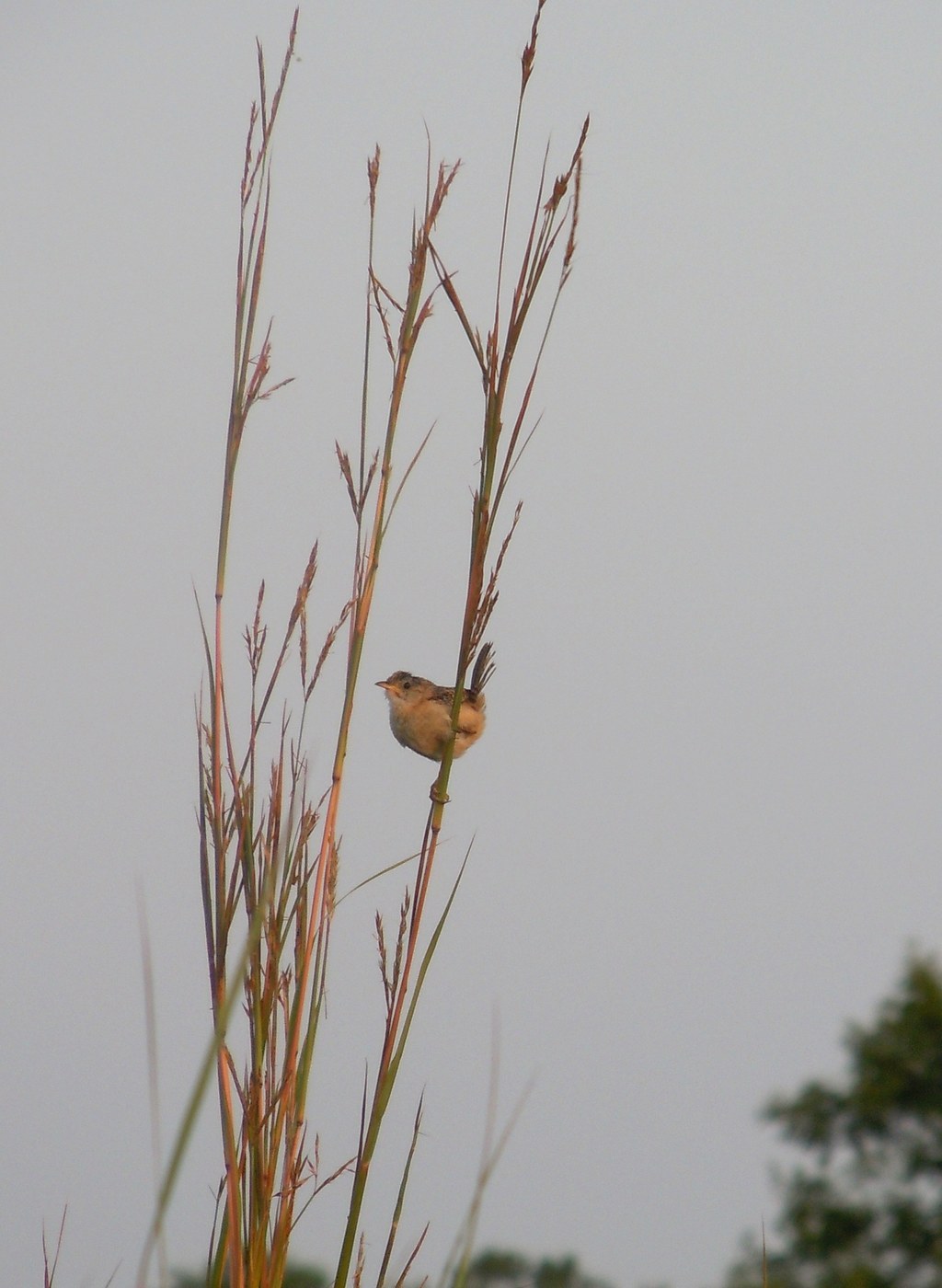
Sedge Wren
Tiny streaked crown and back feathers

Yellow-winged Cacique
Glossy black body feathers, yellow wing patch, shaggy crest

Yellow Warbler
Small contour and flight feathers
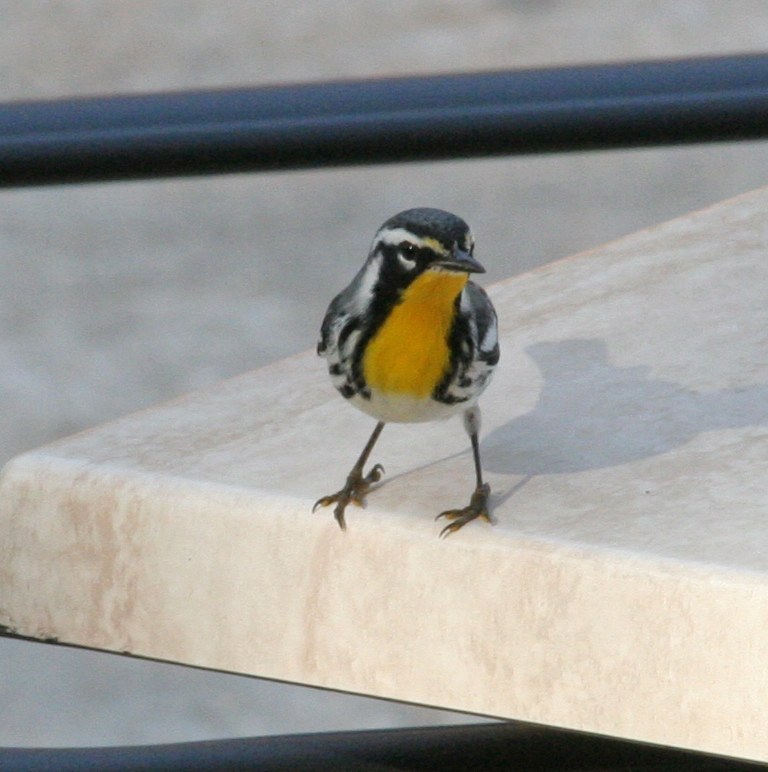
Yellow-throated Warbler
Small contour and flight feathers
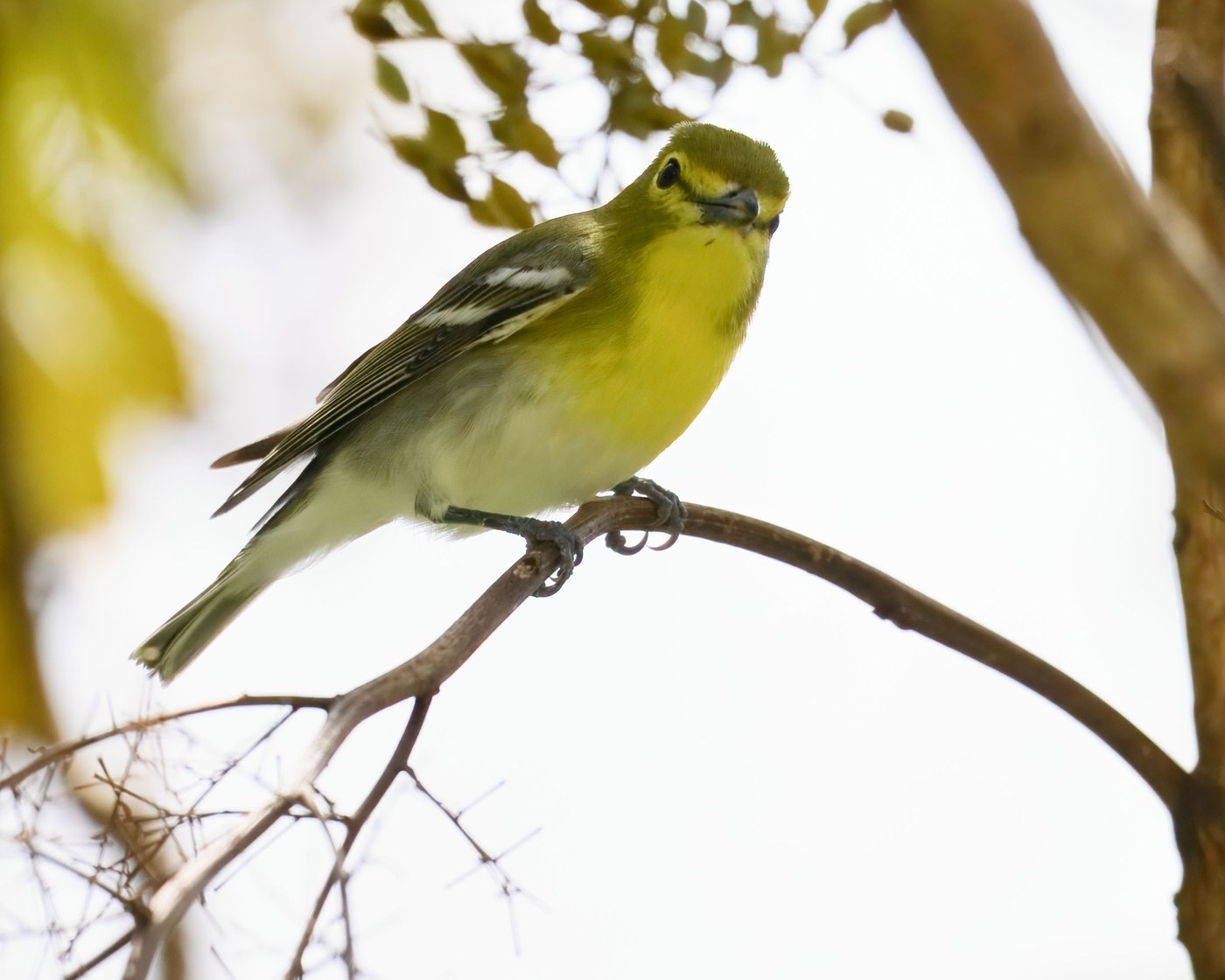
Yellow-throated Vireo
Bright yellow throat and spectacle feathers; olive-green back feathers; two white wing-bar feathers

Yellow-rumped Warbler
Small contour and flight feathers
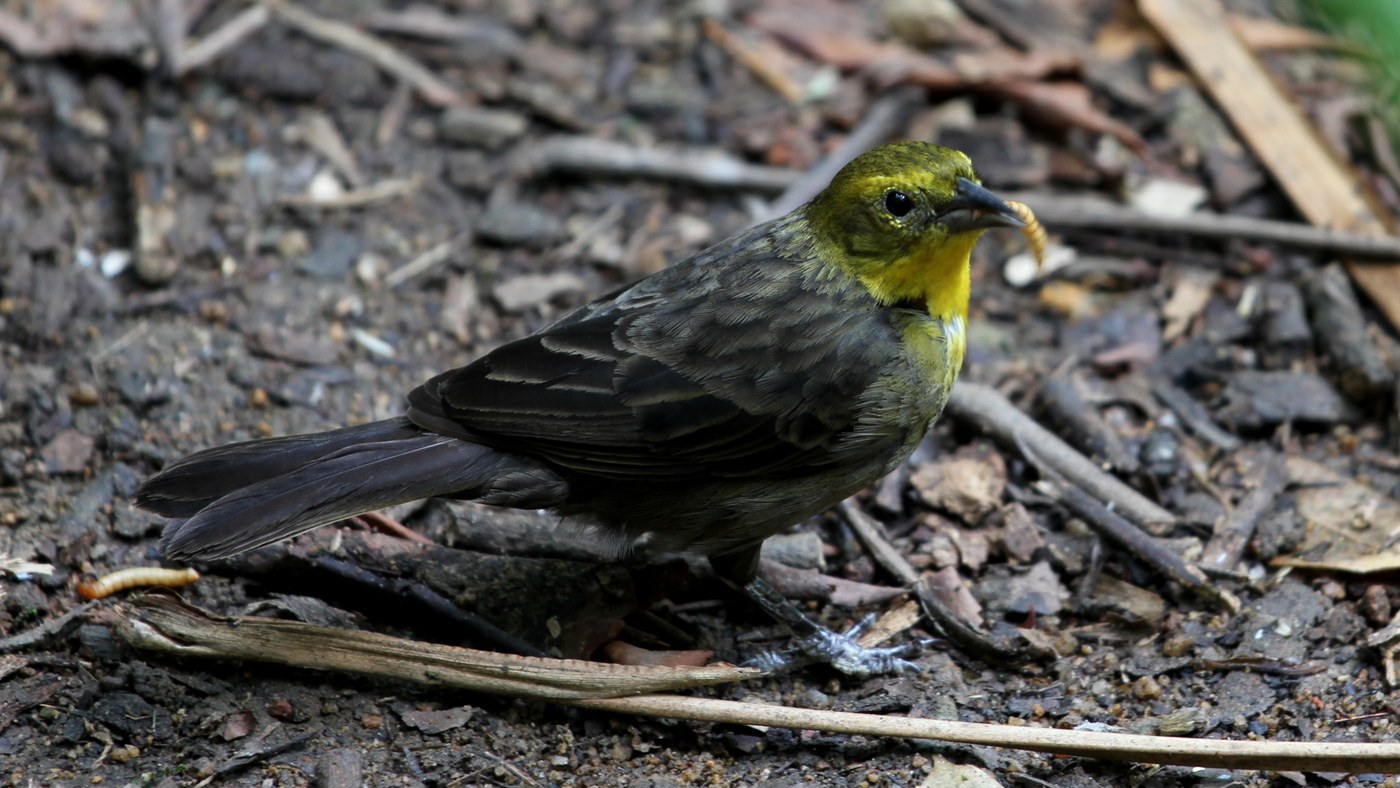
Yellow-hooded Blackbird
Contrasting hood and body feathers
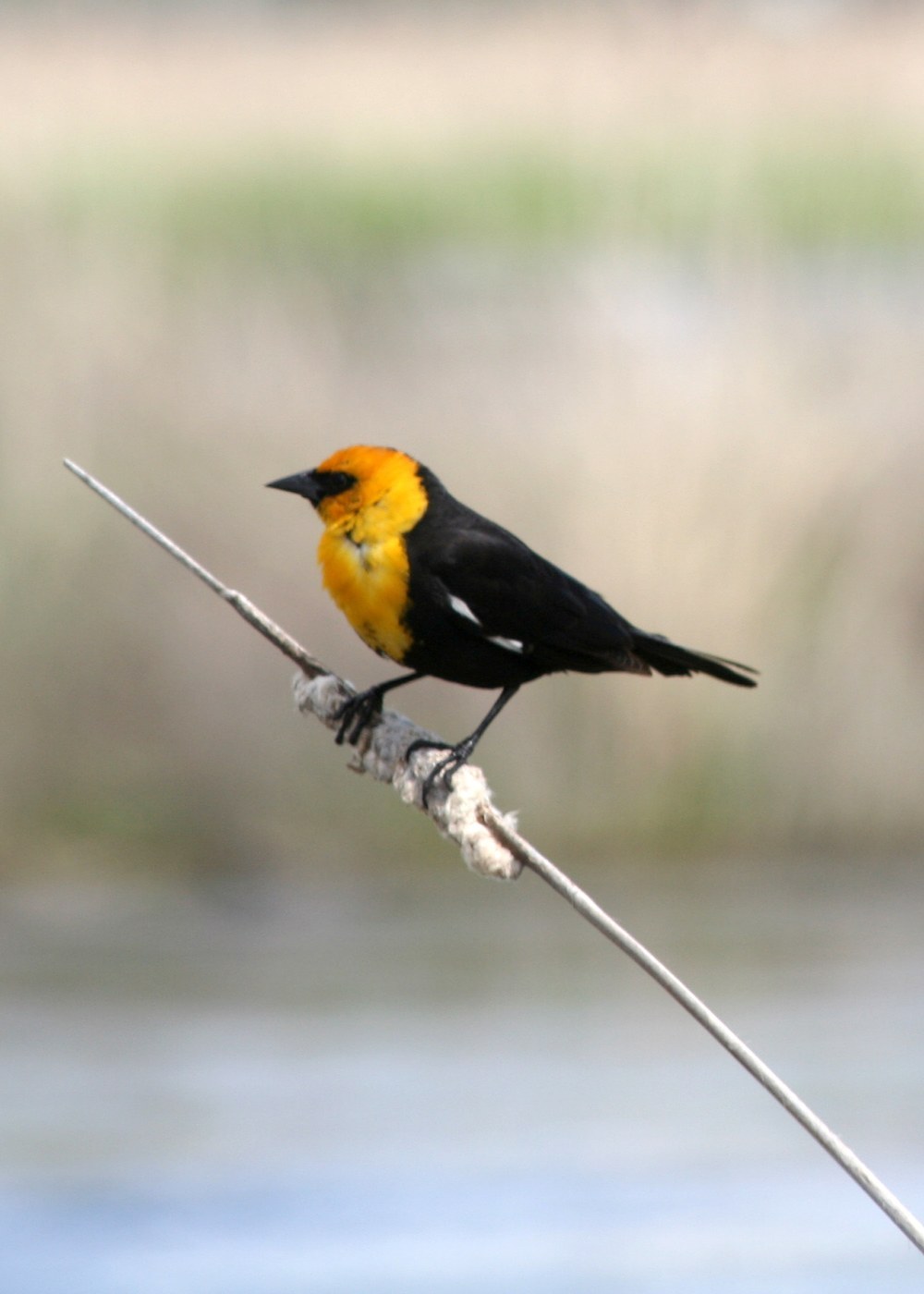
Yellow-headed Blackbird
Glossy black body plumage with a bright yellow head and breast

Yellow-eyed Junco
Contour and flight feathers

Yellow-fronted Canary
Small, smooth body plumage

Yellow-breasted Greenfinch
Compact, smooth body plumage