
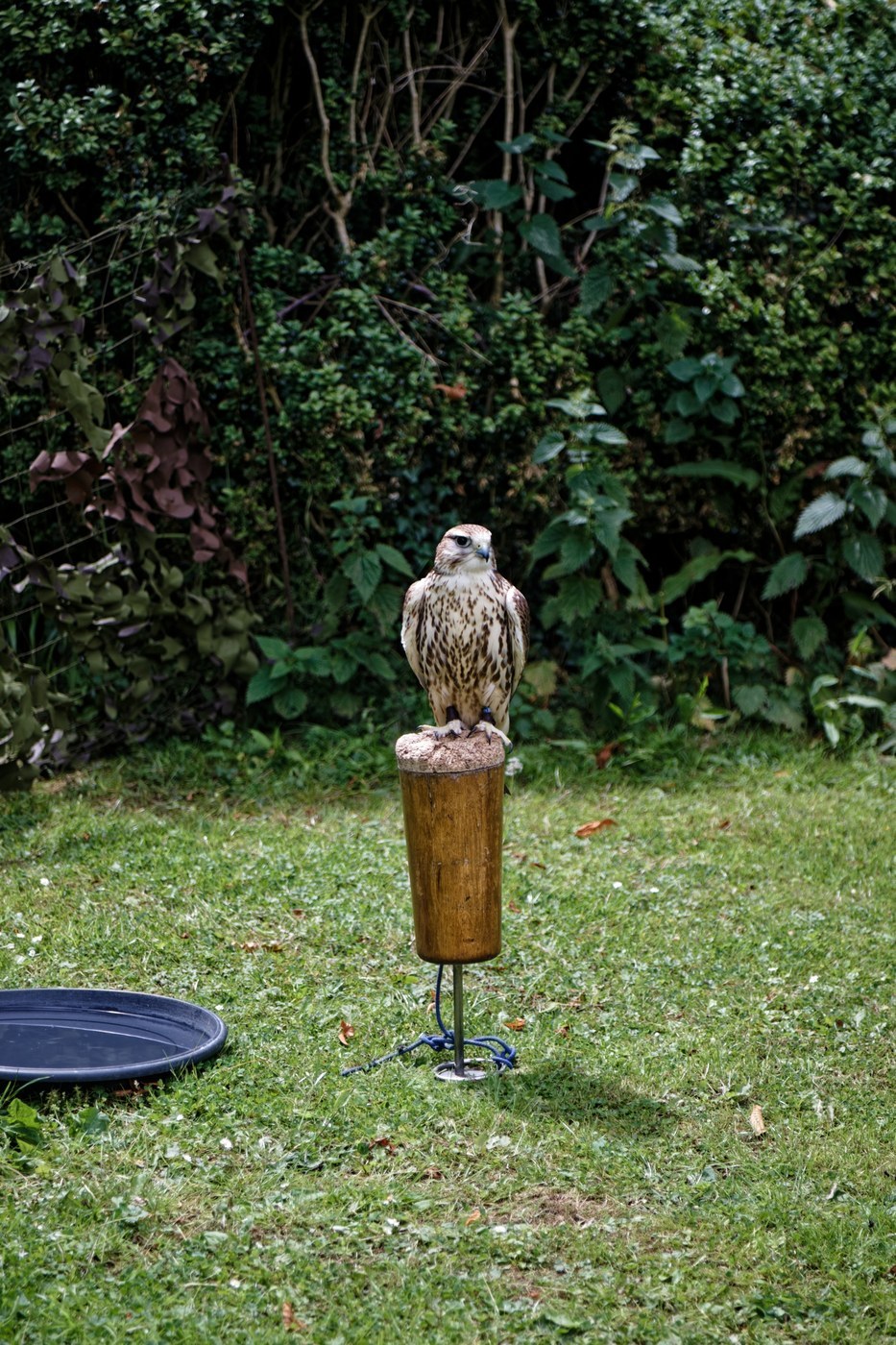
Saker Falcon
Falco cherrug
The Saker Falcon is a large, powerfully built falcon of the Eurasian steppes, prized historically in falconry, with pale sandy-brown plumage and long tapered wings suited to open-country pursuit.
- Feather type
- Long pointed flight feathers & squared tail; dense back and covert feathers
- Colours
- Pale grey-brown to sandy above with faint dark barring; cream underparts with brown streaking or spotting
- Bird size
- Large falcon, ~45-57 cm
Found a feather like this?
Identify any feather from a photo, free.
Overview
The Saker Falcon is one of the largest true falcons, breeding across the steppes and semi-deserts of Central Asia and eastern Europe and wintering into the Middle East, South Asia, and East Africa. Its build is powerful and broad-shouldered compared to smaller falcons, reflecting a hunting style built around stamina and open-ground pursuit of ground squirrels and birds.
Feathers from this species turn up mainly near cliff nest sites, pylons, or open plains where the bird perches and hunts. Because Sakers vary considerably in tone from pale sandy to darker brown morphs, feather color alone can be misleading without size as a cross-check.
Identifying the Feather
Recognizing Saker Falcon feathers
- Flight feathers: Long, pointed primaries, brown above with narrow, somewhat indistinct pale barring — less crisply banded than a Peregrine's.
- Tail feathers: Squared-off, brownish with faint darker banding and a pale terminal band.
- Body feathers: Back and covert feathers pale sandy-brown to grey-brown; underside contour feathers cream to buff with brown streaks or teardrop spotting rather than heavy barring.
- Shaft color: Pale brown to horn-colored.
- Compared to similar species: Larger and paler overall than a Peregrine Falcon, with less bold facial-mask-associated barring; smaller and less richly rufous than a Gyrfalcon; Lanner Falcon feathers are similarly toned but the Lanner is noticeably smaller with finer streaking below.
Plumage & Molt
Adults are sandy-brown to grey-brown above, variably darker in some individuals, with a faint pale crown stripe and weak mustache mark compared to other falcons. Underparts are cream to whitish with brown streaking that is heavier on the flanks. Juveniles are darker brown above with heavier, more solid streaking below than adults, gradually paling with successive molts over a few years to reach adult patterning.
Habitat & Range
Breeds on cliffs, crags, and even large stick nests of other birds across open steppe, semi-desert, and grassland from eastern Europe through Central Asia to Mongolia and northern China. A partial migrant: northern and Central Asian populations move south for winter into the Middle East, the Indian subcontinent, and parts of northeastern Africa, while some southern populations are largely resident.
Behavior & Field Notes
Hunts over open ground, taking ground squirrels, gerbils, and other small mammals as well as birds, often by fast low pursuit or stooping from height. Nests on cliff ledges or in old nests of other large birds such as corvids or eagles, typically laying in spring. Largely silent away from the nest, giving harsh cackling calls when alarmed near the eyrie. A feather found on open steppe or near a rocky outcrop, sandy-toned with faint barring and larger than a typical kestrel feather, is a reasonable candidate for this species within its range.
Frequently asked questions
How can I tell a Saker Falcon feather from a Peregrine Falcon feather?
Saker feathers tend to be paler and sandier with less crisp, bolder barring; Peregrine feathers usually show more contrasting slate-grey tone and sharper dark banding.
Are Saker Falcon feathers heavily barred?
Not especially — the barring on flight and tail feathers is present but fainter and less bold than in many other falcons, giving a more uniform sandy look.
Do juvenile and adult Saker Falcons have different feathers?
Yes, juveniles are darker brown with heavier streaking below, gradually lightening toward the paler, more lightly marked adult plumage over successive molts.
Where would I most likely find a Saker Falcon feather?
Near cliff nest sites, rocky outcrops, or open steppe and grassland across its Central Asian and eastern European breeding range.
Saker Falcon guides
In-depth guides for identifying and understanding Saker Falcon.
Other feathers you may enjoy

Australian Hobby
Long, narrow pointed flight feathers; slender tail feathers

California Condor
Massive flight feathers; long broad primaries; large tail feathers

Brown Falcon
Broad, rounded flight feathers; variable-toned contour feathers
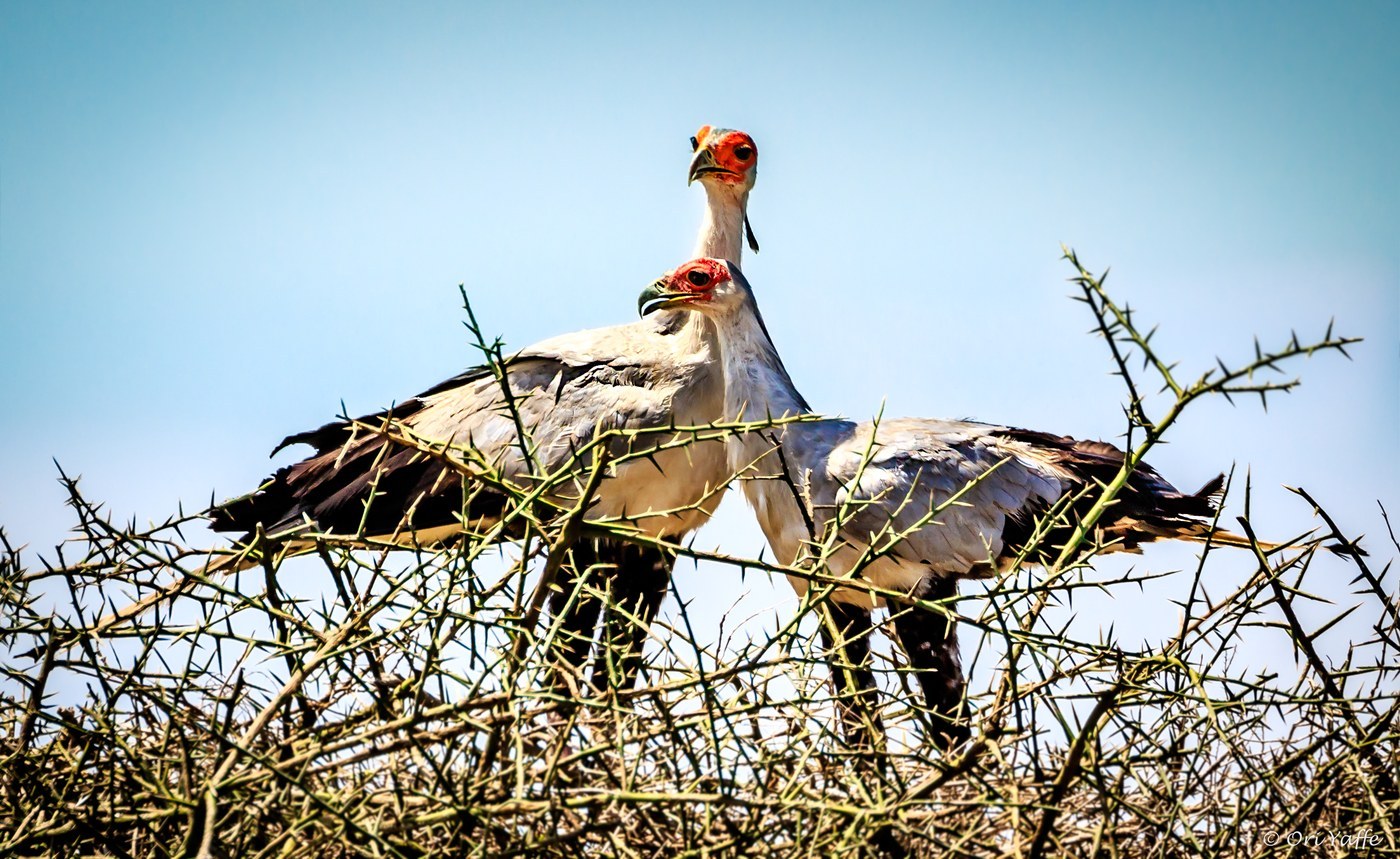
Secretarybird
Long crest feathers; broad flight feathers; elongated central tail feathers

Orange-breasted Falcon
Broad-based pointed flight feathers; bold breast and belly feathers
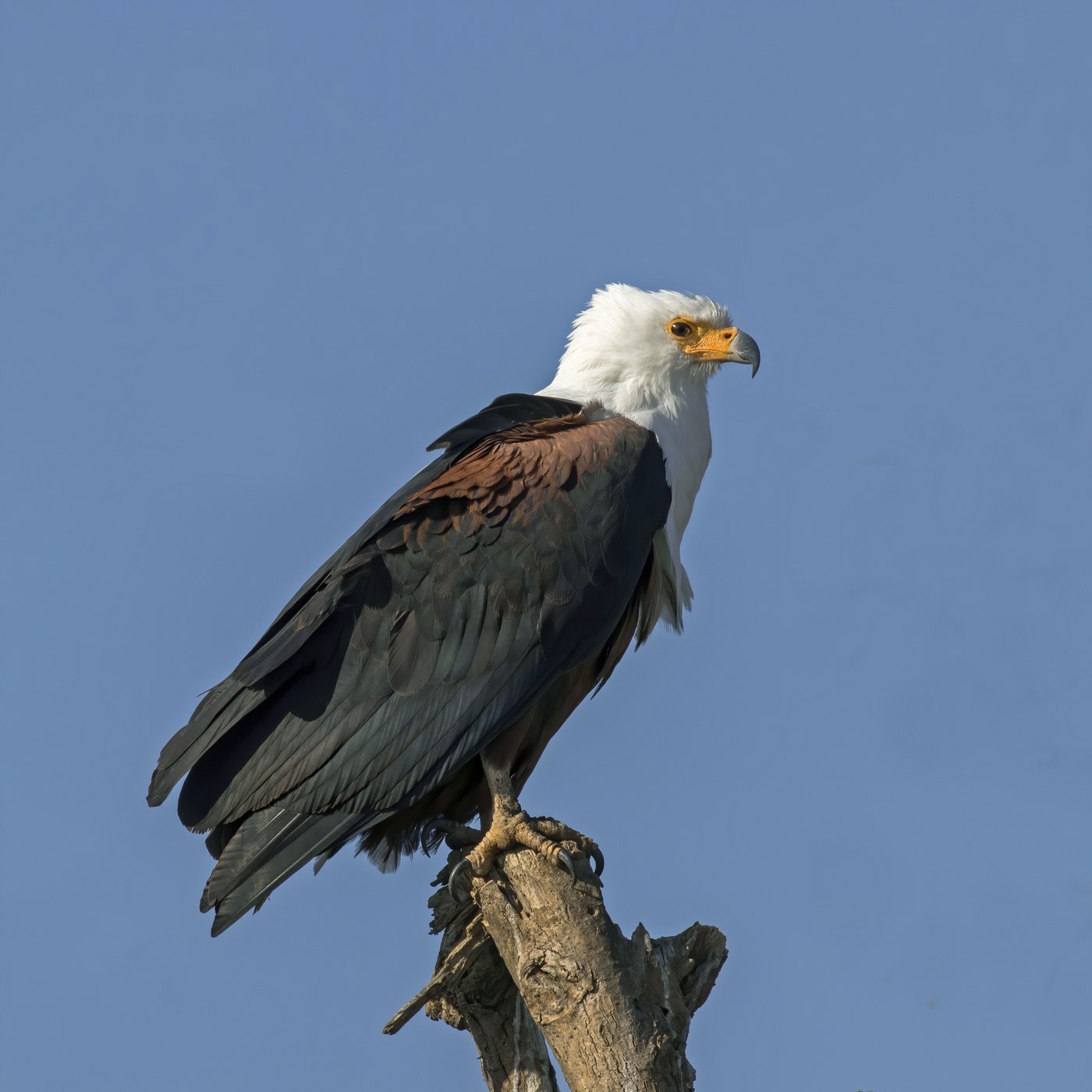
African Fish Eagle
Flight, tail, and body feathers

Amur Falcon
Slender pointed flight feathers; soft slate or orange-buff contour feathers
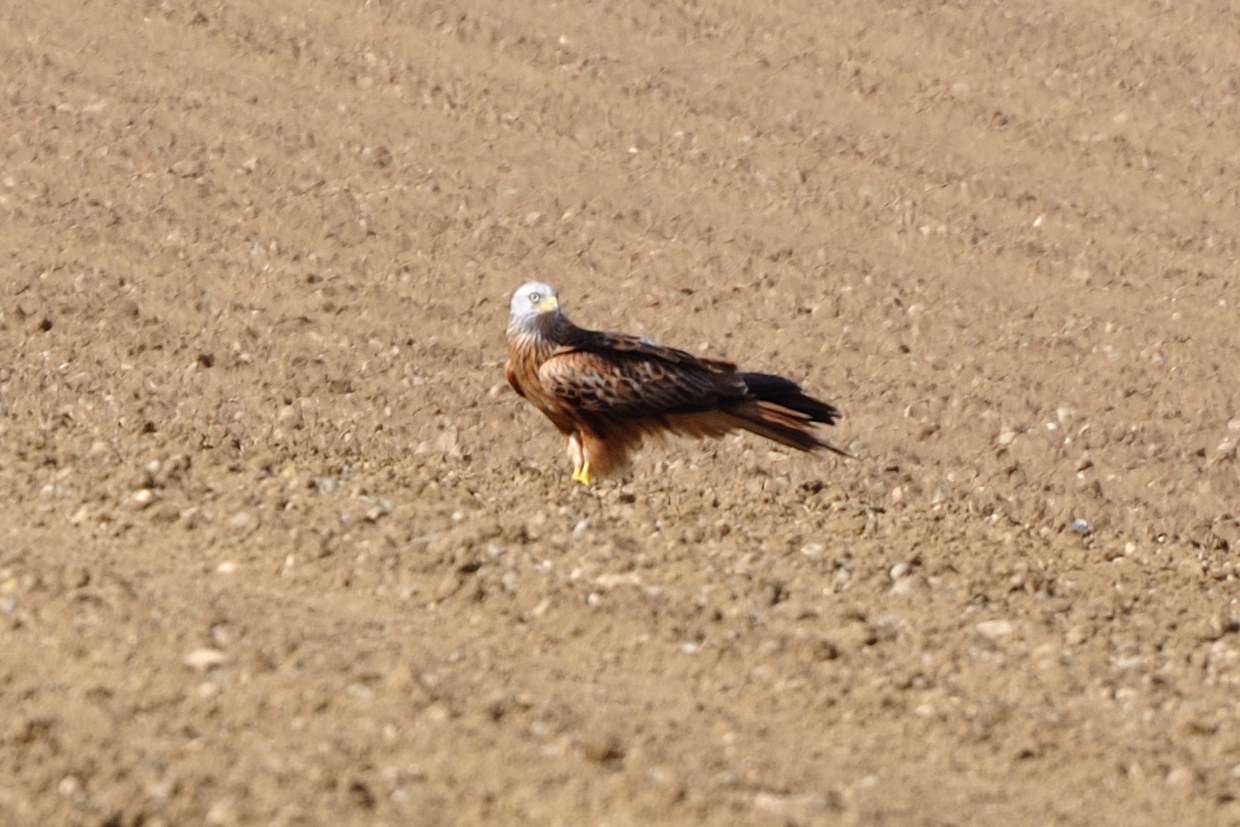
Red Kite
Flight (wing) and tail feathers
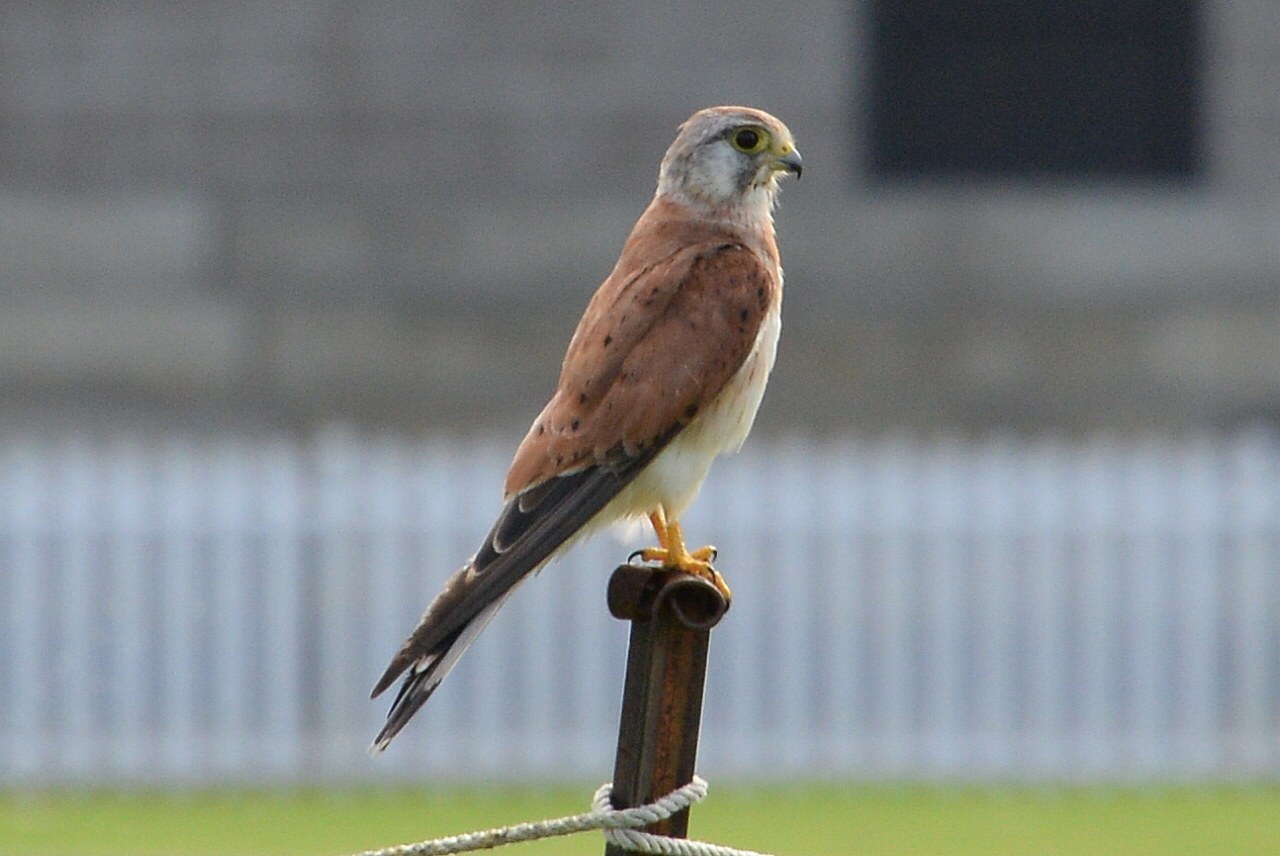
Nankeen Kestrel
Slim pointed flight feathers; lightly marked contour feathers

Andean Condor
Massive flight feathers; broad primaries and secondaries; sturdy tail feathers

Plumbeous Forest Falcon
Short rounded flight feathers; finely barred tail feathers

Sooty Falcon
Long pointed flight feathers; slim tail feathers