

Steppe Eagle
Aquila nipalensis
The Steppe Eagle is a large, uniformly dark brown Eurasian eagle of open grassland, with long fingered wingtips and fully feathered legs. Its flight feathers show subtle grey barring underneath, and juveniles display a pale band across the underwing.
- Feather type
- Long, deeply fingered flight feathers; broad rounded tail; fully feathered legs to the toes
- Colours
- Uniform dark brown with a rufous nape patch; faint grey-brown barring on flight and tail feathers
- Bird size
- Large eagle, body ~62-81 cm, wingspan to 2.1 m
Found a feather like this?
Identify any feather from a photo, free.
Overview
Steppe Eagle
The Steppe Eagle is a large, powerfully built eagle of the open grasslands and semi-deserts of Central Asia, wintering widely across Africa, the Middle East, and South Asia. It is one of the more numerous large eagles on migration, sometimes gathering in loose flocks at bottleneck sites.
Overall the bird looks almost uniformly dark brown, lacking the bold contrasts of many other eagles, which makes its feathers relatively plain but recognizable by size, shape, and subtle barring.
Its long, deeply 'fingered' primaries and broad tail are typical of soaring eagles adapted to riding thermals over open country.
Identifying the Feather
Identifying Steppe Eagle Feathers
- Primaries/secondaries: very long and broad, dark brown above with faint darker barring; undersides show narrow grey-brown bars against a paler brown ground, ending in a dark trailing edge band.
- Tail feathers: broad, rounded-tipped, dark brown with faint darker banding, more visible from below.
- Body/covert feathers: dense, plain dark brown, sometimes with a warmer rufous tinge on the nape feathers.
- Shafts: brown, not strongly contrasting.
- Compared to similar large Aquila eagles, Steppe Eagle feathers are slightly less richly marked and more uniformly brown, with juveniles showing a bold pale band across the underwing coverts that adults lack.
Plumage & Molt
Plumage
Adults are almost entirely dark brown with a small rufous-buff patch on the nape and a darker trailing edge to the wings and tail. Juveniles are paler and more patterned, with a broad whitish band across the underwing coverts and a pale trailing edge, both fading with successive molts over several years to reach the plain adult plumage. Sexes look alike, though females are noticeably larger. Molt is slow and protracted, often spanning more than one year in large eagles.
Habitat & Range
Habitat & Range
Breeds across the steppes and semi-deserts of Central Asia and parts of Eastern Europe, from the Black Sea region east to Mongolia and China. A long-distance migrant, it winters in sub-Saharan Africa, the Arabian Peninsula, and the Indian subcontinent, often in open plains, farmland, and grassland habitats similar to its breeding grounds.
Behavior & Field Notes
Behavior & Field Notes
Steppe Eagles are opportunistic hunters and scavengers of open country, taking small mammals and readily gathering at carcasses or disturbed ground. They nest on the ground or in low bushes on the steppe, a habit distinct from many other large eagles. Largely silent away from the nest. A very large, plain dark brown flight or tail feather with subtle barring found in open grassland along a known migration corridor is a strong candidate for this species.
Frequently asked questions
How can I tell a Steppe Eagle feather from another large brown eagle's feather?
Steppe Eagle feathers tend to be more uniformly plain dark brown with only faint barring, lacking the bolder, contrasting bars seen in some other large eagles; overall size and the broad, rounded shape of the primaries and tail are also useful clues.
Do juvenile and adult Steppe Eagles have different feathers?
Yes. Juveniles show a broad pale band across the underwing coverts and a pale trailing edge, features that gradually disappear as the bird matures into its plainer adult plumage over several years.
Where would I most likely find a Steppe Eagle feather?
In open steppe, grassland, or semi-desert habitat within its Central Asian breeding range, or in Africa, the Middle East, and South Asia during the non-breeding season when it winters in open country.
Are Steppe Eagle flight feathers especially large?
Yes, as a large soaring eagle it has long, broad primaries with deep notching ('fingers') and a broad tail, both adaptations for efficient thermal soaring over open terrain.
Steppe Eagle guides
In-depth guides for identifying and understanding Steppe Eagle.

Other feathers you may enjoy

Australian Hobby
Long, narrow pointed flight feathers; slender tail feathers

California Condor
Massive flight feathers; long broad primaries; large tail feathers

Brown Falcon
Broad, rounded flight feathers; variable-toned contour feathers
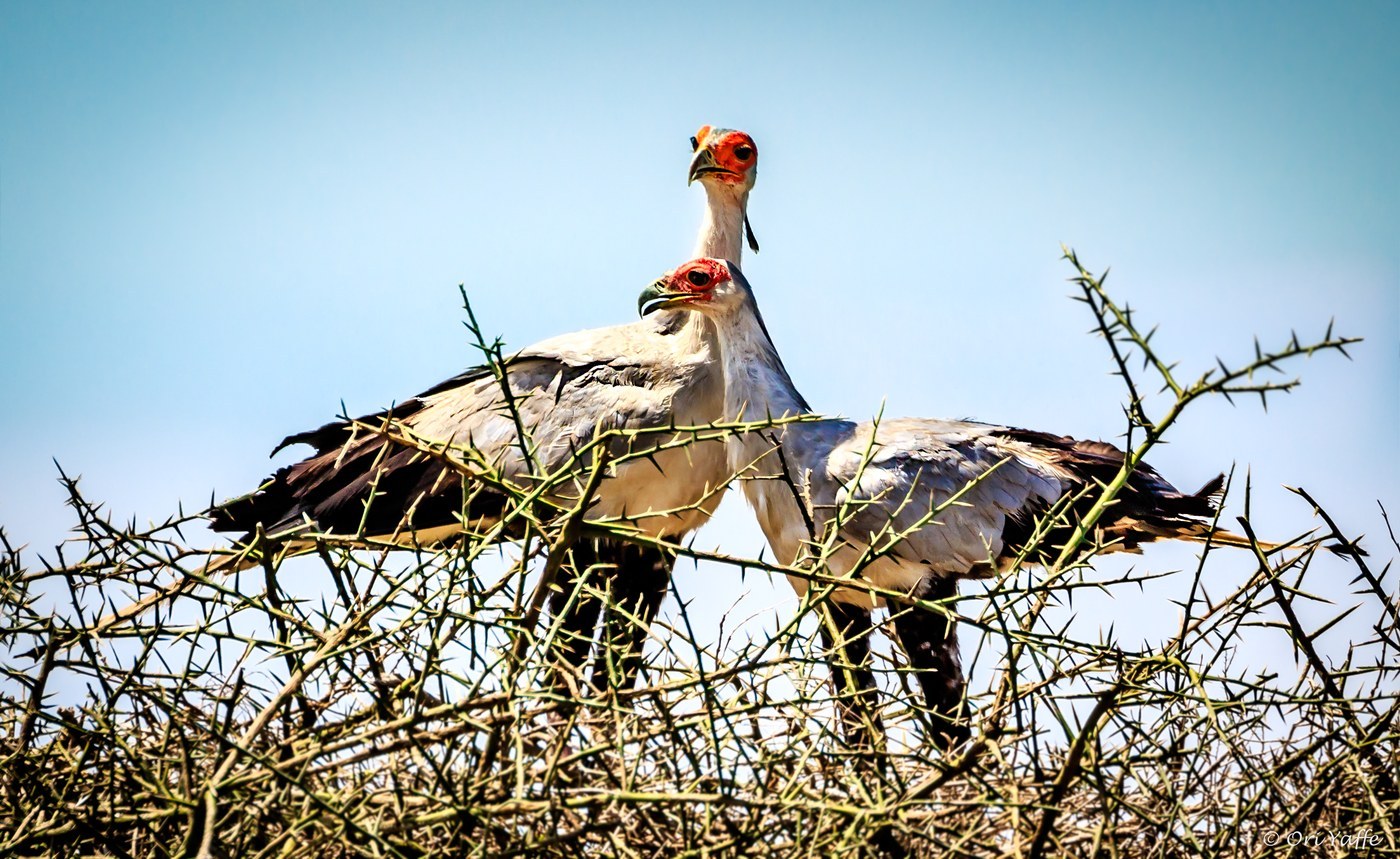
Secretarybird
Long crest feathers; broad flight feathers; elongated central tail feathers

Orange-breasted Falcon
Broad-based pointed flight feathers; bold breast and belly feathers
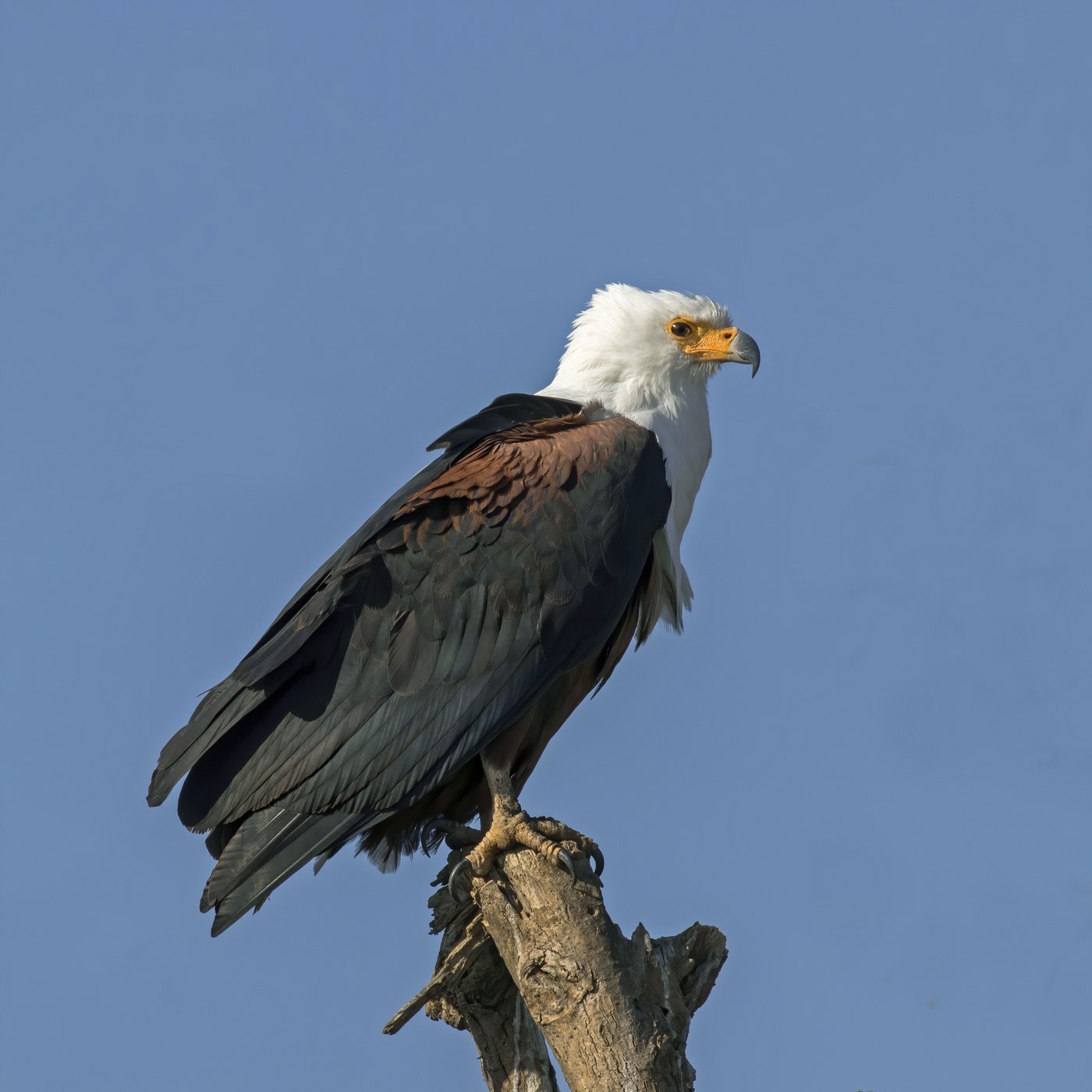
African Fish Eagle
Flight, tail, and body feathers

Amur Falcon
Slender pointed flight feathers; soft slate or orange-buff contour feathers
Red Kite
Flight (wing) and tail feathers
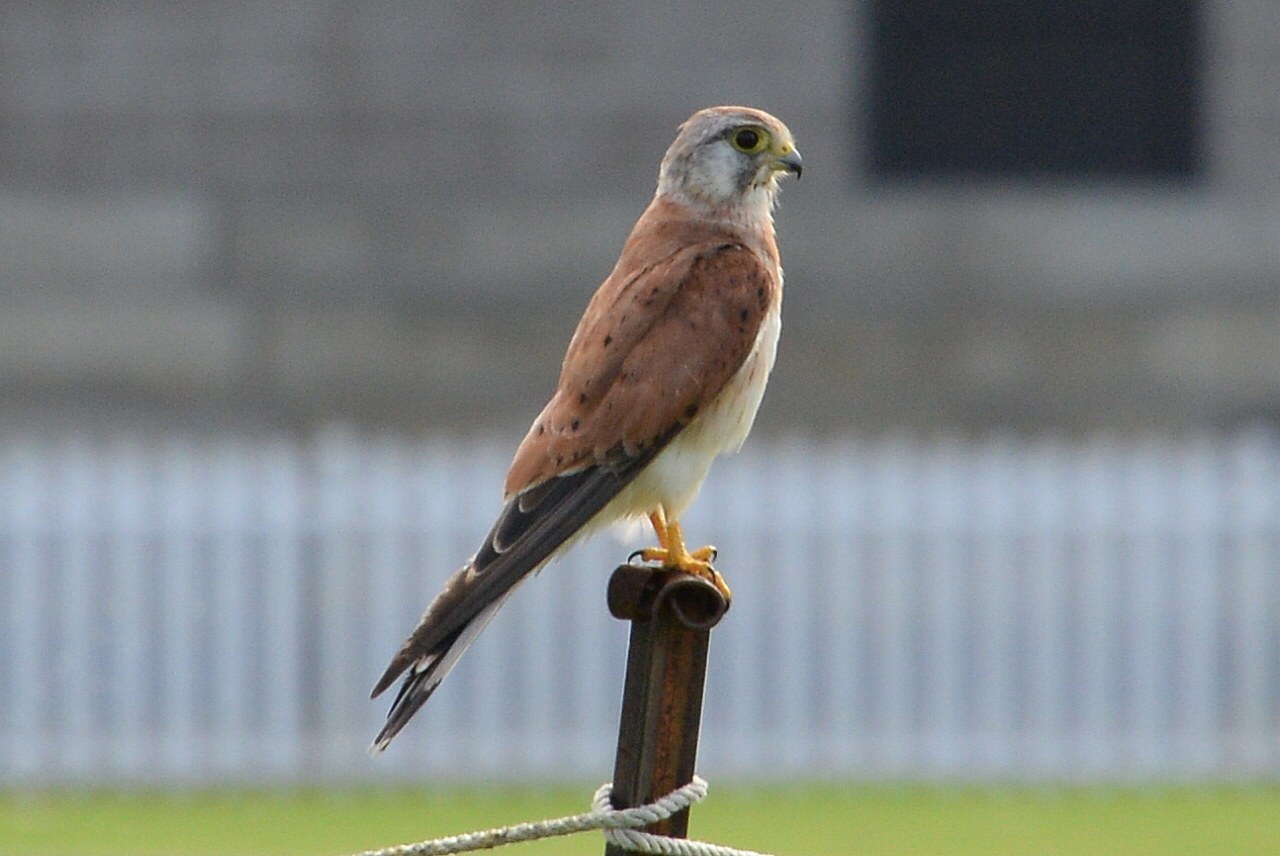
Nankeen Kestrel
Slim pointed flight feathers; lightly marked contour feathers

Andean Condor
Massive flight feathers; broad primaries and secondaries; sturdy tail feathers

Plumbeous Forest Falcon
Short rounded flight feathers; finely barred tail feathers

Sooty Falcon
Long pointed flight feathers; slim tail feathers