

Striated Caracara
Phalcoboenus australis
A bold, famously curious raptor of the Falkland Islands and southernmost Patagonia, showing dark brown, pale-streaked plumage well suited to its wind-scoured island habitat.
- Feather type
- Broad rounded flight feathers; dark tail with a pale base; dark brown body feathers with pale streaking
- Colours
- Dark brown plumage with pale buffy streaking on the neck and breast
- Bird size
- Large raptor, ~55-65 cm
Found a feather like this?
Identify any feather from a photo, free.
Overview
The Striated Caracara, widely known locally as the 'Johnny rook,' is a large, notably tame and inquisitive raptor found on the Falkland Islands, islands off Tierra del Fuego, and the southernmost tip of South America. It is famous for its bold, almost mischievous behavior around people and their belongings.
Its feathers are darker and more uniformly brown than most other Phalcoboenus caracaras, with pale buffy streaking on the neck and breast rather than crisp white patches, matching its more southerly, subantarctic island range.
Because it nests and forages on coastal cliffs and seabird colonies, feathers are often found near penguin or seabird colonies on these southern islands.
Identifying the Feather
Shape and size
- Flight feathers are broad and rounded, with a pale patch near the base of the primaries, similar in shape to related caracaras but often larger; primaries can reach 32-36 cm.
- Tail feathers are dark with a pale base.
Color and pattern
- Overall body feathers are dark brown rather than solid black, with pale buffy streaking on the neck and upper breast.
- Belly feathers may show some paler mottling but lack the crisp white patch of relatives like the Mountain or White-throated Caracara.
- Shafts are pale on streaked areas, dark brown elsewhere.
Similar species
- Its darker, more streaked (rather than crisply black-and-white) plumage and its restriction to subantarctic islands and southernmost Patagonia separate it from other Phalcoboenus caracaras further north in the Andes.
Plumage & Molt
Adults show dark brown plumage overall with pale buffy streaking on the neck and breast, sexes similar. Juveniles are paler and more uniformly buffy-brown, gradually darkening and developing adult streaking with age.
Habitat & Range
Found on the Falkland Islands, islands near Tierra del Fuego, and the southernmost tip of South America, closely associated with seabird and penguin colonies on coastal cliffs. It is largely resident and has one of the most restricted ranges of any raptor.
Behavior & Field Notes
An opportunistic scavenger and predator, often seen investigating human camps, gear, and settlements with notable boldness; also forages around seabird colonies. Nests on coastal cliffs or rocky ground. Calls are harsh and raucous.
Field note: a dark brown, pale-streaked feather found near seabird or penguin colonies on the Falkland Islands or southernmost Patagonia is a strong match for this species.
Frequently asked questions
Why is this species called the 'Johnny rook'?
This is the local Falkland Islands name reflecting the bird's bold, curious, almost mischievous behavior around people and their belongings.
How does its plumage differ from other Phalcoboenus caracaras?
It is darker brown overall with pale streaking rather than the crisp black-and-white patches seen in relatives like the Mountain or White-throated Caracara.
Where is it typically found?
The Falkland Islands, islands near Tierra del Fuego, and the southernmost tip of South America.
What kind of habitat are its feathers found near?
Coastal cliffs and areas near seabird or penguin colonies, which it frequents to forage.
Striated Caracara guides
In-depth guides for identifying and understanding Striated Caracara.

Other feathers you may enjoy

Australian Hobby
Long, narrow pointed flight feathers; slender tail feathers

California Condor
Massive flight feathers; long broad primaries; large tail feathers

Brown Falcon
Broad, rounded flight feathers; variable-toned contour feathers
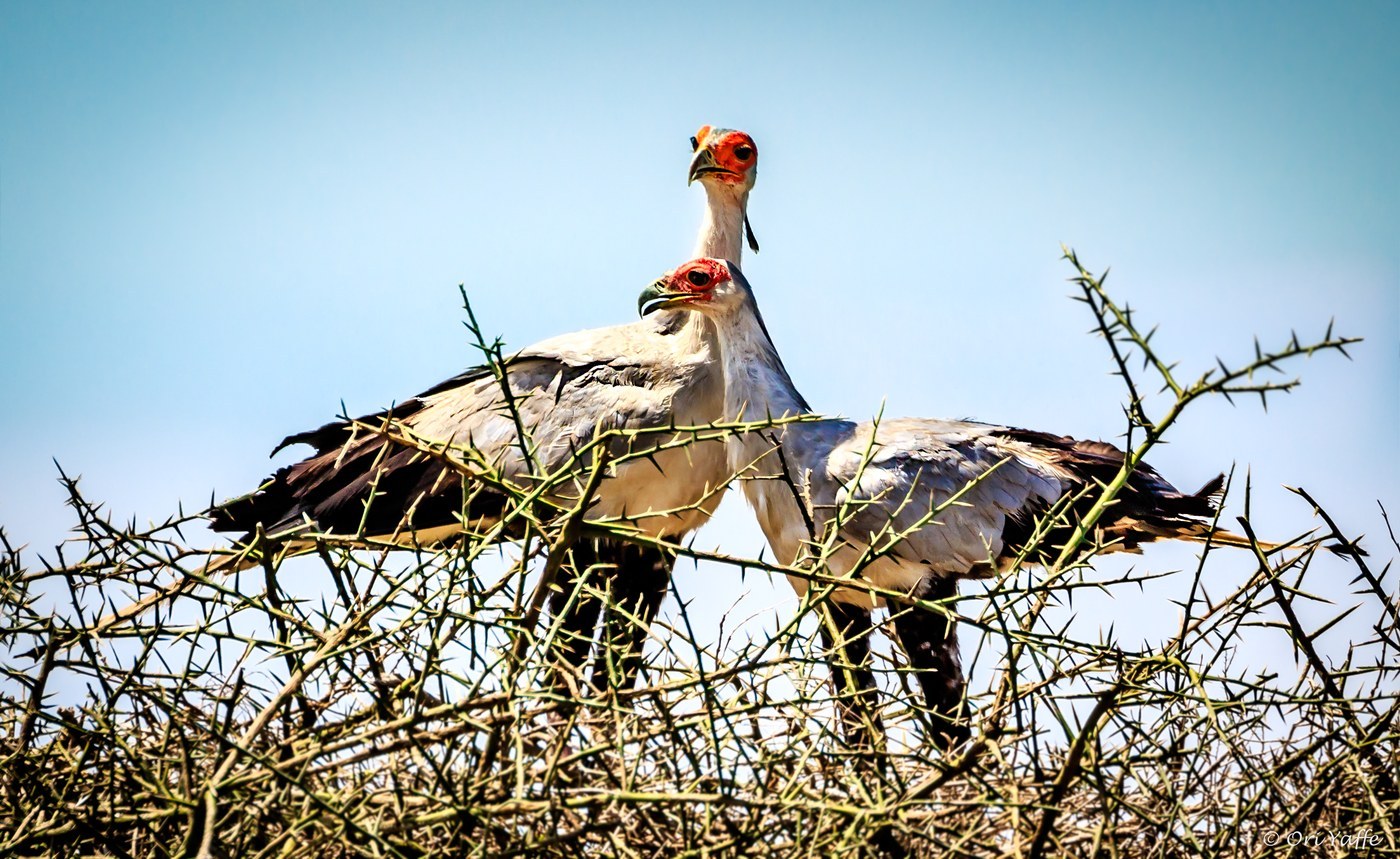
Secretarybird
Long crest feathers; broad flight feathers; elongated central tail feathers

Orange-breasted Falcon
Broad-based pointed flight feathers; bold breast and belly feathers
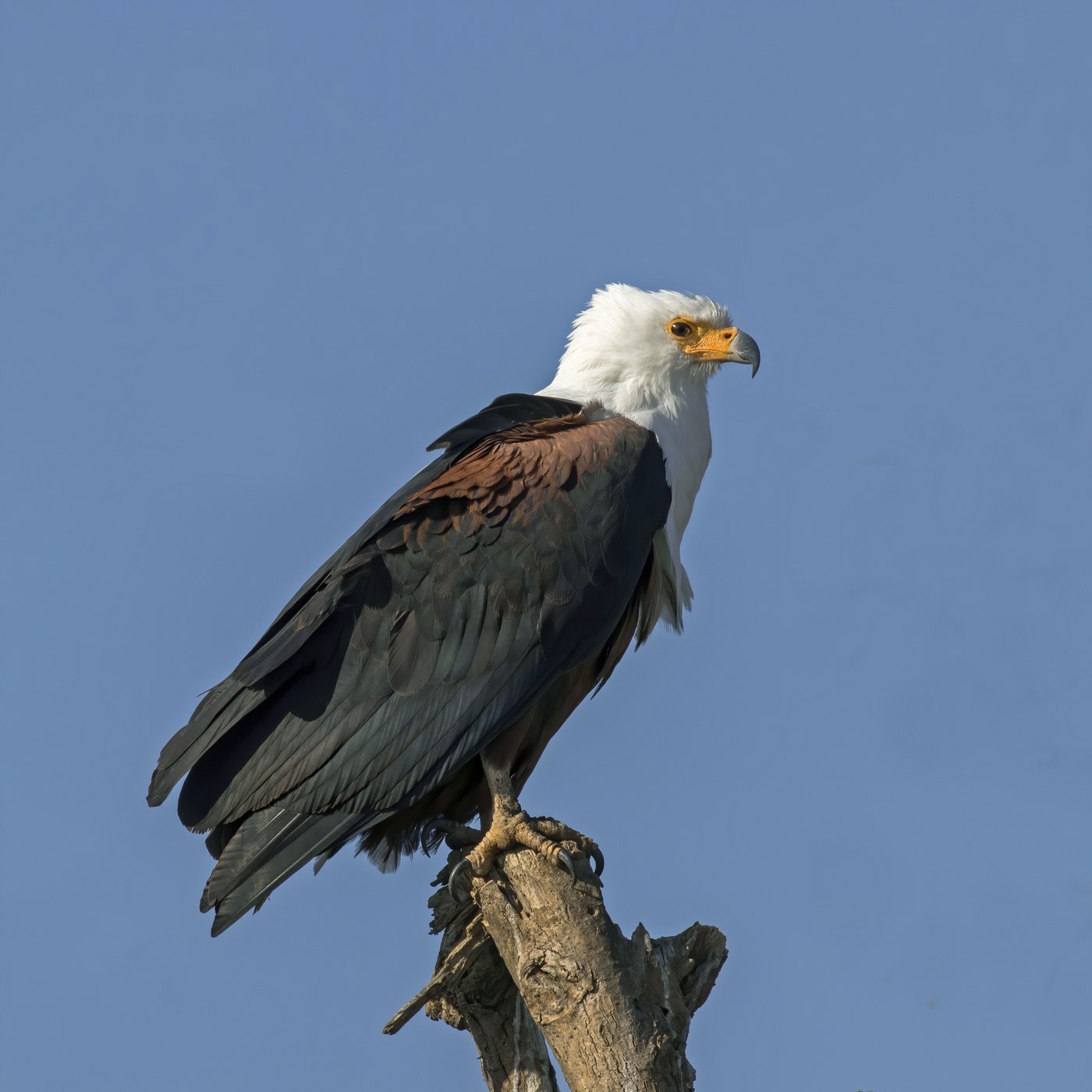
African Fish Eagle
Flight, tail, and body feathers

Amur Falcon
Slender pointed flight feathers; soft slate or orange-buff contour feathers
Red Kite
Flight (wing) and tail feathers
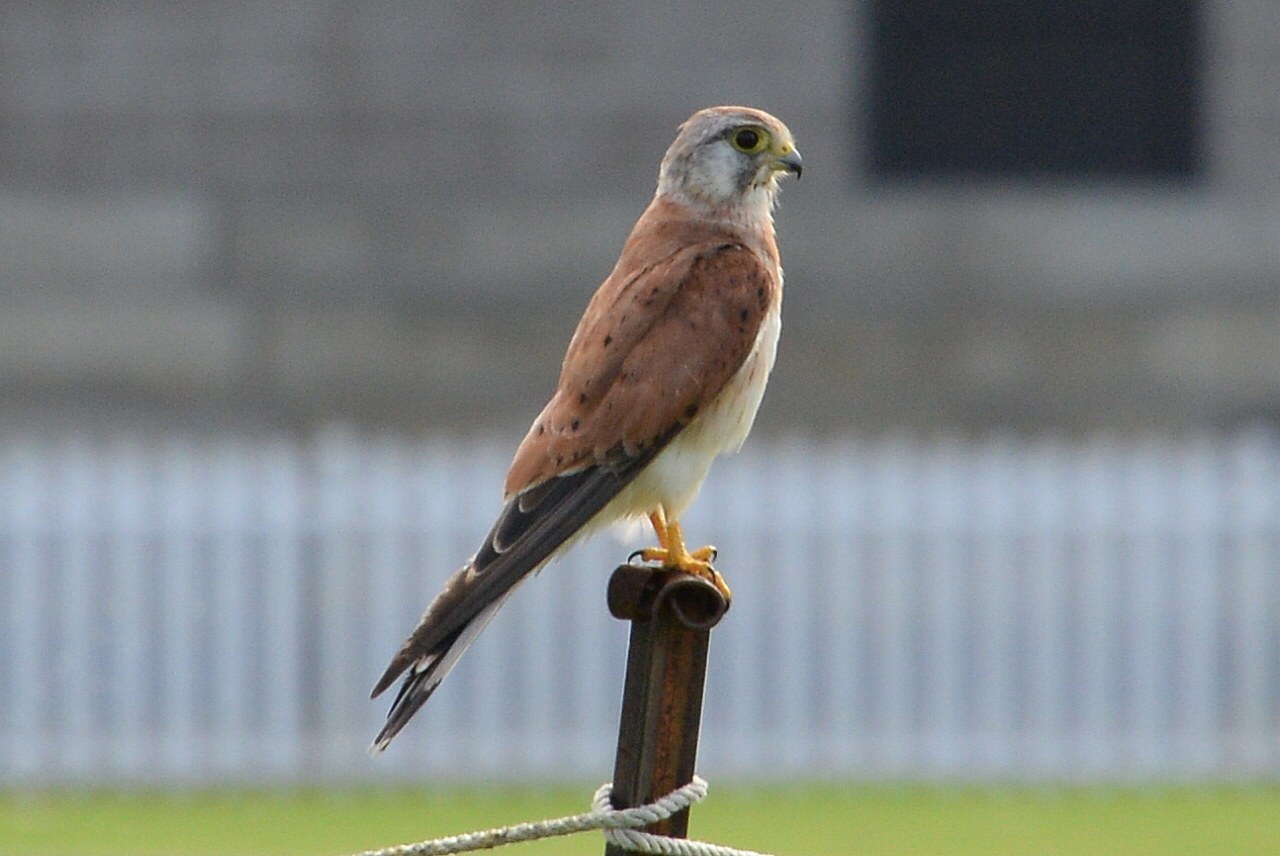
Nankeen Kestrel
Slim pointed flight feathers; lightly marked contour feathers

Andean Condor
Massive flight feathers; broad primaries and secondaries; sturdy tail feathers

Plumbeous Forest Falcon
Short rounded flight feathers; finely barred tail feathers

Sooty Falcon
Long pointed flight feathers; slim tail feathers