

Swainson's Hawk
Buteo swainsoni
Swainson's Hawk is a long-winged buteo of open grassland and prairie, typically showing a dark breast bib, paler belly, and notably dark flight feathers contrasting against paler underwing coverts, distinct from the broader-winged buteos it shares range with.
- Feather type
- Long, fairly narrow pointed wings for a buteo; unbanded or lightly banded brown tail; contrasting dark flight feathers against paler underwing coverts
- Colours
- Variable brown to dark morph plumage; typically dark brown upperparts and breast bib contrasting with pale belly and underwing coverts; dark flight feathers
- Bird size
- Medium-large hawk, ~48-56 cm, wingspan around 1.2-1.4 m
Found a feather like this?
Identify any feather from a photo, free.
Overview
Swainson's Hawk
Swainson's Hawk is a distinctive buteo of the North American Great Plains and western grasslands, known for its long, narrow, pointed wings suited to efficient soaring over vast open landscapes, and for undertaking one of the longest migrations of any raptor, traveling to the pampas of Argentina each winter.
Plumage is quite variable, ranging from light to dark morphs, but the contrast between dark flight feathers and paler underwing coverts is a useful and fairly consistent feature across the variation.
Identifying the Feather
Identifying Swainson's Hawk Feathers
- Primaries/secondaries: dark brown to blackish, notably darker than the paler underwing covert feathers, creating a strong two-tone contrast on the underwing not seen in most other buteos.
- Tail feathers: brown with numerous narrow, faint bands and a slightly darker terminal band, less boldly marked than Red-shouldered or Broad-winged Hawk tails.
- Body feathers: light-morph birds show a dark brown breast 'bib' contrasting with pale unmarked belly feathers; dark-morph birds have largely uniform dark brown body feathers throughout.
- The dark flight feather vs. pale covert contrast on the underwing is the single most useful clue for separating this species' feathers from other North American buteos.
Plumage & Molt
Plumage
Light-morph adults show a dark brown head and breast bib contrasting with a pale, often buffy belly, dark brown upperparts, and notably dark flight feathers against paler wing coverts. Dark-morph and intermediate individuals occur regularly, showing more uniformly dark brown body plumage while retaining the dark-flight-feather contrast. Juveniles are more heavily streaked below. Sexes look similar in plumage.
Habitat & Range
Habitat & Range
Breeds across open grassland, prairie, and agricultural regions of the western and central United States and Canada. One of the longest-distance migrant raptors, it travels in large flocks to winter on the grasslands of Argentina and neighboring South American countries.
Behavior & Field Notes
Behavior & Field Notes
Swainson's Hawks often forage in flocks over agricultural fields, and are notable for supplementing their diet with insects, particularly during migration and on the wintering grounds. They nest in isolated trees or on structures across open prairie. Migration involves spectacular large flocks streaming south in autumn. A feather with strongly contrasting dark flight feathers against paler wing covert feathers, found in open prairie or farmland, points toward this species over other regional buteos.
Frequently asked questions
What is the key feather clue for Swainson's Hawk?
A strong contrast between dark blackish-brown flight feathers and paler underwing covert feathers is one of the most reliable features distinguishing this species from other buteos.
Do all Swainson's Hawks look the same?
No, the species shows light, dark, and intermediate color morphs, though the dark flight feather contrast against paler coverts tends to hold across most variation.
How far does this species migrate?
It undertakes one of the longest migrations of any raptor, traveling from breeding grounds in western North America to wintering areas on the grasslands of Argentina.
What habitat should I search for this species' feathers?
Open grassland, prairie, and agricultural land across the western and central United States and Canada during the breeding season.
Swainson's Hawk guides
In-depth guides for identifying and understanding Swainson's Hawk.

Other feathers you may enjoy

Australian Hobby
Long, narrow pointed flight feathers; slender tail feathers

California Condor
Massive flight feathers; long broad primaries; large tail feathers

Brown Falcon
Broad, rounded flight feathers; variable-toned contour feathers
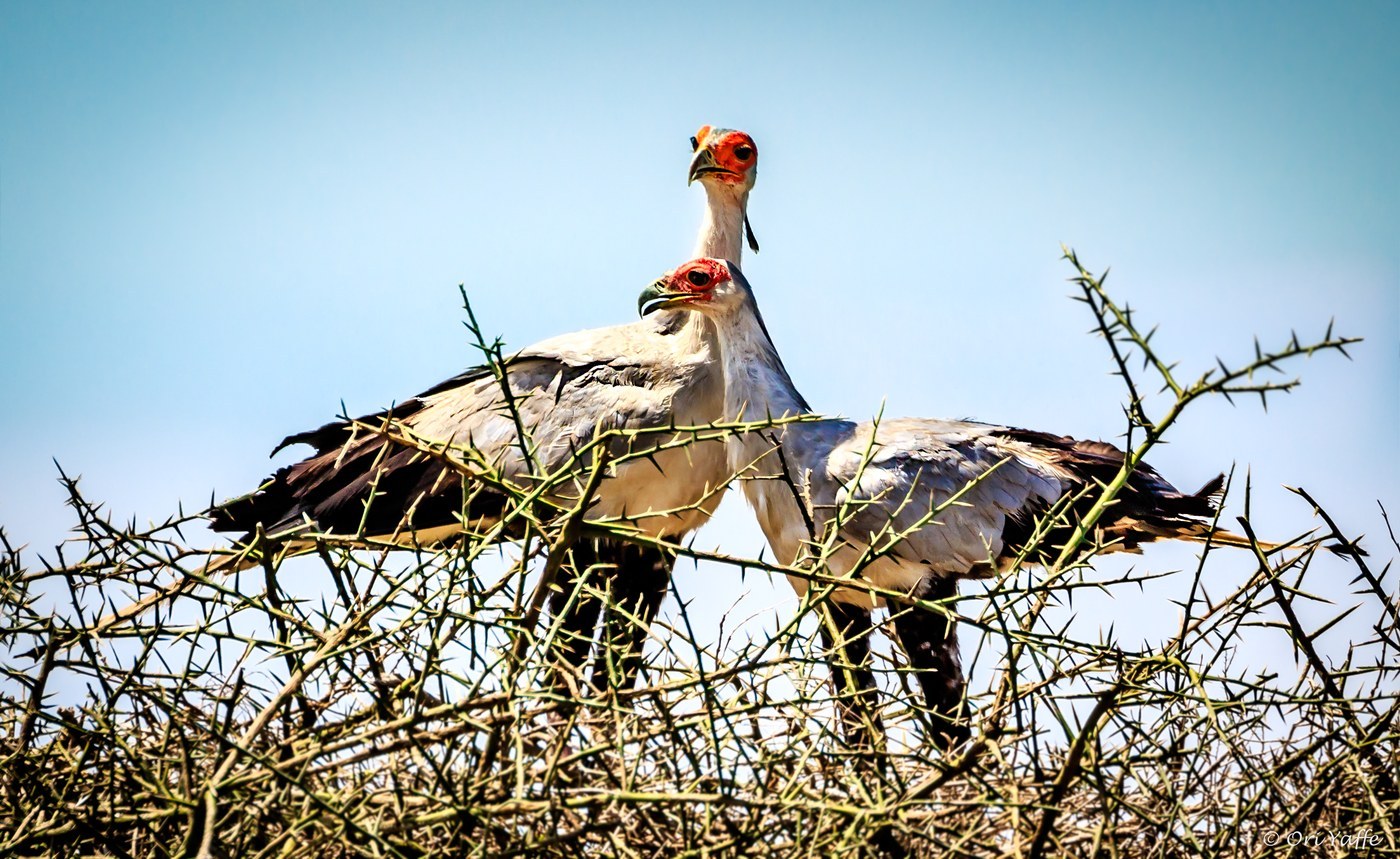
Secretarybird
Long crest feathers; broad flight feathers; elongated central tail feathers

Orange-breasted Falcon
Broad-based pointed flight feathers; bold breast and belly feathers
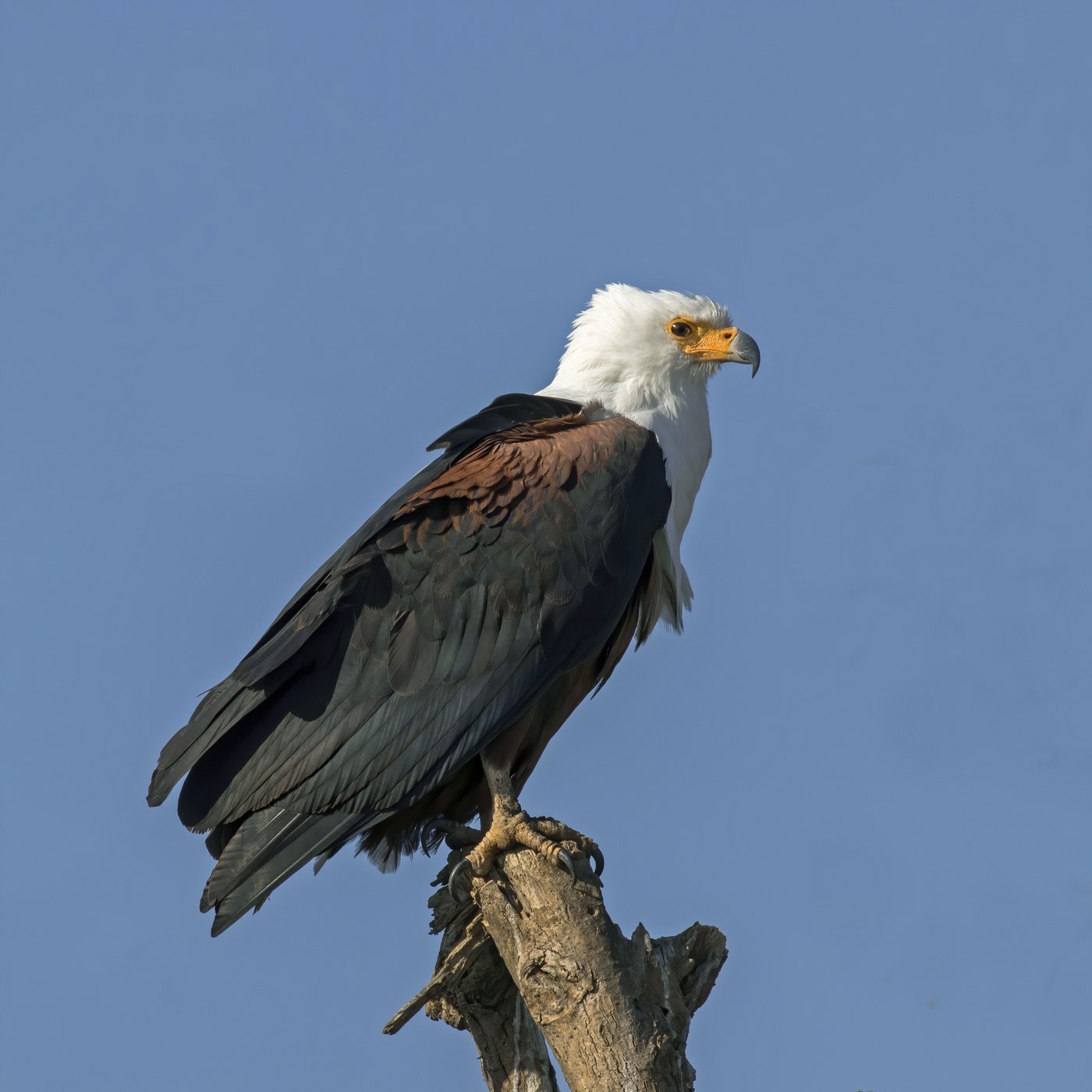
African Fish Eagle
Flight, tail, and body feathers

Amur Falcon
Slender pointed flight feathers; soft slate or orange-buff contour feathers
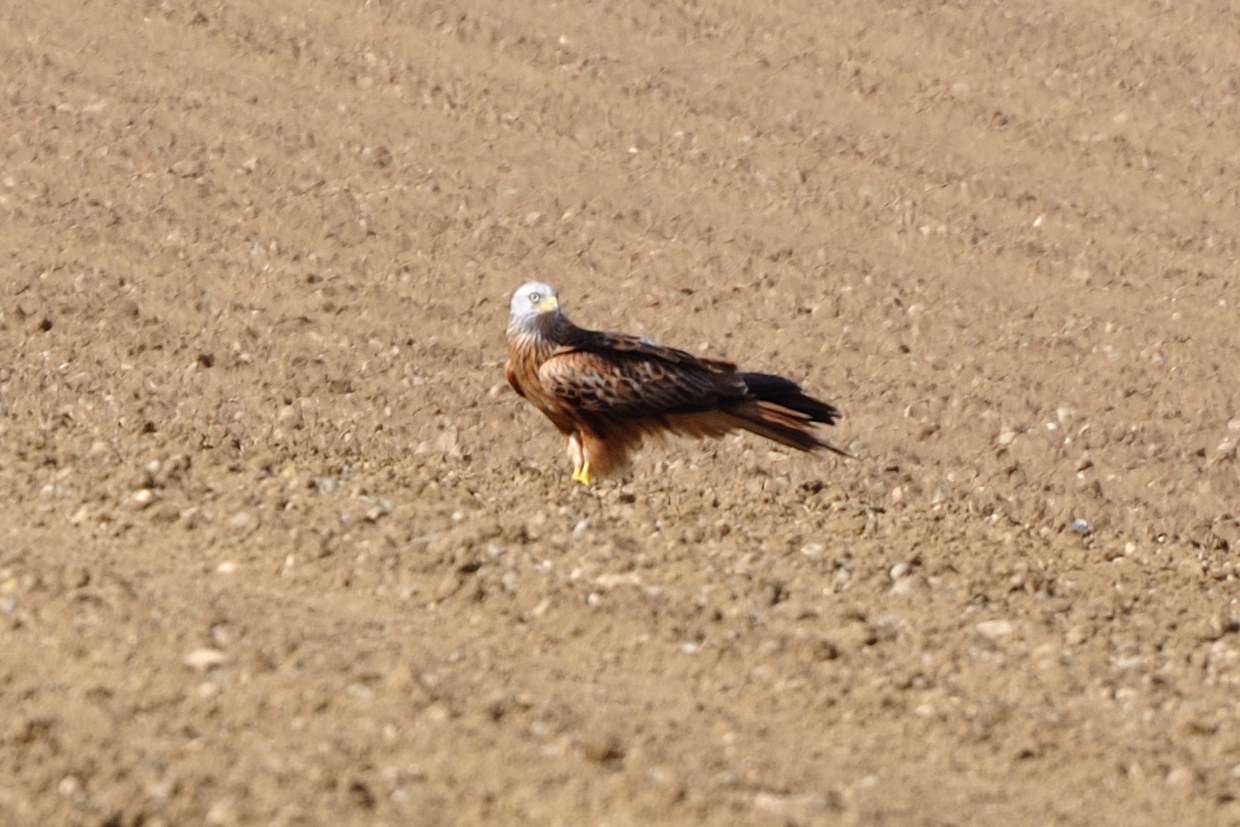
Red Kite
Flight (wing) and tail feathers
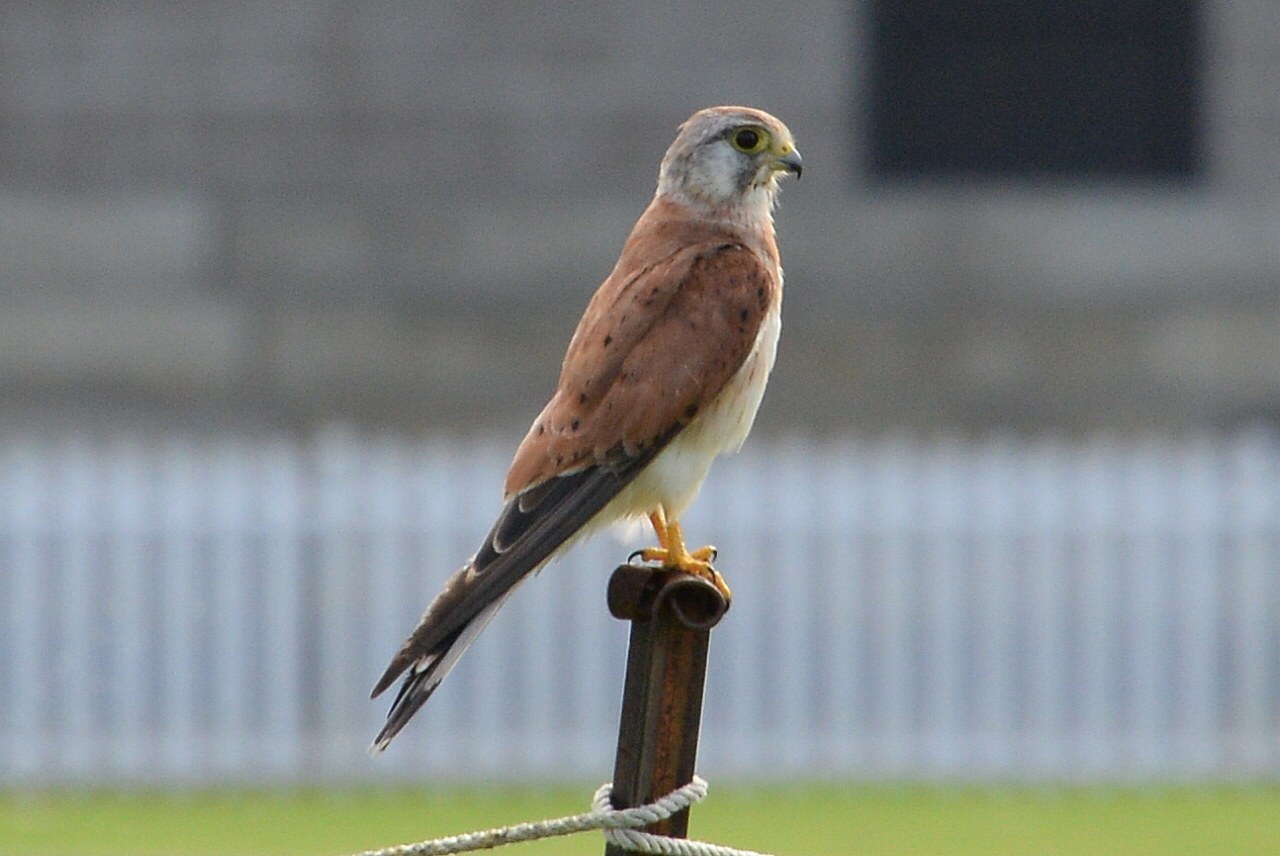
Nankeen Kestrel
Slim pointed flight feathers; lightly marked contour feathers

Andean Condor
Massive flight feathers; broad primaries and secondaries; sturdy tail feathers

Plumbeous Forest Falcon
Short rounded flight feathers; finely barred tail feathers

Sooty Falcon
Long pointed flight feathers; slim tail feathers