
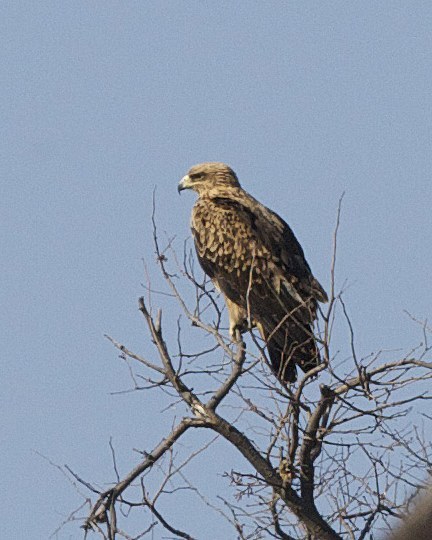
Tawny Eagle
Aquila rapax
A variably colored eagle of Africa's open plains, ranging from pale sandy-tawny to dark blackish-brown among individuals, generally lacking the bold markings seen in many other eagles.
- Feather type
- Flight and body feathers
- Colours
- Variable tawny-brown to dark brown body feathers with a paler nape
- Bird size
- Medium-large raptor, ~62-72 cm
Found a feather like this?
Identify any feather from a photo, free.
Overview
The Tawny Eagle is a widespread eagle of savanna and semi-arid open country in Africa and parts of Asia, notable for the considerable variation in plumage tone found between individuals of the same species.
Identifying the Feather
Tawny Eagle plumage is highly variable between individuals, ranging from pale sandy-tawny through rufous-brown to dark blackish-brown, generally lacking the bold white patches, banding, or strong contrast seen in many other eagle species - an overall plain appearance is itself a useful identification clue when combined with range and size. The nape is often somewhat paler than the rest of the body. Flight feathers are broad with strongly fingered tips typical of Aquila eagles, showing only faint barring visible in good light, and the tail is moderately long with subtle banding.
Plumage & Molt
Color variation among individuals is considerable and largely independent of age or sex, though juveniles tend to be paler and show more contrast than older adults, which can appear more uniformly dark. Sexes look alike, with females larger. Adults undergo a slow, sequential molt of flight feathers.
Habitat & Range
Tawny Eagles favor open savanna, semi-desert, and grassland across sub-Saharan Africa, with a related population extending into parts of Asia. Most populations are resident, though some individuals make local movements tracking food availability, particularly around large herbivore herds.
Behavior & Field Notes
This species is an opportunistic hunter and scavenger, taking a wide range of prey from small mammals to birds, and readily gathering at carcasses alongside vultures. The call is a harsh, barking series of notes given mainly near the nest. Nests are large stick structures built in trees, often in relatively open, exposed situations. Population declines are linked to habitat degradation and poisoning incidents in parts of its range.
Frequently asked questions
Why is Tawny Eagle plumage color so variable?
Individual color variation from pale sandy-tawny to dark blackish-brown is a natural feature of the species, not linked strictly to age, sex, or subspecies.
How can I recognize a Tawny Eagle feather given how variable the species is?
The main clue is the largely plain, unmarked appearance lacking bold white patches or strong barring, combined with the broad, strongly fingered flight-feather shape typical of Aquila eagles and its African or Asian range.
Are juvenile Tawny Eagle feathers different from adult feathers?
Juveniles tend to be paler with somewhat more contrast, while some older adults can appear quite uniformly dark.
Where is the Tawny Eagle commonly found?
Open savanna, semi-desert, and grassland across sub-Saharan Africa, with a related population in parts of Asia, often near large carcasses or herbivore herds.
Tawny Eagle guides
In-depth guides for identifying and understanding Tawny Eagle.
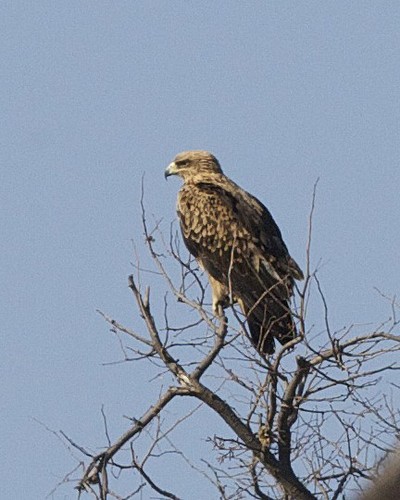
Other feathers you may enjoy

Australian Hobby
Long, narrow pointed flight feathers; slender tail feathers

California Condor
Massive flight feathers; long broad primaries; large tail feathers

Brown Falcon
Broad, rounded flight feathers; variable-toned contour feathers
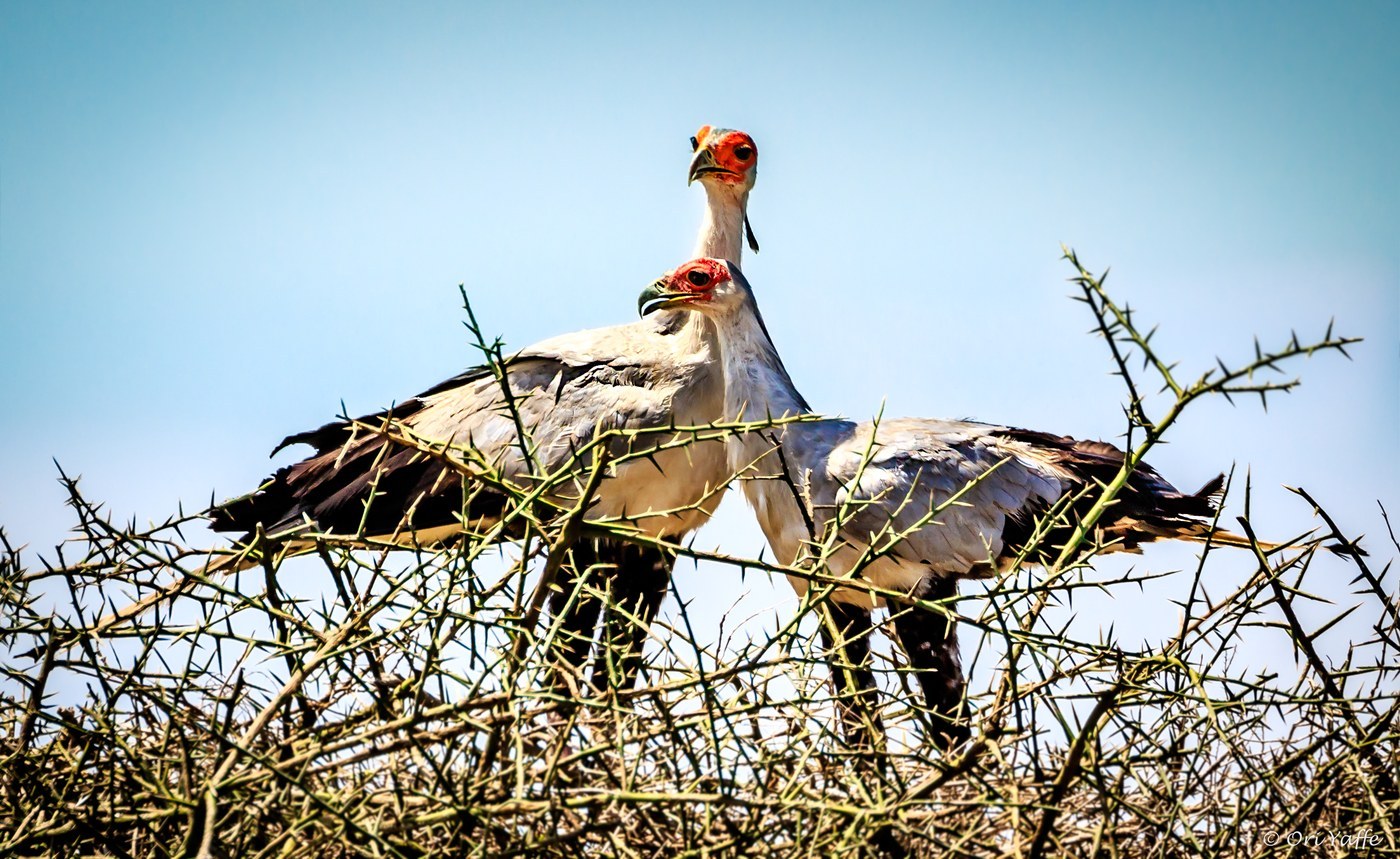
Secretarybird
Long crest feathers; broad flight feathers; elongated central tail feathers

Orange-breasted Falcon
Broad-based pointed flight feathers; bold breast and belly feathers
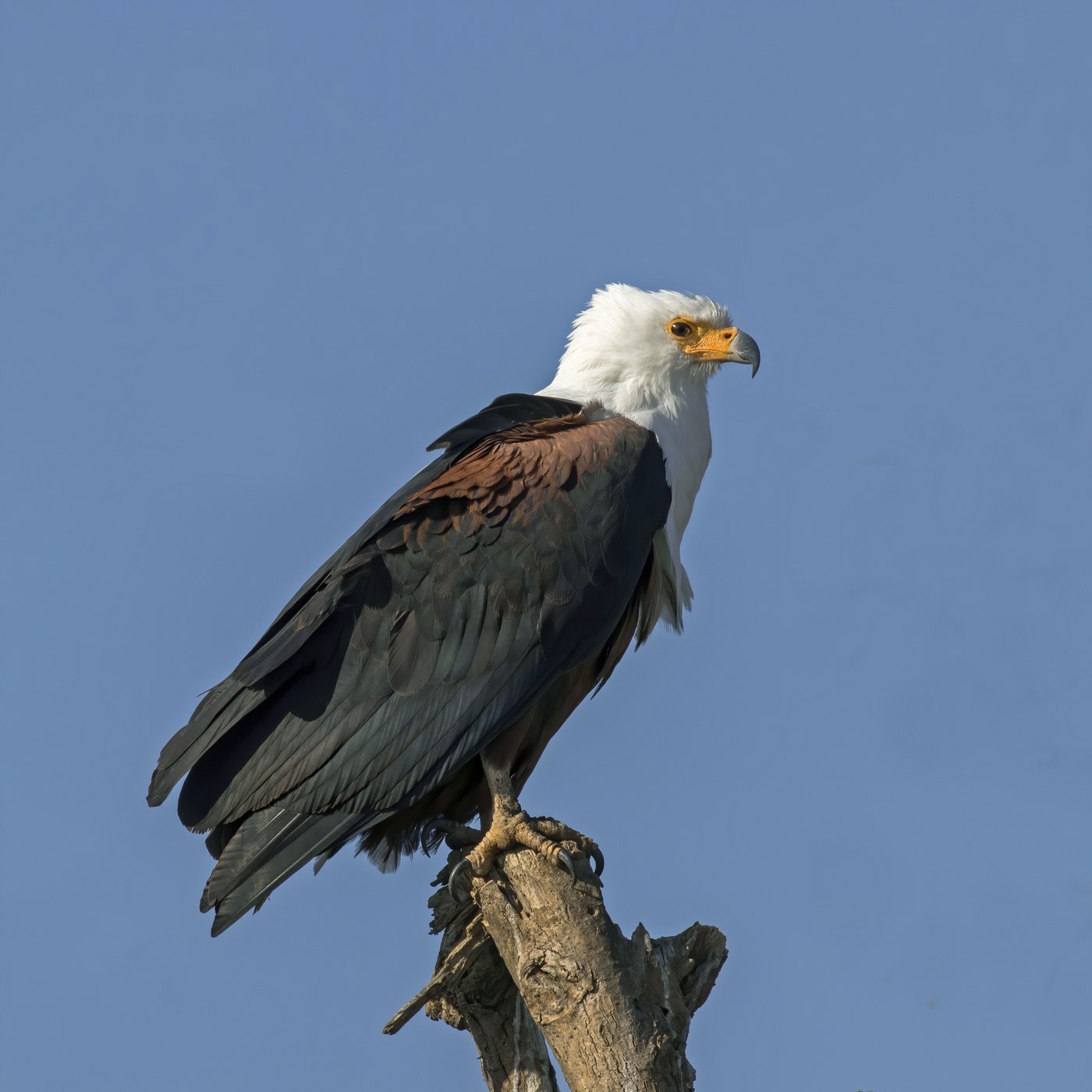
African Fish Eagle
Flight, tail, and body feathers

Amur Falcon
Slender pointed flight feathers; soft slate or orange-buff contour feathers
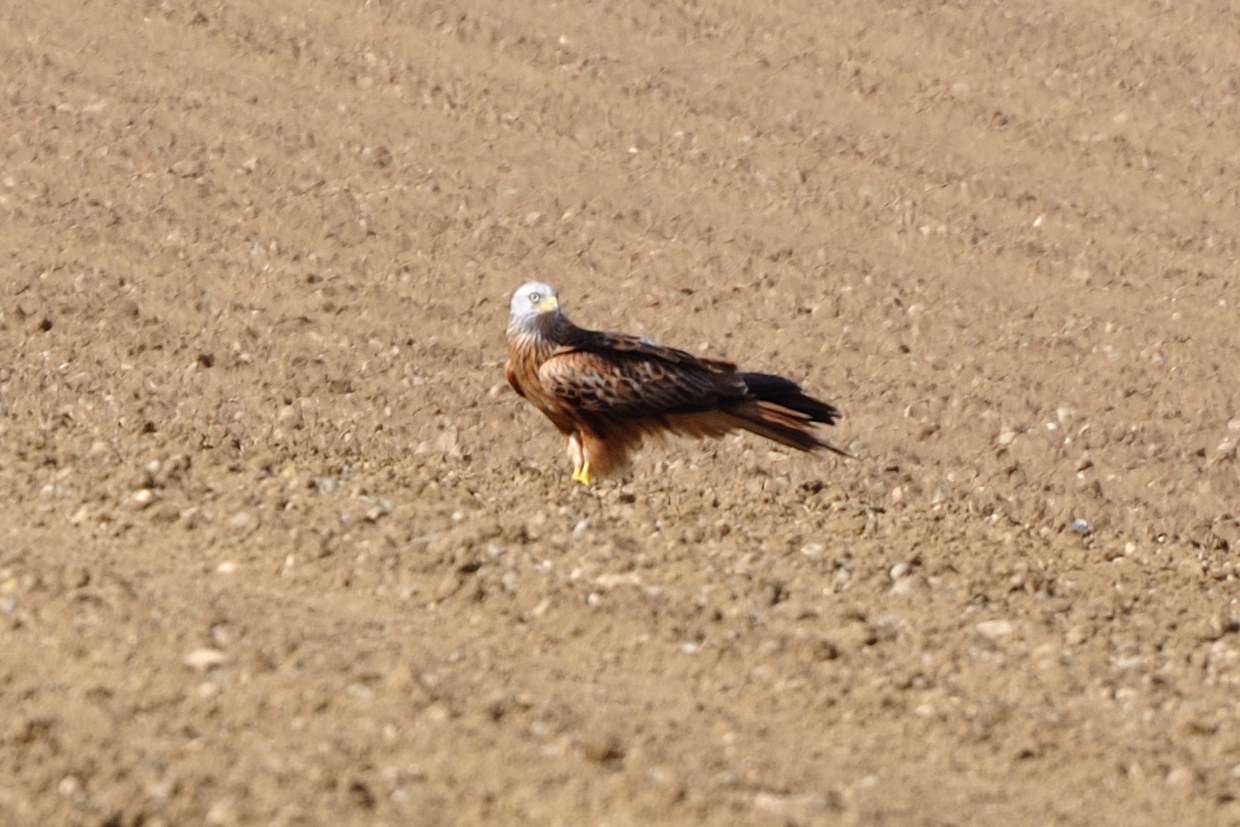
Red Kite
Flight (wing) and tail feathers
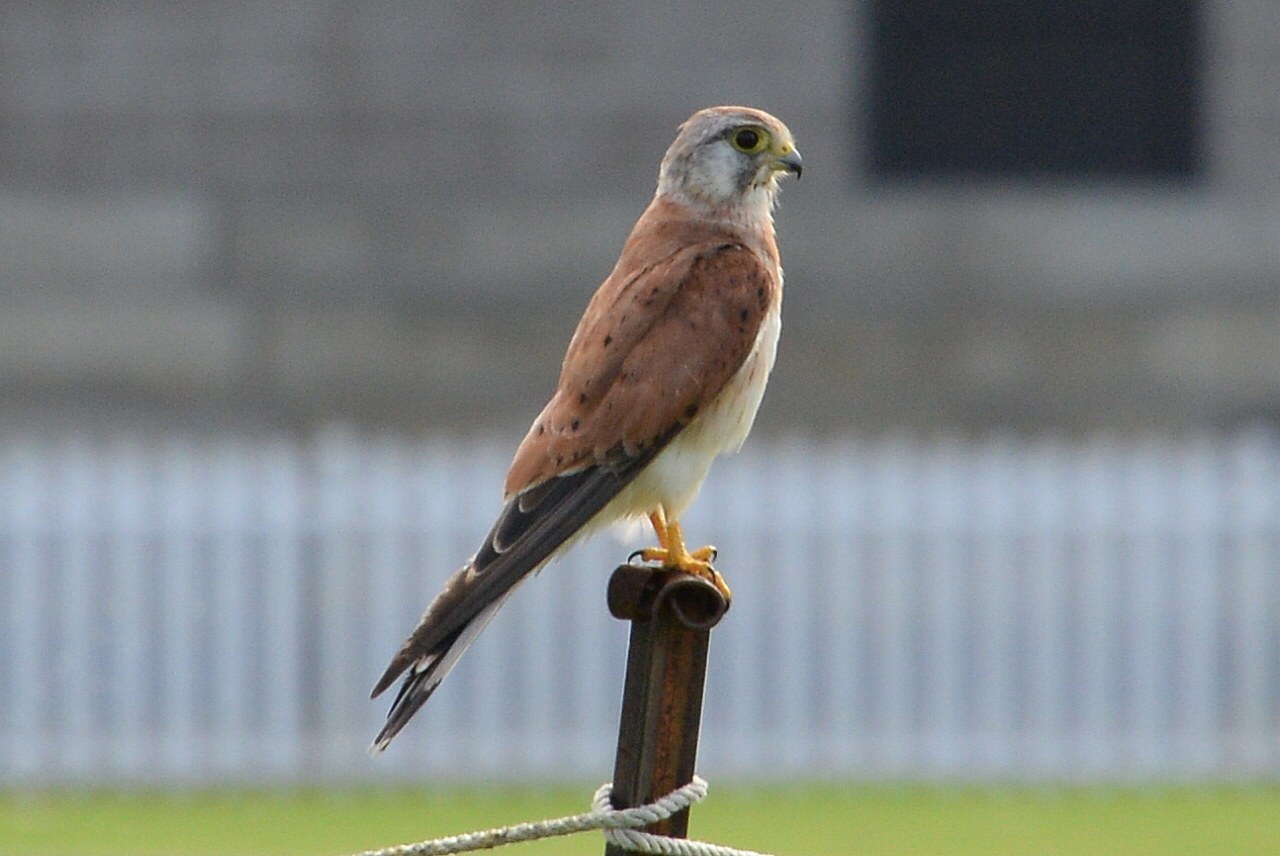
Nankeen Kestrel
Slim pointed flight feathers; lightly marked contour feathers

Andean Condor
Massive flight feathers; broad primaries and secondaries; sturdy tail feathers

Plumbeous Forest Falcon
Short rounded flight feathers; finely barred tail feathers

Sooty Falcon
Long pointed flight feathers; slim tail feathers