
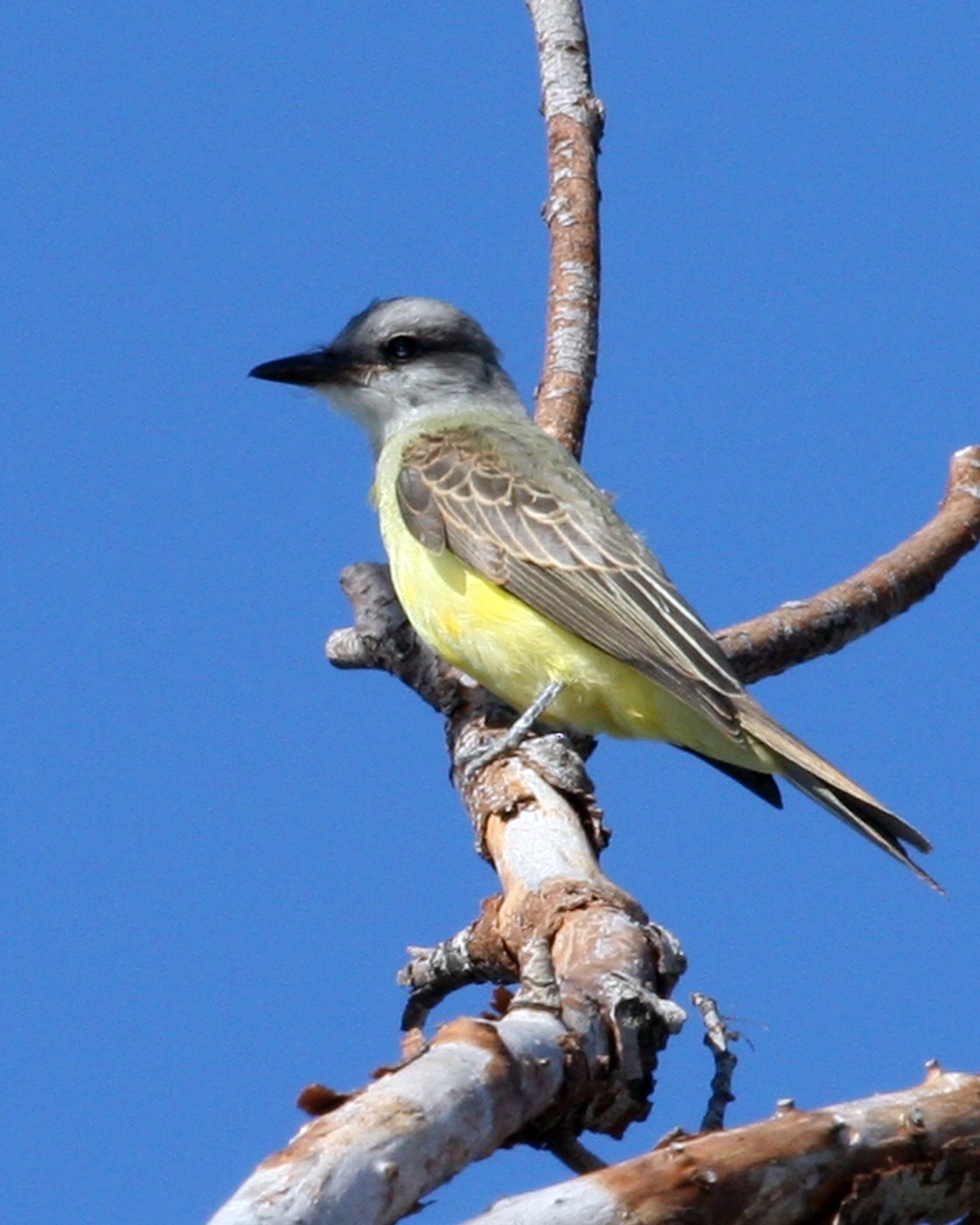
Tropical Kingbird
Tyrannus melancholicus
A common and widespread tyrant flycatcher recognized by its pale gray head and throat fading into lemon-yellow underparts, paired with a notched, dark tail. It favors open habitats with scattered perches from which it sallies for insects.
- Feather type
- Slim flycatcher contour feathers with a notched tail
- Colours
- Gray head, olive-gray back, and pale gray throat blending into bright yellow underparts
- Bird size
- Robin-sized, ~22 cm
Found a feather like this?
Identify any feather from a photo, free.
Overview
Overview
The Tropical Kingbird is one of the most widespread and familiar flycatchers of the American tropics and subtropics, breeding from the southwestern United States through Mexico, Central America, and most of South America. Its pale gray head grading into bright yellow underparts, combined with a distinctly notched tail, make it a reliable identification once separated from other similarly plumaged kingbirds. It is often seen perched conspicuously on wires and fence posts in open country.
Identifying the Feather
Feather Identification
- Head: Pale gray with a slightly darker gray mask through the eye; a concealed orange-red crown patch is rarely visible.
- Back: Olive-gray.
- Wings: Dusky feathers with pale buffy-olive edging.
- Tail: Blackish-brown and distinctly notched at the tip, a useful field mark compared to squarer-tailed kingbirds.
- Underparts: Pale gray throat blending into bright yellow breast and belly.
- Versus similar kingbirds: Species such as the Western and Eastern Kingbird show a squared rather than notched tail tip and typically a grayer head with sharper contrast; the Tropical Kingbird's notched tail and larger bill help distinguish it.
Plumage & Molt
Plumage Notes
Sexes are alike. Juveniles are duller, showing more olive tones and less vivid yellow underparts. A single complete molt occurs annually.
Habitat & Range
Habitat & Range
The Tropical Kingbird breeds from southern Arizona and Texas through Mexico, Central America, and most of South America to central Argentina. Northern populations are partially migratory, while southern and tropical populations are largely resident. It favors open and semi-open country, savanna, agricultural land, forest edge, and towns with scattered trees.
Behavior & Field Notes
Behavior & Field Notes
Tropical Kingbirds perch conspicuously on wires, fence posts, and exposed branches, sallying out to catch flying insects before returning to the same perch. They also eat small fruit. The call is a rapid, twittering series of notes. Nests are shallow cups placed high in a tree, often near water or open ground.
Frequently asked questions
How can you tell a Tropical Kingbird from other kingbirds?
Its tail is distinctly notched rather than square-tipped, and its head is paler gray with less sharp contrast than some similar species.
What does the Tropical Kingbird eat?
It mainly catches flying insects from a perch and also eats small fruit.
Where is the Tropical Kingbird found?
It breeds from the southwestern United States through Mexico, Central America, and most of South America.
Is the Tropical Kingbird migratory?
Northern populations move seasonally, while tropical and southern populations are largely resident year-round.
Tropical Kingbird guides
In-depth guides for identifying and understanding Tropical Kingbird.
Other feathers you may enjoy

Yellow-breasted Bunting
Contour and flight feathers, chestnut-and-yellow breeding pattern
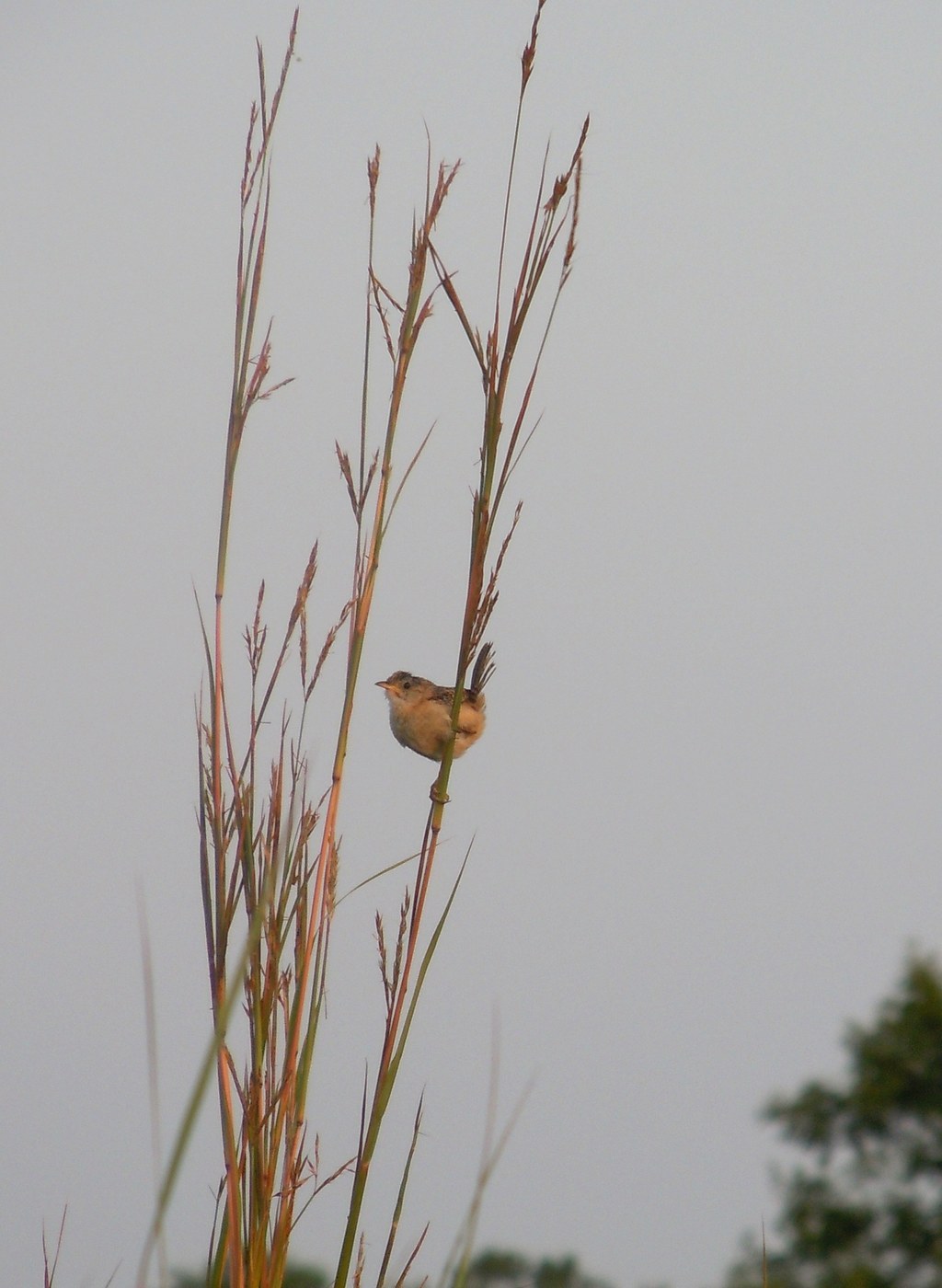
Sedge Wren
Tiny streaked crown and back feathers

Yellow-winged Cacique
Glossy black body feathers, yellow wing patch, shaggy crest

Yellow Warbler
Small contour and flight feathers
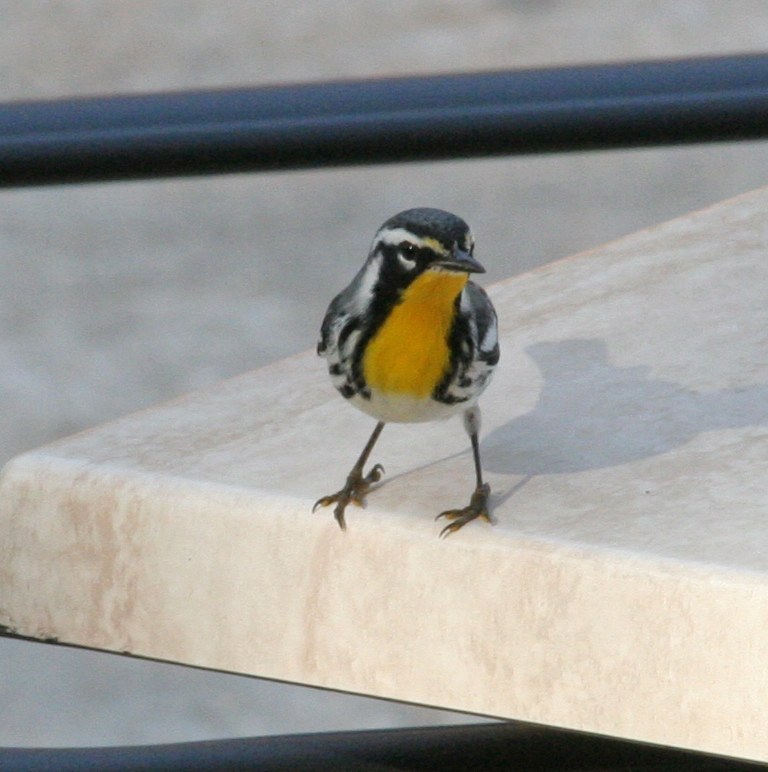
Yellow-throated Warbler
Small contour and flight feathers
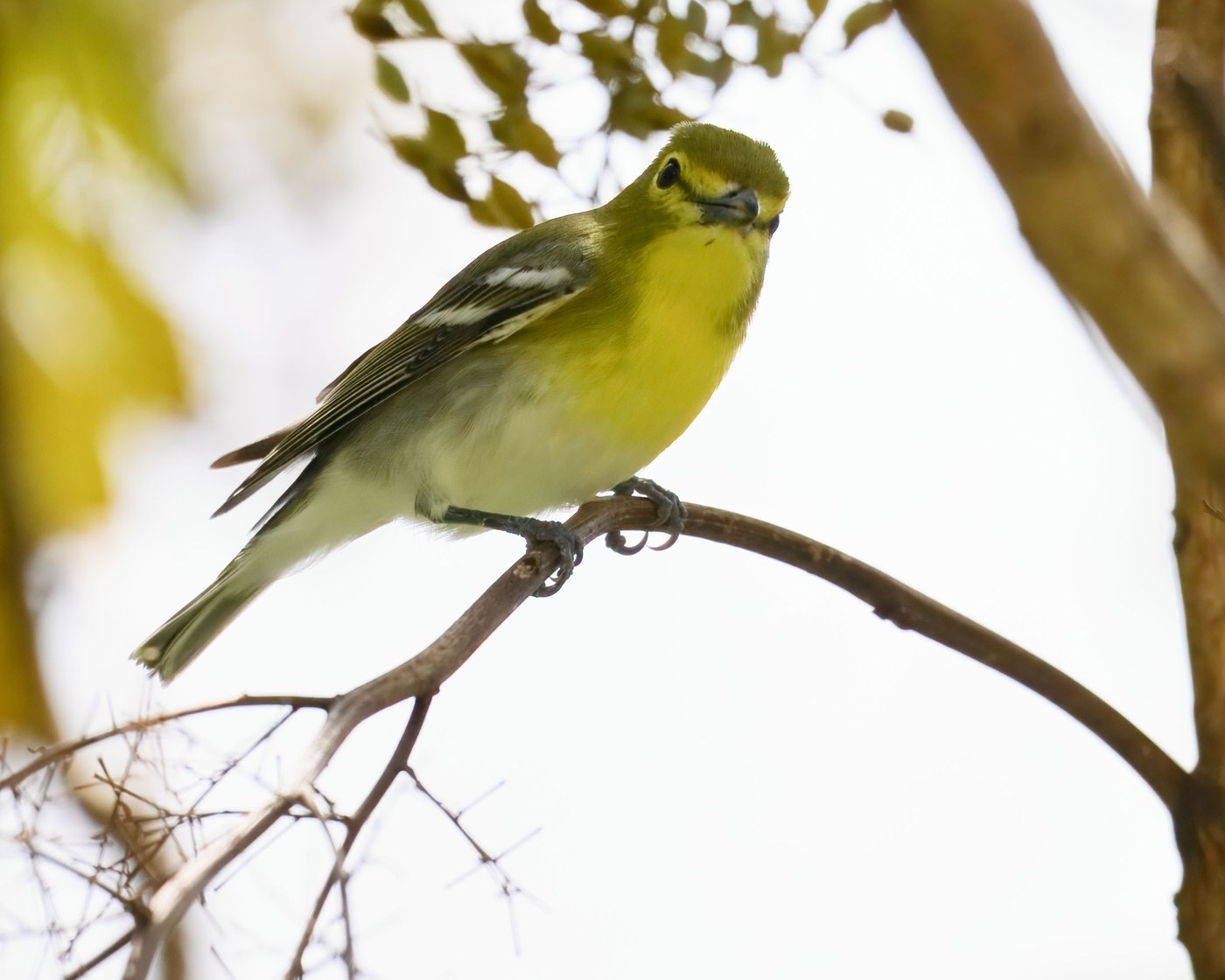
Yellow-throated Vireo
Bright yellow throat and spectacle feathers; olive-green back feathers; two white wing-bar feathers

Yellow-rumped Warbler
Small contour and flight feathers
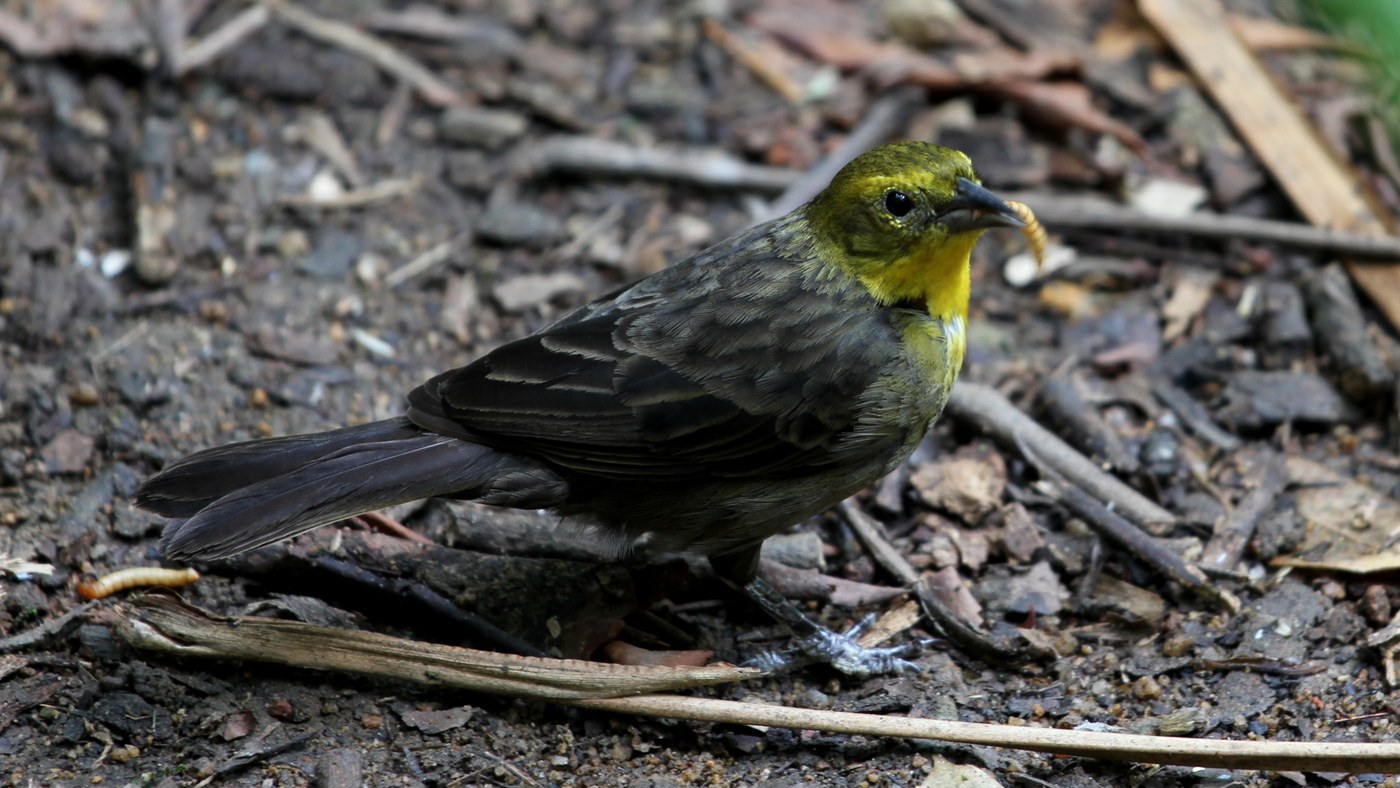
Yellow-hooded Blackbird
Contrasting hood and body feathers
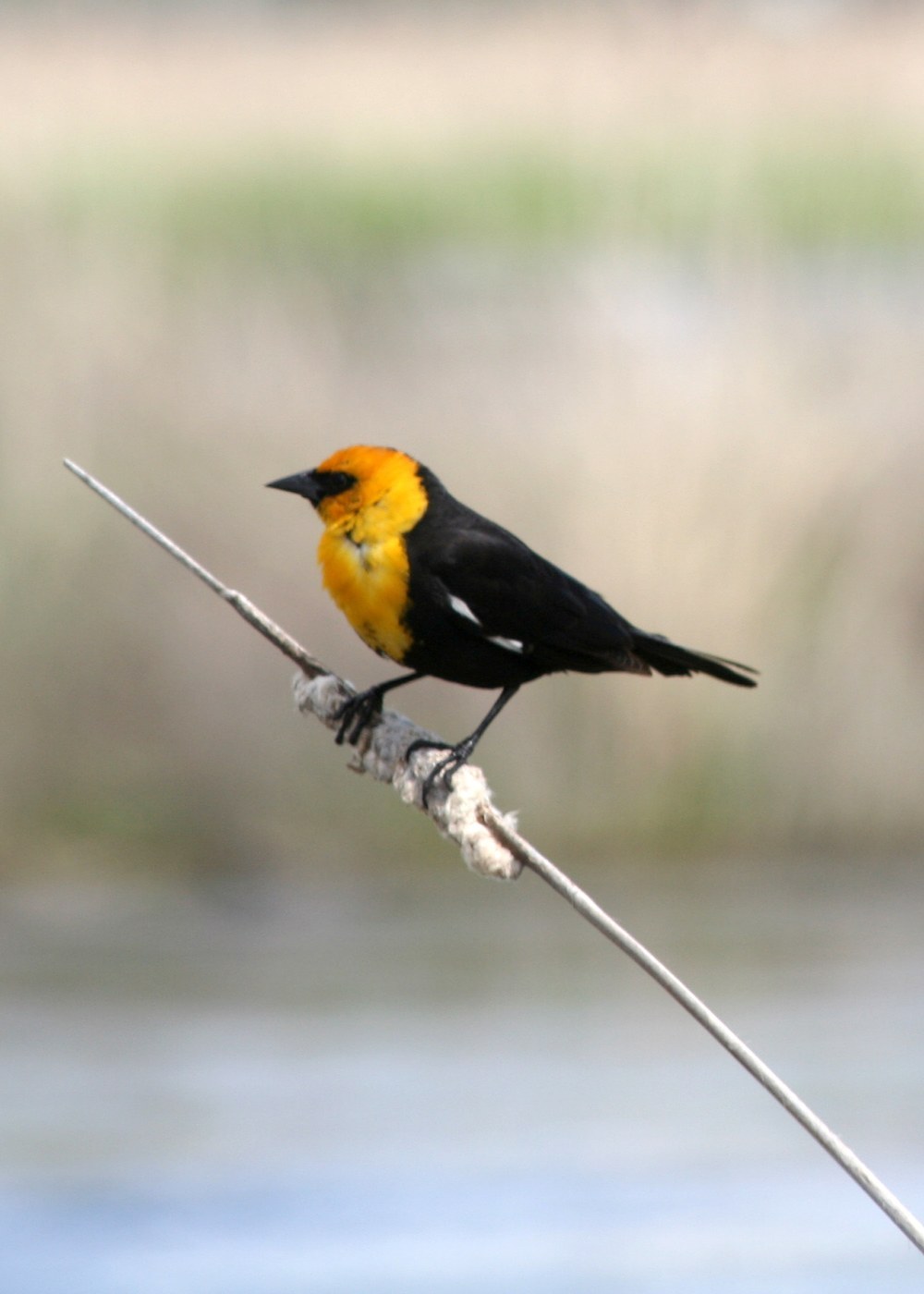
Yellow-headed Blackbird
Glossy black body plumage with a bright yellow head and breast

Yellow-eyed Junco
Contour and flight feathers

Yellow-fronted Canary
Small, smooth body plumage

Yellow-breasted Greenfinch
Compact, smooth body plumage