

Turkey Vulture
Cathartes aura
A widespread scavenger known for its two-toned wings, silvery flight feathers set against a dark body, and its habit of soaring in a shallow V with a distinctive teetering flight.
- Feather type
- Large broad flight feathers; long fingered primaries; sturdy tail feathers
- Colours
- Blackish-brown body with silvery-gray flight feathers on the underwing
- Bird size
- Large raptor, ~64-81 cm, wingspan up to 1.8 m
Found a feather like this?
Identify any feather from a photo, free.
Overview
The Turkey Vulture is one of the most widespread raptors in the Americas, ranging from southern Canada to the southern tip of South America. Its bald red head and dark plumage are familiar to most people who spend time outdoors near open country.
In flight, the contrast between the dark leading half of the underwing and the paler, silvery-gray flight feathers is a hallmark field mark, visible even in silhouette.
Because it feeds on carrion and covers large areas while soaring, its large primary and secondary feathers are commonly found on the ground in open habitats.
Identifying the Feather
Shape and Size
Primaries are long, broad, and distinctly fingered at the tips, among the largest flight feathers a person is likely to find from a common raptor; secondaries are also broad and rounded.
Color and Pattern
- Body and covert feathers: uniform blackish-brown, with little sheen
- Flight feathers (primaries and secondaries): pale silvery-gray on the underside, contrasting with dark brown on top
- Tail feathers: blackish-brown, fairly long and squared
- Shafts: pale, often whitish, on the flight feathers
Distinguishing from Similar Species
The combination of large size, blackish-brown body feathers, and pale silvery-gray undersides to the flight feathers is the key clue separating this species from the all-black Black Vulture, whose flight feathers show white only near the wingtip rather than throughout.
Plumage & Molt
Adults are uniformly blackish-brown with a bare red head; sexes look alike. Juveniles have a grayish-black head that darkens and reddens as they mature over the first year or two.
Molt is gradual and occurs mainly outside the breeding season, replacing large flight feathers in sequence over an extended period.
Habitat & Range
Found across nearly the entire Western Hemisphere, from southern Canada through the United States, Mexico, Central America, and South America to Tierra del Fuego, in open country, farmland, forest edges, and along roadsides.
Northern populations are migratory, moving south for winter, while populations in warmer regions are largely resident.
Behavior & Field Notes
Feeds exclusively on carrion, using an exceptional sense of smell to locate carcasses, often being one of the first scavengers on the scene. Soars for long periods with wings held in a shallow V (dihedral), rocking or teetering from side to side.
Nests in caves, hollow logs, or dense thickets rather than building a stick nest. Largely silent, with only hisses and grunts near the nest or carcasses.
A very large blackish-brown feather with a silvery-gray underside, found along a roadside or open field, is a classic Turkey Vulture find.
Frequently asked questions
How do I tell a Turkey Vulture feather from a Black Vulture feather?
Turkey Vulture flight feathers are silvery-gray on the underside across their whole length, while Black Vulture flight feathers show white only near the wingtips, with the rest appearing black.
Why are these feathers so large?
Turkey Vultures are large soaring birds with long, broad wings adapted for extended gliding flight, resulting in unusually large primary and secondary feathers.
Do juvenile feathers look different from adult feathers?
Body plumage color is similar across ages, though young birds' head skin is grayish rather than red; this does not affect feather identification.
Where are these feathers commonly found?
Open fields, roadsides, and forest edges throughout most of the Americas, since the species is common and widespread.
Turkey Vulture guides
In-depth guides for identifying and understanding Turkey Vulture.

Turkey Vulture identified by the community
Real feathers identified with Feather Identifier.


Other feathers you may enjoy

Australian Hobby
Long, narrow pointed flight feathers; slender tail feathers

California Condor
Massive flight feathers; long broad primaries; large tail feathers

Brown Falcon
Broad, rounded flight feathers; variable-toned contour feathers
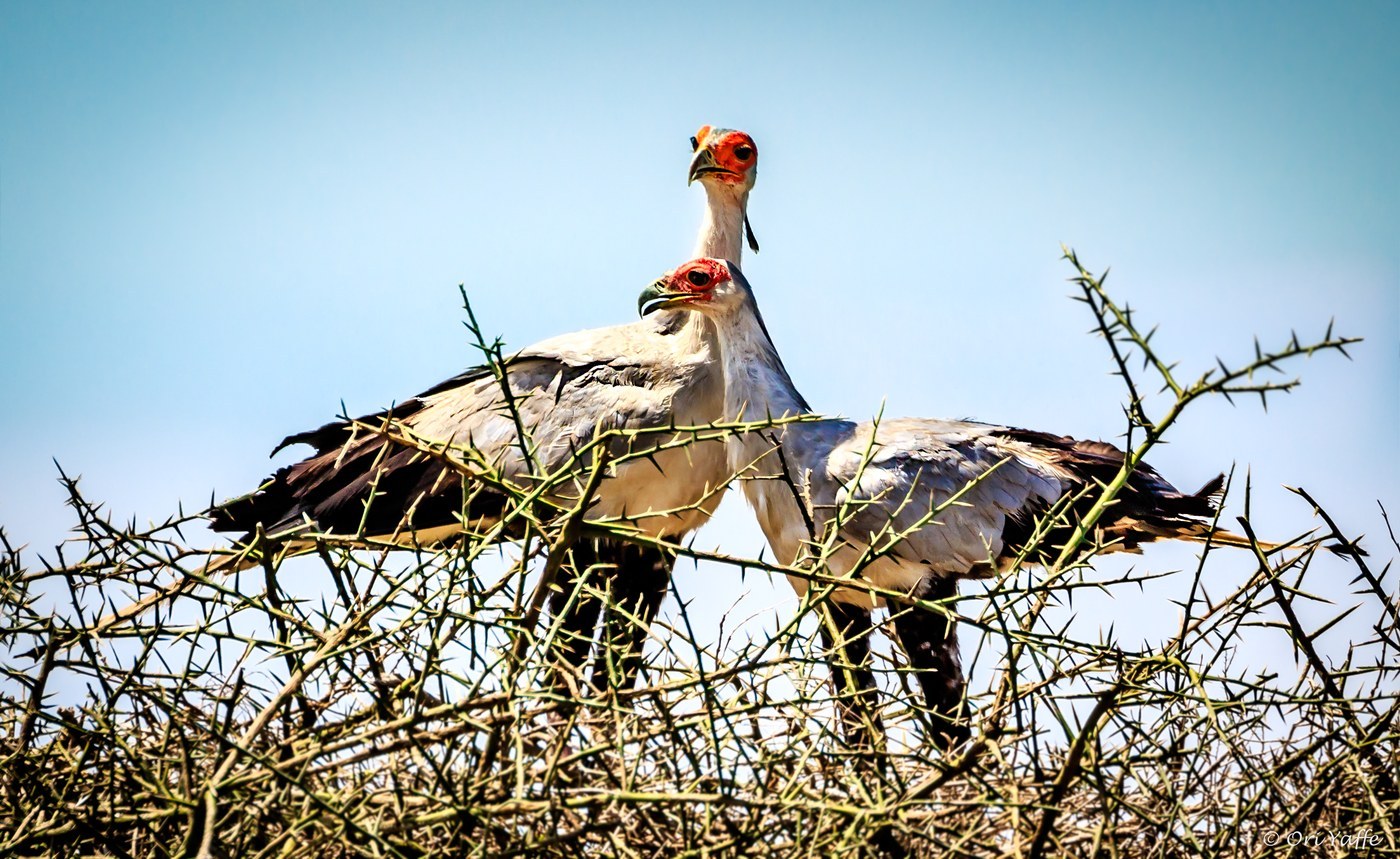
Secretarybird
Long crest feathers; broad flight feathers; elongated central tail feathers

Orange-breasted Falcon
Broad-based pointed flight feathers; bold breast and belly feathers
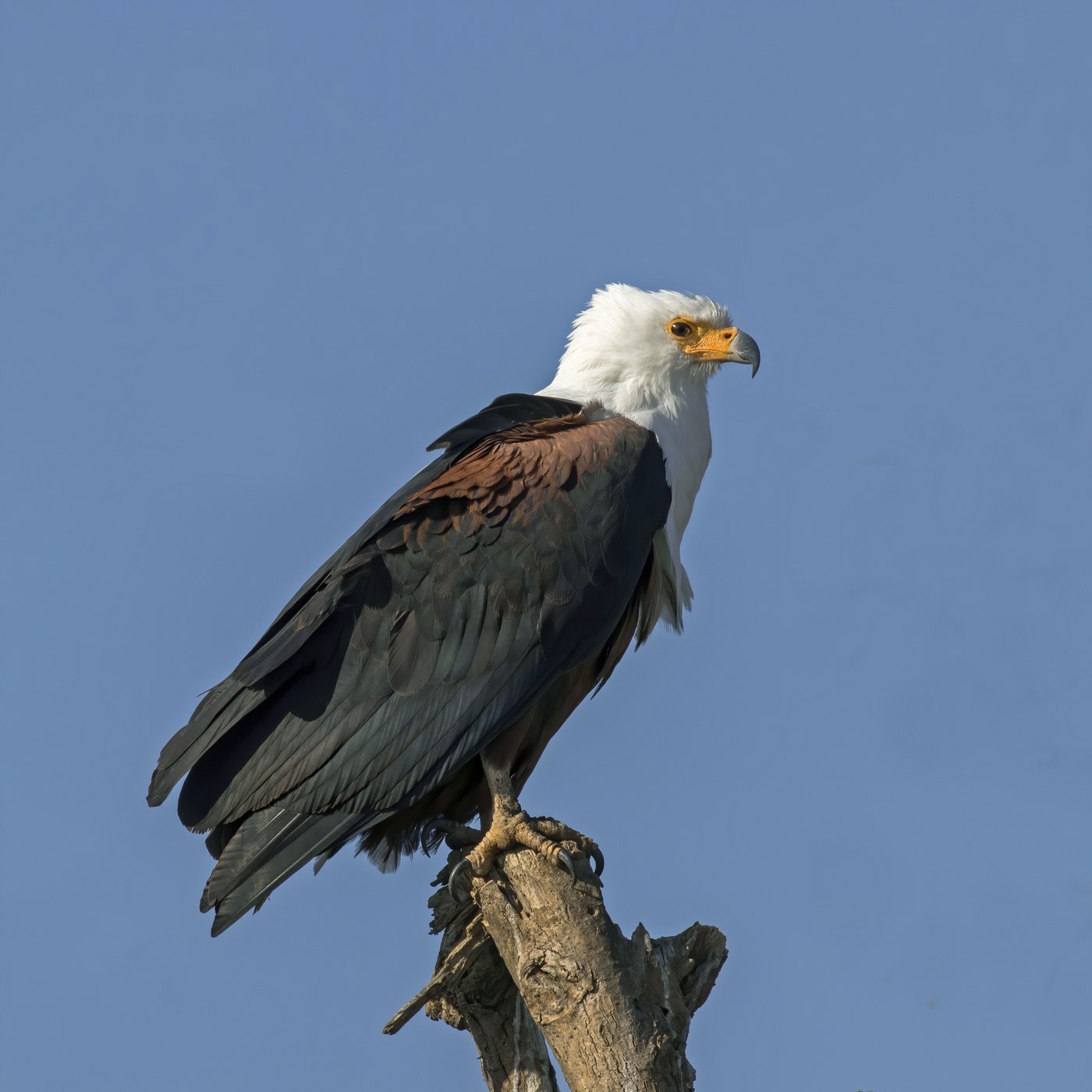
African Fish Eagle
Flight, tail, and body feathers

Amur Falcon
Slender pointed flight feathers; soft slate or orange-buff contour feathers
Red Kite
Flight (wing) and tail feathers
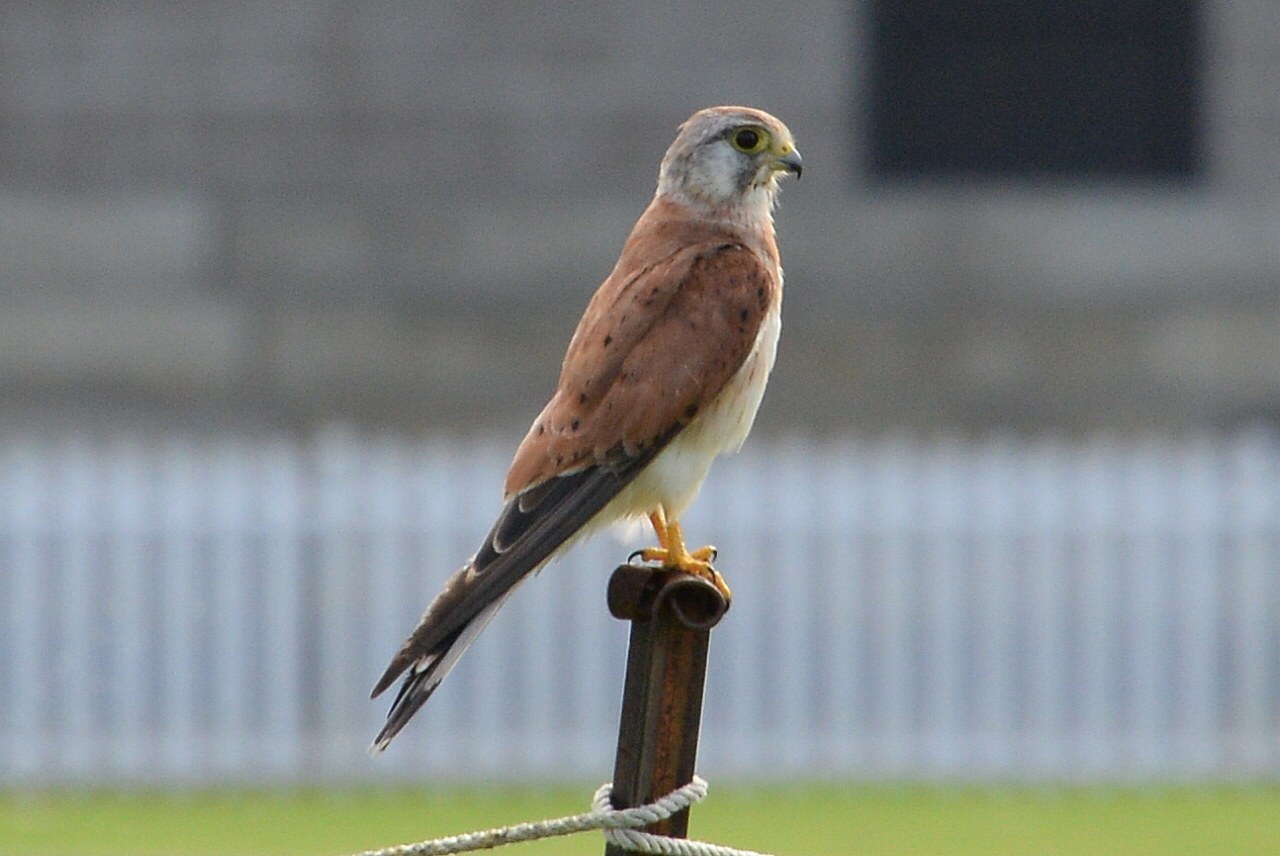
Nankeen Kestrel
Slim pointed flight feathers; lightly marked contour feathers

Andean Condor
Massive flight feathers; broad primaries and secondaries; sturdy tail feathers

Plumbeous Forest Falcon
Short rounded flight feathers; finely barred tail feathers

Sooty Falcon
Long pointed flight feathers; slim tail feathers