
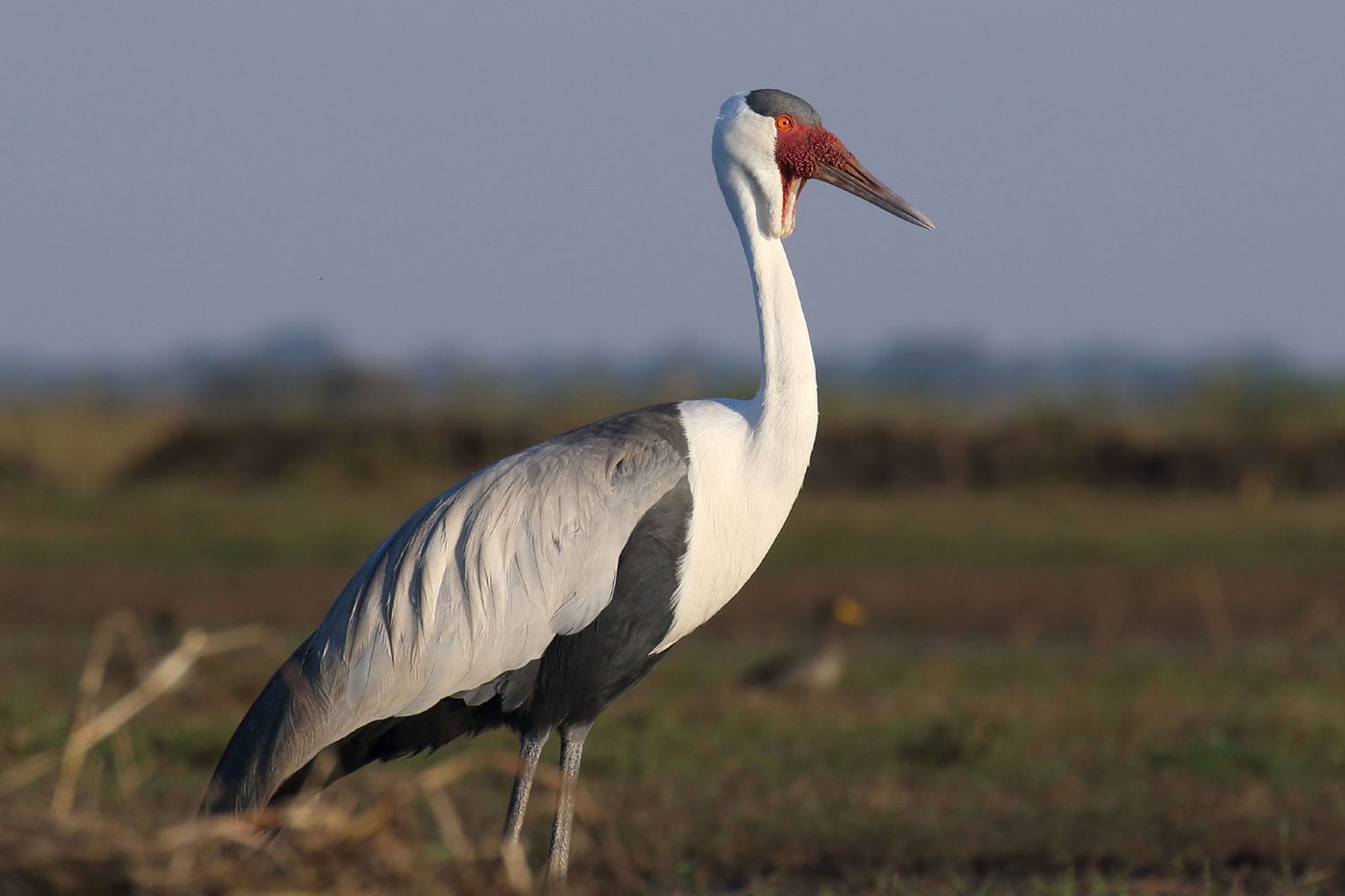
Wattled Crane
Grus carunculata
The largest crane in Africa, a grey wading bird with a black cap, striking white feathers hanging from the throat, and long fleshy wattles dangling below the face.
- Feather type
- Grey contour feathers with long white foreneck plumes and a black cap
- Colours
- Grey body with a white foreneck, black cap, and long white throat wattles
- Bird size
- Largest African crane, ~120-175 cm tall
Found a feather like this?
Identify any feather from a photo, free.
Overview
The Wattled Crane is the largest of Africa's crane species and among the most wetland-dependent, rarely straying far from extensive floodplains, marshes, and shallow lakes across sub-Saharan Africa. It is easily recognized by the long, fleshy white wattles hanging from its throat, paired with equally long, drooping white feathers covering the foreneck and upper breast, set against grey body plumage and a black cap.
Identifying the Feather
- Body feathers are grey overall, similar in general tone to other large Grus cranes.
- Foreneck and breast feathers are elongated, white, and hang downward in a distinctive drooping curtain, quite different from the shorter neck feathering of most other cranes.
- Crown feathers form a black cap, contrasting with a patch of bare red-and-white facial skin below the eye.
- Fleshy white throat wattles are not feathers but are a useful associated field mark when observing the live bird.
- Distinguish from other African cranes (Grey and Black Crowned Cranes) by the absence of a golden bristle crest and by the long white foreneck plumes unique to this species.
Plumage & Molt
Adults are grey with a black cap, bare red-and-white facial skin, long white wattles hanging from the throat, and elongated white feathers draping the foreneck and upper breast. Sexes look alike, with males averaging larger. Juveniles have a feathered, brownish-grey head lacking the black cap and bare facial skin, and shorter, less developed foreneck plumes, gradually acquiring full adult features over a few years. Molt follows breeding and is tied to the flooding cycles of its wetland habitat.
Habitat & Range
Wattled Cranes are found in scattered wetland complexes across sub-Saharan Africa, including major floodplain systems in Southern and East Africa, and are strongly tied to large, undisturbed wetlands and floodplains rather than farmland. Most populations are resident, with local movements linked to seasonal flooding rather than long-distance migration.
Behavior & Field Notes
This crane forages by wading in shallow water and wet grassland, often digging with its bill for submerged plant tubers and rhizomes, in addition to taking small invertebrates. It nests on the ground in extensive marsh vegetation, usually laying a single egg, fewer than most other crane species. Its call is a deep, resonant trumpeting. Because of its strong dependence on large, undisturbed wetlands, the Wattled Crane is considered a good indicator of wetland ecosystem health, and habitat protection is central to its conservation.
Frequently asked questions
How can you identify a Wattled Crane feather?
Look for grey body feathers combined with long, drooping white feathers from the foreneck and breast, along with a black cap if head feathers are present.
What is unique about the Wattled Crane's neck feathers?
It has elongated white feathers hanging down from the foreneck and breast in a distinctive curtain, unlike other crane species.
Is the Wattled Crane migratory?
It is mostly resident, with local movements tied to seasonal flooding of its wetland habitat.
How does it differ from the Grey and Black Crowned Cranes?
It lacks the golden bristle crest of crowned cranes and instead has a black cap and long white foreneck plumes.
Wattled Crane guides
In-depth guides for identifying and understanding Wattled Crane.
Other feathers you may enjoy

Yellow-billed Spoonbill
White contour and flight feathers with fine breeding plumes on the back and breast
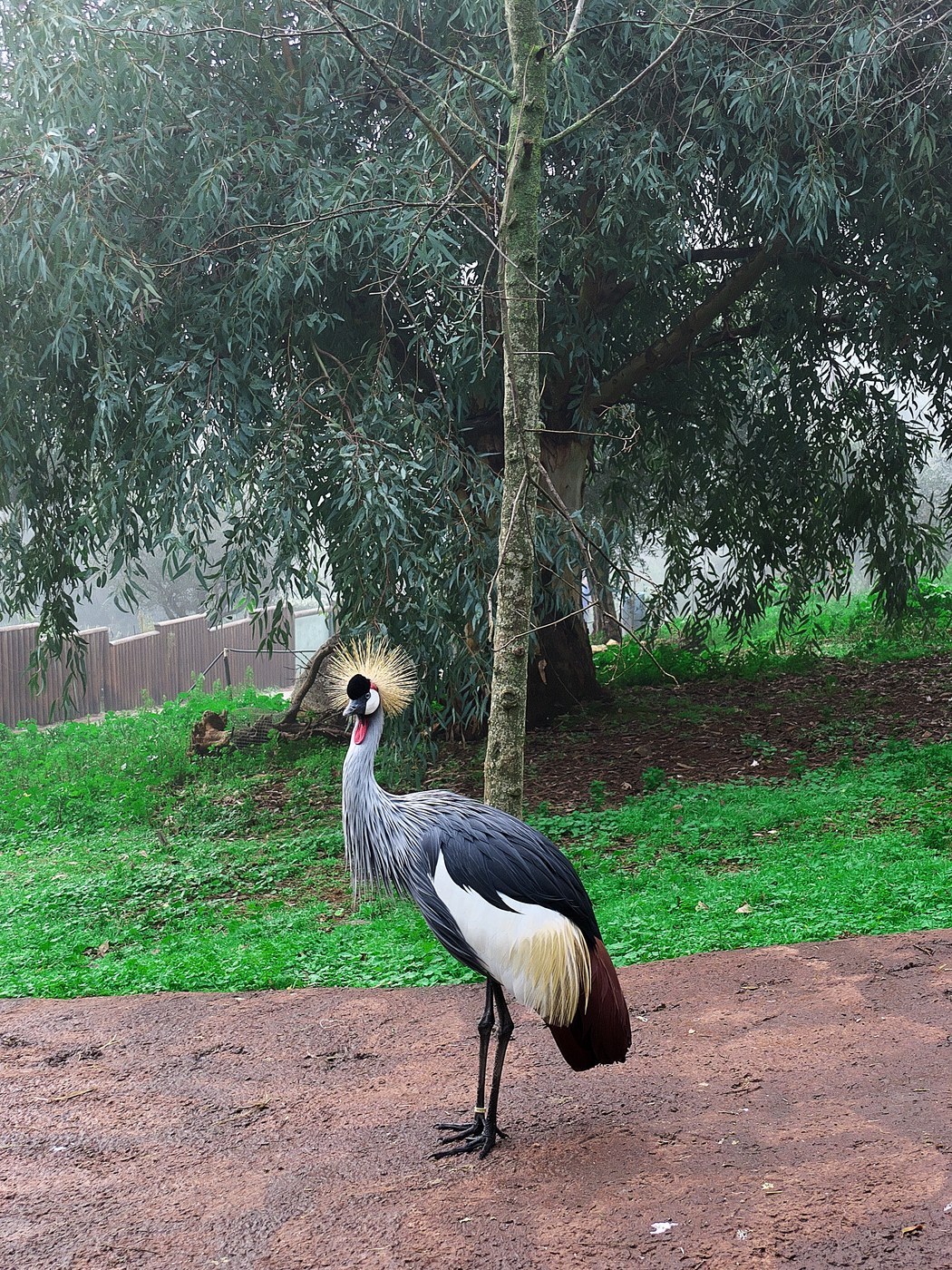
Grey Crowned Crane
Grey body feathers with white wing coverts, chestnut flight feathers, and stiff golden crown bristles
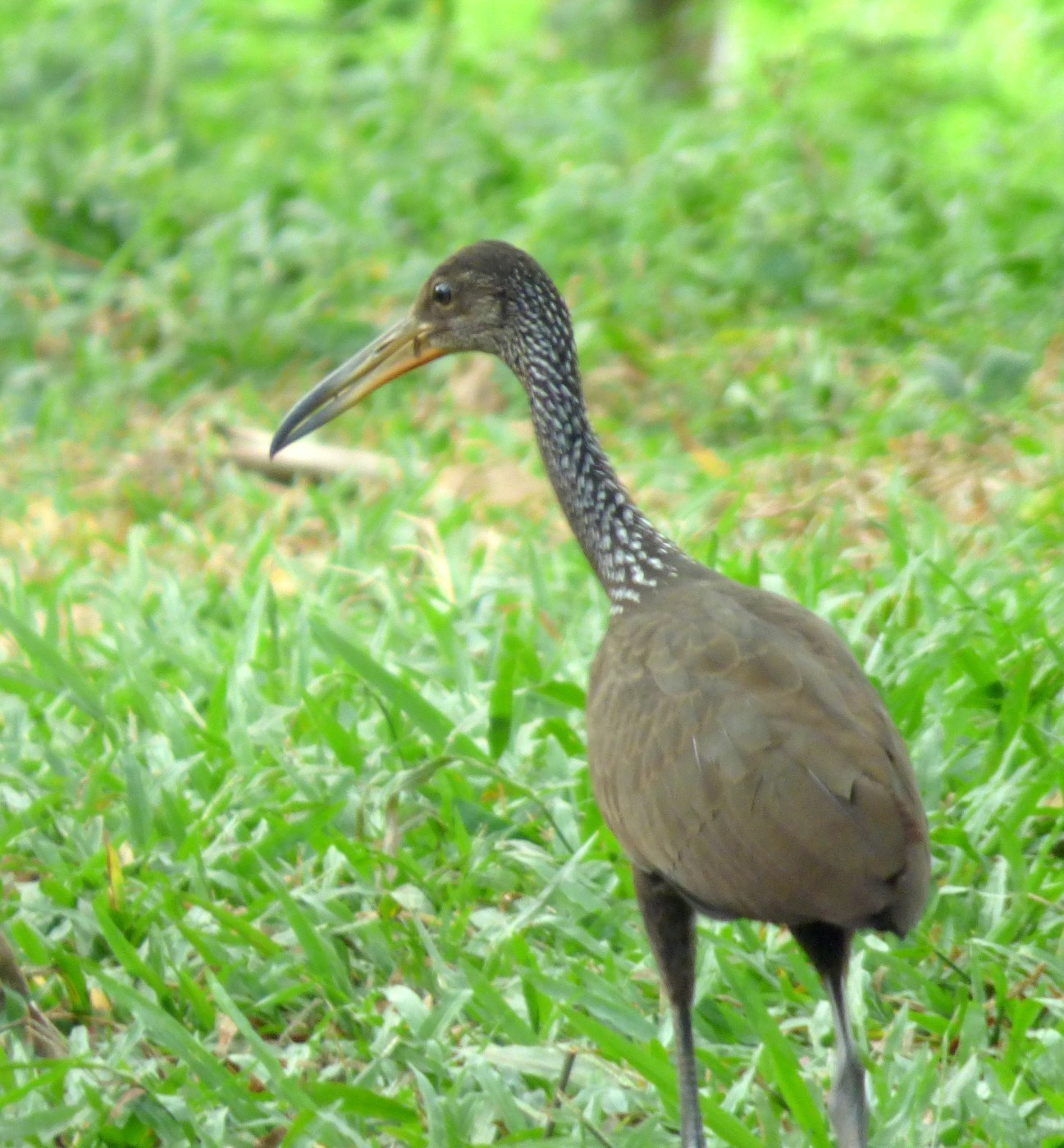
Limpkin
Brown contour feathers with white teardrop-shaped spots and streaks
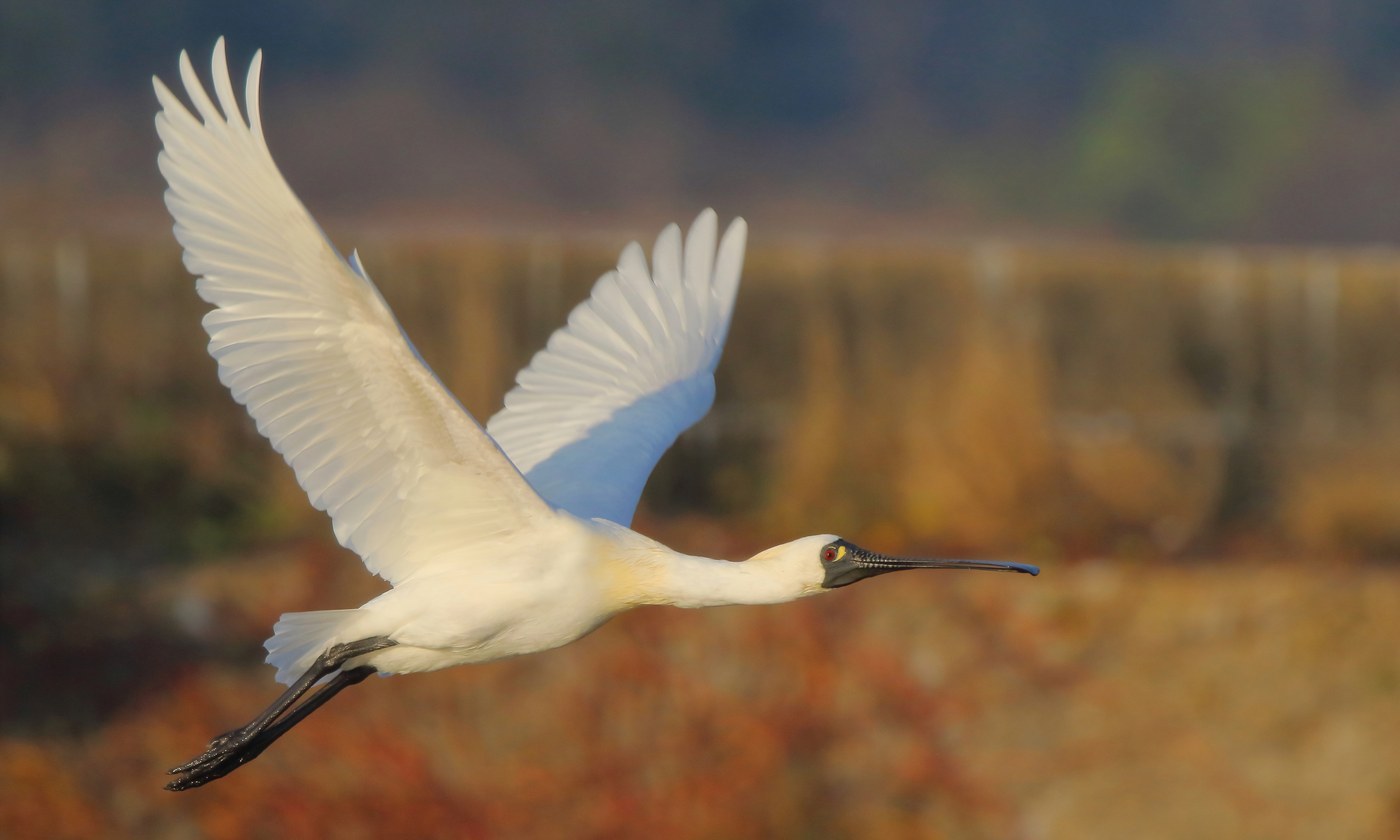
Black-faced Spoonbill
White contour and flight feathers with fine breeding crest and breast plumes
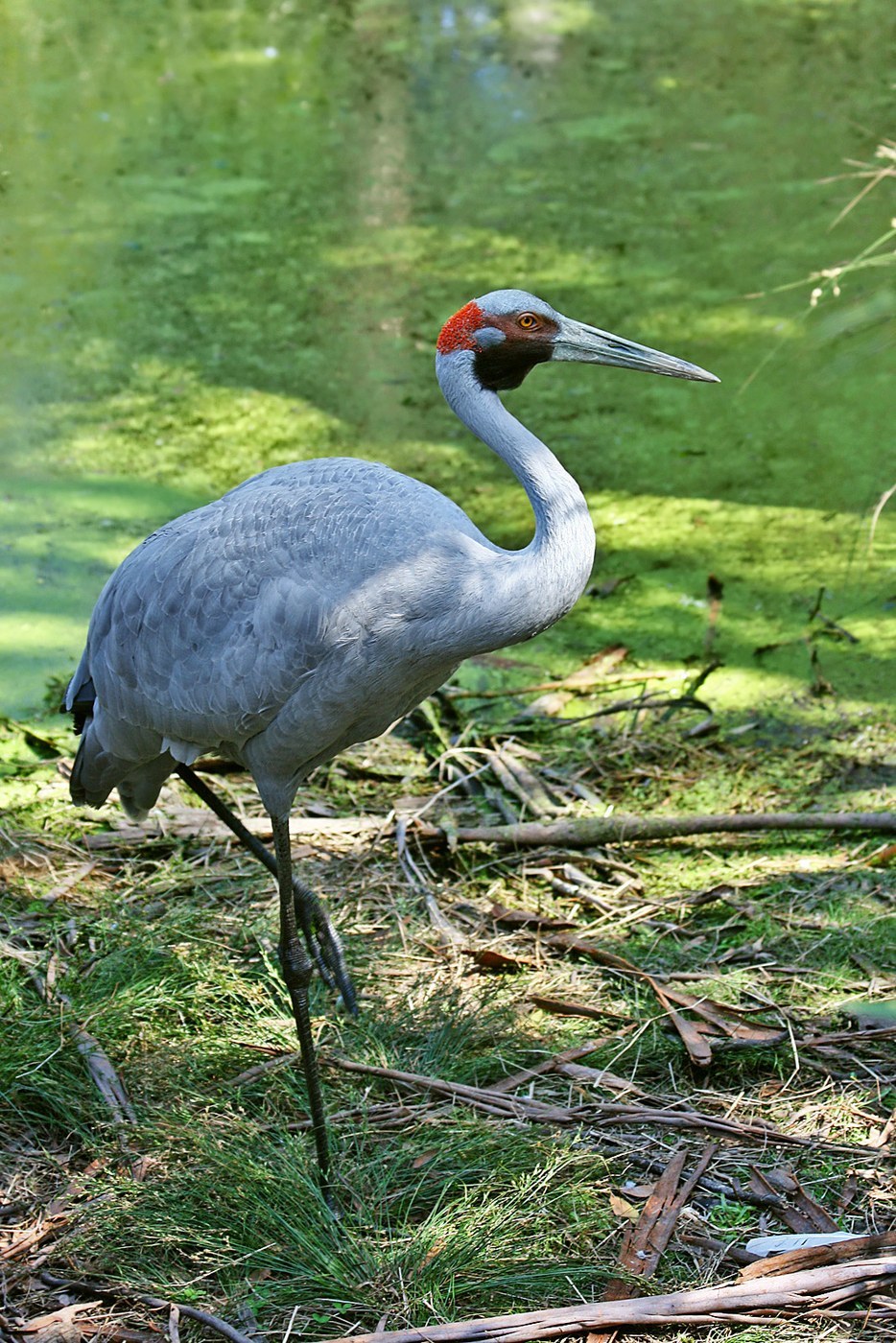
Brolga
Grey contour feathers with drooping bustle plumes
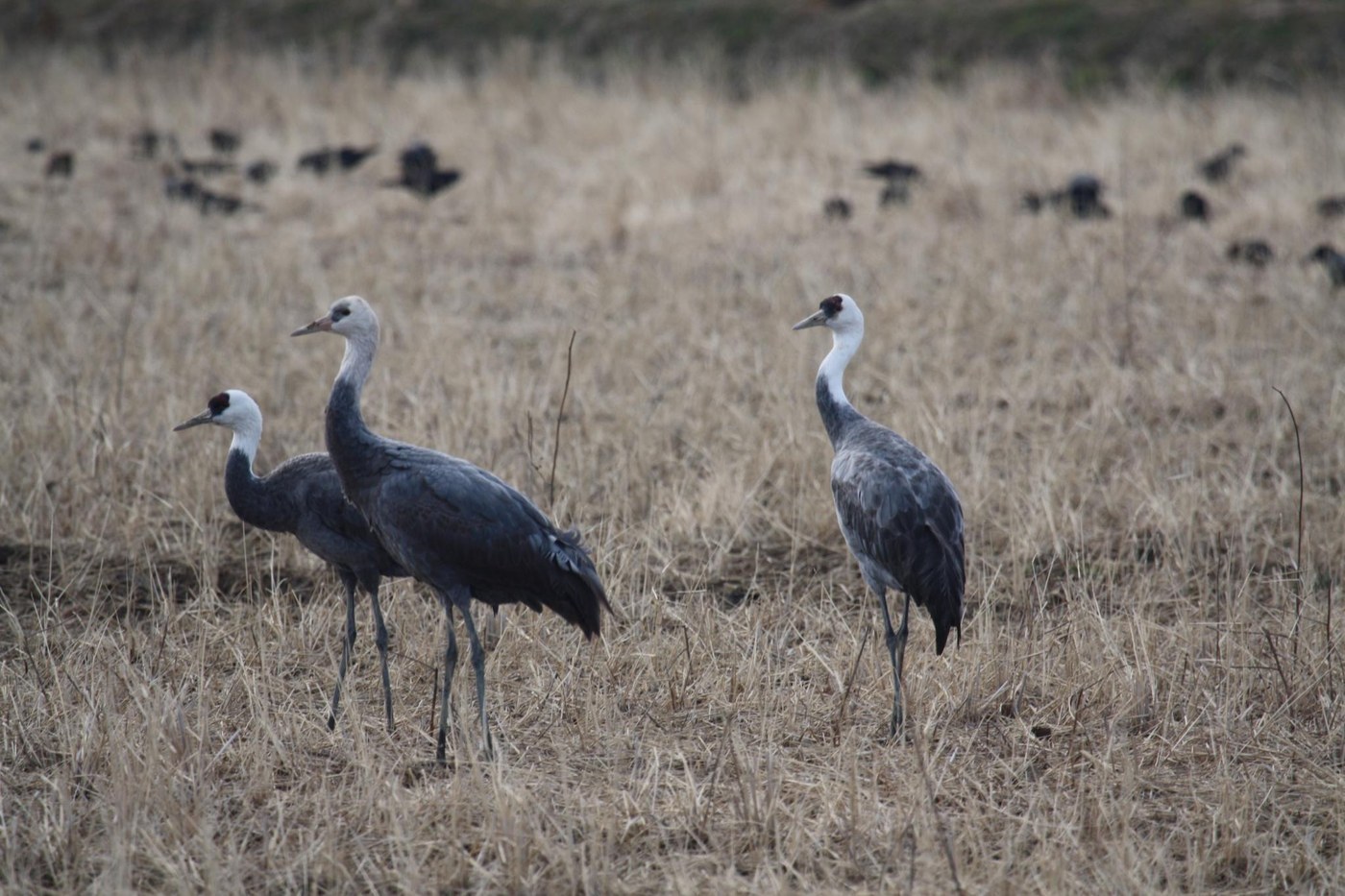
Hooded Crane
Dark slate-grey body feathers with a white head/upper neck 'hood' and black bustle plumes
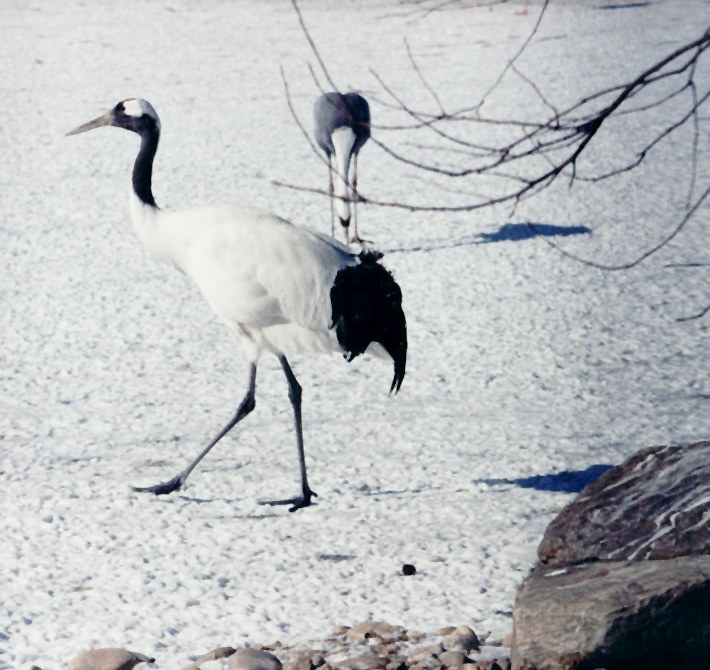
Red-crowned Crane
White contour feathers with black secondary/tertial bustle feathers and a bare red crown

Common Crane
Grey contour feathers with black head/neck feathers and drooping bustle plumes
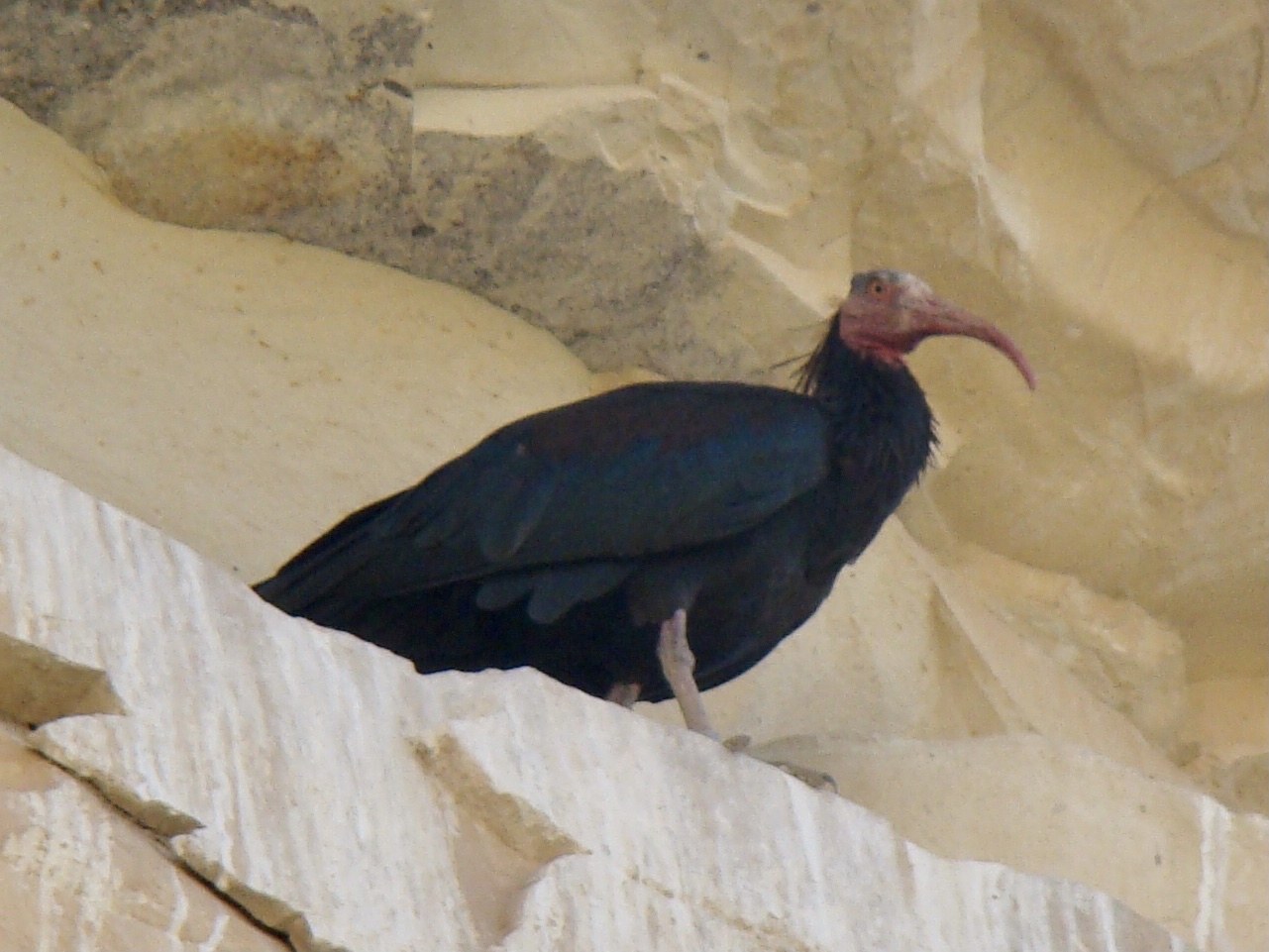
Northern Bald Ibis
Glossy black contour feathers with elongated nape plumes
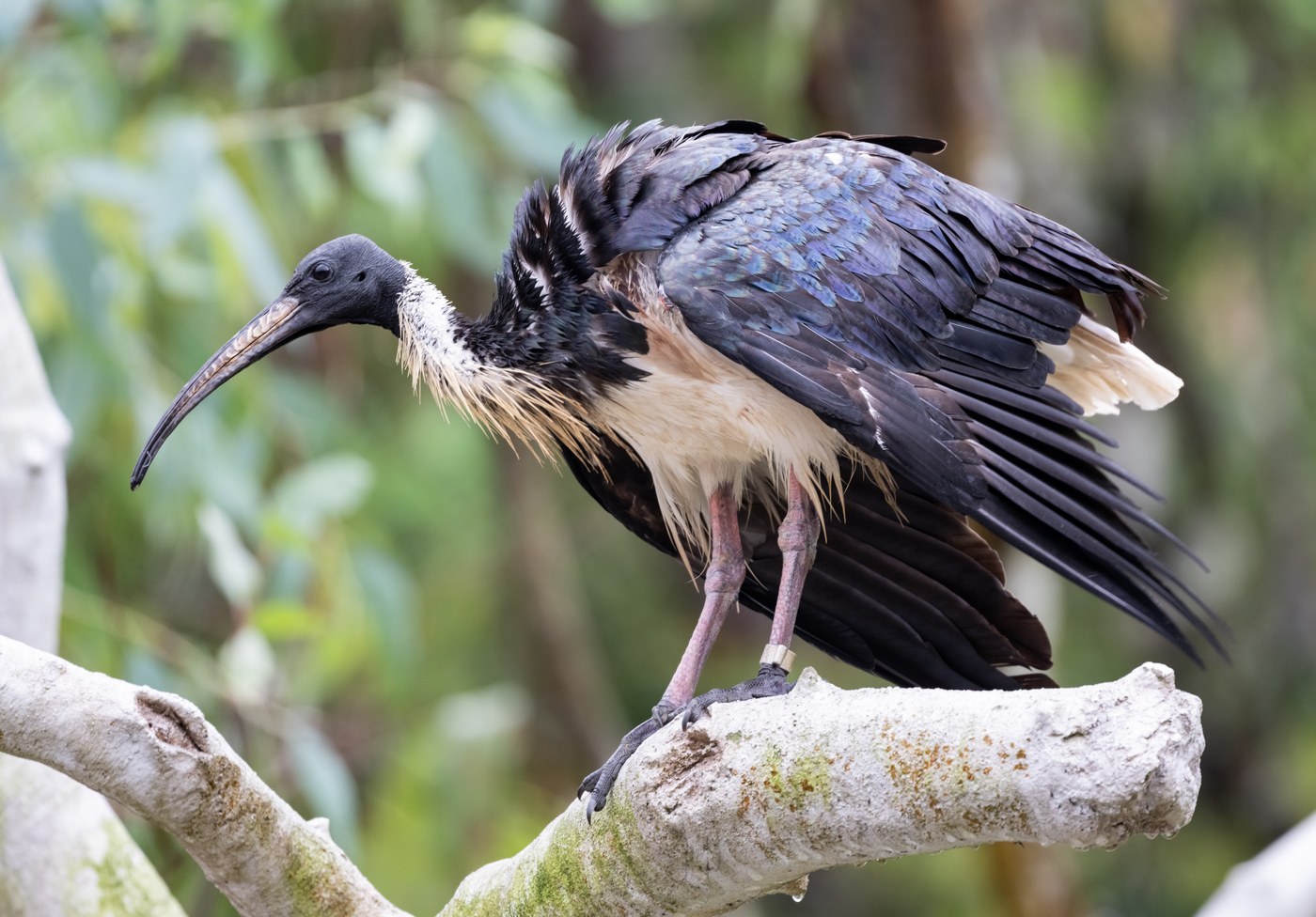
Straw-necked Ibis
Glossy contour feathers with unique straw-like neck plumes
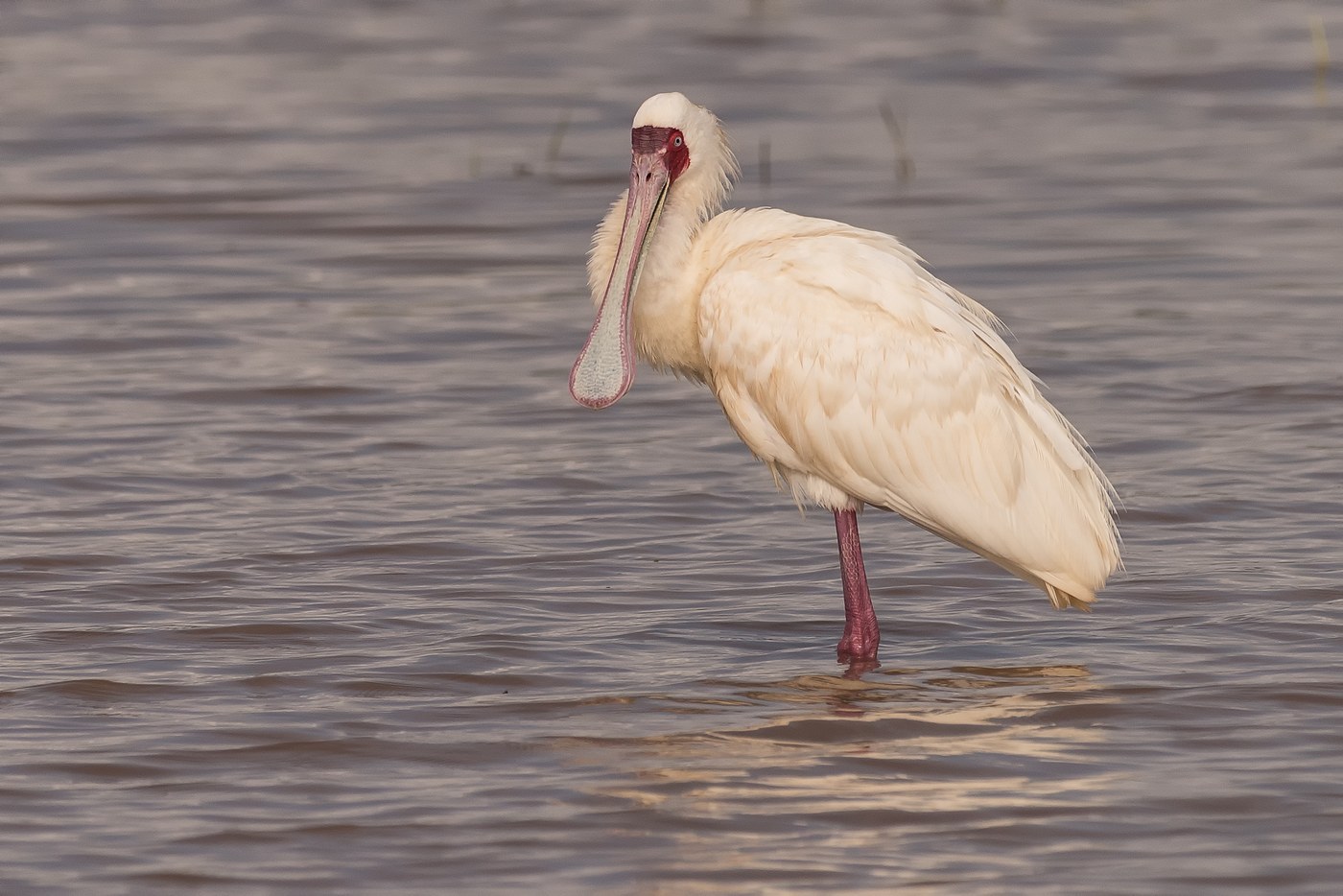
African Spoonbill
White contour and flight feathers, unmarked by black tips

Roseate Spoonbill
Pink and white contour and flight feathers with a carmine shoulder patch