

Whistling Heron
Syrigma sibilatrix
A pale, pastel-toned South American heron named for its whistled call, more often found striding through open grassland than wading in deep water.
- Feather type
- Soft, loosely webbed body feathers and a short, wispy nape crest
- Colours
- Pale bluish-grey and buff body plumage with a black crown and creamy underparts
- Bird size
- Medium heron, ~48-58 cm
Found a feather like this?
Identify any feather from a photo, free.
Overview
The Whistling Heron is a distinctive South American heron with soft pastel plumage in blue-grey and buff tones, quite different from the crisp white or slate-grey coloration typical of many herons. Its name comes from its far-carrying whistled call, often given in flight, which is unusual among herons and helps announce its presence even before it is seen.
Unlike most herons, it is strongly associated with open grassland and pasture rather than deep marshes, often walking well away from standing water in search of prey disturbed by grazing animals or fire. This more terrestrial habit, combined with its pale coloration, sets it apart from typical wetland herons.
A soft, pale grey-buff feather with a black crown feather found in open South American grassland, rather than a dense wetland, is a good pointer toward this species.
Identifying the Feather
Shape and Size
Body feathers are soft and loosely webbed, with a short, wispy crest on the nape. Flight feathers are moderate in length, suited to the relatively short flights typical of a grassland forager.
Color and Pattern
- Upper back and wing covert feathers are pale bluish-grey, softer and cooler in tone than typical heron grey.
- Breast and foreneck feathers are pale buffy-cream, with underparts becoming whiter toward the belly.
- Crown feathers are black, forming a small cap that contrasts with the pale face.
- Flight feathers are a slightly deeper grey than the back.
Shaft and Vane
Shafts are pale on the buff and grey body feathers, dark on the black crown feathers. Barbs are soft and fine, giving a slightly powdery texture characteristic of this species' pastel plumage.
Distinguishing from Similar Species
The combination of pale bluish-grey upperparts, buffy-cream underparts, and a solid black crown is distinctive among South American herons; most similarly sized herons in its range are either pure white, slate-grey, or more boldly patterned, making the Whistling Heron's soft pastel tones a reliable identifying feature.
Plumage & Molt
Adults show pale bluish-grey upperparts, buffy-cream underparts becoming whiter on the belly, and a black crown with a short nape crest. The face and lores show bare bluish skin in life. Sexes look alike. Juveniles are duller and more uniformly buff-brown, lacking the crisp black crown of adults, and acquire full adult coloration within their first year or two. Molt generally follows the breeding season.
Habitat & Range
The Whistling Heron occurs across much of central and southern South America, including parts of Brazil, Bolivia, Paraguay, Uruguay, and Argentina. It favors open grassland, savanna, pasture, and marsh edges rather than dense wetland vegetation. Most populations are resident, though some local movements occur in response to seasonal flooding or drought.
Behavior & Field Notes
This species forages by walking steadily through open grassland or shallow water, taking insects, amphibians, and other small prey, often benefiting from ground disturbance caused by grazing livestock or grass fires. It is frequently seen alone or in small loose groups away from dense wetland cover. Its whistled call, from which it gets its name, is often given in flight and is distinctive among herons. Nests are built in trees, sometimes in loose colonies. For feather finders, a soft pale grey-buff feather found in open grassland or pasture, rather than dense marsh, is a good indicator of this species.
Frequently asked questions
Why is it called the Whistling Heron?
It gives a distinctive far-carrying whistled call, often in flight, which is unusual among herons and lends the species its common name.
Does this heron live in deep marshes like other herons?
Not typically; it favors open grassland, savanna, and pasture, often foraging well away from standing water.
What color are this species' feathers?
Pale bluish-grey above and buffy-cream below, with a solid black crown, a pastel combination distinctive among South American herons.
Where is the Whistling Heron found?
Across central and southern South America, including Brazil, Bolivia, Paraguay, Uruguay, and Argentina, in open grassland and savanna habitats.
Whistling Heron guides
In-depth guides for identifying and understanding Whistling Heron.

Other feathers you may enjoy

Yellow-billed Spoonbill
White contour and flight feathers with fine breeding plumes on the back and breast
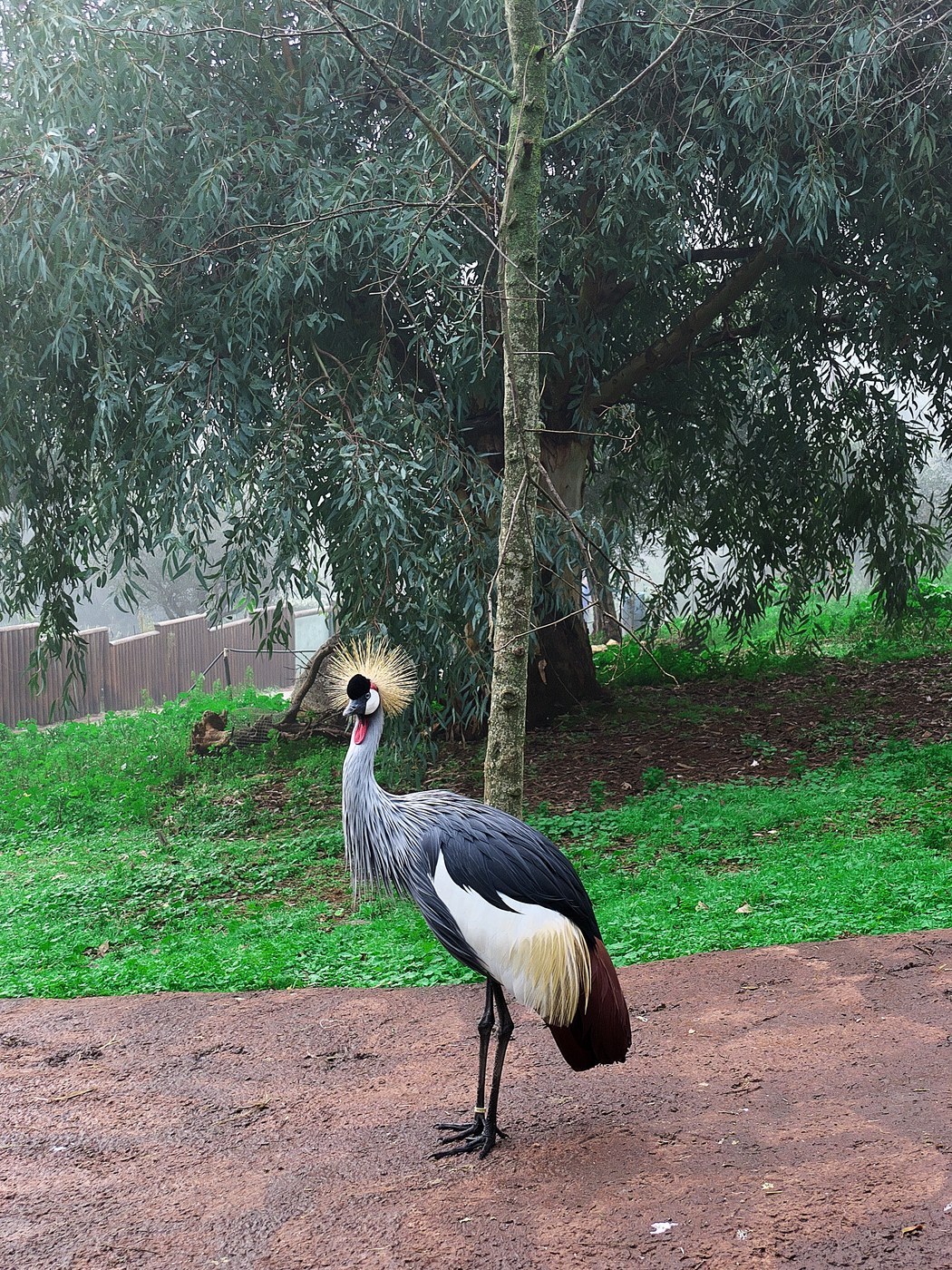
Grey Crowned Crane
Grey body feathers with white wing coverts, chestnut flight feathers, and stiff golden crown bristles
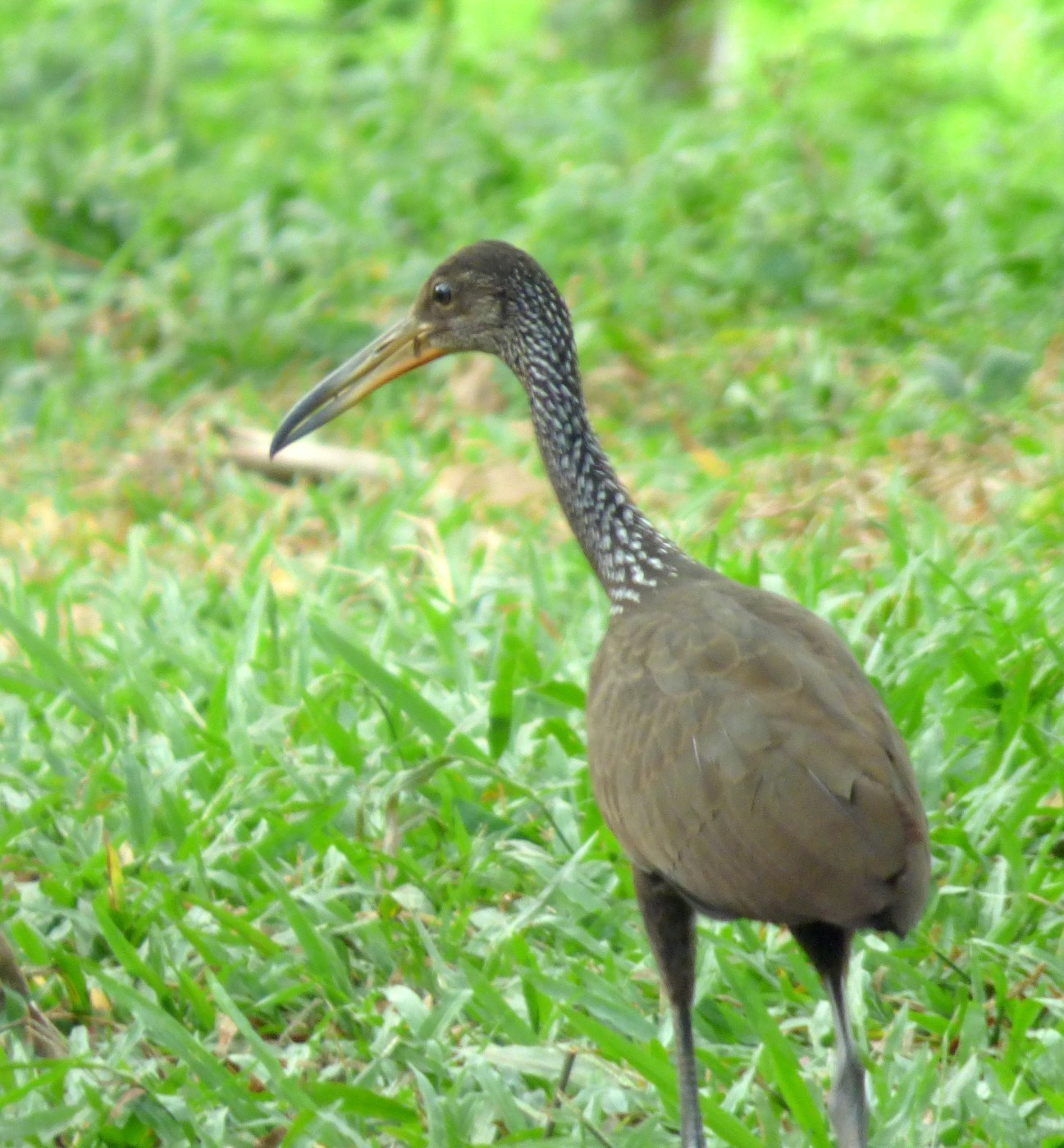
Limpkin
Brown contour feathers with white teardrop-shaped spots and streaks
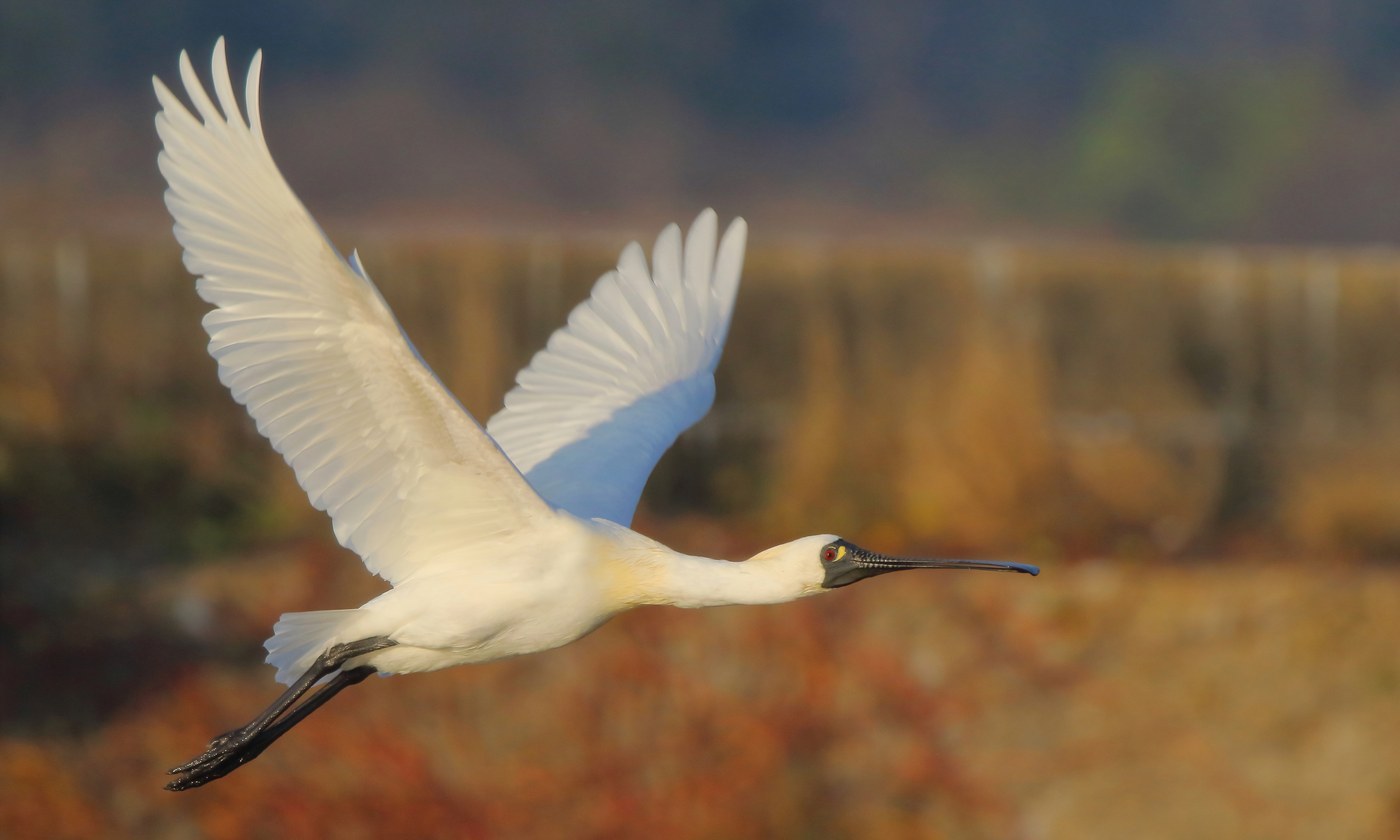
Black-faced Spoonbill
White contour and flight feathers with fine breeding crest and breast plumes
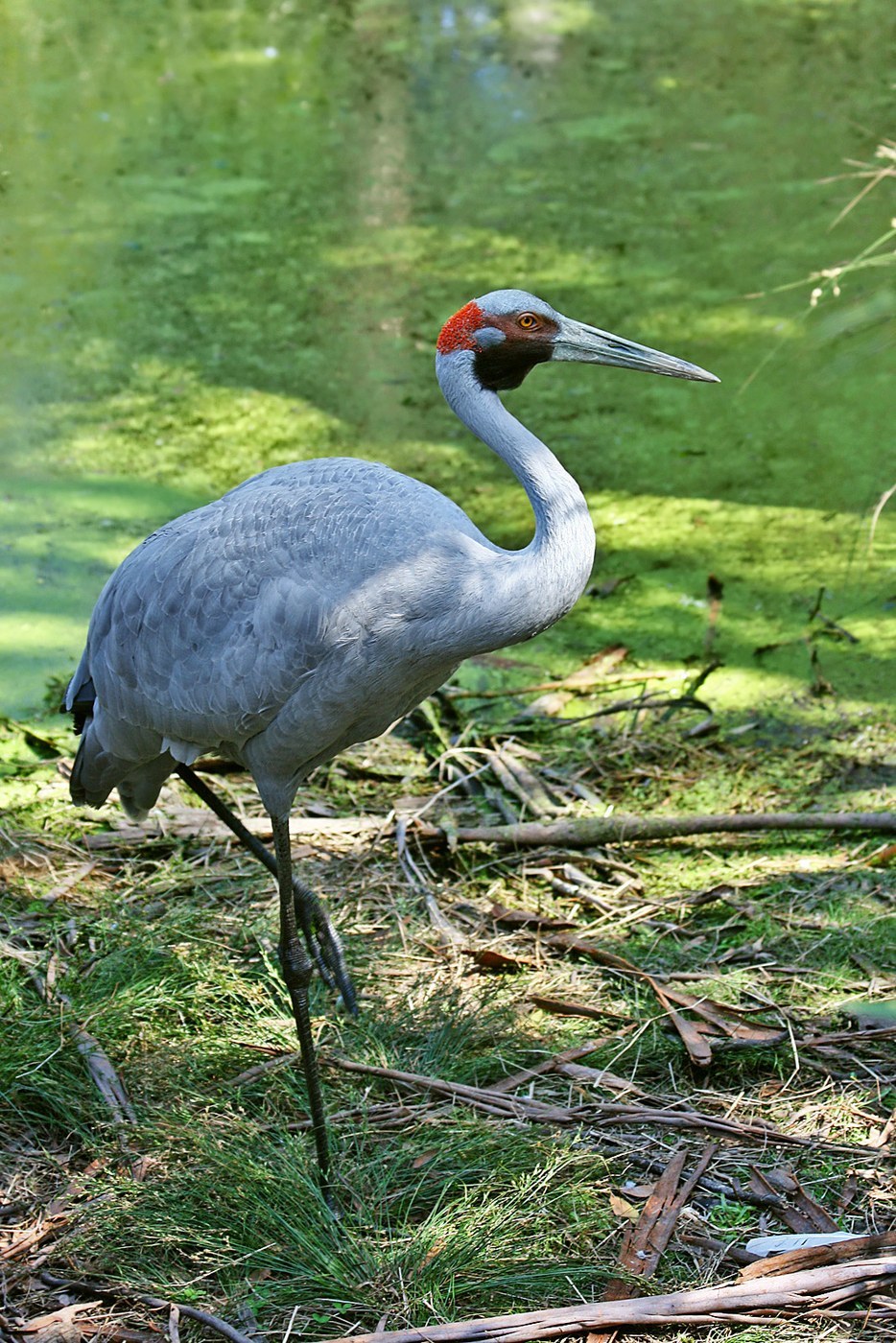
Brolga
Grey contour feathers with drooping bustle plumes
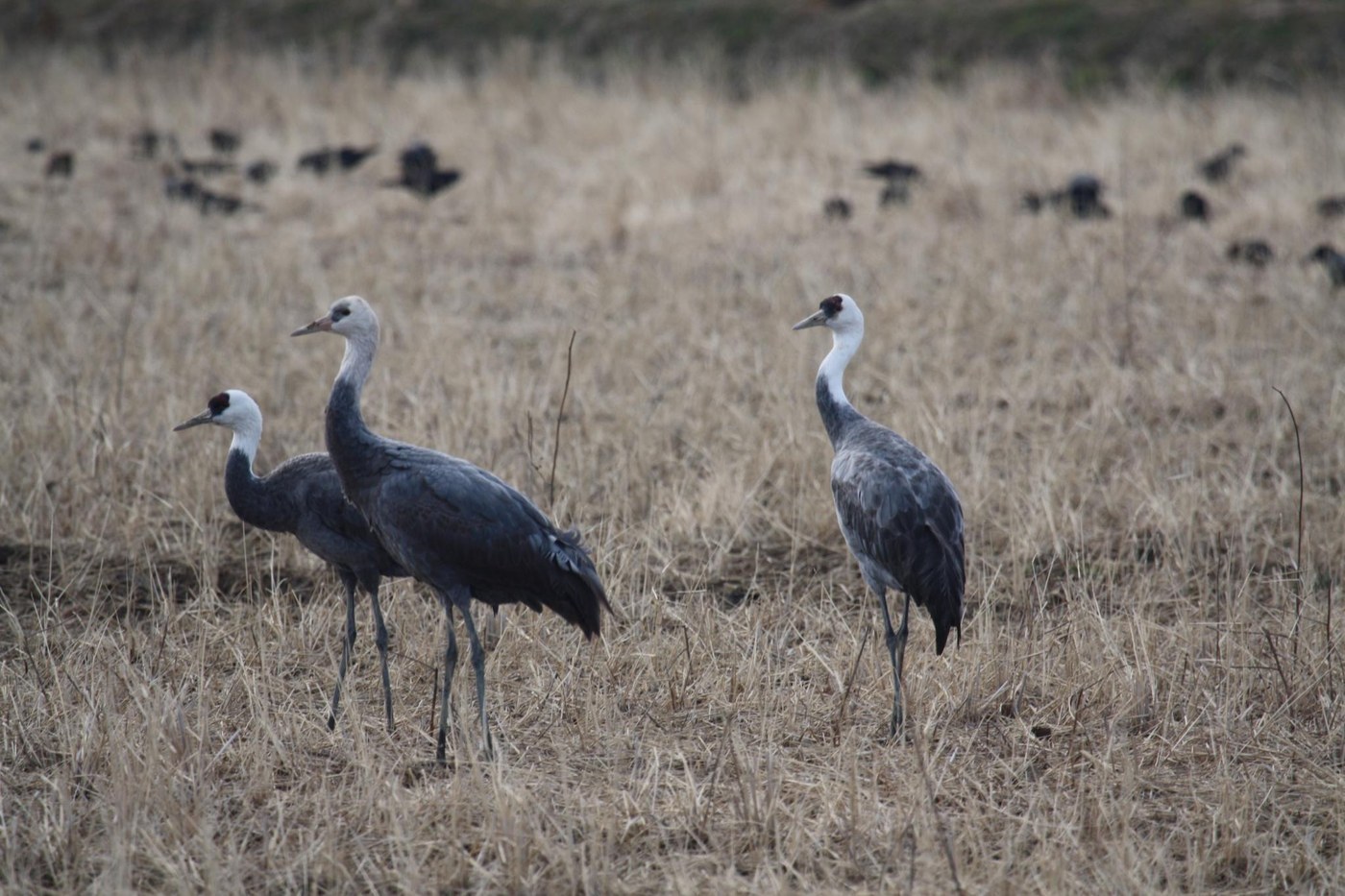
Hooded Crane
Dark slate-grey body feathers with a white head/upper neck 'hood' and black bustle plumes
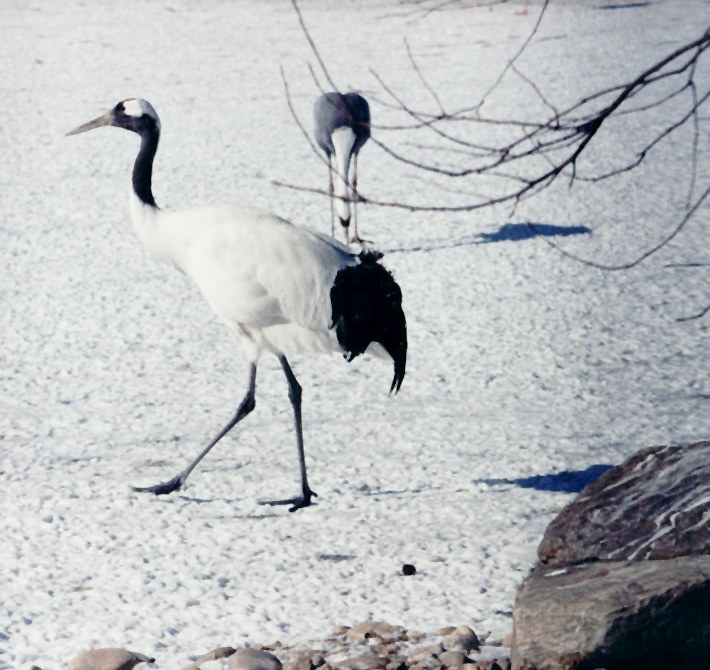
Red-crowned Crane
White contour feathers with black secondary/tertial bustle feathers and a bare red crown

Common Crane
Grey contour feathers with black head/neck feathers and drooping bustle plumes
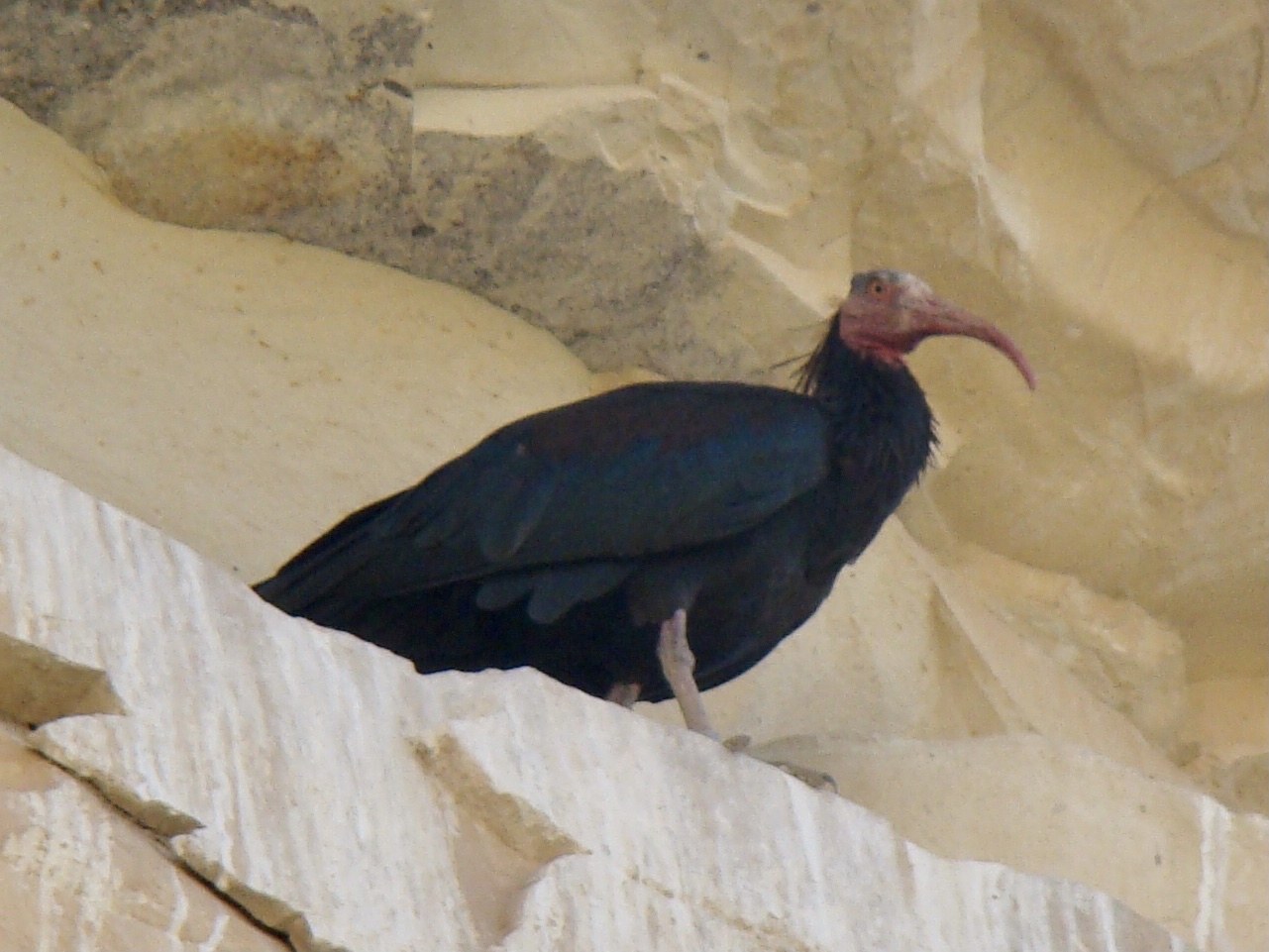
Northern Bald Ibis
Glossy black contour feathers with elongated nape plumes
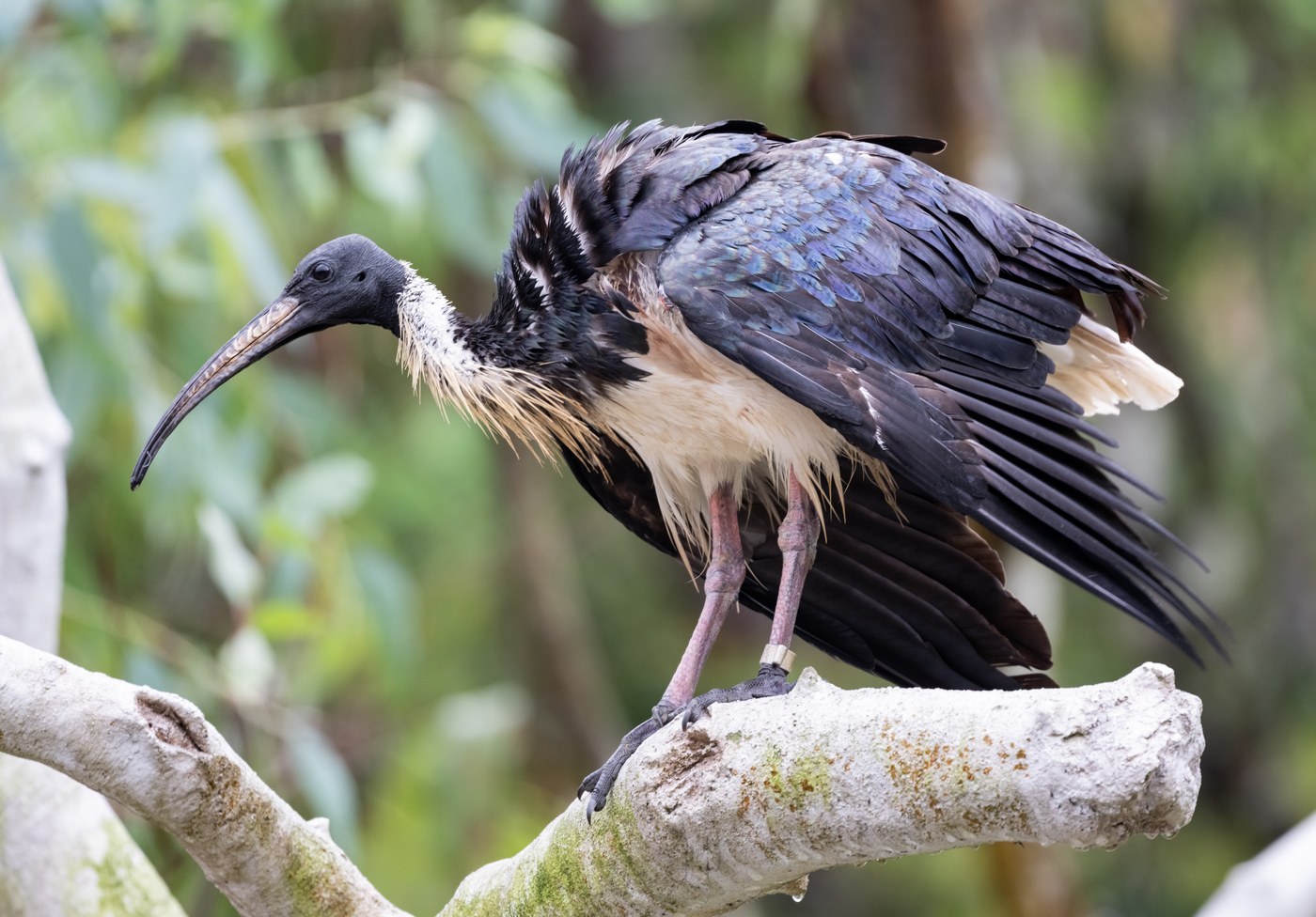
Straw-necked Ibis
Glossy contour feathers with unique straw-like neck plumes
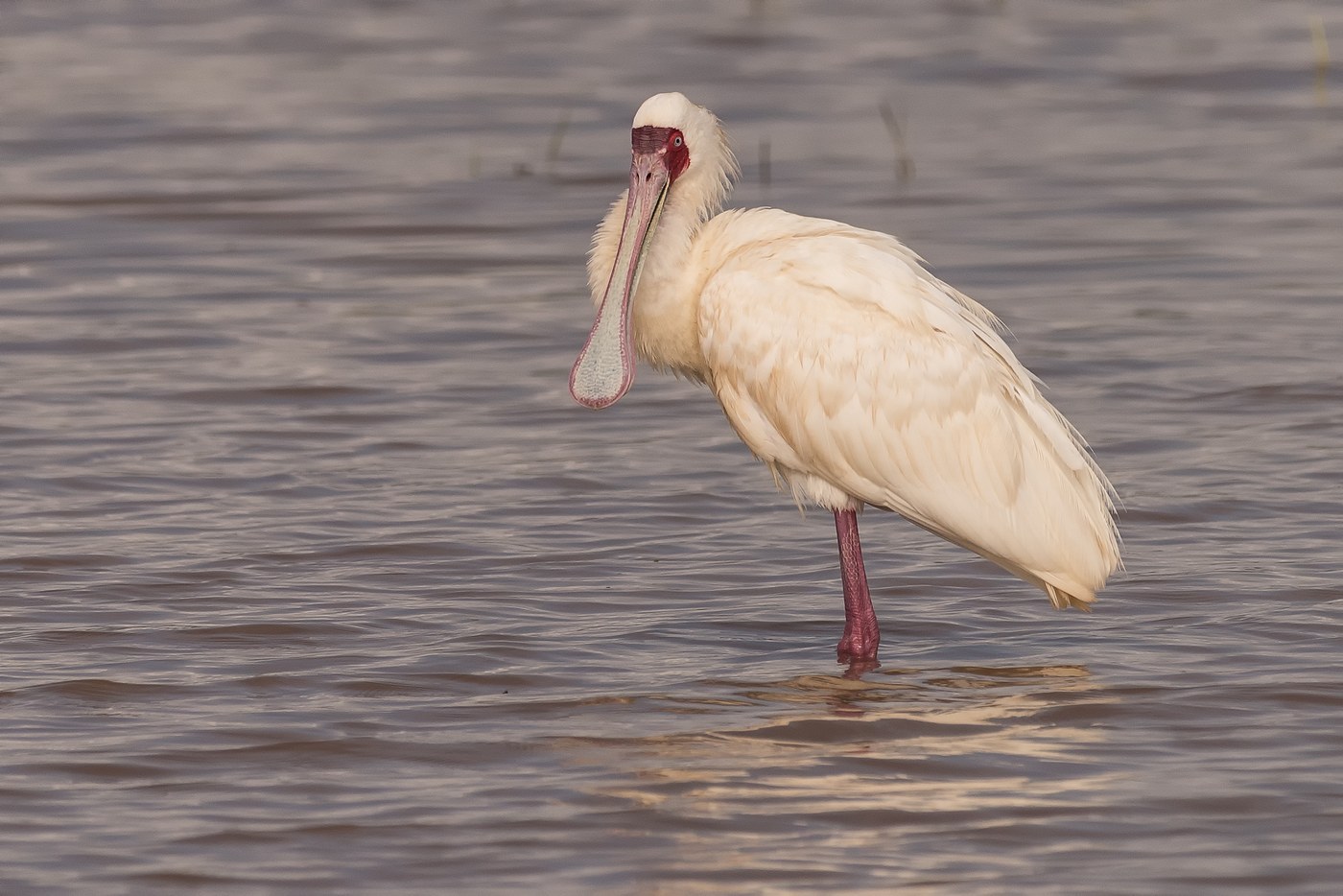
African Spoonbill
White contour and flight feathers, unmarked by black tips

Roseate Spoonbill
Pink and white contour and flight feathers with a carmine shoulder patch