
Takahe
Porphyrio hochstetteri
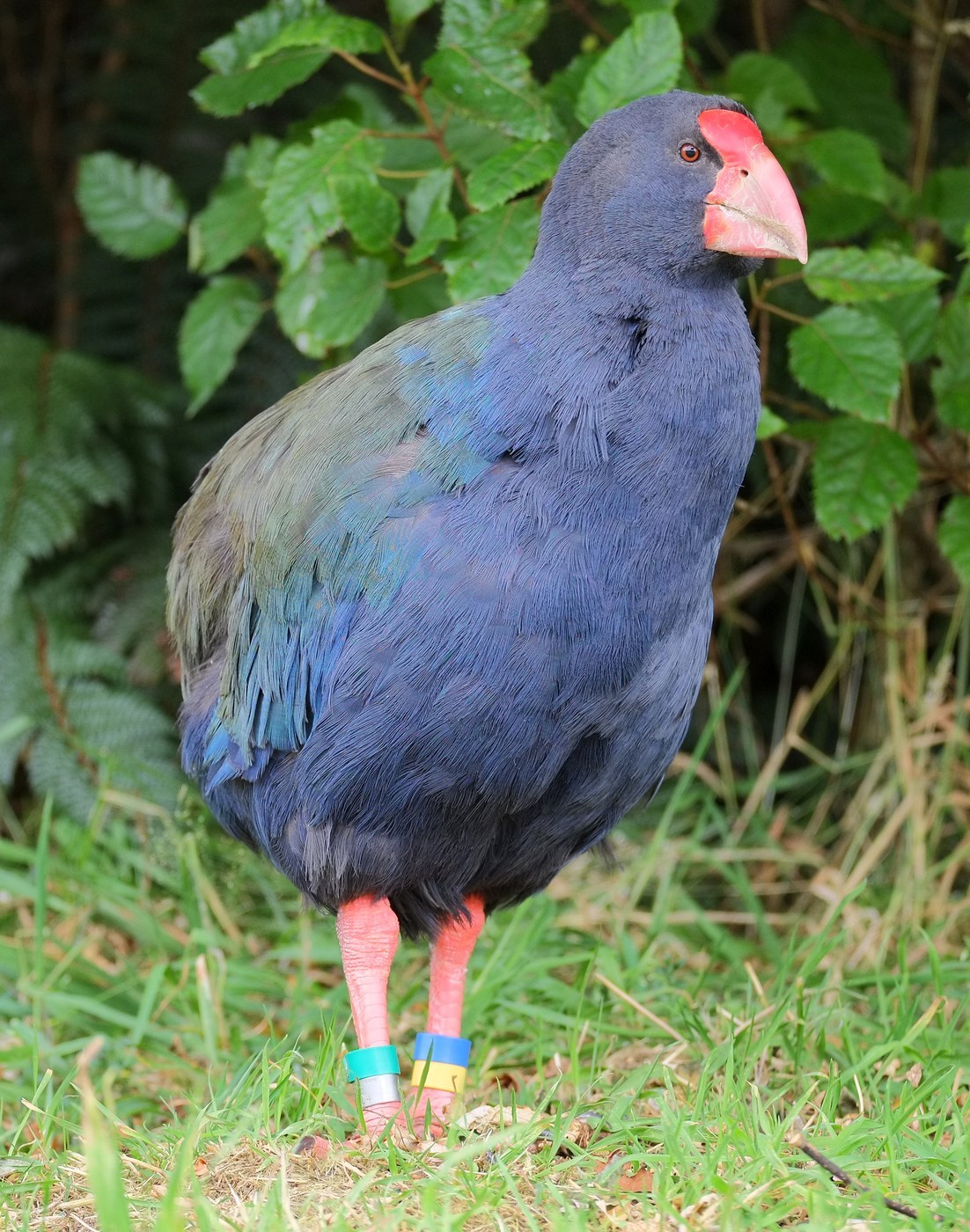
The Takahe is a large, flightless New Zealand rail with deep blue-green plumage and a massive red bill, once thought extinct before being rediscovered in remote alpine country.
- Feather type
- Dense, heavy contour feathers suited to a flightless, ground-dwelling life
- Colours
- Deep blue-green body with a massive red bill and frontal shield
- Bird size
- Large, heavy-bodied rail, ~50-60 cm
Found a feather like this?
Identify any feather from a photo, free.
Overview
Overview
The Takahe is a large, flightless rail endemic to New Zealand, famously believed extinct for around fifty years until a small population was rediscovered in remote alpine grassland in the mid-twentieth century. Intensive conservation management, including captive breeding and predator control, now supports the species across several protected sites.
- Family: Rallidae (rails, crakes, and swamphens)
- Distribution: protected alpine and lowland reserves in New Zealand
- Notable trait: flightless, heavy-bodied build with vestigial wings
Identifying the Feather
Feather Identification
Body plumage is a deep, rich blue on the head and underparts shading to olive-green on the back and wings, with a massive, deep red bill and frontal shield that dominate the face. The legs are thick and red-orange, built for a heavy, ground-bound bird, and the wings are short and rounded, used for balance and display rather than flight. Overall the bird looks like an oversized, heavier-set relative of the Australasian Swamphen.
- Overall tone: deep blue-green body, very heavy build
- Key mark: oversized red bill and frontal shield, larger than in any similar rail
- Compare with: Australasian Swamphen/Pukeko (smaller, slimmer bill, capable of flight)
Plumage & Molt
Plumage
Sexes look similar, with males typically slightly larger and heavier. Juveniles are duller and browner, developing the full deep blue-green adult plumage and bright bill colour with maturity. There is no strong seasonal plumage variation.
Habitat & Range
Habitat & Range
Historically found more widely, the Takahe now survives mainly in a remnant alpine grassland population plus a number of translocated populations on predator-free islands and fenced or otherwise protected reserves across New Zealand. It does not migrate, remaining within a defended territory year-round.
Behavior & Field Notes
Behavior & Field Notes
Takahe feed mainly on the bases and shoots of tussock grasses and other plant material, using their large bill to strip and process tough vegetation. Being flightless, they rely entirely on walking and are vulnerable to introduced predators, making current populations dependent on active conservation management. Calls include deep, resonant booming and softer contact notes. Nests are built on the ground in dense tussock or vegetation.
- Diet: mainly grasses and other plant material
- Voice: deep, resonant booming calls along with softer notes
- Field note: entirely flightless, with short wings used mainly for balance and territorial display rather than flight
Frequently asked questions
Was the Takahe really thought to be extinct?
Yes, it was presumed extinct for around fifty years until a small population was rediscovered in remote alpine grassland in the mid-twentieth century.
Can the Takahe fly?
No, it is flightless, with short wings used mainly for balance and display rather than powered flight.
How does it differ from the Pukeko/Swamphen?
The Takahe is considerably larger and heavier, flightless, and has a proportionally larger red bill and shield.
What does the Takahe eat?
Mainly tussock grass shoots and bases, along with other plant material, processed with its large, strong bill.
Takahe guides
In-depth guides for identifying and understanding Takahe.
Other feathers you may enjoy

Yellow-billed Spoonbill
White contour and flight feathers with fine breeding plumes on the back and breast
Grey Crowned Crane
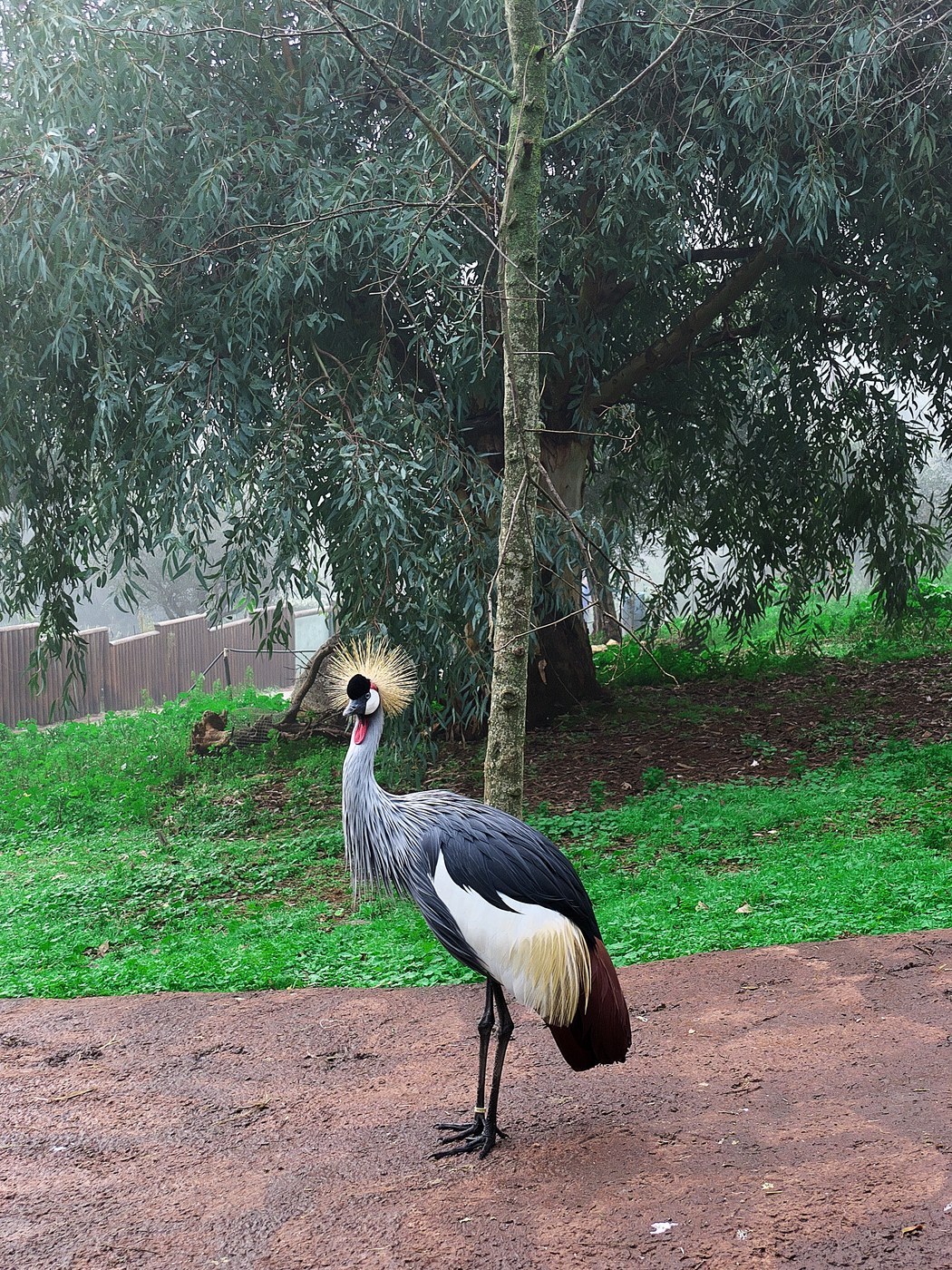
Grey body feathers with white wing coverts, chestnut flight feathers, and stiff golden crown bristles
Limpkin
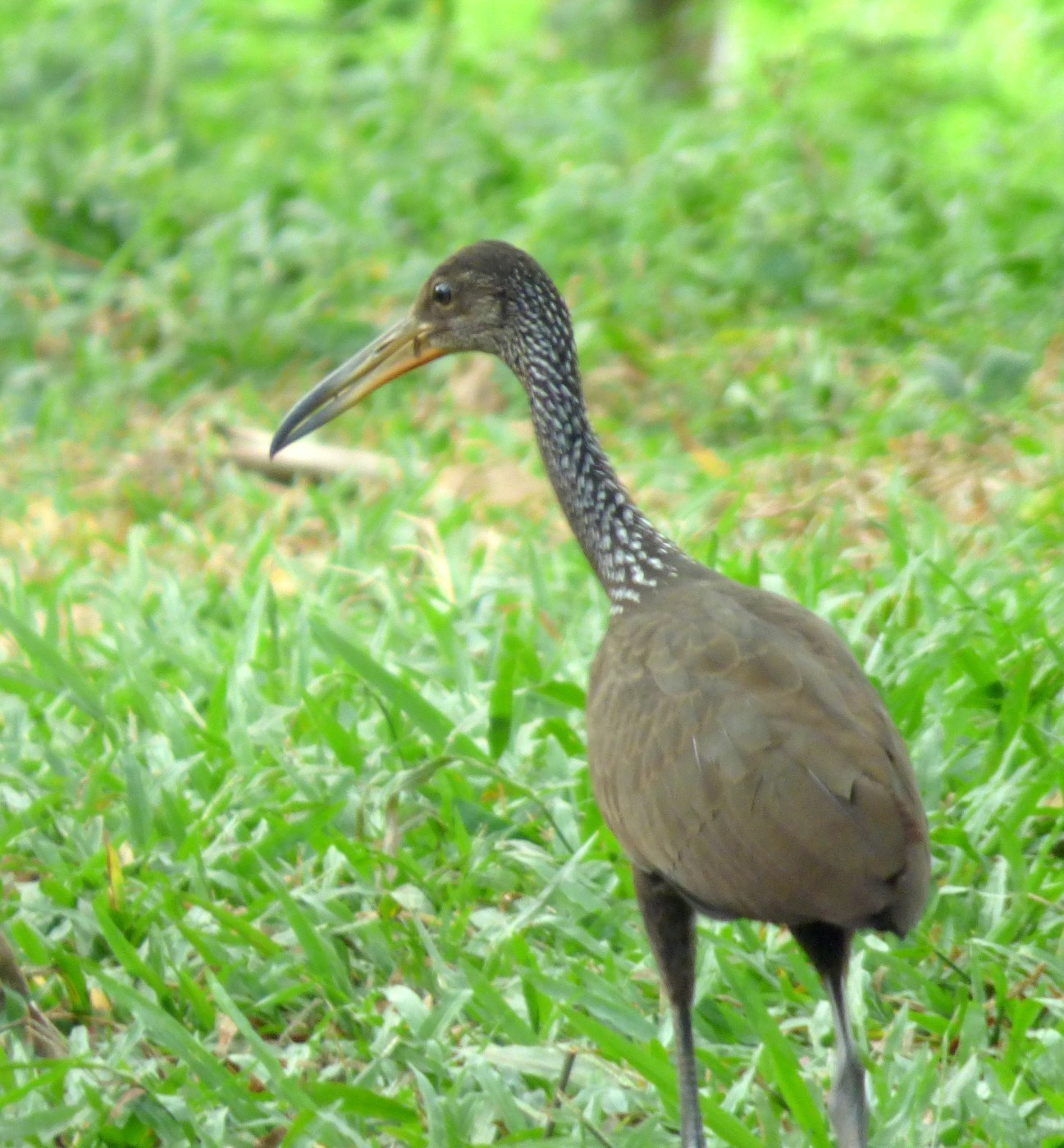
Brown contour feathers with white teardrop-shaped spots and streaks
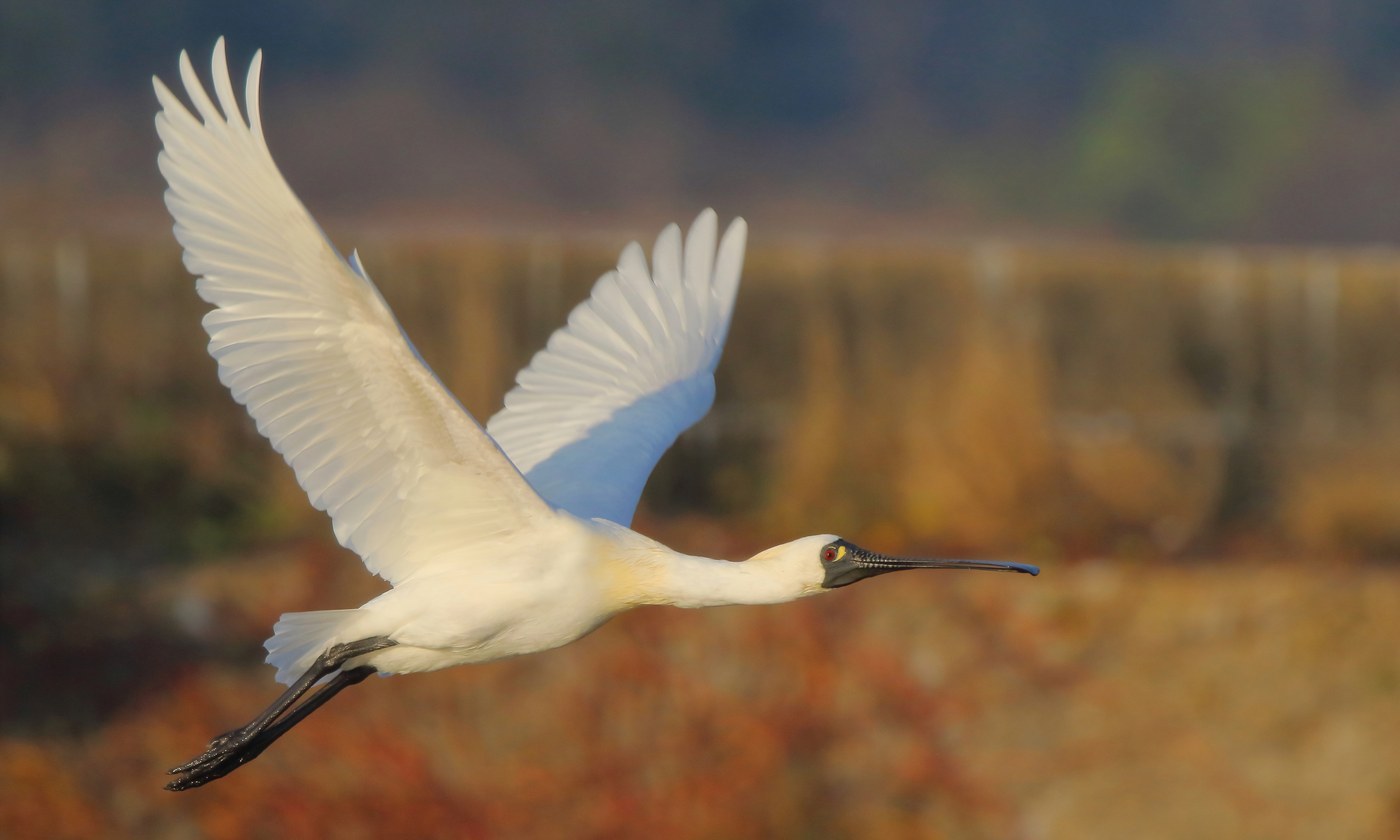
Black-faced Spoonbill
White contour and flight feathers with fine breeding crest and breast plumes
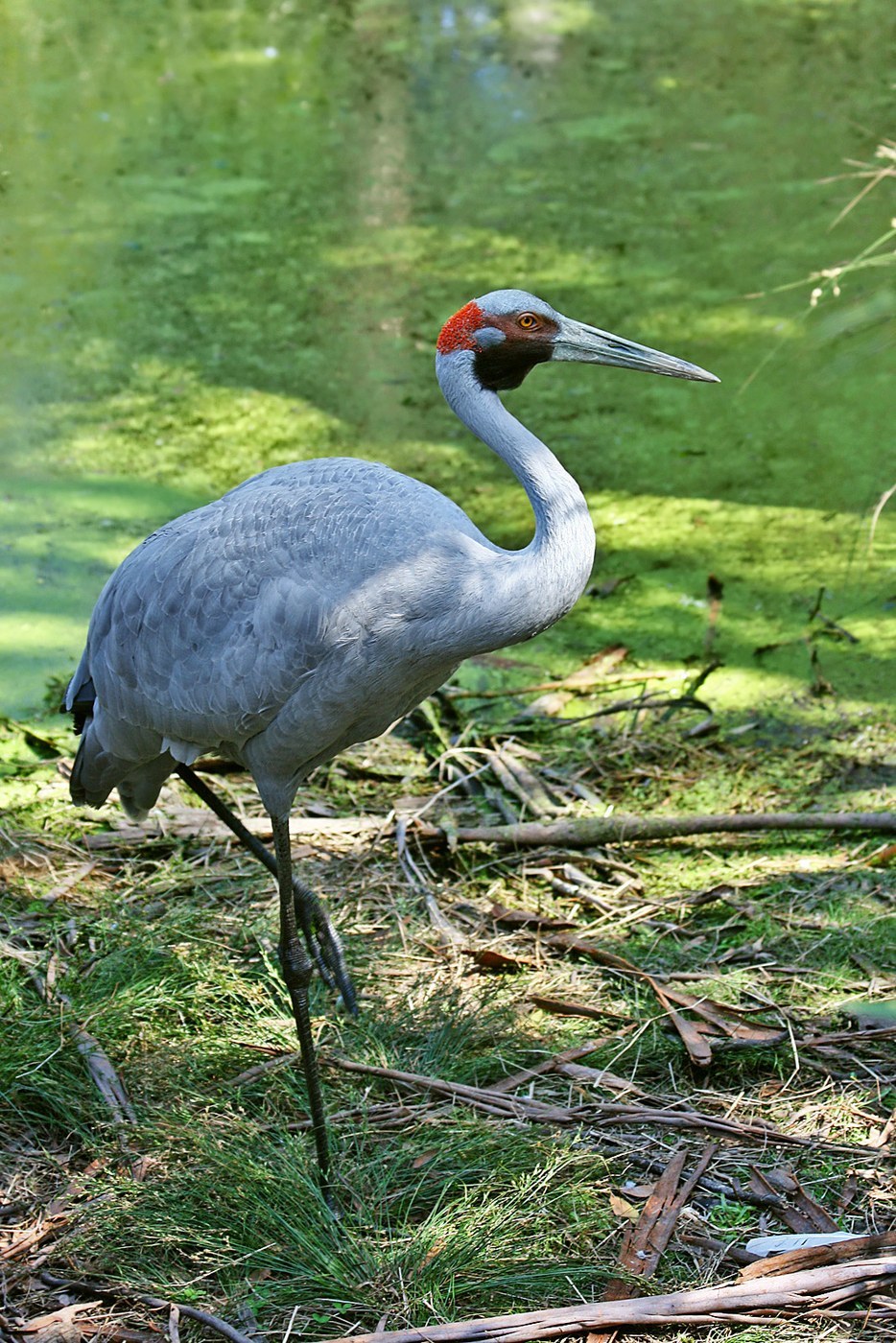
Brolga
Grey contour feathers with drooping bustle plumes
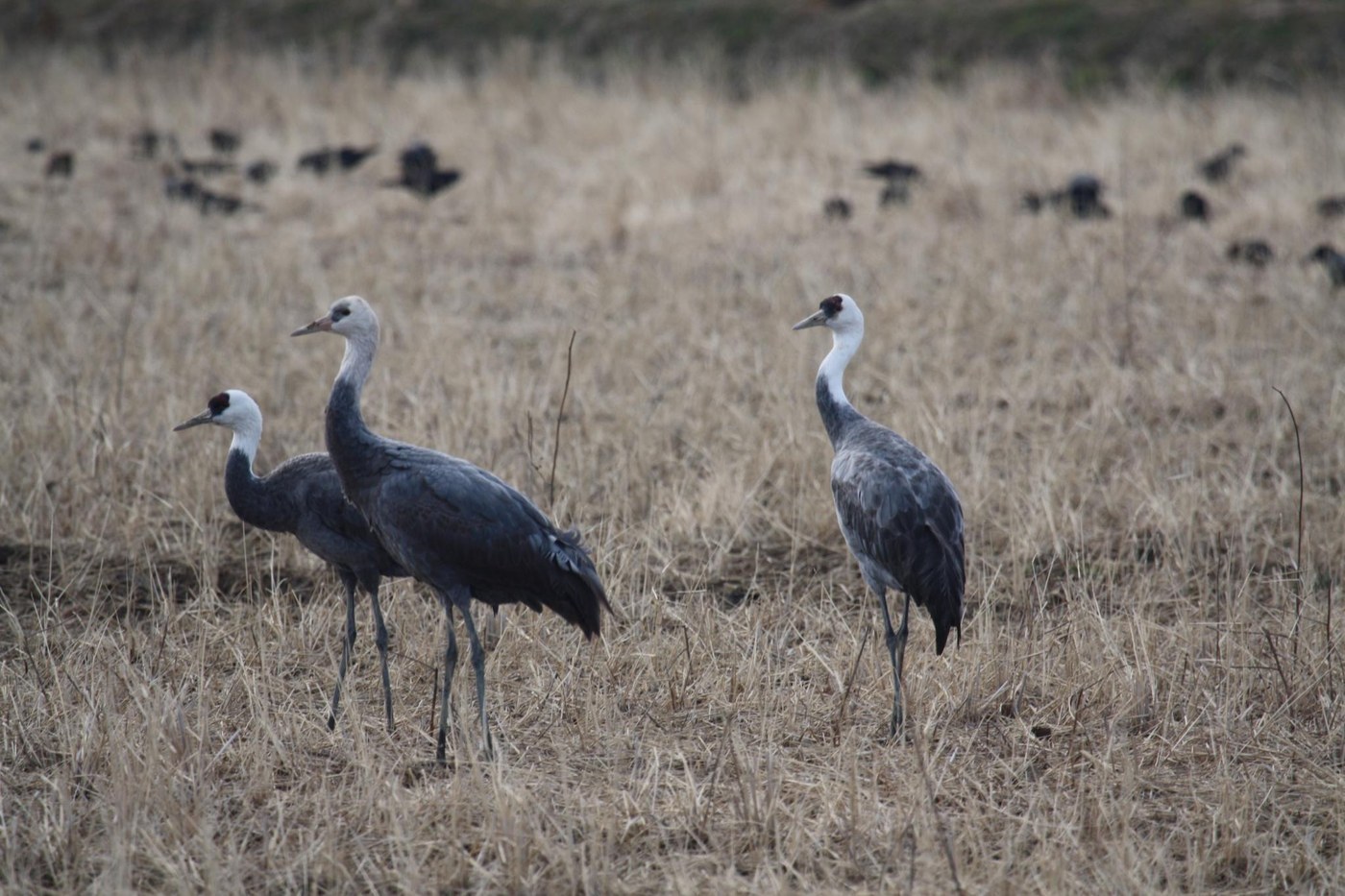
Hooded Crane
Dark slate-grey body feathers with a white head/upper neck 'hood' and black bustle plumes
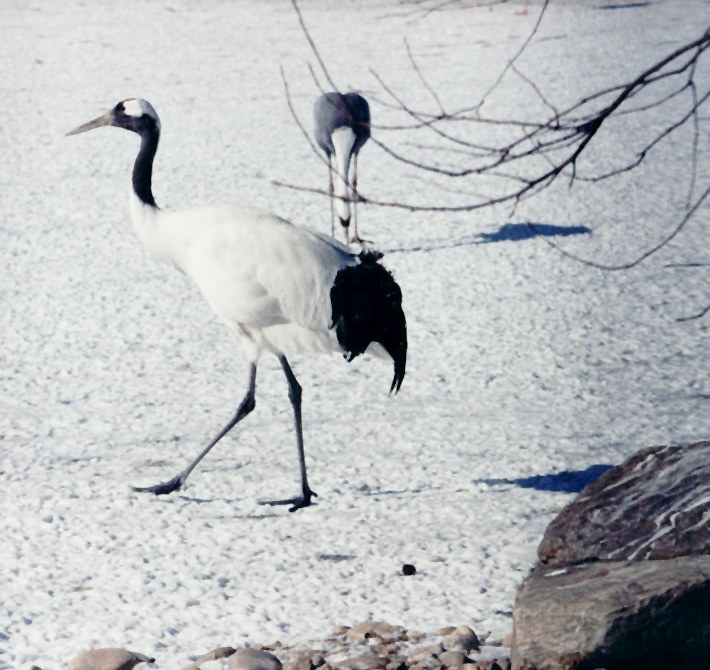
Red-crowned Crane
White contour feathers with black secondary/tertial bustle feathers and a bare red crown

Common Crane
Grey contour feathers with black head/neck feathers and drooping bustle plumes
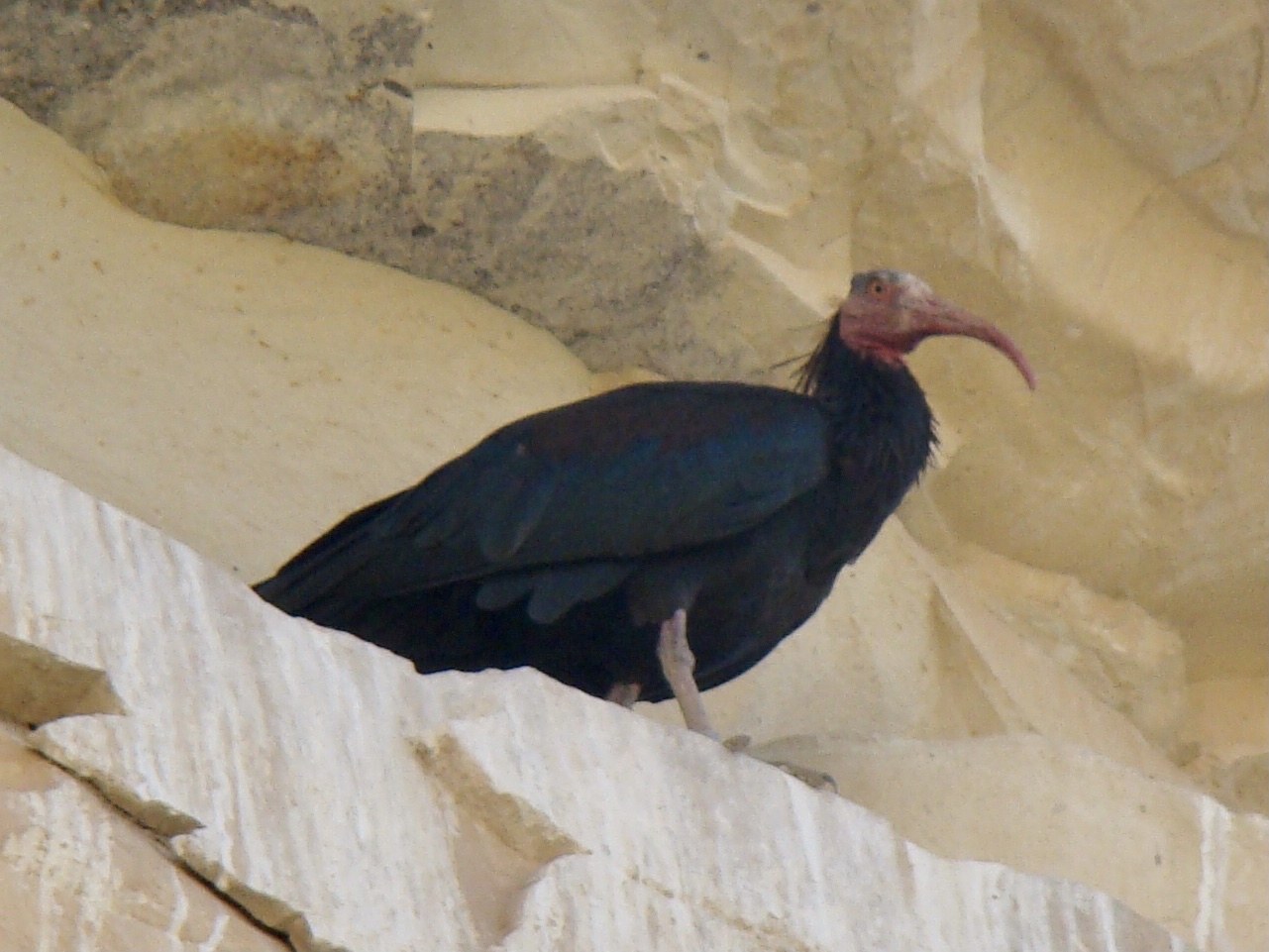
Northern Bald Ibis
Glossy black contour feathers with elongated nape plumes
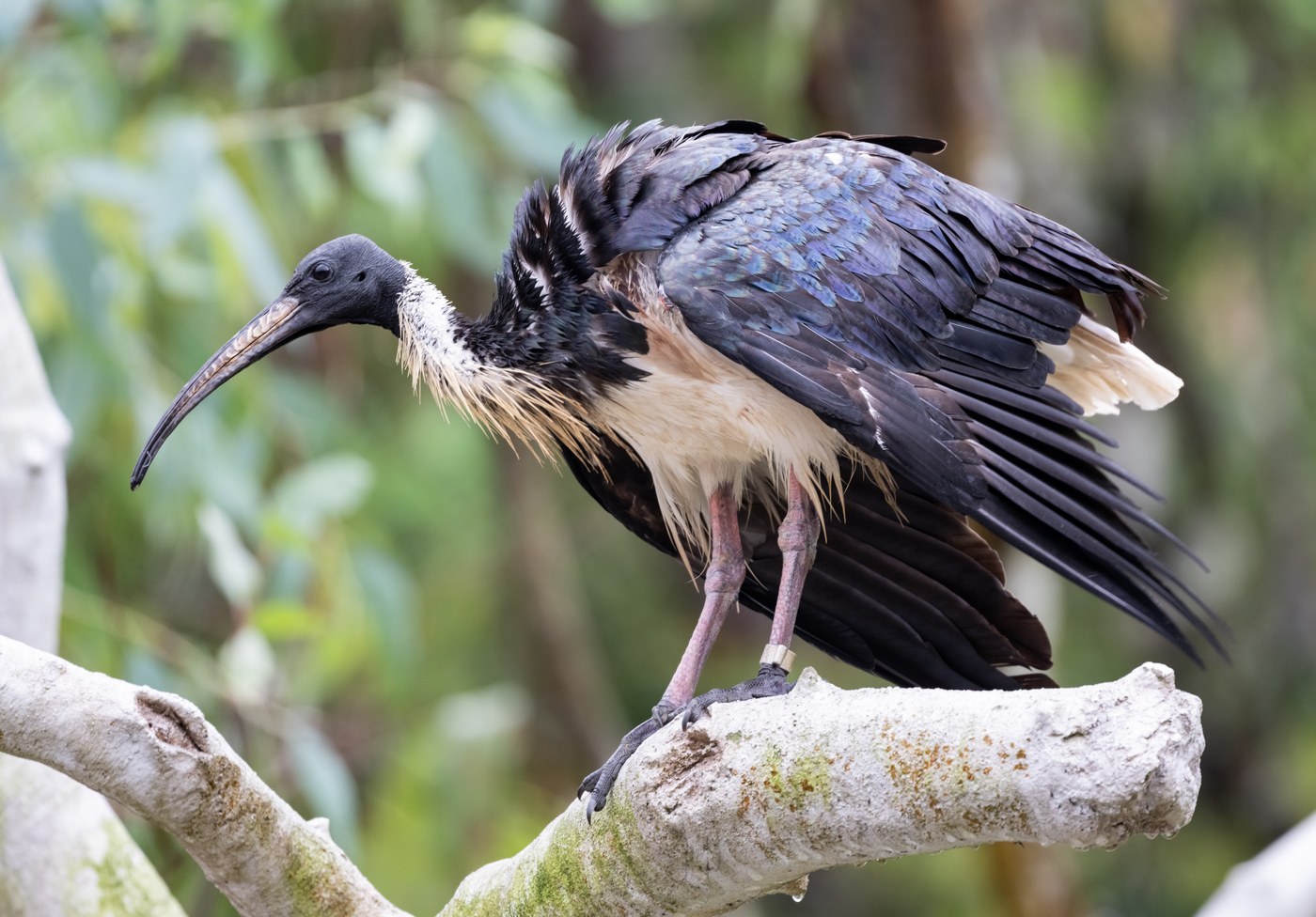
Straw-necked Ibis
Glossy contour feathers with unique straw-like neck plumes
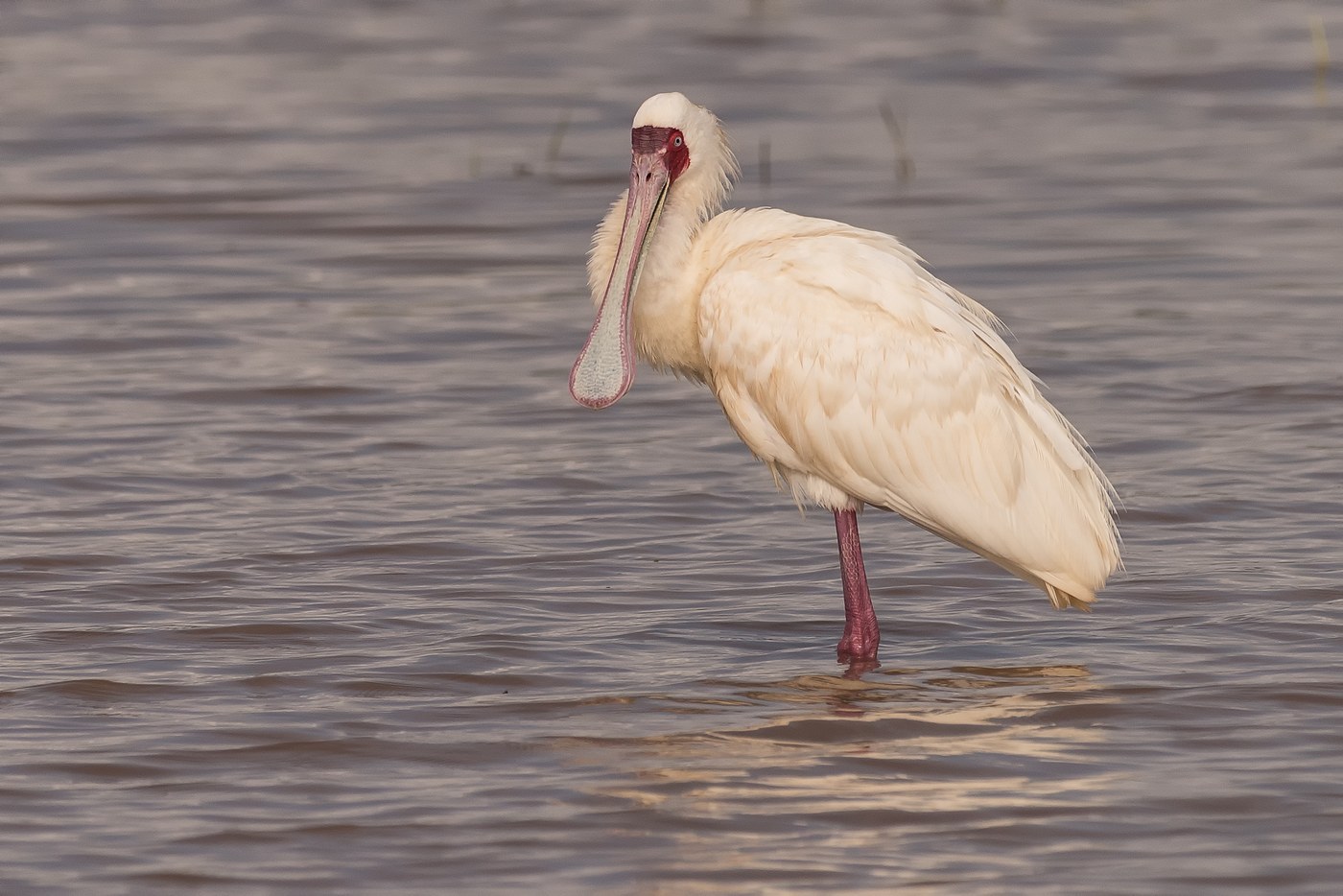
African Spoonbill
White contour and flight feathers, unmarked by black tips

Roseate Spoonbill
Pink and white contour and flight feathers with a carmine shoulder patch