
Feather & Bird Encyclopedia
Search and identify feathers by species — with feather type, plumage, colours, size, habitat, and how to tell them apart in the field.
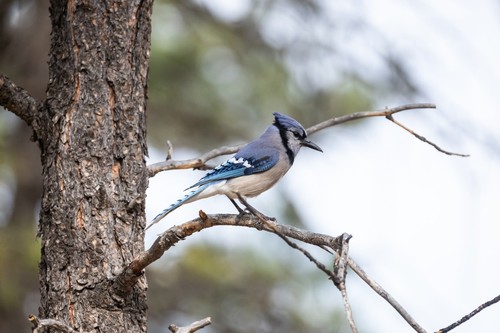

Blue Jay
The Blue Jay is a large, vocal corvid whose bold blue, black-barred, white-tipped wing and tail feathers are among the most instantly recognizable of any North American songbird.
corvid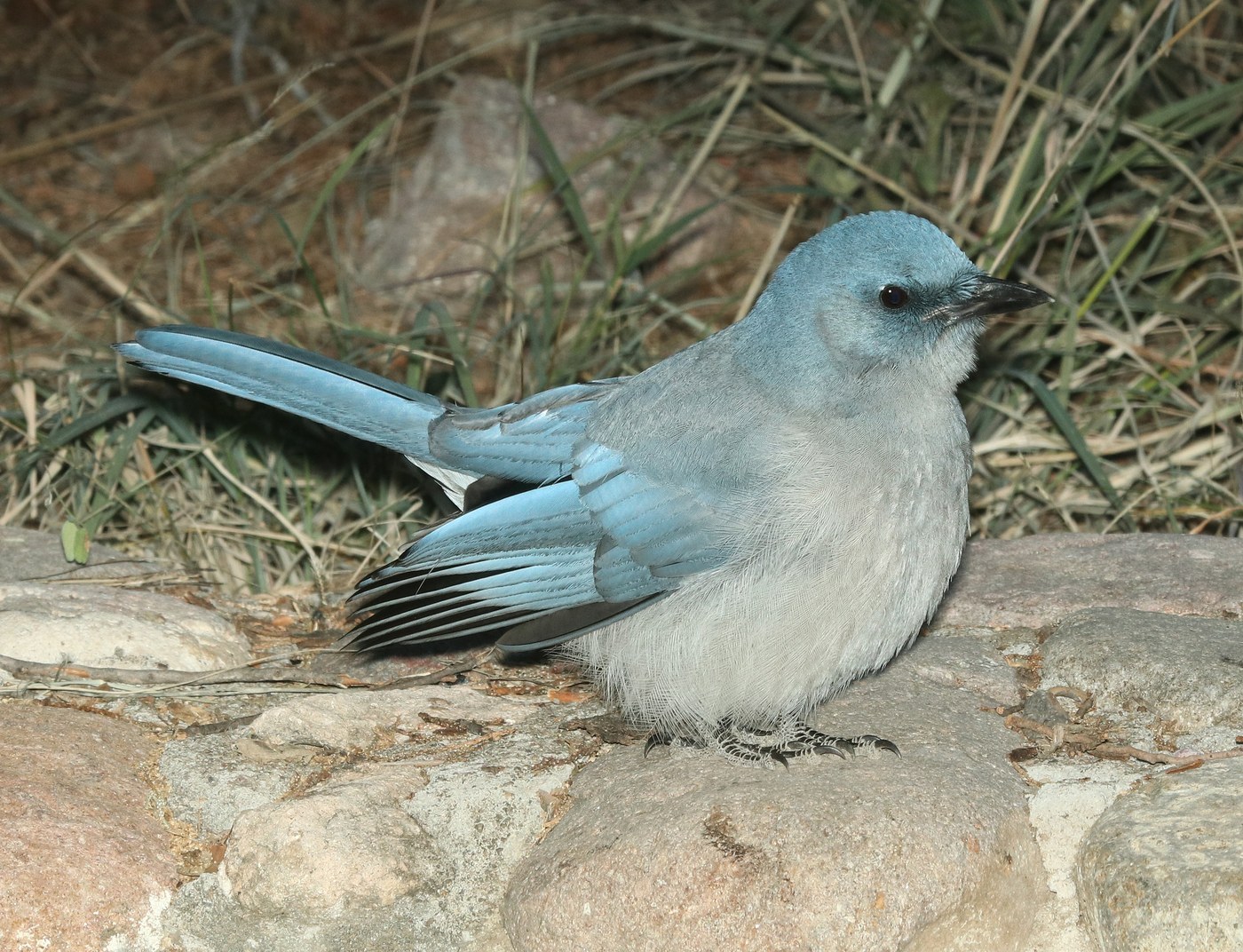
Mexican Jay
A blue-and-grey jay of oak and pine-oak canyons in the southwestern US and Mexico, distinguished from similar scrub-jays by its plain grey underparts without a breast band.
corvid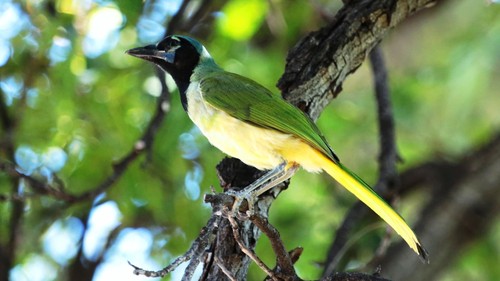

Green Jay
A vividly patterned jay with a green back, blue-and-black head, and bright yellow outer tail feathers, found in two widely separated populations across the Americas.
corvid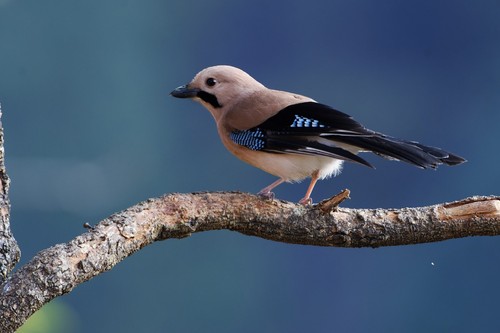

Eurasian Jay
A shy woodland corvid best known for its brilliant sky-blue, black-barred wing covert feathers — among the most eye-catching and easily recognized feathers found in temperate woodland.
corvid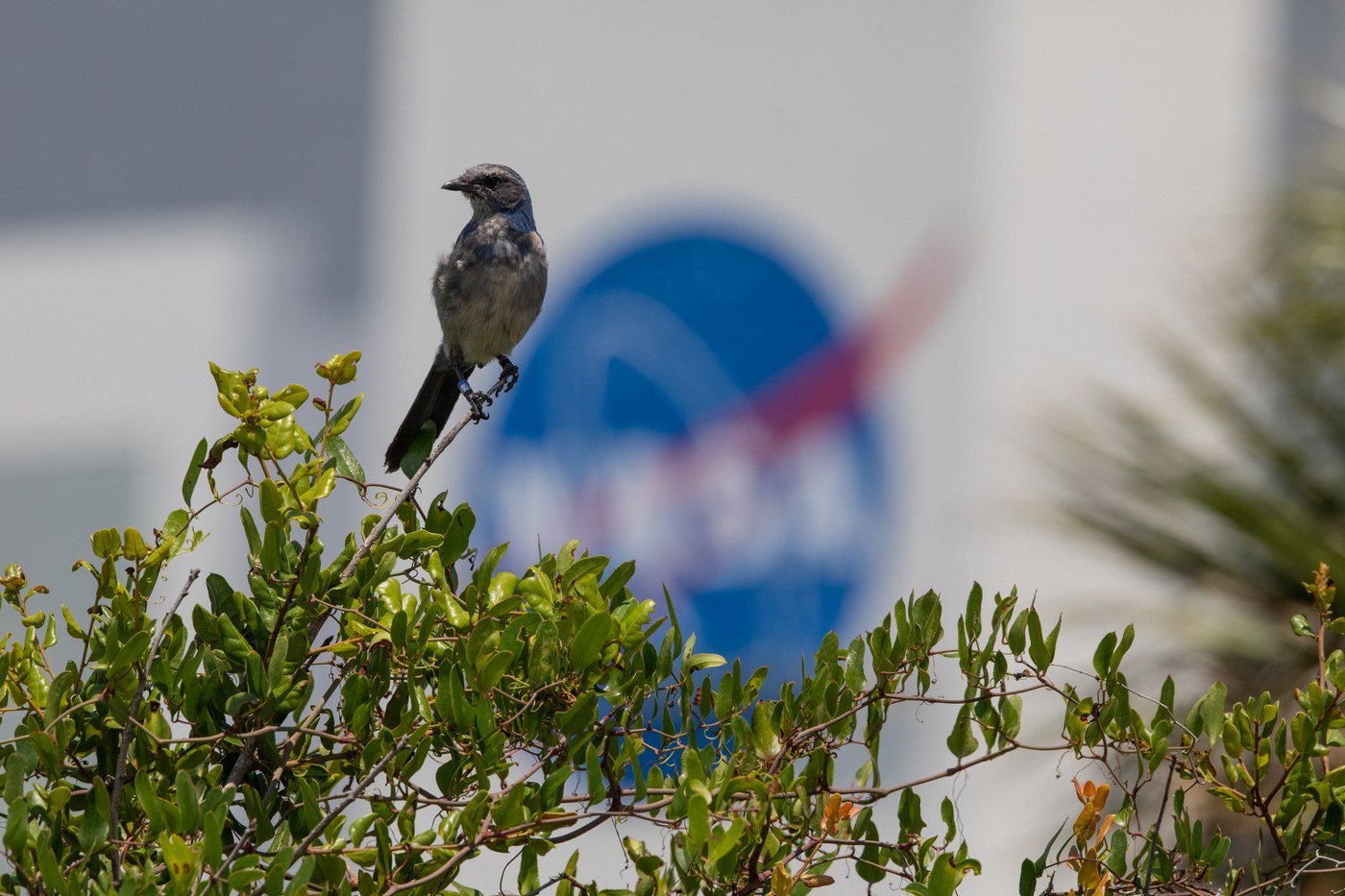
Florida Scrub-Jay
A blue-and-grey jay found only in Florida's fire-maintained scrub oak habitat, lacking a crest and closely tied to a single, shrinking ecosystem.
corvid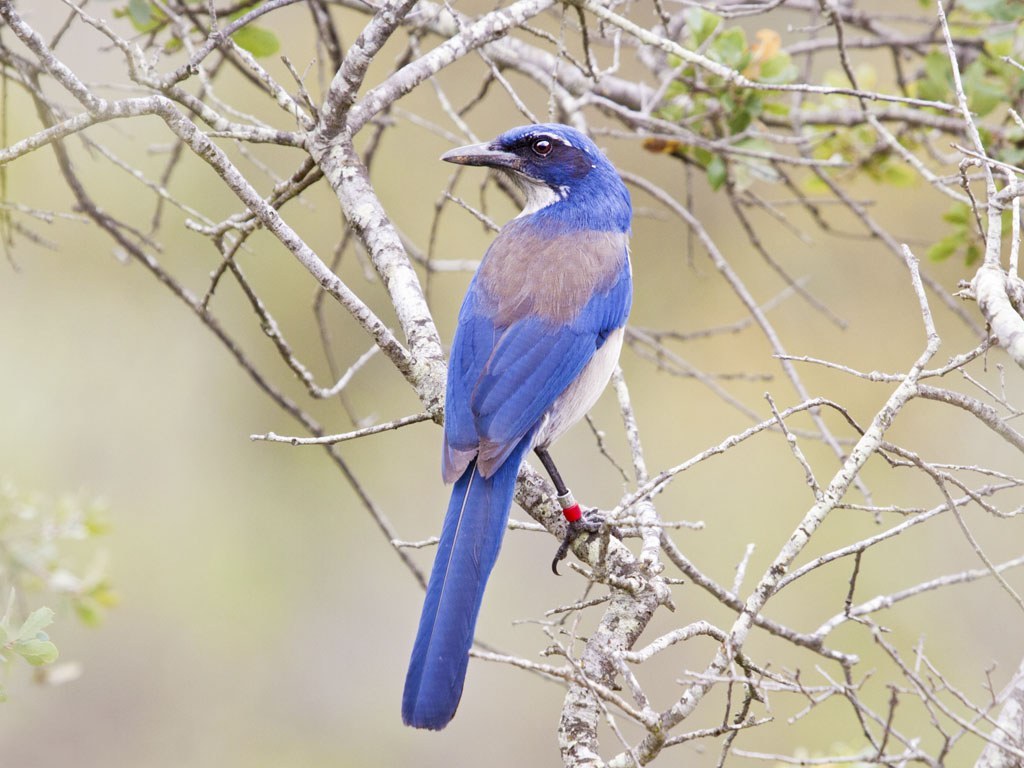
Western Scrub-Jay
A crestless blue-and-gray jay of western oak woodland and scrubby habitat, easily told from crested jays by its plain head and blue "necklace" across the breast.
corvid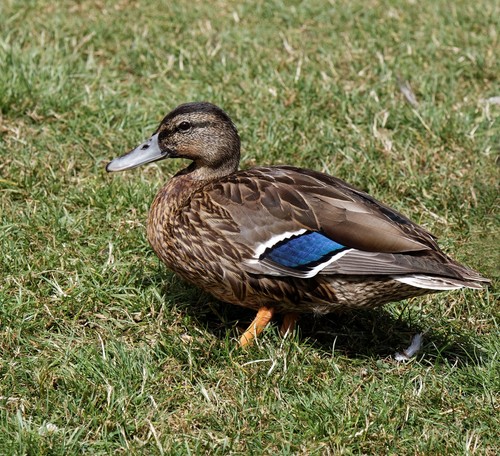

Mallard
The world's most familiar duck, identifiable from almost any single wing feather by its glossy blue speculum bordered in white, shared by both sexes.
waterfowl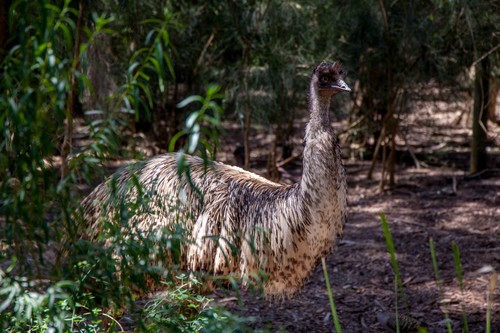

Emu
Australia's largest bird, the Emu has loose, hair-like feathers that grow in pairs from a single shaft, giving its plumage a shaggy, fur-like texture unlike any flying bird.
other
Northern Cassowary
A very large, flightless rainforest bird of New Guinea, covered in coarse, hair-like black plumage that contrasts with vividly colored blue-and-red bare skin on the head and neck. A single throat wattle and a tall bony casque distinguish it from its relatives.
other