
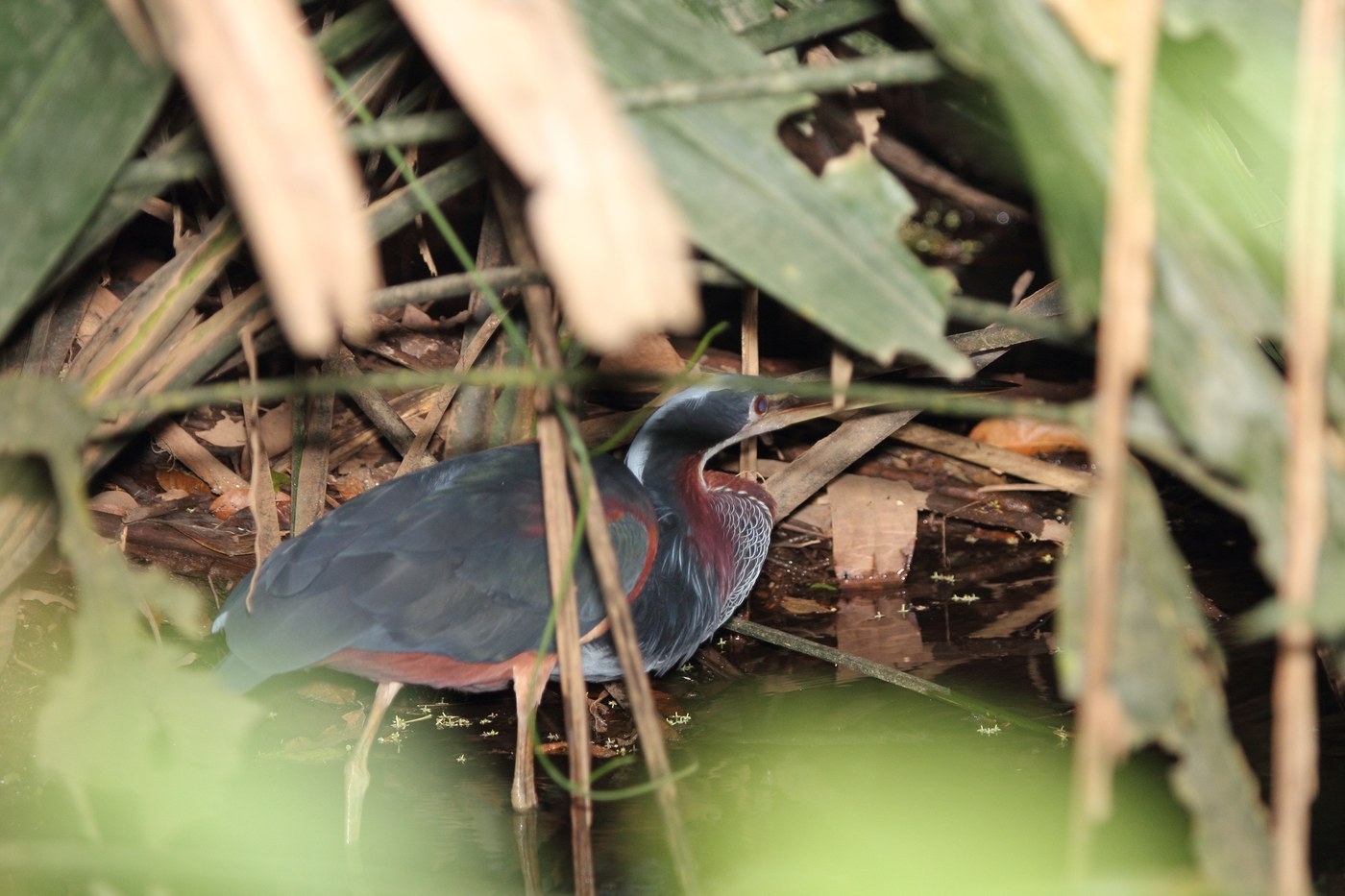
Agami Heron
Agamia agami
A slender, secretive forest heron with a strikingly long neck and bill, dark green back, chestnut underparts, and long, delicate breeding plumes.
- Feather type
- Very long, narrow lanceolate back plumes in breeding condition; slender neck and body feathers
- Colours
- Dark green back, chestnut neck and breast, with elongated grey-blue and white breeding plumes
- Bird size
- Large but very slender heron, ~66-76 cm
Found a feather like this?
Identify any feather from a photo, free.
Overview
The Agami Heron is one of the most elegant and least often seen herons of the American tropics, distinguished by an exceptionally long, thin neck and bill relative to its body, giving it a strikingly attenuated silhouette. Its plumage combines a dark, glossy green back with rich chestnut neck and underparts, a color scheme unlike most other herons in its range.
It inhabits shaded, often narrow forest streams, swamp forest, and mangrove creeks, relying on dense cover and a still, patient hunting style rather than open-water foraging. In breeding condition it grows remarkably long, fine lanceolate plumes on the back and lower neck, among the most elaborate ornamental feathers of any heron.
Because of its secretive habits and reliance on shaded forest waterways, feathers are an uncommon find, but the combination of dark green upperpart feathers, chestnut neck feathers, and unusually long, narrow ornamental plumes is highly distinctive when encountered.
Identifying the Feather
Shape and Size
Body feathers are notably slender and elongated, matching the bird's long, thin neck profile. In breeding plumage, lanceolate plumes on the back and lower neck can be dramatically elongated and narrow, unlike the shorter aigrettes of most other herons.
Color and Pattern
- Back and wing covert feathers are a dark, glossy green to blackish-green.
- Neck and breast feathers are rich chestnut, extending down from the throat.
- Breeding plumes are elongated, narrow, and pale grey-blue to whitish, trailing well beyond the surrounding feathers.
- Underparts show duller buff-brown feathers, less richly colored than the chestnut foreneck.
Shaft and Vane
Shafts are dark on the green back feathers and paler on the chestnut neck feathers. The elongated breeding plumes have very fine, flexible shafts, giving them a wispy, trailing quality distinct from ordinary contour feathers.
Distinguishing from Similar Species
The combination of dark green back feathers with chestnut neck feathers is not shared by other Neotropical herons; the exceptionally long, narrow breeding plumes are also more elongated and finer than the aigrettes of egrets, making this species readily distinguishable when ornamental feathers are present.
Plumage & Molt
Adults show a dark, glossy green back, chestnut neck and upper breast, and duller buff-brown underparts, with long, narrow lanceolate plumes developing on the back and lower neck during the breeding season. Sexes look alike. Juveniles are duller overall, with a browner back lacking the glossy green sheen and without the elongated ornamental plumes, taking a few years to reach full adult plumage. Molt of the elaborate breeding plumes occurs after the nesting season concludes.
Habitat & Range
The Agami Heron ranges from southern Mexico through Central America into northern and central South America, inhabiting shaded forest streams, swamp forest, mangrove creeks, and other densely vegetated wetland habitats. It is generally resident, though some populations may shift locally with seasonal water levels.
Behavior & Field Notes
This heron forages patiently in shallow, shaded water, often standing motionless with its neck coiled before striking rapidly at fish and other small aquatic prey using its unusually long neck and bill. It is solitary and secretive, rarely venturing into open habitat. Its voice is generally quiet, with low guttural notes given occasionally near nesting colonies. Nests are built in dense vegetation, often in mixed colonies with other herons in swamp forest. For feather finders, a slender dark green or chestnut feather, especially one of the elongated ornamental plumes, found near a shaded tropical forest stream is a strong indicator of this species.
Frequently asked questions
What makes the Agami Heron's shape so distinctive?
It has an exceptionally long, thin neck and bill relative to its body, giving it one of the most attenuated silhouettes of any heron.
How can I recognize this species' breeding plumes?
Look for unusually long, narrow, pale grey-blue lanceolate plumes on the back and lower neck, finer and more elongated than the aigrettes of egrets.
Where does the Agami Heron live?
In shaded forest streams, swamp forest, and mangrove creeks from southern Mexico through Central America into northern and central South America.
Why are Agami Heron feathers rarely found?
The species is secretive and confined to shaded forest waterways, so it is infrequently observed and its feathers are correspondingly uncommon finds.
Agami Heron guides
In-depth guides for identifying and understanding Agami Heron.
Other feathers you may enjoy

Yellow-billed Spoonbill
White contour and flight feathers with fine breeding plumes on the back and breast
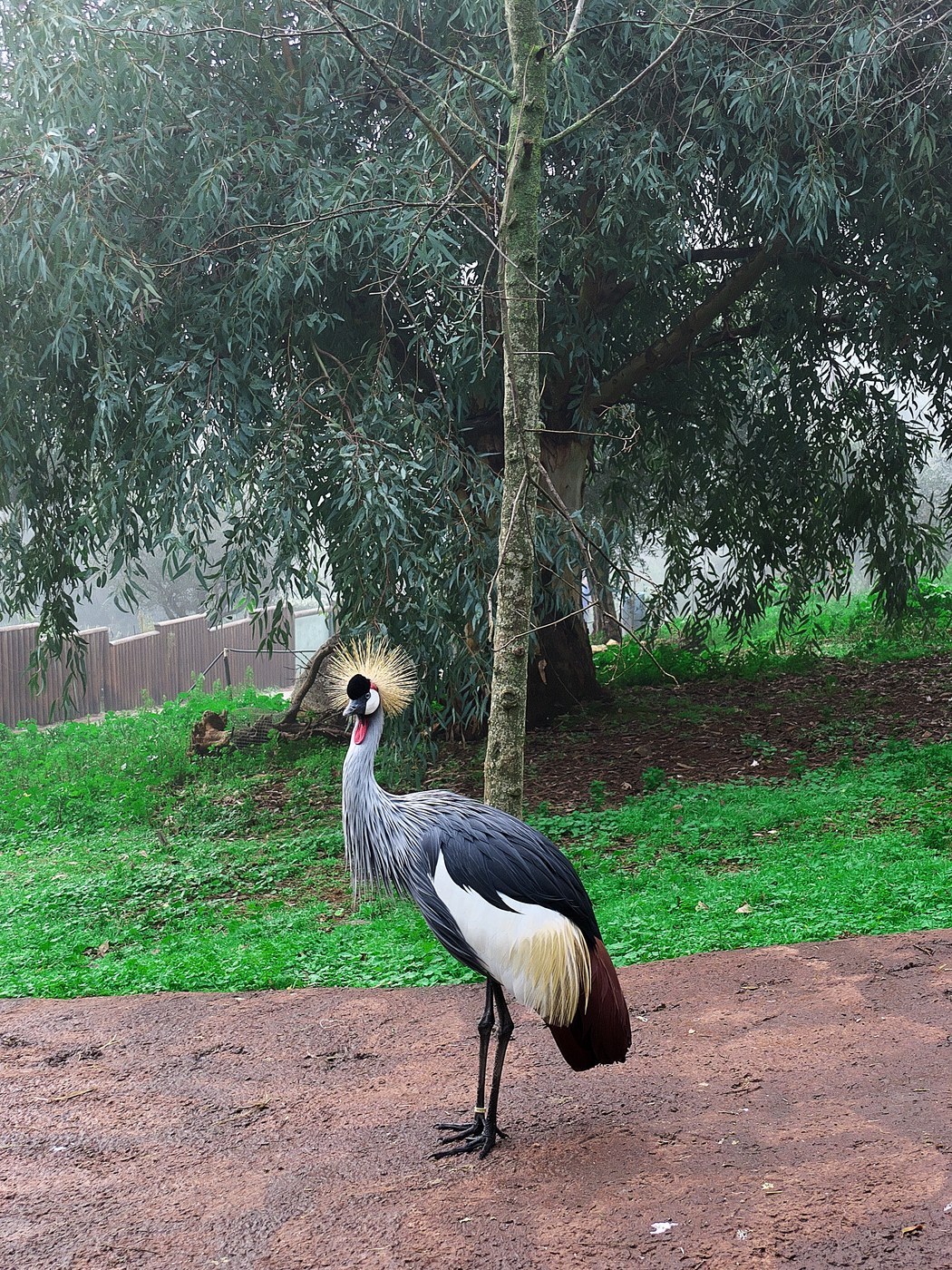
Grey Crowned Crane
Grey body feathers with white wing coverts, chestnut flight feathers, and stiff golden crown bristles
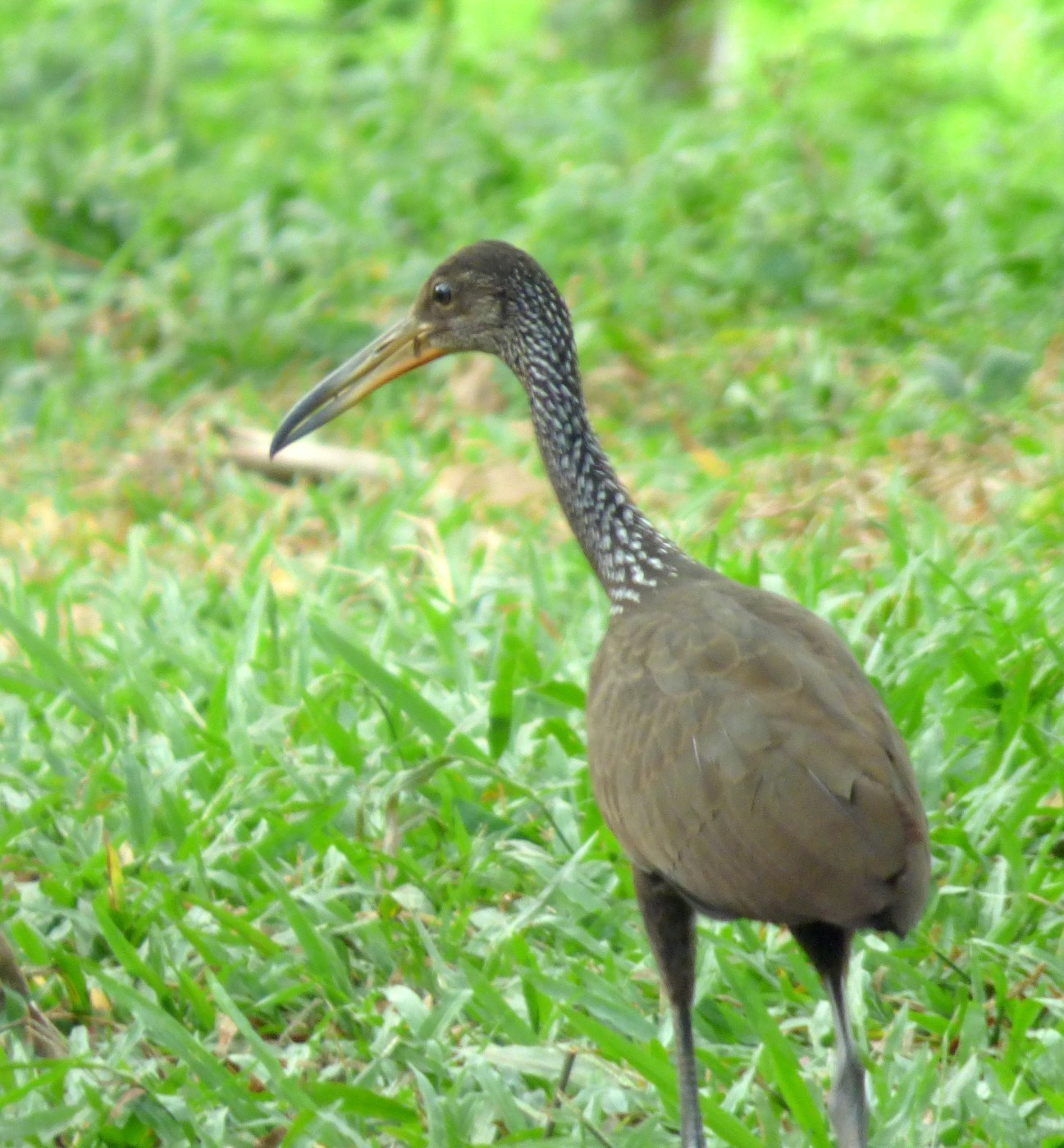
Limpkin
Brown contour feathers with white teardrop-shaped spots and streaks
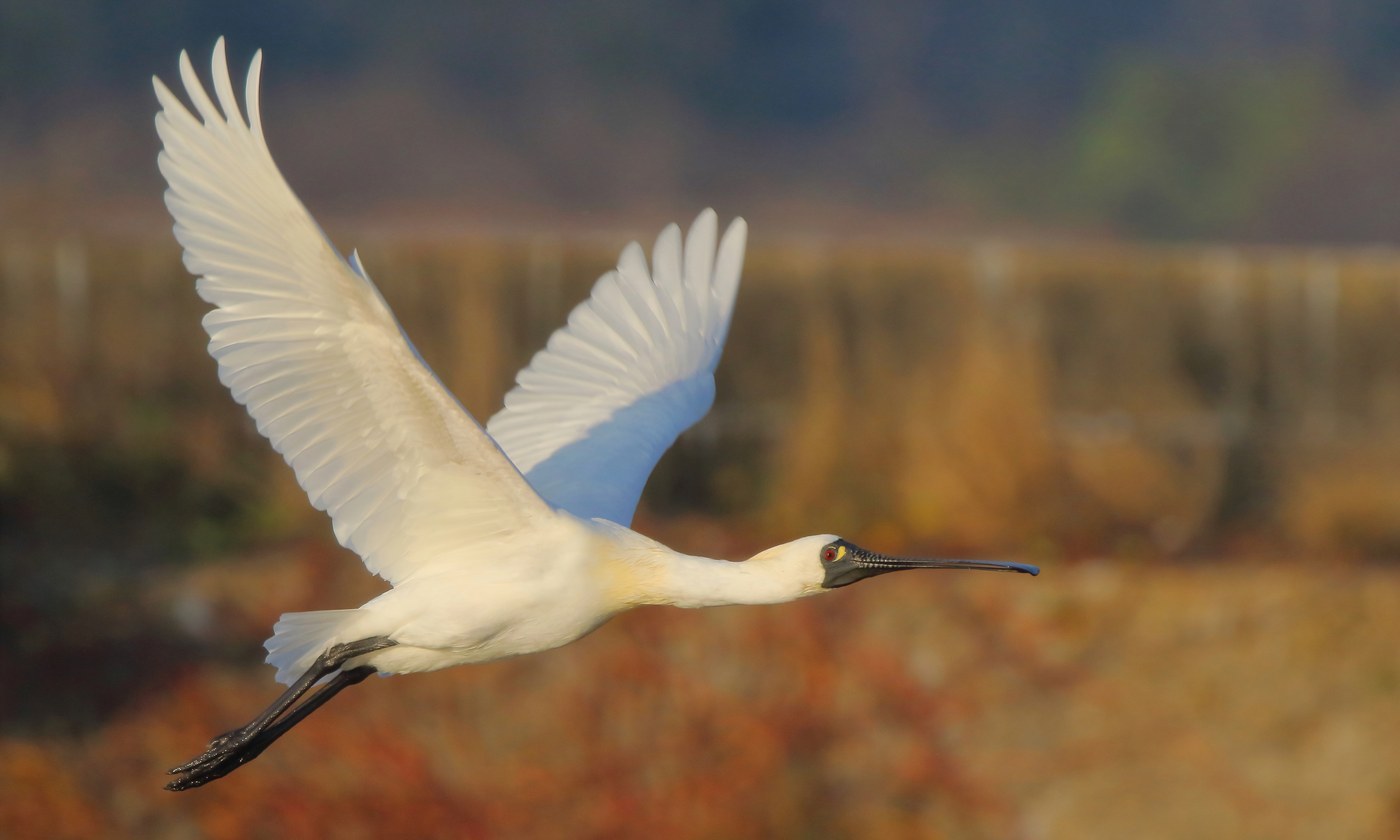
Black-faced Spoonbill
White contour and flight feathers with fine breeding crest and breast plumes
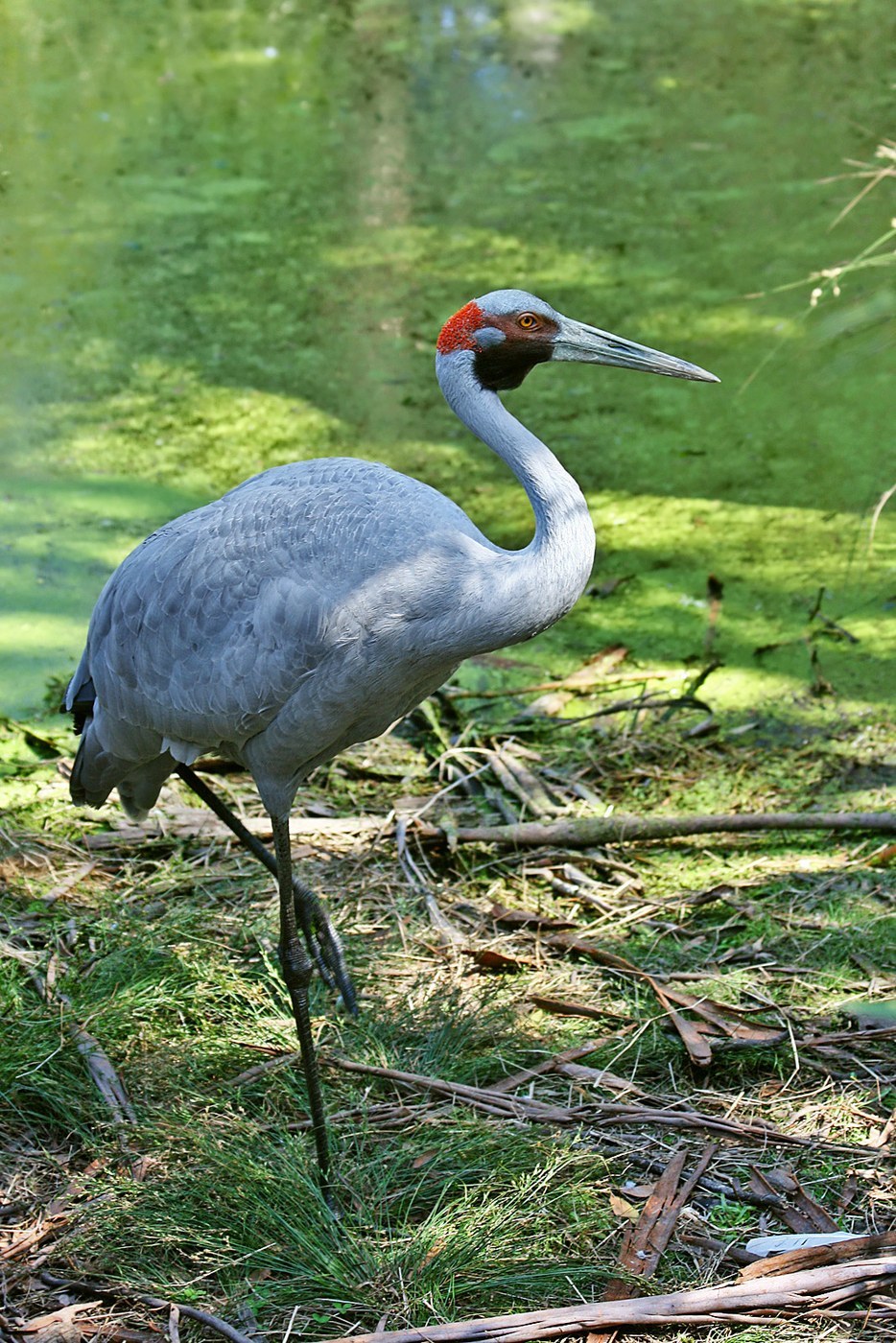
Brolga
Grey contour feathers with drooping bustle plumes
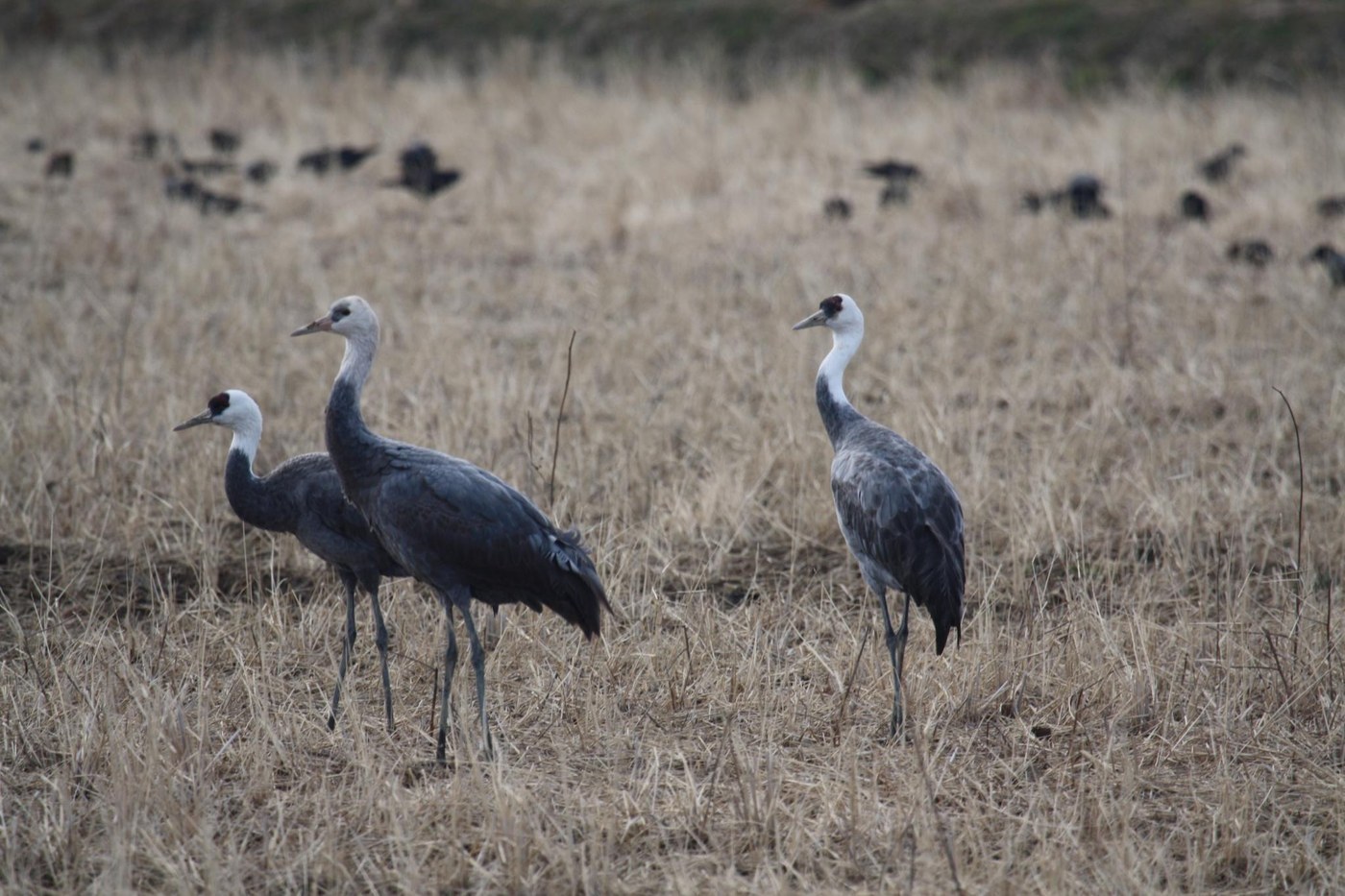
Hooded Crane
Dark slate-grey body feathers with a white head/upper neck 'hood' and black bustle plumes
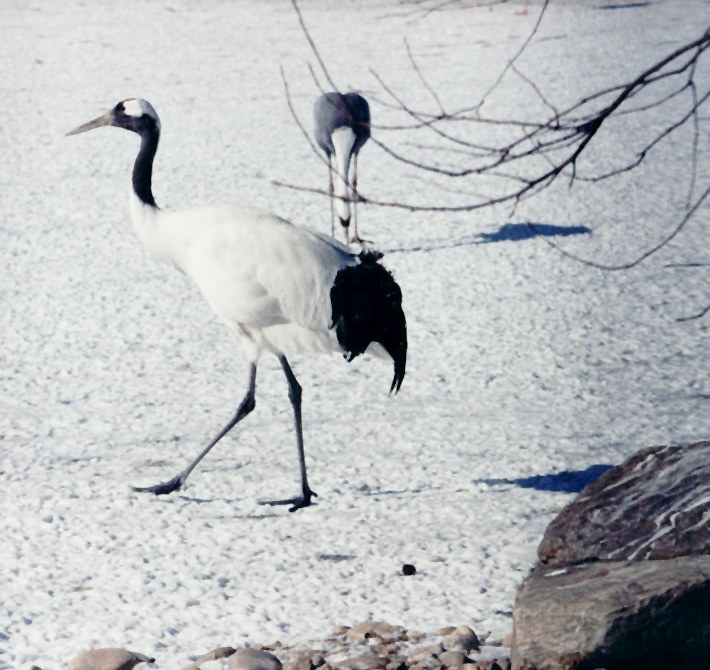
Red-crowned Crane
White contour feathers with black secondary/tertial bustle feathers and a bare red crown

Common Crane
Grey contour feathers with black head/neck feathers and drooping bustle plumes
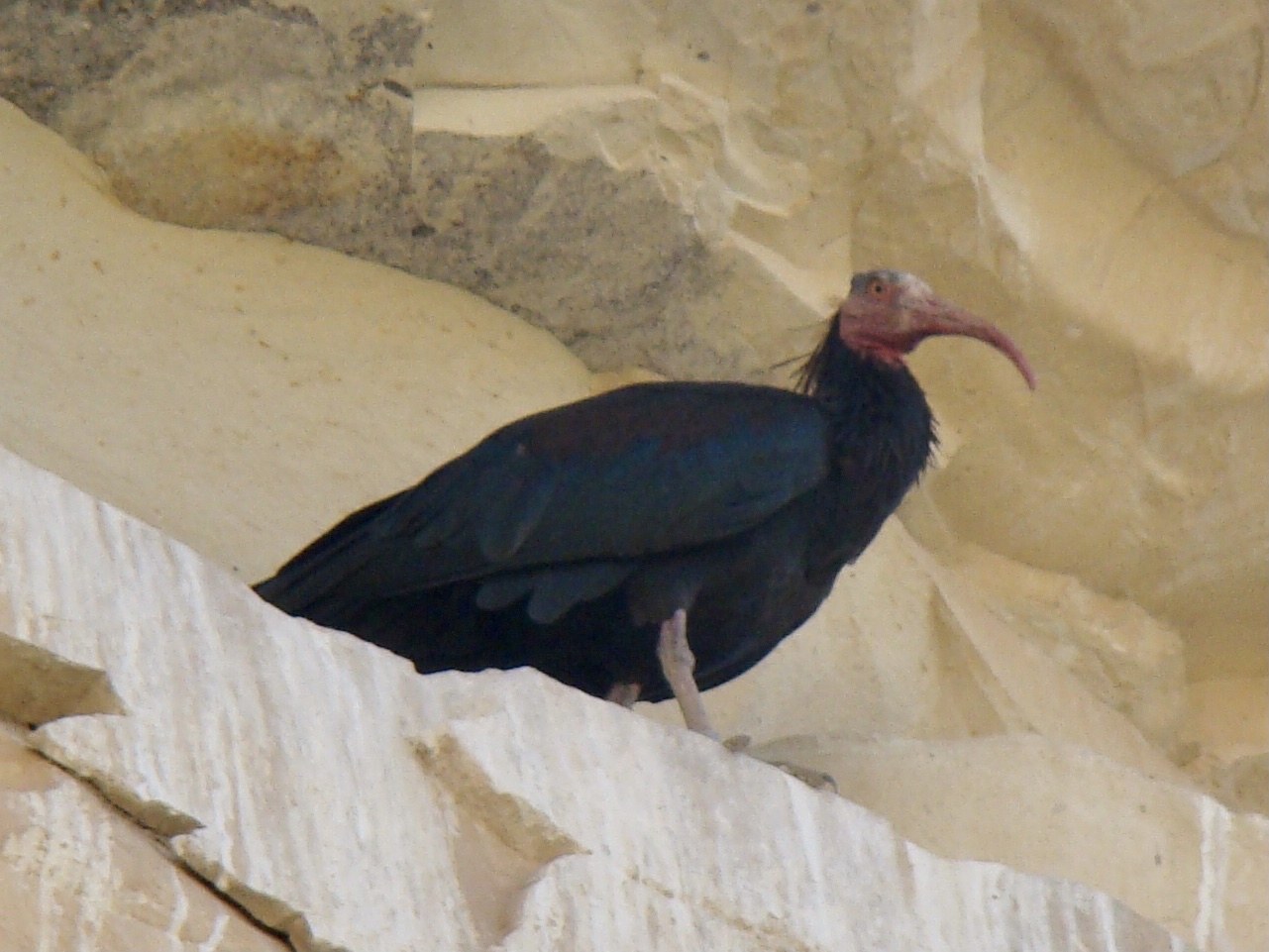
Northern Bald Ibis
Glossy black contour feathers with elongated nape plumes
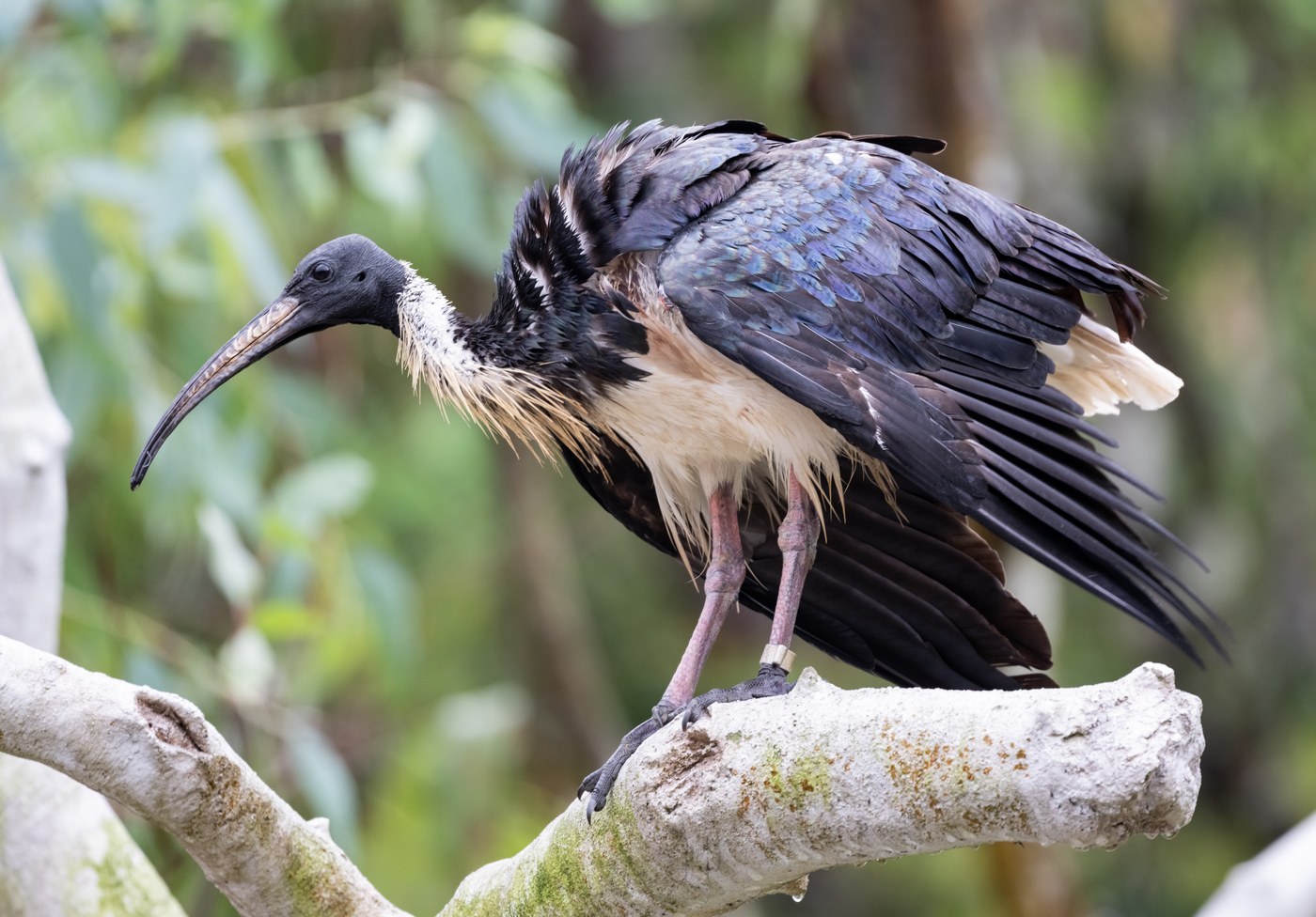
Straw-necked Ibis
Glossy contour feathers with unique straw-like neck plumes
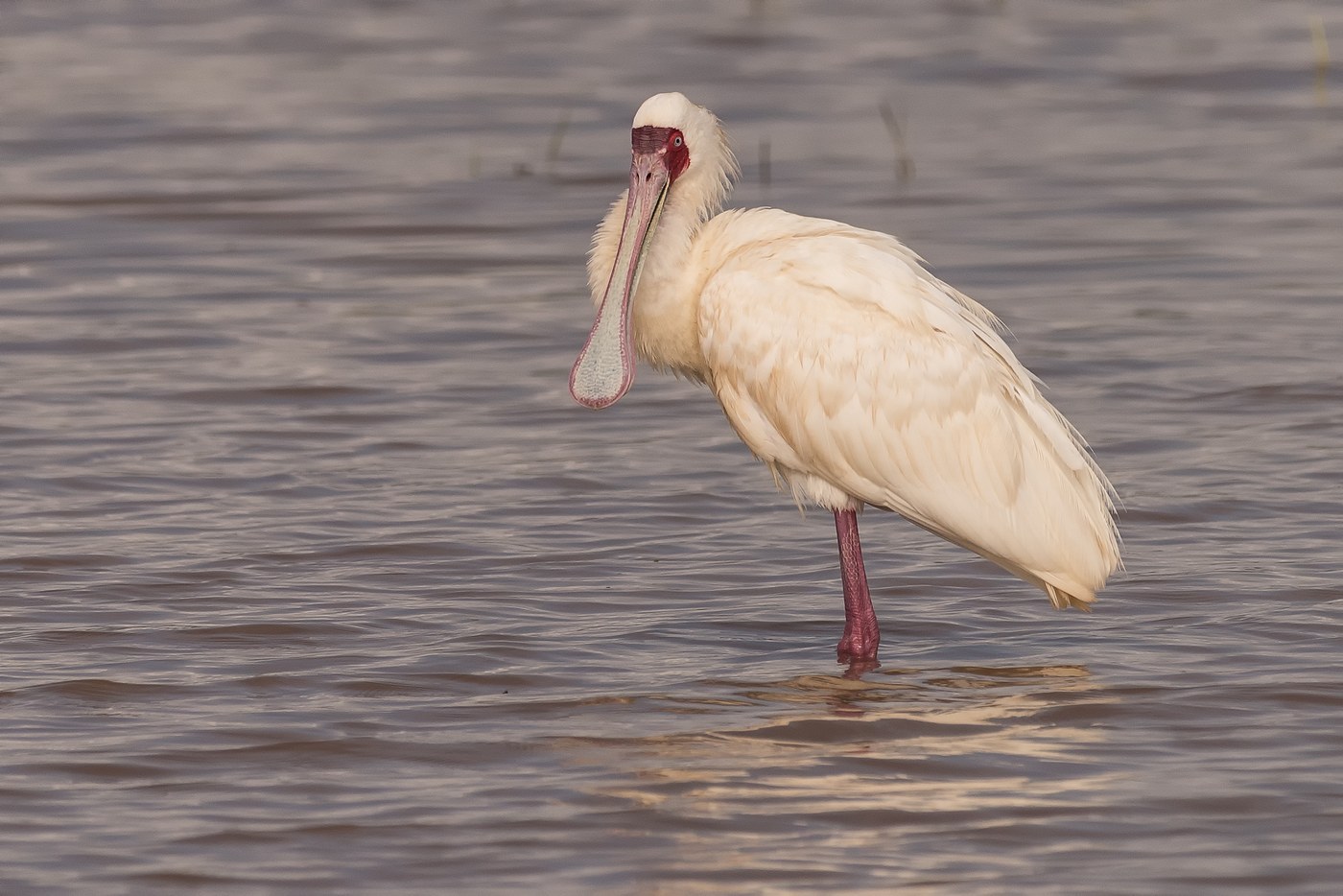
African Spoonbill
White contour and flight feathers, unmarked by black tips

Roseate Spoonbill
Pink and white contour and flight feathers with a carmine shoulder patch