

Atlantic Puffin
Fratercula arctica
A small, tuxedo-patterned seabird famous for its large, brightly colored bill in the breeding season, spending most of the year far out at sea before returning to nest on coastal cliffs and islands.
- Feather type
- Contour, flight, and short tail feathers
- Colours
- Black upperparts, white underparts and face
- Bird size
- Small, dove-sized, ~28-30 cm
Found a feather like this?
Identify any feather from a photo, free.
Overview
The Atlantic Puffin is the most familiar of the puffins, breeding on cliffs and offshore islands around the North Atlantic. Its crisp black-and-white plumage and upright, penguin-like posture on land contrast with an agile, whirring flight and skilled underwater swimming out at sea.
Identifying the Feather
- Upperpart feathers are glossy black, while underparts, including the belly and undertail, are clean white
- The face is white to pale gray, bordered by a dark line through the eye that continues down the neck
- Flight feathers are short, broad, and rounded relative to body size, reflecting the species' whirring flight and use of the wings for underwater swimming
- Feathers are densely packed and somewhat stiff, an adaptation shared with other auks for insulation and diving
- Tail feathers are short and squared, contributing to the bird's stubby, compact silhouette
Plumage & Molt
- Breeding and non-breeding adults share the same basic black-and-white body plumage, with the main seasonal change occurring in the bill and face rather than the body feathers
- Non-breeding adults show a duskier, grayer face than the bright white face of breeding birds
- Juveniles are duller overall with a smaller, darker bill and grayer face
- Sexes are alike in plumage
- A complete molt, including flight feathers, occurs after breeding, during which birds become flightless for a period while at sea
Habitat & Range
Atlantic Puffins breed in large colonies on grassy cliff-tops and offshore islands around the North Atlantic, from northeastern North America to Britain, Ireland, Iceland, and Scandinavia, nesting in burrows or rock crevices. Outside the breeding season they disperse widely over the open North Atlantic, spending months entirely at sea before returning to land only to breed.
Behavior & Field Notes
Puffins pursue small schooling fish underwater, using their wings to "fly" through the water while steering with their feet, and are capable of carrying multiple fish crosswise in the bill at once. They nest in burrows dug into soil or among rocks, typically raising a single chick per season. Their calls are low, growling notes given mainly at the breeding colony, and they are largely silent at sea.
Frequently asked questions
What color is an Atlantic Puffin's body feather?
Body feathers are glossy black above and clean white below, giving the bird its familiar tuxedo-like appearance; the famously colorful bill is not feathered and is shed in part after breeding.
Do Atlantic Puffins molt their flight feathers all at once?
Yes, after breeding they undergo a complete molt including flight feathers and become flightless for a period while at sea, unlike species that molt flight feathers gradually.
How do puffin feathers help with diving?
Their short, stiff, densely packed feathers and compact wings are adapted for underwater propulsion, allowing puffins to pursue fish well below the surface.
Atlantic Puffin guides
In-depth guides for identifying and understanding Atlantic Puffin.

Other feathers you may enjoy

Western Gull
Body, flight, and tail feathers
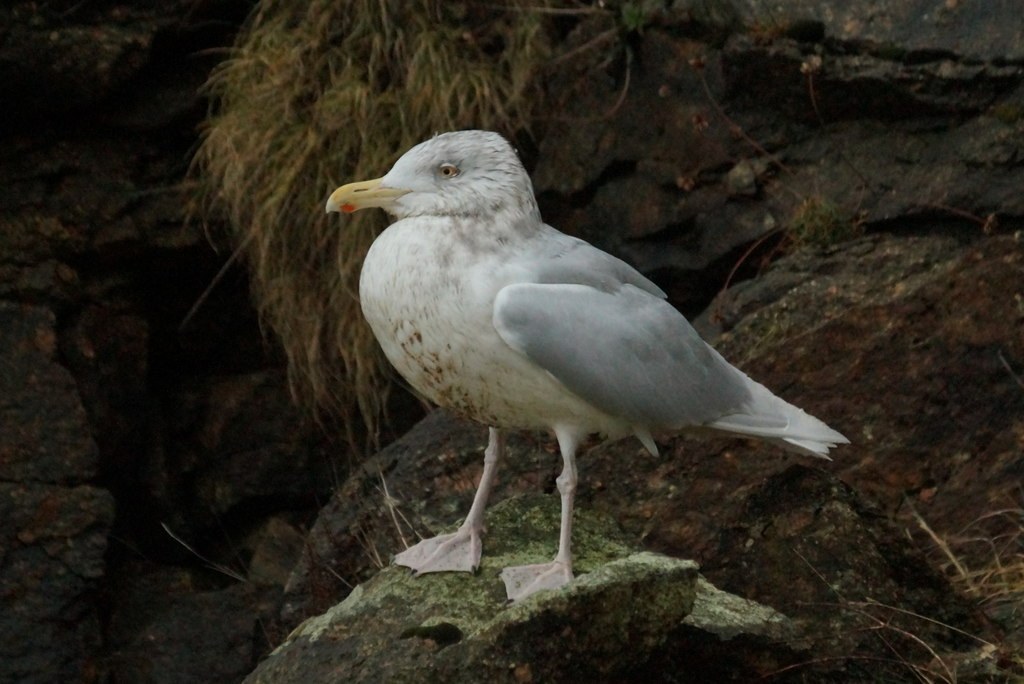
Glaucous Gull
Body, flight, and tail feathers

American Herring Gull
Body, flight, and tail feathers

Great Black-backed Gull
Body, flight, and tail feathers

Common Gull
Body, flight, and tail feathers
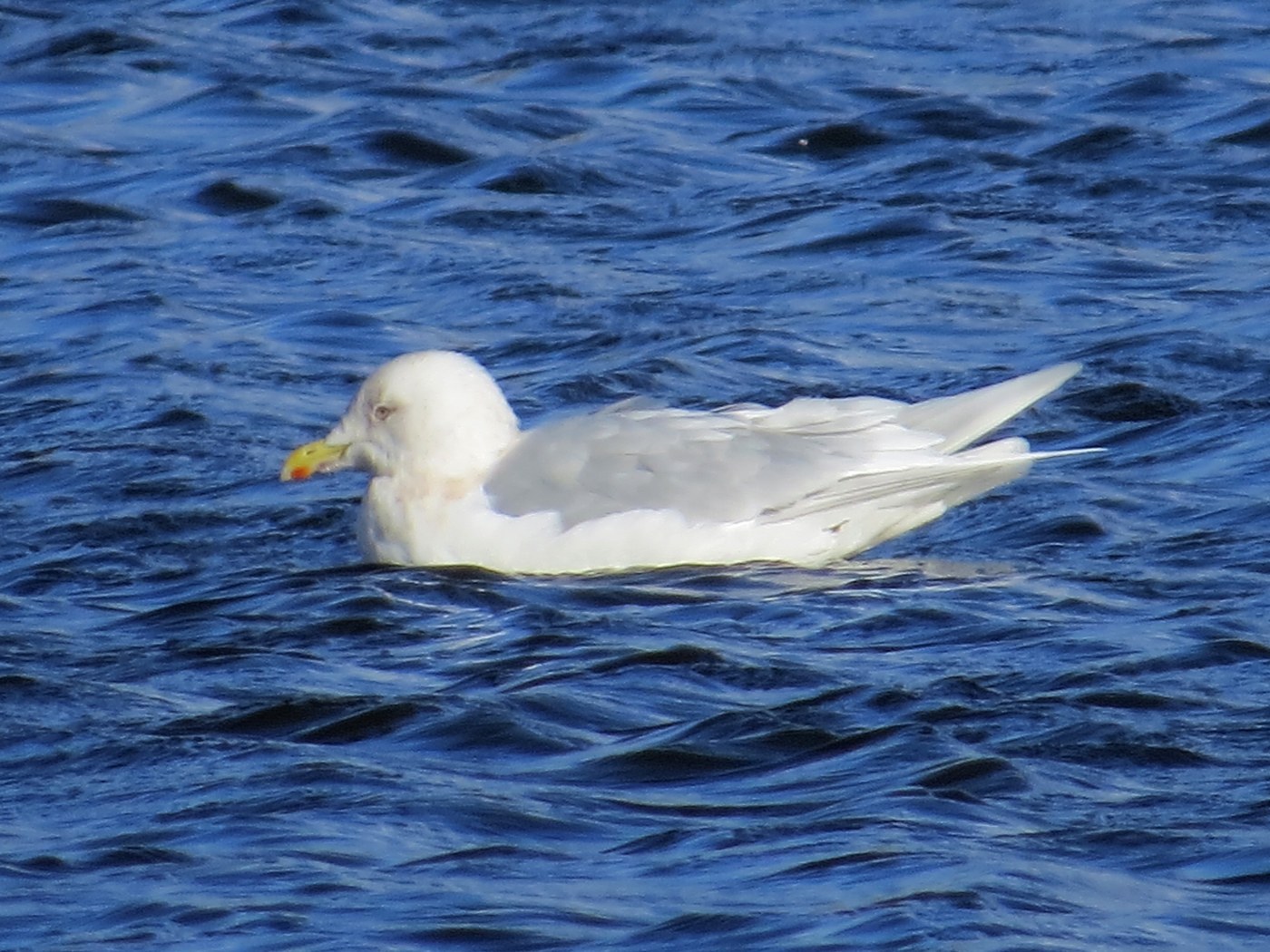
Iceland Gull
Body, flight, and tail feathers

Ring-billed Gull
Body, flight, and tail feathers

Glaucous-winged Gull
Body, flight, and tail feathers

Herring Gull
Body, flight, and tail feathers

Lesser Black-backed Gull
Body, flight, and tail feathers

California Gull
Body, flight, and tail feathers
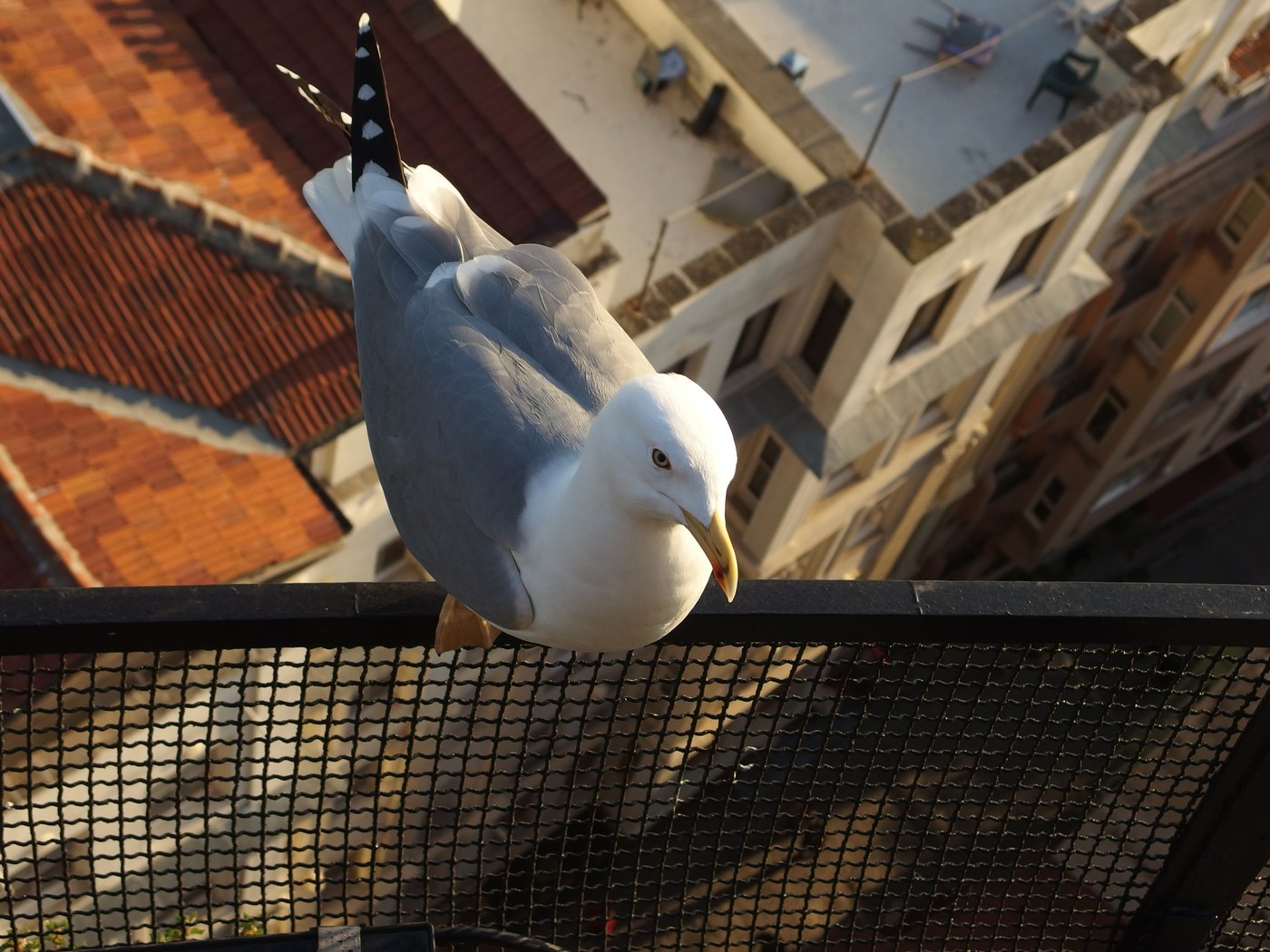
Yellow-legged Gull
Body, wing covert, and flight feathers