

Great Black-backed Gull
Larus marinus
The world's largest gull, the Great Black-backed Gull shows strikingly dark slate-black mantle feathers contrasting with a pure white head and body, and is a powerful predator as well as scavenger along North Atlantic coasts.
- Feather type
- Body, flight, and tail feathers
- Colours
- Very dark slate-black back and wings, white head and underparts
- Bird size
- Very large gull, ~64-79 cm
Found a feather like this?
Identify any feather from a photo, free.
Overview
The Great Black-backed Gull is the largest gull species in the world, a powerful and imposing bird of North Atlantic coastlines recognized by its very dark, almost black back and wing feathers contrasting sharply with a white head and underparts. Unlike many gulls that rely mostly on scavenging, this species is also an active predator, taking eggs, chicks, and even adult birds of other species.
Identifying the Feather
Adult mantle and back feathers are a very dark slate-black, among the darkest of any gull species, providing strong contrast with the clean white head, neck, and underparts feathers. The outer primary flight feathers are black with white tips and a small white mirror, the black blending closely with the already dark mantle so the wingtip pattern is less strikingly separate than in paler-backed gulls. Immature birds show a checkered pattern of blackish-brown and white or buff feathers, notably bold and contrasty compared to the browner, less checkered pattern of immature Herring Gull. This is a four-year gull, with the back feathers darkening progressively with each successive plumage until the full black adult mantle is reached.
Plumage & Molt
Sexes look alike, with males averaging larger and more powerfully built. This is a four-year gull, requiring about four years to reach full adult black-backed plumage, with immature plumages showing a strongly checkered blackish-brown-and-white pattern that is bolder than the messier mottled brown of similarly aged Herring Gulls. Nonbreeding adults show little to no head streaking, keeping a largely clean white head year-round, unlike many other large gulls. A complete post-breeding molt replaces flight feathers over an extended period.
Habitat & Range
Breeds along rocky coastlines, cliffs, and offshore islands of the North Atlantic, including eastern North America, Iceland, and western Europe. It forages over open coastal and offshore waters, harbors, and beaches, and while some northern populations move south in winter, many individuals remain in coastal areas year-round.
Behavior & Field Notes
Great Black-backed Gulls are powerful, opportunistic feeders, taking fish, marine invertebrates, carrion, and refuse, but are also notable active predators of eggs, chicks, and small to medium-sized adult birds, including other seabirds. Nests are built on the ground on cliffs, offshore islands, or open coastal habitat, often in loose colonies or as isolated pairs, with both parents sharing incubation and chick defense. The call is a deep, gruff series of notes, lower-pitched than smaller gull species.
Frequently asked questions
How can I identify a Great Black-backed Gull feather?
Adult back and mantle feathers are very dark slate-black, among the darkest of any gull, contrasting sharply with a pure white head and underparts, distinguishing it from the medium gray of Herring Gull.
Is the Great Black-backed Gull really the largest gull in the world?
Yes, it is recognized as the largest living gull species, both in body size and wingspan.
Does the Great Black-backed Gull only scavenge, or does it hunt too?
It is both a scavenger and an active predator, known for taking eggs, chicks, and even adult birds of other species in addition to fish and carrion.
How many years does it take a Great Black-backed Gull to reach adult plumage?
About four years, with immature birds showing a bold blackish-brown-and-white checkered pattern before the mantle darkens fully to black.
Great Black-backed Gull guides
In-depth guides for identifying and understanding Great Black-backed Gull.

Great Black-backed Gull identified by the community
Real feathers identified with Feather Identifier.


Other feathers you may enjoy

Western Gull
Body, flight, and tail feathers
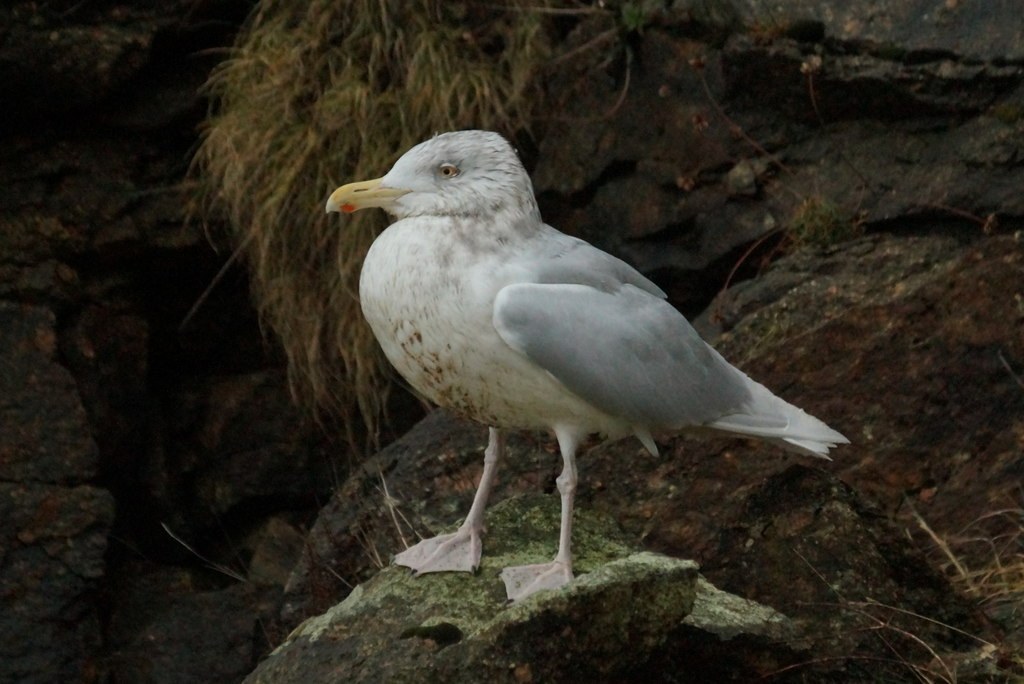
Glaucous Gull
Body, flight, and tail feathers

American Herring Gull
Body, flight, and tail feathers

Common Gull
Body, flight, and tail feathers
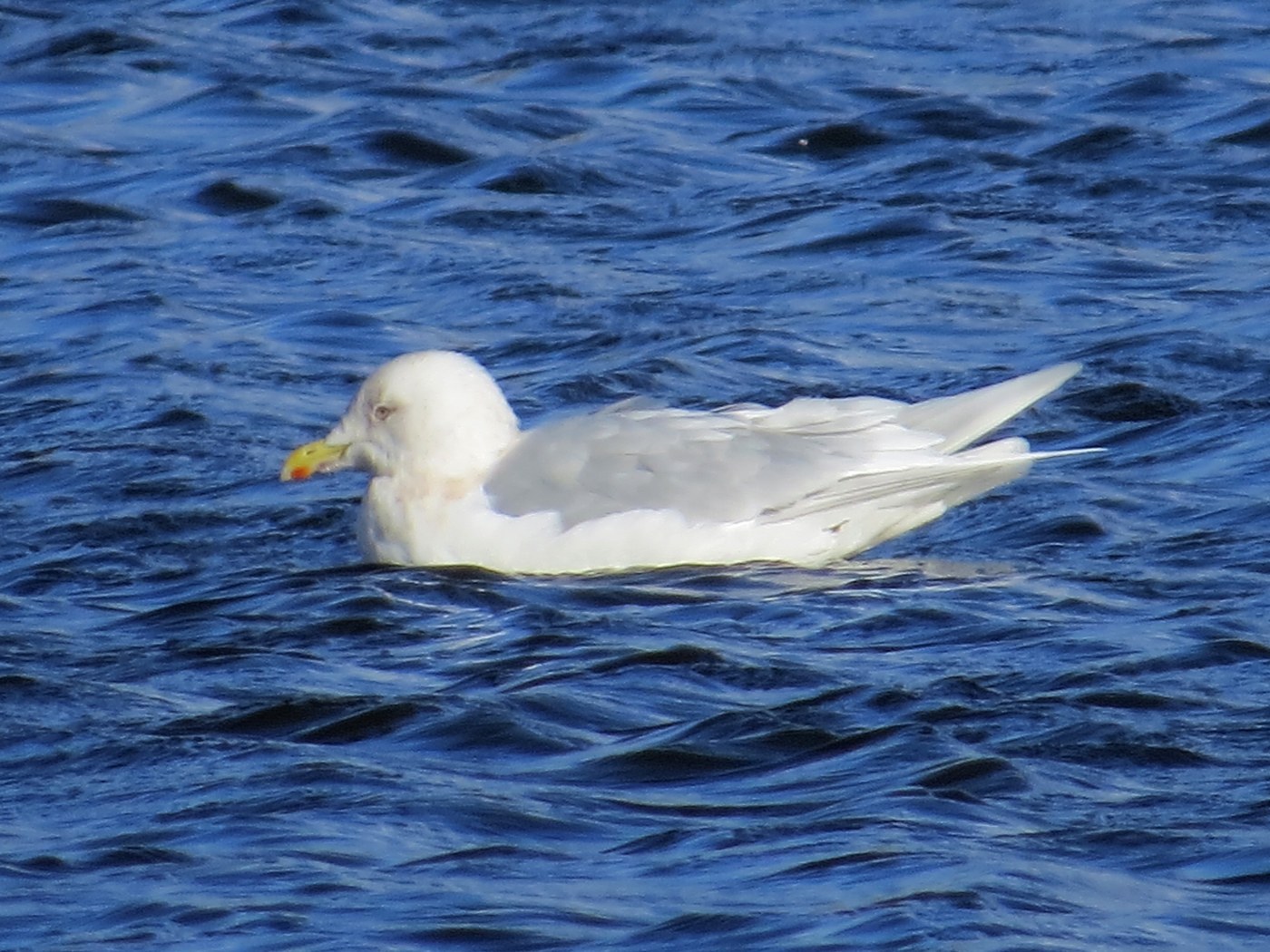
Iceland Gull
Body, flight, and tail feathers

Ring-billed Gull
Body, flight, and tail feathers

Glaucous-winged Gull
Body, flight, and tail feathers

Herring Gull
Body, flight, and tail feathers

Lesser Black-backed Gull
Body, flight, and tail feathers

California Gull
Body, flight, and tail feathers
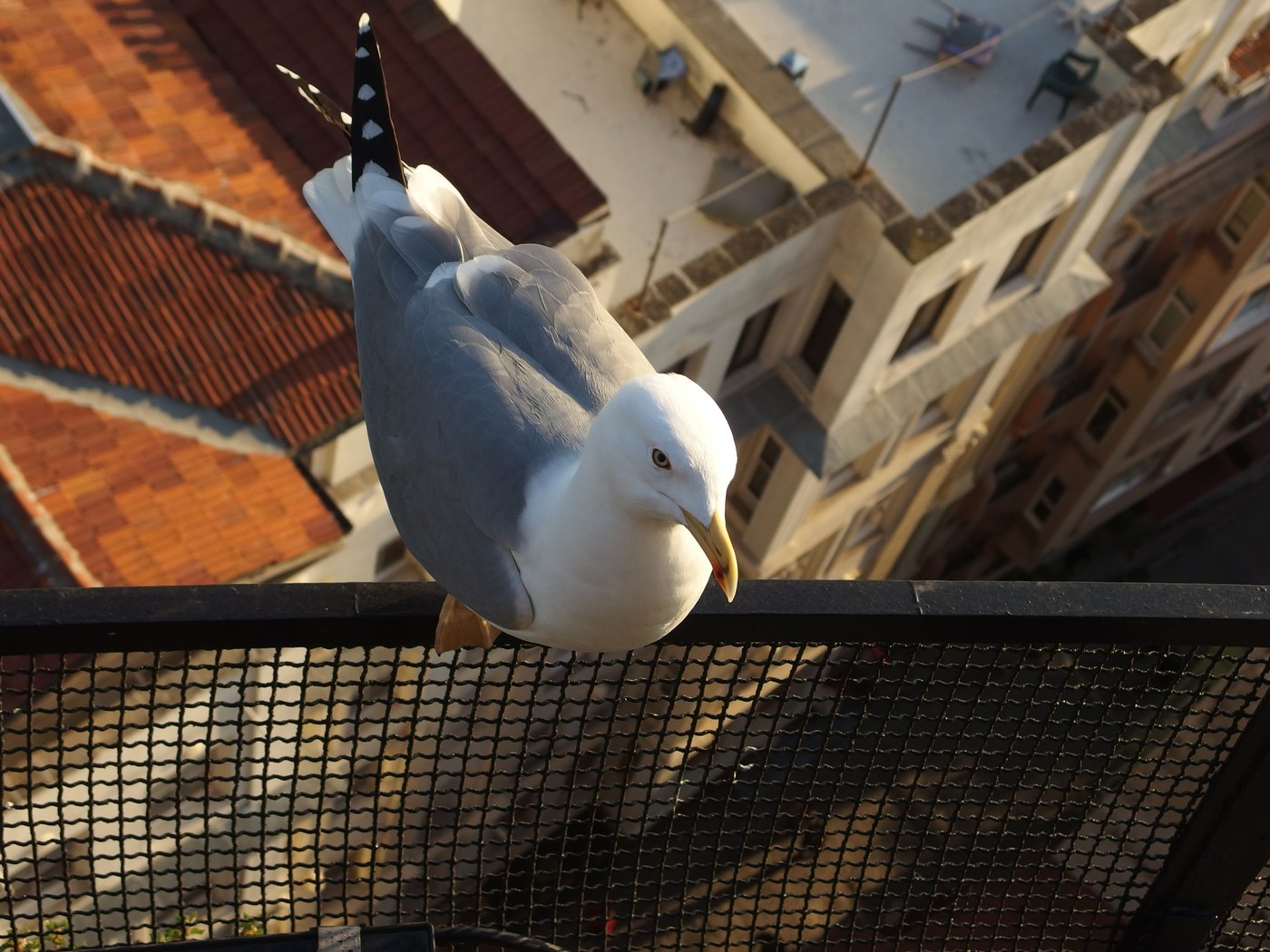
Yellow-legged Gull
Body, wing covert, and flight feathers
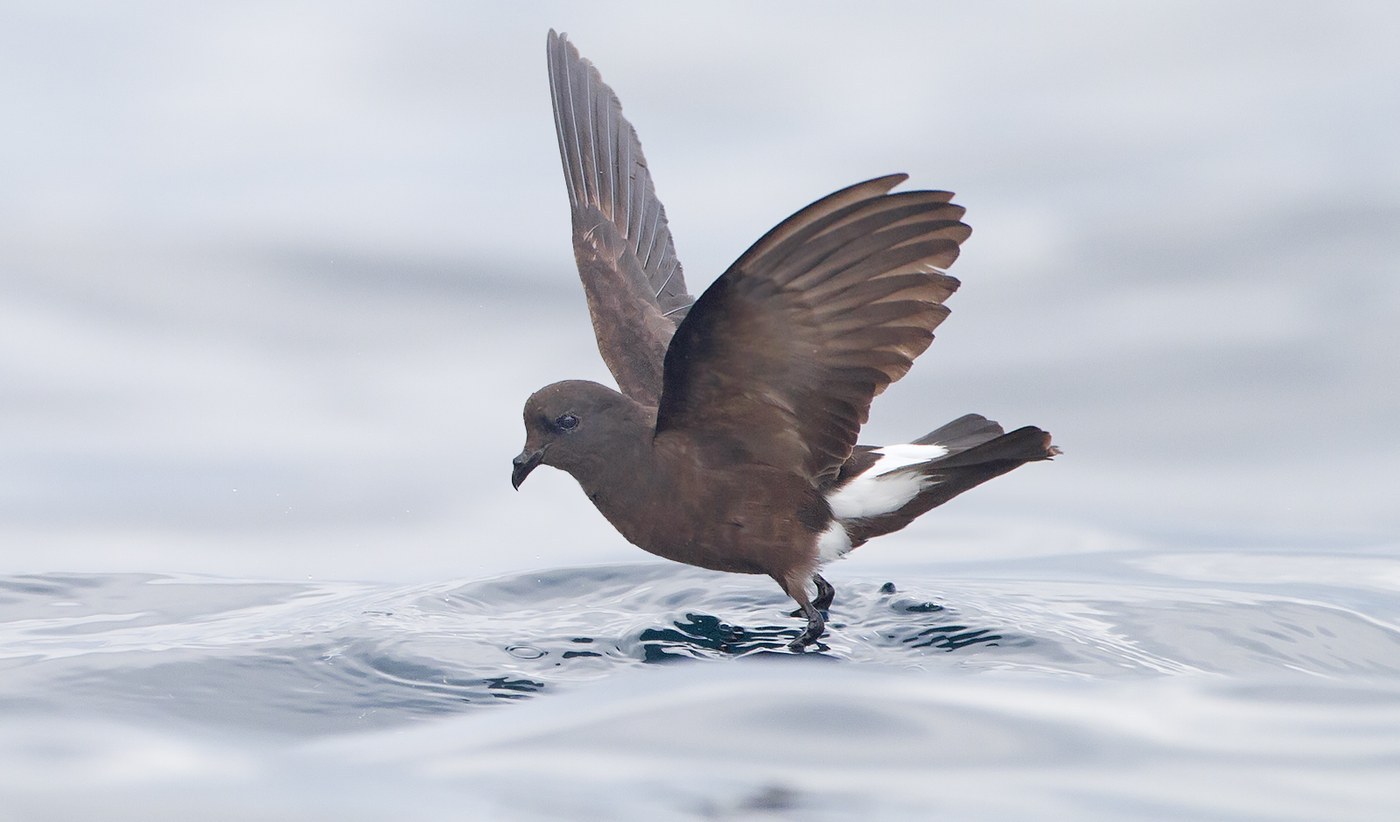
Wilson's Storm-Petrel
Small, soft flight and body feathers