
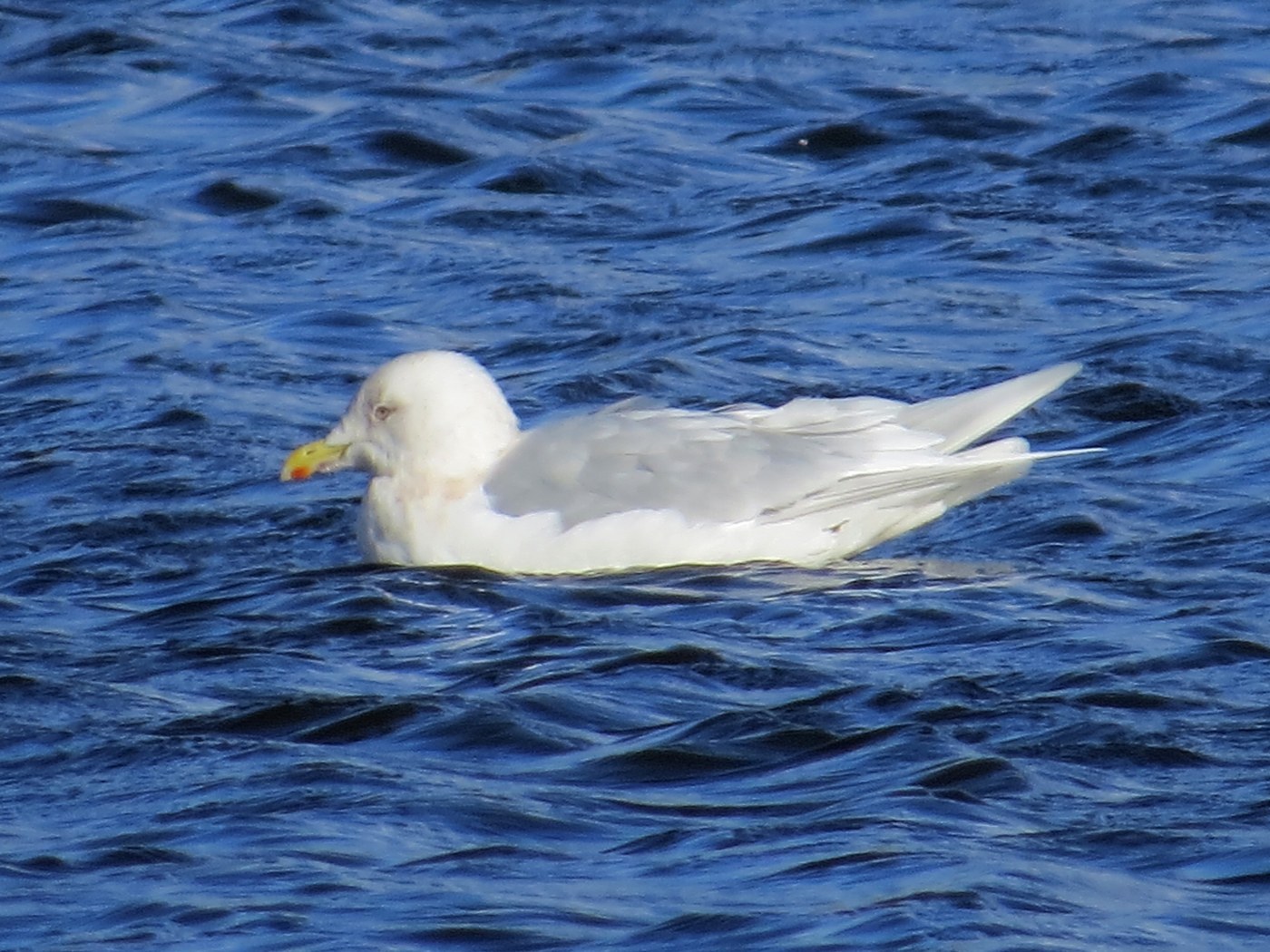
Iceland Gull
Larus glaucoides
A pale, gentle-faced gull of the North Atlantic Arctic, the Iceland Gull shows pale gray back feathers and white to very pale wingtips, smaller and more delicately built than the similar Glaucous Gull.
- Feather type
- Body, flight, and tail feathers
- Colours
- Pale gray back, white or very pale wingtips, white underparts
- Bird size
- Medium-large gull, ~52-60 cm
Found a feather like this?
Identify any feather from a photo, free.
Overview
The Iceland Gull is a pale, medium-large gull breeding in the Arctic regions of Greenland and eastern Canada, wintering along North Atlantic coasts including parts of Iceland, the British Isles, and eastern North America. It closely resembles the larger Glaucous Gull in its pale wingtips lacking strong black pattern, but is smaller, more slender, and shows a gentler facial expression created by its proportionately smaller bill and rounder head.
Identifying the Feather
Adult mantle feathers are pale gray, similar in tone to Glaucous Gull, and the outer primary flight feathers are white to very pale gray, lacking the bold black wingtip pattern typical of most large gulls, though some individuals show faint pale gray tips rather than pure white. Immature birds are pale buffy-white overall with faint barring, softer and paler than the heavily mottled brown plumage of Herring Gull immatures, closely resembling young Glaucous Gull but with a smaller overall feather and body size. The combination of pale wingtips with a notably smaller, more delicate bill and head shape than Glaucous Gull assists identification when feathers alone are ambiguous.
Plumage & Molt
Sexes look alike, with males averaging slightly larger. This is generally considered close to a four-year gull, similar to Glaucous Gull, with pale plumage present at all ages making dramatic seasonal aging cues less obvious than in dark-backed species. Nonbreeding adults show light brownish head streaking, contrasting with the cleaner white head of breeding birds. A complete post-breeding molt replaces flight feathers over an extended period, often continuing into the wintering season.
Habitat & Range
Breeds along Arctic coastal cliffs of Greenland and eastern Canadian Arctic islands. It winters along North Atlantic coastlines, including Iceland, the British Isles, and parts of eastern North America, frequenting harbors, beaches, and open coastal waters, often associating with other gull species at fishing ports and coastal roosts.
Behavior & Field Notes
Iceland Gulls forage opportunistically on fish, marine invertebrates, and carrion, and readily scavenge at harbors, fish processing areas, and along tideline debris during the nonbreeding season. Nests are built on cliff ledges in the Arctic breeding range, with both parents sharing incubation and chick-rearing duties. Its call is similar to other pale Arctic gulls, a resonant series of wailing notes.
Frequently asked questions
How can I distinguish an Iceland Gull feather from a Glaucous Gull feather?
Both show pale, largely unmarked wingtip feathers, but Iceland Gull is smaller and more slender overall, with a proportionately smaller bill and more delicate feather structure than the bulkier Glaucous Gull.
Do Iceland Gull wingtips ever show any dark color?
Some individuals show faint pale gray tips rather than pure white on the outer primaries, but they never show the bold black pattern typical of most large gulls.
Where does the Iceland Gull breed?
Along Arctic coastal cliffs of Greenland and the eastern Canadian Arctic islands.
Where does the Iceland Gull spend the winter?
Along North Atlantic coastlines including Iceland, the British Isles, and parts of eastern North America, often around harbors and fishing ports.
Iceland Gull guides
In-depth guides for identifying and understanding Iceland Gull.
Other feathers you may enjoy

Western Gull
Body, flight, and tail feathers
Glaucous Gull
Body, flight, and tail feathers

American Herring Gull
Body, flight, and tail feathers

Great Black-backed Gull
Body, flight, and tail feathers

Common Gull
Body, flight, and tail feathers

Ring-billed Gull
Body, flight, and tail feathers

Glaucous-winged Gull
Body, flight, and tail feathers

Herring Gull
Body, flight, and tail feathers

Lesser Black-backed Gull
Body, flight, and tail feathers

California Gull
Body, flight, and tail feathers
Yellow-legged Gull
Body, wing covert, and flight feathers
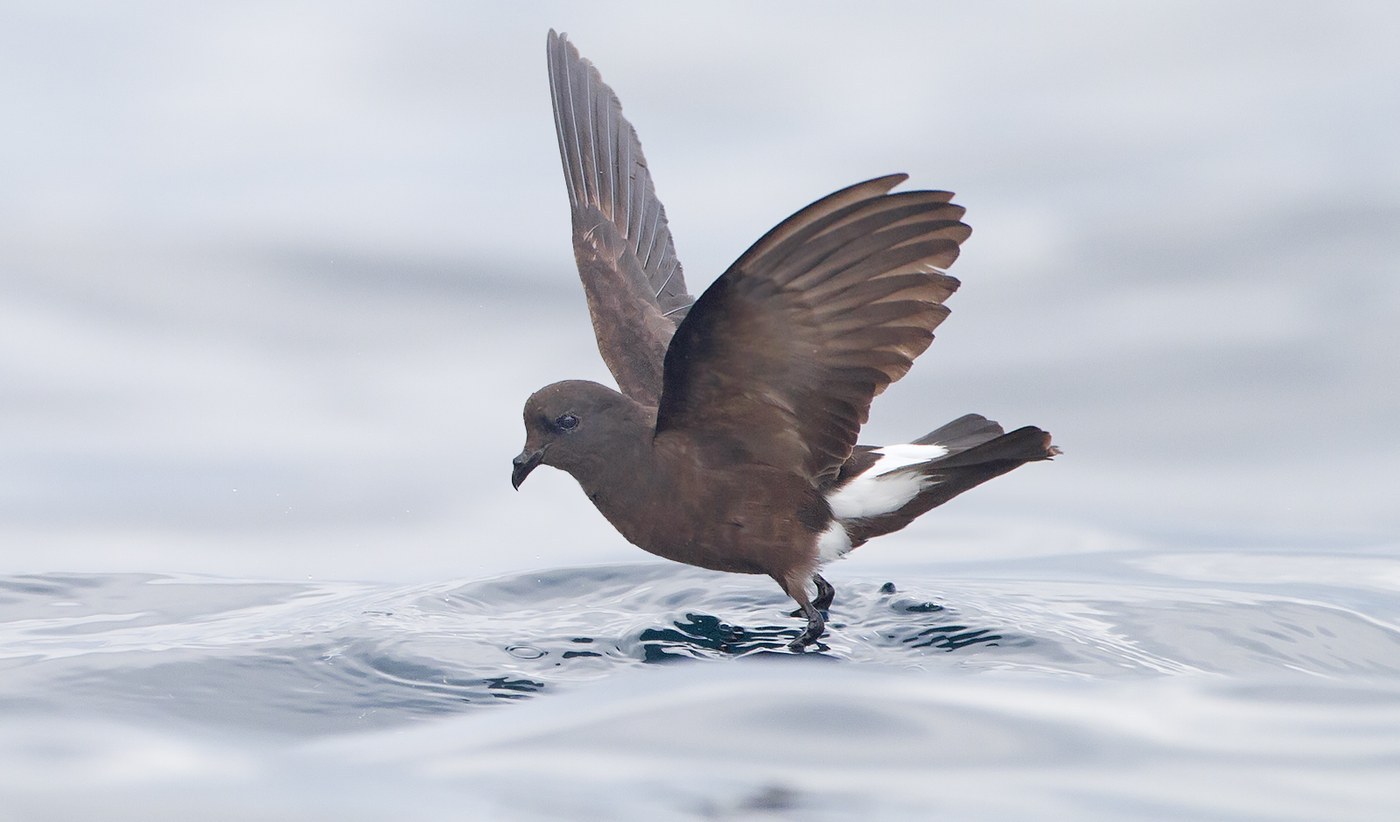
Wilson's Storm-Petrel
Small, soft flight and body feathers