

Western Gull
Larus occidentalis
A heavily built, dark-backed gull of the Pacific coast, the Western Gull shows dark slate-gray mantle feathers and a notably powerful, thick bill, rarely wandering far from saltwater.
- Feather type
- Body, flight, and tail feathers
- Colours
- Dark slate-gray back, white head and underparts, black wingtips
- Bird size
- Large gull, ~55-66 cm
Found a feather like this?
Identify any feather from a photo, free.
Overview
The Western Gull is a large, robust gull found almost exclusively along the Pacific coast of North America, rarely venturing far inland. It shows dark slate-gray back feathers, a notably heavy build and thick bill compared to other large gulls, and is a common sight around harbors, rocky shorelines, and offshore breeding colonies from Washington to Baja California.
Identifying the Feather
Adult mantle feathers are dark slate-gray, darker than California Gull or Herring Gull but generally somewhat paler than the blackish tones of Great Black-backed Gull, though the exact shade shows some geographic variation and overlap with Glaucous-winged Gull in areas where the two hybridize. Outer primary feathers are black with white tips and small mirrors. Immature birds show heavily mottled dark brown feathers, among the darkest-toned immature plumage of the common gray-backed gulls, gradually acquiring the dark adult mantle over about four years. The bill and overall body feather structure appear notably robust and thick-based compared to other similarly sized gulls.
Plumage & Molt
Sexes look alike, with males averaging larger and heavier-billed. This is a four-year gull, with immature plumages showing dark, heavily mottled brown feathers that lighten and gray over successive years. Nonbreeding adults show only limited head streaking, keeping a relatively clean white head much of the year. A complete post-breeding molt replaces flight feathers over an extended period. In areas of range overlap, hybridization with Glaucous-winged Gull produces birds with intermediate mantle shades and feather patterns.
Habitat & Range
Breeds on rocky offshore islands, sea stacks, and coastal cliffs along the Pacific coast from Washington state to Baja California, Mexico. It is highly coastal and rarely found far from saltwater, foraging along rocky shorelines, harbors, kelp beds, and open coastal waters, with most populations largely resident and only limited local movement outside the breeding season.
Behavior & Field Notes
Western Gulls forage opportunistically, taking fish, marine invertebrates, seabird eggs and chicks, carrion, and human food waste around harbors and coastal towns. Nests are built on the ground on offshore islands or coastal cliffs, often in dense colonies, with both parents sharing incubation and vigorous defense of the nest site against intruders. Its call is a deep, resonant series of notes typical of large gulls. The species has a range tightly restricted to the immediate Pacific coastline.
Frequently asked questions
How can I identify a Western Gull feather?
Look for dark slate-gray mantle feathers, darker than Herring or California Gull, combined with the overall robust, thick feather and bill structure typical of this heavily built Pacific coast species.
Does the Western Gull ever hybridize with other gulls?
Yes, in areas of range overlap it commonly hybridizes with Glaucous-winged Gull, producing offspring with intermediate mantle shades and feather patterns that can complicate identification.
How far inland does the Western Gull typically range?
Rarely far; it is highly coastal and stays close to the Pacific shoreline, harbors, and offshore islands rather than venturing to interior lakes or landfills.
Where does the Western Gull breed?
On rocky offshore islands, sea stacks, and coastal cliffs along the Pacific coast from Washington state to Baja California.
Western Gull guides
In-depth guides for identifying and understanding Western Gull.

Western Gull identified by the community
Real feathers identified with Feather Identifier.


Other feathers you may enjoy
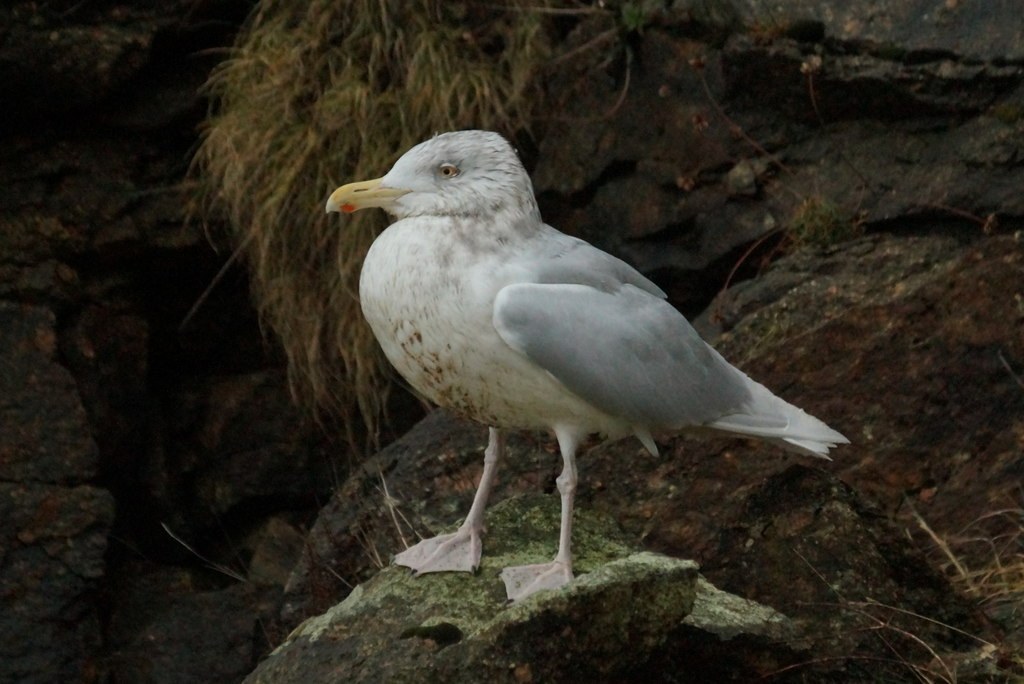
Glaucous Gull
Body, flight, and tail feathers

American Herring Gull
Body, flight, and tail feathers

Great Black-backed Gull
Body, flight, and tail feathers

Common Gull
Body, flight, and tail feathers
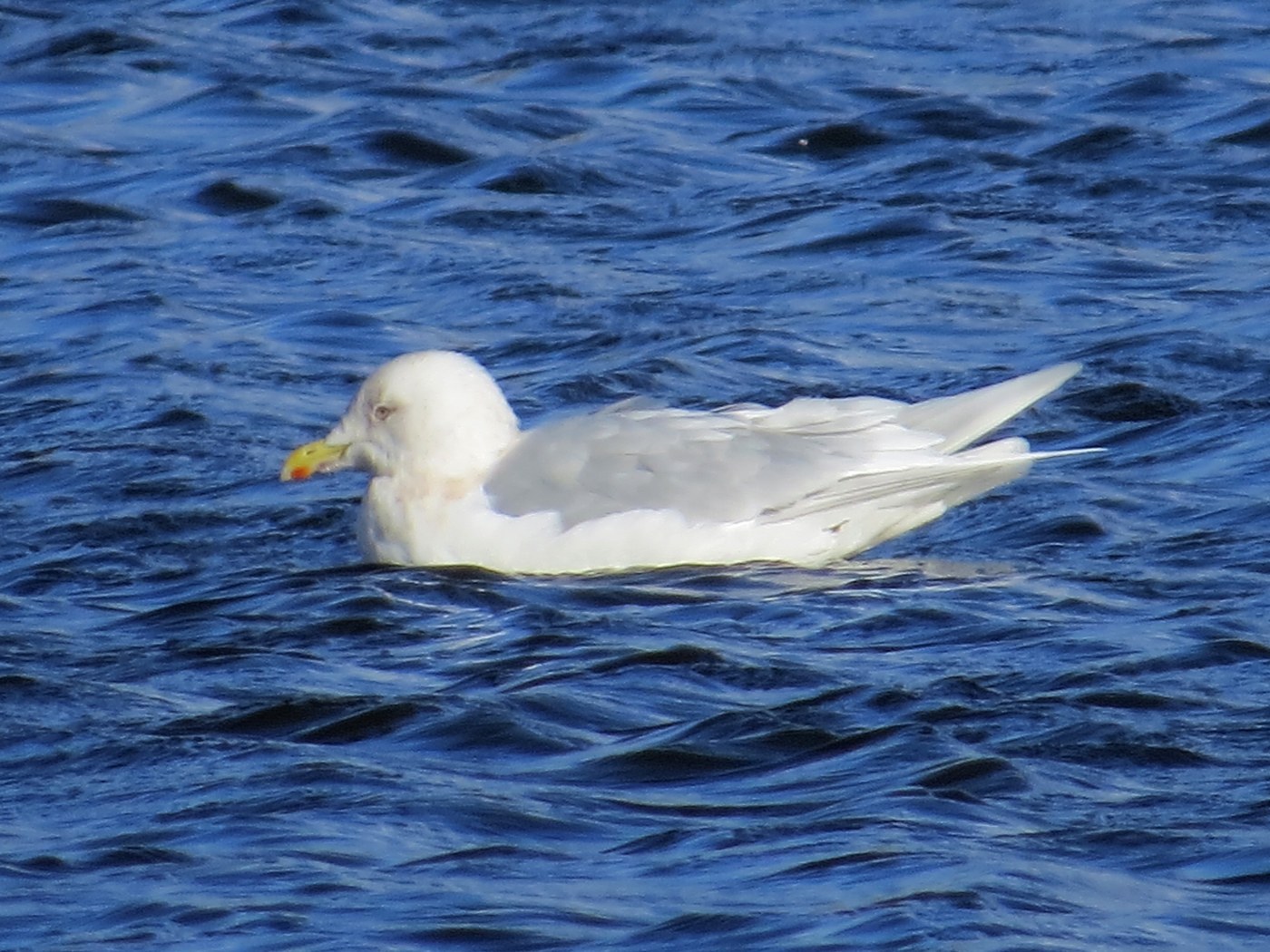
Iceland Gull
Body, flight, and tail feathers

Ring-billed Gull
Body, flight, and tail feathers

Glaucous-winged Gull
Body, flight, and tail feathers

Herring Gull
Body, flight, and tail feathers

Lesser Black-backed Gull
Body, flight, and tail feathers

California Gull
Body, flight, and tail feathers
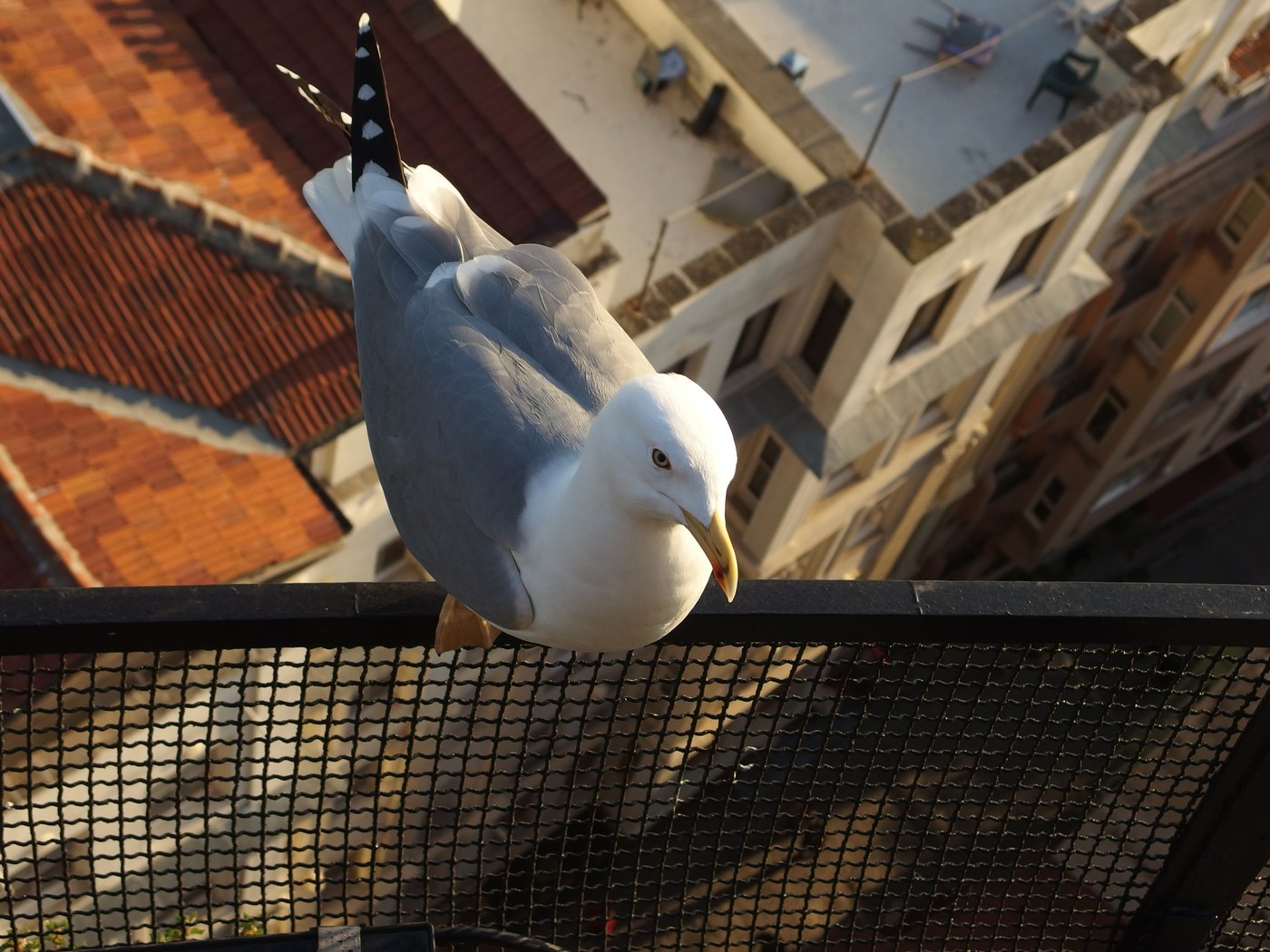
Yellow-legged Gull
Body, wing covert, and flight feathers
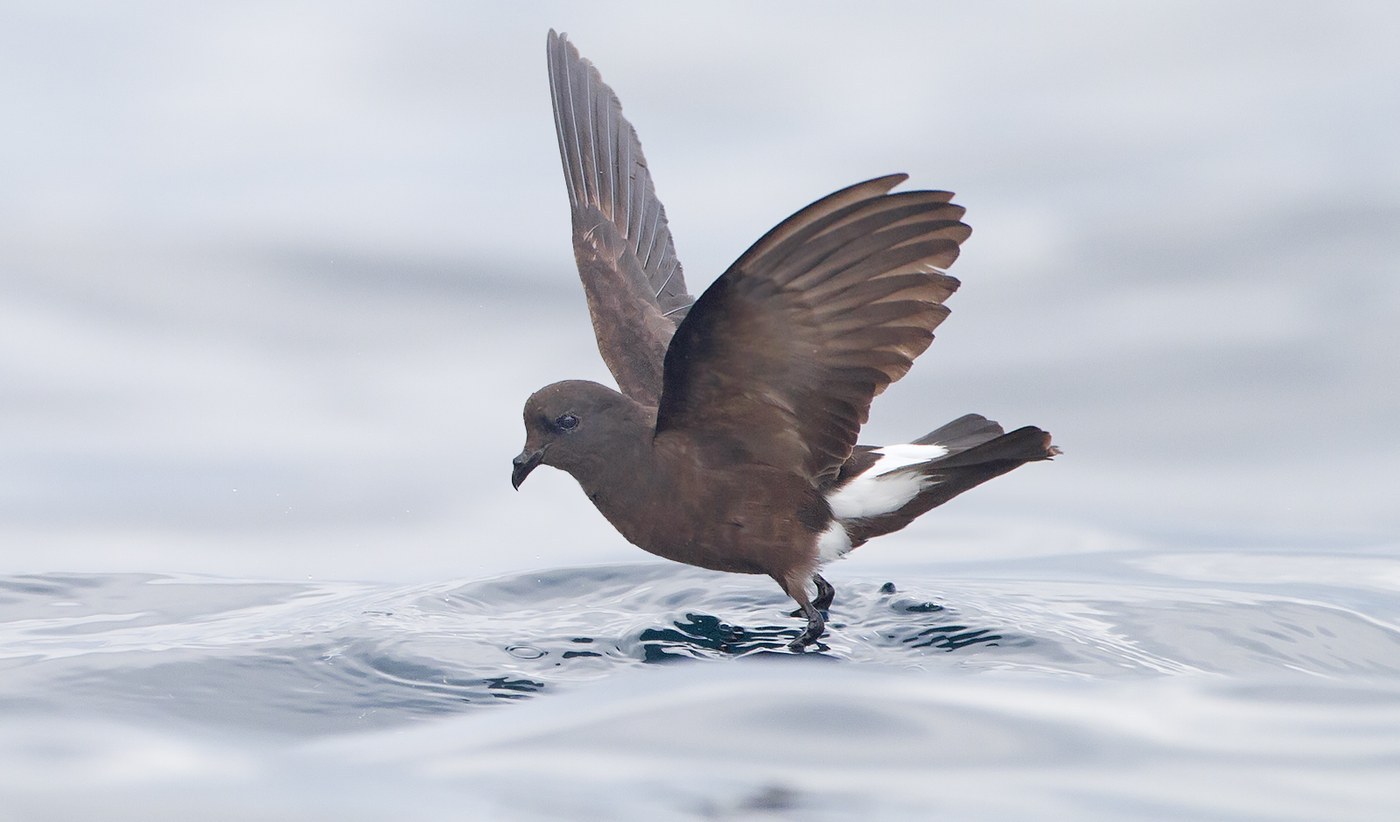
Wilson's Storm-Petrel
Small, soft flight and body feathers