
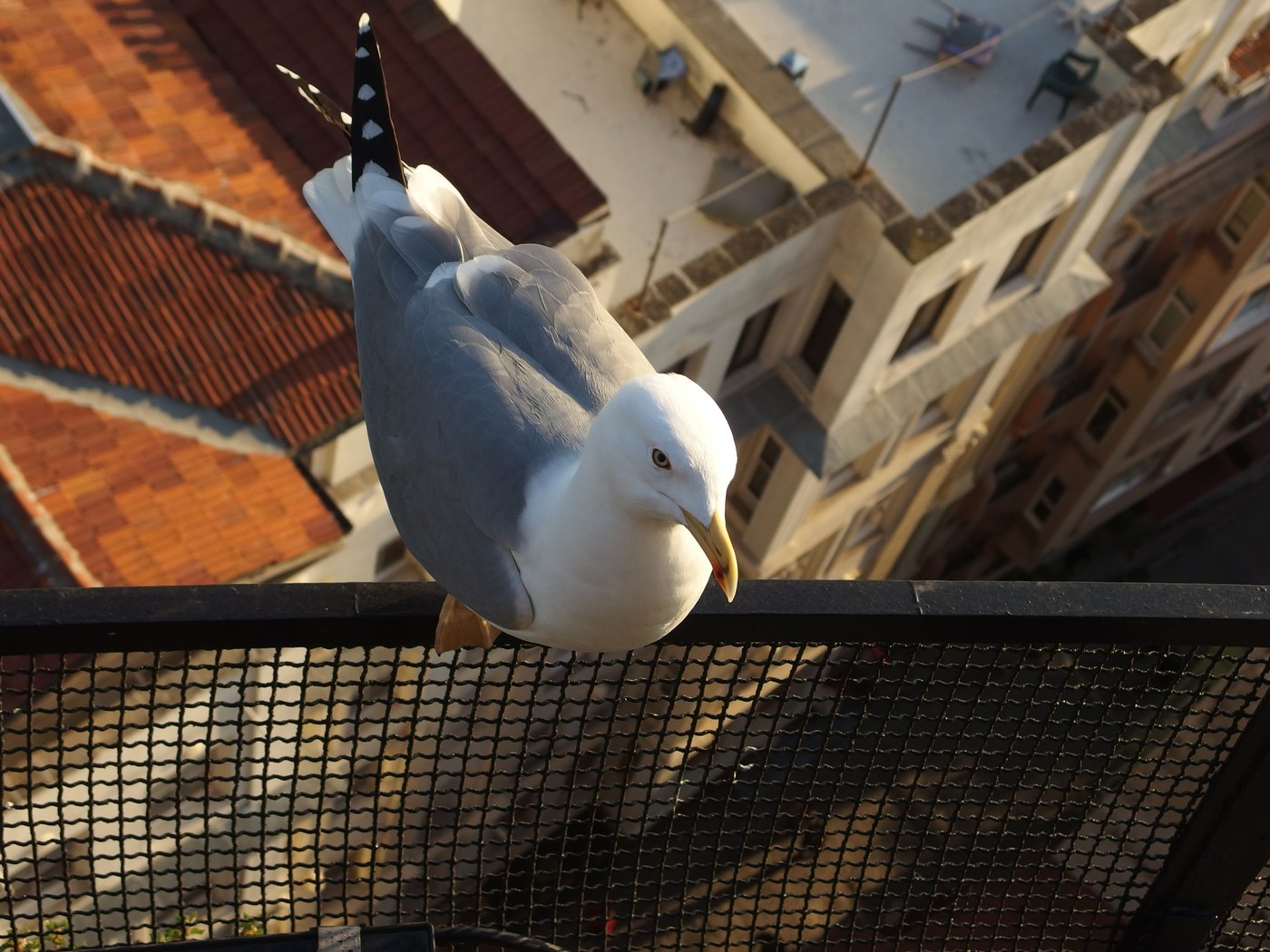
Yellow-legged Gull
Larus michahellis
A large, robust gull of Mediterranean and western European coasts, closely resembling other large white-headed gulls but distinguished by bright yellow legs and a somewhat darker mantle.
- Feather type
- Body, wing covert, and flight feathers
- Colours
- Medium-gray mantle, white underparts, black wingtips with white mirrors
- Bird size
- Large gull, ~55-60 cm
Found a feather like this?
Identify any feather from a photo, free.
Overview
Overview
The Yellow-legged Gull is a large, powerfully built gull common along Mediterranean and Atlantic coasts of Europe, closely related to and often confused with other large white-headed gulls in the Larus complex. As its name suggests, adults show bright yellow legs, a feature shared with only a few similar large gulls, combined with a mantle that is somewhat darker gray than that of the Herring Gull, one of its closest relatives. A conspicuous red orbital ring around the eye and a heavy yellow bill with a red gonydeal spot complete the adult's field-ready appearance.
This species has adapted well to human environments, becoming common in coastal cities, harbors, and refuse sites across its range, often nesting on building rooftops in addition to natural cliff and island sites.
Identifying the Feather
Feather Identification
- Wing feathers: Outer primaries are black with white mirror spots near the tips, similar in general pattern to other large white-headed gulls but set against a somewhat darker medium-gray mantle than the paler Herring Gull.
- Size and shape: Flight feathers are long, broad, and robust, consistent with a large, powerful gull capable of extended soaring and gliding flight.
- Mantle and covert feathers: Medium gray, distinctly darker than Herring Gull but paler than the darkest-backed large gulls, a useful comparative feature when species are seen side by side.
- Compared to similar species: Herring Gull is paler-mantled with pink (not yellow) legs; Lesser Black-backed Gull has a notably darker mantle; careful attention to mantle shade alongside leg color helps separate this species from its close relatives within the large white-headed gull group.
Plumage & Molt
Plumage Details
Adults show a white head and underparts, medium-gray mantle and upperwing, black wingtips with white mirror spots, bright yellow legs, and a heavy yellow bill with a red gonydeal spot, along with a red orbital ring around the eye. In winter, adults typically show little head streaking compared to some related species, tending to retain a fairly clean white head. Juveniles are heavily mottled brown overall, with a dark tail band, and progress through a series of increasingly gray-backed and white-headed immature plumages over about four years before reaching full adult plumage, a maturation period typical of large white-headed gulls.
Habitat & Range
Habitat & Range
Yellow-legged Gulls breed widely across the Mediterranean basin and along the Atlantic coasts of Iberia and France, nesting on cliffs, islands, and increasingly on rooftops in coastal towns and cities. They are largely resident or short-distance migrants, with many populations remaining near breeding areas year-round, though some individuals disperse further during the nonbreeding season. The species has expanded its range and numbers in recent decades, benefiting from abundant food at landfills, fishing ports, and urban areas.
Behavior & Field Notes
Behavior & Field Notes
This adaptable gull forages opportunistically on fish, invertebrates, refuse, and food scavenged from urban and harbor environments, often in large, vocal flocks. Nesting occurs colonially on cliffs, rocky islands, and increasingly on flat or gently sloped rooftops in coastal cities, an adaptation that has allowed the species to thrive alongside human settlement. The call is a deep, resonant "kyow" or laughing series typical of large Larus gulls. Its combination of yellow legs, medium-gray mantle, and red orbital ring are the most useful features for separating it from closely related large white-headed gulls sharing its range.
Frequently asked questions
How can I tell a Yellow-legged Gull from a Herring Gull?
Yellow-legged Gull has bright yellow legs and a somewhat darker gray mantle, while Herring Gull has pink legs and a paler mantle; the red orbital ring is also more pronounced in Yellow-legged Gull.
Why has this species become common in coastal cities?
It has adapted readily to nesting on building rooftops and foraging at refuse sites, harbors, and other human-modified environments, allowing populations to thrive alongside urban development.
How long does it take to reach adult plumage?
As with most large white-headed gulls, full adult plumage is typically reached around the fourth year, following a series of increasingly gray-backed and white-headed immature plumages.
Where is this species most commonly found?
It is widespread and common along the Mediterranean coast and the Atlantic coasts of Iberia and France, both in natural coastal habitats and in urban and harbor settings.
Yellow-legged Gull guides
In-depth guides for identifying and understanding Yellow-legged Gull.
Other feathers you may enjoy

Western Gull
Body, flight, and tail feathers
Glaucous Gull
Body, flight, and tail feathers

American Herring Gull
Body, flight, and tail feathers

Great Black-backed Gull
Body, flight, and tail feathers

Common Gull
Body, flight, and tail feathers
Iceland Gull
Body, flight, and tail feathers

Ring-billed Gull
Body, flight, and tail feathers

Glaucous-winged Gull
Body, flight, and tail feathers

Herring Gull
Body, flight, and tail feathers

Lesser Black-backed Gull
Body, flight, and tail feathers

California Gull
Body, flight, and tail feathers
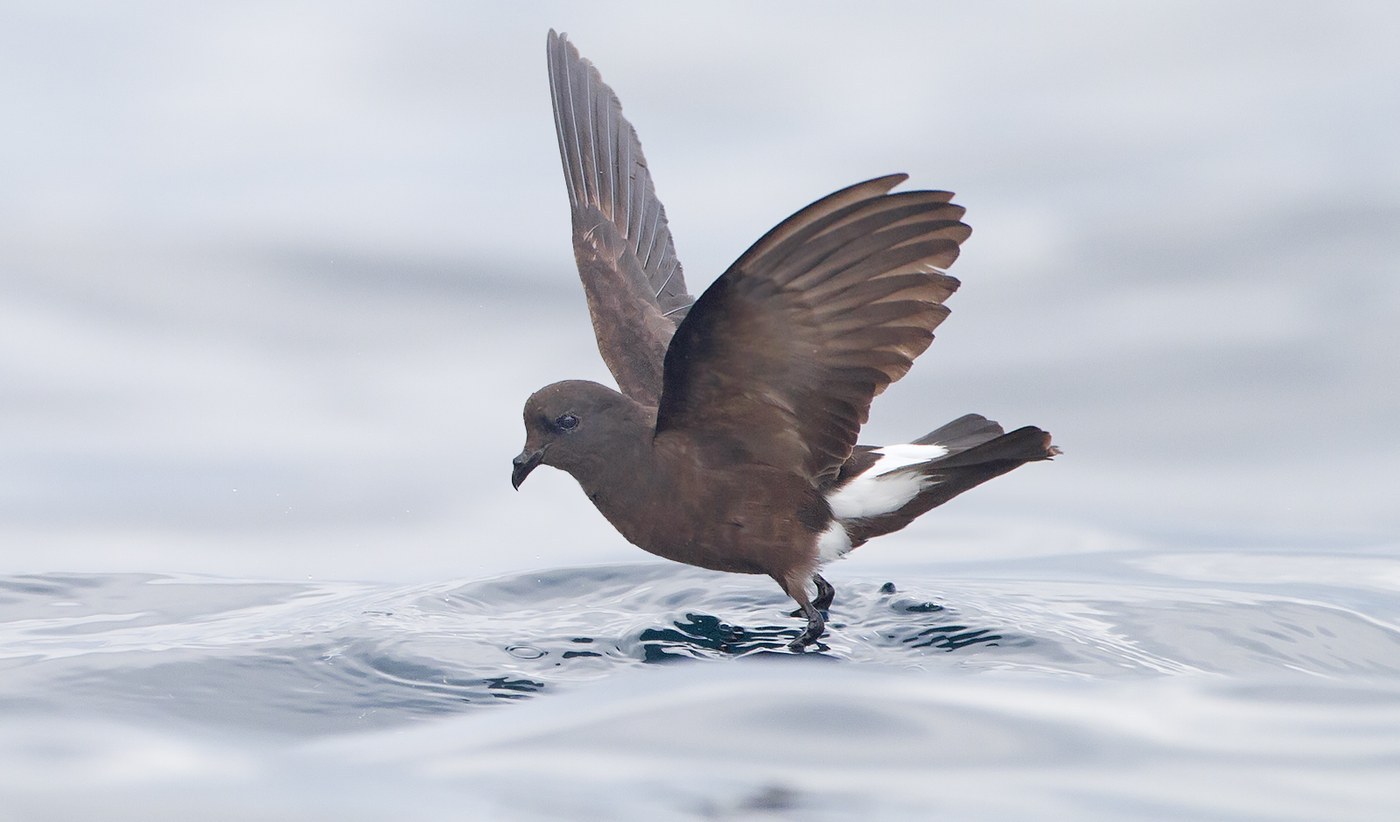
Wilson's Storm-Petrel
Small, soft flight and body feathers