

Broad-winged Hawk
Buteo platypterus
The Broad-winged Hawk is a compact, forest-nesting buteo with rufous-barred underparts and a short tail marked by bold, wide black-and-white bands, famous for gathering in enormous migrating flocks called 'kettles.'
- Feather type
- Broad rounded wings with a dark trailing edge border; short tail with broad alternating black-and-white bands; compact barred body feathers
- Colours
- Brown upperparts; rufous-barred pale underparts; tail boldly banded black and white with a wide terminal black band
- Bird size
- Small compact buteo, ~34-44 cm, wingspan around 84-92 cm
Found a feather like this?
Identify any feather from a photo, free.
Overview
Broad-winged Hawk
The Broad-winged Hawk is a small, compact buteo of eastern North American forests, best known for its spectacular mass migrations, when thousands of individuals form swirling flocks called 'kettles' as they ride thermals south for the winter. Outside of migration, it is a relatively secretive forest-dwelling hawk.
Its short, broad wings and boldly banded tail distinguish it from larger, more open-country buteos, reflecting its habit of hunting within and along the edges of woodland rather than over expansive open terrain.
Identifying the Feather
Identifying Broad-winged Hawk Feathers
- Primaries/secondaries: broad and rounded, brown above with a distinctive dark border along the trailing edge visible from below, edged in white.
- Tail feathers: short and broad with a small number of wide, high-contrast black-and-white bands, the black terminal band typically widest.
- Body feathers: underparts are barred rufous-brown and white; upperpart feathers are a fairly uniform warm brown.
- Compared to Red-shouldered Hawk, Broad-winged tail feathers show fewer, bolder bands and the bird itself is notably smaller and more compact, with correspondingly smaller feathers.
Plumage & Molt
Plumage
Adults have brown upperparts and rufous-barred underparts, with a short tail showing a few broad, high-contrast black-and-white bands. Juveniles are more heavily streaked below rather than barred, with a tail showing narrower, more numerous bands, before molting into adult plumage. Sexes look alike, with only slight size difference.
Habitat & Range
Habitat & Range
Breeds across deciduous and mixed forest of eastern North America, generally preferring continuous woodland over fragmented habitat. It is a long-distance migrant, traveling in large communal flocks to winter in Central America and northern South America, making it one of the most migratory of the North American buteos.
Behavior & Field Notes
Behavior & Field Notes
Broad-winged Hawks hunt from forest perches for small vertebrates and other prey, and are relatively quiet and inconspicuous during the breeding season. During migration, they gather in large kettles that can number in the thousands at watch sites along ridgelines and coastlines. A small, compact feather with bold, wide black-and-white tail banding found in eastern forest habitat is consistent with this species, especially given its strong association with woodland rather than open country.
Frequently asked questions
How can I recognize a Broad-winged Hawk tail feather?
Look for a short feather with just a few wide, high-contrast black-and-white bands, the terminal black band usually the broadest, differing from the more numerous, narrower bands of some other buteos.
Why is this species associated with large migrating flocks?
Broad-winged Hawks are known for forming massive thermal-riding flocks called 'kettles' during their long migration to Central and South America, a behavior less pronounced in most other buteos.
What habitat is this species tied to?
Continuous deciduous and mixed forest across eastern North America during the breeding season, making its feathers more likely to be found in woodland than open fields.
Is this one of the smaller buteo hawks?
Yes, it is a relatively small, compact buteo, and its feathers are correspondingly smaller than those of larger relatives such as the Red-tailed Hawk.
Broad-winged Hawk guides
In-depth guides for identifying and understanding Broad-winged Hawk.

Broad-winged Hawk identified by the community
Real feathers identified with Feather Identifier.


Other feathers you may enjoy

Australian Hobby
Long, narrow pointed flight feathers; slender tail feathers

California Condor
Massive flight feathers; long broad primaries; large tail feathers

Brown Falcon
Broad, rounded flight feathers; variable-toned contour feathers
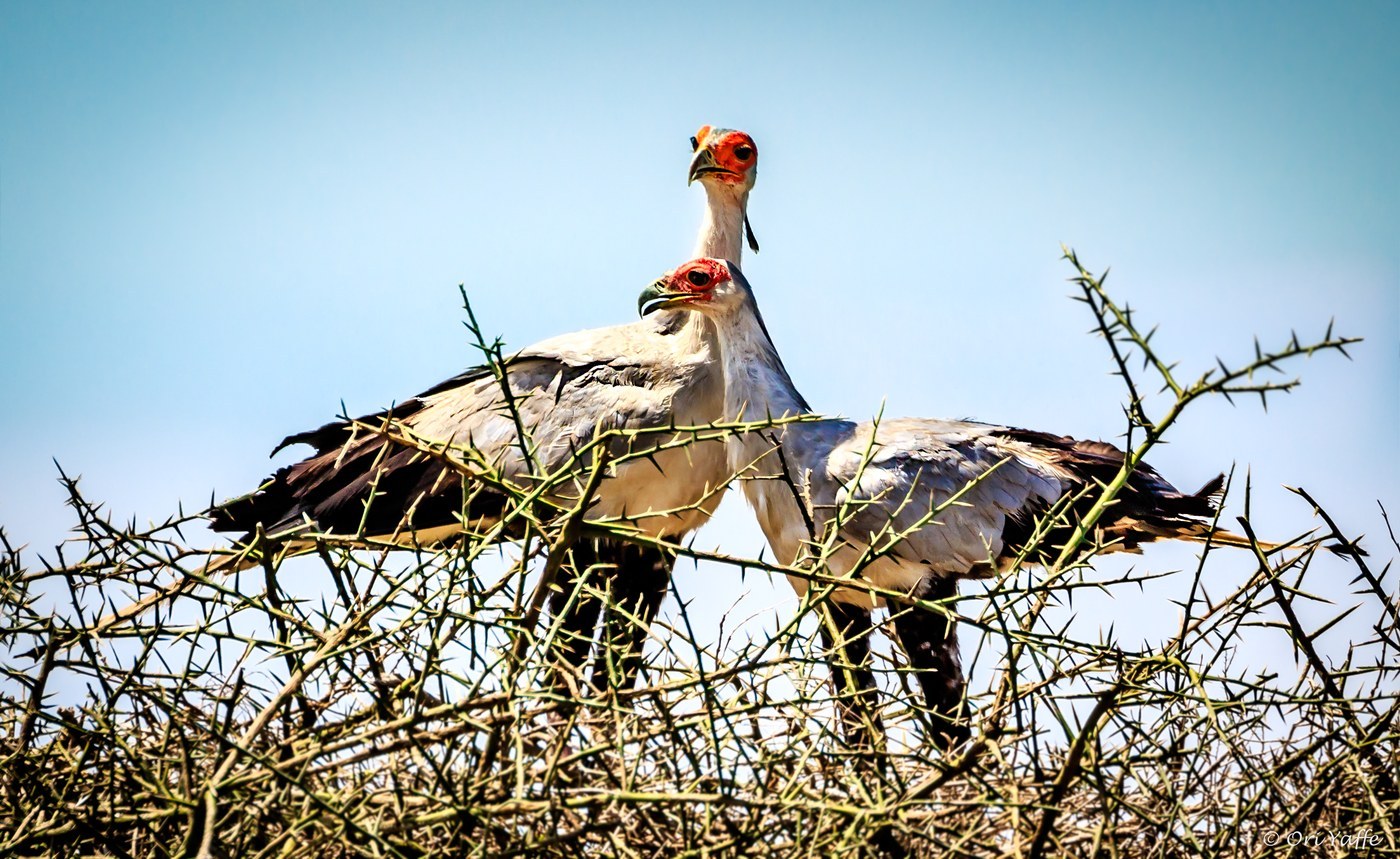
Secretarybird
Long crest feathers; broad flight feathers; elongated central tail feathers

Orange-breasted Falcon
Broad-based pointed flight feathers; bold breast and belly feathers
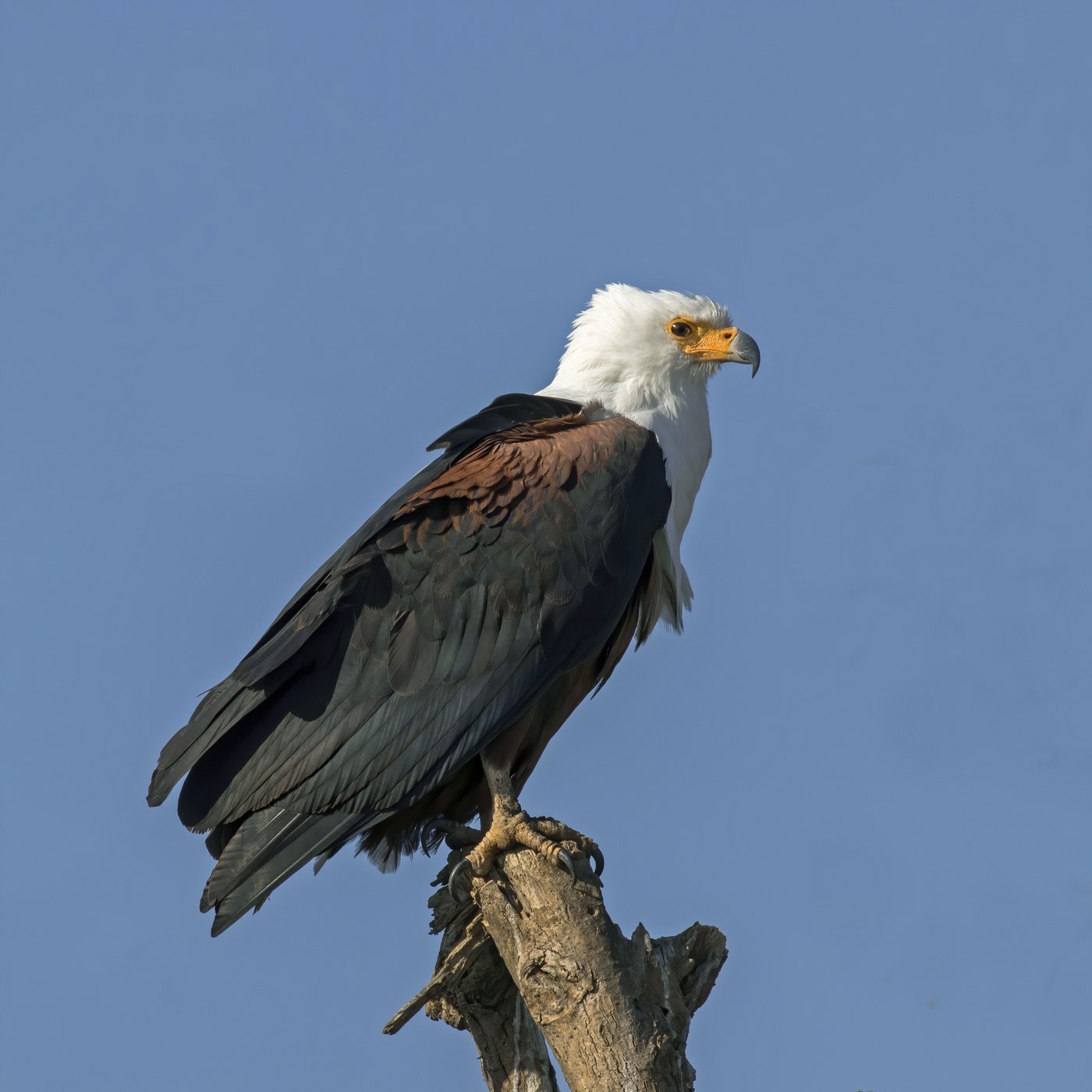
African Fish Eagle
Flight, tail, and body feathers

Amur Falcon
Slender pointed flight feathers; soft slate or orange-buff contour feathers
Red Kite
Flight (wing) and tail feathers
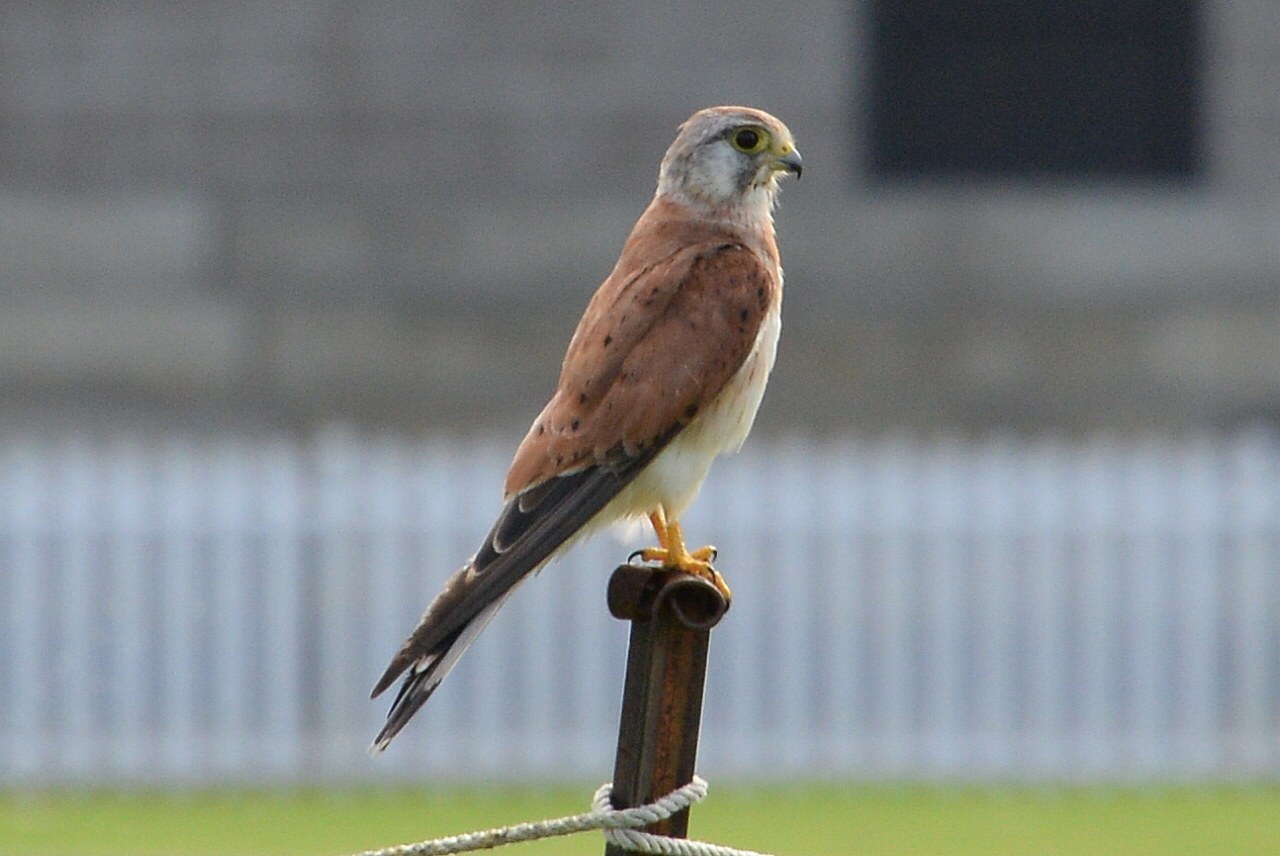
Nankeen Kestrel
Slim pointed flight feathers; lightly marked contour feathers

Andean Condor
Massive flight feathers; broad primaries and secondaries; sturdy tail feathers

Plumbeous Forest Falcon
Short rounded flight feathers; finely barred tail feathers

Sooty Falcon
Long pointed flight feathers; slim tail feathers