

Caspian Tern
Hydroprogne caspia
The largest tern in the world, approaching the size of some gulls, unmistakable for its massive deep red bill, heavy build, and loud, harsh call.
- Feather type
- Body and flight feathers
- Colours
- Pale gray upperparts, white underparts, black cap, massive red bill
- Bird size
- Very large tern, ~48-56 cm
Found a feather like this?
Identify any feather from a photo, free.
Overview
Overview
The Caspian Tern is the largest tern species worldwide, with a body size and heavy, gull-like build that can make it look almost out of place among smaller, more delicate terns. Its most conspicuous feature is a massive, thick, deep red to orange-red bill, often with a darker tip, which combined with its size makes this species one of the easiest terns to identify at a glance. A solid black cap and pale gray upperparts complete its distinctive appearance.
Despite its size, the Caspian Tern shares the plunge-diving foraging style typical of terns and is found on a remarkably wide range of coastal and inland waters across much of the world, from large lakes and rivers to open coastlines.
Identifying the Feather
Feather Identification
- Wing feathers: Pale gray upperwing with darker, blackish undersides to the outer primaries visible in flight, a feature that stands out due to the species' overall pale coloration and large size.
- Size and shape: Flight feathers are notably large and heavy, reflecting the species' status as the largest tern, with broader, less delicate proportions than smaller Sterna and Thalasseus terns.
- Crest/cap feathers: A solid black cap covers the crown in breeding adults, without the shaggy elongated crest feathers seen in Royal or Sandwich Terns, giving a smoother-headed appearance.
- Compared to similar species: Royal Tern is smaller with a slimmer, more purely orange bill and a shaggier crest; Caspian Tern's bill is thicker, more deeply red, and often shows a dusky tip, along with darker underprimaries visible in flight.
Plumage & Molt
Plumage Details
Breeding adults show a solid black cap, pale gray upperparts, white underparts, and a massive deep red to orange-red bill often with a dusky tip; legs are black. In nonbreeding plumage the black cap becomes streaked with white, giving a somewhat mottled crown rather than the solid cap of breeding birds, though the change is less dramatic than the full loss of cap seen in some smaller terns. Juveniles show brown mottling on the back and wing coverts along with a duller orange bill, gradually acquiring the adult's clean gray-and-white plumage and full bill color over their first couple of years.
Habitat & Range
Habitat & Range
Caspian Terns breed on a wide variety of coastal and inland waters across much of the world, including large lakes, rivers, and coastlines of North America, Europe, Asia, Africa, and Australia, reflecting its status as the most widely distributed tern globally. Populations are migratory to varying degrees, with many moving to warmer coastal or inland wintering areas outside the breeding season. Its willingness to use both fresh and saltwater habitats sets it apart from many terns that are more strictly coastal or marsh-associated.
Behavior & Field Notes
Behavior & Field Notes
Caspian Terns forage by plunge-diving for fish in both coastal and inland waters, often foraging alone or in small groups rather than the large, dense feeding flocks typical of some smaller terns. They nest colonially on open sand, gravel bars, or rocky islands, frequently alongside other terns and gulls, though colonies can also be small or solitary in some areas. The call is a loud, harsh, crow-like "raaah" or "kaa-arrh," among the most distinctive and far-carrying calls of any tern. Its combination of massive size, thick red bill, and heavy build make the Caspian Tern one of the most straightforward terns to identify, even at a considerable distance.
Frequently asked questions
What is the easiest way to identify the Caspian Tern?
Its very large size approaching that of a gull, combined with a massive, thick, deep red bill, makes it one of the most readily identifiable terns anywhere in its range.
How does the Caspian Tern's bill differ from the Royal Tern's?
The Caspian Tern's bill is thicker and more deeply red, often with a dusky or dark tip, while the Royal Tern's bill is slimmer and more purely orange without a dark tip.
Does this species use freshwater habitats?
Yes, unlike many terns that are restricted to coastal or marsh environments, Caspian Terns readily use large lakes and rivers in addition to ocean coastlines.
What does the Caspian Tern's call sound like?
It gives a loud, harsh, crow-like call often described as a rasping 'raaah,' among the most distinctive and far-carrying vocalizations of any tern species.
Caspian Tern guides
In-depth guides for identifying and understanding Caspian Tern.

Other feathers you may enjoy

Western Gull
Body, flight, and tail feathers
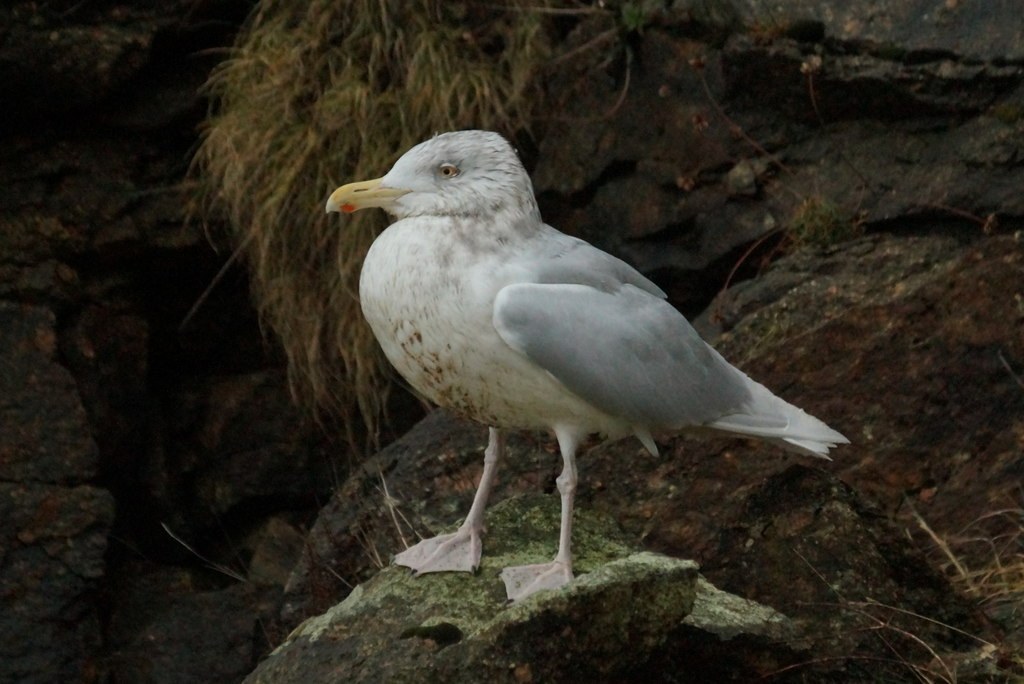
Glaucous Gull
Body, flight, and tail feathers

American Herring Gull
Body, flight, and tail feathers

Great Black-backed Gull
Body, flight, and tail feathers

Common Gull
Body, flight, and tail feathers
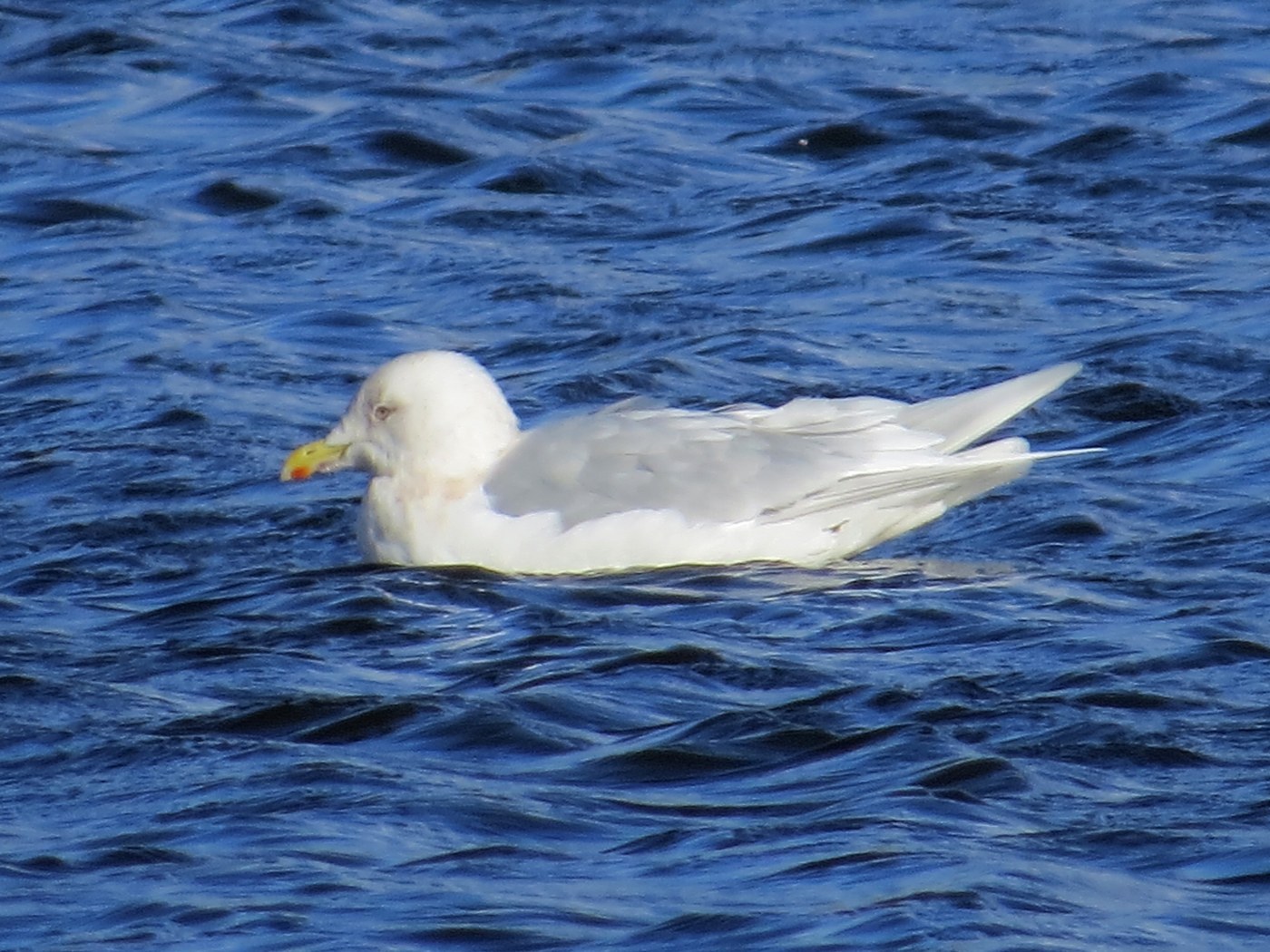
Iceland Gull
Body, flight, and tail feathers

Ring-billed Gull
Body, flight, and tail feathers

Glaucous-winged Gull
Body, flight, and tail feathers

Herring Gull
Body, flight, and tail feathers

Lesser Black-backed Gull
Body, flight, and tail feathers

California Gull
Body, flight, and tail feathers
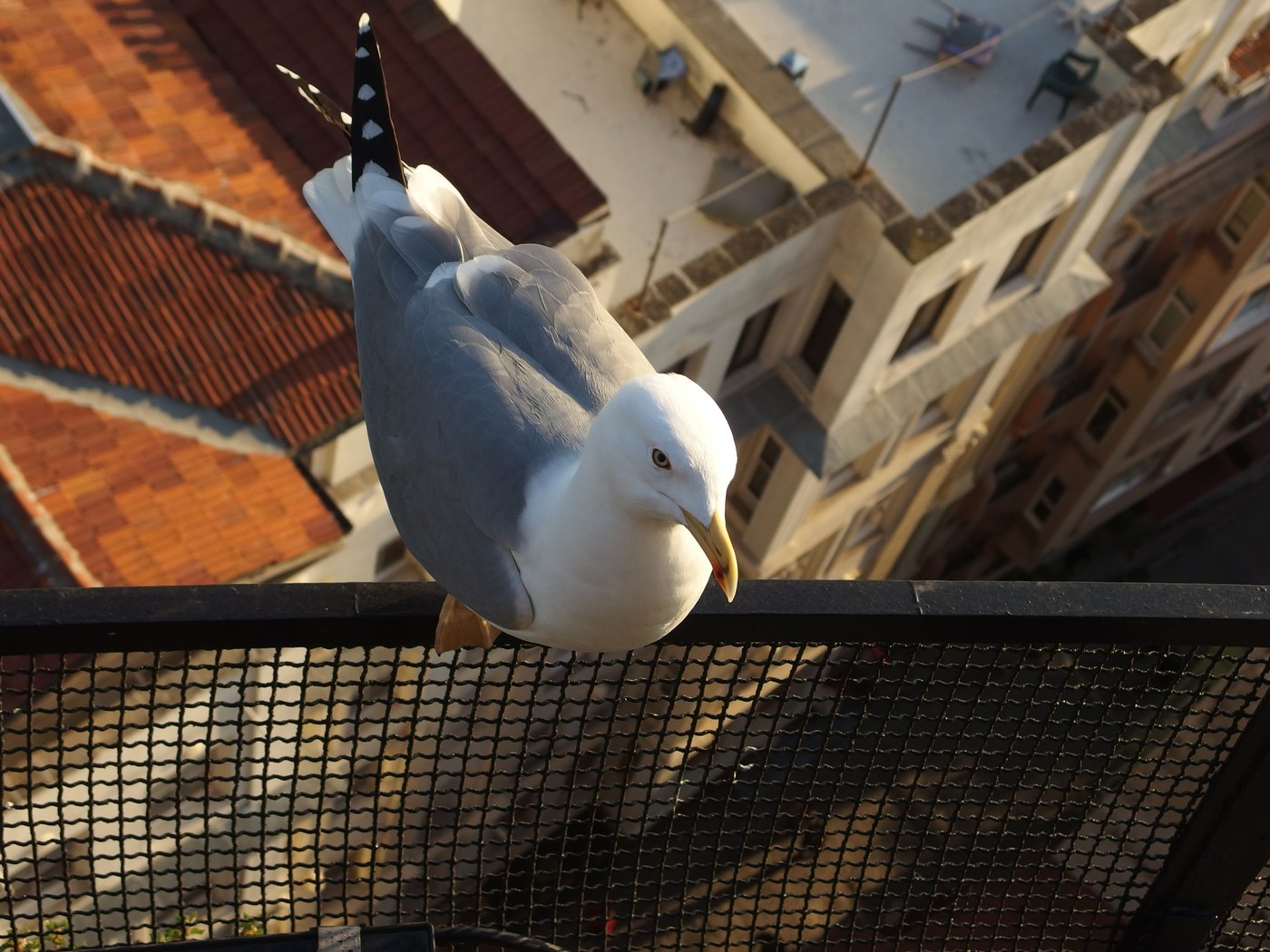
Yellow-legged Gull
Body, wing covert, and flight feathers