
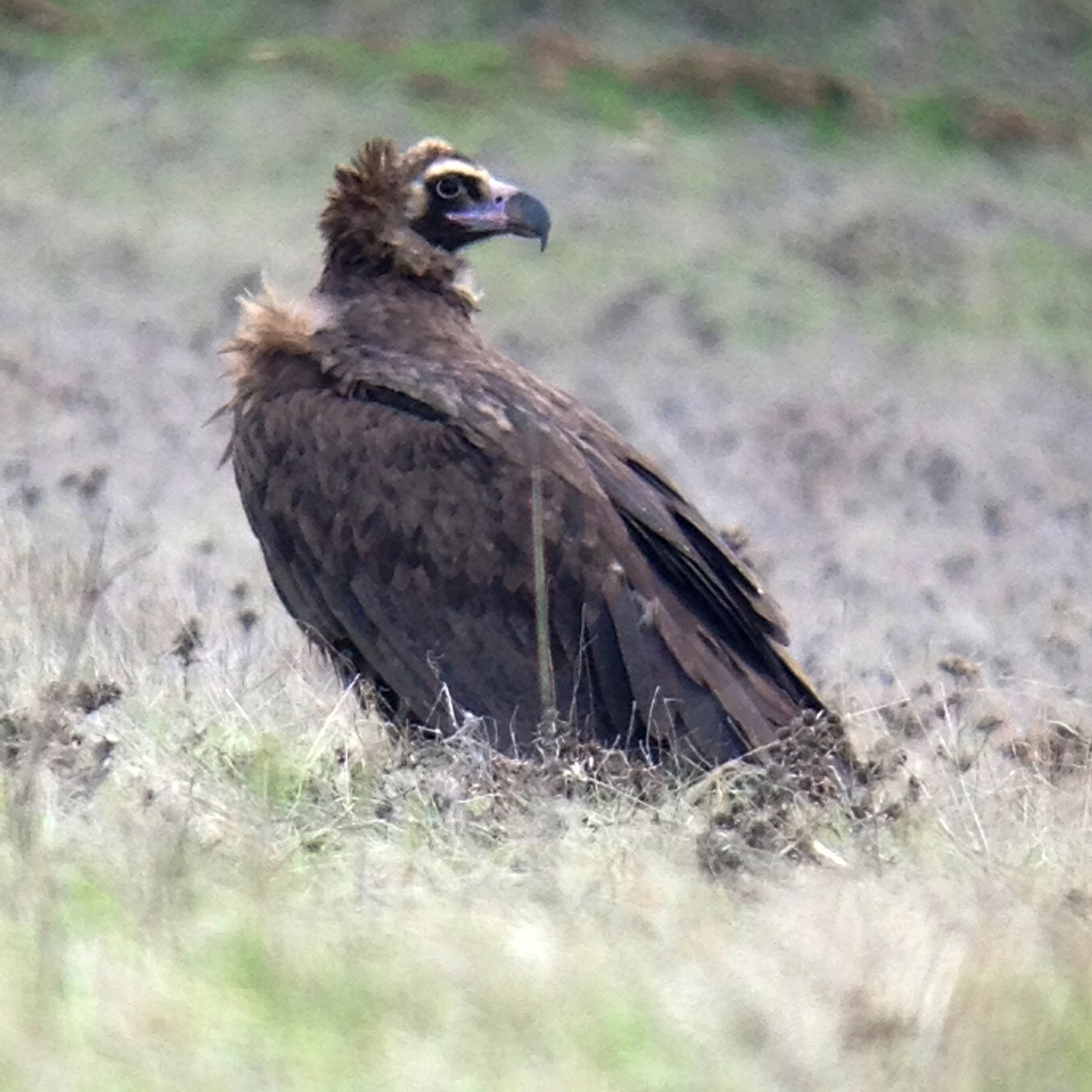
Cinereous Vulture
Aegypius monachus
One of the heaviest flying raptors, with uniformly dark brown plumage, a dense dark ruff, and broad flight feathers adapted for soaring across open Eurasian terrain.
- Feather type
- Very broad flight feathers; large tail feathers; dense dark ruff feathers
- Colours
- Uniform dark brown to blackish-brown body and flight feathers
- Bird size
- Very large raptor, ~98-120 cm
Found a feather like this?
Identify any feather from a photo, free.
Overview
The Cinereous Vulture is among the largest and heaviest raptors in the world, found across scattered mountainous and steppe regions from Spain and southeastern Europe through Central and East Asia. Its plumage is one of the most uniformly dark of any Old World vulture, lacking the strong two-toned contrast seen in species like the Griffon Vulture.
A dense ruff of dark feathers surrounds the base of the neck, and the head is covered in short down rather than being fully bare, giving it a distinctively somber, monastic appearance that inspired one of its common names.
Because of its uniform dark coloring, feathers from this species can be harder to distinguish from other large dark raptors without attention to size and shape.
Identifying the Feather
Shape and Size
Flight feathers are extremely broad and long, among the largest of any Old World vulture, reflecting the species' great size and weight; the tail is fairly short and wedge-shaped.
Color and Pattern
- Body and covert feathers: dark brown to blackish-brown, fairly uniform
- Flight feathers: dark brown to blackish, without strong contrast to the body
- Tail feathers: dark brown
- Neck ruff feathers: dark brown, dense, forming a thick collar
- Shafts: dark
Distinguishing from Similar Species
The near-uniform dark brown coloring throughout the body and flight feathers, without the pale body tone of the Griffon Vulture or the scaly pale edging of Ruppell's Vulture, combined with very large feather size, is the best clue for this species.
Plumage & Molt
Adults are uniformly dark brown to blackish-brown with a dark downy head and neck ruff; sexes look alike. Juveniles are similarly dark, sometimes even blacker, becoming slightly paler brown with age.
Molt is slow given the species' large feather size, following the extended replacement cycle typical of large vultures.
Habitat & Range
Found in scattered populations across Spain, the Balkans, the Caucasus, Central Asia, Mongolia, and China, in open hills, mountains, and steppe country with cliffs or large trees for nesting.
Most populations are resident, though some Asian populations make partial seasonal movements to lower elevations in winter.
Behavior & Field Notes
Feeds on carrion, often dominating smaller vulture species at carcasses due to its powerful bill and large size. Soars for extended periods on broad wings over open terrain.
Nests in large stick platforms built in trees or occasionally on cliffs, unusual among vultures for its large tree-nest structure. Vocalizations are limited to hisses and grunts.
A very large, uniformly dark brown feather found in open steppe or mountain habitat across its Eurasian range is a strong indicator of this species.
Frequently asked questions
How is this different from a Griffon Vulture feather?
Cinereous Vulture feathers are more uniformly dark brown throughout, lacking the paler tawny body tone that contrasts with dark flight feathers in the Griffon Vulture.
Why is this species sometimes called the Monk Vulture?
Its dark, downy head and neck ruff give it a somber, hooded appearance reminiscent of a monk's habit, though this refers to head covering rather than feather color specifically.
Does this species build a stick nest?
Yes, unusually among vultures, it builds a large stick nest in a tree, and feathers may sometimes be found near such nest sites.
Where is this species found?
Scattered mountain and steppe regions from Spain and the Balkans across Central Asia to Mongolia and China.
Cinereous Vulture guides
In-depth guides for identifying and understanding Cinereous Vulture.

Other feathers you may enjoy

Australian Hobby
Long, narrow pointed flight feathers; slender tail feathers

California Condor
Massive flight feathers; long broad primaries; large tail feathers

Brown Falcon
Broad, rounded flight feathers; variable-toned contour feathers
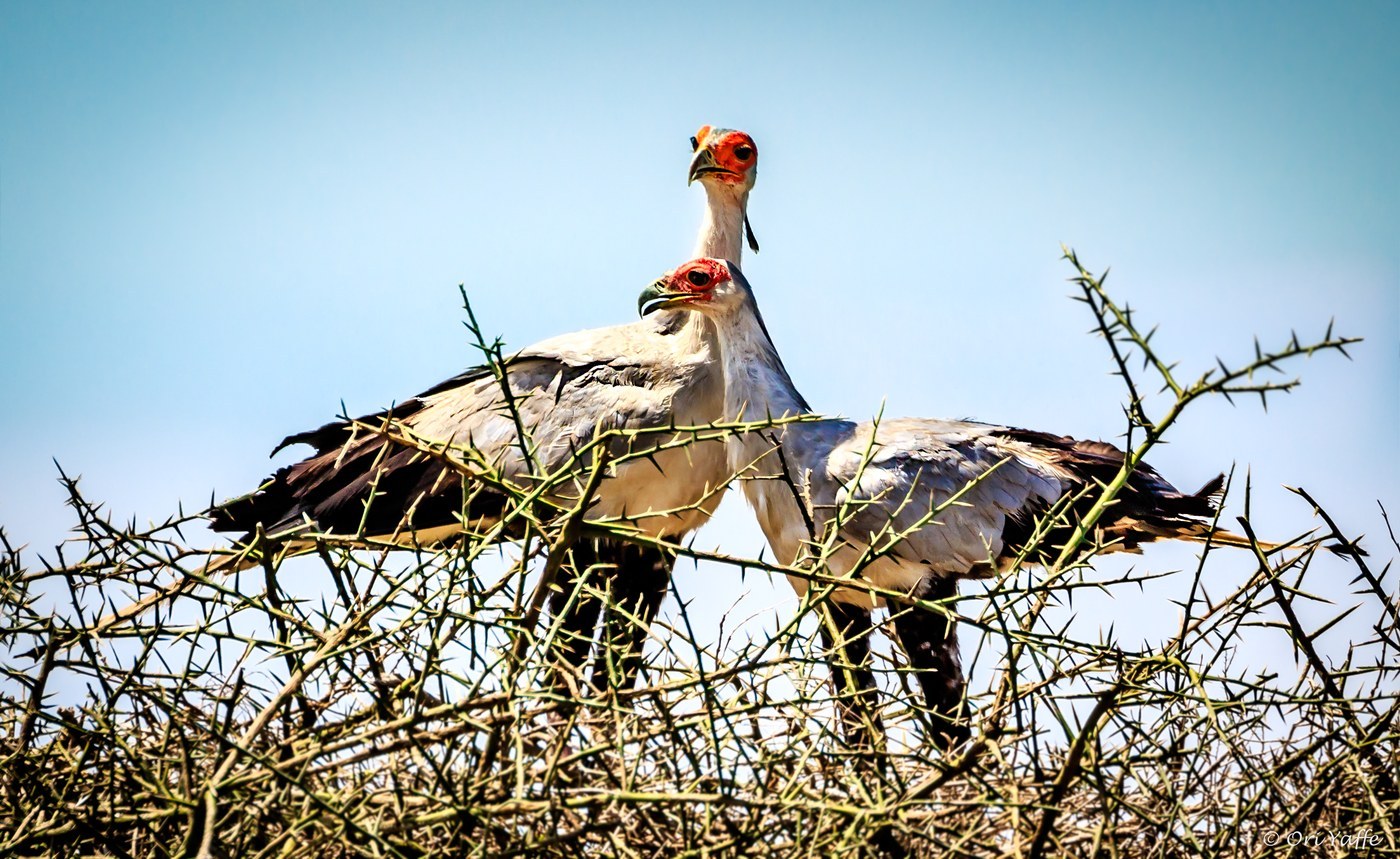
Secretarybird
Long crest feathers; broad flight feathers; elongated central tail feathers

Orange-breasted Falcon
Broad-based pointed flight feathers; bold breast and belly feathers
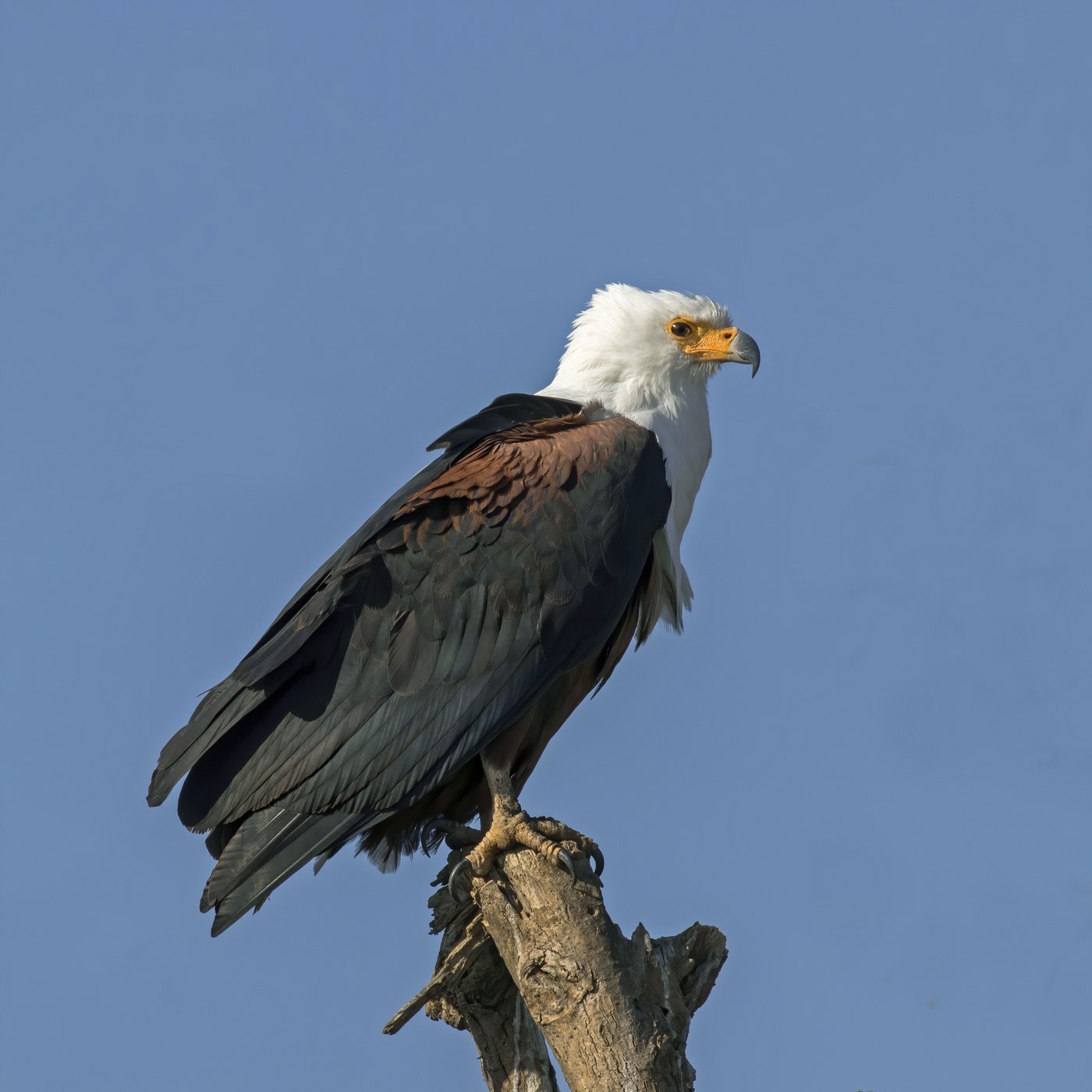
African Fish Eagle
Flight, tail, and body feathers

Amur Falcon
Slender pointed flight feathers; soft slate or orange-buff contour feathers
Red Kite
Flight (wing) and tail feathers
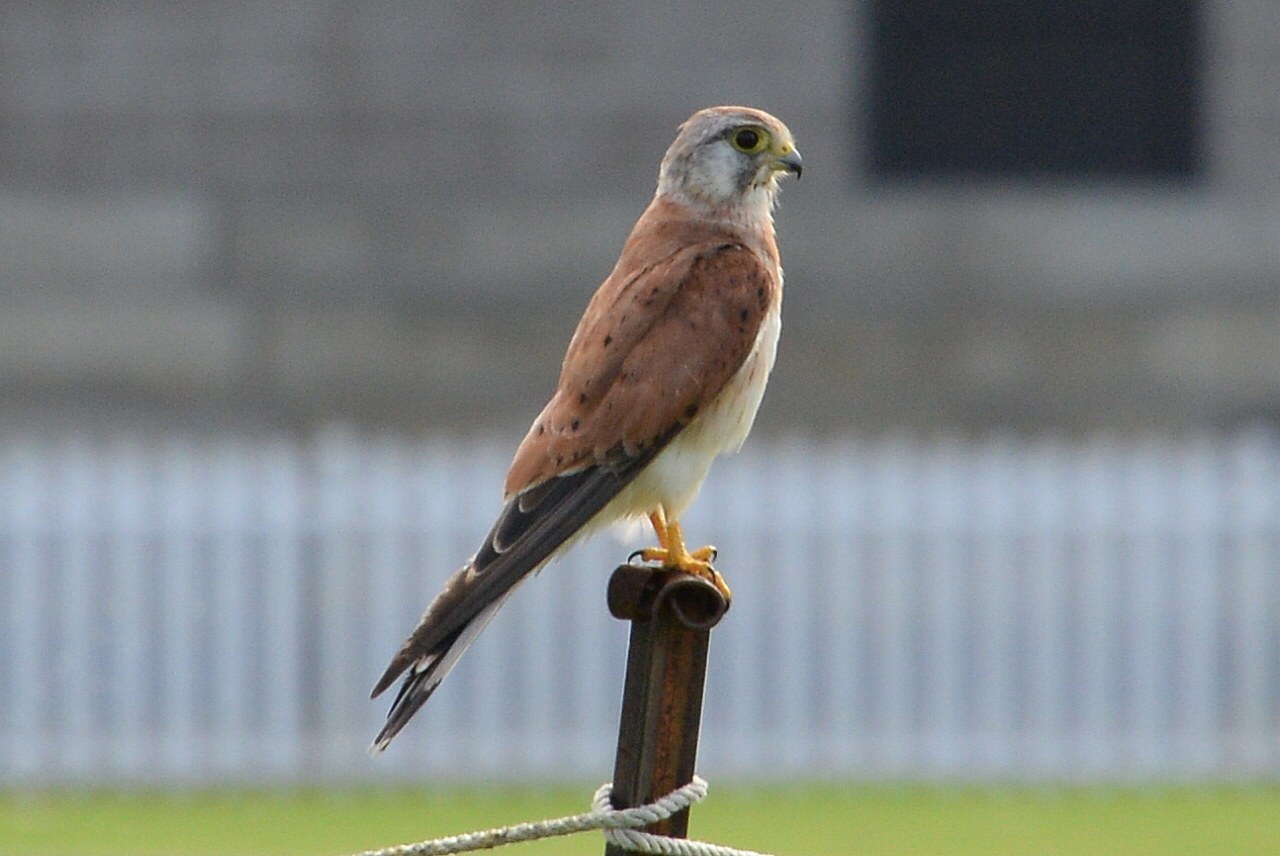
Nankeen Kestrel
Slim pointed flight feathers; lightly marked contour feathers

Andean Condor
Massive flight feathers; broad primaries and secondaries; sturdy tail feathers

Plumbeous Forest Falcon
Short rounded flight feathers; finely barred tail feathers

Sooty Falcon
Long pointed flight feathers; slim tail feathers