
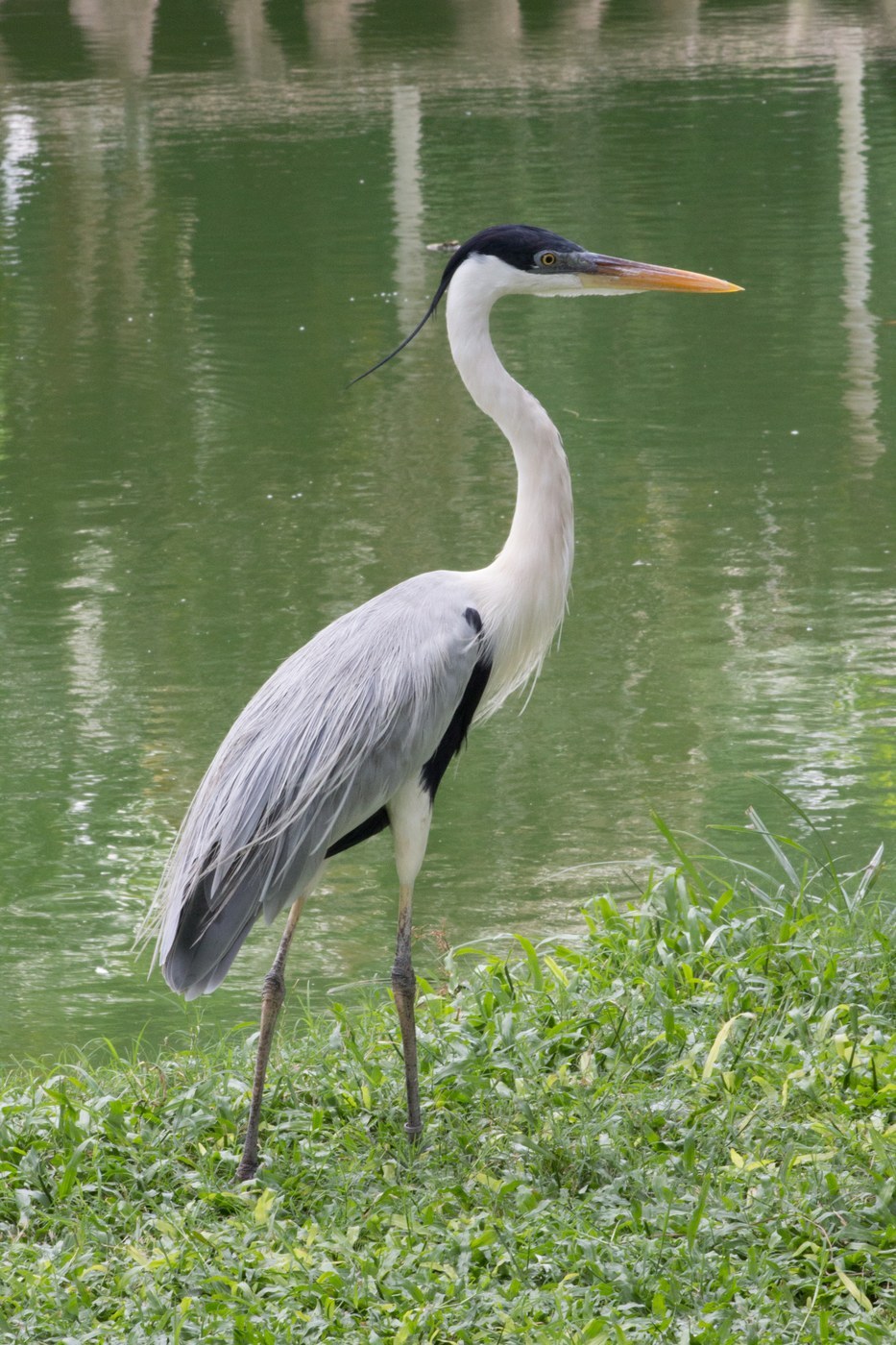
Cocoi Heron
Ardea cocoi
The South American counterpart to the Great Blue Heron, with a bold black cap and crisp white neck.
- Feather type
- Large contour feathers with strong black-and-white head contrast
- Colours
- Slate-gray, black, white, pale gray neck
- Bird size
- Large, ~95-127 cm tall
Found a feather like this?
Identify any feather from a photo, free.
Overview
Overview
The Cocoi Heron is the largest heron in South America and fills a similar ecological role there to the Great Blue Heron of North America. It shares the same slate-gray body and long dagger bill but shows a more strongly contrasting black cap and cleaner white foreneck, giving it a crisper, more graphic head pattern.
- Largest heron in South America, closely resembling the Great Blue Heron
- Sharp black cap contrasts with a clean white face and foreneck
- Common along rivers, lakes, and coastal wetlands across the continent
Identifying the Feather
Feather Identification
Cocoi Heron feathers are slate-gray on the back and wings, similar in tone to Great Blue Heron feathers, but head and neck feathers show a crisper black-and-white pattern with less of the grayish wash seen in its northern counterpart. The black crown feathers are solidly dark without fine streaking, and foreneck feathers tend to be cleaner white with minimal chestnut tinge. Flight feathers are large, dark slate to blackish, consistent with the bird's substantial size.
- Sharper black-and-white head/neck contrast than Great Blue Heron feathers, which show more blending
- Slate-gray body tone overlaps closely with Great Blue Heron, so range (South America) is a helpful clue
- Larger and grayer overall than the more richly colored Purple Heron
- Sturdy flight feathers reflect the bird's large size, similar in scale to Great Blue Heron
Plumage & Molt
Plumage
Adults have a solid black crown bordered by a white face and foreneck, a slate-gray back and wings, and a whitish belly with some black streaking on the lower foreneck and flanks. The legs are dark, and the bill is yellowish, brightening during the breeding season. Juveniles are duller, with a grayer head lacking the crisp black cap of adults and browner overall tones. Breeding adults may develop somewhat elongated plumes on the back and lower neck, though less prominent than in egrets. Molt is gradual, as in other large herons, with flight feathers replaced over an extended period.
Habitat & Range
Habitat & Range
The Cocoi Heron is widespread across South America, from Colombia and Venezuela south to Argentina and Chile, occupying a broad range of wetland habitats including rivers, lakes, marshes, flooded grasslands, and coastal lagoons and estuaries. Most populations are resident, though some southern populations may shift northward outside the breeding season in response to weather and water levels.
Behavior & Field Notes
Behavior & Field Notes
Like other large herons, the Cocoi Heron hunts by standing still or wading slowly through shallow water, striking suddenly at fish, amphibians, and other small animals. It typically forages alone but may nest colonially in trees, sometimes alongside egrets and other herons, building a stick platform nest. Its call is a deep, harsh croak, similar in tone to the Great Blue Heron's. In flight it holds its neck in the typical heron S-curve with legs trailing behind, and its size and gray coloring make it a familiar sight along South American waterways.
Frequently asked questions
How is a Cocoi Heron feather different from a Great Blue Heron feather?
Cocoi Heron head and neck feathers show a crisper, more solid black-and-white pattern with less grayish blending than the Great Blue Heron.
Where does the Cocoi Heron live?
It is found throughout South America, from northern countries like Colombia south to Argentina and Chile.
Is the Cocoi Heron related to the Great Blue Heron?
They are closely related species that fill similar ecological roles on different continents.
What habitats does the Cocoi Heron use?
Rivers, lakes, marshes, flooded grasslands, and coastal wetlands across its South American range.
Cocoi Heron guides
In-depth guides for identifying and understanding Cocoi Heron.
Other feathers you may enjoy

Yellow-billed Spoonbill
White contour and flight feathers with fine breeding plumes on the back and breast
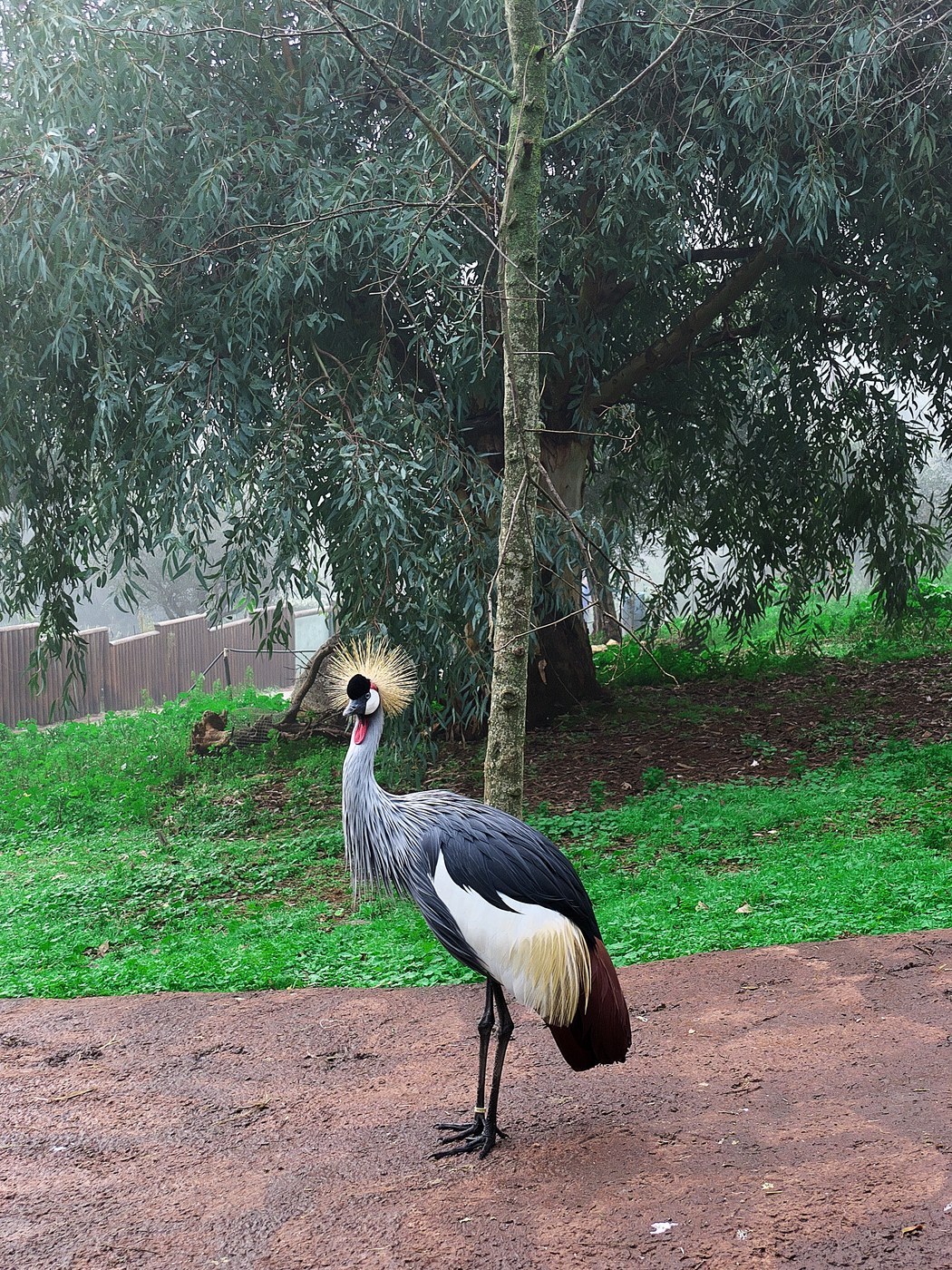
Grey Crowned Crane
Grey body feathers with white wing coverts, chestnut flight feathers, and stiff golden crown bristles
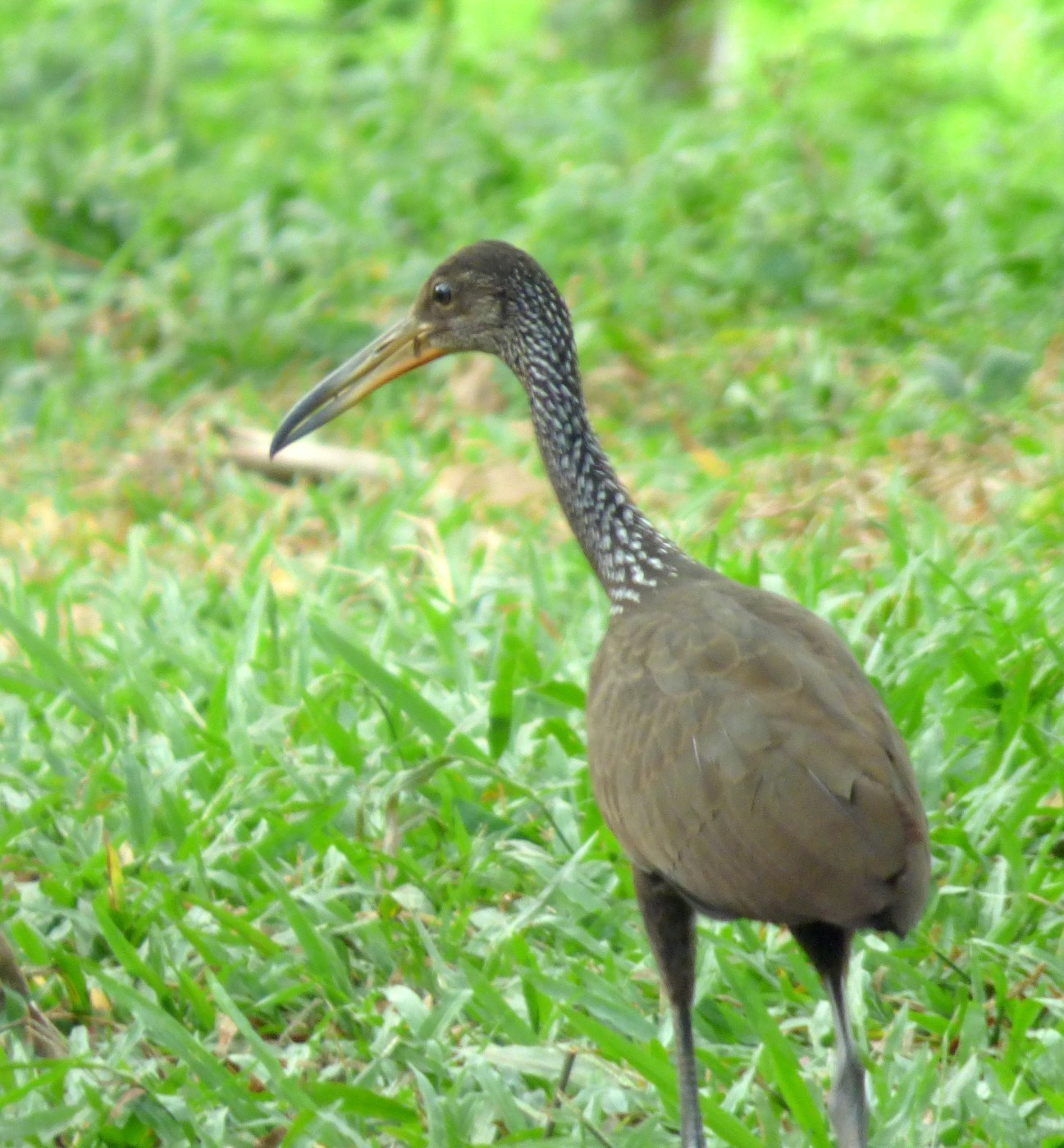
Limpkin
Brown contour feathers with white teardrop-shaped spots and streaks

Black-faced Spoonbill
White contour and flight feathers with fine breeding crest and breast plumes
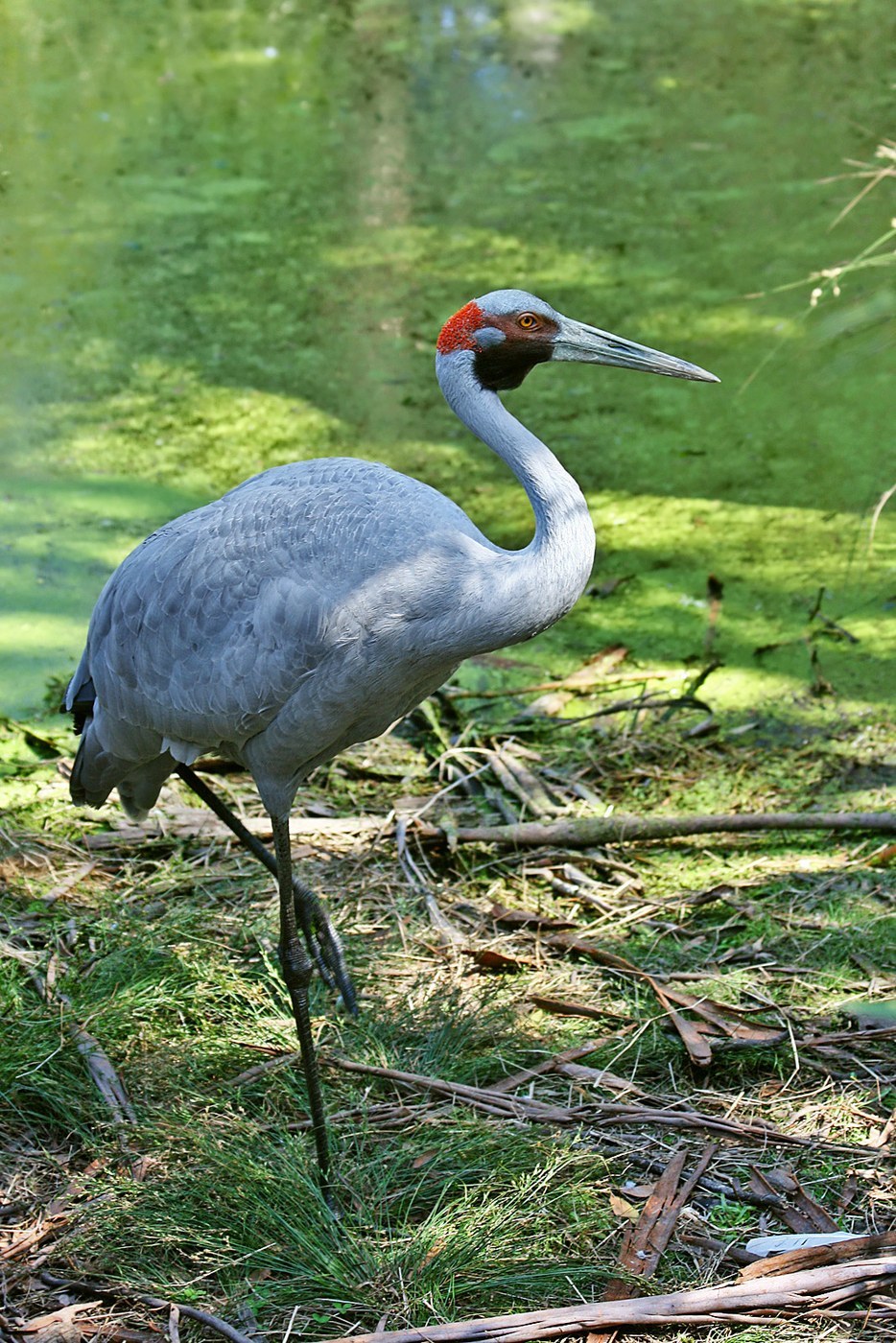
Brolga
Grey contour feathers with drooping bustle plumes
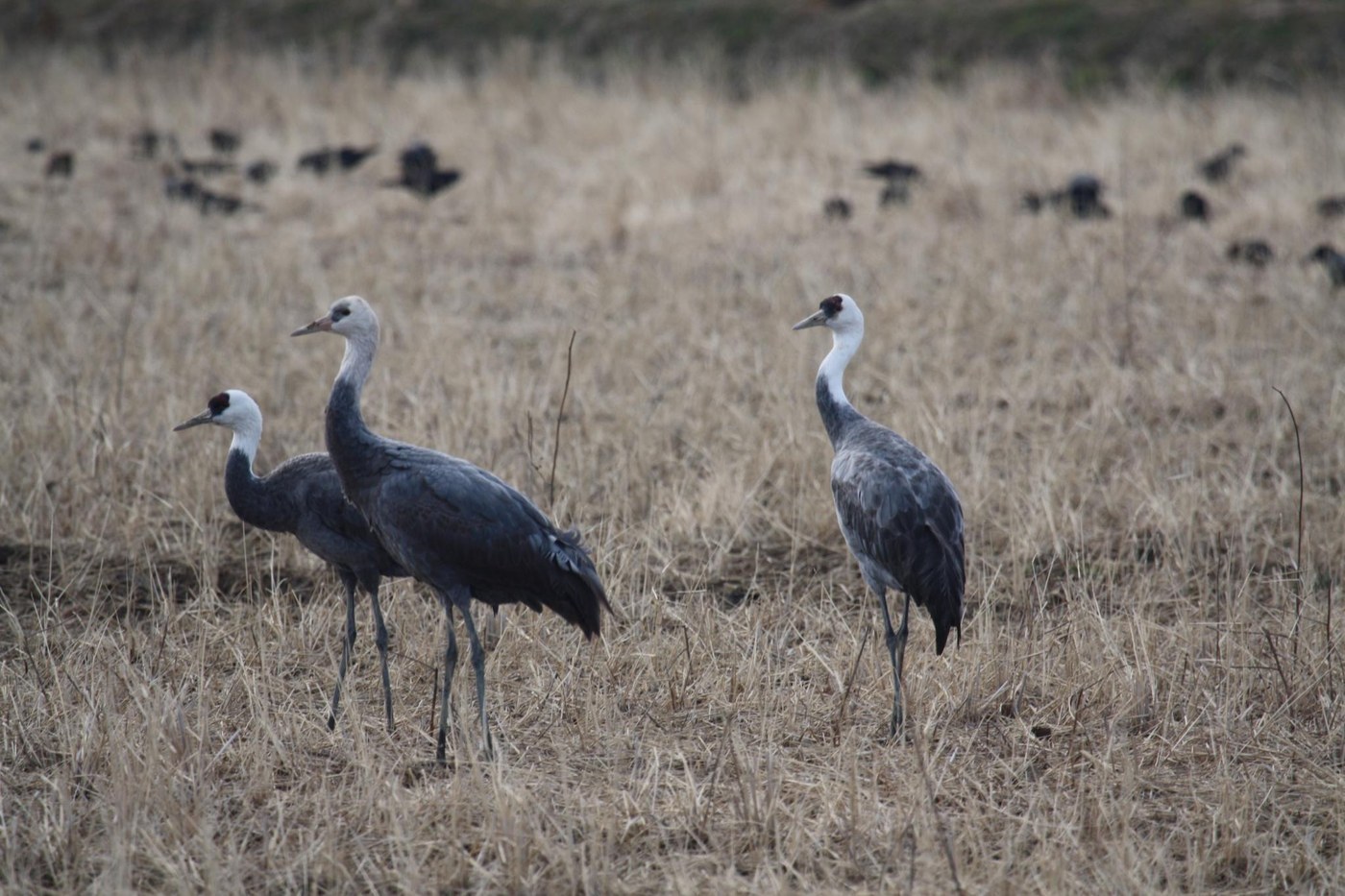
Hooded Crane
Dark slate-grey body feathers with a white head/upper neck 'hood' and black bustle plumes
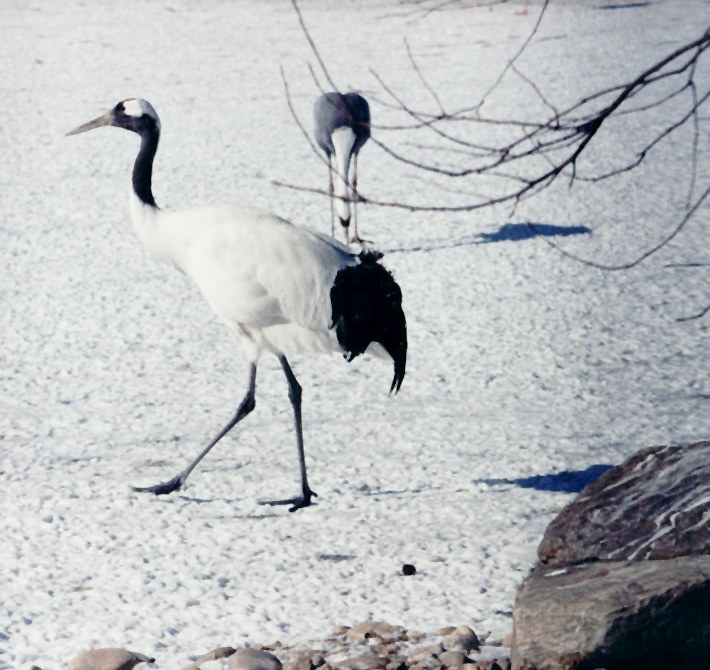
Red-crowned Crane
White contour feathers with black secondary/tertial bustle feathers and a bare red crown

Common Crane
Grey contour feathers with black head/neck feathers and drooping bustle plumes
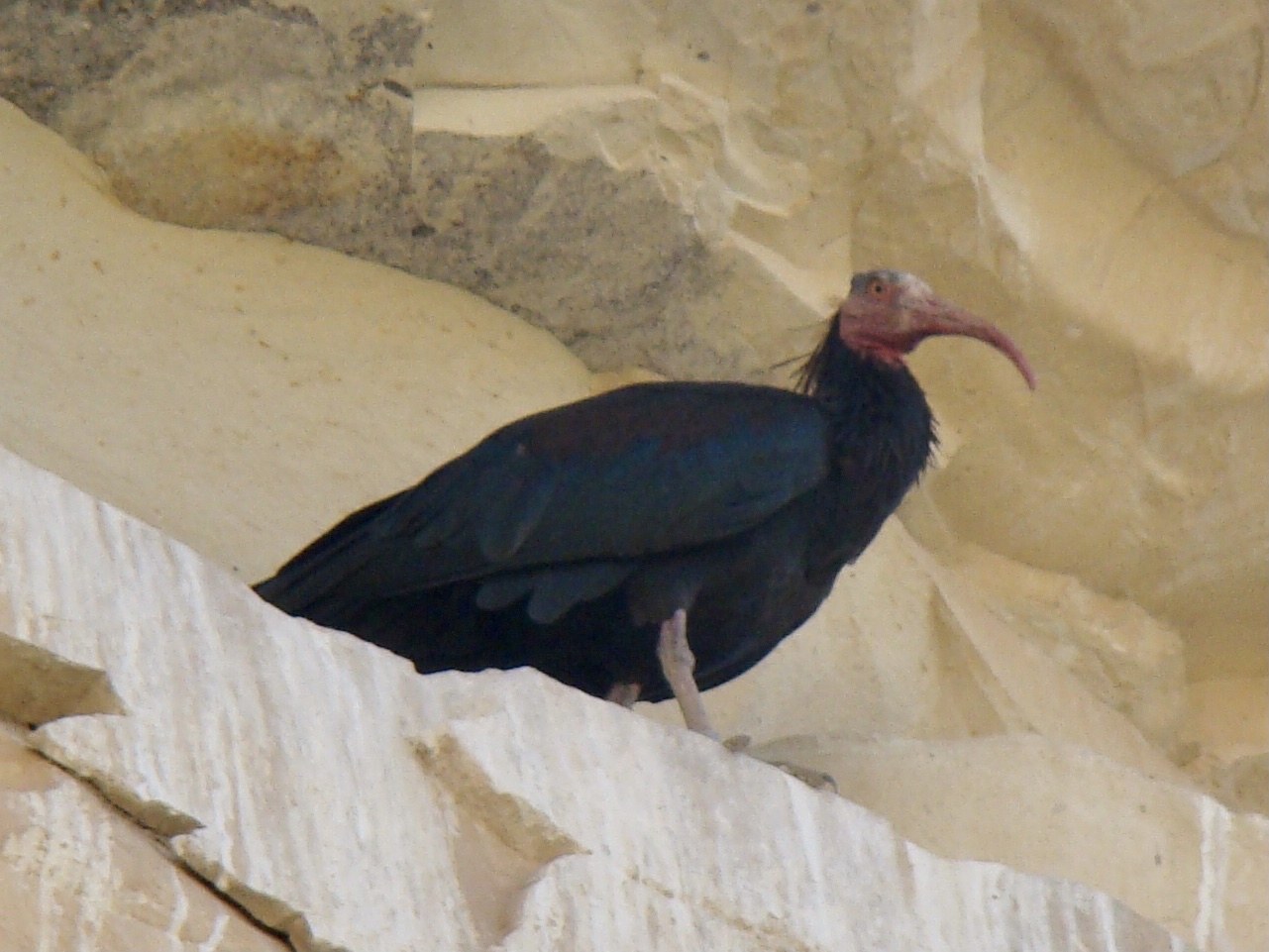
Northern Bald Ibis
Glossy black contour feathers with elongated nape plumes
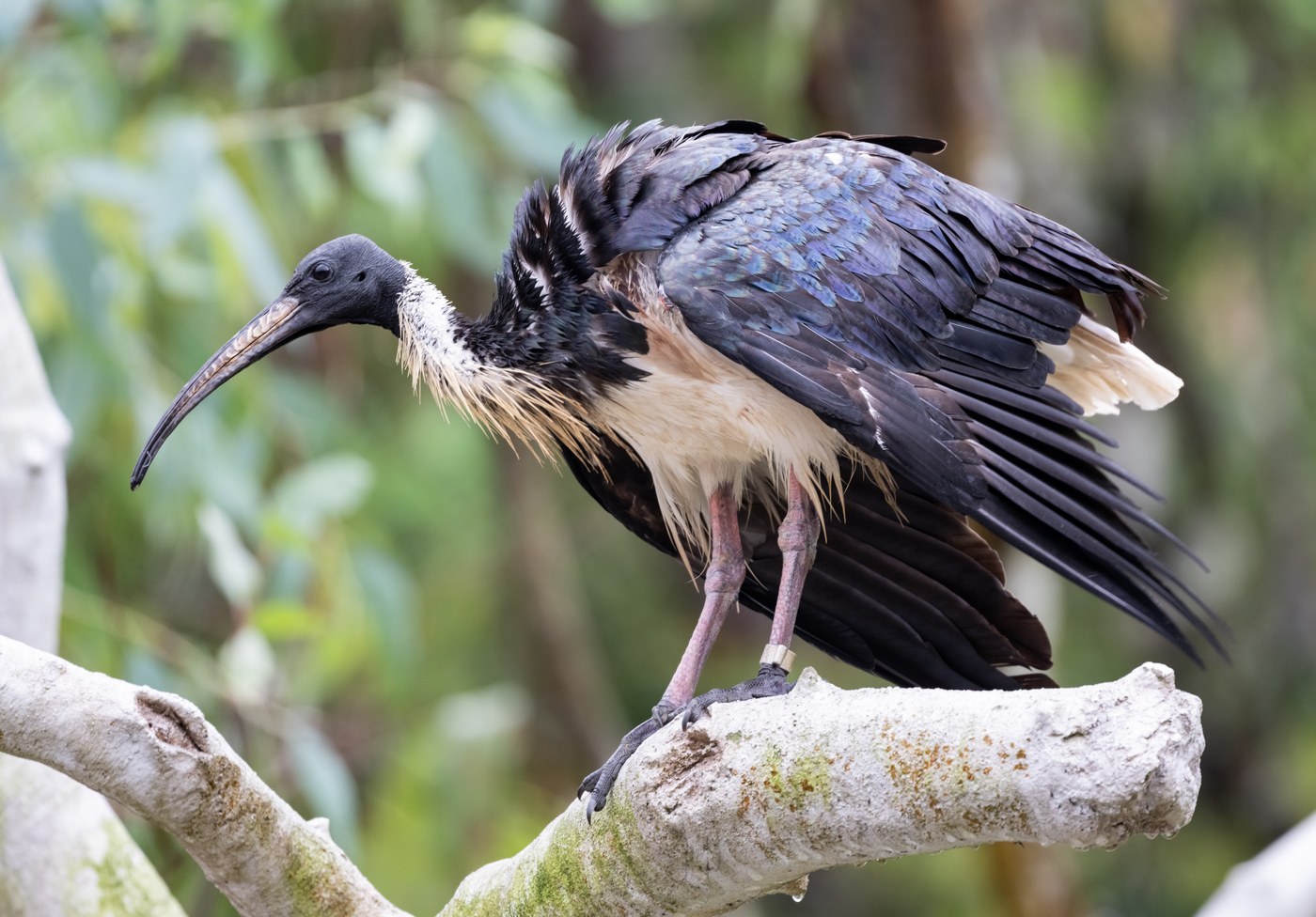
Straw-necked Ibis
Glossy contour feathers with unique straw-like neck plumes
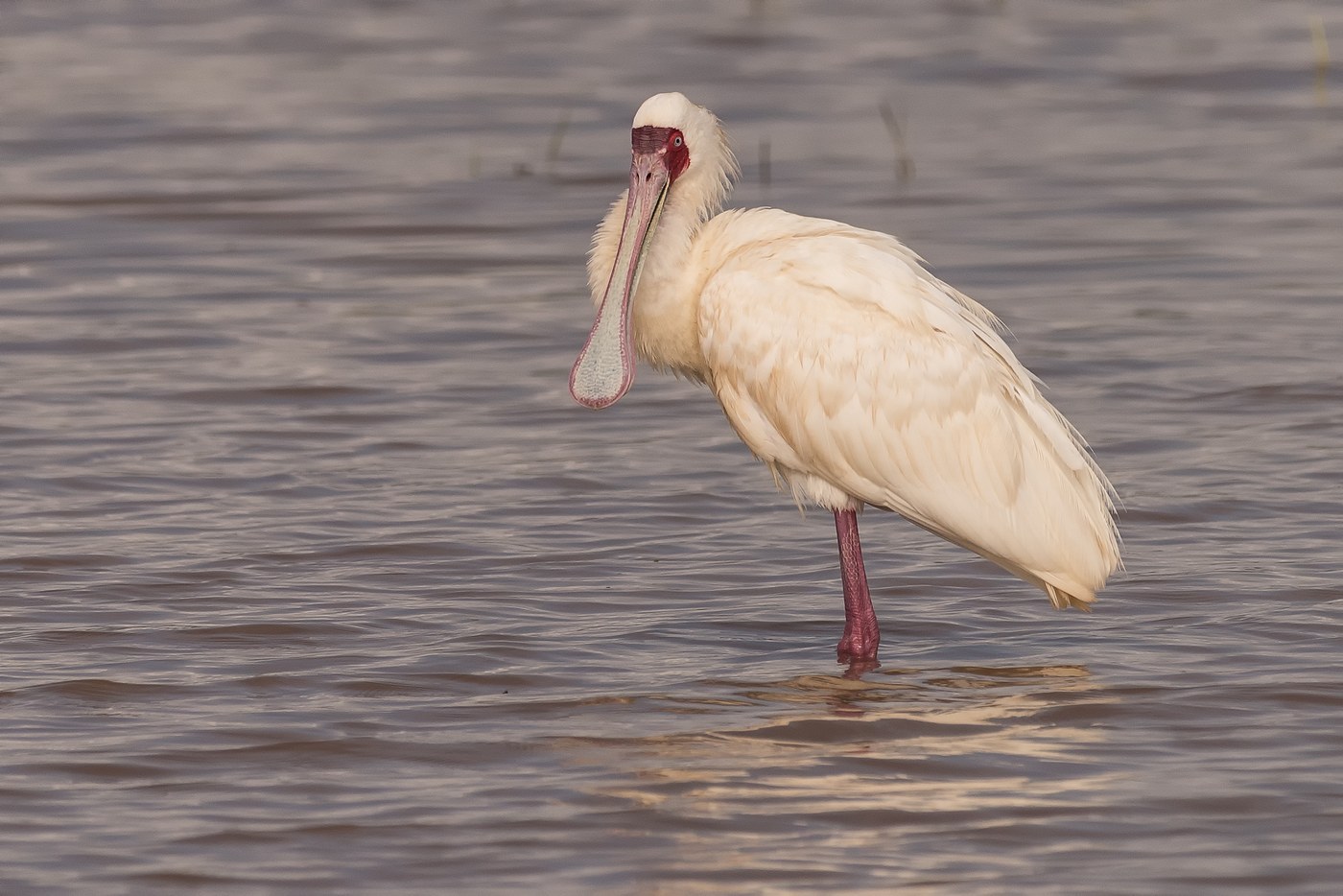
African Spoonbill
White contour and flight feathers, unmarked by black tips

Roseate Spoonbill
Pink and white contour and flight feathers with a carmine shoulder patch