

Congo Peafowl
Afropavo congensis
Africa's only peafowl species, endemic to the rainforests of the Democratic Republic of Congo, notably smaller and shorter-tailed than its Asian relatives with no elaborate fanning train.
- Feather type
- Compact, iridescent body feathers with a short tail and no elaborate ocellated train
- Colours
- Dark iridescent blue-violet-green with a chestnut back patch; female chestnut-brown
- Bird size
- Much smaller than Asian peafowl, ~60-70 cm
Found a feather like this?
Identify any feather from a photo, free.
Overview
Overview
The Congo Peafowl is the only peafowl species native to Africa, found solely in the dense lowland rainforests of the Democratic Republic of Congo. It differs substantially from the Asian peafowl species in lacking an elaborate ocellated train, and shows a smaller, more compact body form suited to dense forest habitat.
Identifying the Feather
Feather Identification
- Body feathers (male): dark iridescent blue, violet, and green tones, with a distinct chestnut-colored patch on the back
- Crest: a short, upright tuft of white bristly feathers, quite different from the elaborate crests of Asian peafowl
- Tail feathers: much shorter than in Asian peafowl, with no elongated ocellated train
- Facial skin: bare red throat skin adds a splash of color against the dark plumage
- Female feathers: chestnut-brown overall with a greenish nape and crest, notably different in tone from the male's darker iridescent body
Plumage & Molt
Plumage Notes
Males show dark iridescent blue-violet-green body plumage with a chestnut back patch and a short white bristly crest, entirely lacking the elongated ocellated train of Asian peafowl. Females are chestnut-brown with a greenish nape and crest, showing more sexual dimorphism in color than in structure. Juveniles resemble females. The species undergoes a single annual molt without the dramatic seasonal train regrowth seen in Asian peafowl.
Habitat & Range
Habitat & Range
Congo Peafowl are endemic to dense lowland rainforest in the Democratic Republic of Congo, a restricted range reflecting the species' specialized forest habitat requirements. It is non-migratory and rarely observed outside of continuous forest cover.
Behavior & Field Notes
Behavior & Field Notes
Unlike the elaborate lekking displays of Asian peafowl, Congo Peafowl form monogamous pairs and are much less conspicuous in their courtship behavior. Diet includes fallen fruit, seeds, and invertebrates foraged from the forest floor. Nests are simple ground scrapes concealed in dense forest vegetation. The species is notoriously shy and difficult to observe, rarely seen or recorded even by researchers working within its range.
Frequently asked questions
How does a Congo Peafowl feather differ from an Asian peafowl feather?
Congo Peafowl feathers are considerably shorter and lack the elongated ocellated train entirely, with an overall smaller and more compact structure.
What color is the male's back patch?
A distinct chestnut-colored patch appears on the back, contrasting with the otherwise dark iridescent blue-violet-green body plumage.
Is the crest similar to the Indian Peafowl's fan-shaped crest?
No, the Congo Peafowl crest is a short, upright tuft of white bristly feathers, quite different in structure from the fan-shaped Asian peafowl crest.
Where is this species found?
It is endemic to dense lowland rainforest in the Democratic Republic of Congo and is the only peafowl species native to Africa.
Congo Peafowl guides
In-depth guides for identifying and understanding Congo Peafowl.

Other feathers you may enjoy

Ring-necked Pheasant
Body (contour), tail, and wing feathers

Bornean Peacock-pheasant
Contour and tail feathers with iridescent ocelli

Crested Argus
Extremely elongated, ocellated (eyespot-patterned) tail feathers among the longest of any bird; tall, erectile crest

Grey Partridge
Body and flank feathers

Willow Ptarmigan
Larger, stockier body feathers with warmer rufous tones in summer; tail feathers black year-round

Wild Turkey
Broad, iridescent body feathers and large flight and tail feathers

Bulwer's Pheasant
Contour feathers and elongated white tail feathers
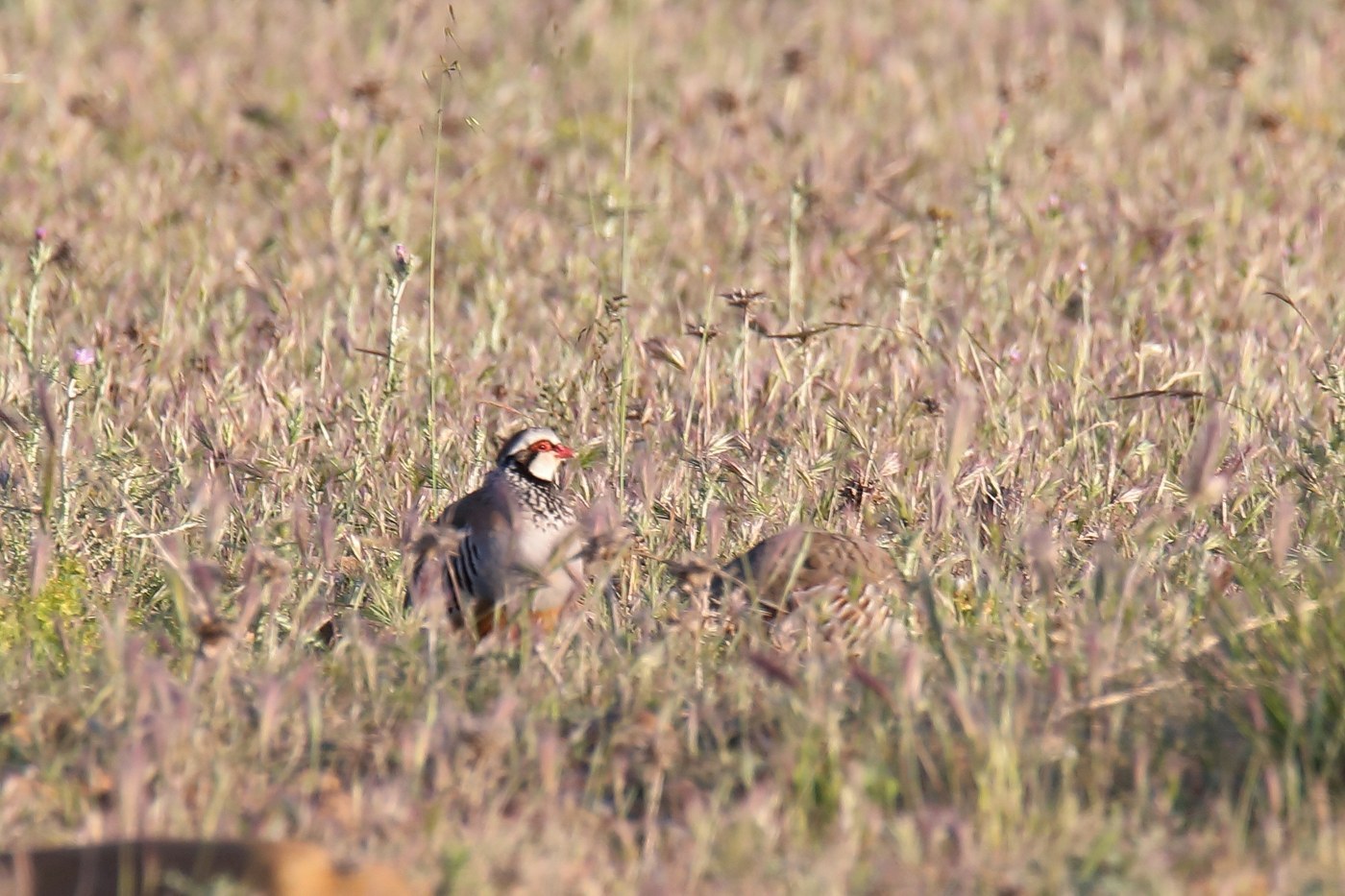
Red-legged Partridge
Flank, body, and flight feathers

White-tailed Ptarmigan
Small body feathers with a tail that stays pure white year-round, unlike other ptarmigan

Edwards's Pheasant
Contour and tail feathers

Sooty Grouse
Dense, plain contour feathers with a pale-tipped, fanned tail

Snow Partridge
Finely vermiculated barred contour feathers