

Great Argus
Argusianus argus
A pheasant of Southeast Asian rainforest famous for the male's extraordinarily elongated wing feathers, patterned with large eye-like spots and displayed in a dramatic fan during courtship.
- Feather type
- Enormously elongated secondary wing feathers covered in large eye-like ocelli spots
- Colours
- Brown and buff with black-ringed eye-spot markings
- Bird size
- Very large pheasant with extremely elongated wing and tail feathers, total length up to ~200 cm (male)
Found a feather like this?
Identify any feather from a photo, free.
Overview
Overview
The Great Argus inhabits dense lowland rainforest of Borneo, Sumatra, and the Malay Peninsula, and is renowned for the male's extraordinary secondary wing feathers, which can be raised and spread into a huge fan covered in eye-like spots during courtship display on a cleared forest floor "dancing ground."
Identifying the Feather
Feather Identification
- Secondary wing feathers (male): greatly elongated, among the longest feathers of any bird, patterned with rows of large ocelli (eye-like spots) shaded to create a three-dimensional appearance
- Body feathers: finely patterned brown and buff with intricate spotting and vermiculation, providing camouflage on the forest floor
- Tail feathers: also elongated, contributing to the male's overall large size during display
- Female feathers: notably smaller and shorter, with a more subdued brown and buff pattern lacking the giant ocellated wing feathers
- Overall impression: the sheer size and ocelli pattern of the male's wing feathers make them unmistakable and unlike those of any other pheasant
Plumage & Molt
Plumage Notes
Males possess dramatically elongated secondary wing and tail feathers patterned with large shaded eye-spots, used to form a spectacular fan during courtship display, while the rest of the body is finely patterned brown and buff for camouflage. Females are considerably smaller with shorter feathers and a more uniform brown pattern. Juveniles resemble females, with males gradually developing the elongated ocellated feathers over successive years and molts.
Habitat & Range
Habitat & Range
Great Argus inhabit dense, undisturbed lowland rainforest across Borneo, Sumatra, and the Malay Peninsula, requiring large tracts of mature forest. The species is non-migratory and highly sedentary, tied closely to forest interior habitat.
Behavior & Field Notes
Behavior & Field Notes
Males clear a patch of forest floor as a display ground, where they perform an elaborate wing-fanning display accompanied by loud, far-carrying calls to attract females. Diet includes fallen fruit, seeds, and invertebrates foraged from the forest floor. Nests are simple ground scrapes in dense forest cover. The species is more often heard than seen, its distinctive loud calls carrying through the rainforest canopy.
Frequently asked questions
What makes Great Argus wing feathers so distinctive?
They are extraordinarily elongated and covered in large, shaded eye-like spots (ocelli), unlike the wing feathers of any other pheasant species.
How big can these feathers get?
The male's secondary wing feathers are among the longest feathers found in any bird, contributing to a dramatic fan during courtship display.
Do females have similar feathers?
No, females are considerably smaller with shorter, more uniformly brown feathers lacking the giant ocellated pattern of the male.
Where would you find this species?
It inhabits dense, undisturbed lowland rainforest in Borneo, Sumatra, and the Malay Peninsula.
Great Argus guides
In-depth guides for identifying and understanding Great Argus.

Great Argus identified by the community
Real feathers identified with Feather Identifier.


Other feathers you may enjoy

Ring-necked Pheasant
Body (contour), tail, and wing feathers

Bornean Peacock-pheasant
Contour and tail feathers with iridescent ocelli

Crested Argus
Extremely elongated, ocellated (eyespot-patterned) tail feathers among the longest of any bird; tall, erectile crest

Grey Partridge
Body and flank feathers

Willow Ptarmigan
Larger, stockier body feathers with warmer rufous tones in summer; tail feathers black year-round

Wild Turkey
Broad, iridescent body feathers and large flight and tail feathers

Bulwer's Pheasant
Contour feathers and elongated white tail feathers
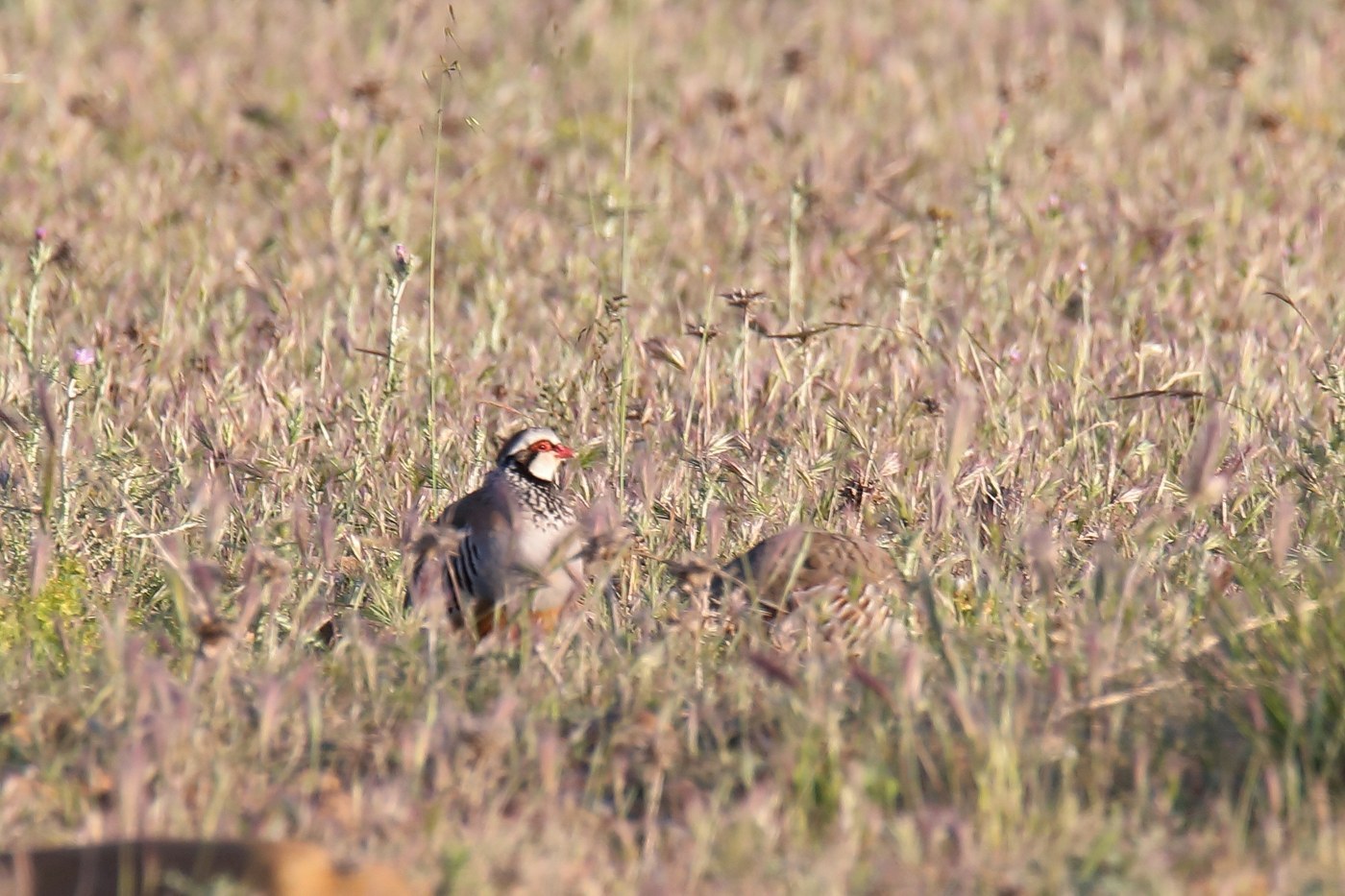
Red-legged Partridge
Flank, body, and flight feathers

White-tailed Ptarmigan
Small body feathers with a tail that stays pure white year-round, unlike other ptarmigan

Edwards's Pheasant
Contour and tail feathers

Sooty Grouse
Dense, plain contour feathers with a pale-tipped, fanned tail

Snow Partridge
Finely vermiculated barred contour feathers