

Great Grey Owl
Strix nebulosa
The longest owl in the world by overall length, cloaked in soft grey, finely mottled plumage and famous for its huge facial disc marked with distinct concentric rings.
- Feather type
- Very large soft-fringed flight feathers; finely mottled body feathers
- Colours
- Grey with fine mottled patterning and concentric facial-disc rings
- Bird size
- Very large in length, ~61-84 cm
Found a feather like this?
Identify any feather from a photo, free.
Overview
The Great Grey Owl holds the distinction of being the longest owl species in the world, though much of its apparent bulk comes from dense, fluffy plumage rather than actual body mass - it is lighter than the similarly sized Great Horned Owl or Eurasian Eagle-Owl.
It inhabits boreal forest and adjoining meadows across North America, Scandinavia, and Siberia, hunting small rodents by sound with extraordinary precision, even through snow.
Its plumage is entirely grey-toned, finely mottled for camouflage against conifer bark, with a distinctively large facial disc marked by concentric dark rings around small yellow eyes.
Identifying the Feather
Recognizing the feathers
- Body feathers are grey with fine, dense mottling in darker grey and white - lacking the browns or rufous tones seen in many other owls.
- Facial disc feathers form an unusually large disc marked with narrow concentric dark rings, a feature distinctive to this species.
- Flight feathers are very large, broad, and soft-fringed, among the biggest of any owl by feather length, reflecting the bird's long overall size.
- Tail feathers are long, contributing to the species' record length, with fine grey barring.
Similar species
- The predominantly grey (not brown or rufous) tone and huge, ringed facial disc separate this species' feathers from Great Horned Owl and Eurasian Eagle-Owl feathers; lack of ear tufts separates it from those species as well.
Plumage & Molt
Plumage
Adults are uniformly grey with fine mottling throughout, a large facial disc marked with dark concentric rings, and small yellow eyes appearing proportionally tiny relative to the huge head. Sexes look alike, with females larger.
Juveniles are downier and more diffusely patterned before acquiring the adult grey mottled plumage.
Molt occurs gradually over the summer months, with flight feathers replaced in sequence.
Habitat & Range
Habitat & range
Found across the boreal forest belt of North America (Alaska and Canada, extending into the northern US) and across Scandinavia and Siberia, typically near forest edges and adjoining meadows or bogs used for hunting.
Mostly non-migratory, though it can shift locations irregularly in response to rodent population cycles, sometimes appearing well south of its usual range in poor food years.
Behavior & Field Notes
Behavior & field notes
Hunts primarily voles and other small rodents, using extraordinarily acute hearing to detect prey moving beneath snow, then plunging through the snow to catch it.
Its call is a series of deep, soft hoots, quieter and lower-pitched than many other large owls.
A large, uniformly grey, finely mottled feather, especially one showing narrow concentric ring patterning if from the facial disc, found near boreal forest meadows, is a strong indicator of this species.
Frequently asked questions
Is the Great Grey Owl the heaviest owl?
No - despite being the longest owl by overall length, it is lighter in body mass than several other large owls due to its fluffy, low-density plumage.
What is distinctive about its facial disc feathers?
They form an unusually large disc marked with narrow concentric dark rings, unlike the plain or simply bordered discs of most other owls.
How does its feather color differ from a Great Horned Owl's?
It is uniformly grey rather than the browner, more rufous-tinged mottling of the Great Horned Owl.
Where would I most likely find this species' feathers?
Near boreal forest edges and adjoining meadows or bogs across northern North America, Scandinavia, or Siberia.
Great Grey Owl guides
In-depth guides for identifying and understanding Great Grey Owl.

Other feathers you may enjoy

Tawny Owl
Wing (flight) and body (contour) feathers
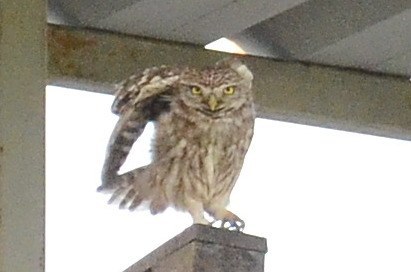
Little Owl
Wing and body feathers

Balsas Screech-Owl
Small ear-tuft feathers; soft, finely vermiculated body feathers

Blakiston's Fish Owl
Massive flight feathers with looser structure; shaggy body plumage; prominent ear-tuft feathers

Barn Owl
Wing and facial-disc feathers
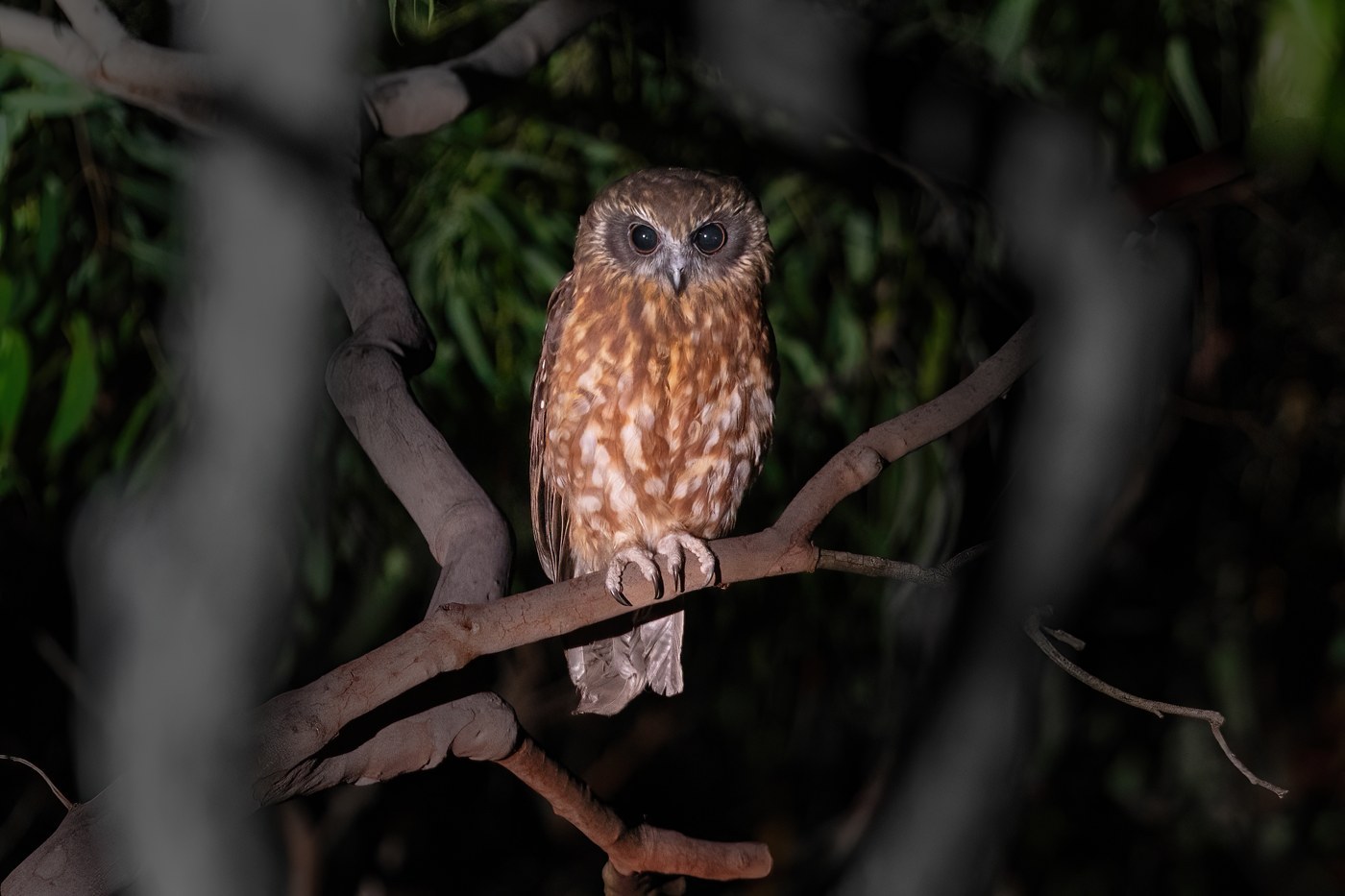
Southern Boobook
Rounded flight feathers; banded tail; spotted body plumage

Sooty Owl
Broad soft-edged flight feathers; heart-shaped facial disc feathers; finely speckled body plumage

Short-eared Owl
Broad soft-fringed flight feathers; streaked body feathers; tiny, rarely visible ear tufts

Stygian Owl
Dark, mottled flight and body feathers with long, closely-set ear tufts
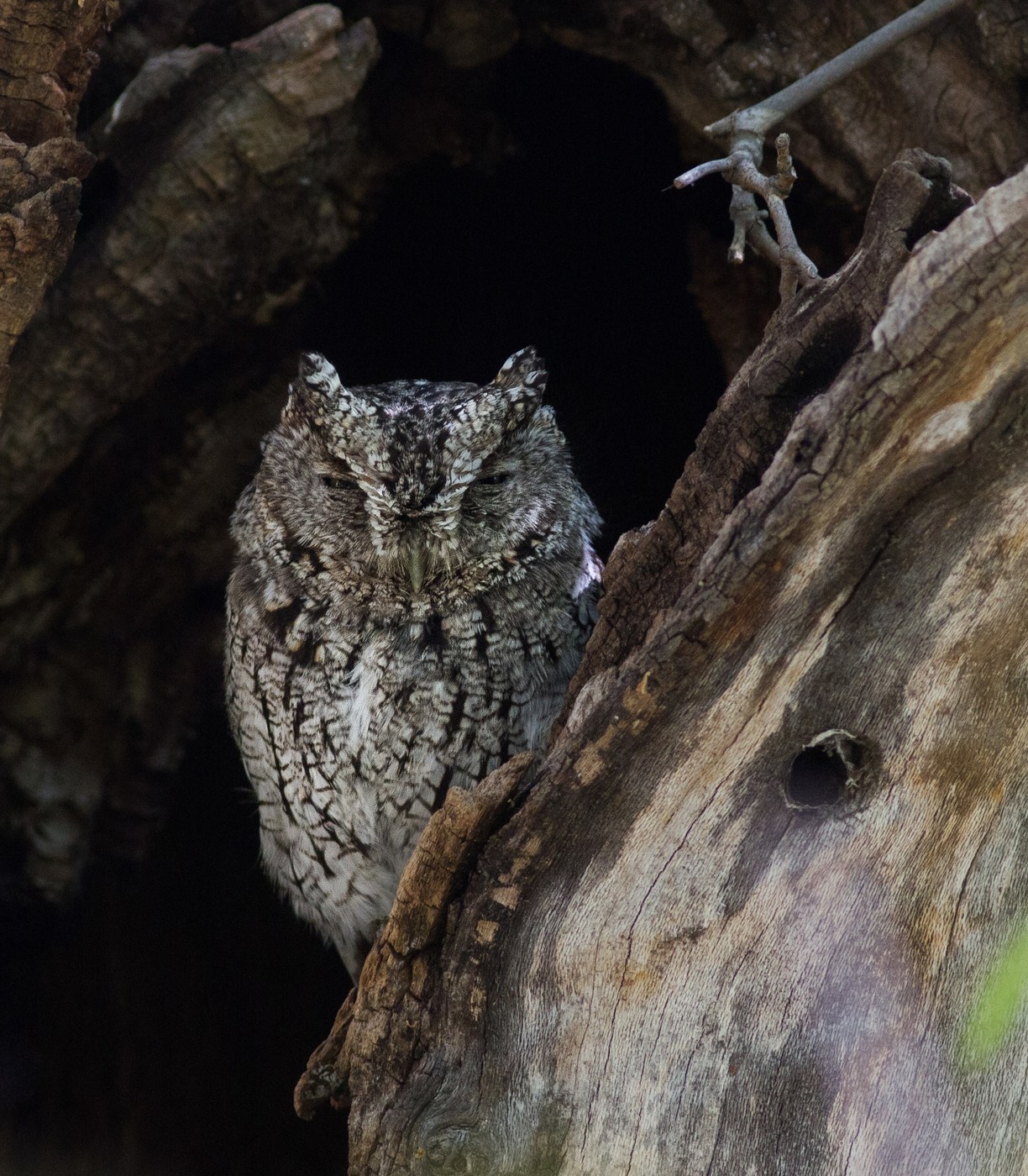
Whiskered Screech-Owl
Small soft-fringed flight feathers; finely mottled body feathers; short ear tufts
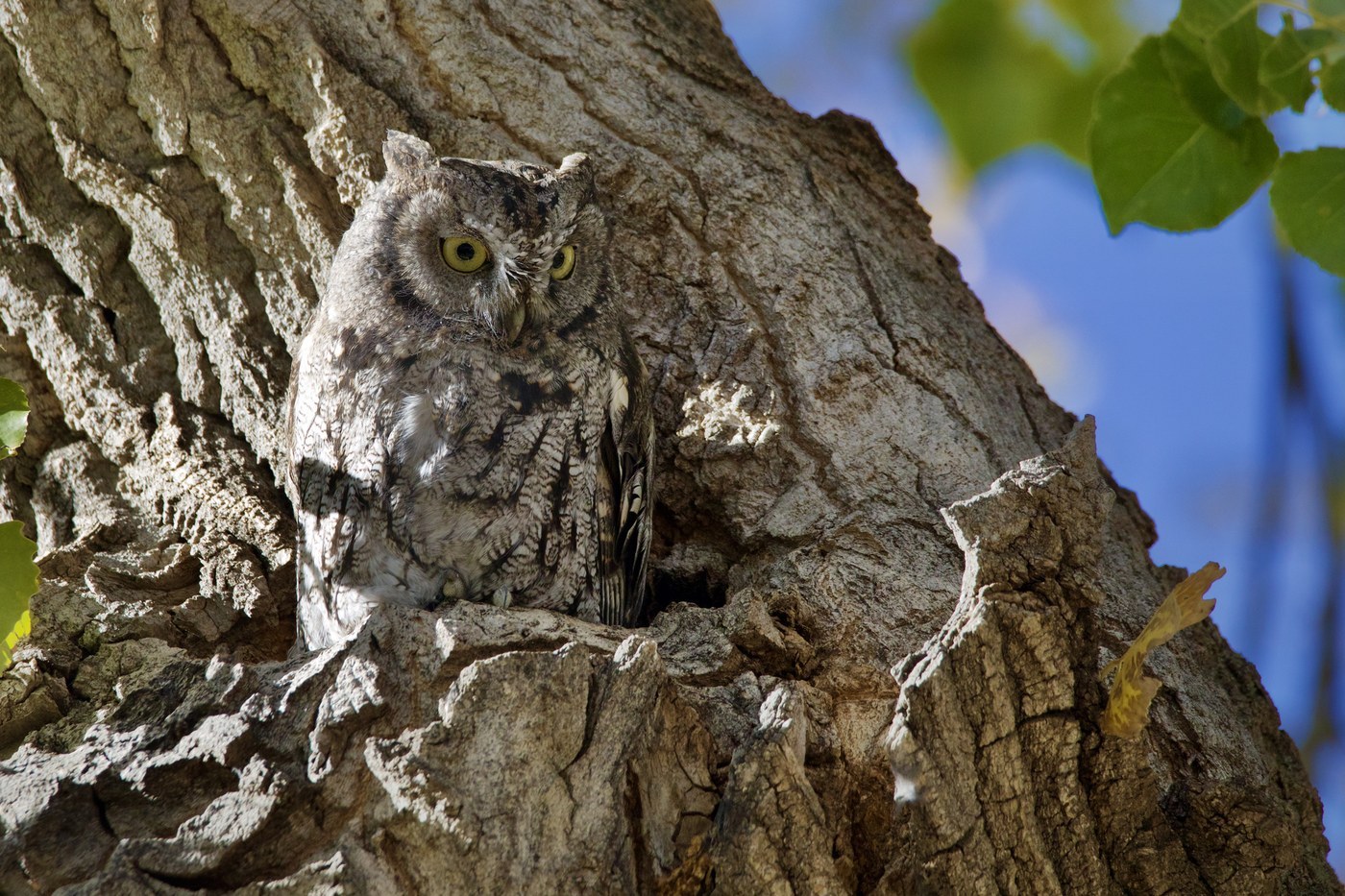
Western Screech-Owl
Small soft-fringed flight feathers; cryptic mottled/streaked body feathers; short ear tufts

White-faced Scops Owl
Small to medium flight feathers with a distinctive whitish facial disc and long ear-tuft plumes