

Short-eared Owl
Asio flammeus
A wide-ranging owl of open grassland and marsh, notable for hunting in daylight on buoyant, moth-like wingbeats, with streaked buffy-brown plumage and ear tufts so small they are rarely visible.
- Feather type
- Broad soft-fringed flight feathers; streaked body feathers; tiny, rarely visible ear tufts
- Colours
- Buffy-brown with bold dark streaking, paler on the underside
- Bird size
- Medium, ~34-42 cm
Found a feather like this?
Identify any feather from a photo, free.
Overview
The Short-eared Owl is one of the most widely distributed owl species in the world, found on nearly every continent in open grassland, marsh, tundra, and agricultural habitats. Unlike many owls, it is frequently seen hunting in broad daylight, particularly at dawn and dusk.
Its flight is distinctive: buoyant, floppy wingbeats low over open ground, quite different from the flight style of forest owls. Its ear tufts are so small they are usually invisible in the field, unlike the prominent tufts of the closely related Long-eared Owl.
Its streaked buffy-brown plumage provides camouflage on the ground, where it nests and often roosts communally outside the breeding season.
Identifying the Feather
Recognizing the feathers
- Body feathers are buffy-brown with bold dark streaking, generally paler and less richly patterned than the Long-eared Owl.
- Flight feathers are broad, with a buffy patch near the wing tip visible in flight, and soft fringed edges for quiet flight.
- Ear-tuft feathers, when present, are extremely short and inconspicuous, rarely visible even on the living bird.
- Underside streaking is generally finer and less extensive than on Long-eared Owl, especially toward the belly.
Similar species
- Paler overall tone, finer belly streaking, and essentially invisible ear tufts separate this species from the Long-eared Owl, which shows richer, bolder streaking and long, obvious ear tufts.
Plumage & Molt
Plumage
Adults are buffy-brown above and below with bold dark streaking, heaviest on the upper breast and lightening toward the belly, with pale facial discs and yellow eyes rimmed in black. Sexes look similar.
Juveniles show a darker, more uniform facial patch before fledging, gradually acquiring the adult streaked pattern.
Molt occurs over summer, with flight feathers replaced gradually.
Habitat & Range
Habitat & range
One of the most widely distributed owls globally, found across North America, Europe, Asia, and South America, and on many oceanic islands, in open grassland, prairie, marsh, tundra, and agricultural fields.
Many populations are migratory, moving to more southerly open habitats in winter, though some populations in milder climates are resident.
Behavior & Field Notes
Behavior & field notes
Hunts over open ground, often in daylight, using buoyant, irregular wingbeats low over grass or marsh to locate small mammals by both sight and hearing.
It nests on the ground in a simple scrape within dense grass or low vegetation, and can form loose communal winter roosts in favorable habitat.
Its calls include a low barking note and, during display flight, wing-clapping sounds. A buffy-brown, boldly streaked body feather with a pale wing patch, found in open grassland or marsh, is a strong indicator of this species.
Frequently asked questions
Can I see this owl's ear tufts in the field?
Rarely - they are extremely short and usually lie flat, unlike the prominent tufts of the Long-eared Owl.
Is this owl active during the day?
Yes, it is one of the more diurnal owls, frequently hunting at dawn, dusk, and even midday.
Where does it nest?
On the ground in a simple scrape within dense grass or low vegetation, unlike most owls that use tree cavities or old nests.
How widespread is this species?
It is one of the most broadly distributed owls in the world, occurring on nearly every continent.
Short-eared Owl guides
In-depth guides for identifying and understanding Short-eared Owl.

Other feathers you may enjoy

Tawny Owl
Wing (flight) and body (contour) feathers
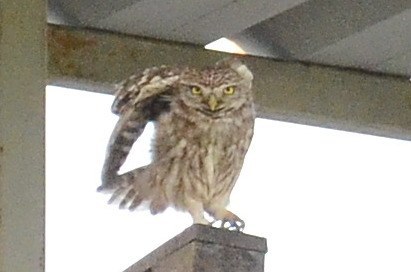
Little Owl
Wing and body feathers

Balsas Screech-Owl
Small ear-tuft feathers; soft, finely vermiculated body feathers

Blakiston's Fish Owl
Massive flight feathers with looser structure; shaggy body plumage; prominent ear-tuft feathers

Barn Owl
Wing and facial-disc feathers
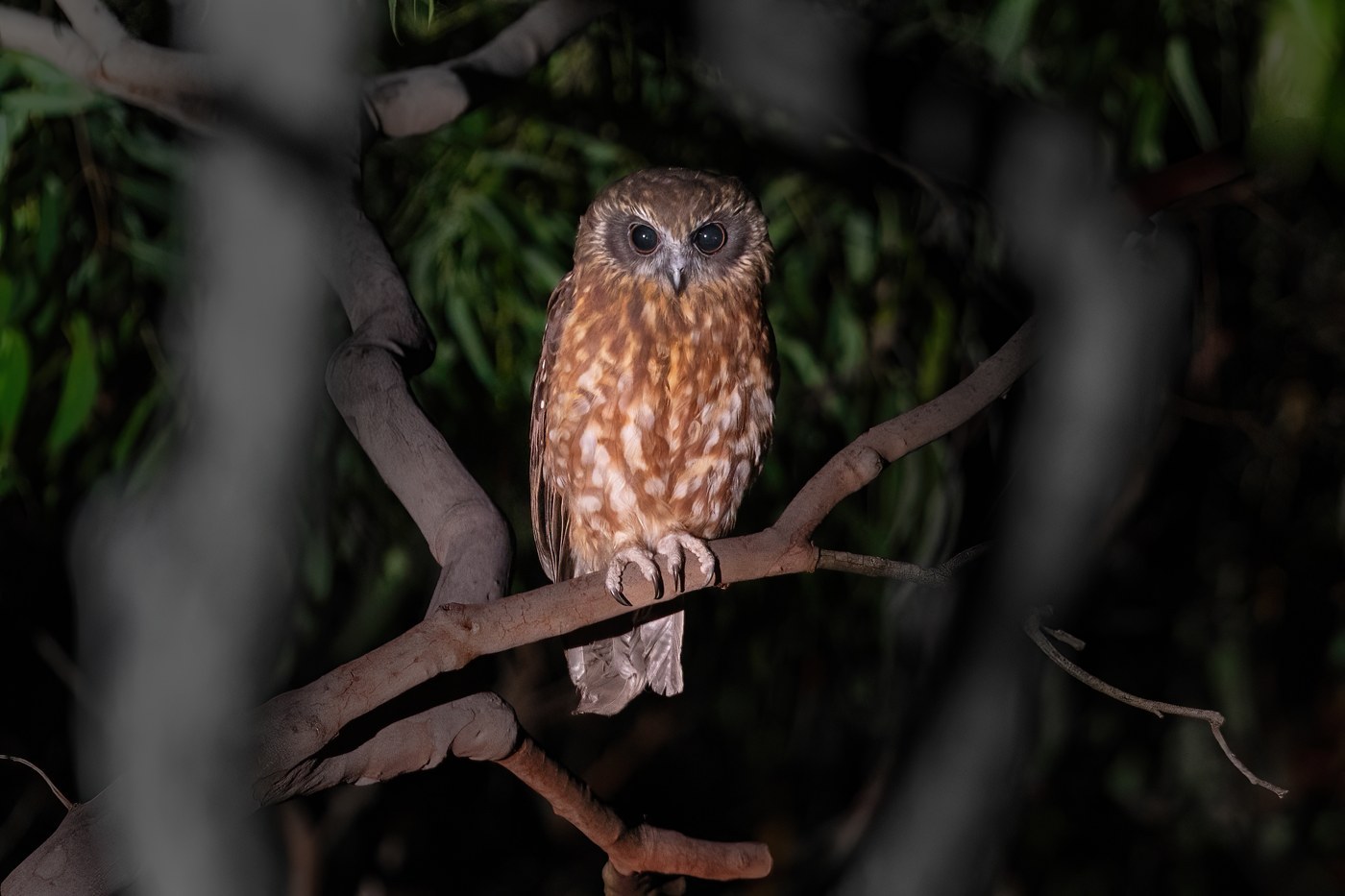
Southern Boobook
Rounded flight feathers; banded tail; spotted body plumage

Sooty Owl
Broad soft-edged flight feathers; heart-shaped facial disc feathers; finely speckled body plumage

Stygian Owl
Dark, mottled flight and body feathers with long, closely-set ear tufts
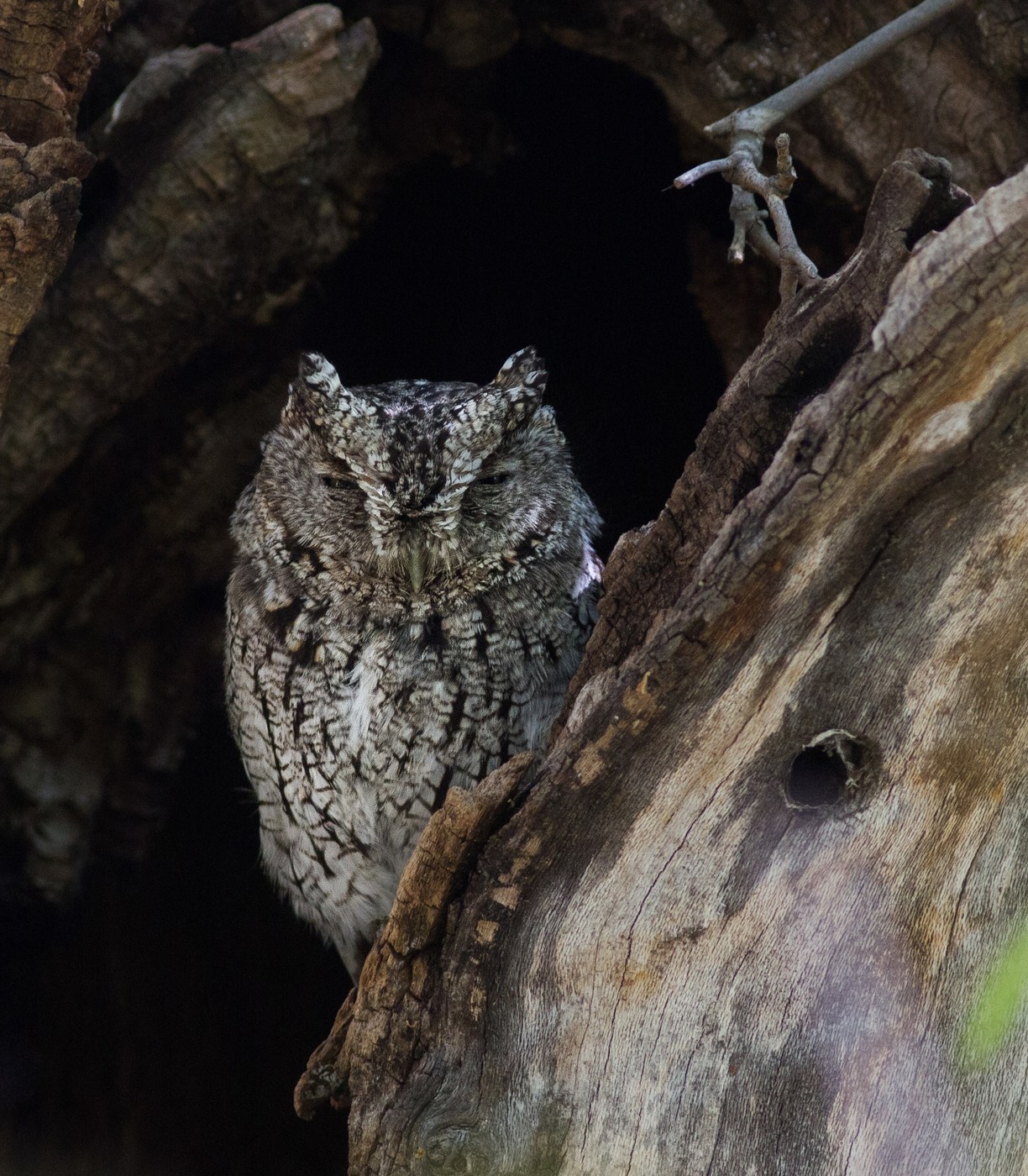
Whiskered Screech-Owl
Small soft-fringed flight feathers; finely mottled body feathers; short ear tufts
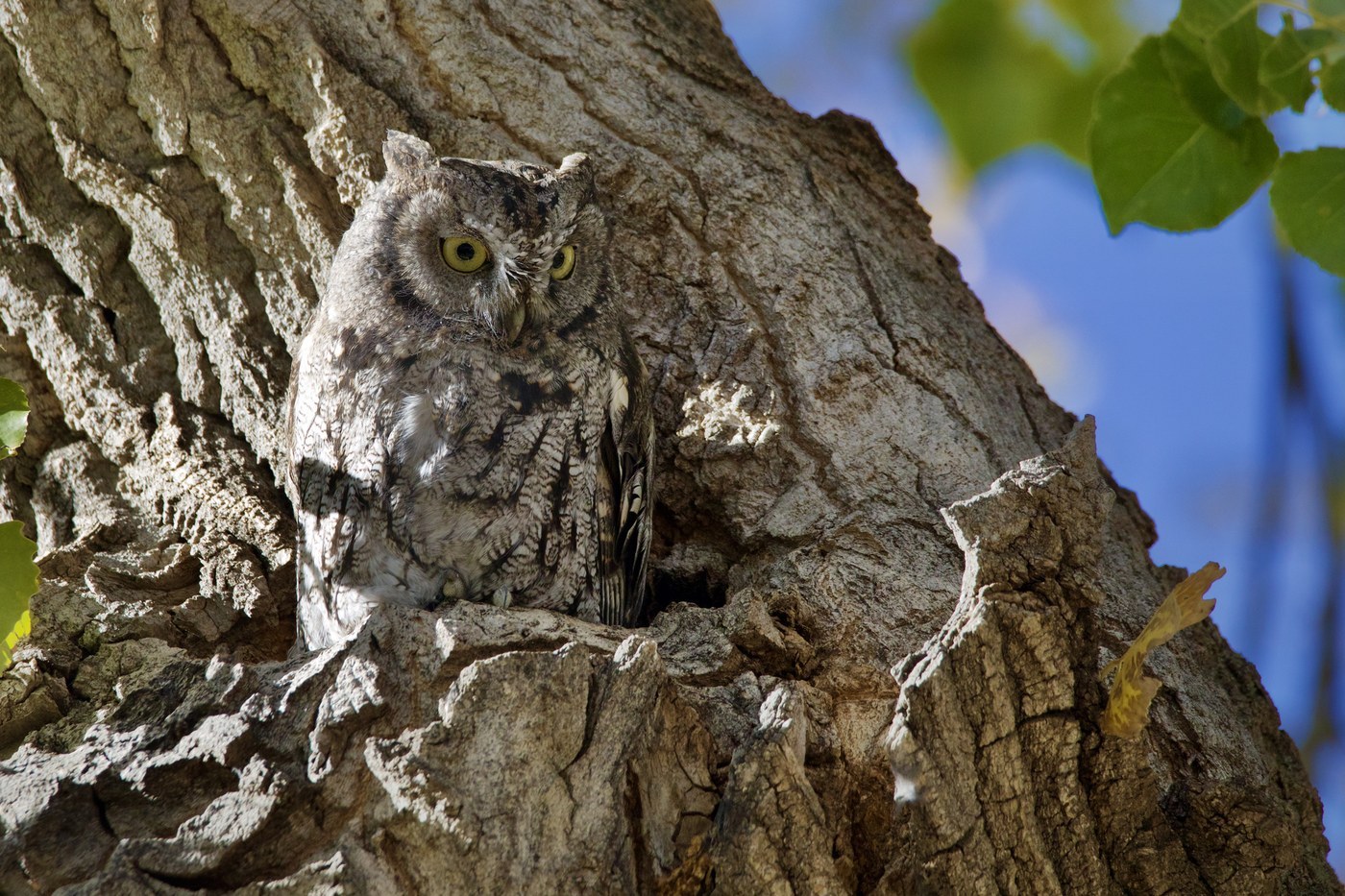
Western Screech-Owl
Small soft-fringed flight feathers; cryptic mottled/streaked body feathers; short ear tufts

White-faced Scops Owl
Small to medium flight feathers with a distinctive whitish facial disc and long ear-tuft plumes

Verreaux's Eagle-Owl
Very large flight and tail feathers; dense soft body plumage; broad ear-tuft feathers