

Balsas Screech-Owl
Megascops seductus
A little-known small owl endemic to Mexico's Balsas River basin, with subdued grey-brown, finely vermiculated plumage suited to dry tropical forest.
- Feather type
- Small ear-tuft feathers; soft, finely vermiculated body feathers
- Colours
- Greyish-brown with fine dark vermiculation and streaking, subdued contrast
- Bird size
- Small owl, ~19-21 cm
Found a feather like this?
Identify any feather from a photo, free.
Overview
The Balsas Screech-Owl is a small owl endemic to Mexico, restricted to the dry tropical forest habitats of the Balsas River basin on the Pacific slope. It is one of the less studied members of the Megascops screech-owl group, reflecting its restricted range and the challenges of surveying nocturnal birds in remote terrain.
Its plumage follows the general small screech-owl template of fine vermiculation and streaking on a grey-brown background, without especially bold markings, matching the dappled bark and leaf-litter tones of its dry forest home.
Because it is a range-restricted species with limited documentation, feather identification should be treated cautiously and always considered alongside the Balsas basin location.
Identifying the Feather
Size and shape
- Small, compact contour feathers and short rounded wings typical of a small eared owl
- Small, loosely structured ear-tuft feathers
Color and pattern
- Ground color greyish-brown with fine dark vermiculation and streaking, generally more subdued in contrast than some other Middle American screech-owls
- Underparts pale grey-brown with fine dark shaft streaks
Distinguishing from similar species
- Very similar in general appearance to other Mexican screech-owls; range within the Balsas basin is the most reliable confirming clue
- Slightly smaller and more subtly marked than the Pacific Screech-Owl found in adjacent lowland habitats
Plumage & Molt
Plumage is greyish-brown with fine vermiculation and streaking, providing effective camouflage in dry tropical forest. Sexes are similar in plumage, with females typically slightly larger. Juvenile plumage is softer and less distinctly marked. Documentation of precise molt timing is limited given how little this species has been studied, but a gradual molt pattern typical of resident tropical owls likely applies.
Habitat & Range
Endemic to the dry tropical forest of the Balsas River basin on Mexico's Pacific slope, a distinctive biogeographic region known for a number of endemic species. It is a non-migratory resident, restricted to this limited geographic area year-round.
Behavior & Field Notes
A nocturnal hunter of insects and small vertebrates within dry tropical forest. Nesting habits are presumed similar to related screech-owls, using natural cavities or old woodpecker holes, though specific details are not well documented for this species. Its voice includes typical screech-owl trilling or whinnying notes, though regional vocal descriptions remain limited. Given how little is documented about this species, any feather tentatively assigned to it should be considered alongside its narrow known range.
Frequently asked questions
Where does the Balsas Screech-Owl live?
It is endemic to the dry tropical forest of the Balsas River basin on Mexico's Pacific slope and is not found elsewhere.
How well studied is this species?
It is one of the less-studied Mexican owls, with limited documentation of its behavior and precise feather-level detail.
How can I tell its feathers apart from other regional screech-owls?
It looks very similar to related species; its restricted Balsas basin range is the most useful confirming clue alongside its subdued grey-brown vermiculated plumage.
Does it have ear tufts?
Yes, small ear tufts typical of the Megascops screech-owl group.
Balsas Screech-Owl guides
In-depth guides for identifying and understanding Balsas Screech-Owl.

Other feathers you may enjoy

Tawny Owl
Wing (flight) and body (contour) feathers
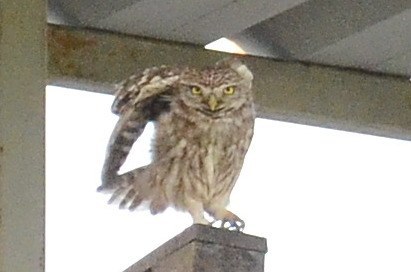
Little Owl
Wing and body feathers

Blakiston's Fish Owl
Massive flight feathers with looser structure; shaggy body plumage; prominent ear-tuft feathers

Barn Owl
Wing and facial-disc feathers
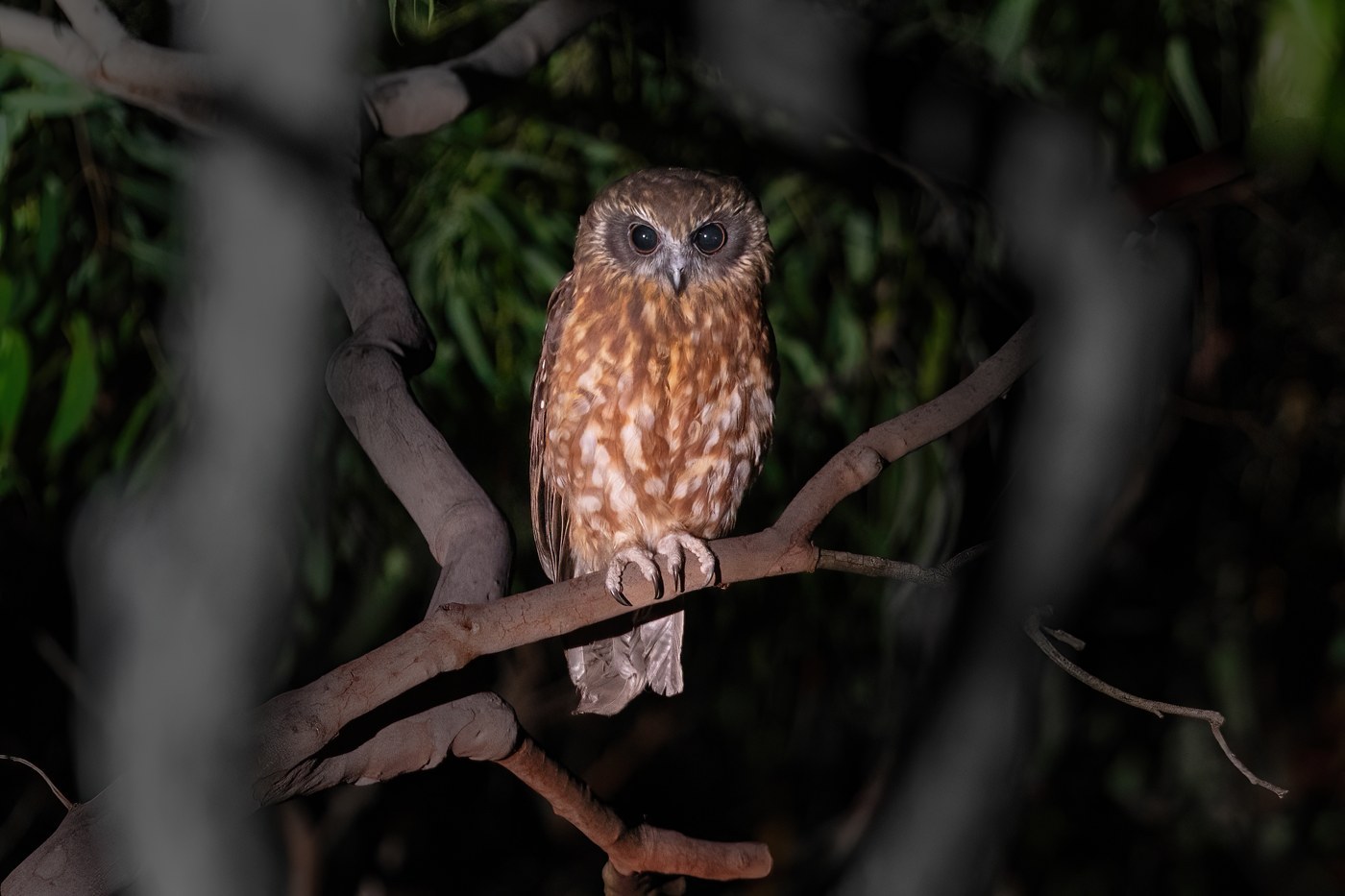
Southern Boobook
Rounded flight feathers; banded tail; spotted body plumage

Sooty Owl
Broad soft-edged flight feathers; heart-shaped facial disc feathers; finely speckled body plumage

Short-eared Owl
Broad soft-fringed flight feathers; streaked body feathers; tiny, rarely visible ear tufts

Stygian Owl
Dark, mottled flight and body feathers with long, closely-set ear tufts
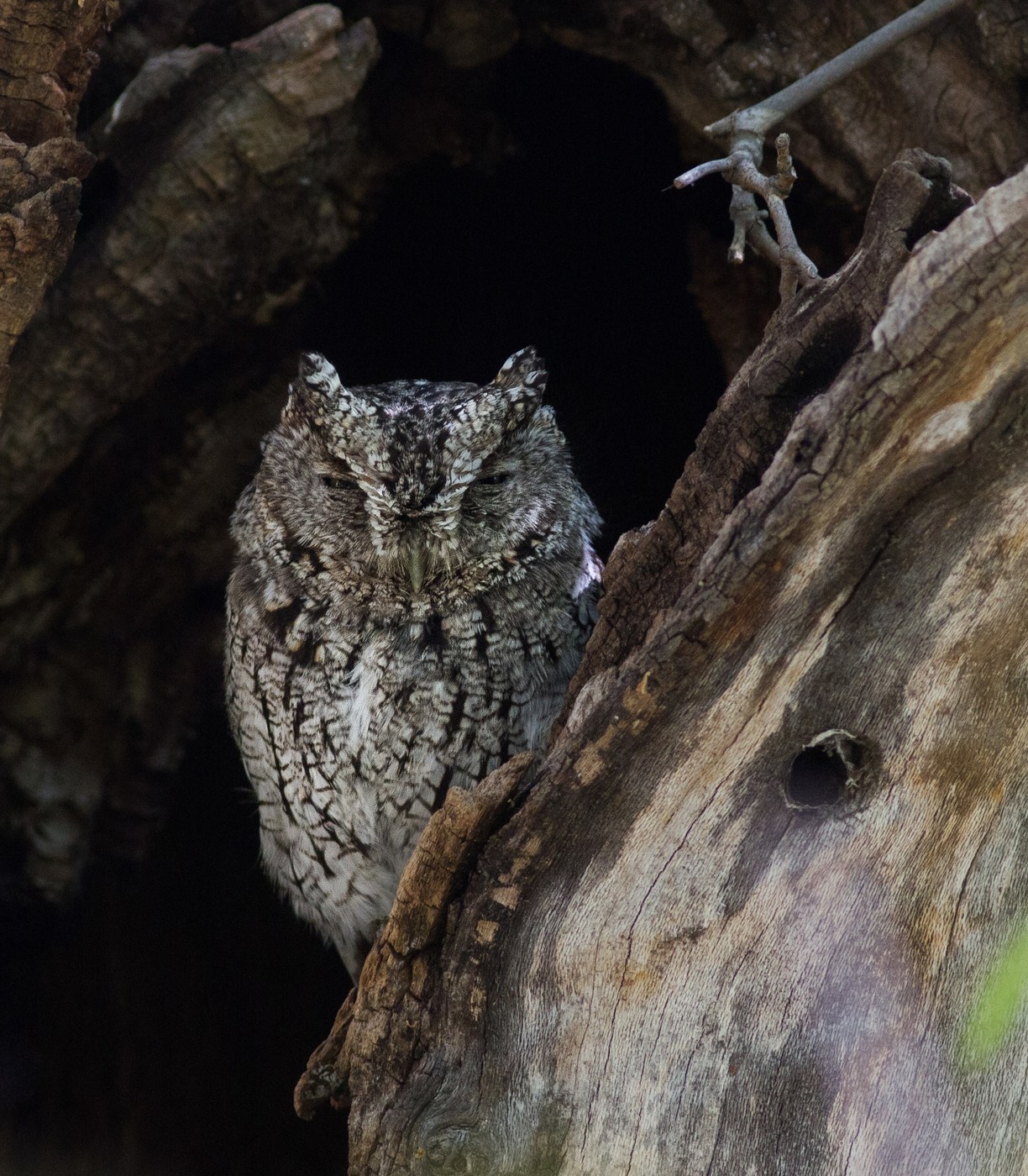
Whiskered Screech-Owl
Small soft-fringed flight feathers; finely mottled body feathers; short ear tufts
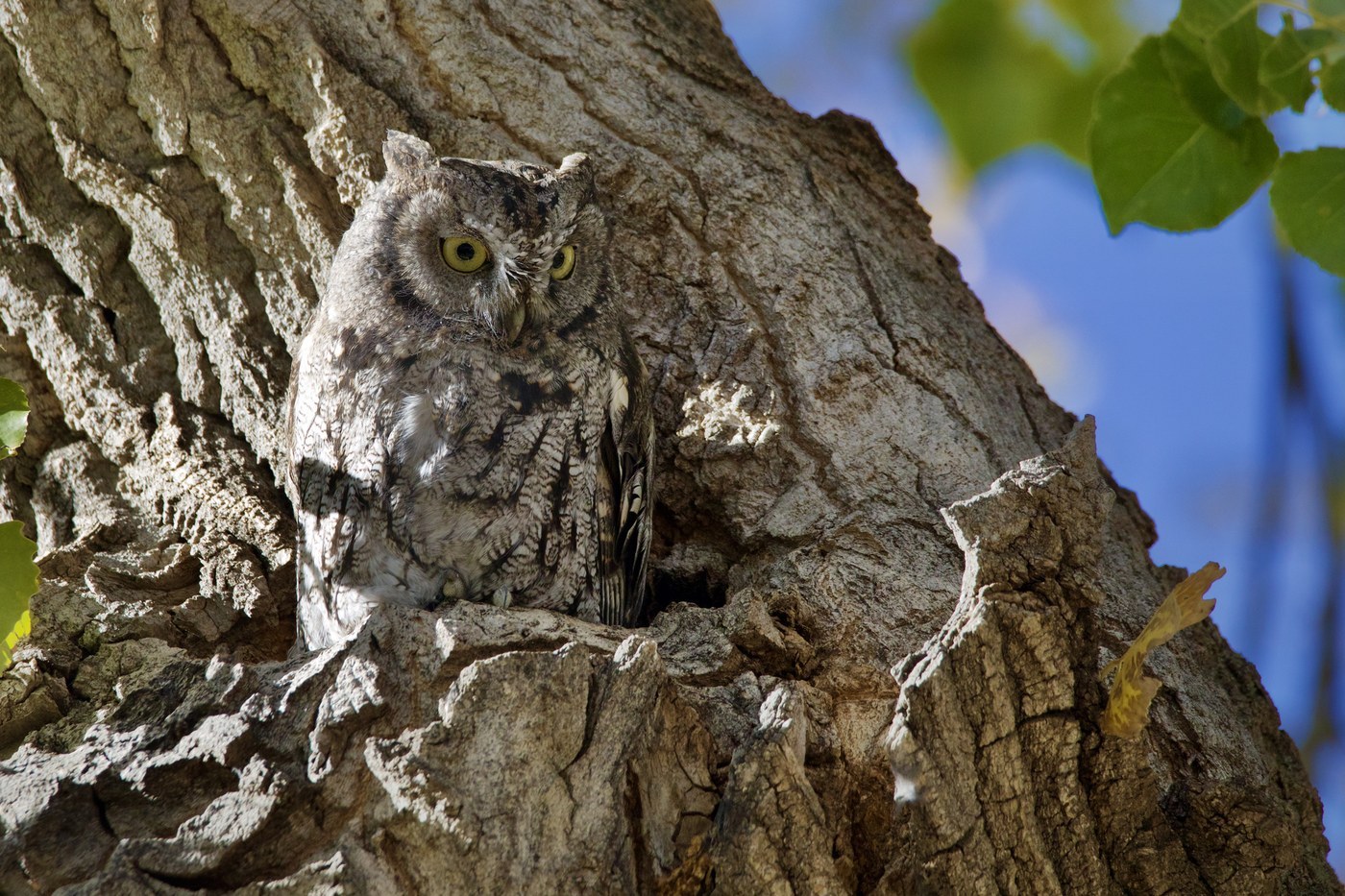
Western Screech-Owl
Small soft-fringed flight feathers; cryptic mottled/streaked body feathers; short ear tufts

White-faced Scops Owl
Small to medium flight feathers with a distinctive whitish facial disc and long ear-tuft plumes

Verreaux's Eagle-Owl
Very large flight and tail feathers; dense soft body plumage; broad ear-tuft feathers