
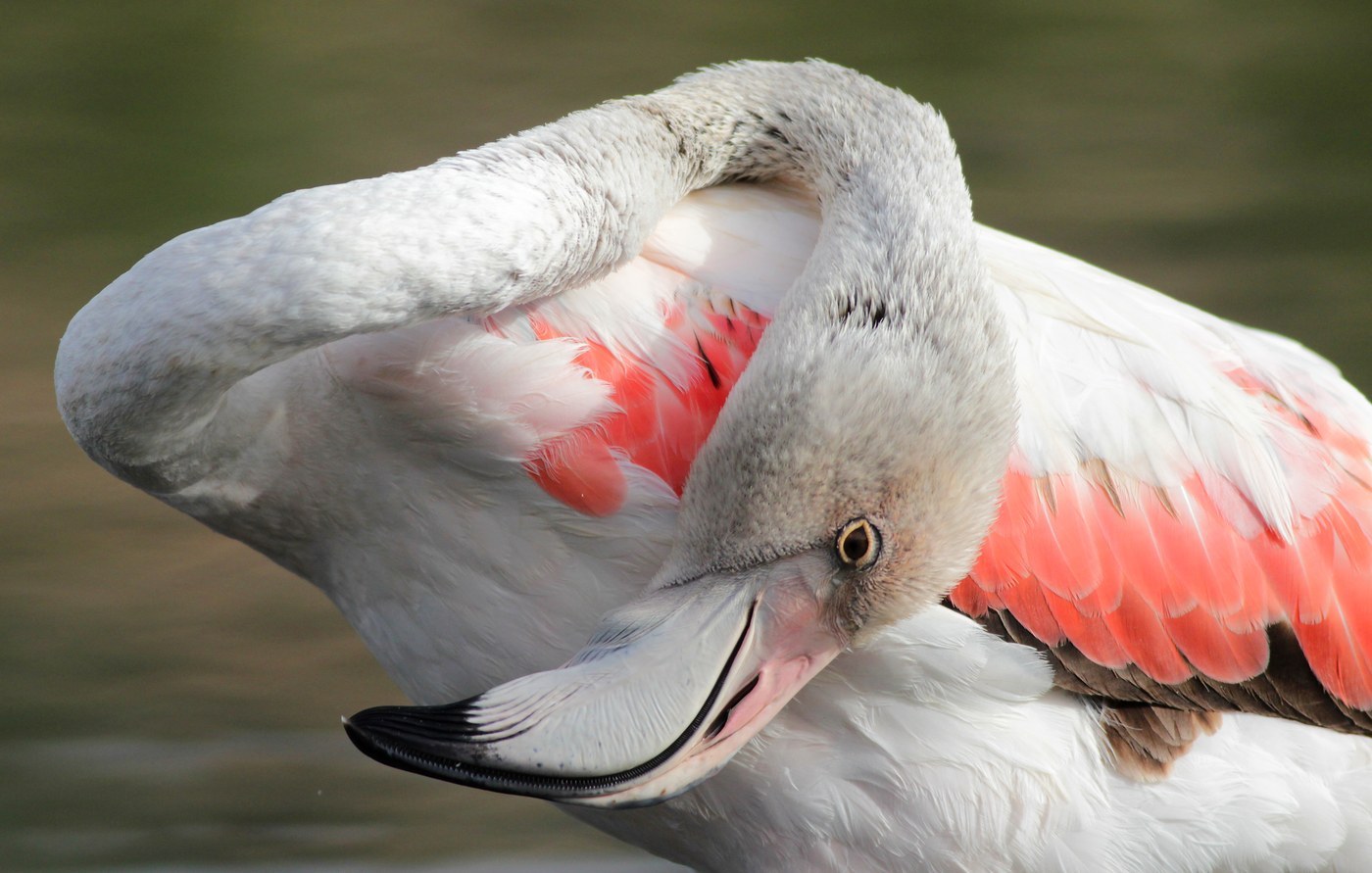
Greater Flamingo
Phoenicopterus roseus
The largest flamingo species, with pale pink body plumage that hides bold black flight feathers revealed only in flight.
- Feather type
- Long body plumes and black flight feathers
- Colours
- Pale pink body with black flight feathers
- Bird size
- Very large, ~120-145 cm
Found a feather like this?
Identify any feather from a photo, free.
Overview
Overview
The Greater Flamingo is the largest and most widespread flamingo species, found across shallow saline and alkaline wetlands of Africa, southern Europe, and parts of Asia. Its long neck, long legs, and distinctively downturned bill make it instantly recognizable among wading birds.
- Largest of the flamingo species
- Pale coloring compared to some other flamingos
- Highly social, often forming very large flocks
Identifying the Feather
Feather Identification
Greater Flamingo feathers show a distinctive contrast between the pale body and dark flight feathers.
- Body feathers: pale pink to white, often only faintly tinged with color compared to more vividly pink flamingo species
- Flight feathers: black, forming a bold contrast that is hidden at rest but conspicuous when the wings are spread
- Covert feathers: some show a stronger pink or reddish tinge, adding contrast against the paler body
- Shaft and vane structure: body feathers are relatively soft and loosely webbed compared to the flight feathers
- Compared to similar species: the American Flamingo is markedly more saturated pink to orange overall, so the paler, more washed-out pink of the Greater Flamingo's body feathers is a useful distinguishing trait
Plumage & Molt
Plumage Notes
Sexes look alike, with pink coloring in adults influenced by diet rather than by sex. Juveniles are grey-brown, gradually developing pink tones over their first few years.
- Pink coloration intensity can vary based on food sources and is not a fixed sex-linked trait
- Juveniles lack pink entirely at first, appearing greyish-brown
- Molt is gradual, with adult coloring developing progressively rather than in a single seasonal change
Habitat & Range
Habitat & Range
Found across a broad range spanning parts of Africa, southern Europe, and southern and western Asia, favoring shallow saline and alkaline wetlands.
- Occupies salt lakes, coastal lagoons, and estuaries
- Some populations are migratory or nomadic, moving in response to water levels and food availability
- One of the most widely distributed flamingo species globally
Behavior & Field Notes
Behavior & Field Notes
Greater Flamingos are highly social, often gathering in flocks of hundreds or thousands at suitable wetland sites.
- Diet: small aquatic invertebrates and algae filtered from shallow water using the specialized bill
- Nesting: builds a raised mud mound nest in large colonies on mudflats or islands
- Voice: honking, goose-like calls, especially when flocks are in flight or interacting
- Field notes: the pale pink body combined with black flight feathers creates a striking two-tone effect that is most visible when the birds take flight from a resting flock
Frequently asked questions
What color are Greater Flamingo feathers?
The body feathers are pale pink to white, contrasting with black flight feathers that are hidden at rest but visible in flight.
Why do flamingo feathers appear pink?
Pink coloration develops from pigments in their diet and intensifies gradually rather than being present from birth.
How does the Greater Flamingo differ from the American Flamingo?
The Greater Flamingo typically shows paler, more washed-out pink body feathers, while the American Flamingo is more saturated pink to orange.
Where is the Greater Flamingo found?
It occurs across parts of Africa, southern Europe, and southern and western Asia in shallow saline and alkaline wetlands.
Greater Flamingo guides
In-depth guides for identifying and understanding Greater Flamingo.
Other feathers you may enjoy

Yellow-billed Spoonbill
White contour and flight feathers with fine breeding plumes on the back and breast
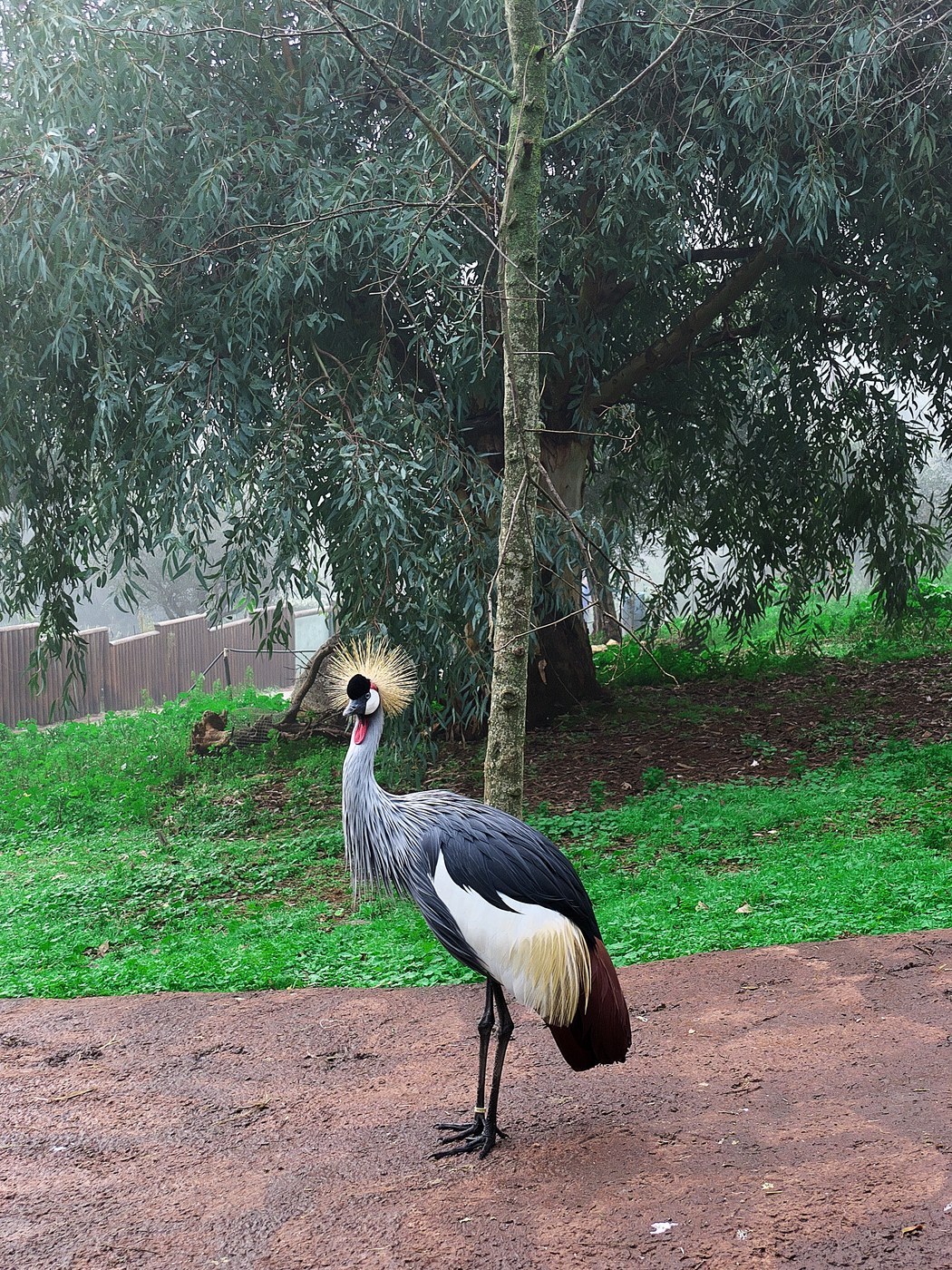
Grey Crowned Crane
Grey body feathers with white wing coverts, chestnut flight feathers, and stiff golden crown bristles
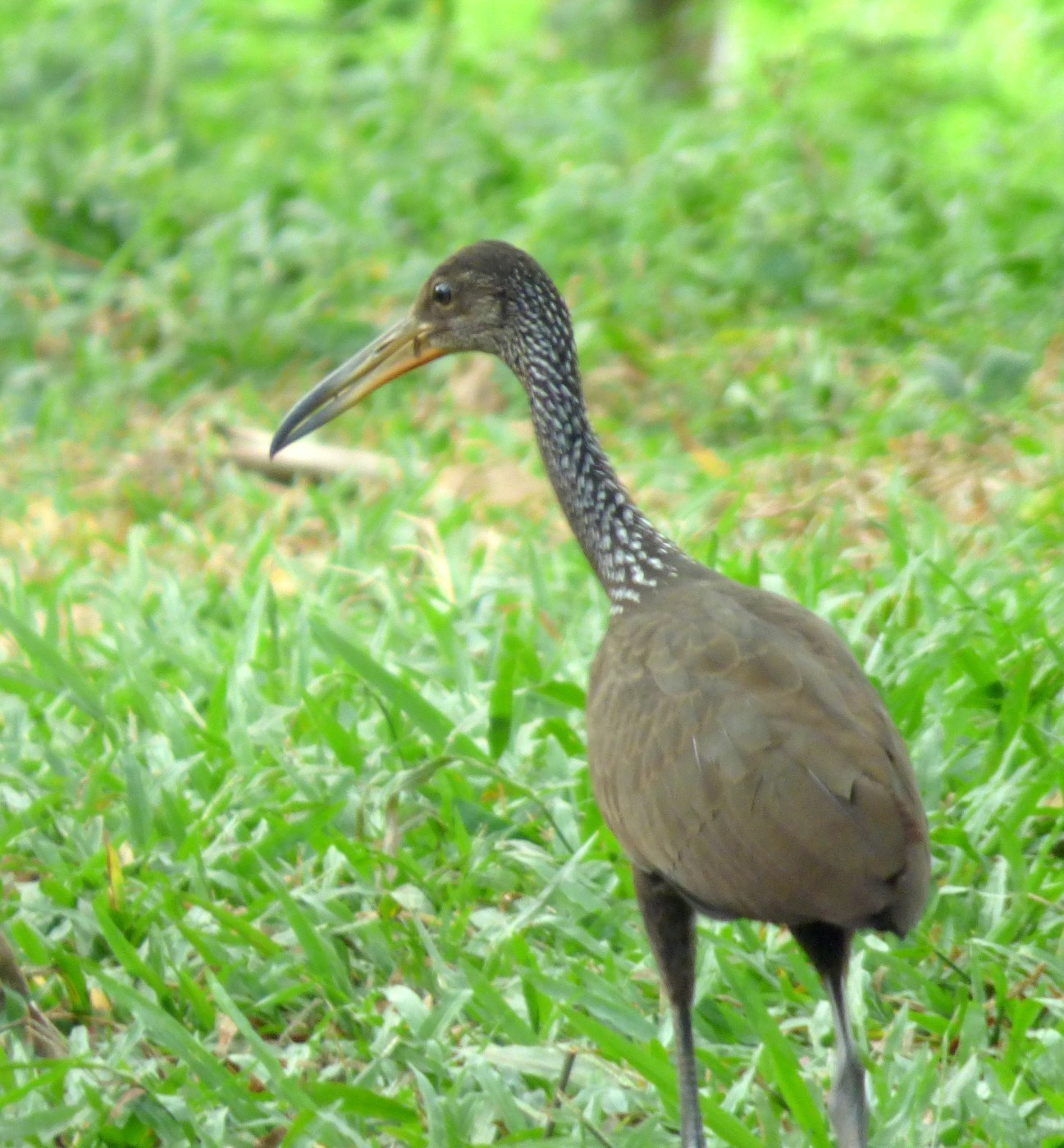
Limpkin
Brown contour feathers with white teardrop-shaped spots and streaks
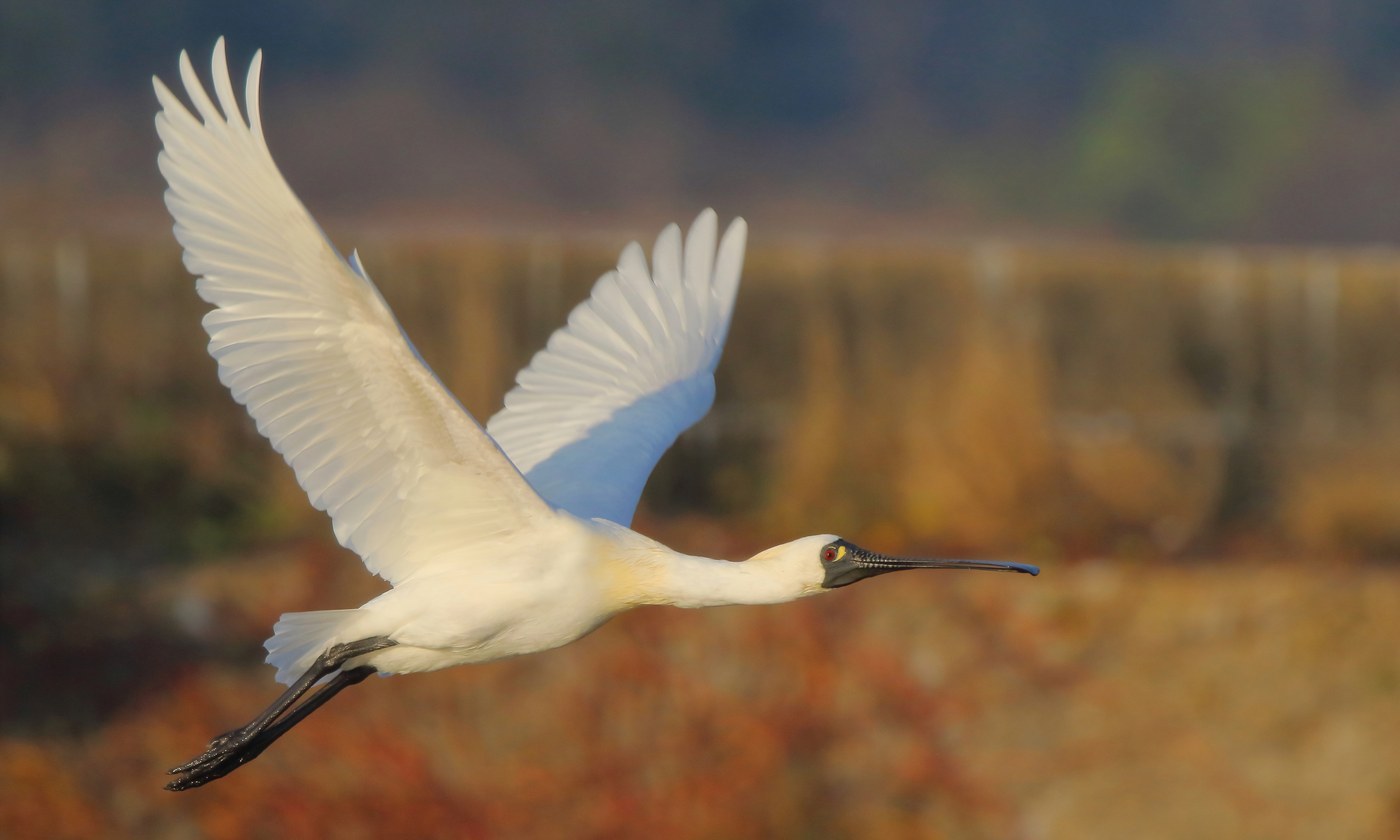
Black-faced Spoonbill
White contour and flight feathers with fine breeding crest and breast plumes
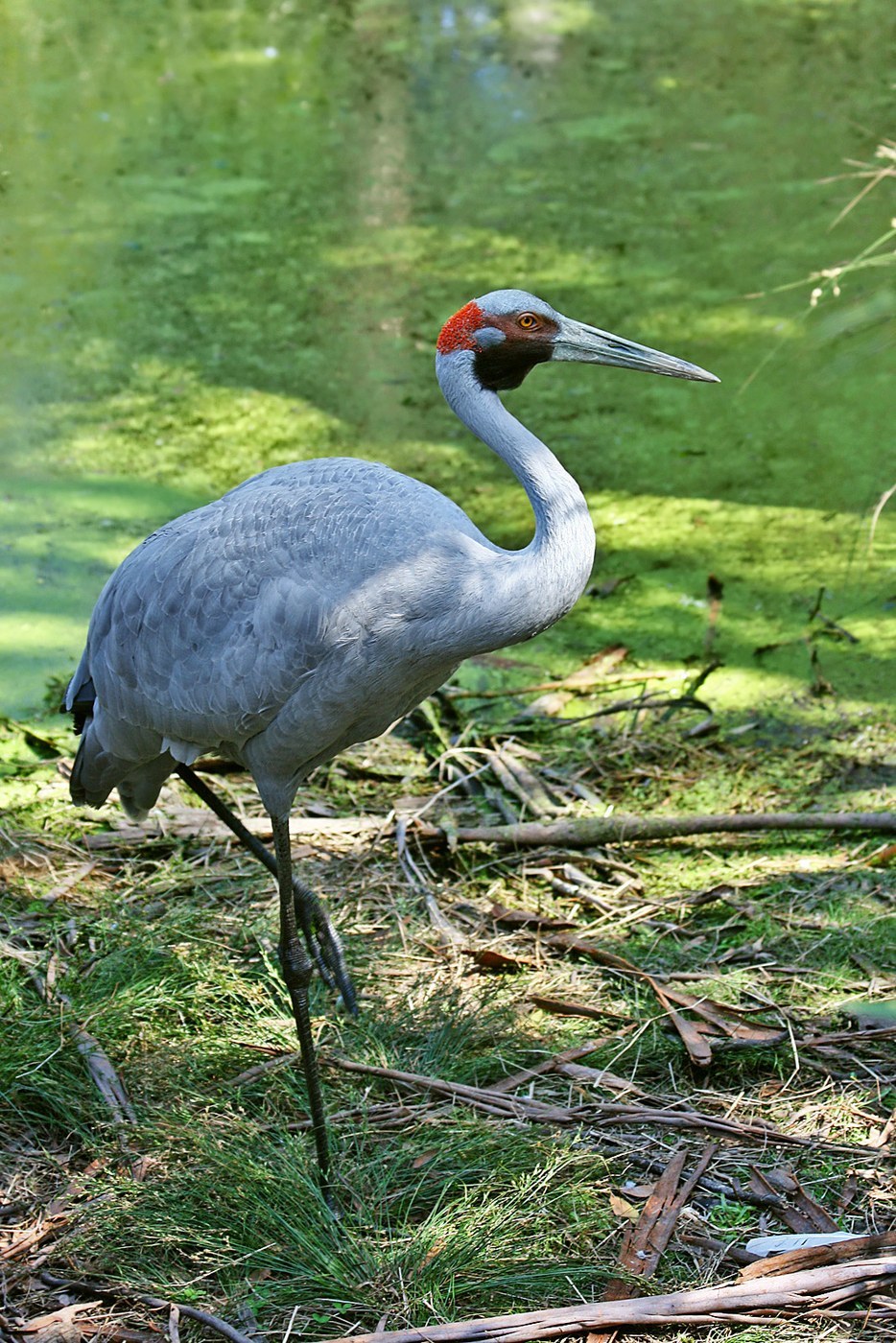
Brolga
Grey contour feathers with drooping bustle plumes
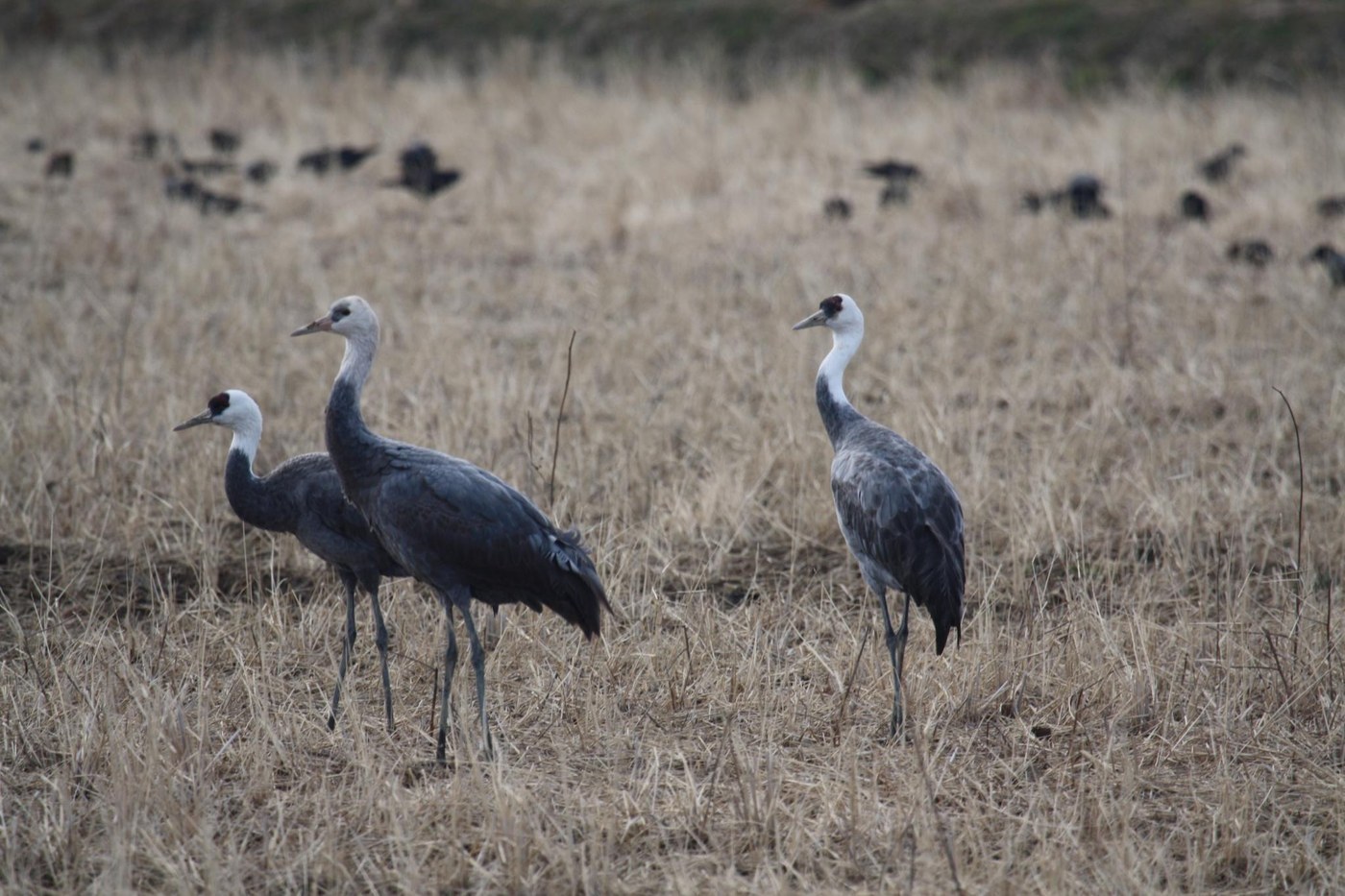
Hooded Crane
Dark slate-grey body feathers with a white head/upper neck 'hood' and black bustle plumes
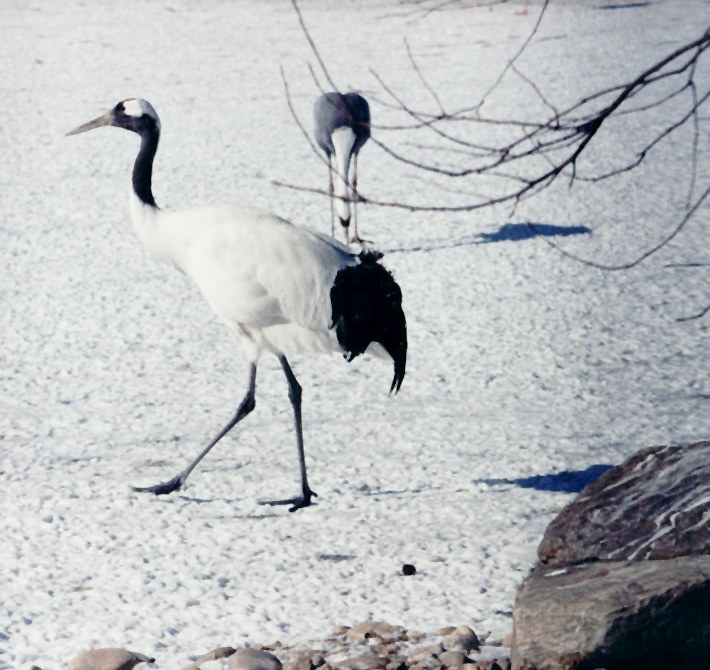
Red-crowned Crane
White contour feathers with black secondary/tertial bustle feathers and a bare red crown

Common Crane
Grey contour feathers with black head/neck feathers and drooping bustle plumes
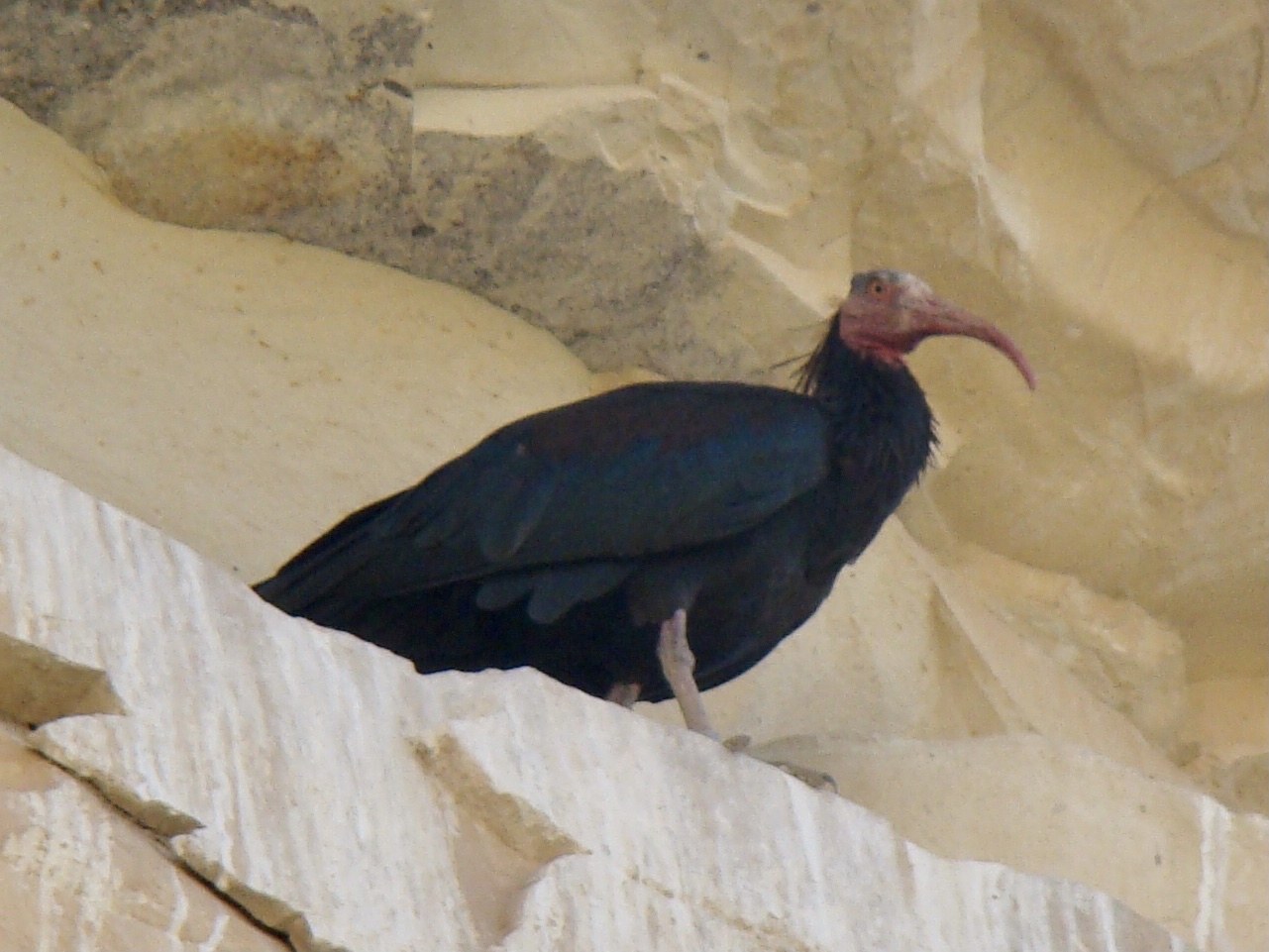
Northern Bald Ibis
Glossy black contour feathers with elongated nape plumes
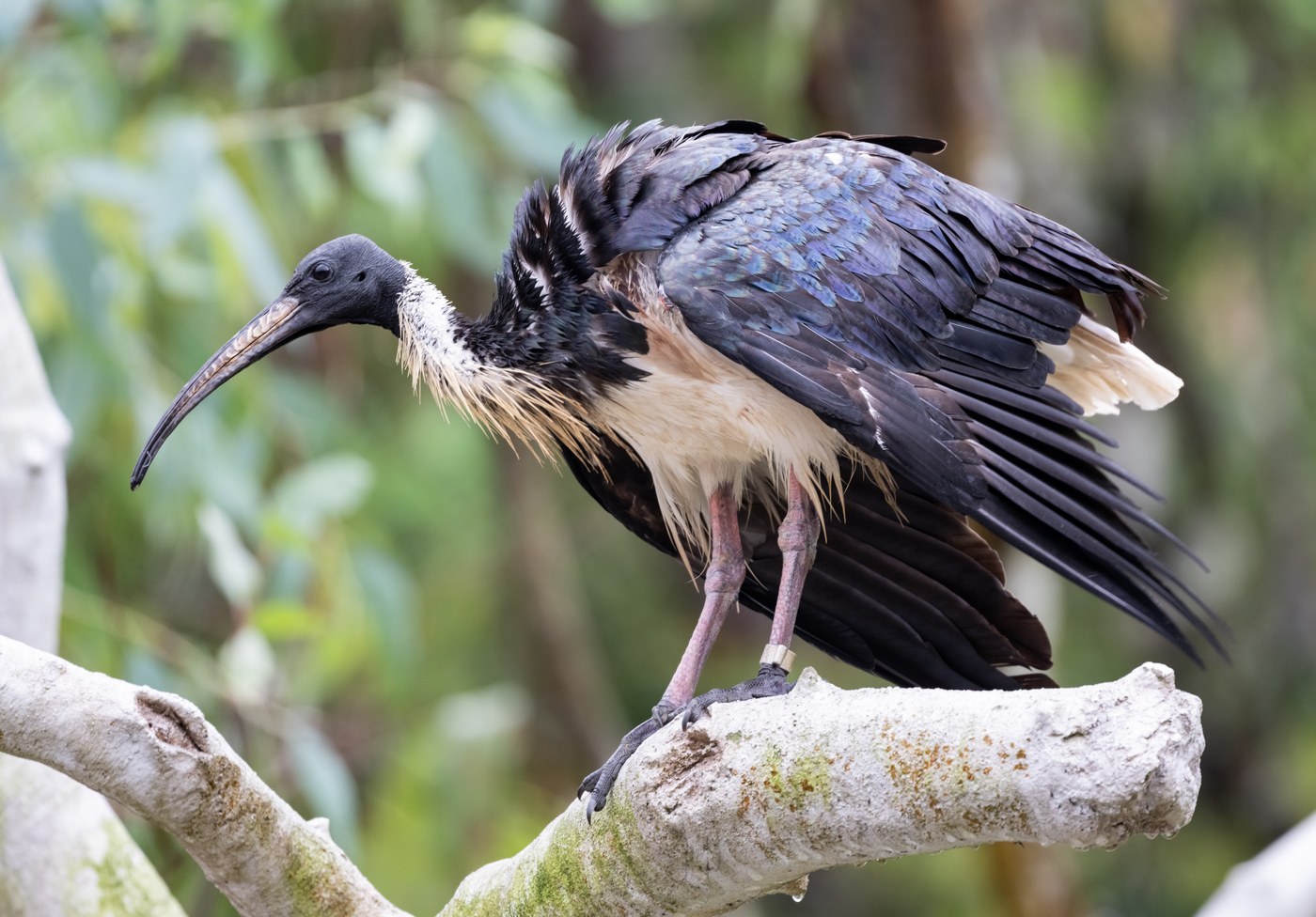
Straw-necked Ibis
Glossy contour feathers with unique straw-like neck plumes
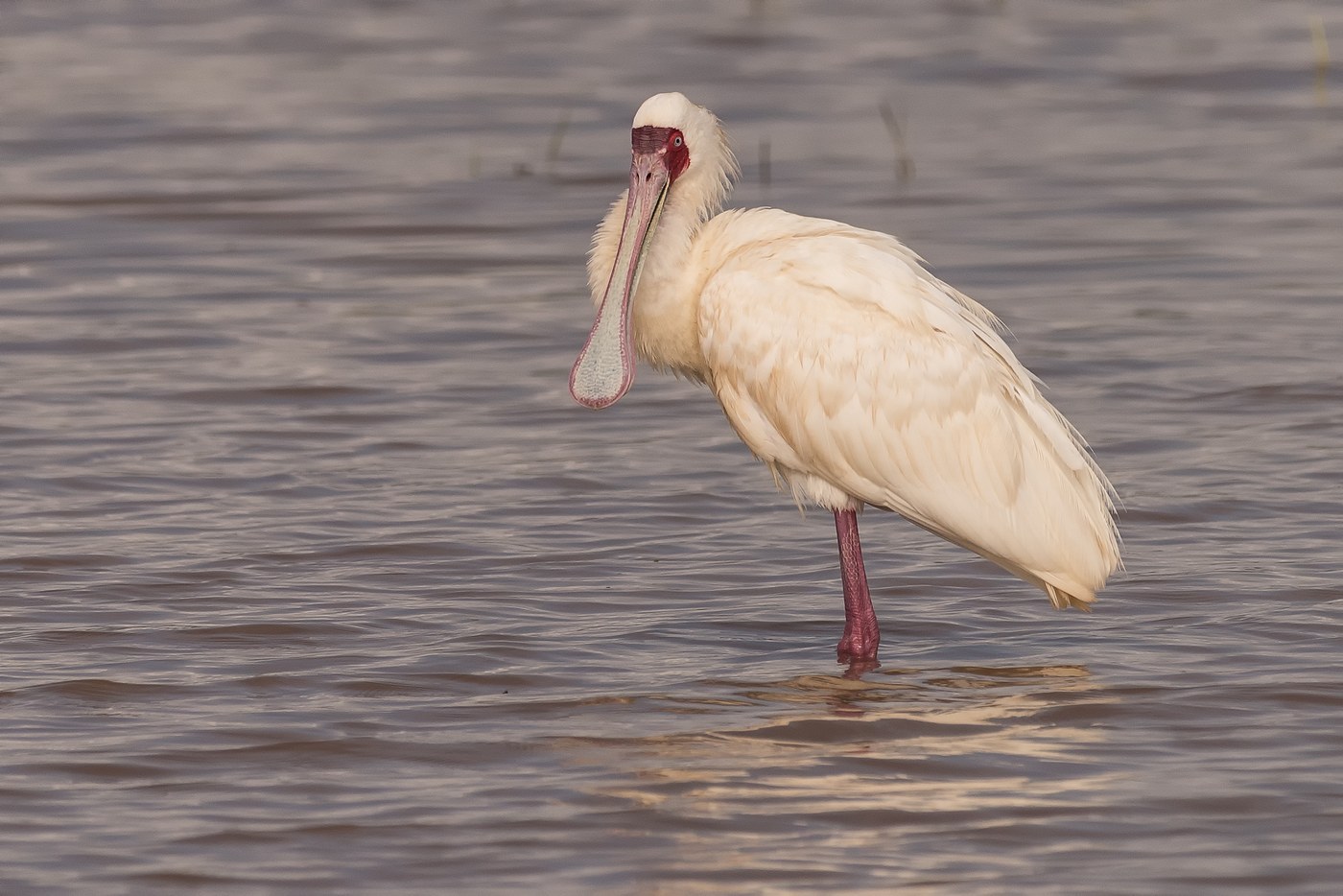
African Spoonbill
White contour and flight feathers, unmarked by black tips

Roseate Spoonbill
Pink and white contour and flight feathers with a carmine shoulder patch