
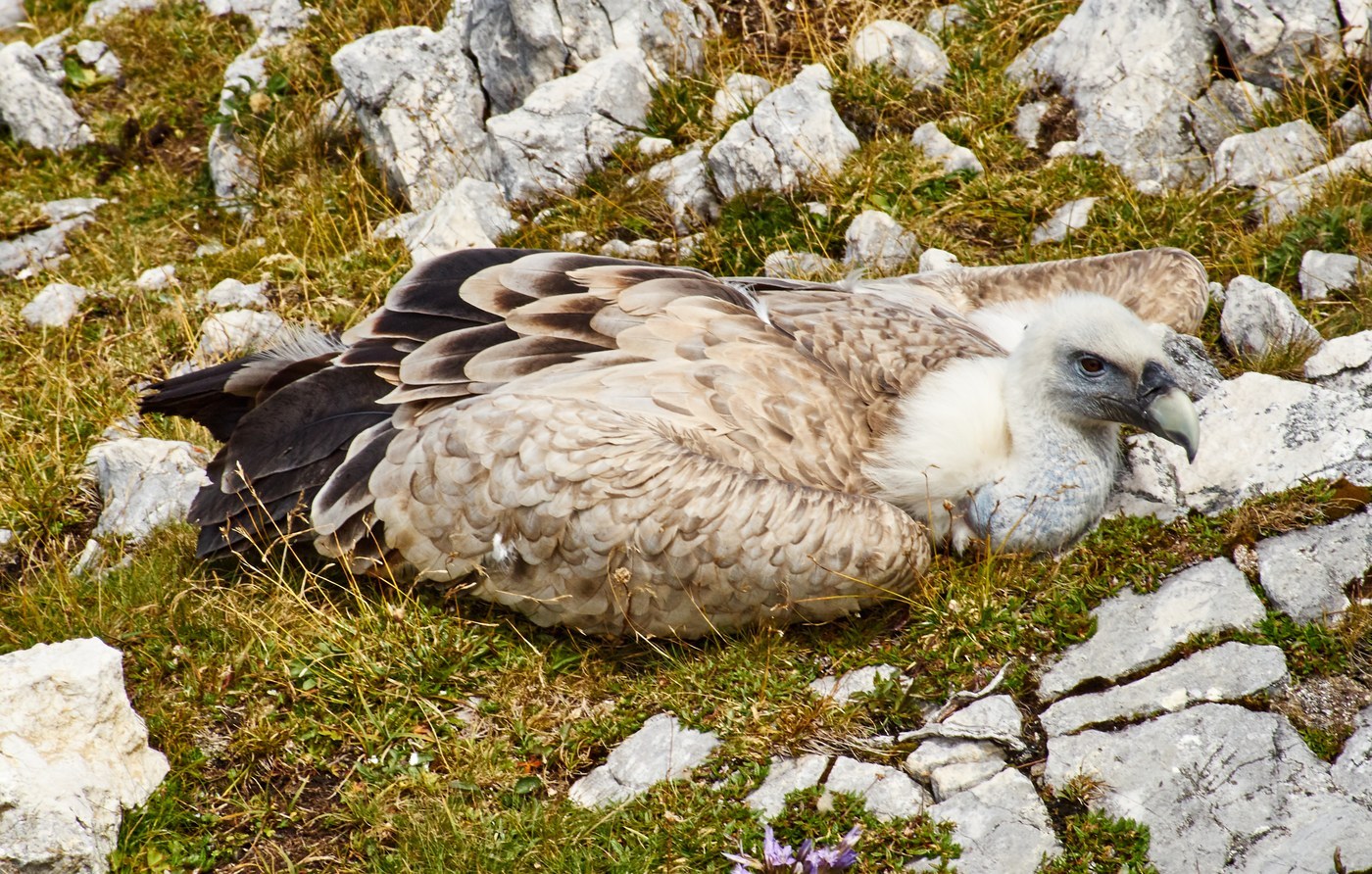
Griffon Vulture
Gyps fulvus
A large Old World vulture with warm tawny-brown body feathers, contrasting dark flight feathers, and a distinctive white downy ruff at the base of the neck.
- Feather type
- Broad flight feathers; contrasting tail feathers; downy neck ruff feathers
- Colours
- Tawny to sandy brown body plumage with dark blackish-brown flight and tail feathers
- Bird size
- Large raptor, ~93-122 cm, wingspan up to 2.8 m
Found a feather like this?
Identify any feather from a photo, free.
Overview
The Griffon Vulture is a large, sociable scavenger found across mountainous and open country from southern Europe through the Middle East and Central Asia. Its warm sandy-brown body contrasts with notably darker, almost blackish, flight and tail feathers, creating a two-toned appearance in flight.
A ring of white downy feathers at the base of the long, mostly bare neck is a signature feature, often visible as a fluffy collar even from a distance.
Griffon Vultures often soar in large numbers together on mountain thermals, and shed feathers can sometimes be found near cliff roosts and nesting colonies.
Identifying the Feather
Shape and Size
Wings are broad with well-fingered primaries; the tail is relatively short and wedge-shaped. Flight feathers are large, appropriate for extended soaring flight.
Color and Pattern
- Body and covert feathers: warm tawny to sandy brown
- Flight feathers: dark blackish-brown, contrasting notably with the paler body
- Tail feathers: dark blackish-brown
- Neck ruff feathers: white and downy, distinct in texture from the body's contour feathers
- Shafts: pale on body feathers, dark on flight feathers
Distinguishing from Similar Species
The warm tawny-brown body tone paired with dark flight feathers separates this species from the more uniformly dark Cinereous Vulture and from the paler, more finely patterned Ruppell's Vulture, whose body feathers show pale scaly edging rather than a plain tawny wash.
Plumage & Molt
Adults show a tawny-brown body with dark flight and tail feathers and a white neck ruff; sexes look alike. Juveniles are darker and more streaked, with a browner, less contrasting pattern, and a less developed neck ruff that whitens with age.
Molt occurs gradually, with flight feathers replaced over an extended multi-year cycle typical of large vultures.
Habitat & Range
Found in mountainous and open terrain across southern Europe (notably Spain, the Balkans), North Africa, the Middle East, and parts of Central and South Asia, favoring gorges and cliffs for nesting.
Most populations are resident or make only limited seasonal movements, though some individuals disperse more widely outside the breeding season.
Behavior & Field Notes
A highly social scavenger, often gathering in large numbers at carcasses and roosting and nesting colonially on cliff ledges. Locates food partly by watching the behavior of other vultures and soars for long periods on thermals.
Nests on cliff ledges, sometimes in large colonies of dozens of pairs. Vocalizations include hisses and grunting calls, mainly around the nest or carcass.
A tawny-brown body feather with dark flight or tail feathers, or a white downy neck feather, found near cliffs or mountain gorges in its Old World range, points to this species.
Frequently asked questions
What color contrast should I look for?
Warm tawny-brown body feathers against notably darker blackish-brown flight and tail feathers is the key pattern for this species.
How does this differ from the Cinereous Vulture?
Griffon Vulture body feathers are warmer and paler tawny-brown, while Cinereous Vulture feathers are more uniformly dark brown throughout.
What is the neck ruff feather like?
It is white and notably downy in texture, quite different from the firmer contour feathers of the body, forming a collar at the base of the neck.
Where are these vultures typically found?
Mountainous and open terrain across southern Europe, North Africa, the Middle East, and parts of Asia, especially near cliffs used for nesting and roosting.
Griffon Vulture guides
In-depth guides for identifying and understanding Griffon Vulture.
Griffon Vulture identified by the community
Real feathers identified with Feather Identifier.

Other feathers you may enjoy

Australian Hobby
Long, narrow pointed flight feathers; slender tail feathers

California Condor
Massive flight feathers; long broad primaries; large tail feathers

Brown Falcon
Broad, rounded flight feathers; variable-toned contour feathers
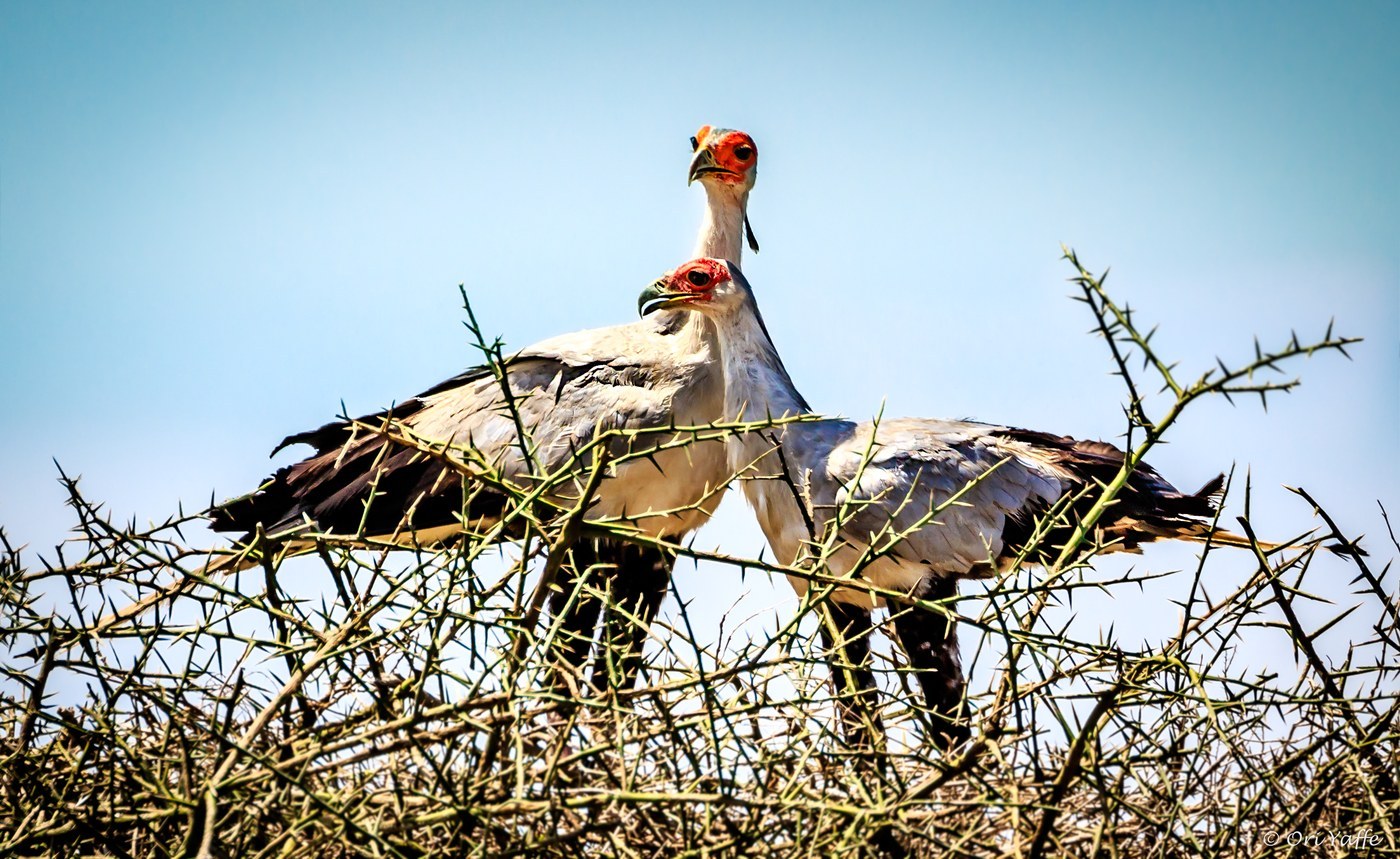
Secretarybird
Long crest feathers; broad flight feathers; elongated central tail feathers

Orange-breasted Falcon
Broad-based pointed flight feathers; bold breast and belly feathers
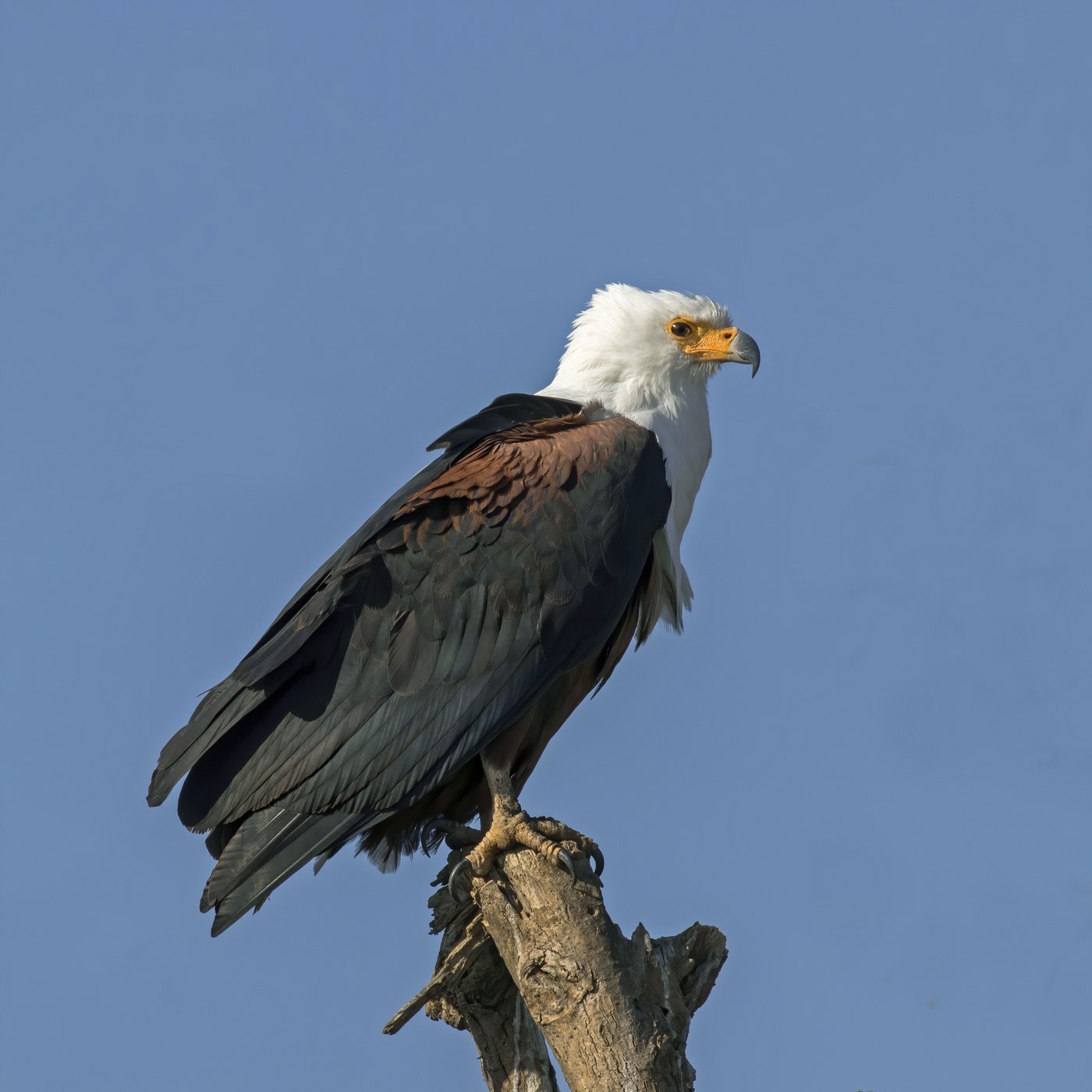
African Fish Eagle
Flight, tail, and body feathers

Amur Falcon
Slender pointed flight feathers; soft slate or orange-buff contour feathers
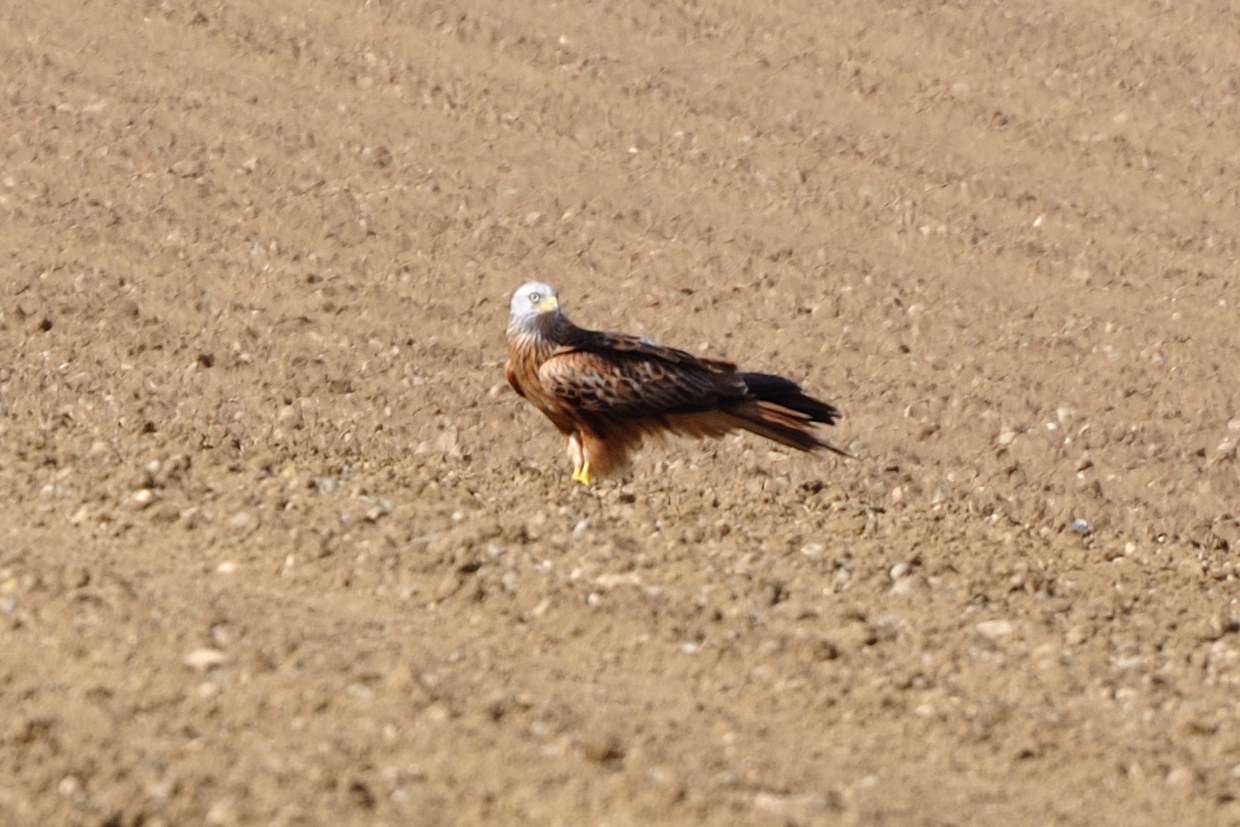
Red Kite
Flight (wing) and tail feathers
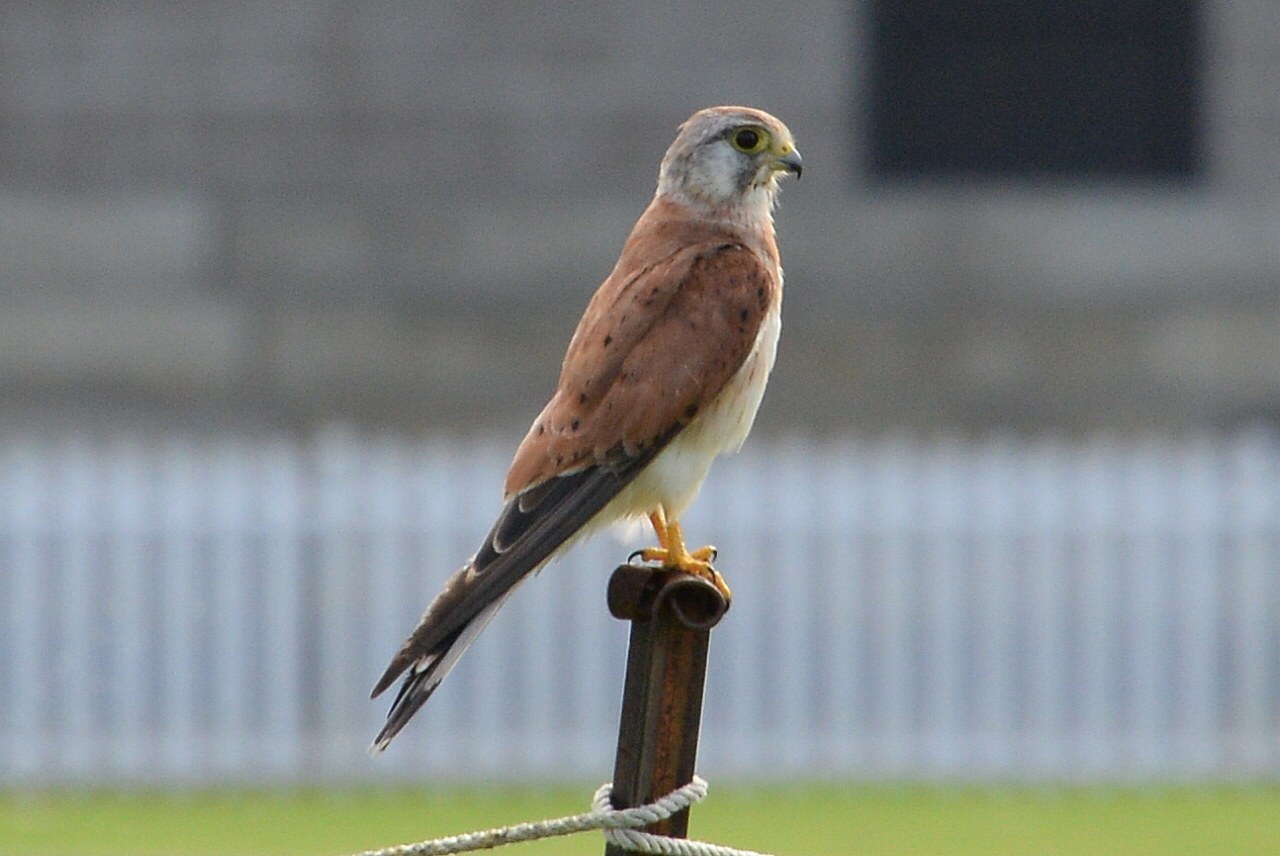
Nankeen Kestrel
Slim pointed flight feathers; lightly marked contour feathers

Andean Condor
Massive flight feathers; broad primaries and secondaries; sturdy tail feathers

Plumbeous Forest Falcon
Short rounded flight feathers; finely barred tail feathers

Sooty Falcon
Long pointed flight feathers; slim tail feathers