
Jabiru
Jabiru mycteria
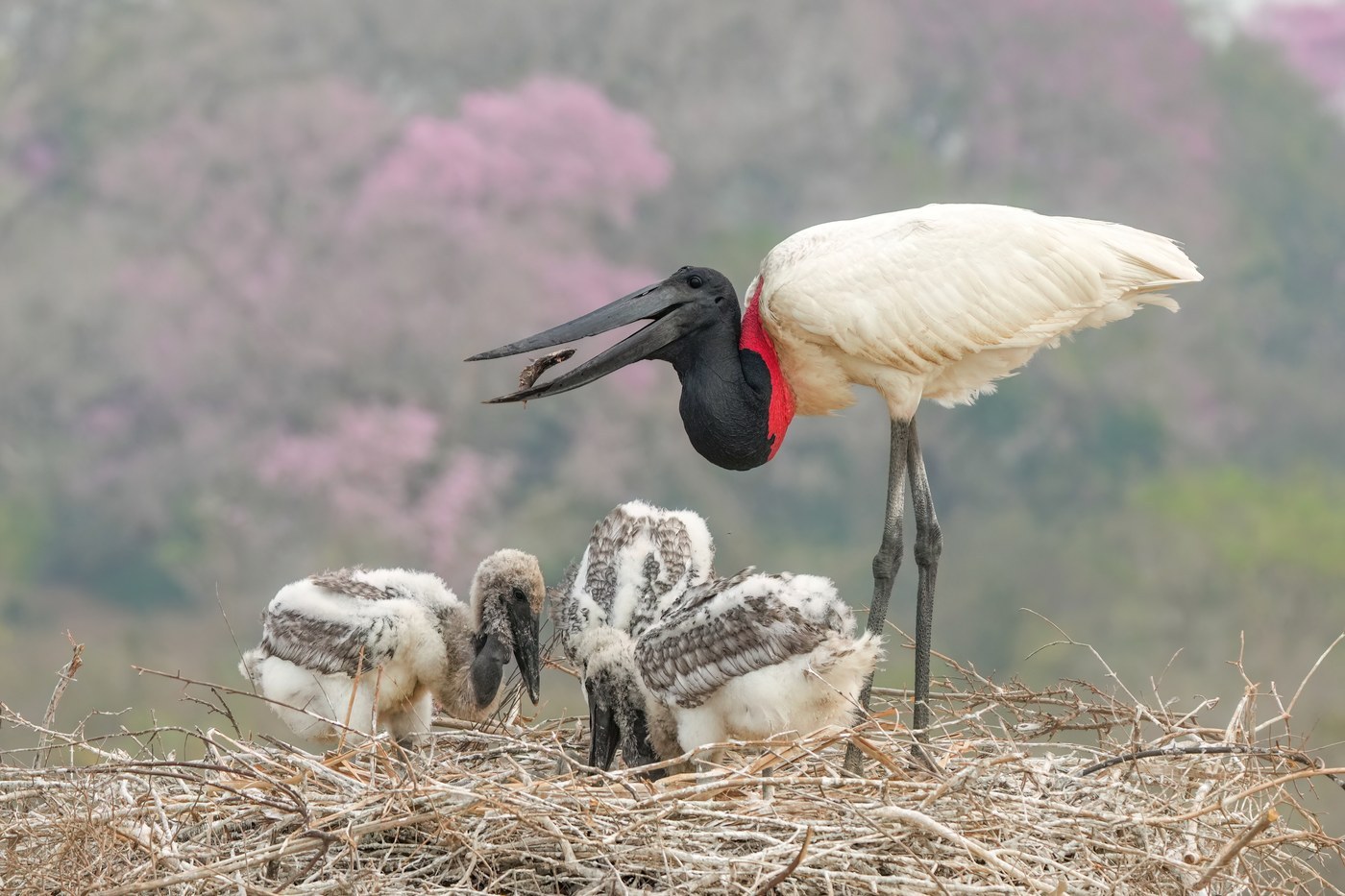
The largest flying bird of the Americas, an enormous white stork with a bare black head and neck marked by a distinctive red collar at the base, found in wetlands from Mexico to Argentina.
- Feather type
- Dense white body contour feathers and large flight feathers
- Colours
- Pure white body with a bare black-and-red head
- Bird size
- Very large stork, ~120-140 cm
Found a feather like this?
Identify any feather from a photo, free.
Overview
Overview
The Jabiru is the largest stork found in the Western Hemisphere, a truly massive white bird recognized by its entirely bare black head and neck, set off by a bright red band of skin at the base of the neck that can inflate during display. Unlike the mostly feathered necks of many other storks, the Jabiru's head and neck are naked, so identification of feathers relates almost entirely to its snowy white body plumage.
- Enormous stork, among the tallest and heaviest flying birds in the Americas
- Bare black head and neck with a red band at the base that can flush brighter during excitement
- Pure white body plumage
- Massive, slightly upturned black bill
Identifying the Feather
Feather Identification
Because the head and neck are entirely bare skin rather than feathered, Jabiru feathers found on the ground come almost exclusively from the pure white body and flight plumage.
- Body contour feathers: pure white, dense, and notably large given the bird's great size
- Flight feathers: white, broad, and long, supporting a very large wingspan
- Shaft color: pale, matching the white vane
- Vs. White Stork: Jabiru lacks any black flight feathers, unlike the White Stork's black-and-white wing pattern, so an all-white large feather points toward Jabiru in the Americas
- Vs. Wood Stork: Jabiru is considerably larger, with correspondingly larger feathers, and lacks the Wood Stork's black flight feathers
Plumage & Molt
Plumage Details
Adults are entirely white in body and flight plumage, with a bare black head and neck and a red band of skin at the neck's base that can be inflated and flushed brighter during breeding displays. There is no seasonal change in the feathers themselves, only in the vividness of the bare-skin coloration. Juveniles show duller, grayish plumage with less well-defined bare-part coloration, gradually attaining the bright white adult plumage as they mature. Molt is gradual, without a tightly defined single season.
Habitat & Range
Habitat & Range
Jabirus inhabit freshwater wetlands, savannas, and floodplains from Mexico through Central America and into South America as far south as Argentina, with a stronghold in the wetlands of the Pantanal and Llanos. The species is largely resident, with local movements tied to seasonal flooding and drying cycles rather than long-distance migration.
Behavior & Field Notes
Behavior & Field Notes
Jabirus forage by wading through shallow water, using their massive bill to catch fish, amphibians, and other aquatic prey, often in drying pools where prey becomes concentrated. They build enormous stick nests high in isolated trees, frequently reused over multiple years. Vocalizations are limited mainly to loud bill-clattering displays at the nest. Its towering size, all-white plumage, and bare black-and-red head make the Jabiru unmistakable within its Neotropical wetland range.
Frequently asked questions
Why doesn't the Jabiru have feathers on its head?
Like several other large storks, it has a bare, unfeathered head and neck, an adaptation thought to aid hygiene while feeding and possibly regulate body temperature.
What color are Jabiru feathers?
The body and flight feathers are entirely white; the only other color on the bird is the bare black-and-red skin of the head and neck.
Is the Jabiru related to the Black-necked Stork sometimes called 'Jabiru' in Australia?
No, they are different genera; the Australian bird nicknamed Jabiru is properly the Black-necked Stork, while the true Jabiru is found only in the Americas.
Where would a Jabiru feather most likely be found?
Near freshwater wetlands and floodplains from Mexico through Central America to South American strongholds such as the Pantanal.
Jabiru guides
In-depth guides for identifying and understanding Jabiru.
Other feathers you may enjoy

Yellow-billed Spoonbill
White contour and flight feathers with fine breeding plumes on the back and breast
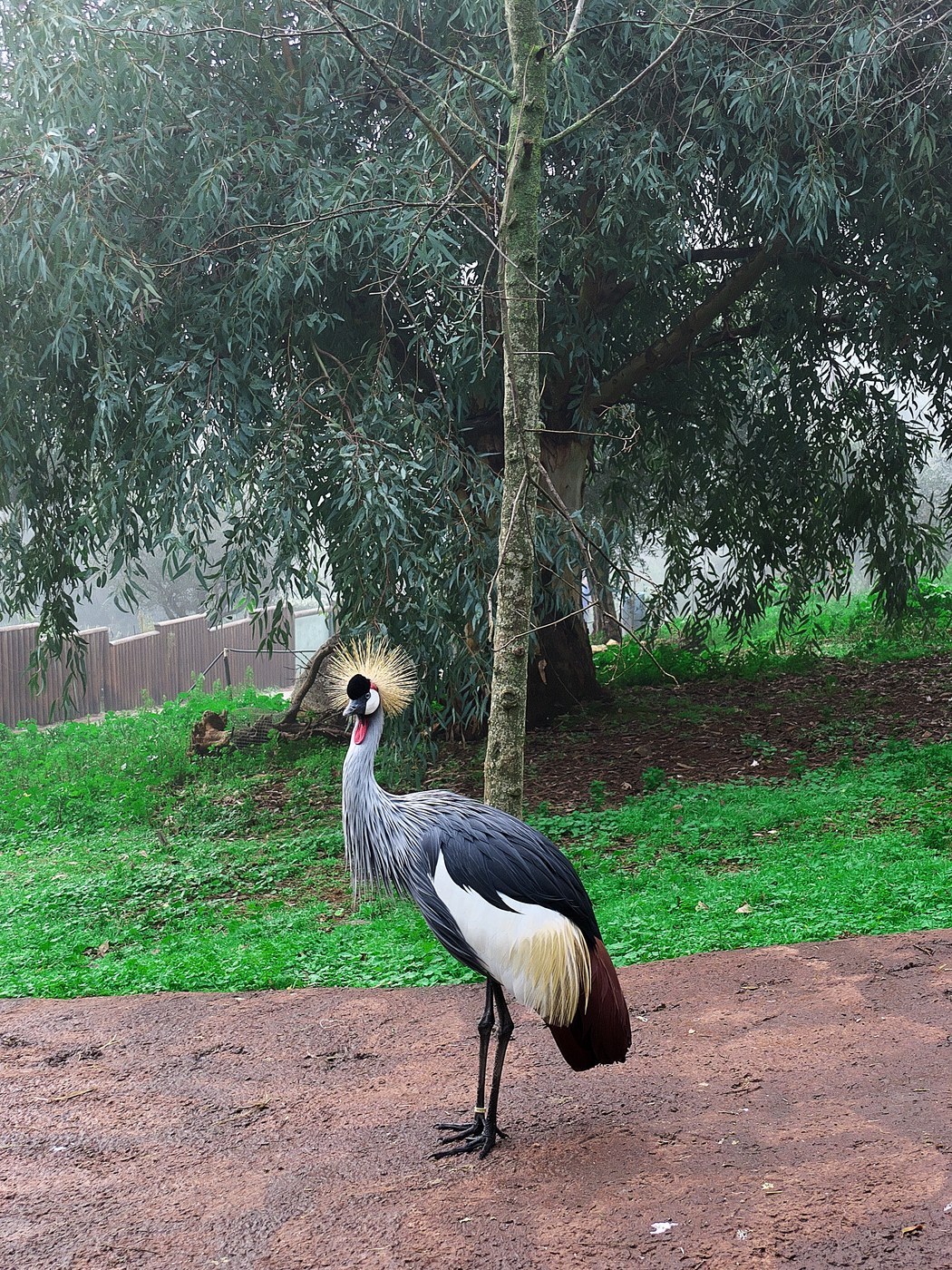
Grey Crowned Crane
Grey body feathers with white wing coverts, chestnut flight feathers, and stiff golden crown bristles
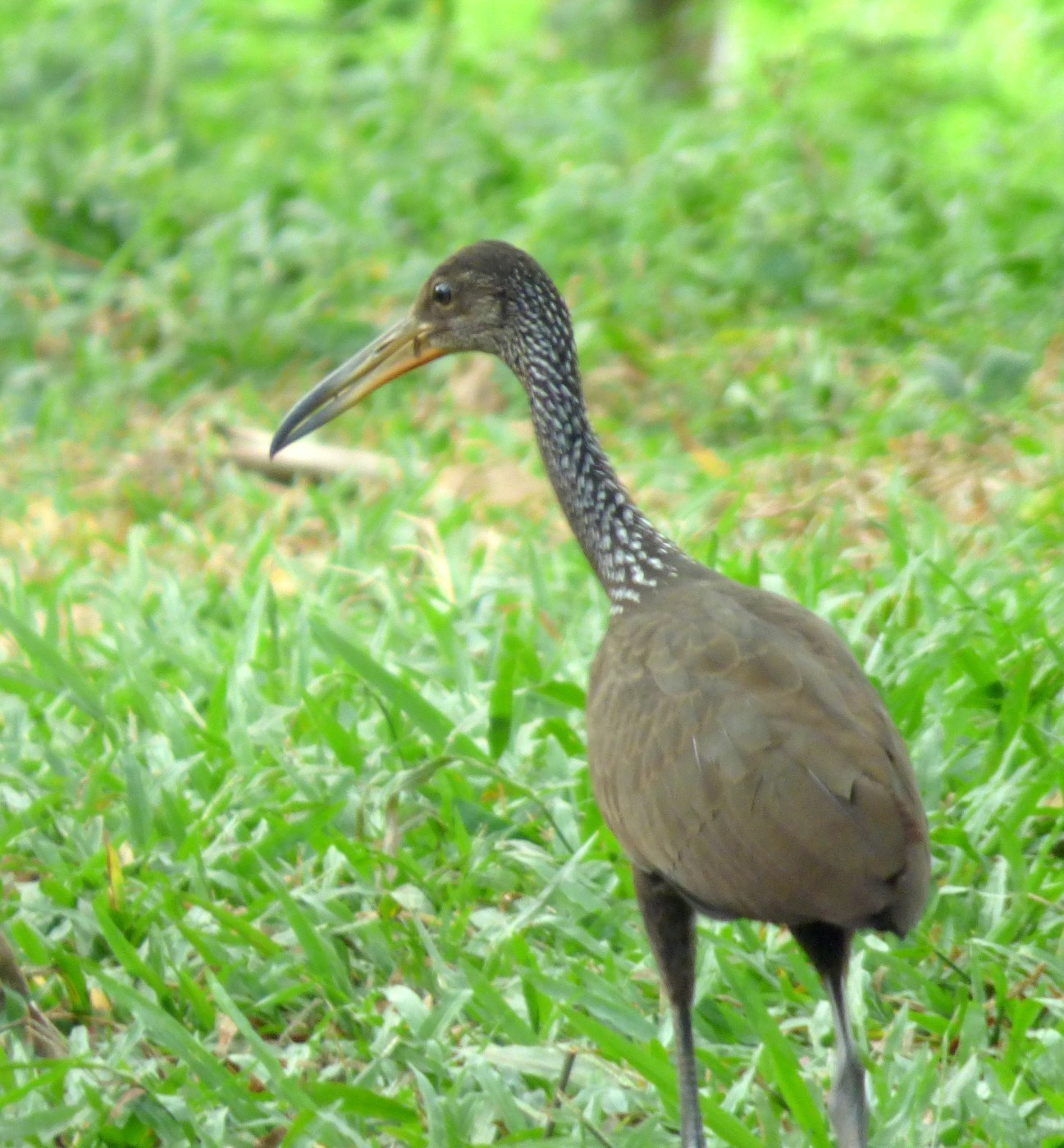
Limpkin
Brown contour feathers with white teardrop-shaped spots and streaks
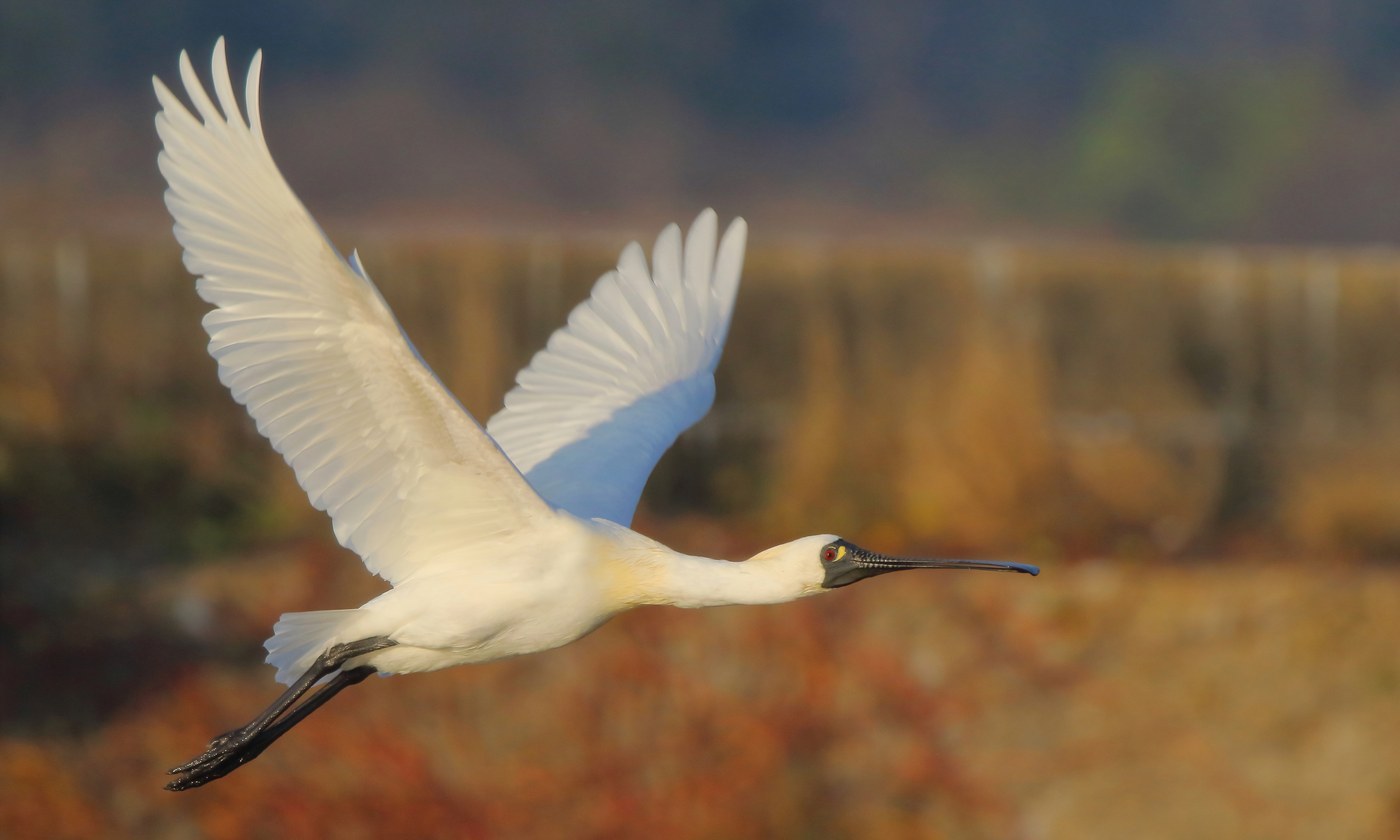
Black-faced Spoonbill
White contour and flight feathers with fine breeding crest and breast plumes
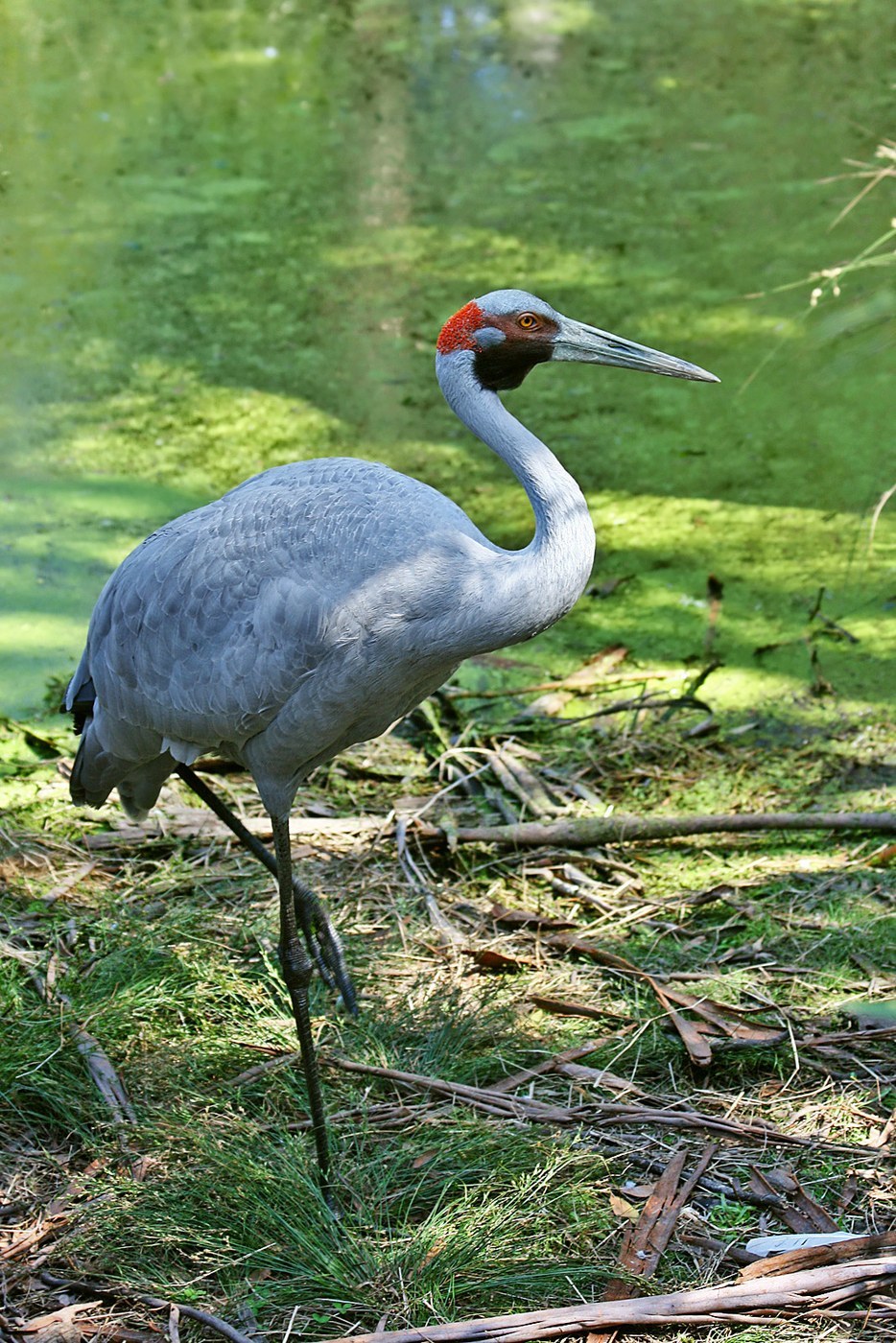
Brolga
Grey contour feathers with drooping bustle plumes
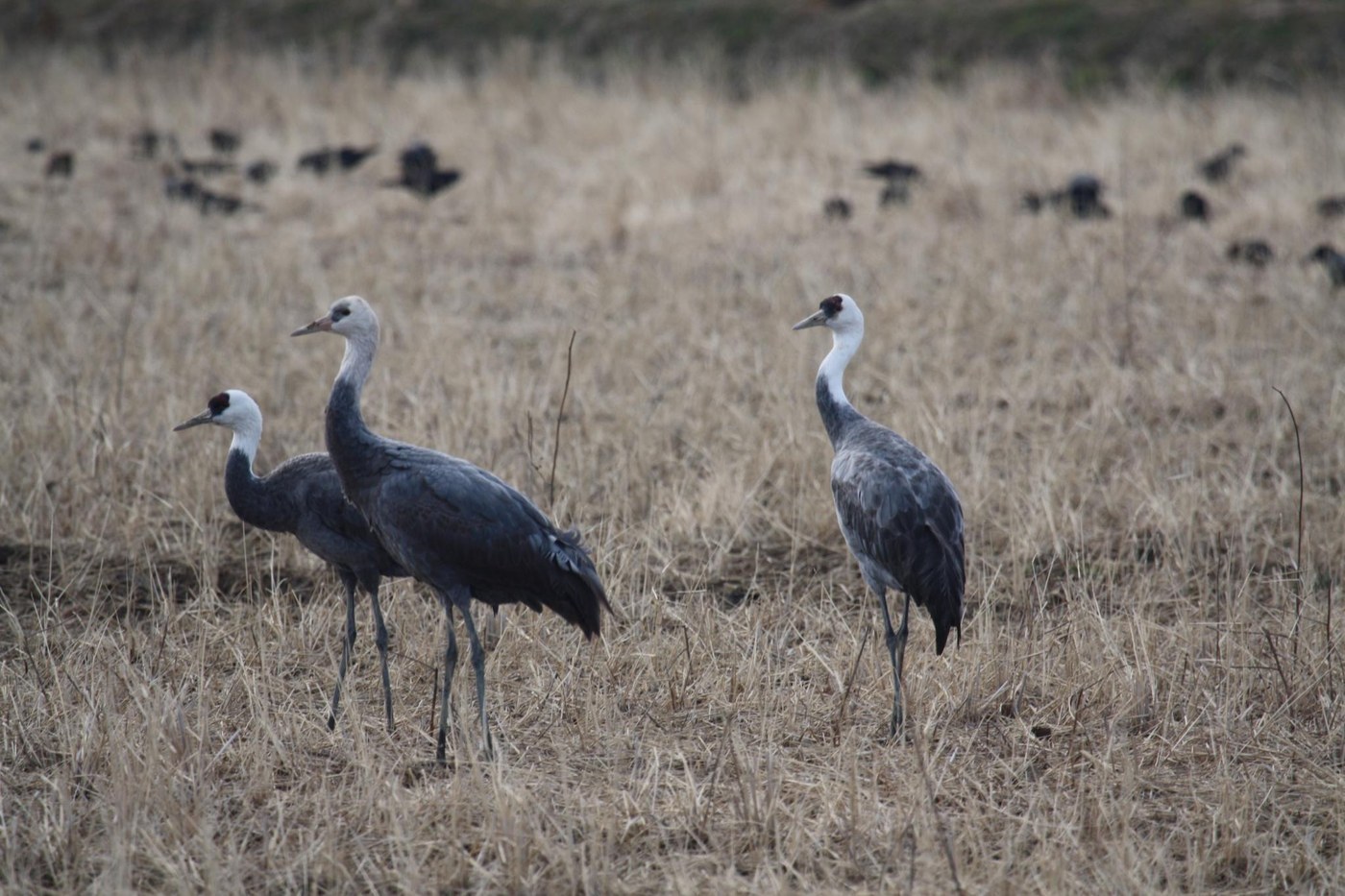
Hooded Crane
Dark slate-grey body feathers with a white head/upper neck 'hood' and black bustle plumes
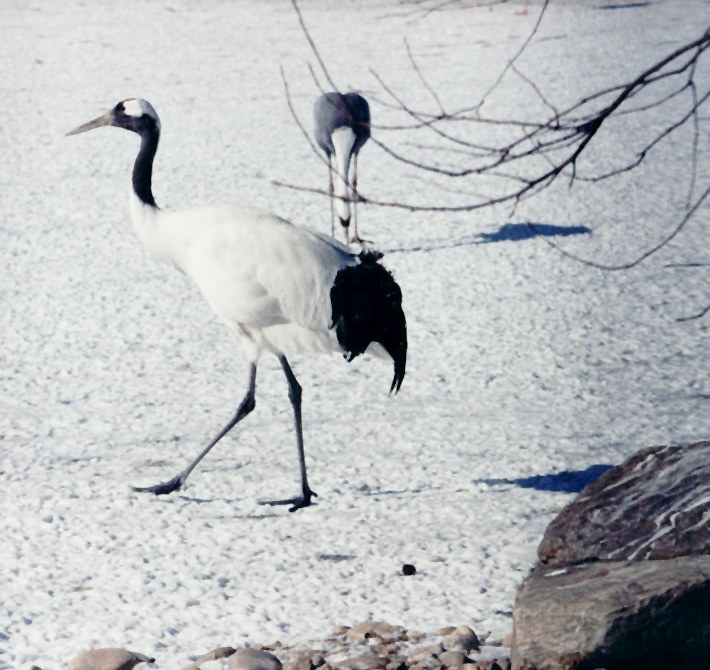
Red-crowned Crane
White contour feathers with black secondary/tertial bustle feathers and a bare red crown

Common Crane
Grey contour feathers with black head/neck feathers and drooping bustle plumes
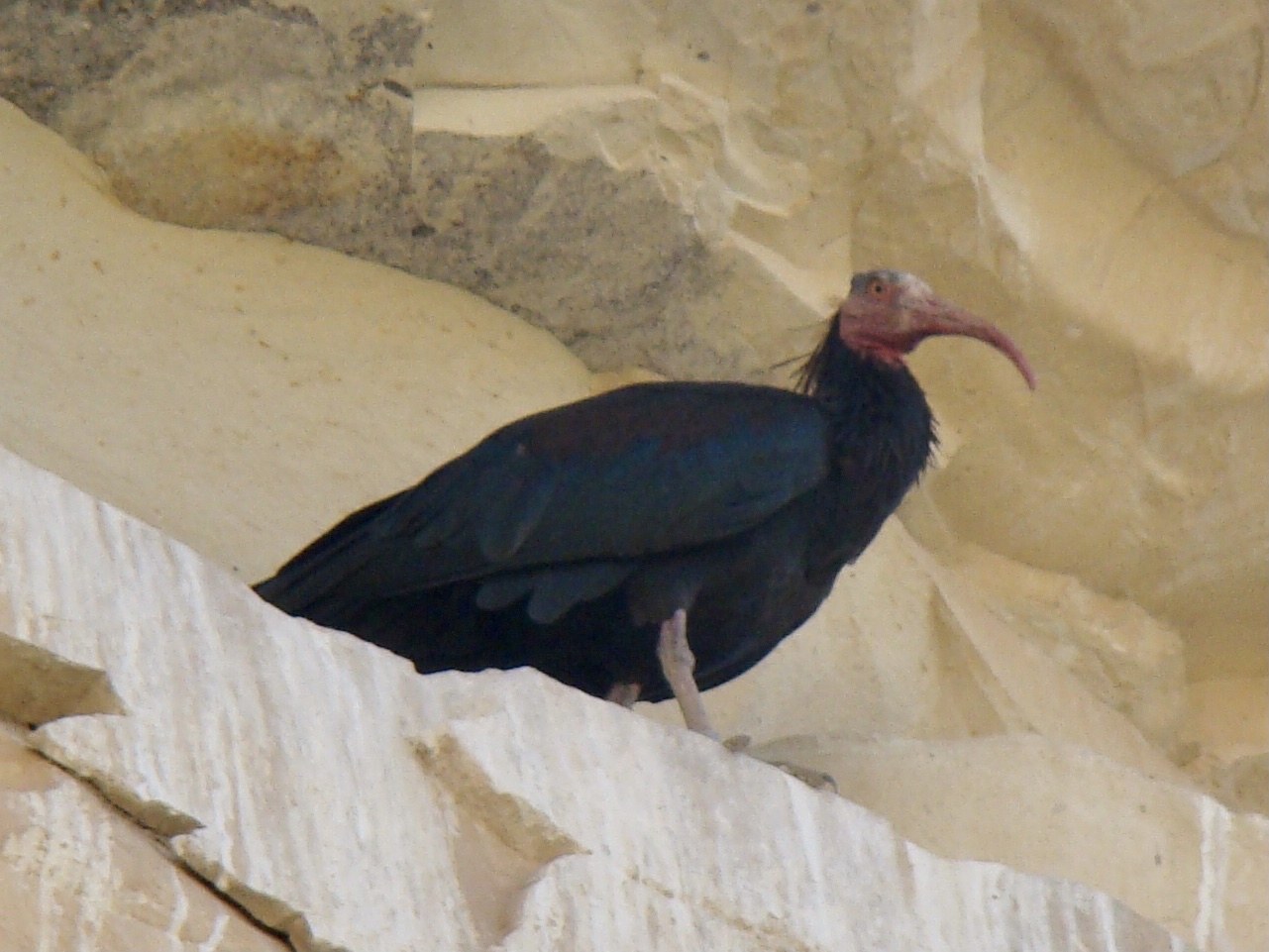
Northern Bald Ibis
Glossy black contour feathers with elongated nape plumes
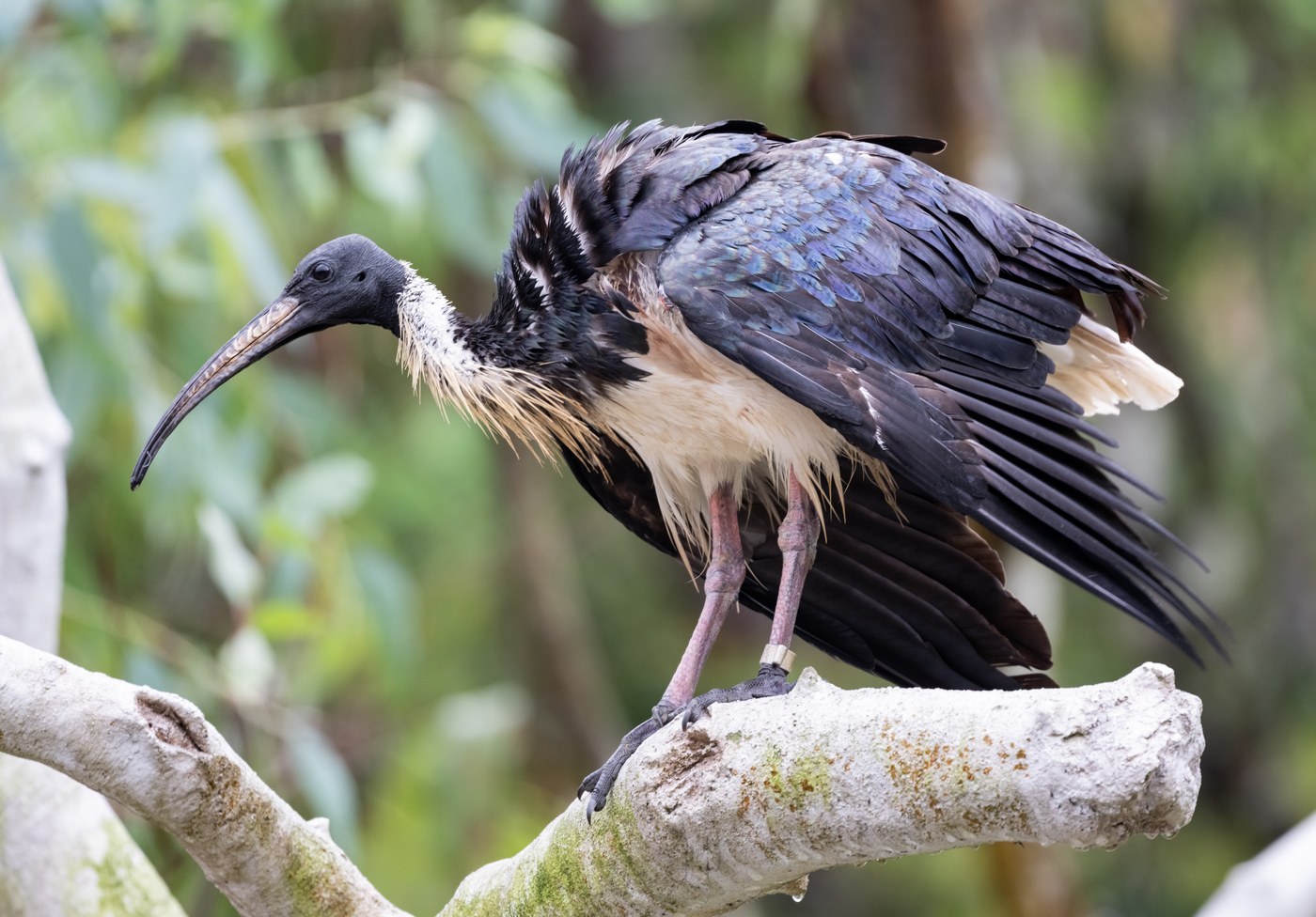
Straw-necked Ibis
Glossy contour feathers with unique straw-like neck plumes
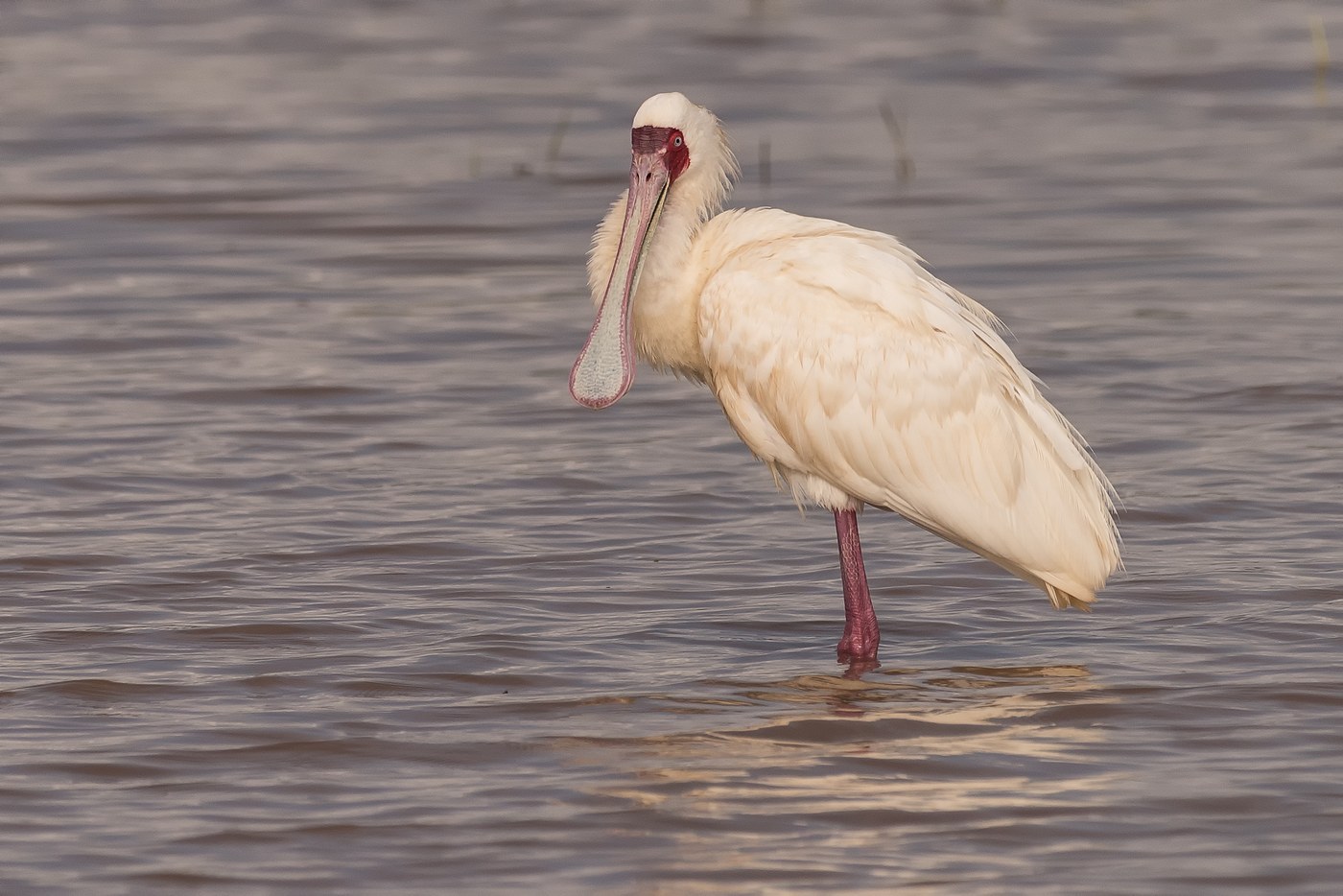
African Spoonbill
White contour and flight feathers, unmarked by black tips

Roseate Spoonbill
Pink and white contour and flight feathers with a carmine shoulder patch