

Long-tailed Jaeger
Stercorarius longicaudus
The smallest, slimmest, and most elegant jaeger, breeding adults trailing exceptionally long, thin central tail streamers behind a slender, buoyant body.
- Feather type
- Contour, flight, and extremely elongated central tail feathers
- Colours
- Pale gray back, blackish cap, whitish underparts
- Bird size
- Small jaeger, ~35-41 cm body, tail streamers can double length
Found a feather like this?
Identify any feather from a photo, free.
Overview
The Long-tailed Jaeger is the most lightly built of the jaegers, with a tern-like grace in flight that sets it apart from its heavier relatives. Breeding adults are unmistakable when the extremely long, thin central tail feathers are present, though these are molted outside the breeding season.
Identifying the Feather
- Central tail feathers in breeding adults are extremely long, thin, and flexible, often exceeding the length of the rest of the tail combined
- Upperparts are a cleaner, colder gray than the browner tones typical of Pomarine and Parasitic Jaegers
- The dark cap contrasts more sharply with a pale gray back and mantle than in the other two jaeger species
- Underwing coverts show only light barring, notably less than in Pomarine Jaeger
- Overall feather structure is slender and lightly built, matching the species' small size and buoyant flight
Plumage & Molt
- Breeding adults show a blackish cap, pale gray back, whitish underparts, and greatly elongated central tail feathers
- Dark morphs are rare in this species compared with the other jaegers, with most individuals showing the pale, gray-backed pattern
- Juveniles are barred grayish-brown overall and lack elongated tail feathers
- Sexes are alike in plumage
- A complete molt after breeding replaces the long tail streamers, which are absent for much of the year outside the breeding season
Habitat & Range
Long-tailed Jaegers breed on high Arctic tundra across northern North America, Greenland, and Eurasia, often in areas with cyclic small-mammal populations. Outside the breeding season they are highly pelagic, wintering far out over the open oceans of the Southern Hemisphere, rarely approaching land except at breeding sites.
Behavior & Field Notes
This jaeger relies heavily on small rodents such as lemmings during the breeding season, supplementing its diet with insects and, less often, piracy against smaller birds. It nests solitarily on open tundra, and breeding success is strongly tied to the abundance of its rodent prey in a given year. Its call is a shrill, sharp note given mainly near the breeding territory.
Frequently asked questions
What makes a Long-tailed Jaeger tail feather so distinctive?
Breeding adults grow extremely long, thin, flexible central tail feathers that can be longer than the rest of the bird, far exceeding the tail projections of the other two jaeger species.
Are Long-tailed Jaeger feathers grayer than other jaegers?
Yes, its upperparts tend to be a cleaner, colder gray, contrasting more sharply with the dark cap than the browner tones typical of Parasitic and Pomarine Jaegers.
Does the Long-tailed Jaeger have dark color morphs like other jaegers?
Dark morphs are rare in this species; most individuals show the typical pale gray-backed, dark-capped pattern rather than a uniformly dark plumage.
Long-tailed Jaeger guides
In-depth guides for identifying and understanding Long-tailed Jaeger.

Other feathers you may enjoy

Western Gull
Body, flight, and tail feathers
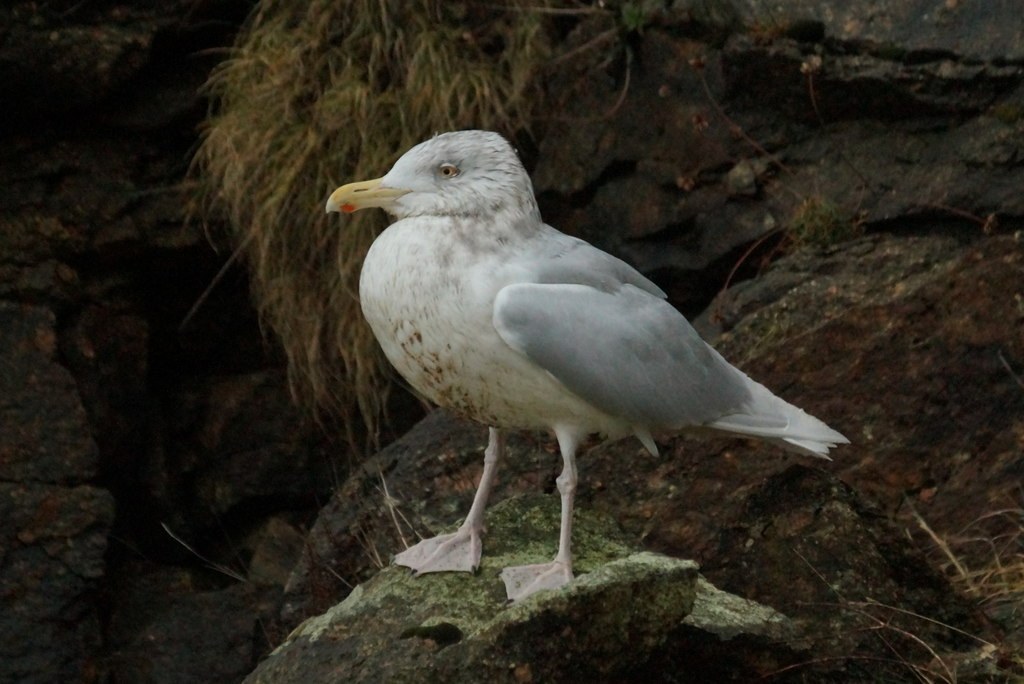
Glaucous Gull
Body, flight, and tail feathers

American Herring Gull
Body, flight, and tail feathers

Great Black-backed Gull
Body, flight, and tail feathers

Common Gull
Body, flight, and tail feathers
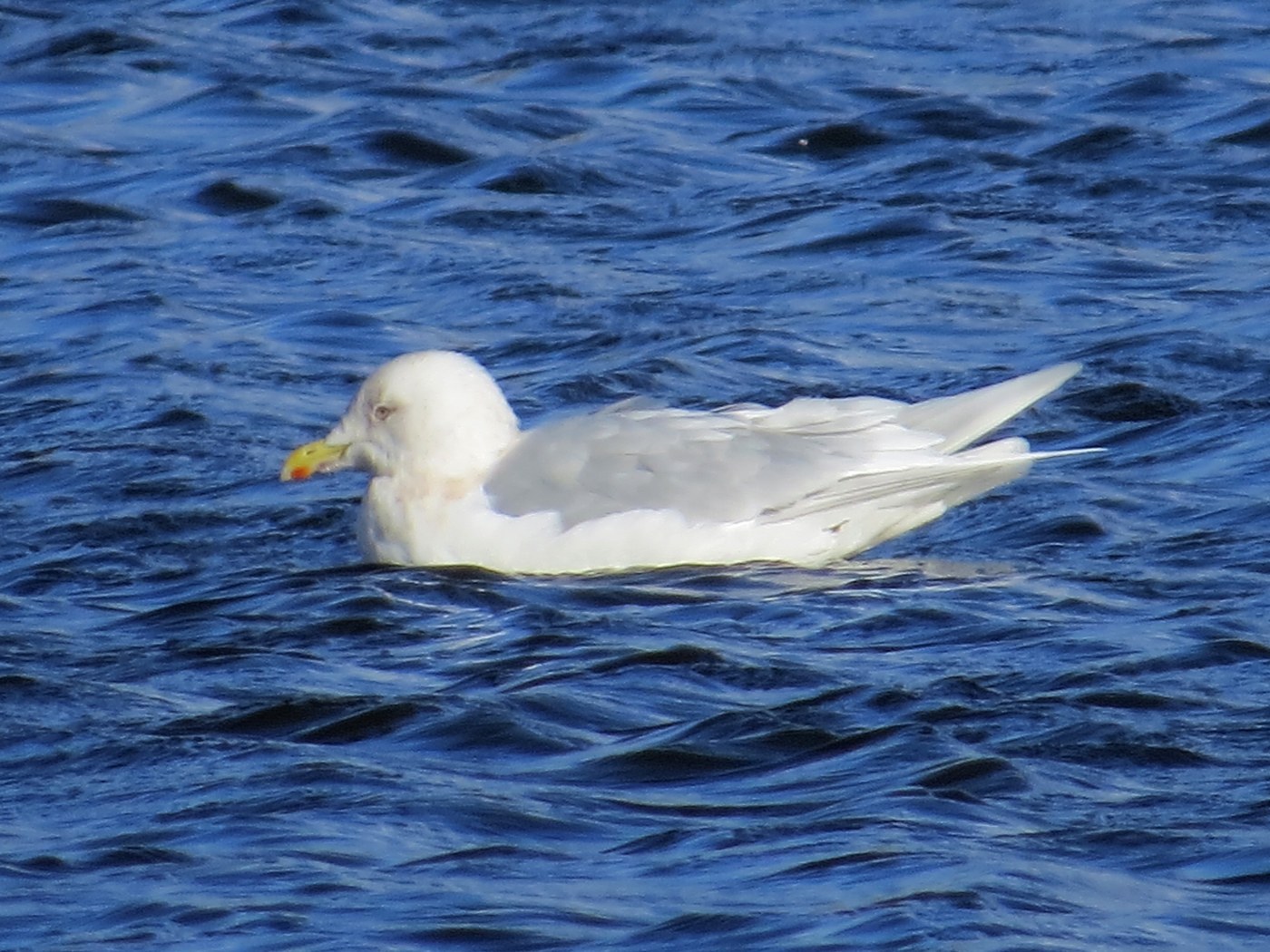
Iceland Gull
Body, flight, and tail feathers

Ring-billed Gull
Body, flight, and tail feathers

Glaucous-winged Gull
Body, flight, and tail feathers

Herring Gull
Body, flight, and tail feathers

Lesser Black-backed Gull
Body, flight, and tail feathers

California Gull
Body, flight, and tail feathers
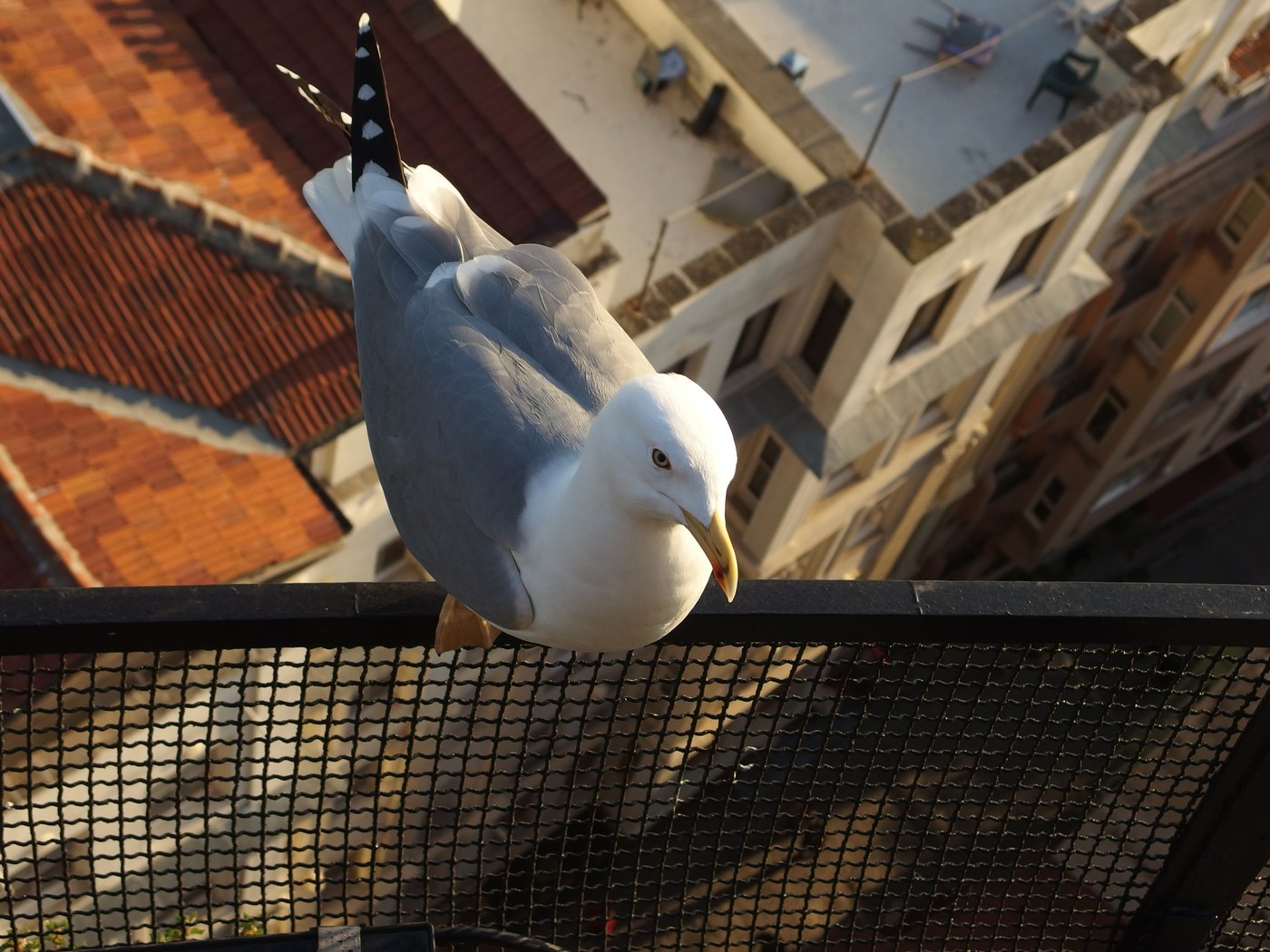
Yellow-legged Gull
Body, wing covert, and flight feathers