
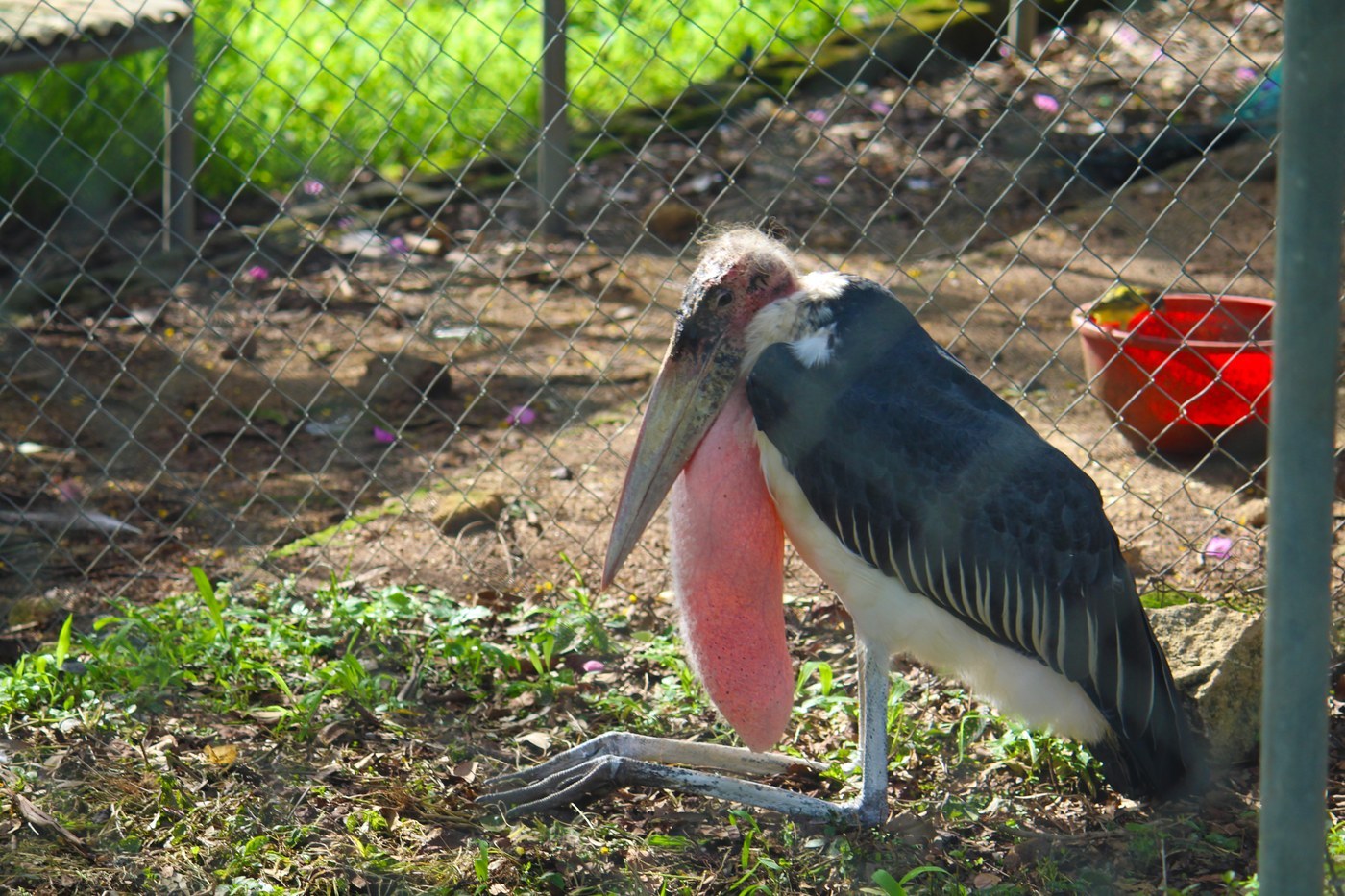
Marabou Stork
Leptoptilos crumenifer
A massive African scavenging stork with a bald pink head, an enormous bill, and a dangling throat pouch, often seen alongside vultures at carcasses and rubbish dumps.
- Feather type
- Large body contour feathers and broad flight feathers
- Colours
- Slate-grey to black upperparts with white underparts
- Bird size
- Very large stork, ~110-152 cm
Found a feather like this?
Identify any feather from a photo, free.
Overview
Overview
The Marabou Stork is one of the largest storks in the world and among the most distinctive African birds, instantly recognizable by its bald, blotchy pink head, huge dagger-like bill, and a long pendulous pink throat pouch. Unlike most storks, it functions largely as a scavenger, often gathering with vultures at carcasses, and its dark slate upperparts and white underparts give it a somewhat somber, undertaker-like appearance that has earned it a well-known nickname.
- Very large stork with a bald, blotchy pink and grey head and neck
- Dark slate-grey to black upperparts contrasting with white underparts
- Enormous, heavy bill
- Pendulous inflatable throat pouch hanging from the neck
Identifying the Feather
Feather Identification
Marabou Stork feathers are large and substantial, reflecting the bird's great size, with a clear division between dark grey-black upperpart feathers and white underpart feathers.
- Upperpart feathers: dark slate-grey to blackish, sometimes with a faint greenish sheen
- Underpart feathers: white, including the breast and belly
- Undertail coverts: fluffy white feathers historically used decoratively, sometimes called 'marabou feathers' in the fashion and craft trades
- Flight feathers: broad, dark, and very long given the bird's large wingspan
- Vs. Adjutant storks: overall similar dark-over-white pattern, but Marabou Stork feathers tend to run larger given its greater bulk
- Shaft color: dark in upperpart feathers, pale in white underpart feathers
Plumage & Molt
Plumage Details
Adults have dark slate-grey to blackish upperparts and wings with a whitish belly and undertail, a bald head and neck showing patches of pink, grey, and sometimes yellowish bare skin, and a long dangling throat pouch that can be inflated during display. The soft, downy undertail covert feathers are notably fluffy and pure white. Juveniles are duller and browner overall, with more feathering on the head and neck that is gradually lost with maturity, and a smaller, less developed throat pouch. Molt is gradual and not sharply tied to a single season.
Habitat & Range
Habitat & Range
Marabou Storks are found across much of sub-Saharan Africa, inhabiting savanna, wetlands, open grassland, and increasingly urban areas, including rubbish dumps and abattoirs where food scraps are reliably available. The species is largely resident, though local and seasonal movements occur in response to food availability and rainfall patterns. It thrives in close proximity to people in many towns and cities across its range.
Behavior & Field Notes
Behavior & Field Notes
Marabou Storks are opportunistic feeders, scavenging at carcasses alongside vultures, foraging in wetlands for fish and small animals, and taking advantage of food waste in urban and semi-urban settings. They breed colonially in tall trees, often forming large stick nests, and use a dramatic bill-clattering and pouch-inflation display for communication since they lack a strong vocal call. Their bald head is thought to be an adaptation for hygienic feeding on carrion, similar to vultures. The combination of enormous size, bald pink head, and dangling throat pouch makes this species unmistakable in the field.
Frequently asked questions
Why is the Marabou Stork's head bald?
A bald head, much like that of vultures, is thought to help keep the bird cleaner while feeding on carrion and other scavenged food.
What are 'marabou feathers' used in crafts?
The soft, fluffy white undertail covert feathers of this species have historically been used decoratively, giving rise to the term 'marabou' for that downy feather type.
How big are Marabou Stork feathers compared to other storks?
Given its very large size, its body and flight feathers tend to be larger than those of most other storks, including the related adjutant species.
Where would a Marabou Stork feather most likely be found?
Near African savannas, wetlands, rubbish dumps, and abattoirs, or beneath large tree nesting colonies.
Marabou Stork guides
In-depth guides for identifying and understanding Marabou Stork.
Other feathers you may enjoy

Yellow-billed Spoonbill
White contour and flight feathers with fine breeding plumes on the back and breast
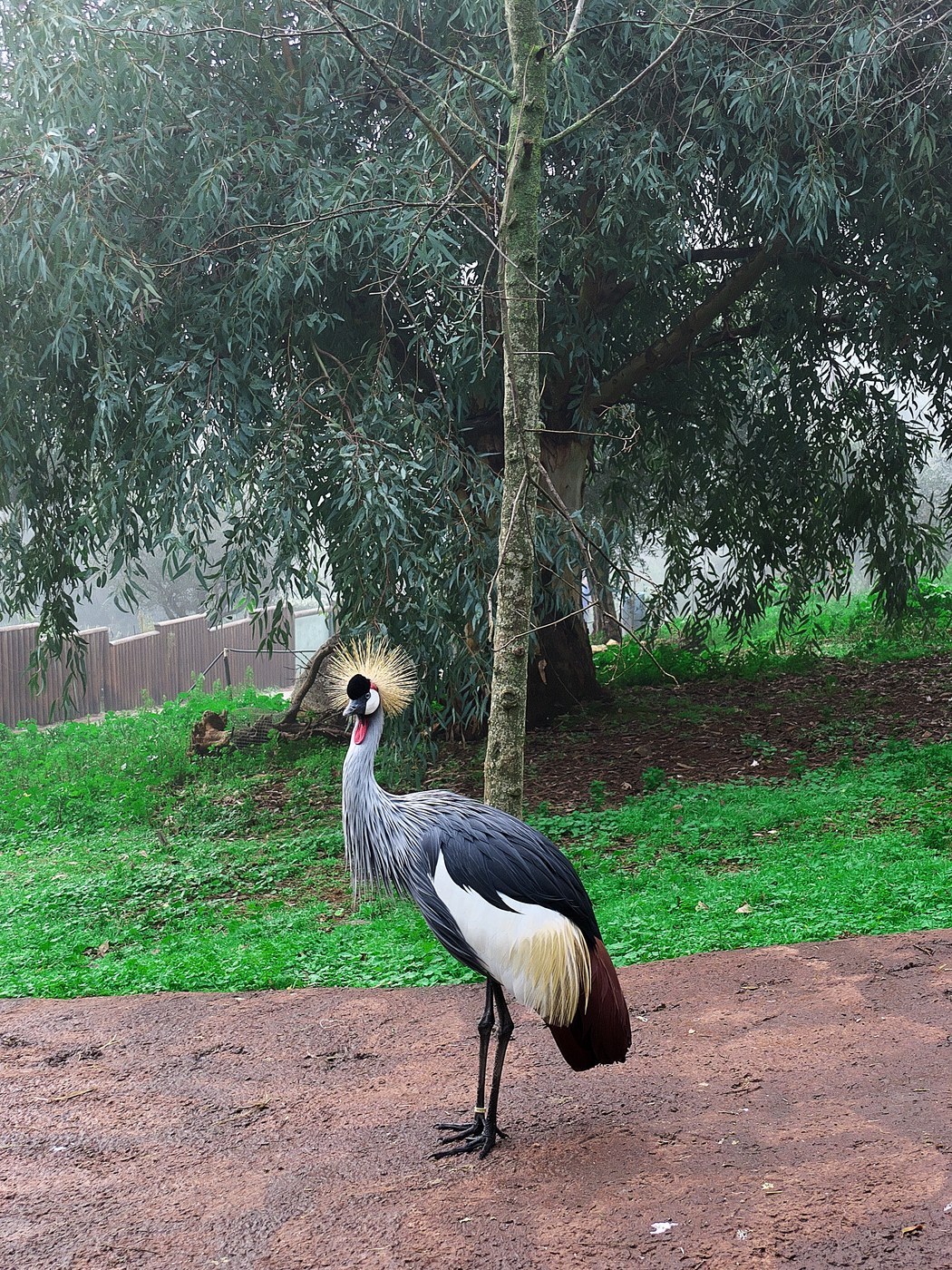
Grey Crowned Crane
Grey body feathers with white wing coverts, chestnut flight feathers, and stiff golden crown bristles
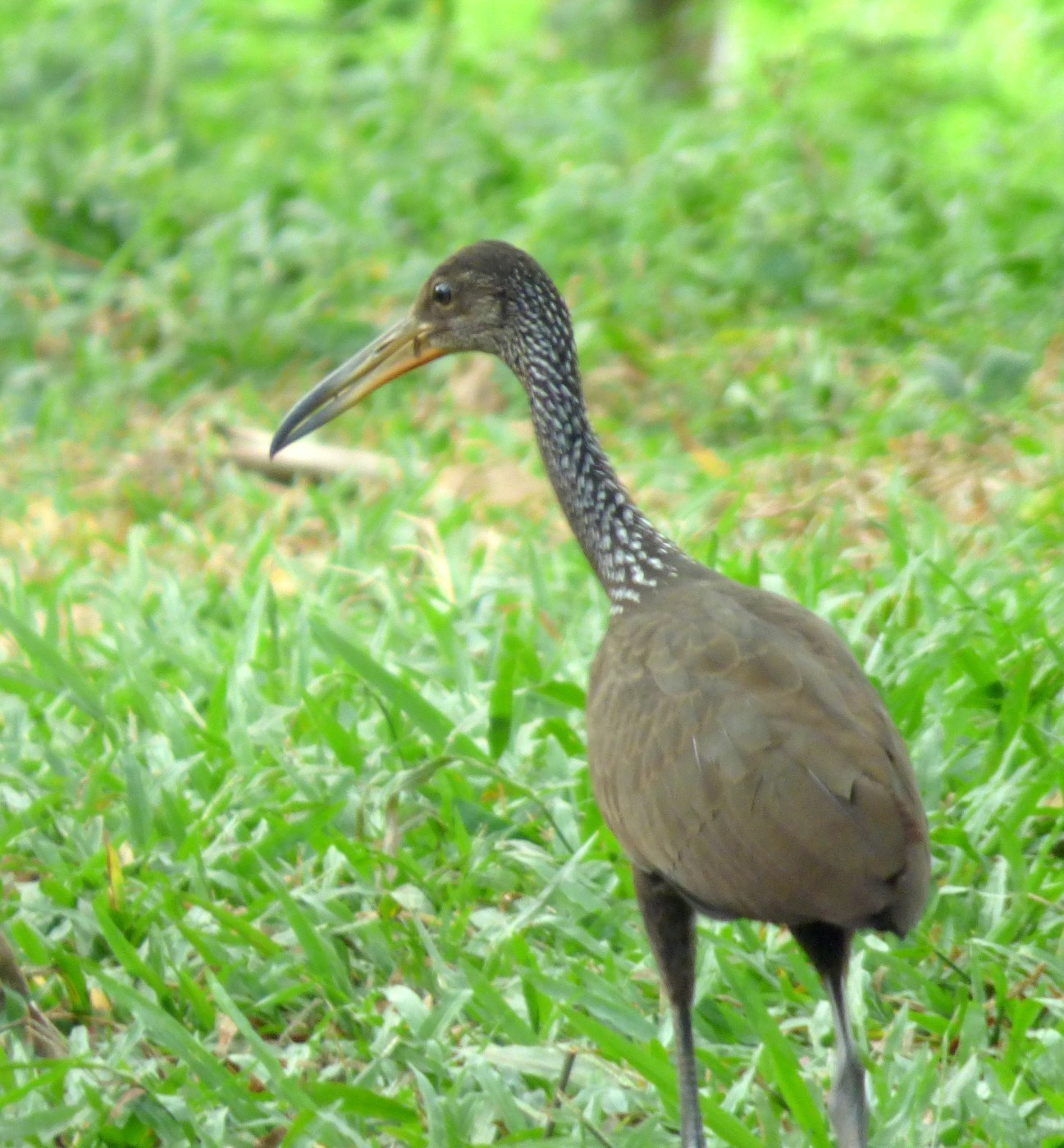
Limpkin
Brown contour feathers with white teardrop-shaped spots and streaks
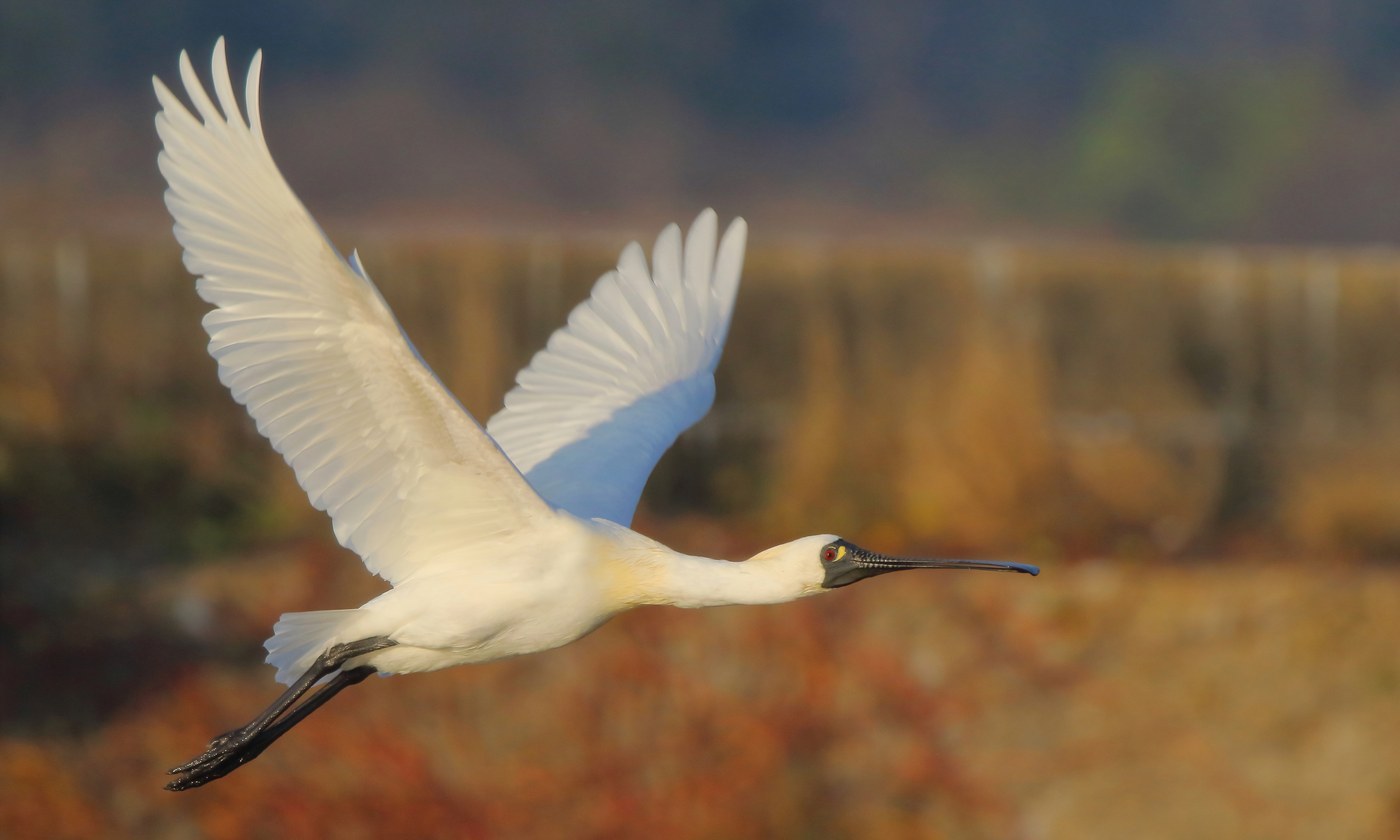
Black-faced Spoonbill
White contour and flight feathers with fine breeding crest and breast plumes
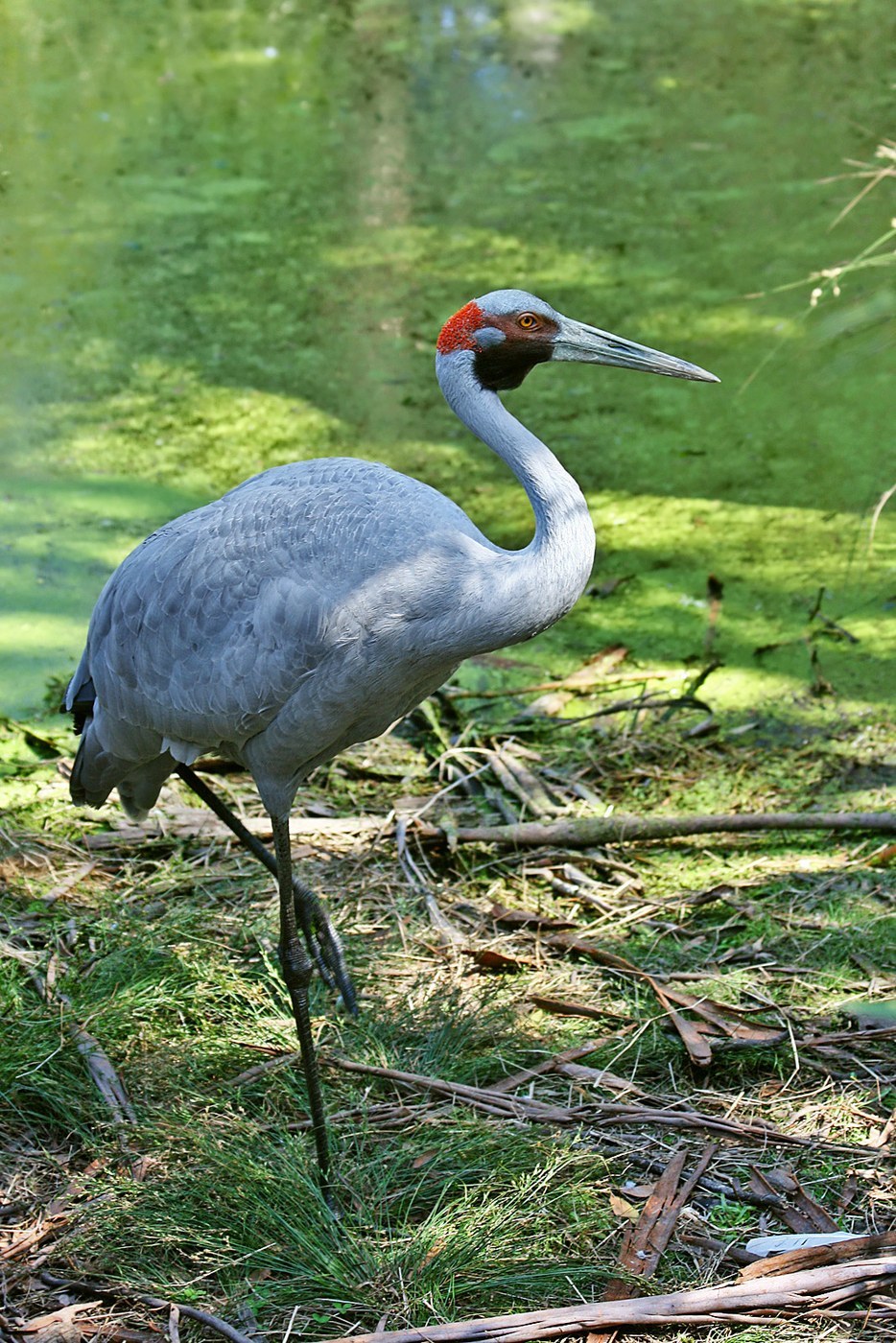
Brolga
Grey contour feathers with drooping bustle plumes
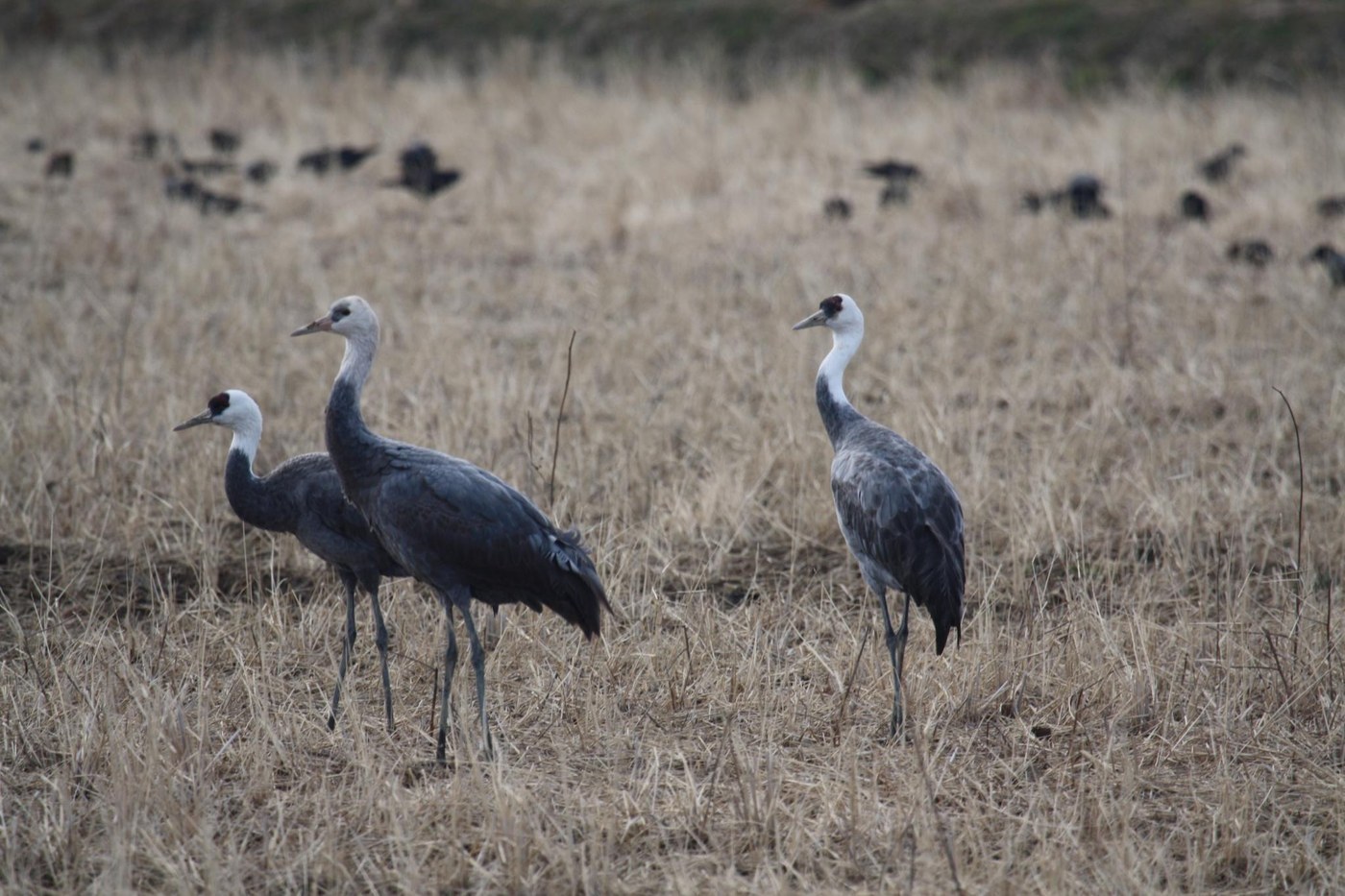
Hooded Crane
Dark slate-grey body feathers with a white head/upper neck 'hood' and black bustle plumes
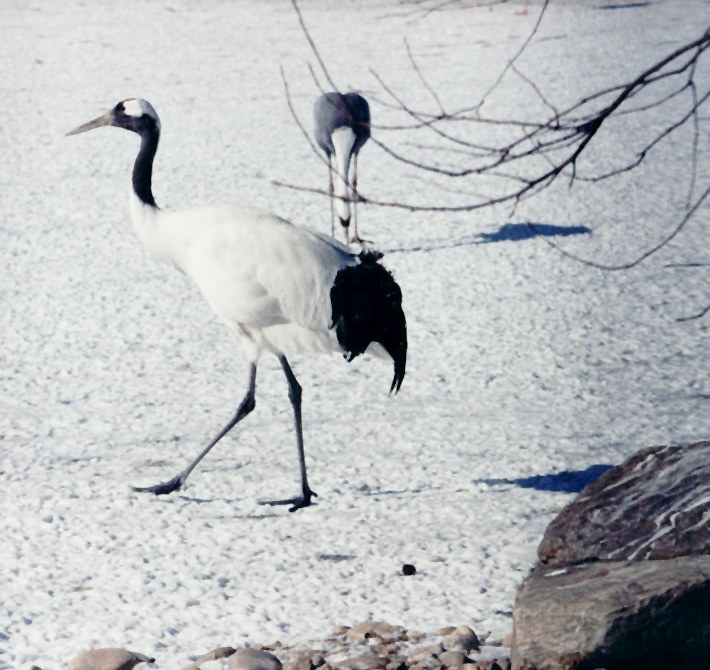
Red-crowned Crane
White contour feathers with black secondary/tertial bustle feathers and a bare red crown

Common Crane
Grey contour feathers with black head/neck feathers and drooping bustle plumes
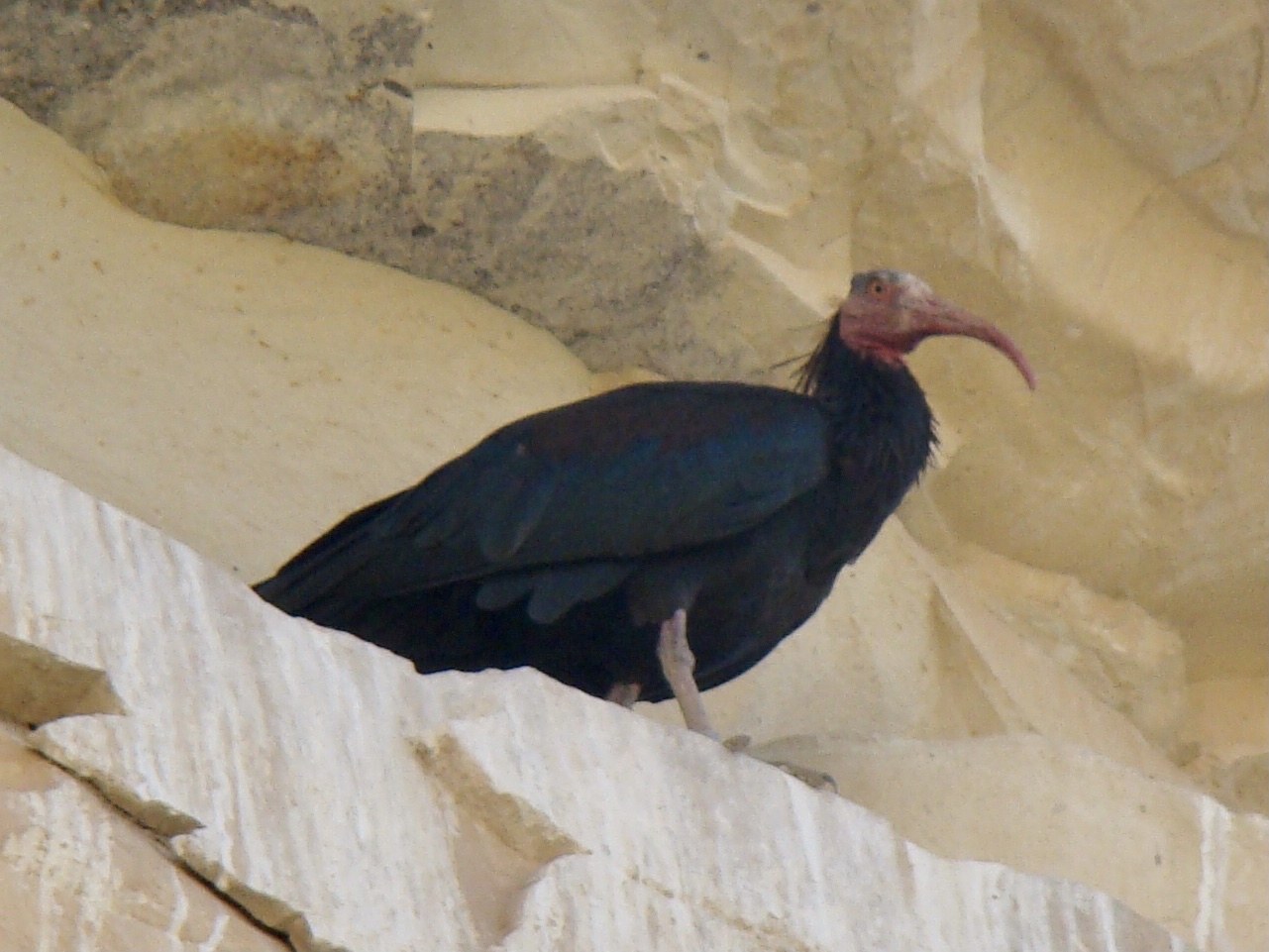
Northern Bald Ibis
Glossy black contour feathers with elongated nape plumes
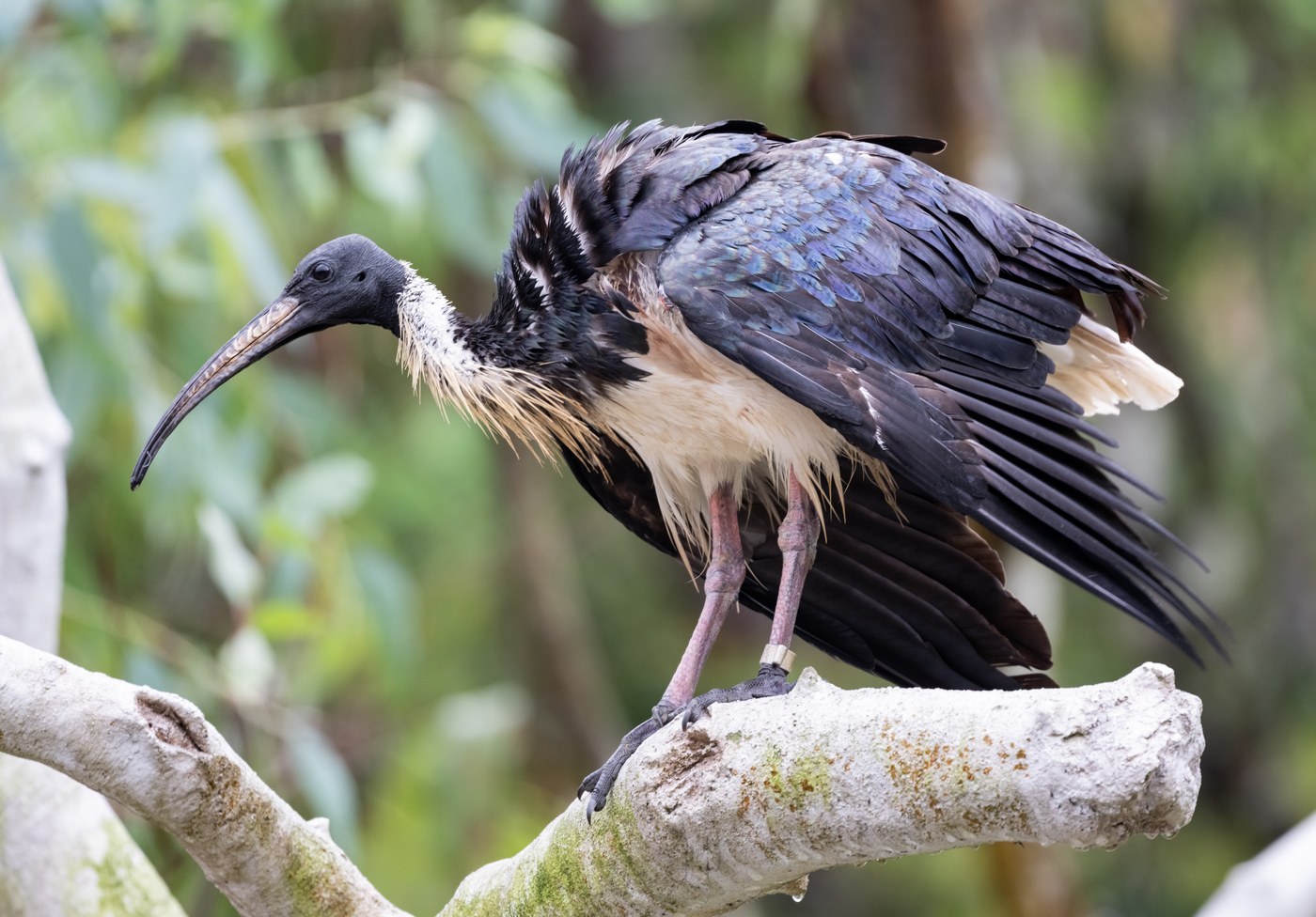
Straw-necked Ibis
Glossy contour feathers with unique straw-like neck plumes
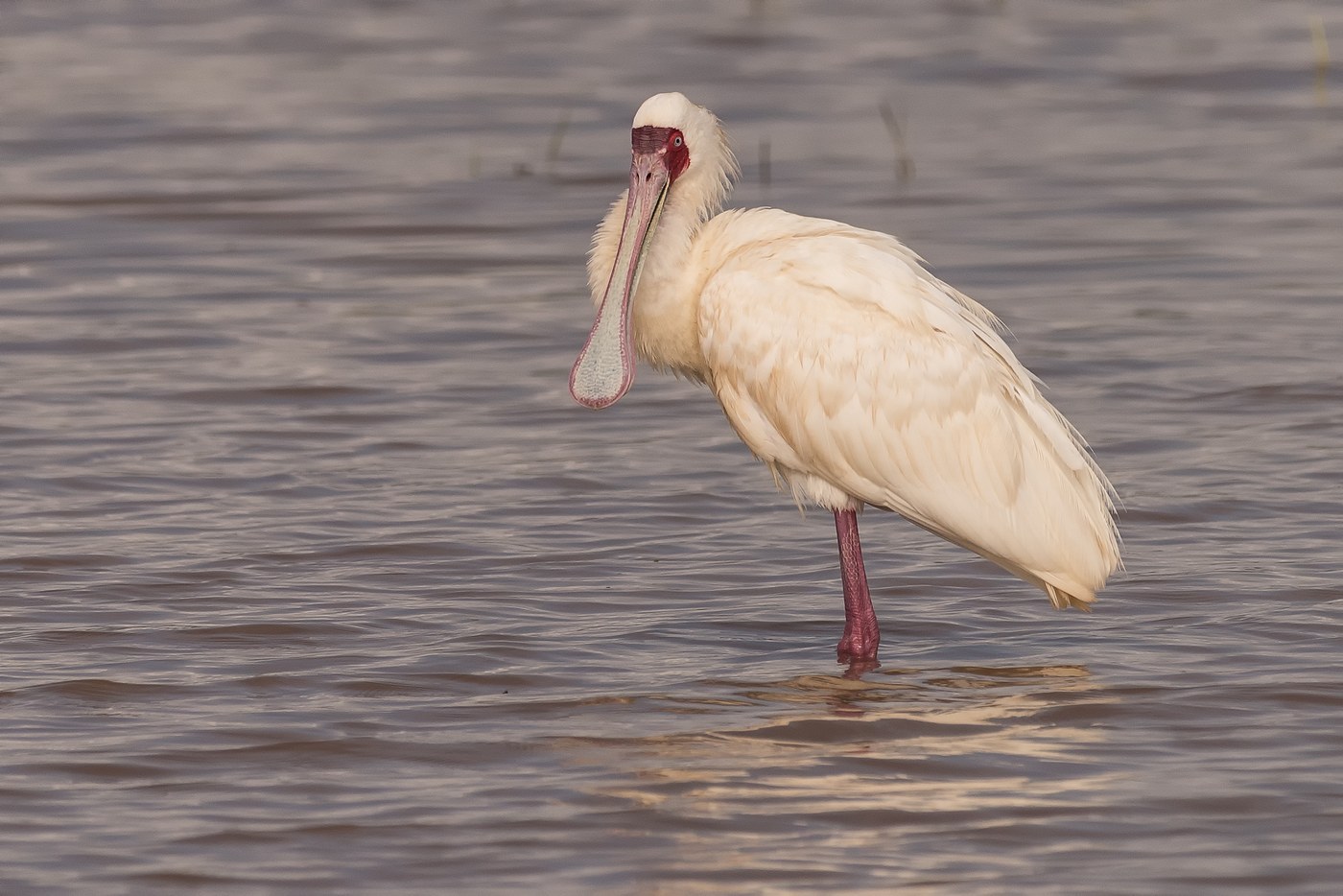
African Spoonbill
White contour and flight feathers, unmarked by black tips

Roseate Spoonbill
Pink and white contour and flight feathers with a carmine shoulder patch