
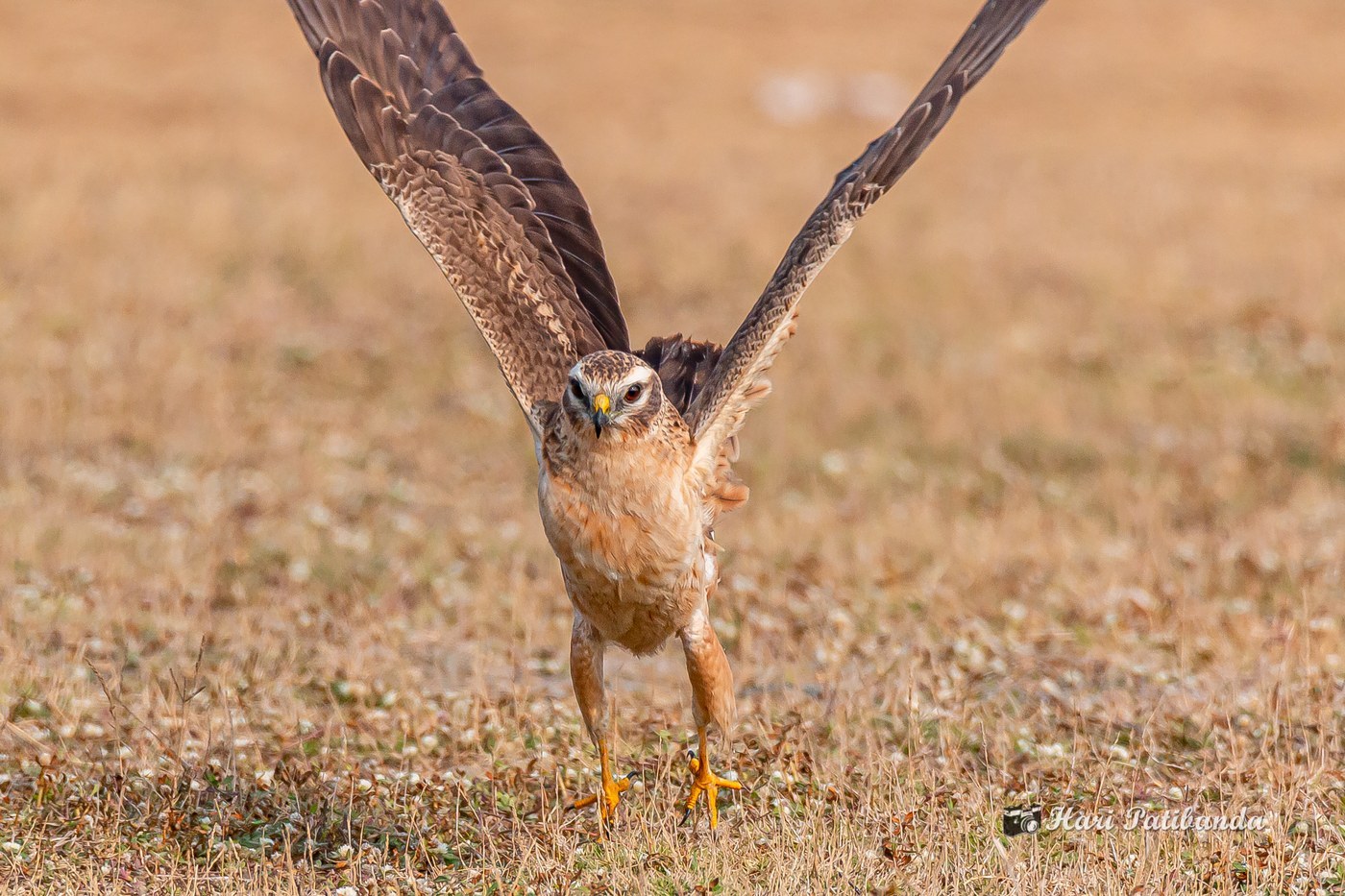
Montagu's Harrier
Circus pygargus
Montagu's Harrier is the slimmest and most lightly built of the Eurasian harriers, males pale grey with a distinctive black wing-bar, and females and juveniles rufous-brown, all adapted to graceful, buoyant flight over open farmland and steppe.
- Feather type
- Long, slim, pointed wings, the slimmest of the Eurasian harriers; long narrow tail with fine banding; contrasting dark wing-bars in males
- Colours
- Pale grey upperparts with a black wing-bar and black wingtips in males; rufous-streaked brown plumage in females and juveniles
- Bird size
- Slimmest and most lightly built Eurasian harrier, ~39-50 cm, wingspan around 1.0-1.2 m
Found a feather like this?
Identify any feather from a photo, free.
Overview
Montagu's Harrier
Montagu's Harrier is the most slender and long-winged of the Eurasian harriers, a graceful raptor of open farmland, grassland, and steppe across Europe and western Asia. Its slim build and buoyant, almost tern-like flight distinguish it in the field from the bulkier Hen and Western Marsh Harriers.
As a long-distance migrant, it winters in sub-Saharan Africa, and its feathers reflect a lightly built raptor optimized for sustained low-energy flight over vast open landscapes on both breeding and wintering grounds.
Identifying the Feather
Identifying Montagu's Harrier Feathers
- Primaries/secondaries: pale grey with black wingtips in males, additionally showing a narrow black band across the secondaries (the wing-bar) not present in Hen Harrier; browner and more heavily marked in females and juveniles.
- Tail feathers: long, narrow, and finely banded, generally slimmer than those of Hen or Western Marsh Harrier.
- Body feathers: males are pale grey above with some rufous streaking on the flanks; females are brown above with streaked buffy underparts; juveniles show warm rufous, largely unstreaked underparts, distinct from the streakier juveniles of Hen Harrier.
- Overall, the slimmer, narrower proportions of the feathers and the male's extra black wing-bar are the most useful clues distinguishing this species from its close relatives.
Plumage & Molt
Plumage
Adult males are pale grey with black wingtips and a distinctive black bar across the secondaries, plus some rufous streaking on the flanks. Females are brown above with streaked underparts, similar to female Hen Harrier but slimmer overall. Juveniles show warm, largely unstreaked rufous underparts, differing from the more streaked juveniles of Hen Harrier. Males take a couple of years to reach full adult plumage.
Habitat & Range
Habitat & Range
Breeds across open farmland, grassland, and steppe from western Europe through Russia and into Central Asia, often nesting in cereal crops. A long-distance migrant, it winters extensively in sub-Saharan Africa, one of the longer migrations among Eurasian harriers.
Behavior & Field Notes
Behavior & Field Notes
Montagu's Harrier hunts with a light, buoyant, quartering flight low over open fields and grassland, taking small mammals, birds, and insects. It nests on the ground, often within arable crops, making it vulnerable to agricultural disturbance during the breeding season. Calls include sharp, repeated notes near the nest. A slim, finely banded tail feather or a grey wing feather with an extra black bar found in open farmland within its range is consistent with this species.
Frequently asked questions
What feather feature distinguishes male Montagu's Harrier from male Hen Harrier?
Male Montagu's Harrier shows an extra black bar across the secondary flight feathers and some rufous streaking on the flanks, features absent in the male Hen Harrier.
How do juvenile Montagu's Harrier feathers differ from juvenile Hen Harrier?
Juvenile Montagu's Harriers show warm, largely unstreaked rufous underparts, whereas juvenile Hen Harriers are more heavily streaked below.
Why is this species considered the slimmest harrier?
It has a notably light build with long, narrow wings and tail, giving it a more buoyant, tern-like flight than the bulkier Hen and Western Marsh Harriers.
Where does this species spend the winter?
Most populations undertake a long migration to winter in sub-Saharan Africa, one of the more extensive migrations among the Eurasian harriers.
Montagu's Harrier guides
In-depth guides for identifying and understanding Montagu's Harrier.

Other feathers you may enjoy

Australian Hobby
Long, narrow pointed flight feathers; slender tail feathers

California Condor
Massive flight feathers; long broad primaries; large tail feathers

Brown Falcon
Broad, rounded flight feathers; variable-toned contour feathers
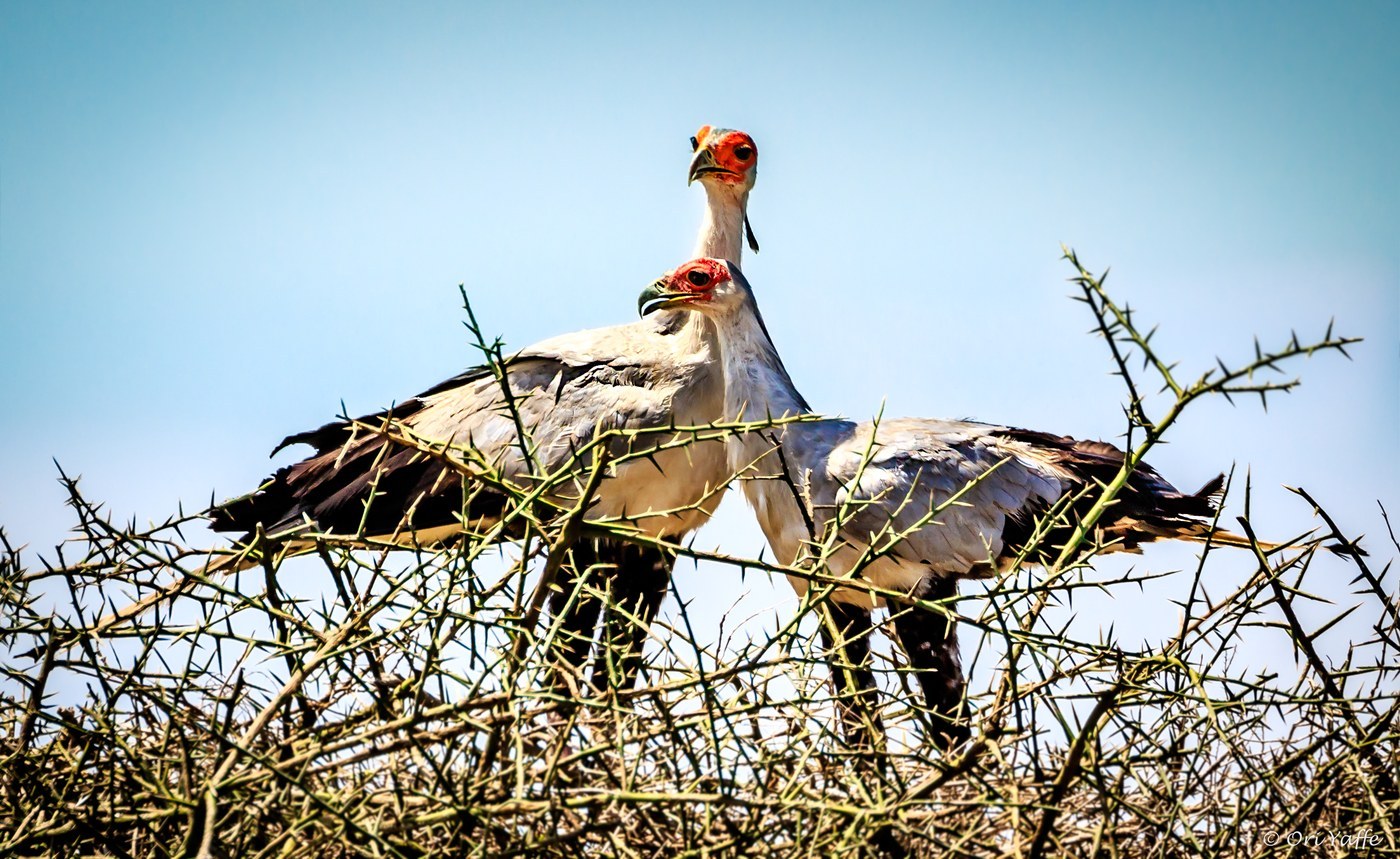
Secretarybird
Long crest feathers; broad flight feathers; elongated central tail feathers

Orange-breasted Falcon
Broad-based pointed flight feathers; bold breast and belly feathers
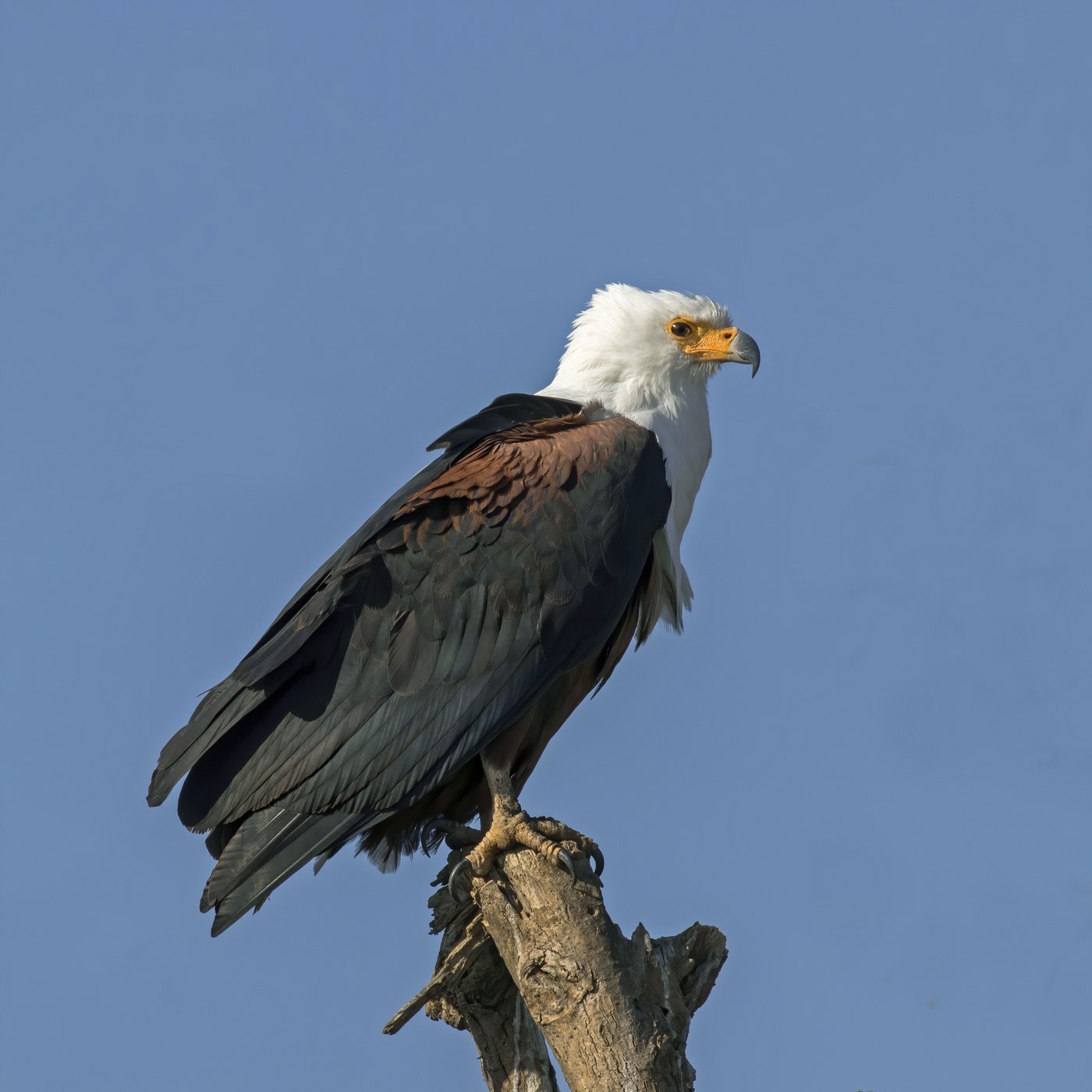
African Fish Eagle
Flight, tail, and body feathers

Amur Falcon
Slender pointed flight feathers; soft slate or orange-buff contour feathers
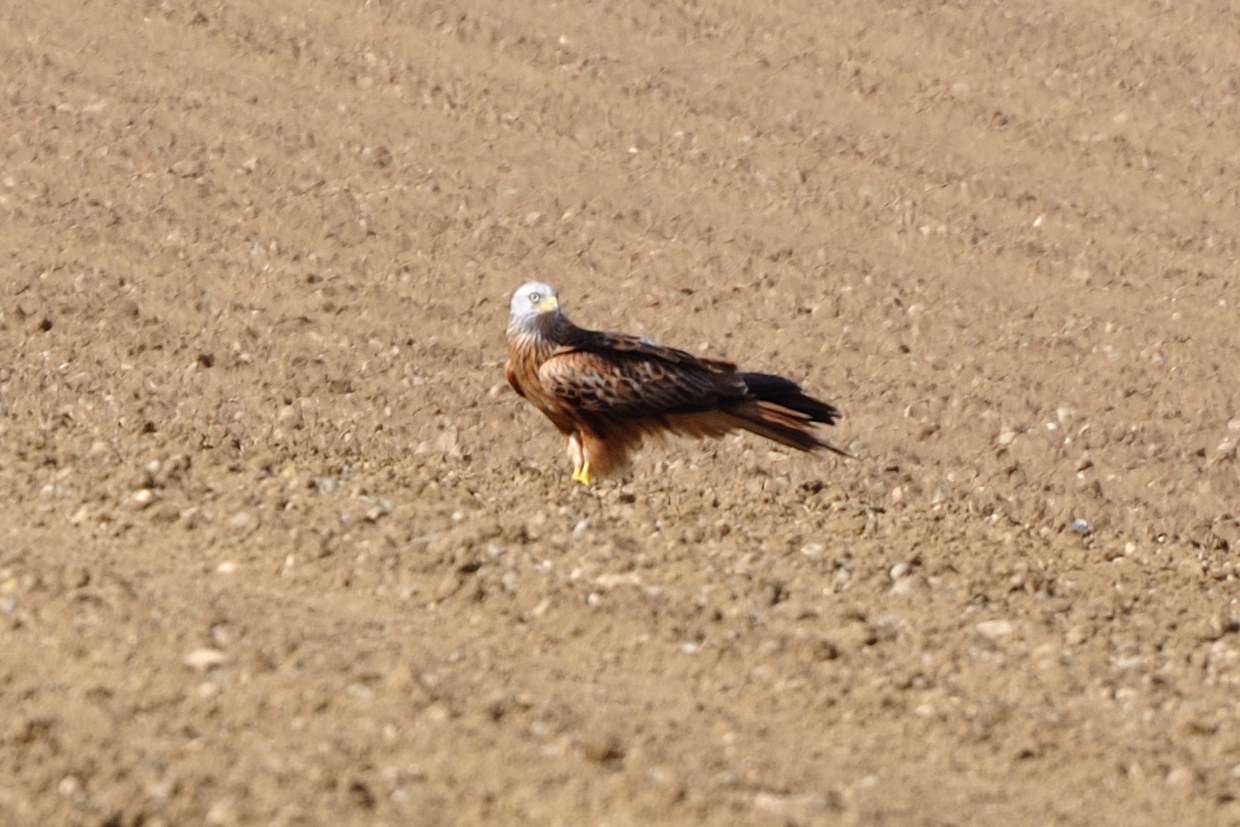
Red Kite
Flight (wing) and tail feathers
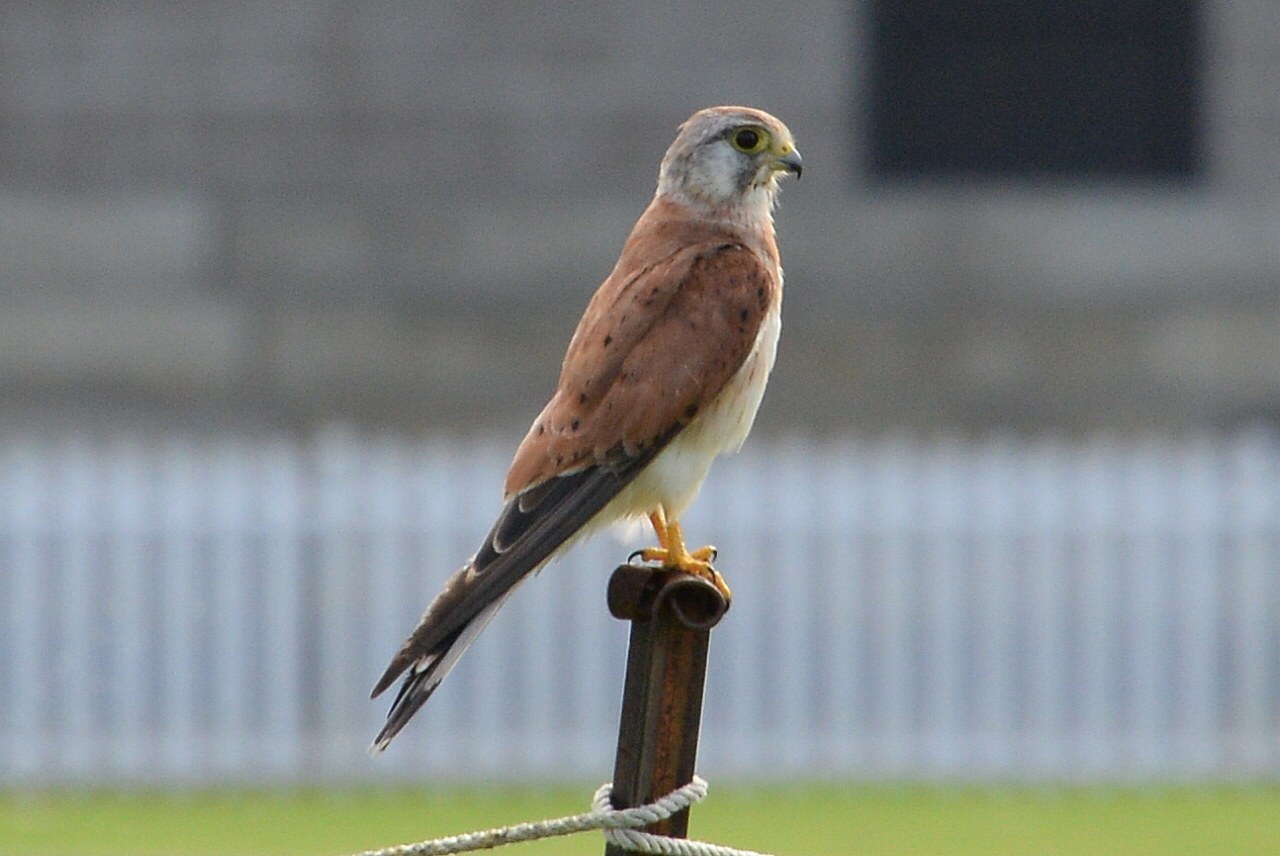
Nankeen Kestrel
Slim pointed flight feathers; lightly marked contour feathers

Andean Condor
Massive flight feathers; broad primaries and secondaries; sturdy tail feathers

Plumbeous Forest Falcon
Short rounded flight feathers; finely barred tail feathers

Sooty Falcon
Long pointed flight feathers; slim tail feathers