

Northern Gannet
Morus bassanus
A large, brilliant white seabird with black wingtips and a warm buffy-yellow wash on the head, famous for its spectacular plunge-dives into the sea.
- Feather type
- Large, sturdy flight feathers with a long, pointed wing shape
- Colours
- White with black wingtips and a buffy-yellow wash on the head
- Bird size
- Large, ~87-100 cm wingspan, body ~87-100 cm
Found a feather like this?
Identify any feather from a photo, free.
Overview
Overview
The Northern Gannet is a large, striking seabird of the North Atlantic, immediately recognizable by its bright white body, black-tipped wings, and a soft buffy-yellow wash across the head and neck. It nests in dense, noisy colonies on coastal cliffs and offshore stacks.
Juveniles look completely different from adults, starting out dark brown speckled with white and gradually acquiring the clean white adult plumage over about four to five years through successive molts, so feathers found from this species can vary widely depending on the bird's age.
Identifying the Feather
Northern Gannet feathers vary considerably depending on the age of the bird.
- Adult body feathers: Brilliant white, with a soft buffy-yellow tinge concentrated on the head and neck feathers.
- Adult flight feathers: Primaries and outer secondaries are solid black, contrasting sharply with the white body and wing coverts.
- Juvenile and immature feathers: Dark grayish-brown overall, densely speckled or spotted with white, gradually becoming patchier and whiter with each successive molt until full adult plumage is reached.
- Compared to Cape Gannet: Adult Northern Gannet lacks the black tail and black secondary band seen in the similar Cape Gannet, showing an all-white tail and mostly white secondaries instead.
Plumage & Molt
Adults are white overall with black primaries and outer secondaries and a buffy-yellow wash on the head and neck that is most pronounced in breeding condition. Sexes look alike. Juveniles are dark brown densely spotted with white, and plumage becomes progressively paler and more patterned with each molt over roughly four to five years before reaching the clean adult pattern. This extended immaturity period is unusual among seabirds and means intermediate-aged birds show highly variable, mottled black-brown-and-white plumage.
Habitat & Range
Northern Gannets breed in large colonies on steep sea cliffs and offshore rock stacks around the North Atlantic, including islands off the coasts of the British Isles, and eastern Canada. Outside the breeding season they range widely over the open Atlantic and can be seen migrating along coastlines, wintering as far south as the subtropical Atlantic and Gulf of Mexico region.
Behavior & Field Notes
Gannets are famous for their spectacular plunge-diving, folding their wings back and dropping from considerable heights to strike the water at high speed in pursuit of schooling fish. They typically feed in large, active flocks where prey is abundant. Nesting occurs in dense, noisy colonies on cliffs, with pairs building a bulky nest and raising a single chick over an extended nestling period. Calls are harsh, repeated barking or croaking notes given constantly at breeding colonies.
Frequently asked questions
Why do some Northern Gannet feathers look brown and speckled instead of white?
Because juveniles and immature birds take about four to five years to reach adult plumage, their feathers pass through a series of increasingly white, mottled brown-and-white stages before becoming clean adult white.
What is the easiest adult Northern Gannet feather to identify?
A solid black flight feather (primary or outer secondary) alongside white body feathers, sometimes with a faint buffy-yellow tinge if from the head or neck.
How can I tell a Northern Gannet feather from a Cape Gannet feather?
Adult Northern Gannets have an all-white tail and mostly white secondaries, while Cape Gannets show a black tail and a black band across the secondaries.
Where would a Northern Gannet feather likely be found?
Near large cliff-nesting colonies around the North Atlantic, or along migration routes and wintering coastlines further south.
Northern Gannet guides
In-depth guides for identifying and understanding Northern Gannet.

Other feathers you may enjoy

Western Gull
Body, flight, and tail feathers
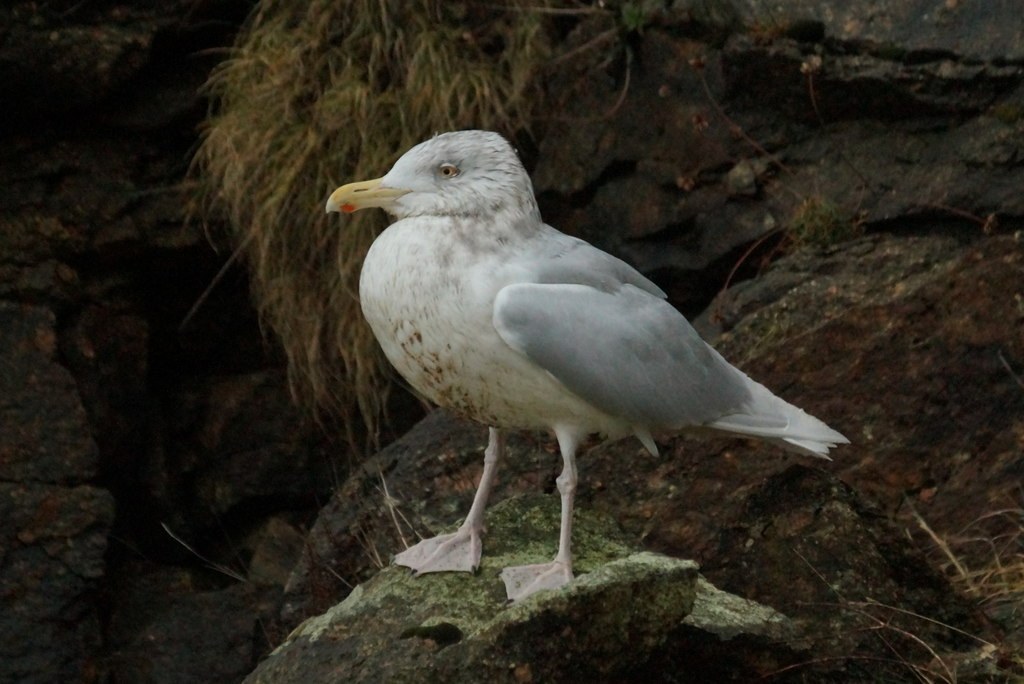
Glaucous Gull
Body, flight, and tail feathers

American Herring Gull
Body, flight, and tail feathers

Great Black-backed Gull
Body, flight, and tail feathers

Common Gull
Body, flight, and tail feathers
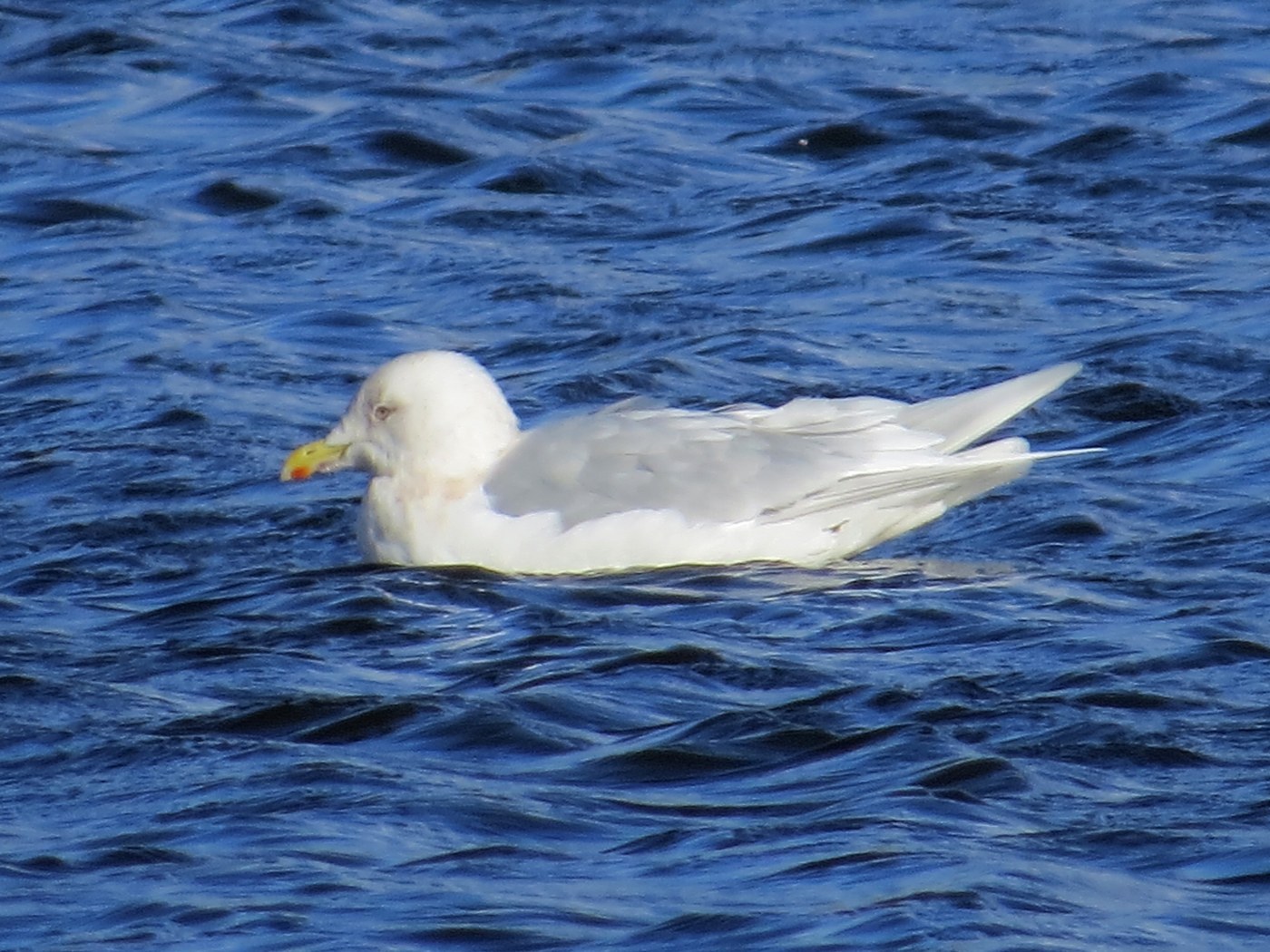
Iceland Gull
Body, flight, and tail feathers

Ring-billed Gull
Body, flight, and tail feathers

Glaucous-winged Gull
Body, flight, and tail feathers

Herring Gull
Body, flight, and tail feathers

Lesser Black-backed Gull
Body, flight, and tail feathers

California Gull
Body, flight, and tail feathers
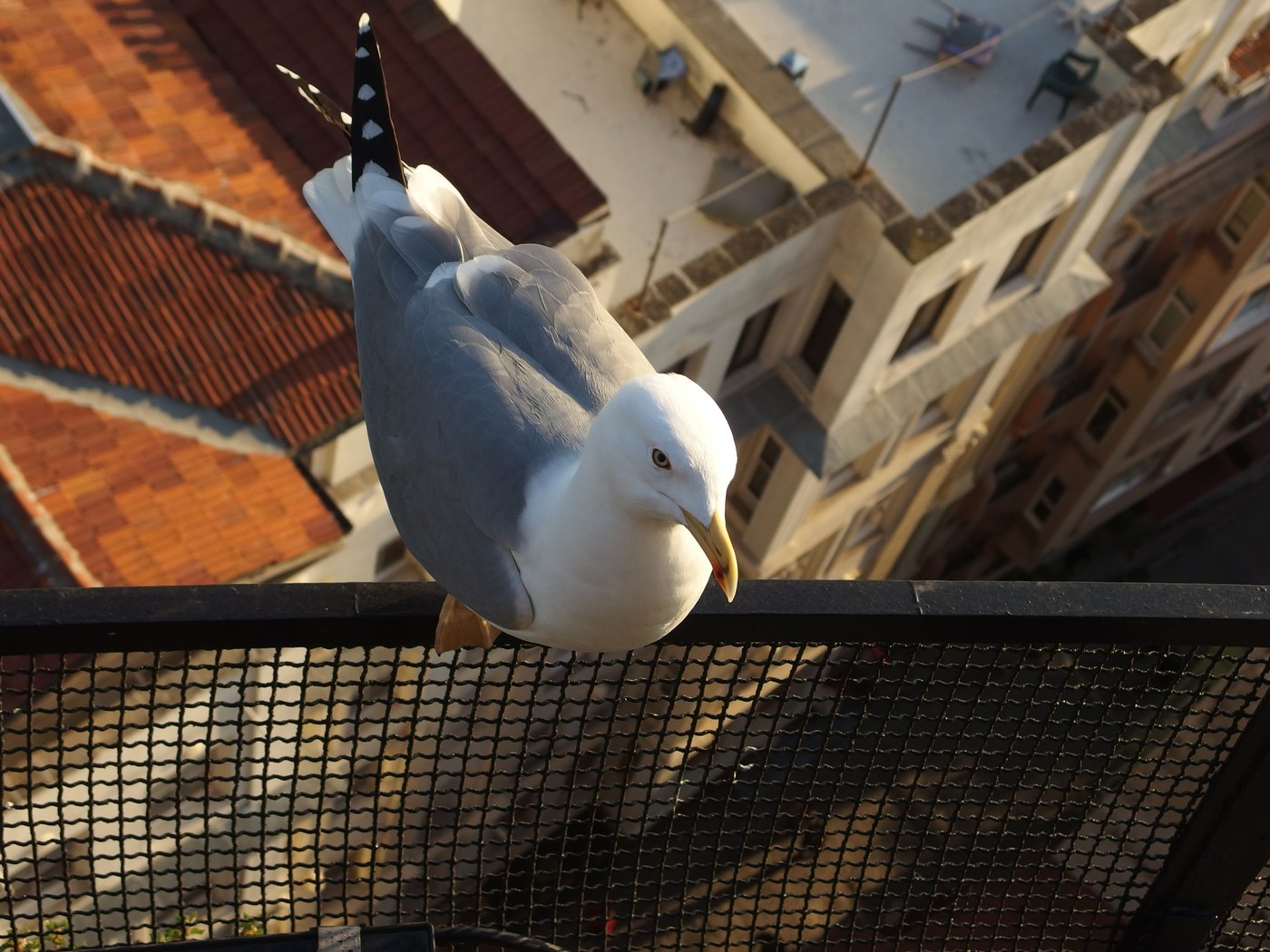
Yellow-legged Gull
Body, wing covert, and flight feathers