
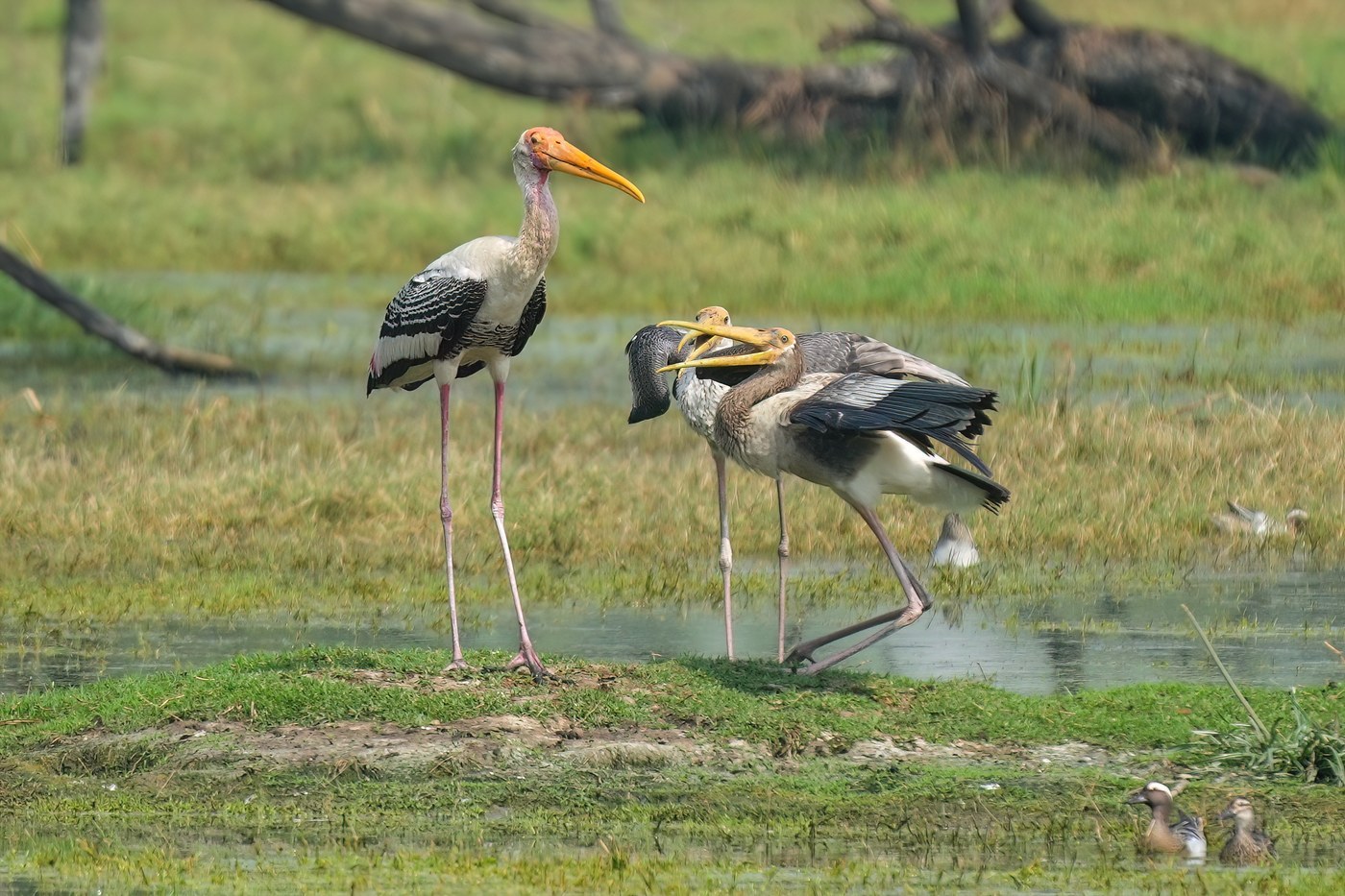
Painted Stork
Mycteria leucocephala
A large South Asian stork with a white-and-black body, a bold black breast band, and delicate pink-tinged wing plumes, identified further by its long, decurved yellow bill and bare orange face.
- Feather type
- Contour feathers with distinctive pink tertial plumes
- Colours
- White and black with a pink wash on the wings
- Bird size
- Large stork, ~93-102 cm
Found a feather like this?
Identify any feather from a photo, free.
Overview
Overview
The Painted Stork is a large, showy wading bird of South and Southeast Asian wetlands, named for the soft pink wash that develops on its long, elongated wing plumes, giving the bird an almost hand-tinted appearance. It combines a mostly white body with a black band across the upper breast and black flight feathers, along with a long, downcurved yellow bill and bare orange-yellow facial skin.
- White body plumage with a black band across the upper breast
- Elongated pink-tinged tertial and wing covert feathers
- Long, thick, downcurved yellow bill
- Bare orange to yellow facial skin, unfeathered around the eye
Identifying the Feather
Feather Identification
Painted Stork feathers are distinctive for the pink or salmon wash found on the elongated tertial and covert feathers, a feature not shared by most other white-bodied storks.
- Body contour feathers: white over most of the body
- Breast band feathers: black, forming a discrete band across the upper chest
- Tertial/covert plumes: elongated, with a soft pink or pale rosy tinge, especially prominent in breeding adults
- Flight feathers: glossy black, contrasting with the white body
- Shaft color: pale in the white feathers, dark in the black wing and breast feathers
- Vs. Yellow-billed Stork: Painted Stork shows a black breast band that the Yellow-billed Stork lacks, and its pink plumes tend to be more extensive
Plumage & Molt
Plumage Details
Adults are largely white with a black breast band, black flight feathers, and elongated pink-tinged plumes on the tertials and wing coverts that intensify during the breeding season. The bill is yellow and heavily decurved, and the bare facial skin is orange to yellow, becoming more vivid in breeding condition. Juveniles are duller and greyer overall, lacking the sharp breast band and the pink plume coloration until they mature. Molt follows breeding and is gradual, with the ornamental plumes regrown each breeding cycle.
Habitat & Range
Habitat & Range
Painted Storks inhabit freshwater wetlands, marshes, lakes, and irrigation reservoirs across the Indian subcontinent and into parts of Southeast Asia, often near human settlements where they use large trees for nesting colonies. The species is largely resident with local seasonal movements tied to water availability, and it frequently breeds in mixed heronries alongside other storks, herons, and egrets.
Behavior & Field Notes
Behavior & Field Notes
Painted Storks forage in shallow water using a distinctive technique of sweeping the partly open bill side to side through the water to detect fish and other prey by touch, rather than relying solely on sight. They nest colonially in large trees, sometimes forming dense mixed-species heronries with hundreds of nests. Vocalizations are limited mostly to bill-clattering and low grunts at the nest. The combination of a black breast band, decurved yellow bill, and pink-tinged wing plumes makes this species readily distinguishable from other Asian storks in the field.
Frequently asked questions
Why do Painted Stork feathers look pink?
The elongated tertial and wing covert plumes develop a soft rosy or salmon tinge, most pronounced in breeding adults, giving rise to the species' painted appearance.
How can I tell a Painted Stork feather from a Yellow-billed Stork feather?
Painted Storks have a black band across the upper breast that Yellow-billed Storks lack, and their pink plumage tends to be more extensive on the wings.
Do juvenile Painted Storks have the same pink feathers as adults?
No, juveniles are duller and greyer, without the sharp black breast band or the vivid pink plume tinge seen in breeding adults.
Where would I find a Painted Stork feather?
Around freshwater marshes, lakes, and irrigation wetlands across the Indian subcontinent and Southeast Asia, often near large mixed-species nesting colonies.
Painted Stork guides
In-depth guides for identifying and understanding Painted Stork.
Other feathers you may enjoy

Yellow-billed Spoonbill
White contour and flight feathers with fine breeding plumes on the back and breast
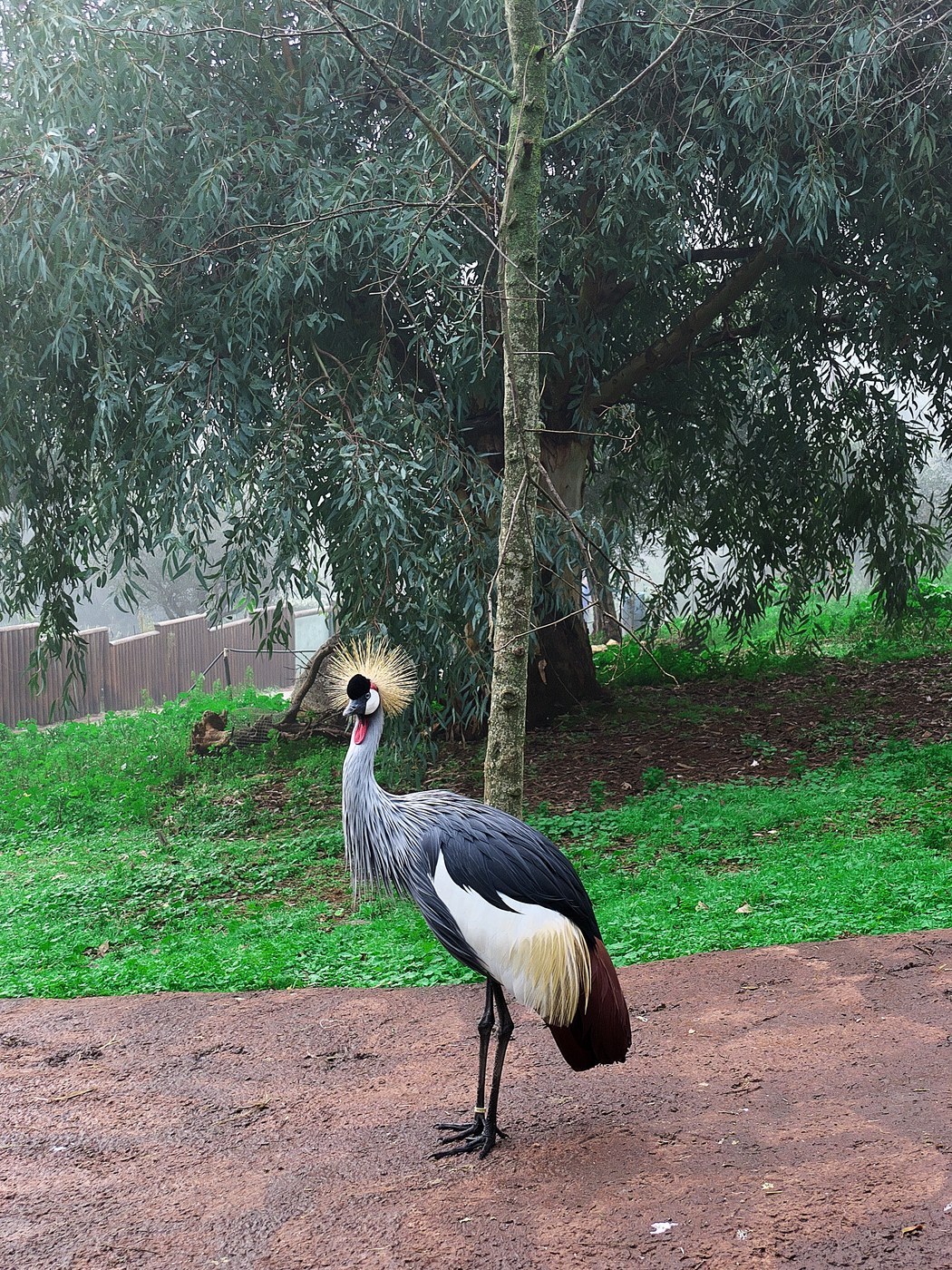
Grey Crowned Crane
Grey body feathers with white wing coverts, chestnut flight feathers, and stiff golden crown bristles
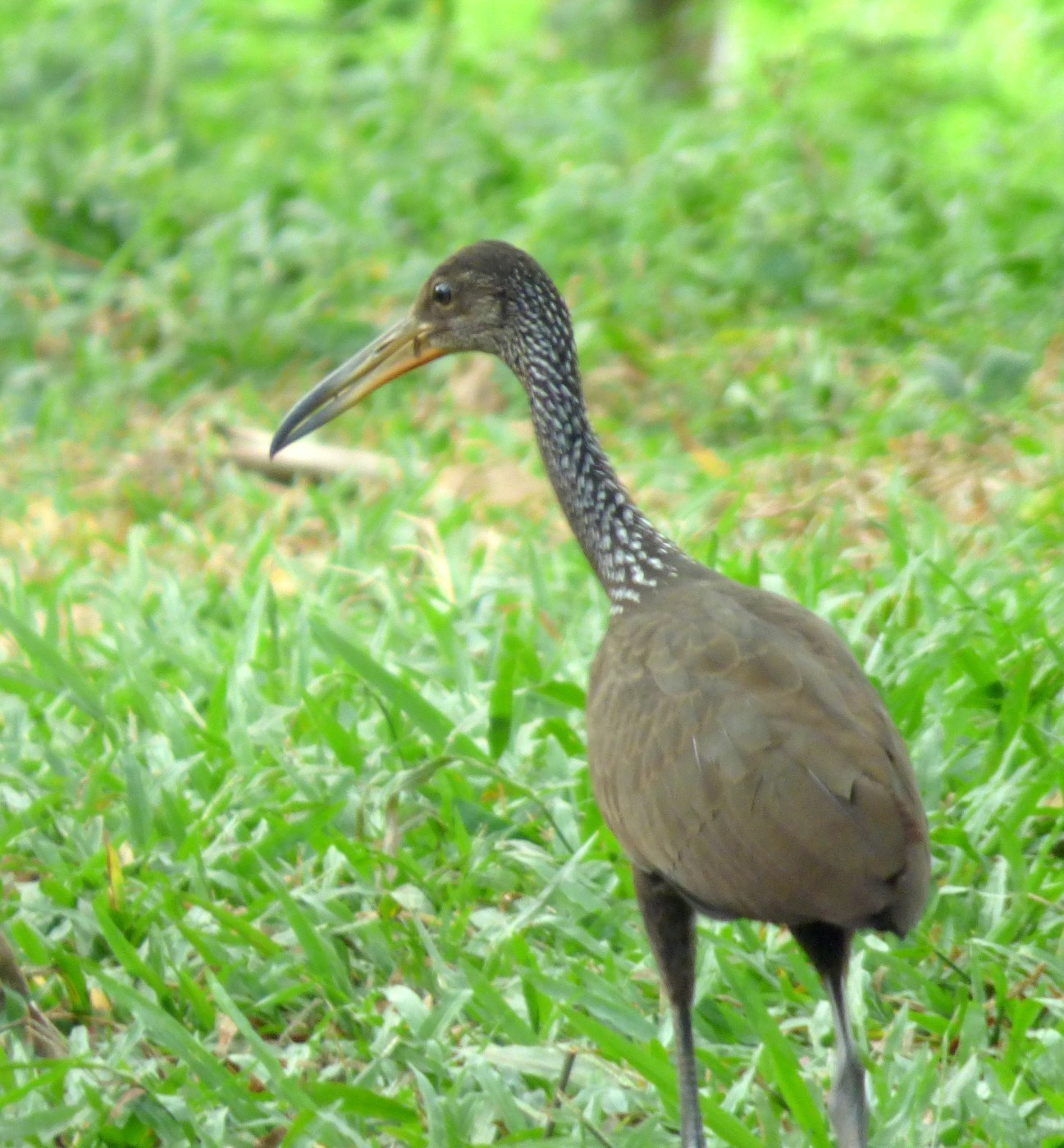
Limpkin
Brown contour feathers with white teardrop-shaped spots and streaks
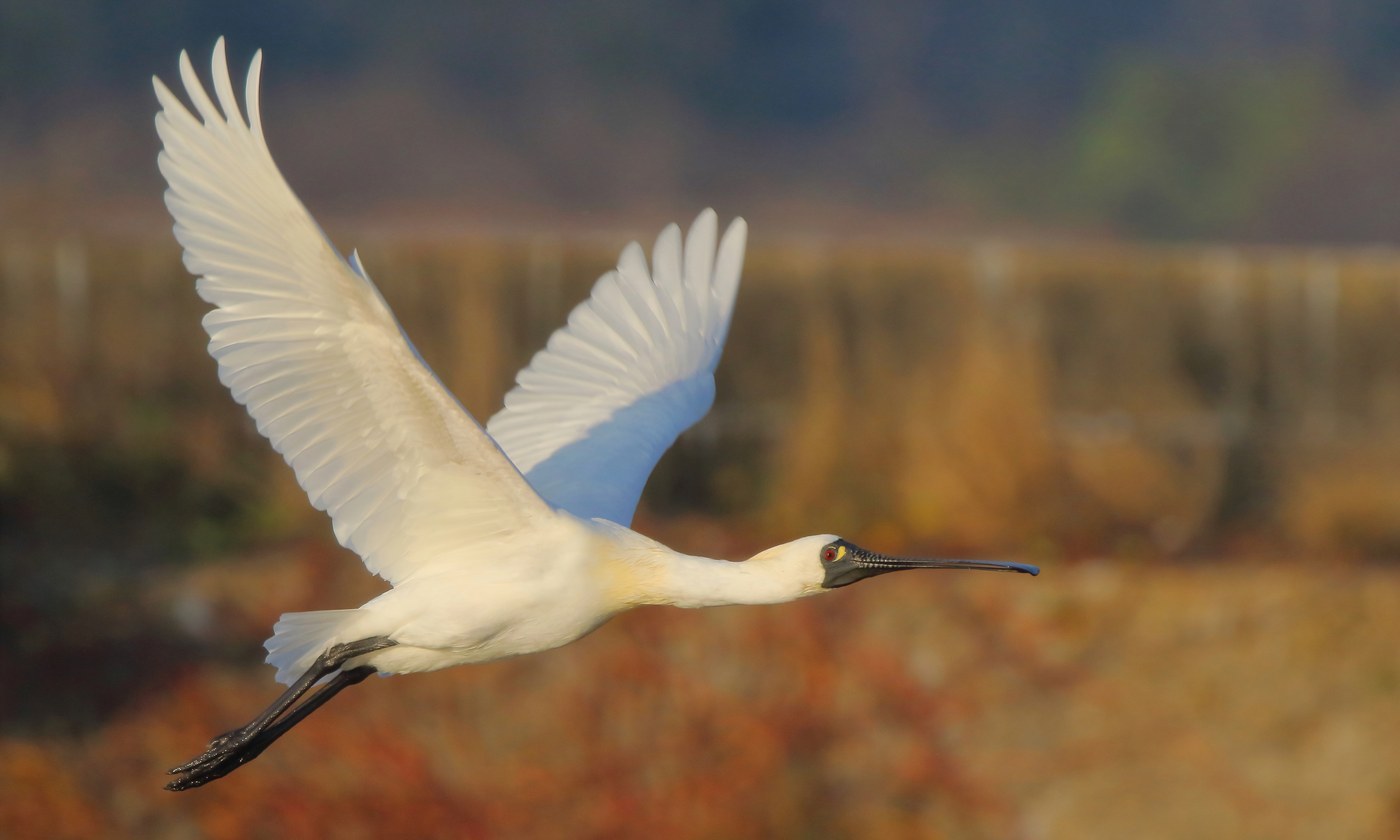
Black-faced Spoonbill
White contour and flight feathers with fine breeding crest and breast plumes
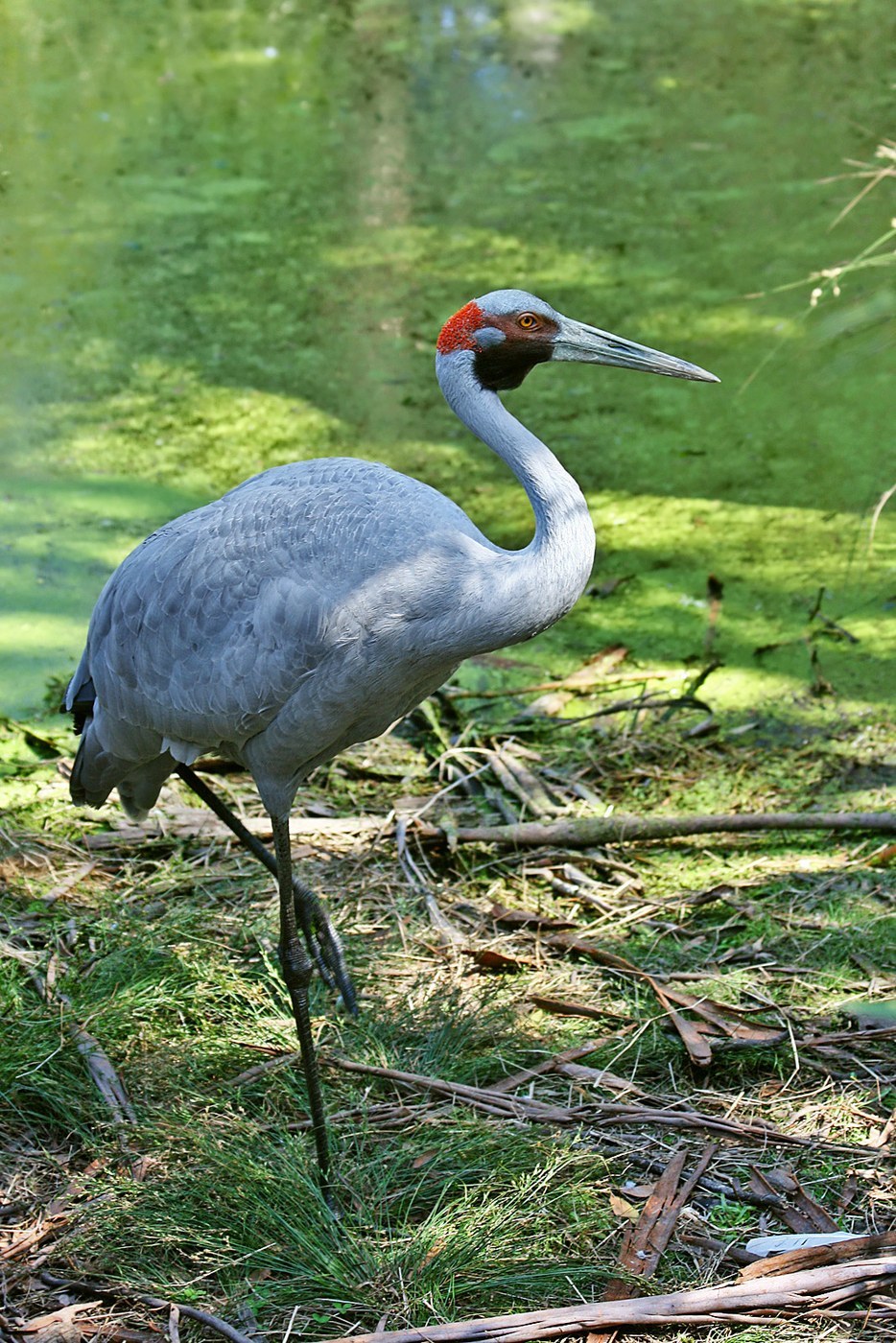
Brolga
Grey contour feathers with drooping bustle plumes
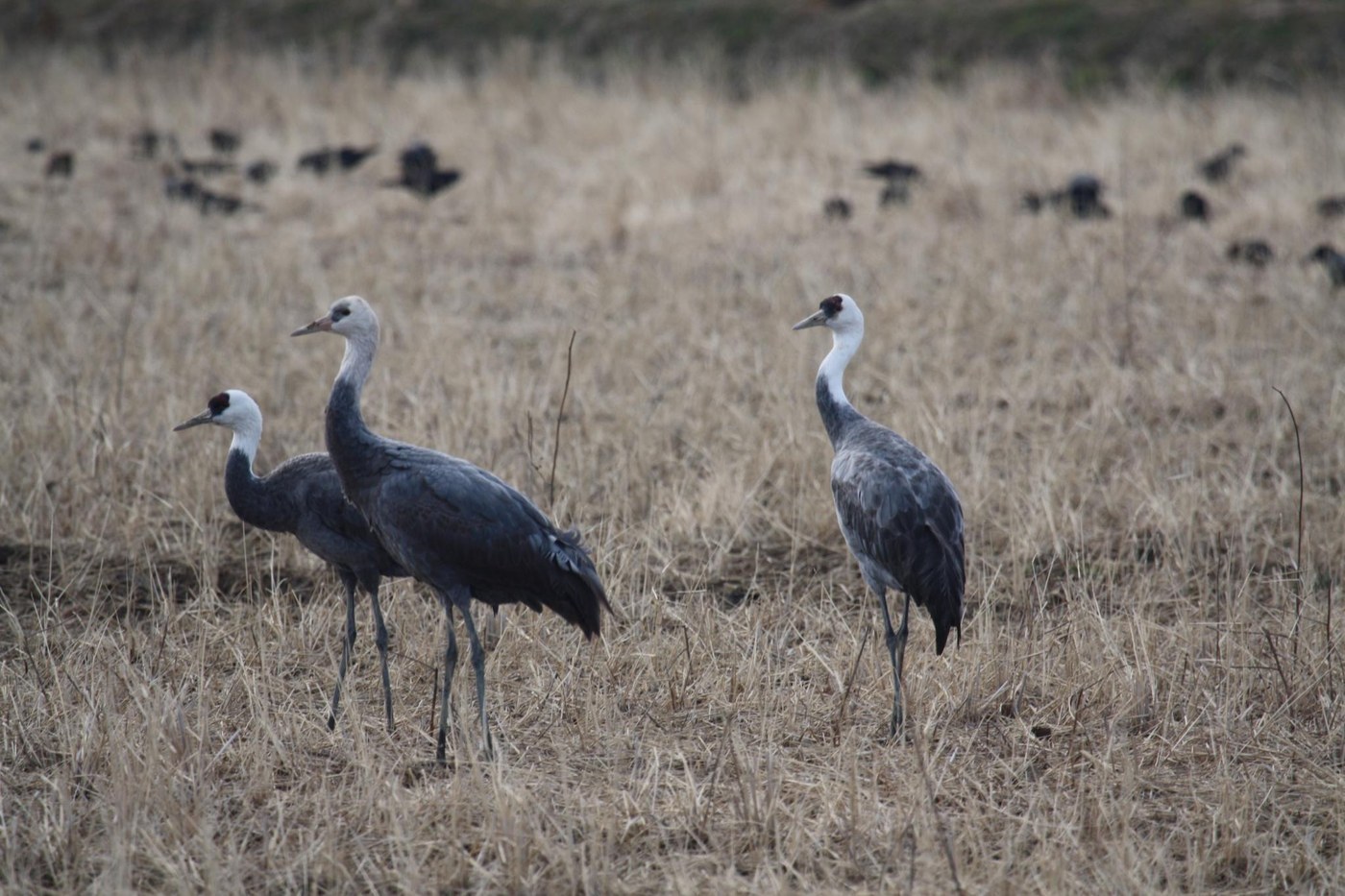
Hooded Crane
Dark slate-grey body feathers with a white head/upper neck 'hood' and black bustle plumes
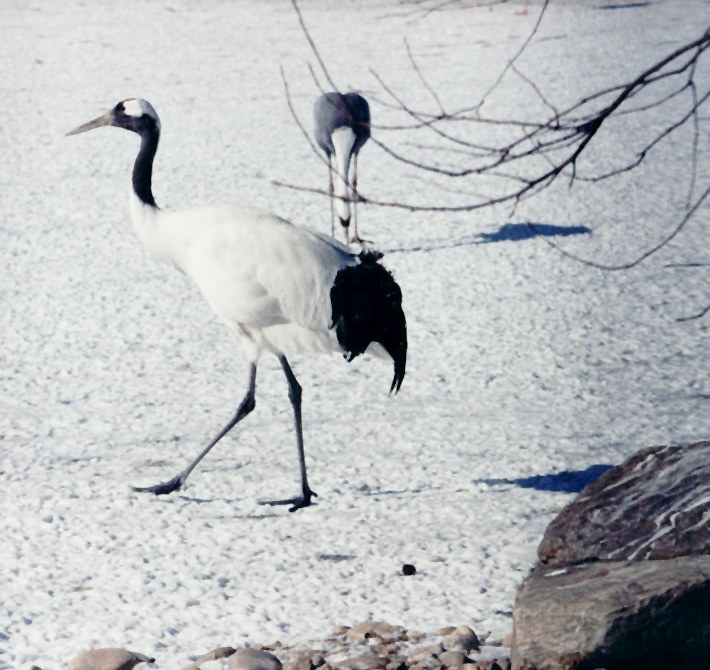
Red-crowned Crane
White contour feathers with black secondary/tertial bustle feathers and a bare red crown

Common Crane
Grey contour feathers with black head/neck feathers and drooping bustle plumes
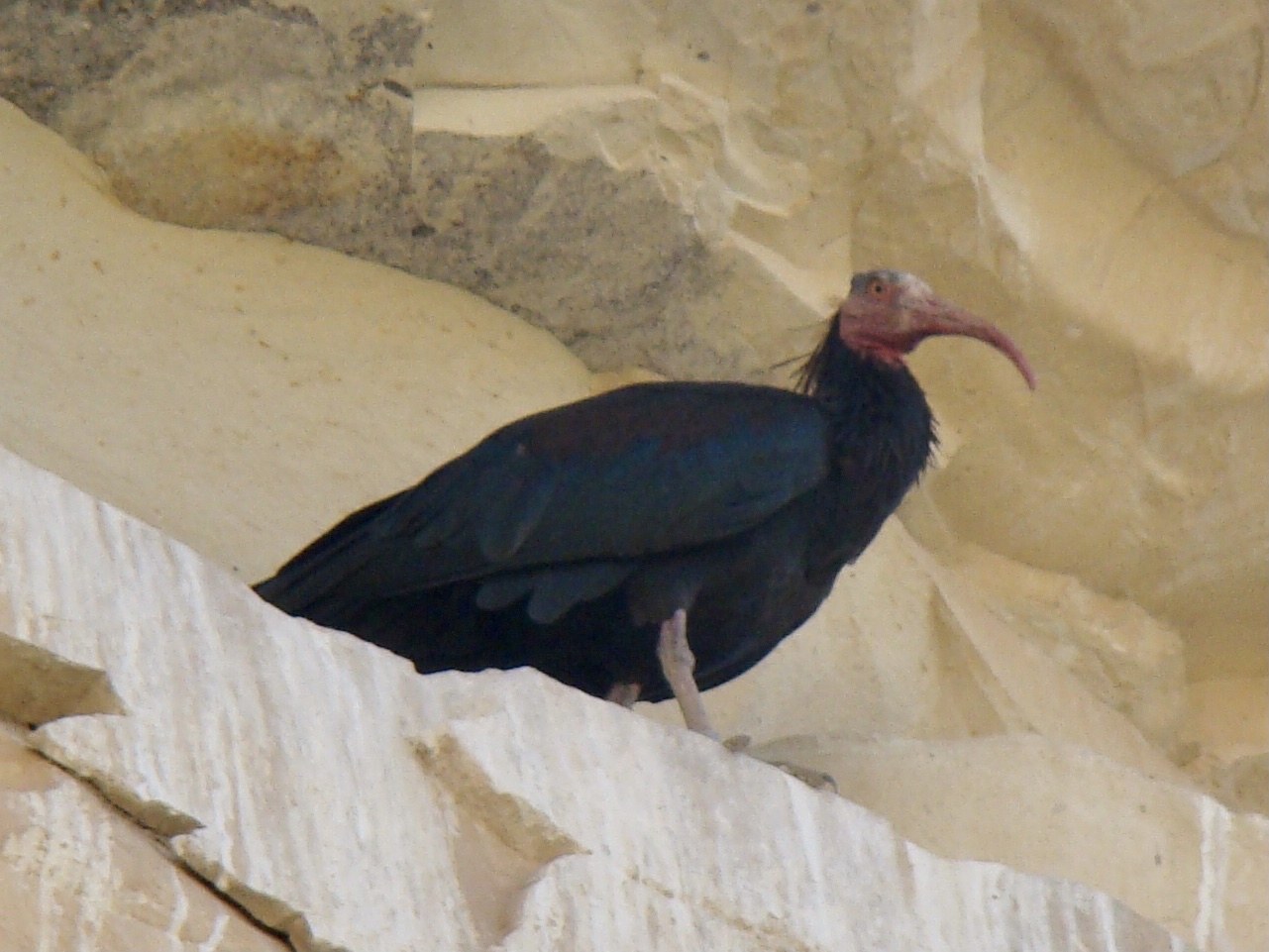
Northern Bald Ibis
Glossy black contour feathers with elongated nape plumes
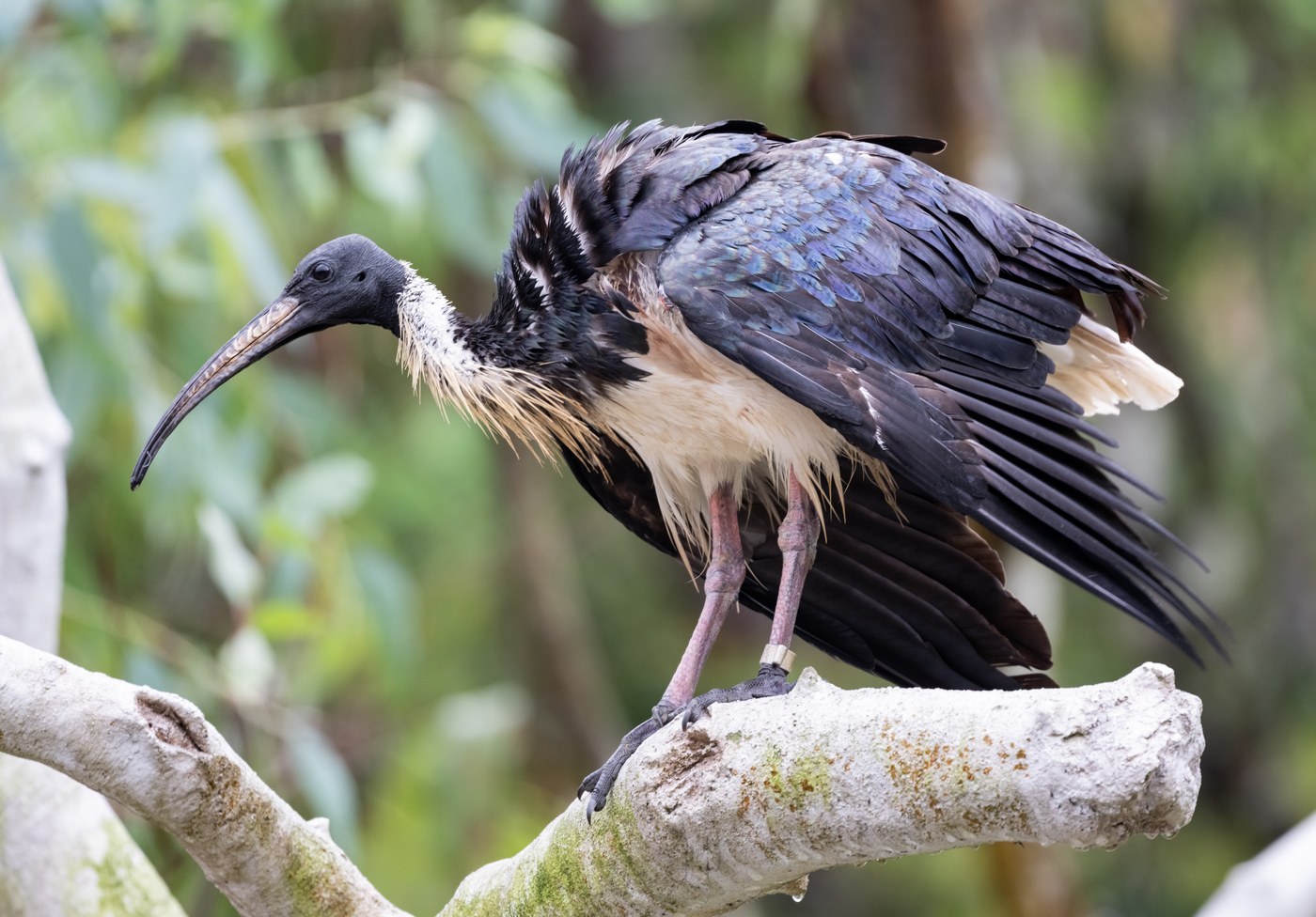
Straw-necked Ibis
Glossy contour feathers with unique straw-like neck plumes
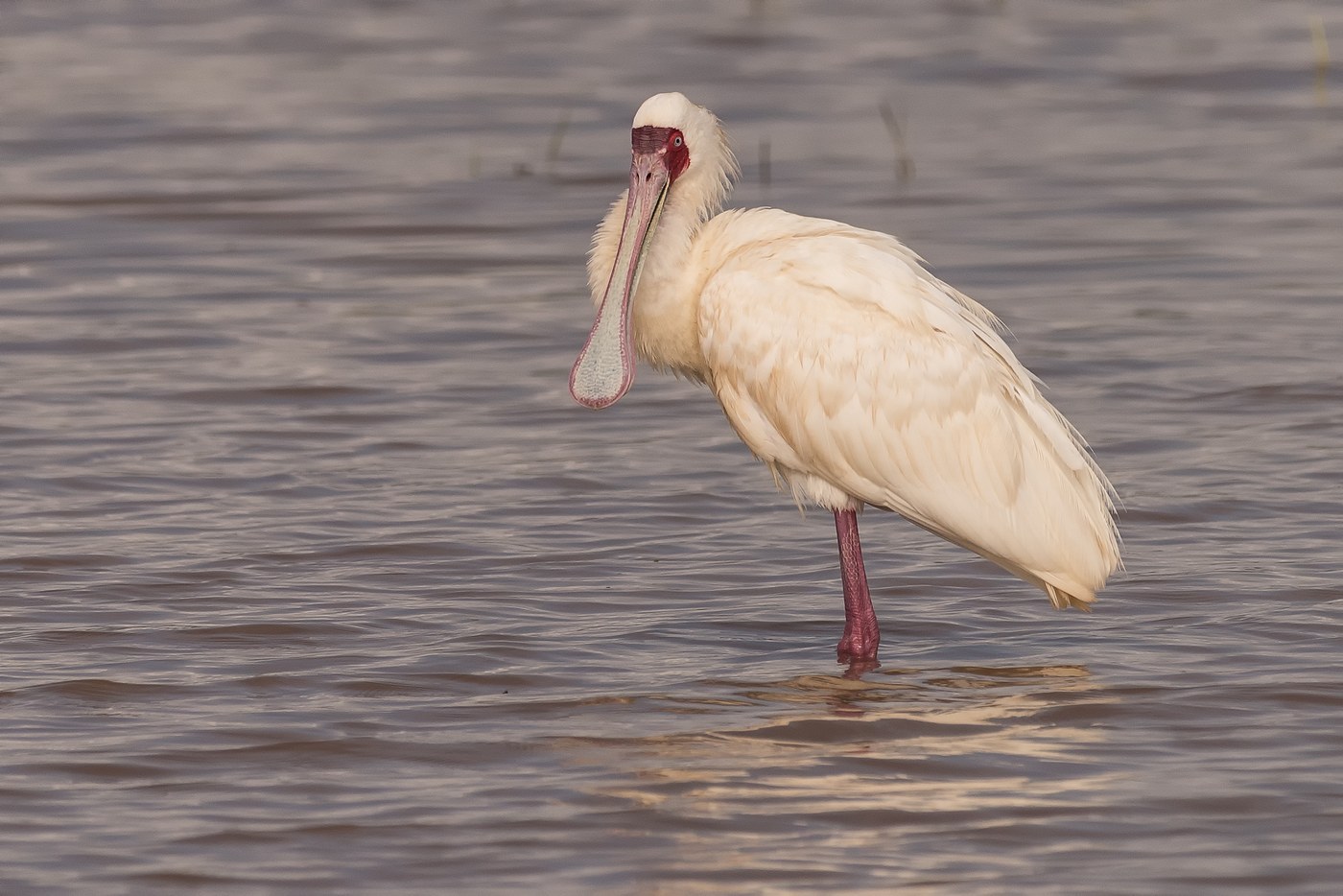
African Spoonbill
White contour and flight feathers, unmarked by black tips

Roseate Spoonbill
Pink and white contour and flight feathers with a carmine shoulder patch