
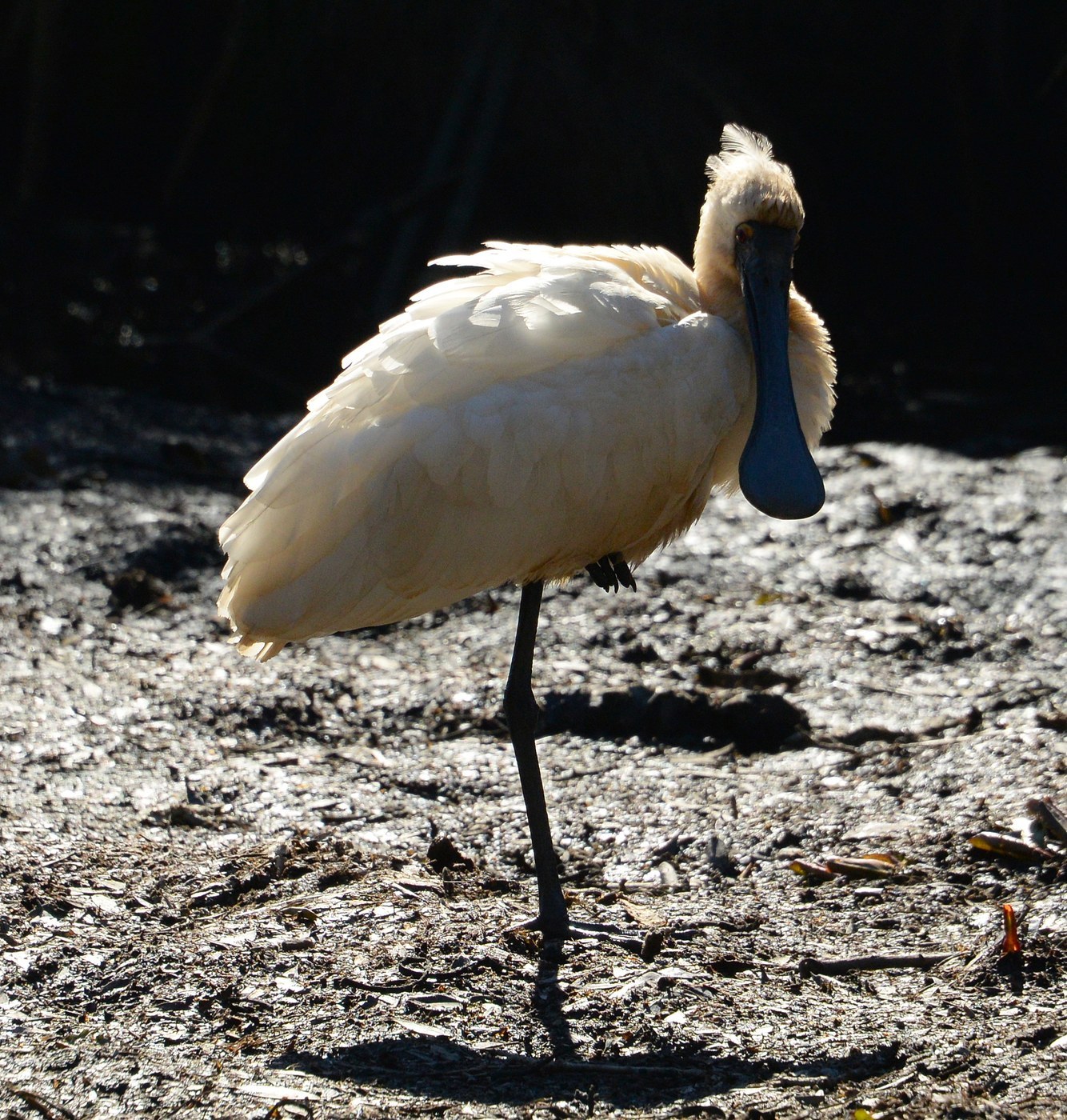
Royal Spoonbill
Platalea regia
A white spoonbill of Australasia known for the long, trailing white crest plumes that breeding adults grow from the back of the head.
- Feather type
- White contour and flight feathers with long, trailing breeding crest plumes
- Colours
- White overall with a black bill and legs
- Bird size
- Large wading bird, ~74-81 cm
Found a feather like this?
Identify any feather from a photo, free.
Overview
The Royal Spoonbill is the primary spoonbill species of Australia, New Zealand, and New Guinea, distinguished by its all-black spoon-shaped bill and legs against pure white plumage. During the breeding season, adults grow an elaborate, elongated crest of nape feathers that trails down the back of the neck, along with a small patch of yellow skin above the eye, both features that regress outside the breeding season.
Identifying the Feather
- Body and flight feathers are entirely white, with no black wingtips, so a plain white feather with a firm shaft is consistent with this species.
- Breeding crest feathers are long, narrow, drooping plumes from the nape, distinctly different in shape from ordinary body contour feathers, sometimes several inches longer.
- Feather texture is somewhat firmer than that of egrets, lacking the fine, wispy aigrette plumes egrets display.
- Distinguish from the Yellow-billed Spoonbill (bill and leg color differ, though this is not visible from feathers alone) mainly by range and associated crest development.
- Distinguish from egrets by the absence of fine, filamentous plumes and by the more uniform, slightly stiffer feather structure.
Plumage & Molt
Adults are all white, with breeding birds developing long, trailing nape plumes and a small yellow patch above the eye, both lost in non-breeding plumage. Sexes are similar, with males averaging slightly larger. Juveniles lack the crest and eye patch and show black tips on the primary flight feathers, a feature that fades as they mature into adult plumage over a couple of years. Molt follows breeding, replacing crest and flight feathers gradually.
Habitat & Range
Royal Spoonbills are found across Australia, New Zealand, and New Guinea, inhabiting shallow wetlands, estuaries, mudflats, and flooded pastures. Many populations are resident or locally nomadic in response to water availability, while some undertake regular seasonal movements between breeding and non-breeding areas, including regular trans-Tasman movement to and from New Zealand.
Behavior & Field Notes
This spoonbill forages by wading in shallow water and sweeping its bill from side to side to detect small fish, crustaceans, and aquatic invertebrates by touch, often in loose groups. It nests colonially in trees or reedbeds over water, frequently alongside other waterbirds such as egrets and cormorants. It is generally quiet away from breeding colonies, where low grunting calls and bill-clattering displays occur. Flocks fly with necks extended, distinguishing them in flight from herons, which fly with a retracted neck.
Frequently asked questions
How can you identify a Royal Spoonbill feather?
Look for plain white plumage without black wingtips, and in breeding season, long trailing nape crest feathers distinct from ordinary body feathers.
Does the Royal Spoonbill have a crest year-round?
No, the elongated nape crest is grown for the breeding season and regresses afterward.
How do juveniles differ from adults?
Juveniles lack the crest and eye patch and show black tips on the primary flight feathers, which adults lack.
Where is the Royal Spoonbill found?
Across Australia, New Zealand, and New Guinea in shallow wetlands and estuaries.
Royal Spoonbill guides
In-depth guides for identifying and understanding Royal Spoonbill.
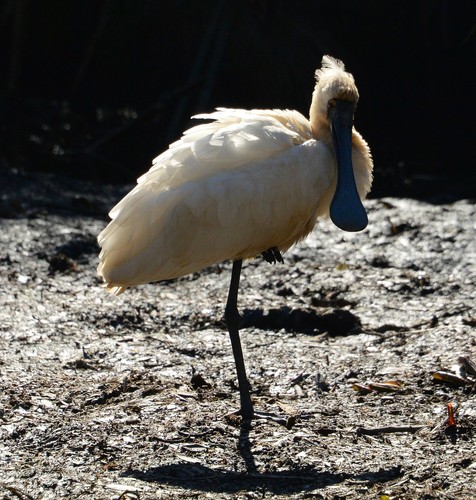
Other feathers you may enjoy

Yellow-billed Spoonbill
White contour and flight feathers with fine breeding plumes on the back and breast
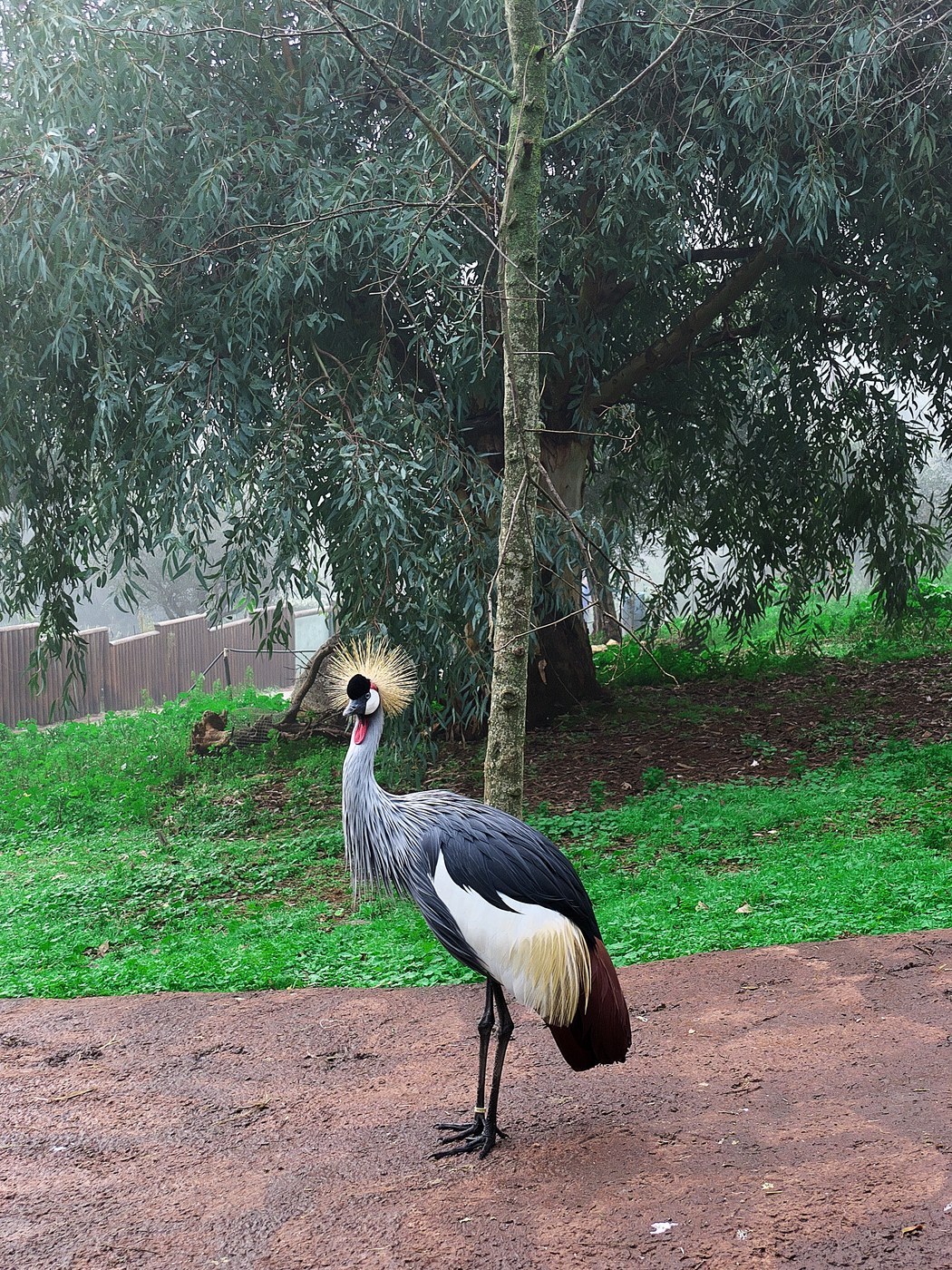
Grey Crowned Crane
Grey body feathers with white wing coverts, chestnut flight feathers, and stiff golden crown bristles
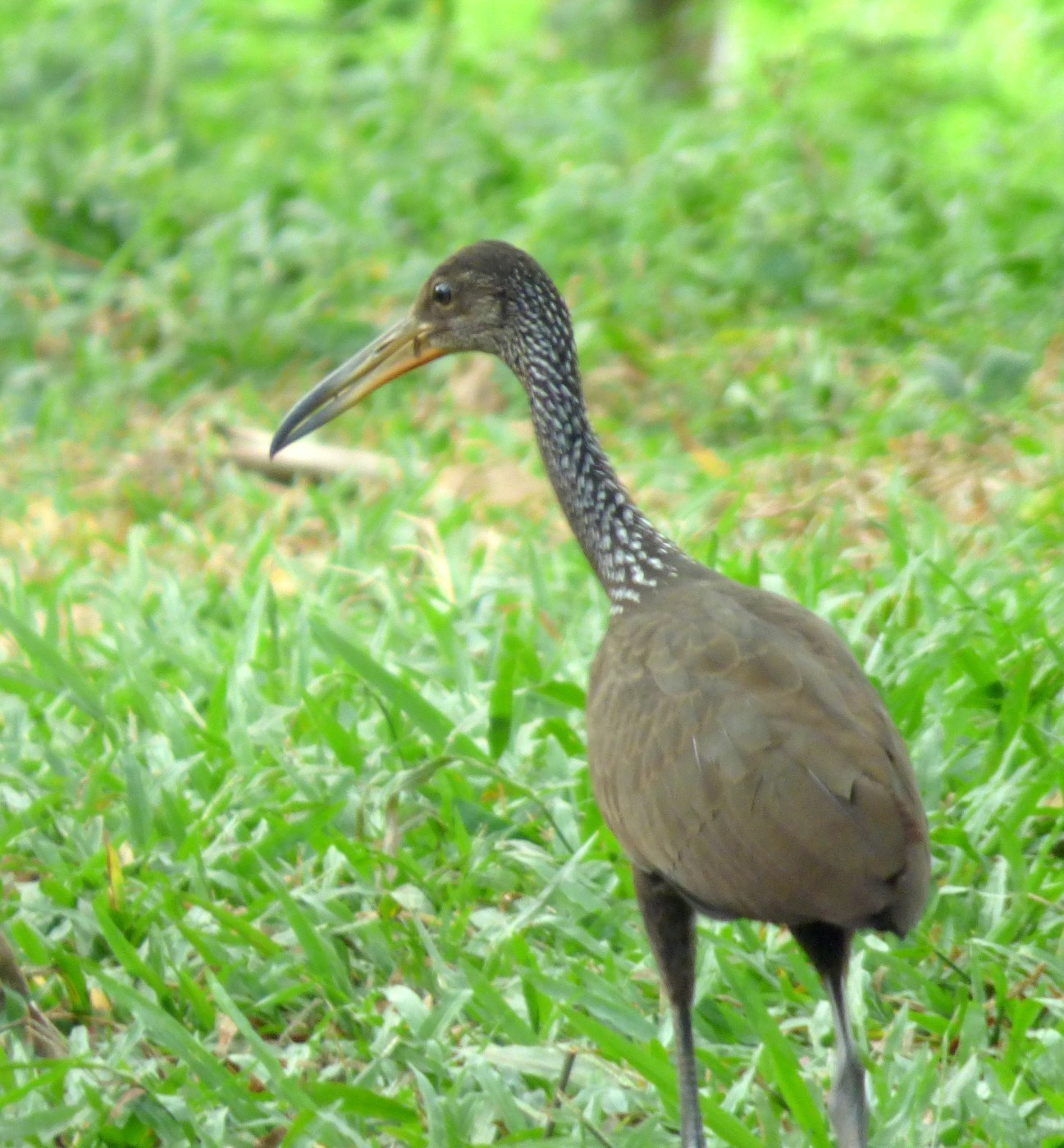
Limpkin
Brown contour feathers with white teardrop-shaped spots and streaks
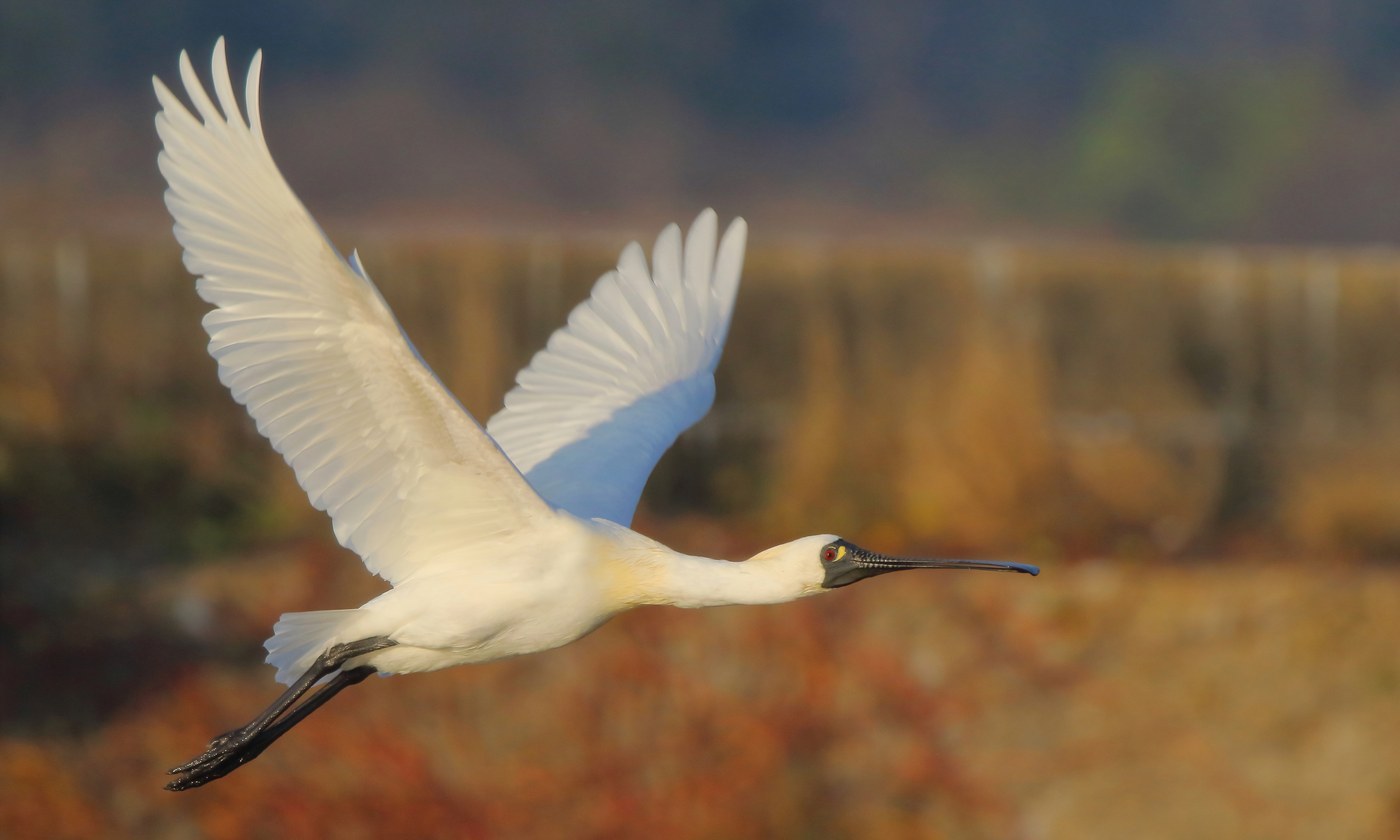
Black-faced Spoonbill
White contour and flight feathers with fine breeding crest and breast plumes
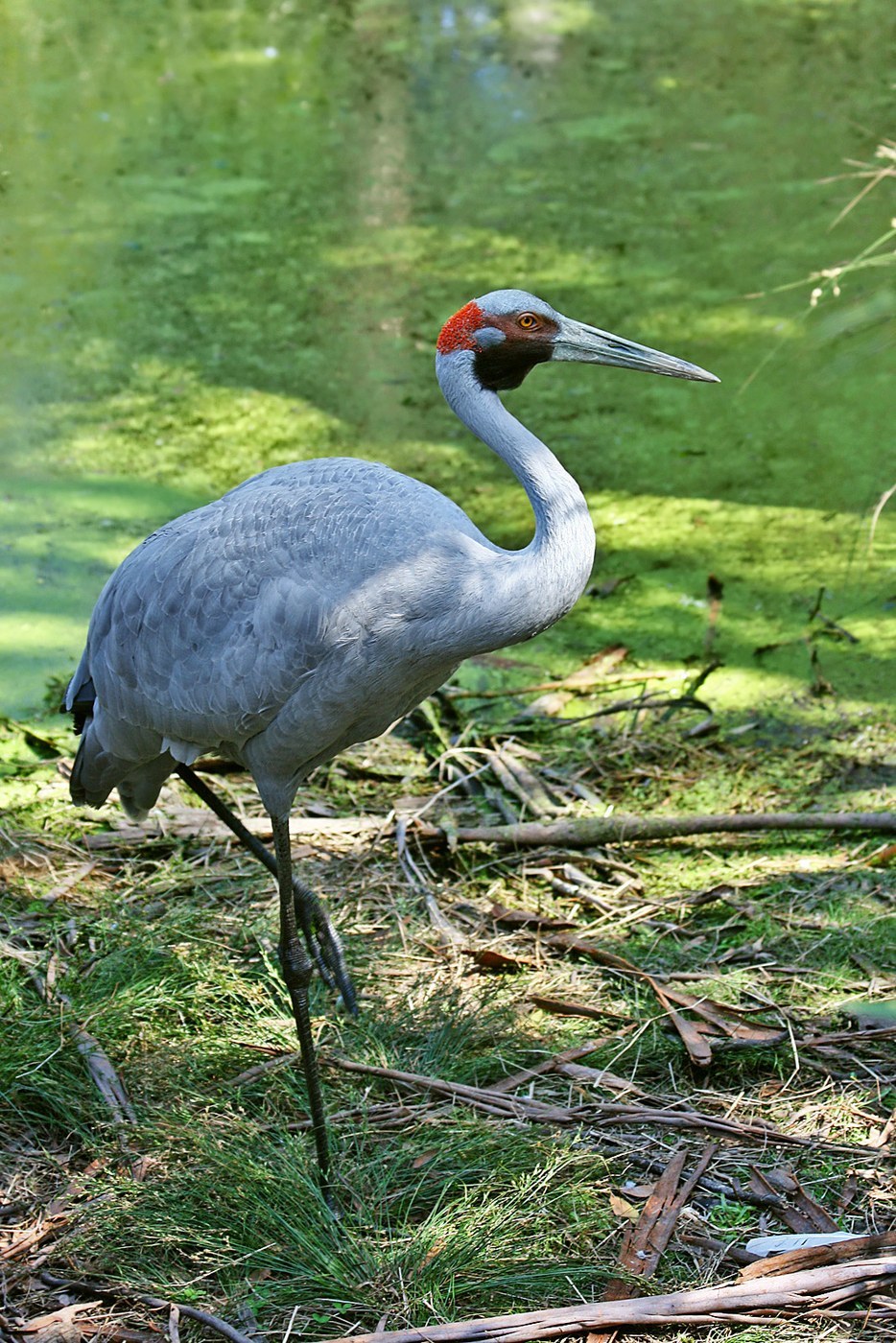
Brolga
Grey contour feathers with drooping bustle plumes
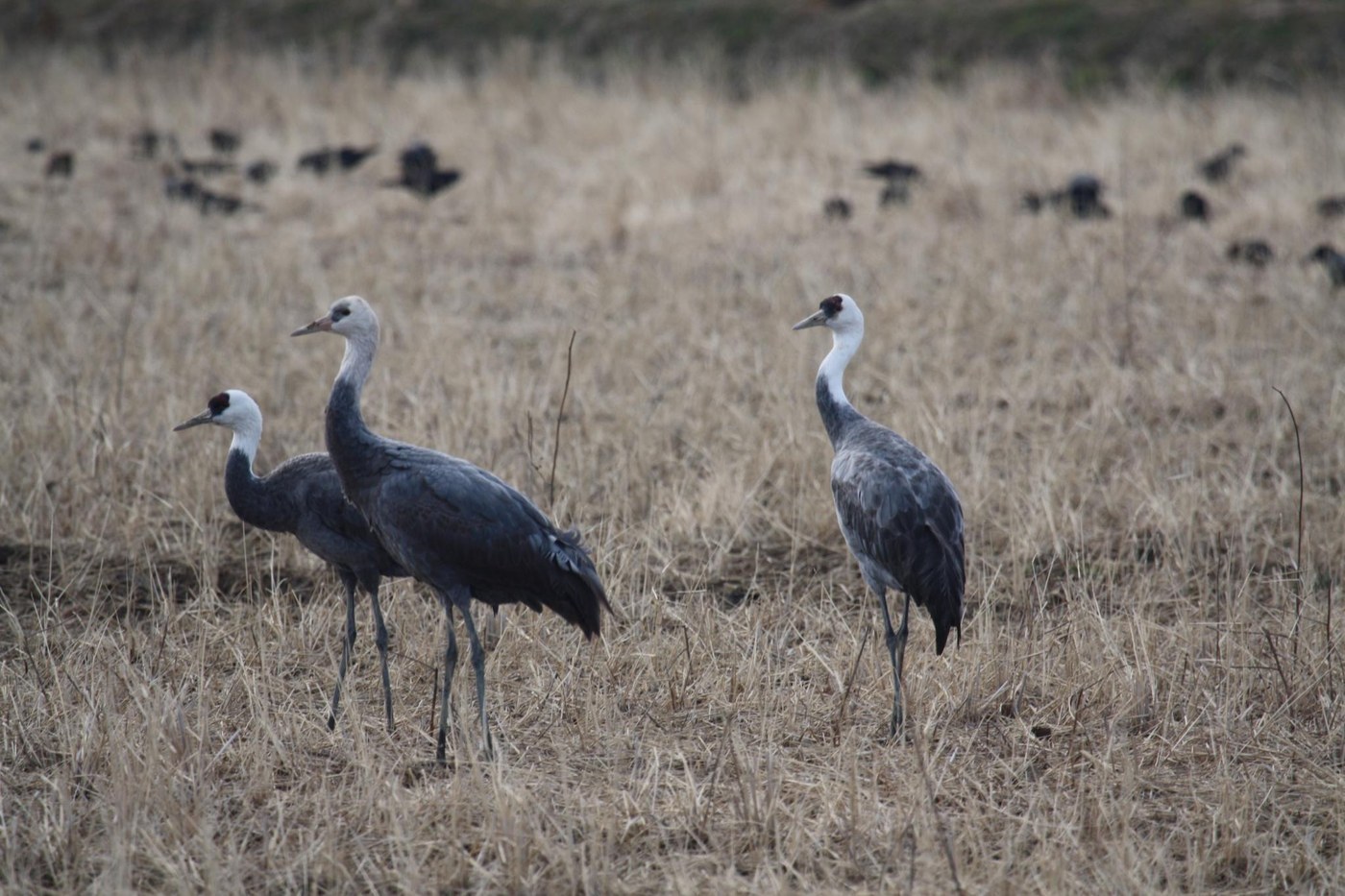
Hooded Crane
Dark slate-grey body feathers with a white head/upper neck 'hood' and black bustle plumes
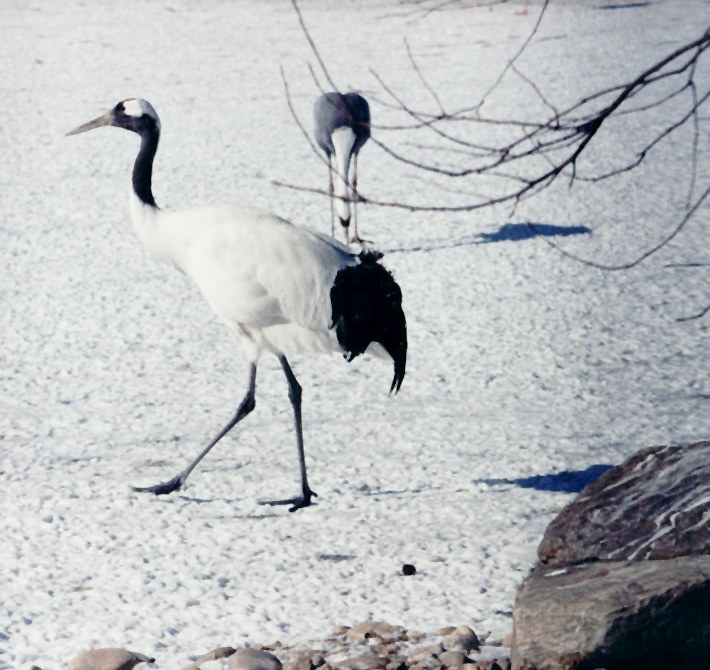
Red-crowned Crane
White contour feathers with black secondary/tertial bustle feathers and a bare red crown

Common Crane
Grey contour feathers with black head/neck feathers and drooping bustle plumes
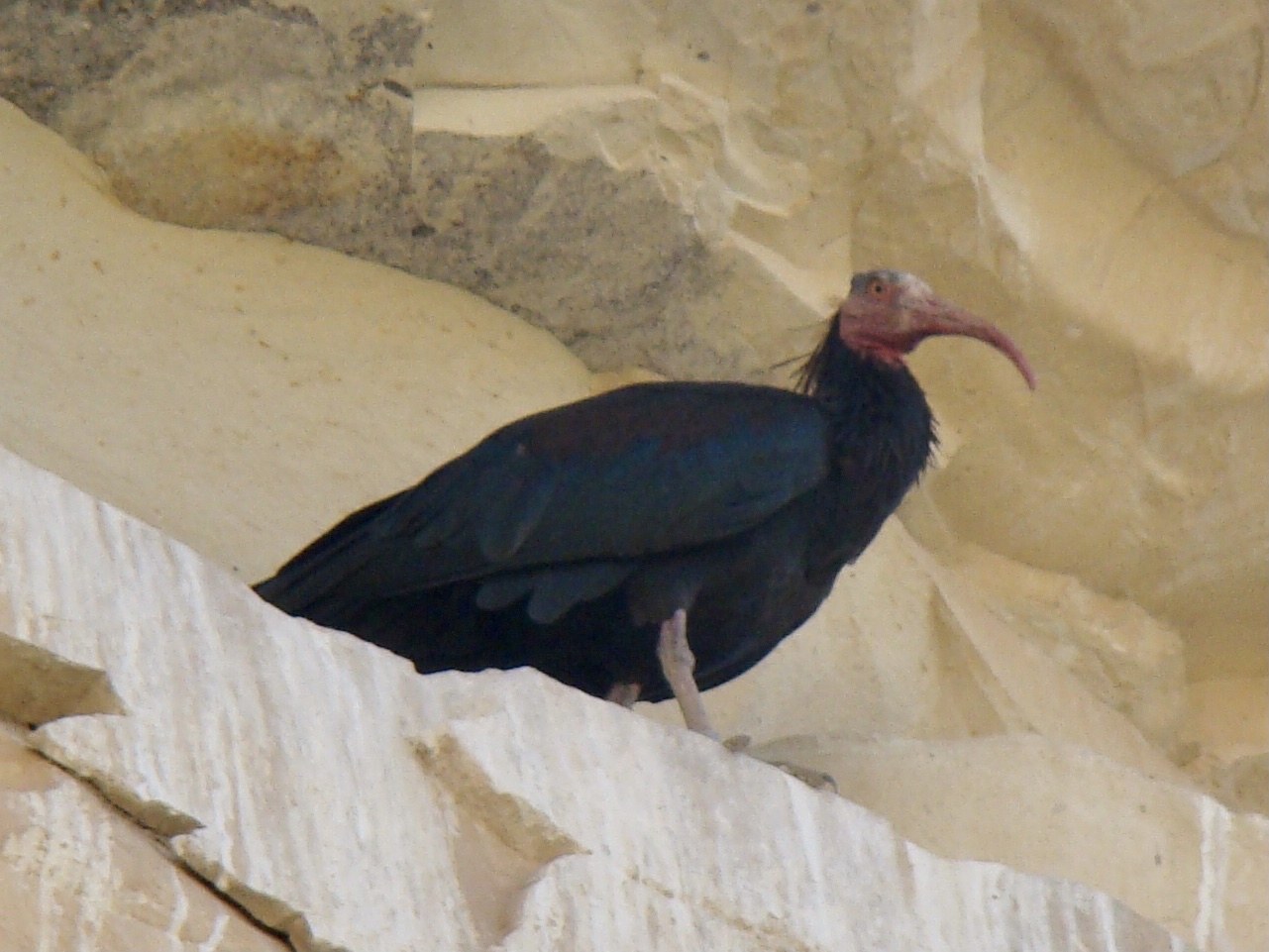
Northern Bald Ibis
Glossy black contour feathers with elongated nape plumes
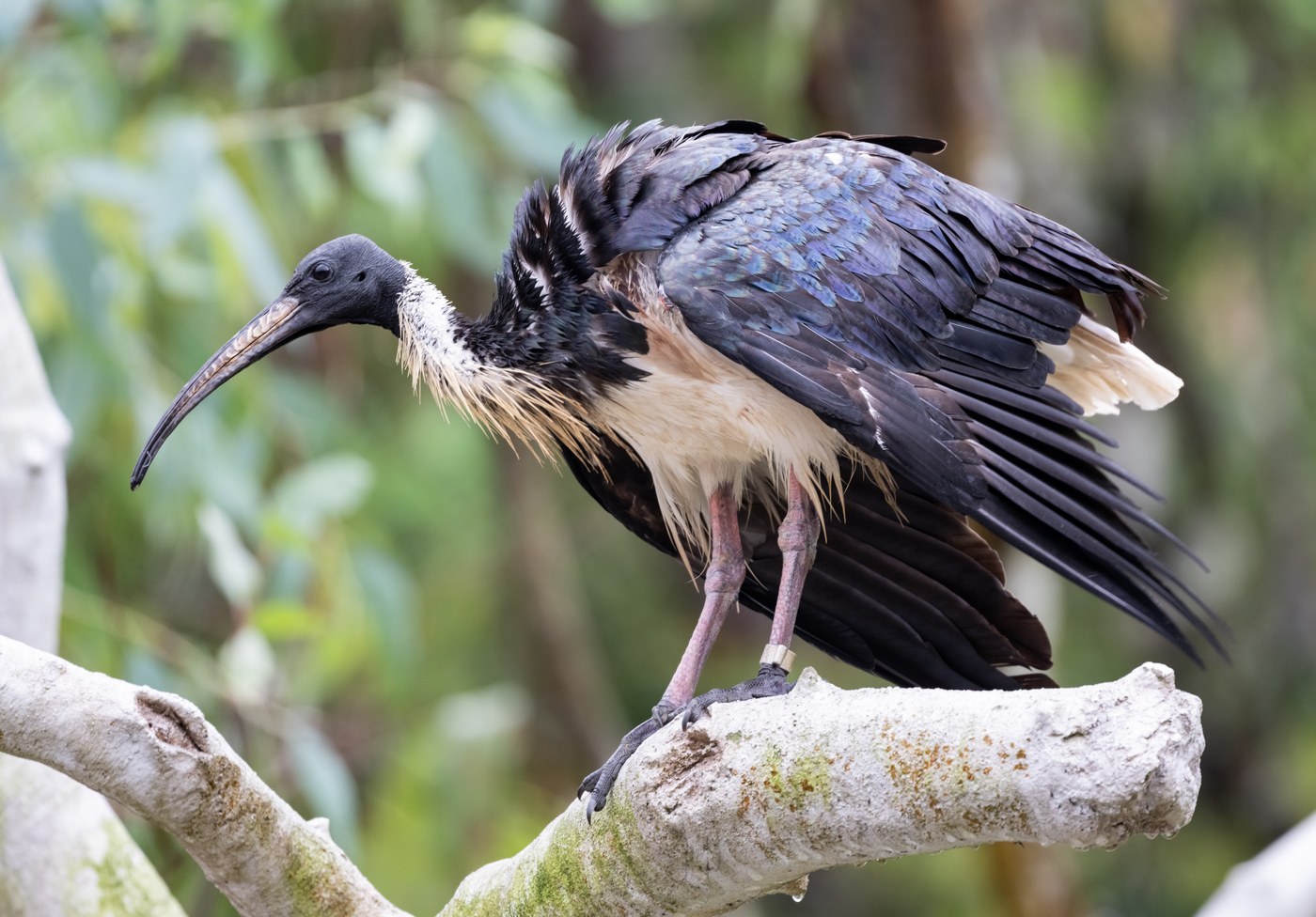
Straw-necked Ibis
Glossy contour feathers with unique straw-like neck plumes
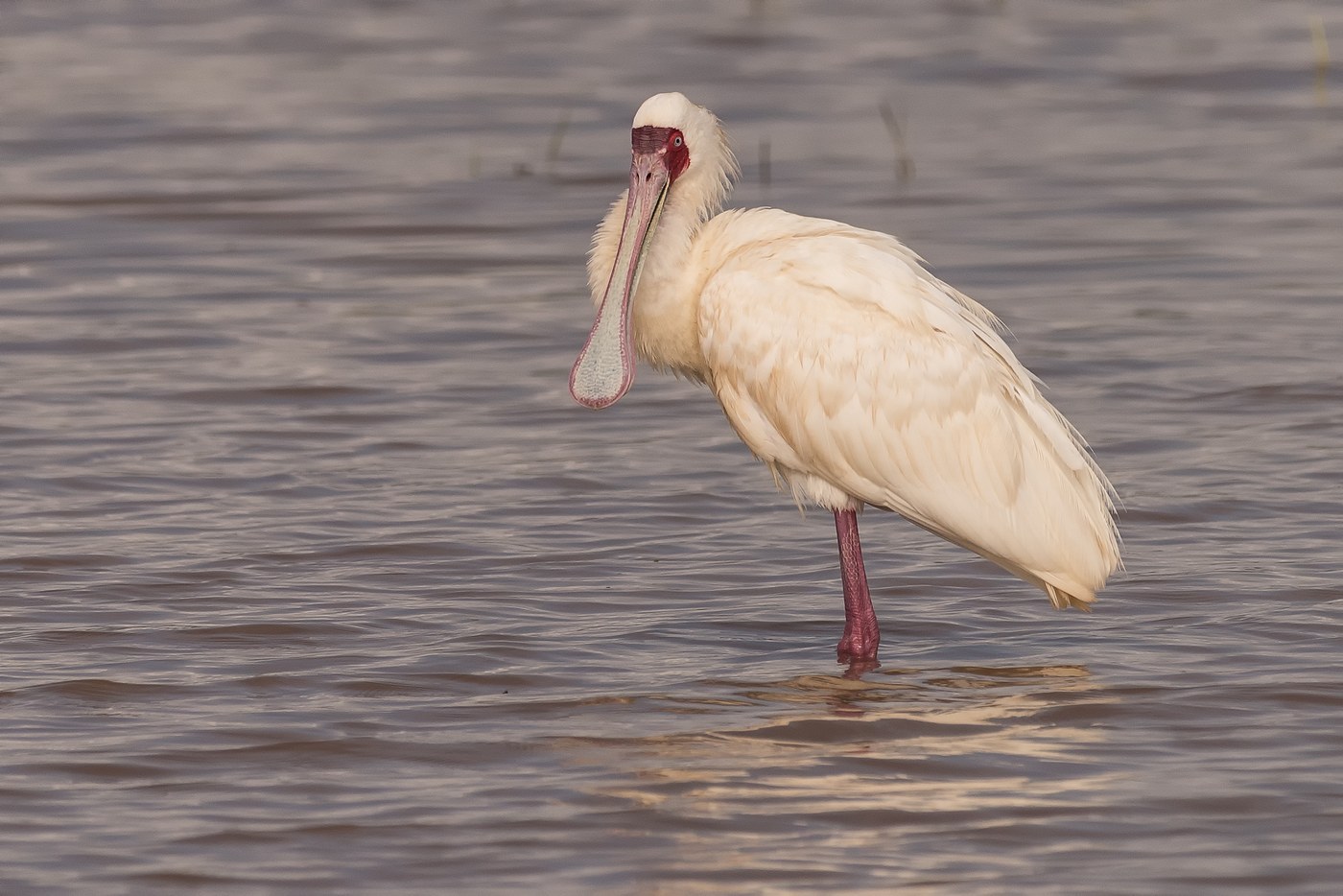
African Spoonbill
White contour and flight feathers, unmarked by black tips

Roseate Spoonbill
Pink and white contour and flight feathers with a carmine shoulder patch