

Ruffed Grouse
Bonasa umbellus
A woodland grouse of North America recognized by its intricately mottled brown or grey plumage, fan-shaped banded tail, and neck ruffs used in courtship drumming displays.
- Feather type
- Mottled, cryptic contour feathers with a fan-shaped, banded tail
- Colours
- Mottled brown, buff, and grey with a dark tail band; occurs in red and grey color morphs
- Bird size
- Medium, ~40-50 cm
Found a feather like this?
Identify any feather from a photo, free.
Overview
Overview
The Ruffed Grouse is a forest-dwelling gamebird widespread across northern and eastern North America, found in deciduous and mixed woodlands. It occurs in two main color morphs, red and grey, both showing intricate mottled camouflage patterning. Males are known for their neck ruffs, feather tufts flared during a distinctive non-vocal drumming display performed on logs.
- Family: Phasianidae (grouse)
- Diet: buds, leaves, seeds, and invertebrates
- Range: Canada and the northern and Appalachian United States
Identifying the Feather
Feather Identification
- Body feathers: intricately mottled in brown, buff, black, and grey, providing excellent camouflage against leaf litter and bark.
- Ruff: elongated black or dark brown feathers on the neck sides can be raised into a prominent ruff during display, giving the species its name.
- Tail: the fan-shaped tail shows fine barring with a bold dark subterminal band near the tip, a key identification feature for shed tail feathers.
- Color morphs: red morph birds show warmer rufous-brown tones overall, while grey morph birds are cooler grey-brown; both share the same tail banding pattern.
- Vs. similar species: the combination of a broad, banded fan tail and neck ruff feathers distinguishes it from other North American grouse such as the Spruce Grouse, which lacks the prominent dark tail band and ruff.
Plumage & Molt
Plumage Notes
Both sexes show similar mottled plumage, though males have slightly larger, more developed ruffs and a more complete dark tail band, useful but not always reliable for sexing. Juveniles resemble adults but with softer, less defined patterning until their first full molt. Red and grey color morphs can occur within the same population and are not linked to sex or age.
Habitat & Range
Habitat & Range
Ruffed Grouse inhabit deciduous and mixed forests, especially areas with aspen, birch, and dense understory, across Canada and the northern and Appalachian United States. They are non-migratory, remaining within a home range year-round, though winter habitat use may shift to denser cover.
Behavior & Field Notes
Behavior
Ruffed Grouse forage on the ground and in trees for buds, leaves, seeds, and fruit, supplemented with invertebrates, especially in the breeding season. Males perform a distinctive "drumming" display, rapidly beating their wings while standing on a log to produce a deep, accelerating thumping sound rather than a vocal call. Nests are shallow ground scrapes concealed by vegetation. The species is generally solitary outside of the breeding season.
Frequently asked questions
What are the color morphs of the Ruffed Grouse?
The species occurs in red and grey morphs, differing in overall warmth of plumage tone but sharing the same tail banding pattern.
What is the dark band on a Ruffed Grouse tail feather?
It is a bold, dark subterminal band near the tip of the fan-shaped tail, a useful identification feature on shed feathers.
What are the neck 'ruffs' used for?
The elongated dark neck feathers are flared during courtship and territorial displays, giving the species its name.
How does the Ruffed Grouse's drumming display work?
Males rapidly beat their wings while standing on a log, producing an accelerating thumping sound rather than a vocal call.
Ruffed Grouse guides
In-depth guides for identifying and understanding Ruffed Grouse.

Ruffed Grouse identified by the community
Real feathers identified with Feather Identifier.


Other feathers you may enjoy

Ring-necked Pheasant
Body (contour), tail, and wing feathers

Bornean Peacock-pheasant
Contour and tail feathers with iridescent ocelli

Crested Argus
Extremely elongated, ocellated (eyespot-patterned) tail feathers among the longest of any bird; tall, erectile crest

Grey Partridge
Body and flank feathers

Willow Ptarmigan
Larger, stockier body feathers with warmer rufous tones in summer; tail feathers black year-round

Wild Turkey
Broad, iridescent body feathers and large flight and tail feathers

Bulwer's Pheasant
Contour feathers and elongated white tail feathers
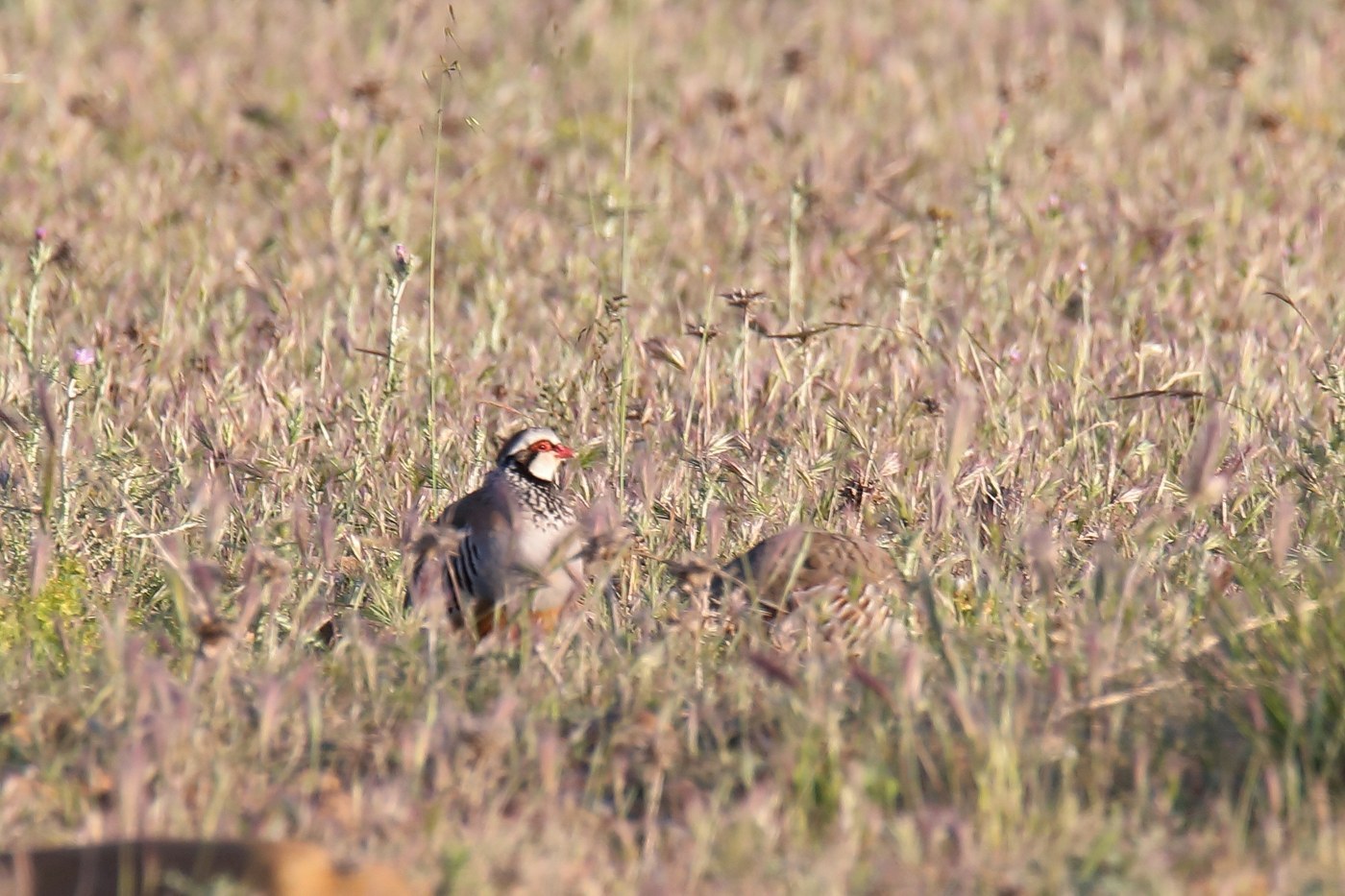
Red-legged Partridge
Flank, body, and flight feathers

White-tailed Ptarmigan
Small body feathers with a tail that stays pure white year-round, unlike other ptarmigan

Edwards's Pheasant
Contour and tail feathers

Sooty Grouse
Dense, plain contour feathers with a pale-tipped, fanned tail

Snow Partridge
Finely vermiculated barred contour feathers