

Silver Gull
Chroicocephalus novaehollandiae
A common and adaptable Australian gull with white plumage, pale grey wings, and black wingtips marked with white spots.
- Feather type
- Sleek, layered contour and flight feathers
- Colours
- White body, pale grey back and wings, black wingtips with white spots
- Bird size
- Medium gull, ~40-45 cm
Found a feather like this?
Identify any feather from a photo, free.
Overview
Overview
The Silver Gull is the most widespread and familiar gull across Australia, often seen scavenging around coastal towns, harbors, and inland waterways. Its clean white body and pale grey back give it a classic gull appearance, while red legs and bill add a splash of color.
Highly adaptable, this species thrives in both natural coastal habitats and urban environments, often gathering in large numbers wherever food is available.
Identifying the Feather
Feather Identification
- Body feathers: pure white on the head, neck, and underparts
- Back and wing covert feathers: pale grey, smooth-edged, forming a soft contrast with the white body
- Primary feathers: black with distinct white spots near the tips, a key identification feature in flight or in shed feathers
- Shaft: pale and sturdy, typical of gull flight feathers built for sustained soaring
- Compared to other gulls, the combination of pale grey back, white body, and black-and-white patterned wingtips is diagnostic within its Australian range
Plumage & Molt
Plumage Notes
Adults show clean white and pale grey plumage year-round with little seasonal change. Juveniles are mottled brown and grey, gradually acquiring the adult pattern over one to two years through successive molts.
Adults undergo a complete molt after breeding, replacing flight feathers in sequence to maintain flight capability throughout the process.
Habitat & Range
Habitat & Range
Silver Gulls are found throughout coastal and inland Australia, as well as New Zealand and New Caledonia, occupying beaches, estuaries, harbors, landfills, and inland lakes. Their adaptability to human-altered environments has allowed populations to expand significantly.
The species is largely resident, though local movements occur in response to food availability and breeding needs.
Behavior & Field Notes
Behavior & Field Notes
Silver Gulls are opportunistic feeders, taking fish, invertebrates, and scraps, and are well known for scavenging around people in coastal towns and parks. They are highly social, often nesting in large colonies on islands or isolated shorelines.
Nests are simple scrapes lined with vegetation, and colonies can number in the thousands. Their calls are a range of harsh, repeated squawks typical of gulls, often heard in noisy colony settings.
Frequently asked questions
What makes Silver Gull feathers distinctive?
The combination of white body plumage, pale grey back feathers, and black primaries with white spots near the tips is characteristic of the species.
How do juvenile Silver Gulls differ in plumage?
Juveniles show mottled brown and grey feathers rather than the clean white and pale grey of adults, gradually molting into adult plumage over one to two years.
Are Silver Gulls found only on the coast?
No, they are highly adaptable and commonly found inland around lakes, farmland, and urban areas as well as coastal habitats.
Do Silver Gulls nest in colonies?
Yes, they typically breed in large colonies on islands or isolated shorelines, sometimes numbering in the thousands of pairs.
Silver Gull guides
In-depth guides for identifying and understanding Silver Gull.

Other feathers you may enjoy

Western Gull
Body, flight, and tail feathers
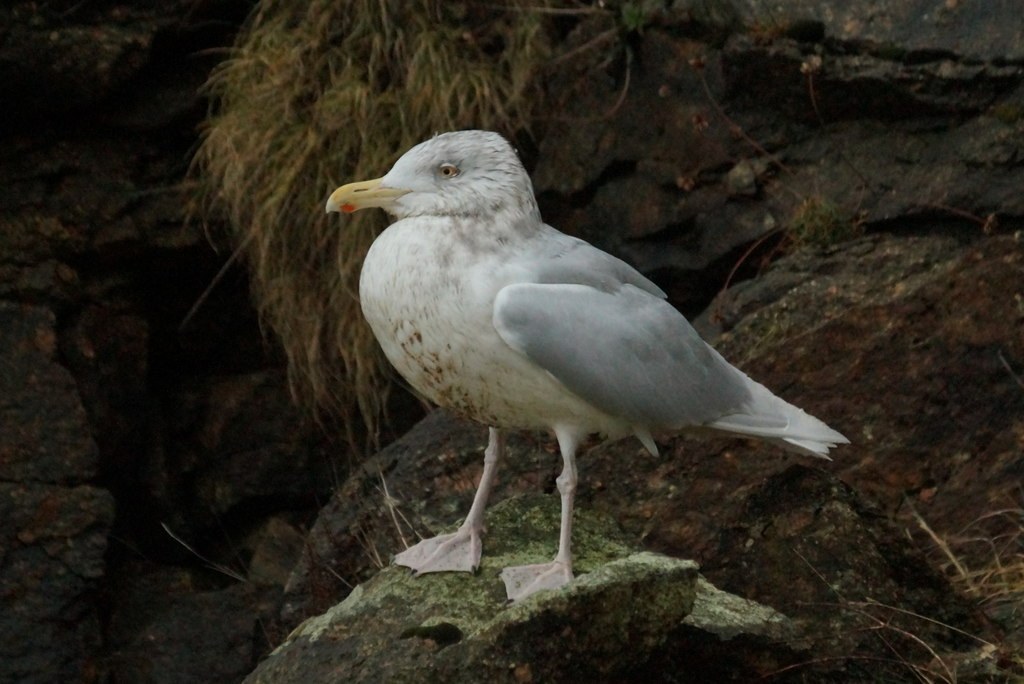
Glaucous Gull
Body, flight, and tail feathers

American Herring Gull
Body, flight, and tail feathers

Great Black-backed Gull
Body, flight, and tail feathers

Common Gull
Body, flight, and tail feathers
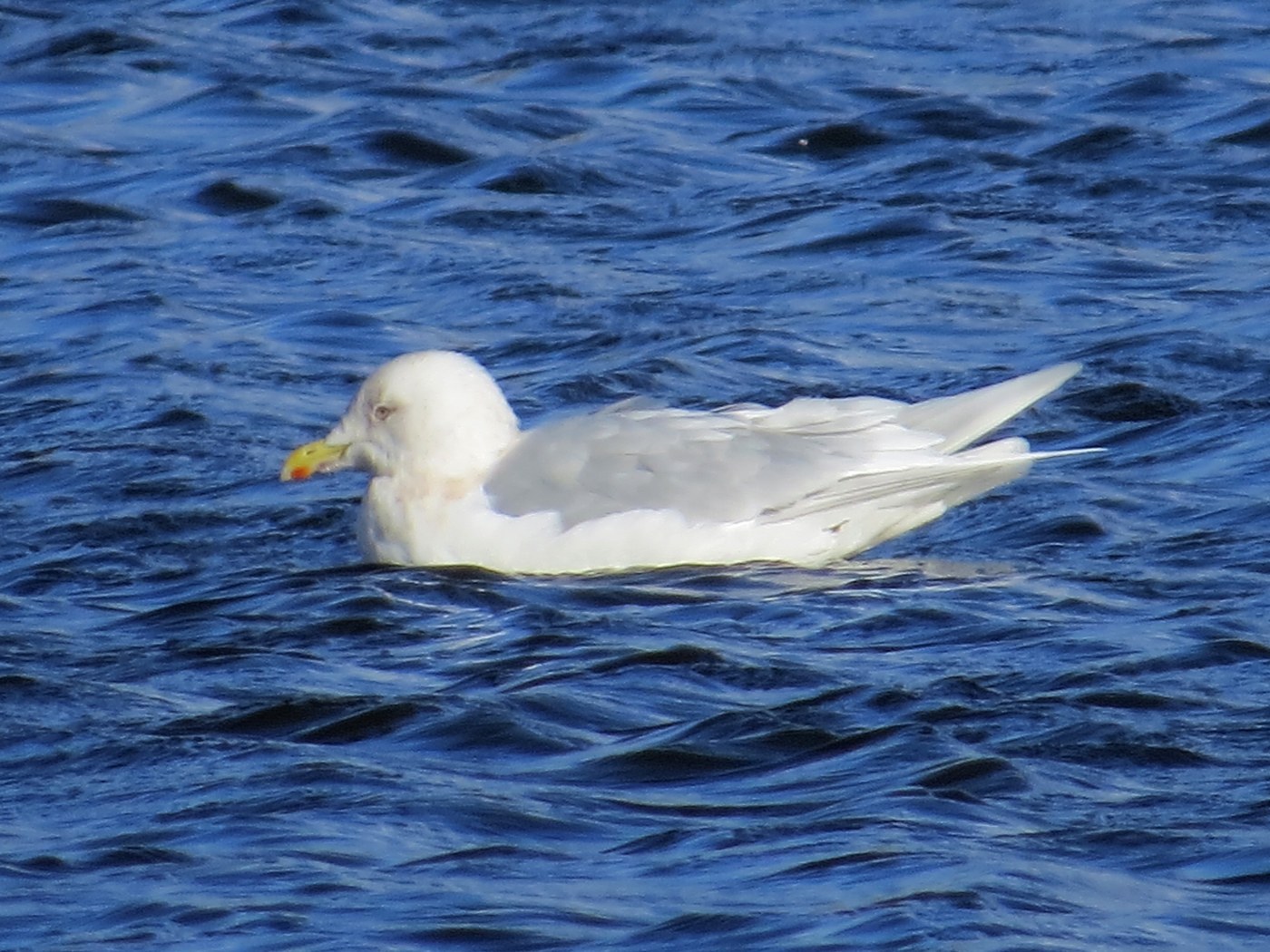
Iceland Gull
Body, flight, and tail feathers

Ring-billed Gull
Body, flight, and tail feathers

Glaucous-winged Gull
Body, flight, and tail feathers

Herring Gull
Body, flight, and tail feathers

Lesser Black-backed Gull
Body, flight, and tail feathers

California Gull
Body, flight, and tail feathers
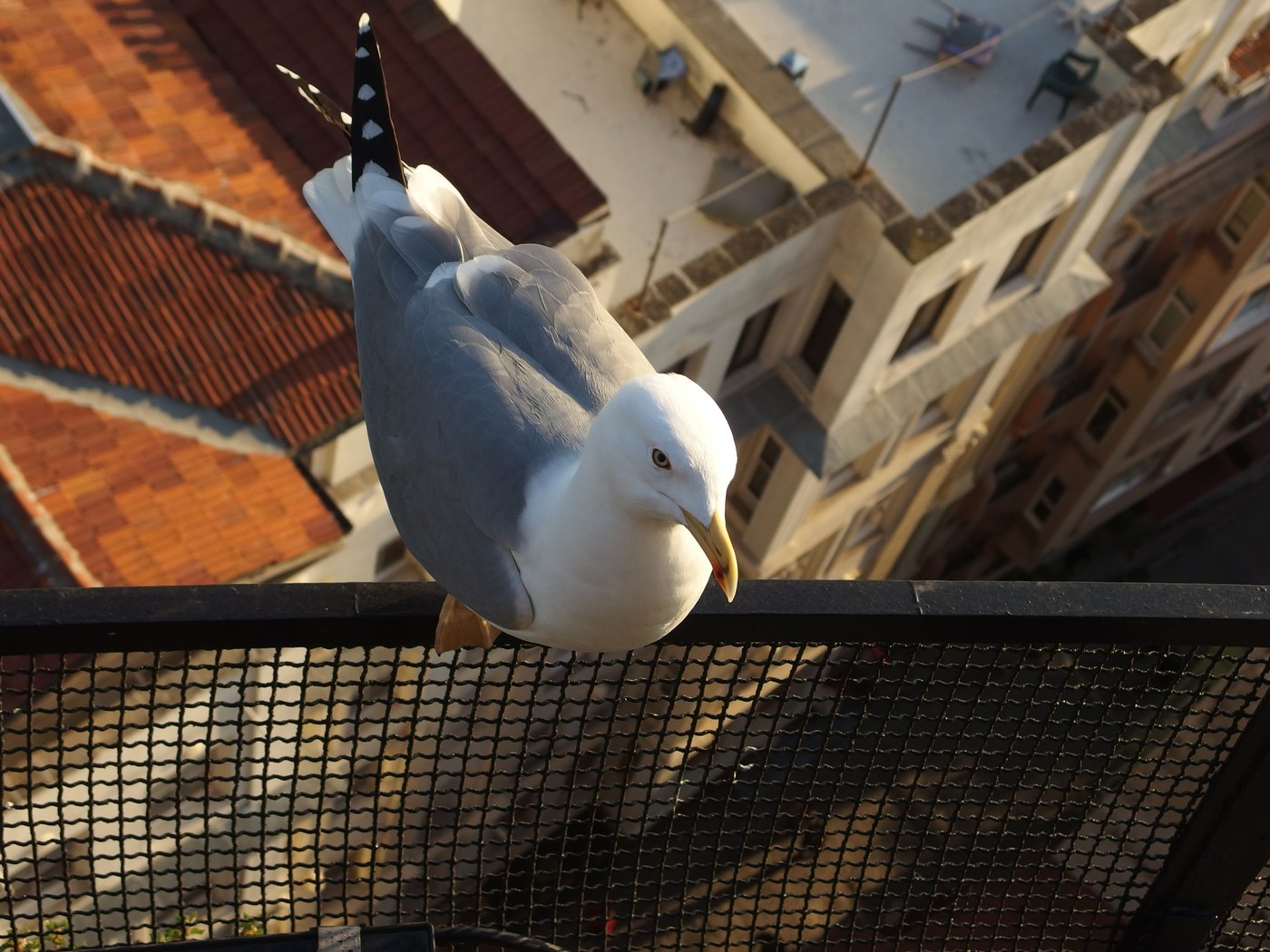
Yellow-legged Gull
Body, wing covert, and flight feathers