

Spectacled Eider
Somateria fischeri
The Spectacled Eider is a large, localized arctic sea duck named for the male's bold white, black-rimmed eye patches that give the appearance of goggles set against a pale green head.
- Feather type
- Large sea-duck body feathers with distinctive eye-ring patches
- Colours
- Pale green head with large white eye patches, black breast, white back
- Bird size
- Large, ~47-56 cm
Found a feather like this?
Identify any feather from a photo, free.
Overview
Overview
The Spectacled Eider is a large sea duck restricted to a narrow breeding range in Alaska and northeastern Siberia, wintering in a relatively small area of the Bering Sea. Breeding males show a pale green head marked by large, rounded white patches outlined in black around each eye, giving a goggle- or spectacle-like appearance, paired with a black breast and white back. Females show a more subdued version of the same pattern, with a paler ring around the eye set against an otherwise brown, barred body.
Identifying the Feather
Feather Identification
- Eye patches: Large, rounded white patches outlined in black surround each eye in males, creating a spectacle-like pattern unmatched by any other eider species.
- Head color: A pale green wash covers the rest of the head, contrasting with the bold white-and-black eye patches.
- Body contrast: A black breast and white back complete the male's pattern, similar in general layout to other eiders but distinguished by the head markings.
- Female eye ring: Females show a paler, less contrasting eye-ring pattern against an overall brown, barred body, a subtler version of the male's spectacled look.
- Overall shape: A rounded head profile and moderately heavy bill support the distinctive facial feather pattern.
Plumage & Molt
Plumage Notes
Breeding males show a pale green head with bold white, black-outlined eye patches, a black breast, and a white back. Females are brown and barred with a paler eye-ring pattern echoing the male's spectacled look. Eclipse males become duller, losing much of the head color and contrast until breeding plumage returns. The species undergoes a complete post-breeding molt with a flightless period, and much of the population is known to molt and winter in specific offshore areas of the Bering Sea. Juveniles resemble females and gradually develop adult male head patterning.
Habitat & Range
Habitat & Range
Spectacled Eiders breed on tundra wetlands in a limited range across western Alaska and northeastern Siberia, nesting near shallow ponds. In winter, much of the population concentrates in specific offshore areas of the Bering Sea, often associated with pack ice. The species is migratory but restricted to a comparatively narrow overall range compared to other eiders.
Behavior & Field Notes
Behavior & Field Notes
Spectacled Eiders forage by diving for invertebrates, both in shallow tundra ponds during the breeding season and in deeper offshore waters during winter. Nesting occurs on the ground near wetland ponds, with females solely responsible for incubation. The species is known for large-scale post-breeding movements to specific wintering areas, a pattern that has been of particular interest given its restricted range. Calls are generally soft, with low crooning notes given during courtship, similar to other eiders.
Frequently asked questions
What gives the Spectacled Eider its name?
The male's large, rounded white patches outlined in black around each eye resemble a pair of spectacles or goggles set against the pale green head.
Where does the Spectacled Eider breed?
In a limited range of tundra wetlands across western Alaska and northeastern Siberia.
How does the female Spectacled Eider show the spectacled pattern?
With a paler, less contrasting eye-ring pattern set against an overall brown, barred body, a subtler echo of the male's bold markings.
Where do Spectacled Eiders spend the winter?
Much of the population winters in specific offshore areas of the Bering Sea, often associated with pack ice.
Spectacled Eider guides
In-depth guides for identifying and understanding Spectacled Eider.

Other feathers you may enjoy

Mallard
Wing (speculum), body, and tail feathers

Canada Goose
Body and flight feathers
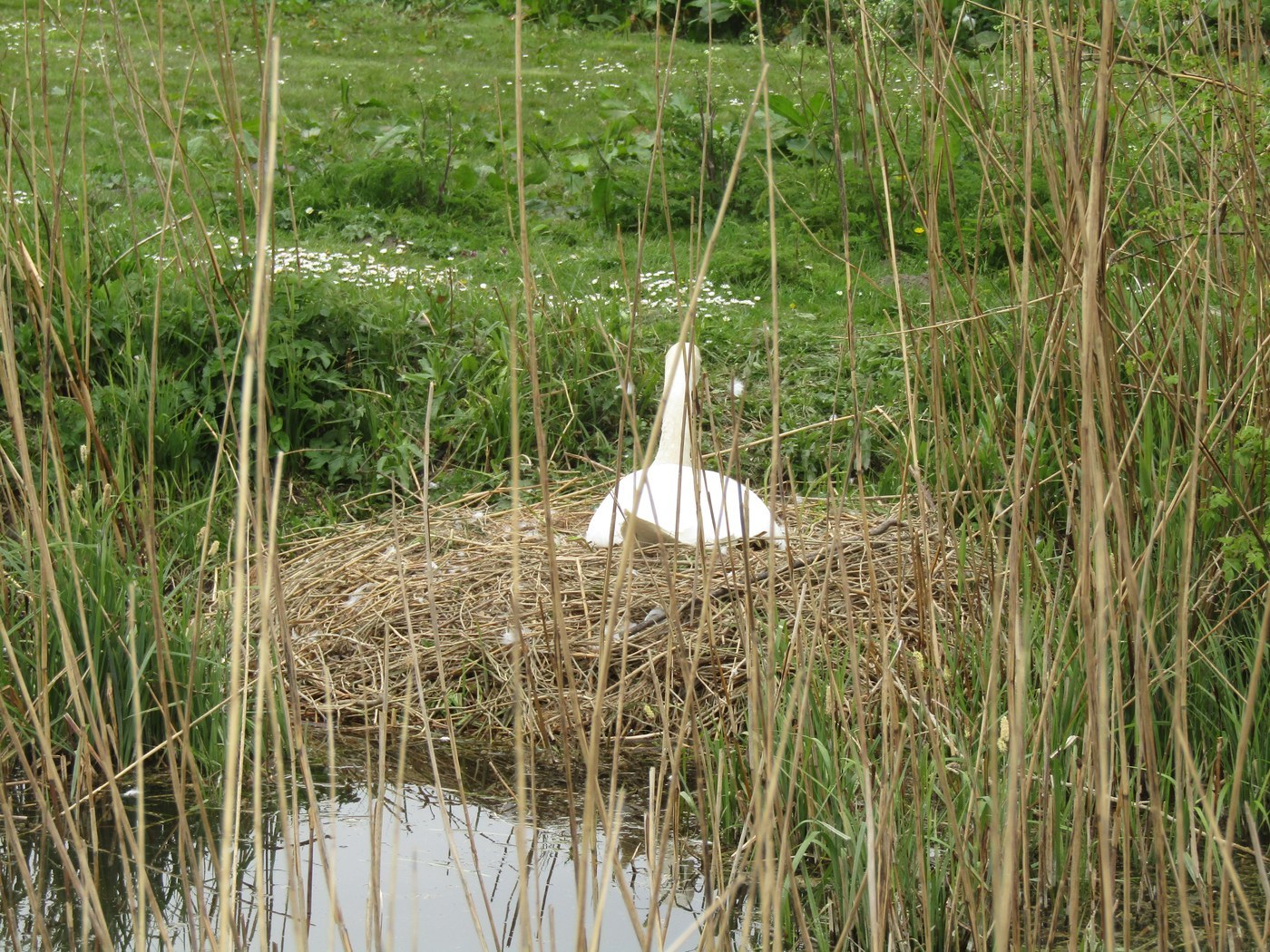
Mute Swan
Body (contour) and flight feathers

Wood Duck
Iridescent crest feathers; ornate scapular and flank feathers; white teardrop facial feathers (female)
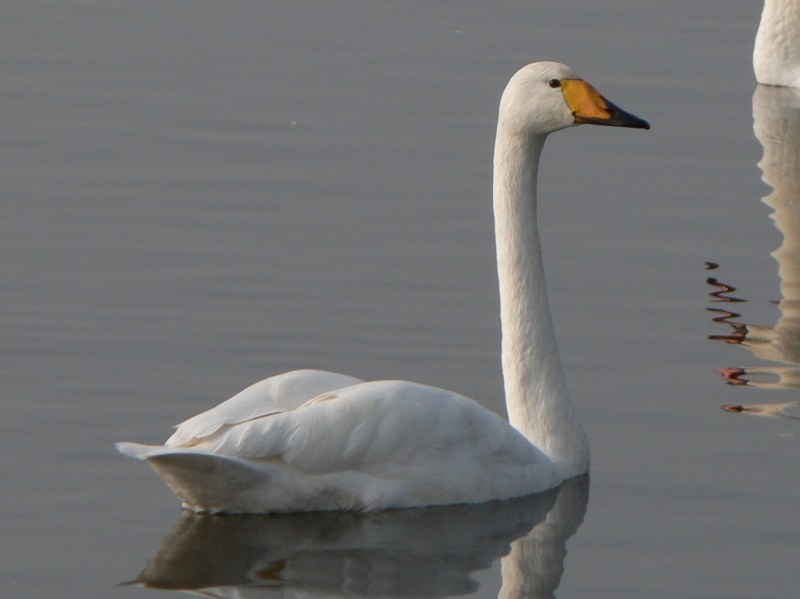
Whooper Swan
Contour and flight feathers

White-winged Scoter
Large sea-duck body feathers with a white wing patch

Ruddy Duck
Stiff tail feathers and compact body plumage

Ross's Goose
Contour and flight feathers

White-cheeked Pintail
Contour and elongated tail feathers

Torrent Duck
Dense, sleek contour feathers; stiff, pointed tail feathers used for bracing against rocks

Tundra Swan
Contour and flight feathers
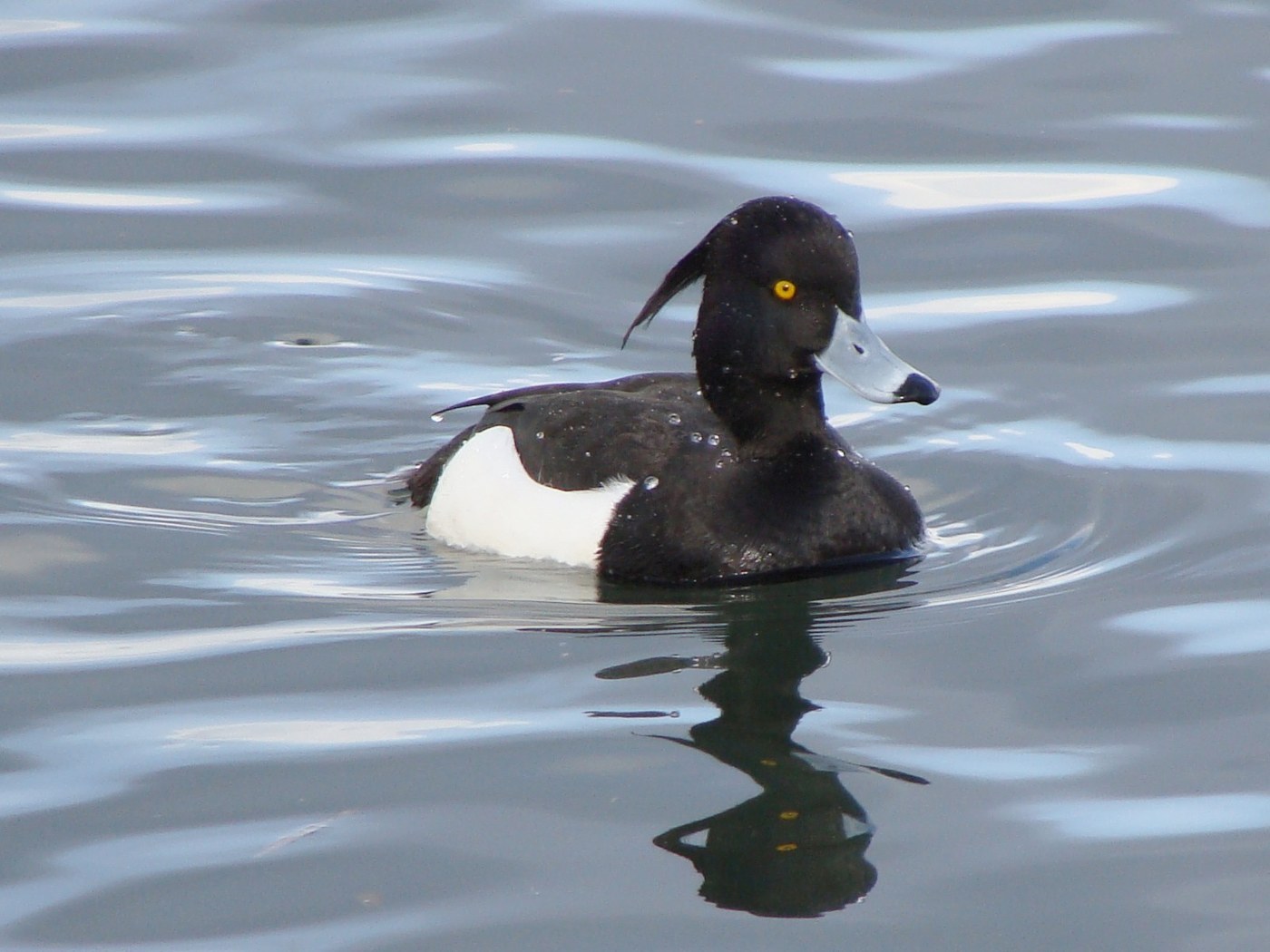
Tufted Duck
Diving-duck body feathers with an elongated crest