
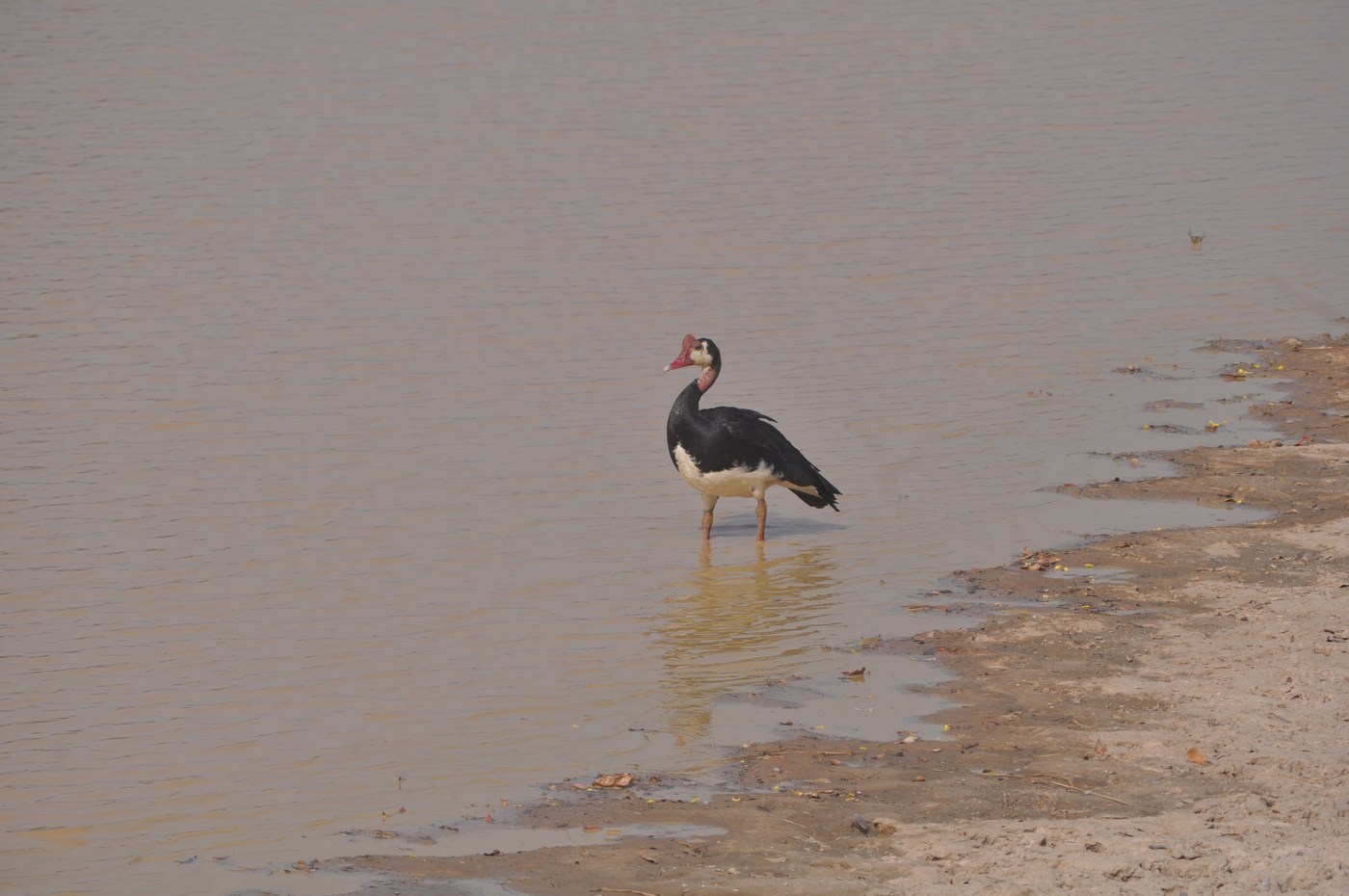
Spur-winged Goose
Plectropterus gambensis
One of the largest waterfowl species in the world, a bulky African goose with glossy black-green upperparts, white underparts, and bare red facial skin.
- Feather type
- Large, glossy body contour feathers; broad flight feathers
- Colours
- Glossy black-green upperparts with white underparts
- Bird size
- Very large, one of the largest waterfowl at ~75-115 cm
Found a feather like this?
Identify any feather from a photo, free.
Overview
The Spur-winged Goose is among the largest waterfowl species on Earth, a bulky, powerful bird found across wetlands and floodplains of sub-Saharan Africa. Its imposing size and bold black-and-white plumage make it a conspicuous presence wherever suitable water and grassland habitat occur together.
The species gets its name from a sharp bony spur at the bend of each wing, a feature used in territorial disputes and defense, distinguishing it from true geese.
Identifying the Feather
- Upperparts are glossy black with iridescent green and purple sheens visible in good light
- Underparts are largely white, contrasting sharply with the dark upperparts and neck
- Face has bare, warty red skin around the bill and eyes, more extensive in males
- Wings are broad and dark, with a hidden bony spur at the carpal joint (wing bend) that is not visible in feather examination but is a key anatomical feature
- Size alone helps distinguish this species from most other African waterfowl, being notably larger and bulkier than typical ducks and geese
Plumage & Molt
Adults show glossy black-green upperparts and white underparts year-round, with males generally larger and showing more extensive bare red facial skin than females. Juveniles are duller and browner overall, with less glossy upperparts and less bare facial skin, gradually acquiring the adult pattern. There is no pronounced seasonal plumage change beyond typical wear and molt.
Habitat & Range
Spur-winged Geese inhabit wetlands, rivers, floodplains, and adjacent grasslands across sub-Saharan Africa, favoring areas with both open water and grazing land nearby. The species is largely resident but can be locally nomadic, moving in response to seasonal flooding and water availability.
Behavior & Field Notes
This species grazes on grasses and aquatic vegetation, often foraging in flocks on floodplains and pastures near water. Nests are built on the ground, typically well hidden in grass or reeds near water. Spur-winged Geese are generally quiet compared to many waterfowl, giving low grunting or wheezing calls, and can be aggressive in defense of territory using the wing spurs.
Frequently asked questions
What does a Spur-winged Goose feather look like?
Upperpart feathers are glossy black with green and purple iridescence, while underpart feathers are clean white, creating a strong two-tone contrast.
Why is it called the Spur-winged Goose?
It has a sharp bony spur at the bend of each wing, used in territorial disputes, though this spur is a skeletal feature rather than a feather trait.
How big is a Spur-winged Goose?
It is one of the largest waterfowl species in the world, with males reaching well over a meter in length and considerable bulk.
Where does the Spur-winged Goose live?
It inhabits wetlands, rivers, and floodplains across sub-Saharan Africa, often near open grazing land.
Spur-winged Goose guides
In-depth guides for identifying and understanding Spur-winged Goose.
Other feathers you may enjoy

Mallard
Wing (speculum), body, and tail feathers

Spectacled Eider
Large sea-duck body feathers with distinctive eye-ring patches

Canada Goose
Body and flight feathers
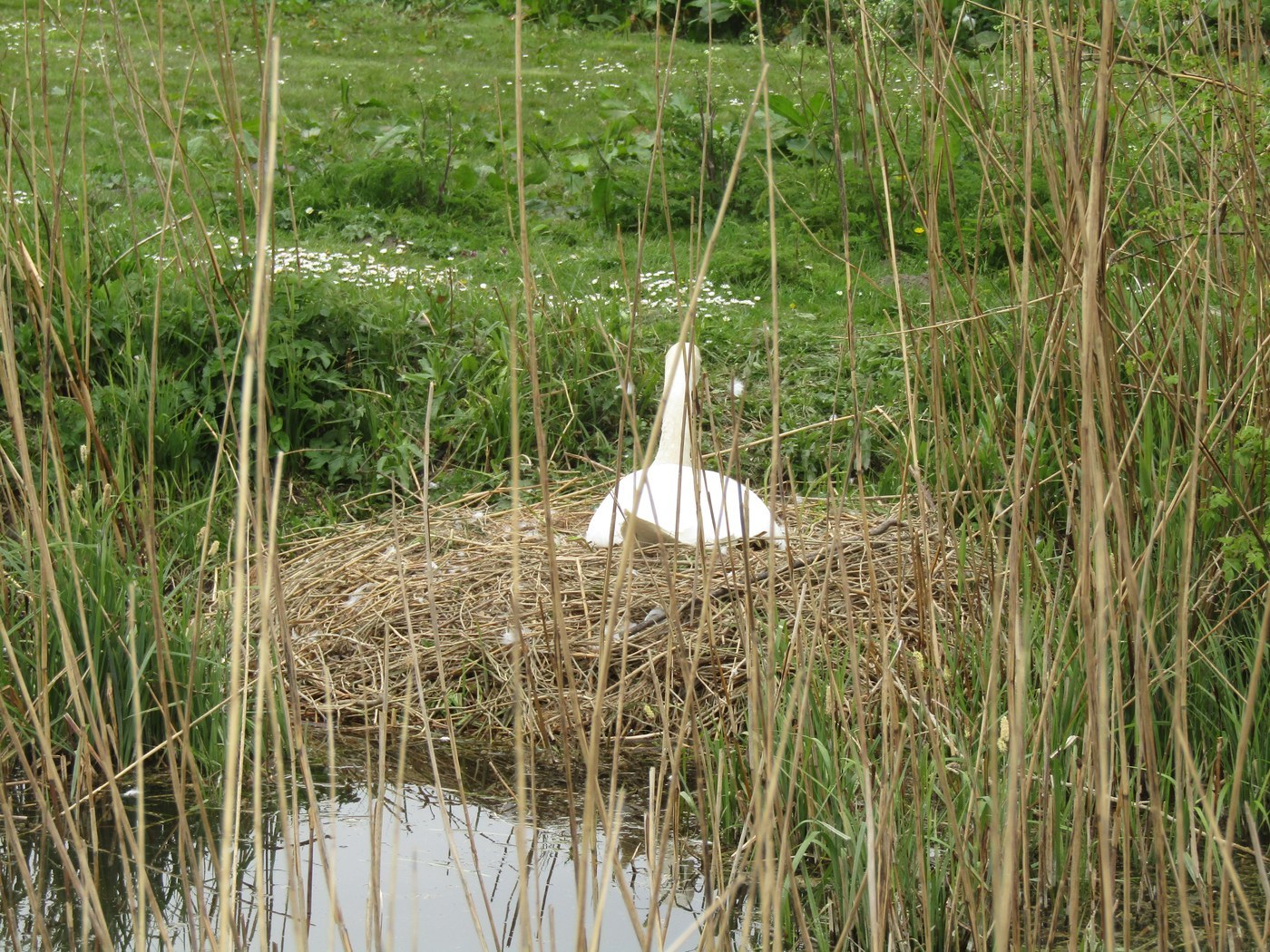
Mute Swan
Body (contour) and flight feathers

Wood Duck
Iridescent crest feathers; ornate scapular and flank feathers; white teardrop facial feathers (female)
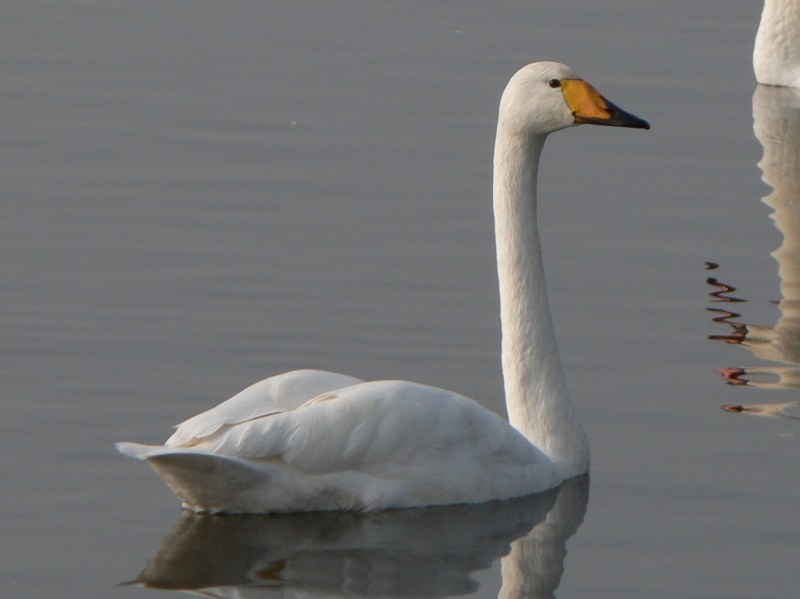
Whooper Swan
Contour and flight feathers

White-winged Scoter
Large sea-duck body feathers with a white wing patch

Ruddy Duck
Stiff tail feathers and compact body plumage

Ross's Goose
Contour and flight feathers

White-cheeked Pintail
Contour and elongated tail feathers

Torrent Duck
Dense, sleek contour feathers; stiff, pointed tail feathers used for bracing against rocks

Tundra Swan
Contour and flight feathers